

Xinyida Files IPO Prospectus: Pioneering Doctor IP Management with Brokerage and Multi-Practice Solutions
The sudden outbreak of the COVID-19 pandemic disrupted people’s daily lives and accelerated the rapid development of the telemedicine industry. As internet companies entered the healthcare sector, producing content through digitalization, online consultations, and online health education, the “influencer + physician” model has gained wider recognition.
According to Newrank statistics, in the first quarter of 2020, there were 941 doctor key opinion leader (KOL) accounts on Douyin and 702 on Kuaishou, indicating that internet-famous doctors were in a period of rapid growth. However, as most physicians are typically burdened with heavy workloads, they often lack the spare energy to build and maintain their personal brands. In such cases, doctors require the assistance of agents or managers.
What Is a Physician Agent?As the name suggests, a physician agent is a professional who provides specialized agency services to physicians, along with expert support in personal brand (IP) development and the integration of medical service resources. In the process of managing a physician’s personal brand, how do physician agents select physicians or departments for collaborative brand-building? How do they sustain the value of the physician’s brand? What impact does this have on patients? To address these questions, VCBeat interviewed Li Meng, founder of Beijing Xinyidai Medical Technology Co., Ltd. (hereinafter referred to as “Xinyidai”).
Building a Team of Physician Agents: An Idea from My Student Days
Li Meng graduated from China Pharmaceutical University and developed the concept of a physician agent during his student years. After graduation, he joined the workforce and engaged in in-depth collaboration on the development of patient follow-up and research systems at a Grade 3A hospital in Beijing, gaining familiarity with the needs of patients and the healthcare industry.
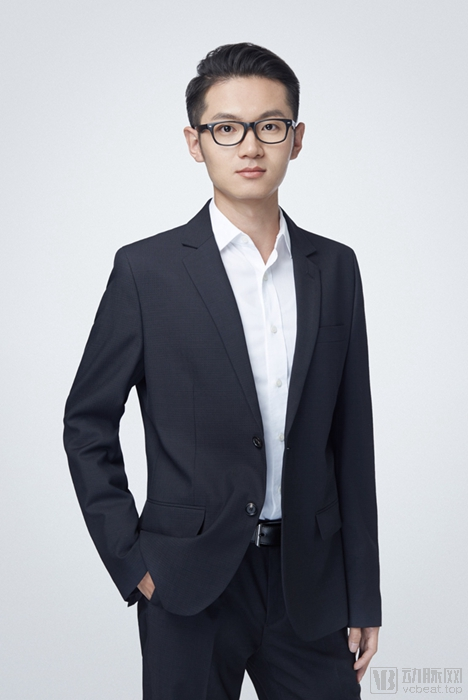
Li Meng, Founder of Xin Yi Dai
“Having worked in the internet healthcare technology sector for many years, I have encountered numerous doctors and patients and gained insights into various challenges. For doctors, possessing technical expertise and a distinctive personal style is often insufficient without an established brand. For patients, it remains difficult to identify suitable physicians based on specific, granular criteria.”
In terms of policy, China has been comprehensively promoting physicians’ multi-site practice in recent years to facilitate the downward distribution of high-quality medical resources. However, the challenges in practical implementation are self-evident, as physicians must consider issues such as suitable practice locations and patient acquisition.
After recognizing the problems existing in the industry, Li Meng decided to resign from his job and founded Xin Yi Dai in Beijing in April 2019. Xin Yi Dai is a physician agent team that helps doctors operate their internet IP brands, providing services such as agency representation, brand planning, and brand monetization for doctors. The company has now settled in the Peking University Medical Science and Technology Achievement Transformation and Innovation & Entrepreneurship Center (hereinafter referred to as “PKU Medical Sci-Tech Innovation Center”).
Peking University Medical Science and Innovation Center is a technology transfer and innovation & entrepreneurship platform established by the Peking University Health Science Center to provide comprehensive services for medical technological innovation. Since its inception, the Center has incubated dozens of high-quality medical startup projects across China and successfully attracted more than ten top-tier medical ventures to settle in, continuously empowering these startups to embark on new journeys of growth.

Doctors Can Also Be “Trainees”
For seasoned physicians with years of clinical experience, personal brands and reputations are already well-established in the minds of patients. However, a significant proportion of doctors, despite possessing proficient technical skills, are constrained by their seniority and struggle to cultivate distinctive personal brands, resulting in low patient adherence.
These physicians constitute the primary target clientele of XinYiDai. In building their personal brands, XinYiDai has adopted a “trainee” model: it signs a large number of physicians, each of whom is designated as a trainee until their brand development is complete. The company crafts individual professional personas for each physician based on their personal and career characteristics, and plans the style of content to be produced.
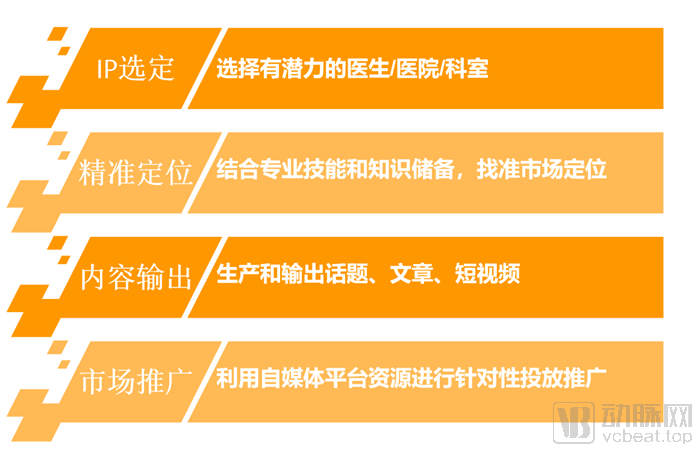 Xinyidai Doctor Brand Building Process
Without the support of a talent agency team, it is difficult for physicians to generate significant traffic on platforms such as Weibo and Douyin. However, by signing with an agency, the firm can collaborate with platforms and influential accounts to secure exposure and traffic. Physicians are relieved from expending effort on content topic selection, optimization, and promotion; they need only ensure a solid professional foundation and provide expert knowledge.
Taking a doctor affiliated with XinYiDai as an example, the short videos posted on their Douyin account can gain substantial traffic exposure in a very short period, thanks to support from both the company and the platform. By partnering with platforms to unlock traffic channels, XinYiDai can significantly enhance the efficiency of building physicians’ personal brands.
In addition to the aforementioned physicians, Xin Yi Dai has also signed contracts with numerous department directors at various hospitals. In Li Meng’s view, these physicians possess more extensive clinical experience and enjoy high professional status and reputation within the industry, although they lack broad public recognition. Building a brand IP centered on such physicians is more conducive to enriching the content and information disseminated externally in the early stages, and facilitates the establishment of medical idols and role models.
Xinyidai’s current network of collaborating physicians includes both traditional Chinese medicine (TCM) and Western medicine practitioners. However, in recruiting TCM physicians, Xinyidai primarily selects those with extensive professional experience.
After successfully establishing a physician’s personal brand, the agent must address the issue of commercial monetization. Currently, Xinyidai adopts monetization strategies such as paid knowledge services, live-streamed Q&A sessions, and facilitating multi-site practice, while deliberately avoiding the e-commerce affiliate marketing model commonly used by most internet celebrities today.
Li Meng stated, “Being a physician is a rather unique profession, with numerous factors to consider when engaging in live-streamed product promotion. Moreover, there are multiple avenues for monetizing a physician’s brand beyond this method. Therefore, we are not currently considering having physicians engage in live-streamed product sales.”
Former Pharmaceutical Sales Representative, Now a Physician Agent
Throughout the brand-building process, as the physician’s reputation grows, there may be accompanying skepticism and negative information. In response to public doubts regarding professional expertise, the company team will promptly respond by citing articles published in journals with strong credibility.
This necessitates that physicians’ agent teams possess a certain medical background or have specialized knowledge of the physician industry. So, how does Xinyidai select suitable candidates to become medical agents?
In response to this question, Li Meng provided an answer: pharmaceutical sales representative.
Li Meng believes that, on the one hand, pharmaceutical sales representatives possess extensive hospital resources, which can better facilitate physicians in practicing at multiple sites; on the other hand, they have a certain understanding of medical knowledge and possess marketing capabilities. However, pharmaceutical sales representatives are relatively lacking in media resources. Therefore, Xinyidai has now partnered with numerous media platforms to help promote brand content.
Leveraging its strong pool of physician talent and media resources, Xinyidai has successfully cultivated multiple influencer physician IPs on platforms such as Douyin and Weibo, amassing a substantial follower base.
Pre-consultation Guidance, Post-consultation Follow-up, and Enhanced Patient Experience
As living standards improve, public demand for health and wellness continues to grow. However, some individuals lack the ability to distinguish pseudoscience, resulting in many online chat groups being flooded with unsubstantiated pseudo-wellness articles. Xin Yi Dai addresses this issue by promoting licensed physicians to online fame, thereby enabling more people to access accurate and professional medical knowledge and enhancing public health awareness.
For individuals seeking medical care, Xinyi Dai provides consultation guidance and healthcare services. Patients can also proactively search for physicians based on their specialties to schedule outpatient appointments and surgeries.
Typically, a physician manages multiple patients. For those who do not require hospital visits, XinYiDai also provides regular follow-up services to report patient conditions to physicians, thereby saving time for both patients and doctors.
In Li Meng’s view, two key factors must be considered in the professional development of physician agents: policy-related factors and doctor–patient dynamics. As a group of physicians who have gained public visibility over the past two years, “internet-famous doctors” may face increased regulatory oversight regarding their scope of practice. Nevertheless, given the national encouragement of multi-site practice and the popularization of professional medical knowledge, this trend presents valuable growth opportunities for both internet-famous physicians and their representing agents.
Currently, Xin Yi Dai is advancing its fundraising efforts, seeking approximately RMB 5 million. The funds will be primarily used to strengthen the team’s content creation and market promotion capabilities, while also enhancing its service platform.