

TCL Medical Imaging Files IPO Prospectus: Positioning as a Strategic Complement to Public Hospitals Through Independent Imaging Centers
“Third-party independent imaging centers” is a concept originally introduced from abroad. The Chinese market represents an untapped fertile ground for such services. However, since the State Council issued the “Guiding Opinions on Advancing the Construction of a Tiered Diagnosis and Treatment System” in September 2015, which explicitly proposed “exploring the establishment of independent regional medical laboratory institutions, pathological diagnosis institutions, medical imaging examination institutions, sterile supply institutions, and blood purification institutions to achieve regional resource sharing,” a series of favorable policies—including tiered diagnosis and treatment, healthcare reform, multi-site practice, and medical consortia—have successively supported third-party independent imaging centers, laying a solid foundation for their development.
Amid the economic winter, three independent imaging center companies secured over RMB 100 million in financing during the first half of this year, sending fresh ripples through the sector. From initial exploration to the current stage, where medical imaging companies are gradually identifying development models suited to their own operations, players in this field have made numerous attempts. TCL Medical Group, founded in 2009, is one such example.
Forty years represent the period during which TCL Group has been deeply entrenched in the electrical appliance industry. As a time-honored Chinese brand, TCL Group’s strategic cross-sector entry into the medical imaging industry is underpinned by its profound industry insights and substantial accumulation of resources and experience. In 2009, TCL Medical commenced the research and development, manufacturing, and sales of medical imaging equipment, becoming one of the earliest recipients of the “Double Soft” certification issued by the Beijing Municipal People’s Government. Over time, it has gradually established a comprehensive product portfolio covering digital radiography (DR), ultrasound, magnetic resonance imaging (MRI), computed tomography (CT), and digital subtraction angiography (DSA).
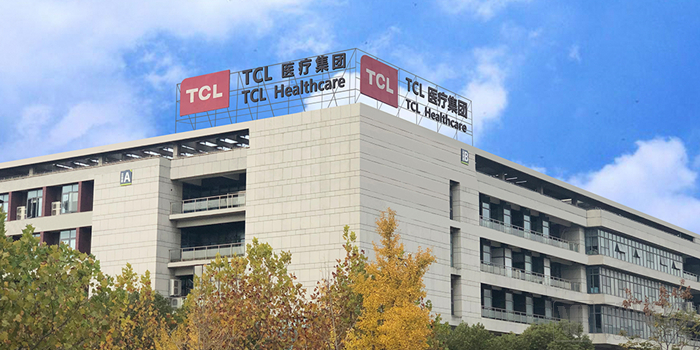
TCL Medical Group
With the introduction of national standards for third-party independent imaging centers in late 2016, TCL’s medical team leveraged its in-depth understanding of the medical imaging field, along with the network and resource advantages accumulated in the healthcare sector, to gradually transition into the medical imaging services domain.
In 2019, in response to national policies supporting social capital investment in independent imaging centers, TCL Medical, through collaboration with local governments and world-leading medical equipment companies, officially established “TCL Medical Imaging” early that year. The company engages in the investment, construction, and operational management of independent medical imaging centers across China.In the same year, TCL Medical Imaging completed its Series A financing, securing nearly RMB 100 million in investment from Honghui Capital, laying the foundation for its nationwide expansion across China. The company also plans to raise RMB 150 million this year to further broaden its market presence.
Tracing the development trajectory of TCL Medical Imaging, although its transition into medical imaging services has been brief, every step it has taken toward establishing independent imaging centers has been solid and steady.
In fact, the term “Independent Imaging Center” originated in the United States. After nearly three decades of exploration, this model has become relatively mature. During the initial three years of development of independent imaging centers in China, the U.S. model was largely replicated.ButThe situations in China and the United States are, in fact, markedly different; simply put, they can be distilled into two key points.
I.Stemming from different policy objectives. The United States aims for independent imaging centers to provide more competitive and cost-effective diagnostic imaging services, while China seeks to promote tiered diagnosis and treatment, enhance regional medical service capacity, and alleviate the diagnostic and treatment burden on tertiary hospitals.
IIStemming from different commercial insurance environments. The mature commercial insurance system in the United States encourages physicians to conduct more rigorous preventive screenings, enabling timely detection of patients’ conditions to reduce payment costs. In this regard, neither patients nor physicians in China have paid sufficient attention to “prevention,” and the absence of commercial insurance has resulted in a lack of incentives for individuals to undergo self-examinations.
Through in-depth analysis of the aforementioned two points and observation of pain points such as prolonged examination wait times and uneven distribution of diagnostic equipment in public medical institutions, TCL Medical Imaging has adopted a complementary model combining high-end independent medical imaging centers with innovative imaging outpatient clinics. It is deeply cultivating the Greater Bay Area and the Yangtze River Delta region, expanding its footprint across China, and building and operating medical imaging centers. Meanwhile, adhering to the core principle of “serving as a robust complement to public hospitals,” TCL Medical Imaging engages in comprehensive, in-depth cooperation with public hospitals, achieves full integration with the national health insurance system, and establishes compliant and specialized third-party independent medical imaging centers.
According to the China Health Statistics Yearbook, revenue from hospital examination fees showed an increasing trend from 2008 to 2020, with the Chinese medical imaging market projected to reach a scale of RMB 250 billion in 2020. The potential market for third-party imaging centers in China is approximately RMB 55 billion, accounting for only 25% of the total; this share is expected to rise to around 50% in the future. Underlying these figures is the substantial market growth potential inherent in the third-party imaging center sector.
Taking TCL Medical’s Shenzhen Longhua Independent Medical Imaging Center as an example, the center is not only equipped with high-end imaging modalities—including Siemens PET-CT, MRI, 128-slice CT, DR systems from well-known domestic brands, mammography units, and ultrasound devices—but also has appointed Professor Lu Puxuan, who boasts over 30 years of experience in diagnostic medical imaging, as its Director. Other senior medical experts include Professor Huaide He, Director of PET-CT, who has been engaged in nuclear medicine diagnostics for PET-CT for more than 40 years; and Director Huaqiang Hua, Head of MR and CT, who specializes in oncologic imaging diagnosis and has 25 years of clinical experience.
Recently, at a training conference on “Establishment and Implementation of Imaging Diagnostic Criteria for Pulmonary Tuberculosis,” co-hosted by the Radiology Professional Committee of Social Medical Institutions under the Guangdong Provincial Health Management Association, Professor Lu Puxuan served as the moderator. Professor Lu is the Chief Medical Officer of TCL Medical Imaging, Dean of the Shenzhen Longhua Independent Medical Imaging Diagnostic Center, and Chief Expert at the Shenzhen Center for Chronic Disease Control.
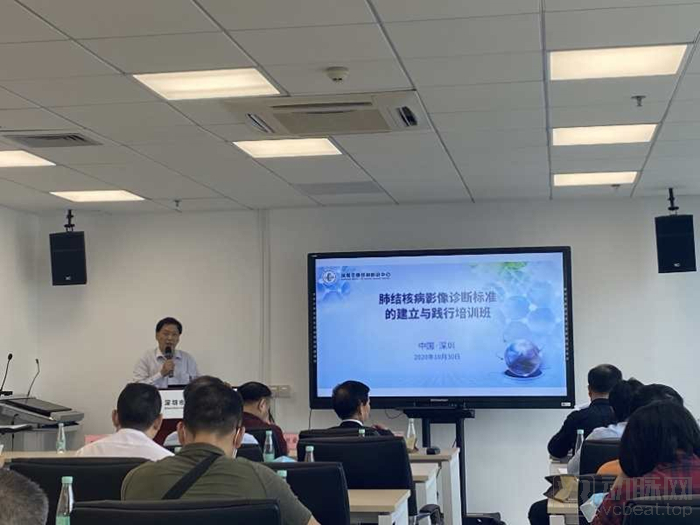
Prof. Lu Puxuan presided over the meeting
Professor Yu Weiye from the Shenzhen Center for Chronic Disease Control, Professor Guo Qinglu from Guangdong Women and Children’s Hospital, Professor Li Hongjun from Beijing Youan Hospital, Capital Medical University, and Professor Huaide He, Director of PET-CT at the TCL Medical Shenzhen Longhua Independent Medical Imaging Diagnostic Center, also participated in the conference and delivered thematic presentations. They conducted in-depth discussions on the application of imaging diagnosis and diagnostic criteria for pulmonary tuberculosis. The applications of imaging in diagnosing pulmonary tuberculosis, as well as clinical reasoning approaches, were thoroughly addressed.
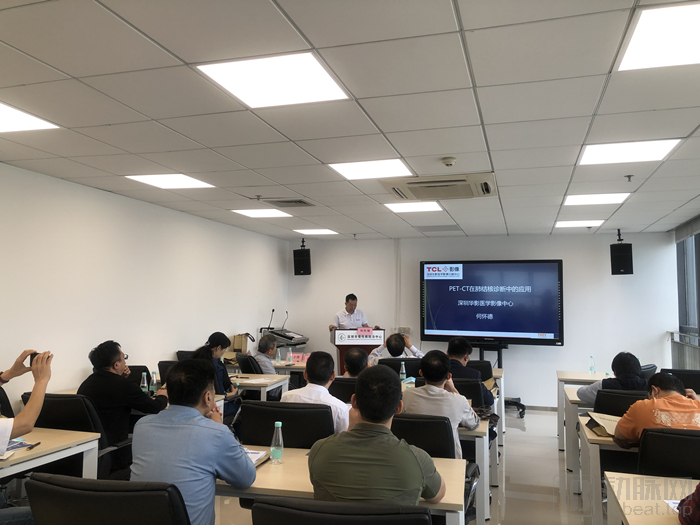
Professor Huai-De He Delivers Keynote Address
Their years of clinical experience have also brought high-quality physician resources to TCL Medical Imaging, helping it build a more comprehensive diagnostic system for major diseases.
Overall, TCL Medical’s Shenzhen Longhua Independent Imaging Center serves as a robust complement to public hospitals in terms of equipment and physician resources, while providing patients with a high-quality medical environment and a more patient-centered care model.
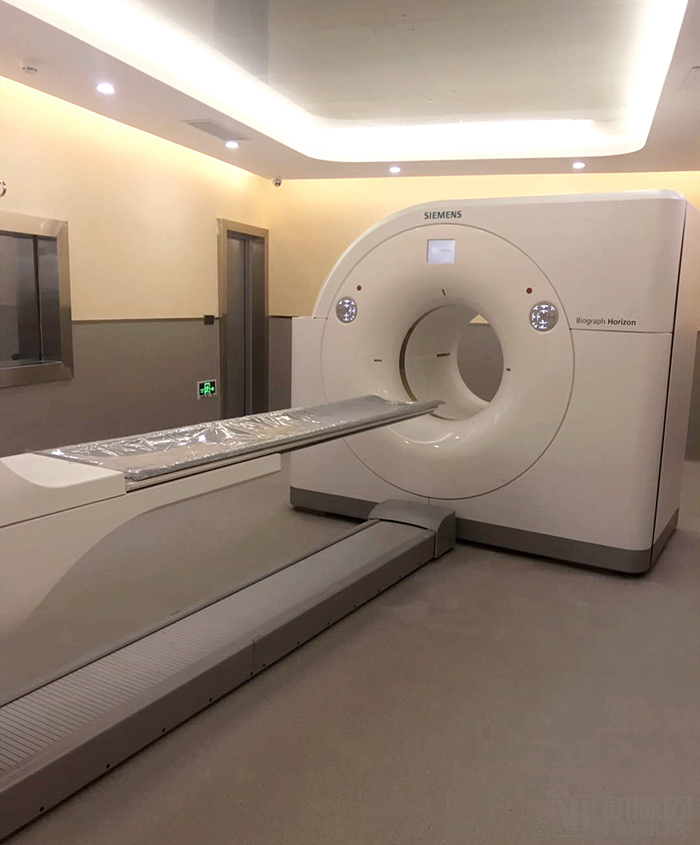
TCL Medical Imaging Center: High-End Imaging Equipment
Dr. Lu Hongliang, CEO of TCL Medical, told VCBeat“TCL Medical Imaging will firmly uphold its positioning in the medical imaging industry as ‘a robust complement to public hospitals.’ It aims to supplement the limitations of public hospitals in terms of time and capacity by providing more professional, meticulous, and in-depth services to meet the imaging examination needs of physicians and patients. This approach helps alleviate the patient burden on public hospitals while preserving their advantages in diagnosis and treatment, which precisely distinguishes third-party independent medical imaging centers from public hospitals in healthcare service delivery.”
"Independent Medical Imaging Center + Imaging Outpatient Clinic" is the unique composition model of imaging centers constructed by TCL Medical Imaging.
On one hand, TCL Medical Imaging has established independent third-party medical imaging centers in municipalities directly under the central government and at the provincial and municipal levels. These centers offer high-end PET-CT imaging examinations in addition to those mandated by national standards, providing professional imaging services focused on PET-CT and MRI scans, while also supplying physician resources and technical support to nearby imaging outpatient clinics. On the other hand, TCL Medical Imaging has set up independent imaging outpatient clinics in collaboration with local Grade 3A hospitals, primarily offering professional MRI-based imaging services. These clinics operate independently while also referring patients to nearby independent imaging centers, thereby jointly forming a regional medical consortium.
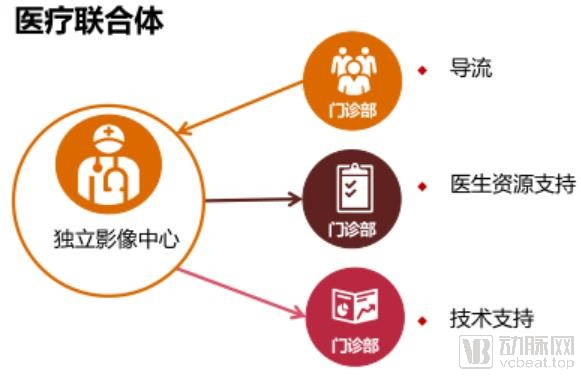
Medical Consortium Model
In actual operations, TCL Medical Imaging integrates independent imaging centers with imaging outpatient clinics to create synergies. This approach not only addresses the widespread challenge of image interpretation at primary healthcare institutions but also provides differentiated, value-added services to high-net-worth users, thereby establishing the company’s unique business model and competitive advantage.
Currently, all imaging outpatient clinics operated by TCL Medical Imaging have obtained relevant qualifications, including the Medical Institution Practice License, Large Medical Equipment Configuration License, and designation as a designated medical insurance provider.It currently operates three third-party independent imaging centers and three independent imaging outpatient clinics, with three additional imaging centers and four imaging outpatient clinics under construction. Two imaging centers and four imaging outpatient clinics are in the preparatory phase. By the end of next year, it plans to have four imaging centers and eight imaging outpatient clinics operating simultaneously across China.
Meanwhile, in addition to their deep collaboration with the Luohu Hospital Group, TCL Medical’s Shenzhen Longhua Independent Imaging Center and Luohu Independent Imaging Outpatient Department have also established extensive partnerships with hospitals and healthcare institutions such as the Longhua Branch of Shenzhen People’s Hospital, Shenzhen Jian’an Hospital, Shenzhen Renhe Hospital, Shenzhen Junlong Hospital, First Health Check-up Center, and Meinian Onehealth.
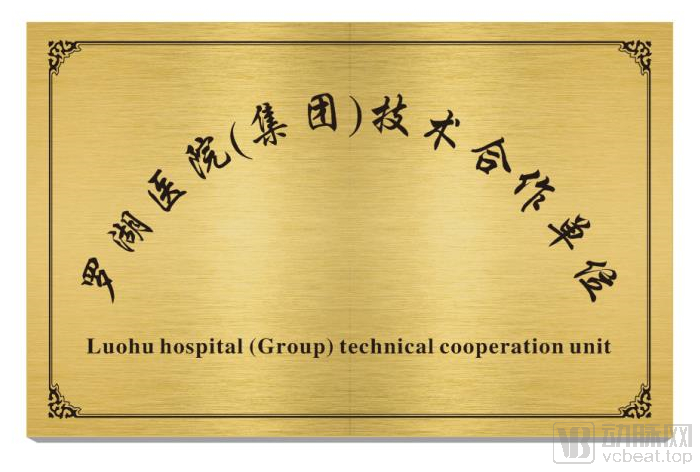
Technical Cooperation Partner of Luohu Hospital (Group)
Not only that, but with insights into the severe pain points in Hong Kong’s public imaging services—such as six-month waiting lists for MRI scans and private MRI prices ten times higher than those on the mainland—TCL Medical has adopted a development strategy of “deepening its presence in the Greater Bay Area and expanding into the Yangtze River Delta.” By extending its reach outward and attracting patients from Hong Kong, TCL Medical aims to improve the healthcare experience for Hong Kong residents, enabling earlier disease detection and intervention. Furthermore, TCL Medical will leverage this foundation to further promote tiered diagnosis and treatment.
Whether corporate entities proactively establish independent imaging centers or public hospitals actively divest their imaging operations, the rise of such centers appears to be an inevitable trend.
After all, medical imaging is ubiquitous across all stages of healthcare and plays a pivotal role. From routine health examinations to cancer screening, the demand for medical imaging services among CT and MRI patients persists throughout these processes. However, high-quality medical resources are concentrated in Tier 3 Grade A hospitals in major cities, leading to chronic overload in their radiology departments. Therefore, the medical imaging sector requires new models and technological solutions to revolutionize the current landscape.
In this context, the development of independent imaging centers serves as a valuable complement to public hospitals.Independent imaging centers can not only alleviate congestion at tertiary hospitals but also further reduce patients’ healthcare costs in the face of these challenges.Nevertheless, significant challenges remain. Independent imaging centers continue to face difficulties in gaining patient trust and achieving mutual recognition of imaging results. To emerge as a leader in China’s independent imaging center market, TCL Medical Imaging must further explore this sector.