

Alibaba and The First Affiliated Hospital of Zhejiang University Launch 'Future Hospital' Information System, Pioneering a New Era of Digital Healthcare

AliHealth
Medical and Health Services Network Service Provider
Recently, the “Future Hospital” information system, jointly developed by Alibaba and The First Affiliated Hospital of Zhejiang University School of Medicine (hereinafter referred to as FAHZU), was officially launched at Phase I of FAHZU’s headquarters (the new Yuhang Campus). As the first cloud-architecture-based smart hospital information system in China, this rollout marks FAHZU as the first smart hospital in the country to formally enter the era of cloud computing.
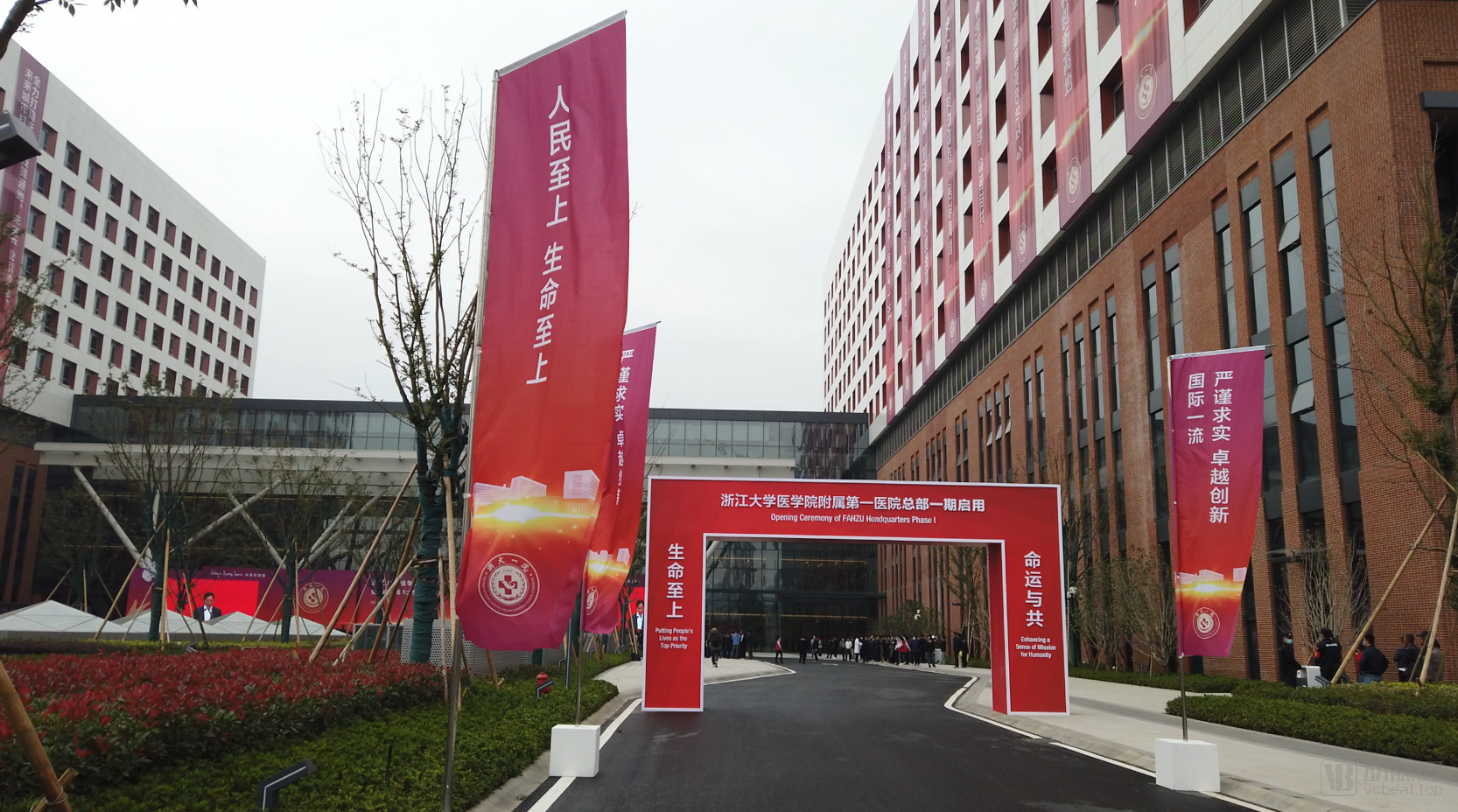
(“Future Hospital” Information System Officially Goes Live at Phase I of The First Affiliated Hospital, Zhejiang University School of Medicine Headquarters)
It is understood that this system represents one of AliHealth’s key strategic initiatives in the digital healthcare sector—namely, XinNiu Medical’s cloud-based digital healthcare solution tailored specifically for The First Affiliated Hospital, Zhejiang University School of Medicine. The system prioritizes the informatization of clinical management, assisting the hospital in constructing a medical knowledge graph and enabling functionalities such as medical record quality control, clinical decision support, and medical risk monitoring.
Furthermore, the “Future Hospital” information system leverages 5G and IoT to establish a dedicated hospital-wide network for medical device information. This system centralizes the collection of medical device data and integrates it into clinical electronic medical records (EMRs), extending clinical informatics to the bedside and facilitating a transition from a “healthcare provider-centric” model to a “patient-centric” model.
Notably, the system is built entirely on a cloud-based architecture, with hospital dynamic data uploaded and synchronized to the cloud in real time. Leveraging the system’s robust computational power, it enables various applications, including cross-campus patient transfers, intelligent multi-campus physician scheduling, and smart multi-campus appointment booking for diagnostic tests and examinations.
Currently, the First Affiliated Hospital of Zhejiang University School of Medicine has migrated all its core systems to the cloud, fully achieving integrated information management across multiple campuses.
Alibaba has multiple considerations in collaborating with Grade A tertiary hospitals to develop the “Future Hospital” information system.
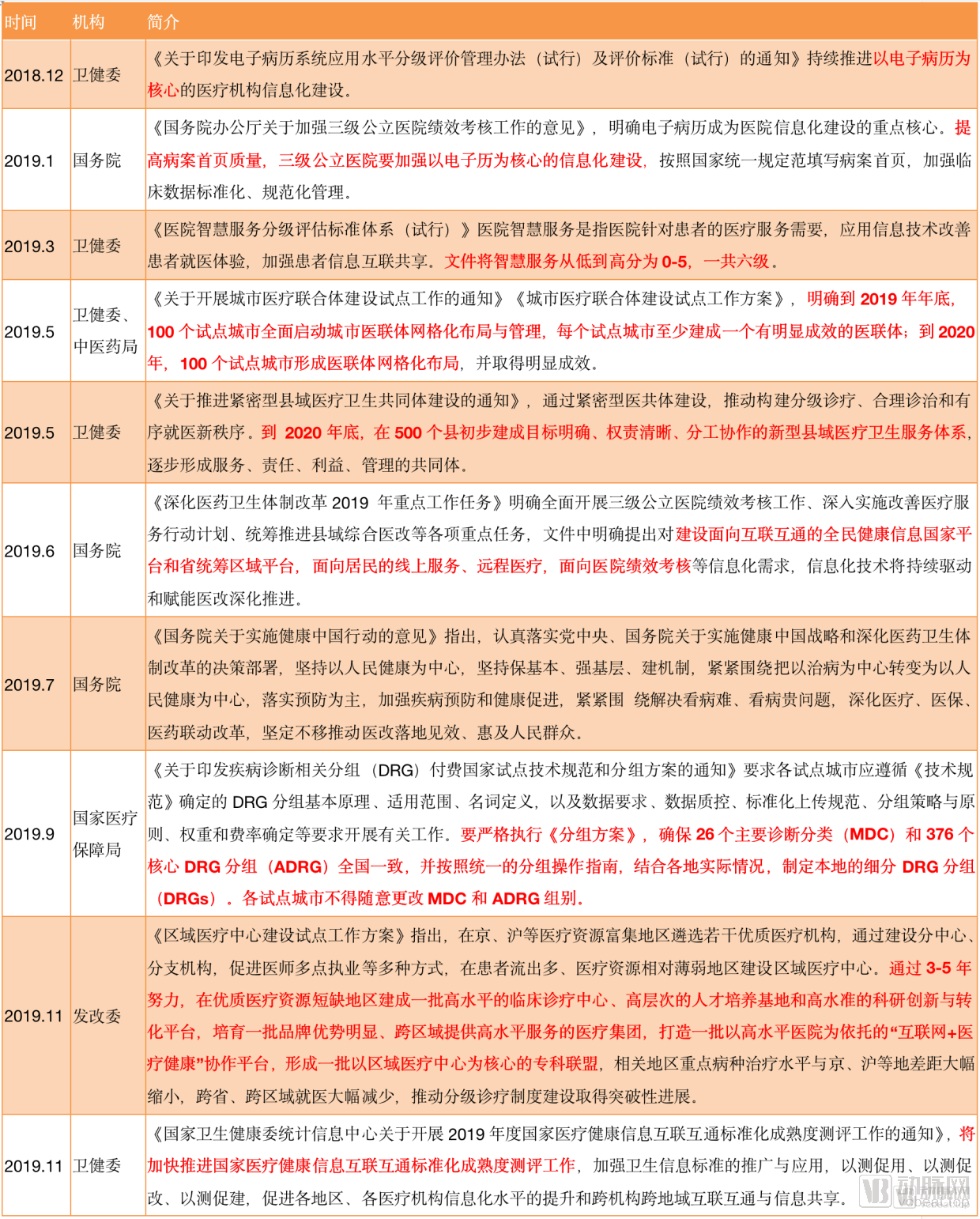
First, domestic policies are clear, making healthcare informatization imperative. Since 2018, a series of policies related to electronic medical records (EMR), quality control of medical record front pages, smart hospitals, interoperability, and telemedicine have been successively issued, establishing healthcare informatization as an inevitable trend. Driven by these policies, hospitals are placing greater emphasis on smart healthcare, progressively strengthening their informatization infrastructure, and striving to build smart hospitals. Additionally, the development of medical consortia and the implementation of Diagnosis-Related Group (DRG) payment systems have indirectly promoted healthcare informatization, creating broad market prospects.
Second, the proliferation of hospital information systems in China, coupled with a lack of interoperability, hinders operational efficiency and patient experience. Previously, due to the absence of unified standards, many hospital information systems operated in isolation, creating numerous “information silos” between medical institutions, within hospitals, and across different business systems. This has prevented the sharing of medical data, forcing patients to undergo redundant tests or repeatedly submit personal information, thereby resulting in a poor user experience. Additionally, healthcare professionals are required to switch frequently among multiple systems during their work, which compromises efficiency. Therefore, there is an urgent need for hospitals to integrate and consolidate their information systems to achieve seamless interoperability of medical data both within and between institutions.
Third, existing clinical data is highly fragmented, preventing its value from being fully realized. The vast amounts of medical records, imaging data, and other resources previously accumulated by hospitals are unstructured and characterized by distributed and fragmented storage. As a result, the potential value of these data assets remains underutilized. A new platform for data governance is required to enable intelligent business operations, refined management, and the development of smart hospitals.
Fourth, the explosion of medical data has rendered legacy systems incapable of supporting the required computational power. With the widespread adoption of digitalization, the Internet of Things (IoT), and telemedicine, medical data is growing exponentially. For instance, IoT-enabled smart devices generate massive volumes of data daily, encompassing multidimensional information such as patient details, healthcare provider records, diagnosis and treatment data, nursing care information, device metrics, and quality management data. As medical data continues to surge, hospitals’ legacy systems struggle to operate effectively, necessitating a transition to new platforms with enhanced computational capabilities.
Fifth, legacy information systems fail to meet hospital accreditation requirements. For instance, on September 25, 2020, the results of the National Health and Medical Information Interconnectivity Standardization Maturity Assessment were released. Hospitals that had deployed various operational systems, such as HIS, RIS, LIS, and PACS, commonly exhibited issues like missing or erroneous data at the source end, manifested as null values and mapping errors. Some hospitals averaged 4.73 data defects per medical record, indicating significant room for improvement.
To address the aforementioned pain points, accelerate the digital transformation of hospitals in China, enhance hospital informatization, and assist medical institutions in building smart hospitals, Alibaba conducted in-depth research within hospitals and leveraged its accumulated expertise and technological advantages to develop the “Future Hospital” information system.
Hospital informatization is a long-term, large-scale undertaking that requires the incremental upgrading and transformation of legacy information systems. Starting from practical considerations, Alibaba first assists hospitals in building healthcare-specific private clouds or public cloud platforms, thereby strengthening the infrastructure for digital transformation.
Secondly, by building a medical data middle platform, Alibaba helps hospitals accumulate healthcare data assets and complete medical data governance, laying the foundation for intelligent business operations, refined management, and data-driven scientific research. Additionally, leveraging the built-in data integration capabilities of the medical data middle platform, hospitals can achieve real-time bidirectional synchronization of data between production systems and the data middle platform, and apply artificial intelligence algorithms to empower existing clinical information systems.
Finally, hospitals can continuously build and optimize healthcare applications based on the specialized medical and health private cloud infrastructure and data middle platform, supporting efficient collaboration within medical consortia and achieving progressive iterative upgrades of healthcare information systems.
In summary, Alibaba provides a comprehensive suite of iterative upgrade and modernization solutions, ranging from infrastructure construction to specific information systems.
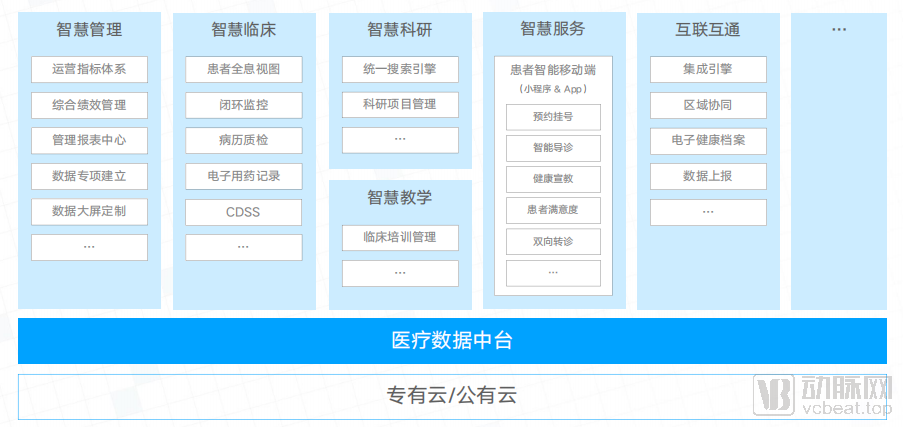
(Future Hospital Information System)
From the application layer perspective, Alibaba prioritizes the informatization of clinical management, assisting hospitals in building medical knowledge graphs to enable electronic medical record quality control, clinical decision support, and medical risk monitoring. This approach enhances hospital diagnosis and treatment capabilities, improves physicians’ work efficiency, and optimizes patient experience.
The “Future Hospital” information system also leverages 5G and the Internet of Things (IoT) to establish a dedicated hospital-wide network for medical device information. This enables unified acquisition of medical device data and its integration into clinical electronic medical records (EMRs), thereby extending clinical informatization to the patient’s bedside. As a result, physicians can directly access patients’ health information through EMRs, significantly reducing repetitive tasks such as manual data entry, and thus allowing more time for diagnosis, treatment, and patient care.
In terms of interoperability, the hospital governs its existing medical data resources through the “Future Hospital” information system, structuring relevant data according to unified standards to enable information sharing both within and between hospitals. Meanwhile, data governance also facilitates multi-dimensional analysis of operational data by management, allowing for timely intervention in problematic areas and enhancing the level of refined management.
For patients, the “Future Hospital” information system will significantly alleviate the problem of “waiting two hours for a five-minute consultation.” Patients can use their mobile phones to complete multiple services on Alipay or the hospital’s cloud platform, including intelligent triage and registration, self-reporting of symptoms, self-service payment, scheduling of examinations and tests, medication guidance, and post-consultation follow-up, thereby comprehensively enhancing the medical experience.
Furthermore, the robust computing power of the cloud will efficiently match patient needs with medical resources, enabling seamless coordination of cross-campus patient transfers, intelligent multi-campus physician scheduling, and smart multi-campus appointment booking for examinations and tests. This will also improve the utilization rate of medical resources and prevent the mismatch of patients with minor ailments consulting top-tier specialists.
It can be said that the “Future Hospital” information system is the cornerstone of smart hospitals, and Alibaba has paved a broad path for the digitalization of healthcare.
The integration of healthcare and technology has long been a significant challenge. Why has Alibaba been able to develop information systems that are highly compatible with medical institutions? This is closely related to Alibaba’s industry insights and technological capabilities.
In fact, Alibaba has long established a presence in the internet healthcare sector and developed several flagship products. For instance, starting in November 2018, AliHealth began exclusively operating the medical and health services channel on Alipay. As of March 2019, the monthly active users of the medical and health services operated by AliHealth in hospital settings exceeded 12 million. By the end of September 2019, Alipay had partnered with more than 11,000 medical institutions and enabled medical insurance payments at over 300 tertiary hospitals.
In January 2019, Zhejiang Bianque, a subsidiary of AliHealth, built the "Zhejiang Internet Hospital Platform," the first internet hospital platform in China to integrate regulatory and service capabilities. Centered on users and health, the platform provides patients with services such as online consultations, online follow-up visits for chronic diseases, and online signing up for family doctor services. Since its official launch, more than 130 medical institutions, including Grade A tertiary hospitals, have joined the platform, achieving full coverage across all prefecture-level cities in Zhejiang Province.
In the field of healthcare information systems, AliHealth has claimed the championship in the Chinese Electronic Medical Record Named Entity Recognition evaluation task at the China Conference on Knowledge Graph and Semantic Computing (CCKS) for two consecutive years; its independently developed Clinical Decision Support System (CDSS) has been deployed in more than 20 medical institutions across China, including tertiary hospitals.
During the 2020 pandemic, Alipay pioneered the launch of the “Health Code” and upgraded the product on February 27 to enable interoperability with electronic health cards and electronic social security cards. Through electronic health cards, patients can access a range of services, including appointment registration, online queue number retrieval, report inquiries, post-consultation payment, and medical payments.
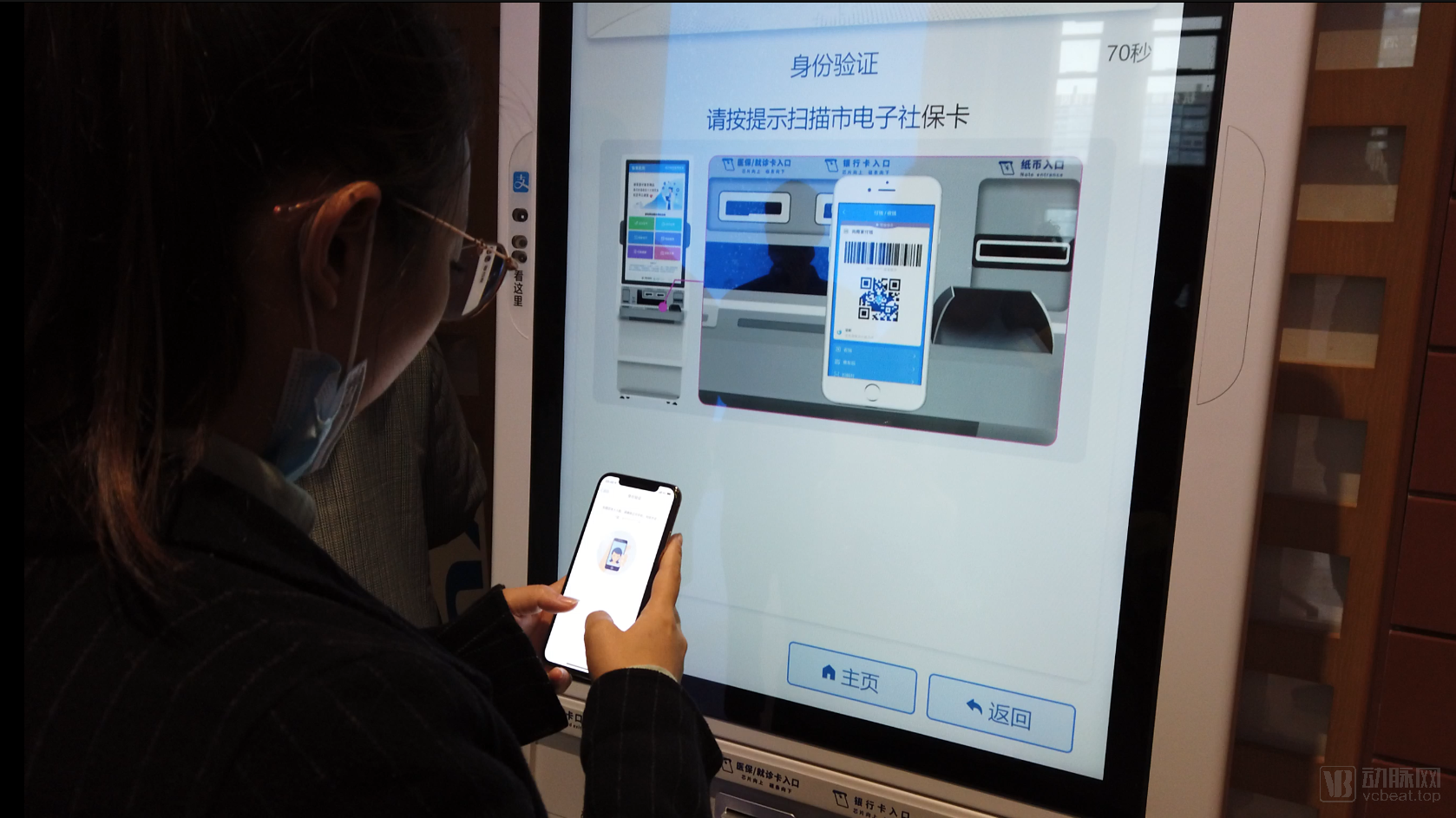
(The patient is receiving medical care using the electronic social security card)
This demonstrates that Alibaba has established extensive and deep-rooted operations in the healthcare sector, with its internet healthcare products centered on patients and serving a growing user base.
From a technical perspective, Alibaba successfully established the Zhejiang Provincial Public Service Management Platform for Novel Coronavirus Pneumonia Prevention and Control within 24 hours, integrating it with the Zhejiang Internet Hospital Platform. Residents across various regions and epidemic prevention and control agencies can utilize over 20 functions, including epidemic information collection, voluntary health declaration, submission of epidemic-related clues, and real-time epidemic updates. Following its deployment in Zhejiang, the system has been extended to serve 29 provinces and municipalities, including Hubei, Hunan, and Jiangsu.
In addition, Alibaba Cloud offers world-class cloud service capabilities and computing power, safeguarding the migration of medical information systems to the “cloud” and the provision of cloud-based services.
During this pandemic, we have personally witnessed the significant role played by “new infrastructure” built on next-generation information technologies such as cloud computing, big data, and AI. The “contactless” effects enabled by digitalization and intelligence have improved the efficiency of epidemic prevention and control; hospitals with higher levels of digitalization have experienced fewer cross-infections.
Accelerating the development of “new infrastructure” will not only mitigate the negative economic impact of the pandemic and drive the rapid growth of next-generation information technology industries such as 5G, artificial intelligence, and the industrial internet, thereby facilitating the transformation and upgrading of traditional sectors, but also lay a solid foundation for the smart and digital transformation of hospitals.
Qiang Hui, head of Xiniu Medical, stated while introducing the newly launched system at The First Affiliated Hospital, Zhejiang University School of Medicine: “The smart hospital information system developed by Alibaba for The First Affiliated Hospital, Zhejiang University School of Medicine is the ‘new infrastructure’ helping the hospital achieve digital iteration.”
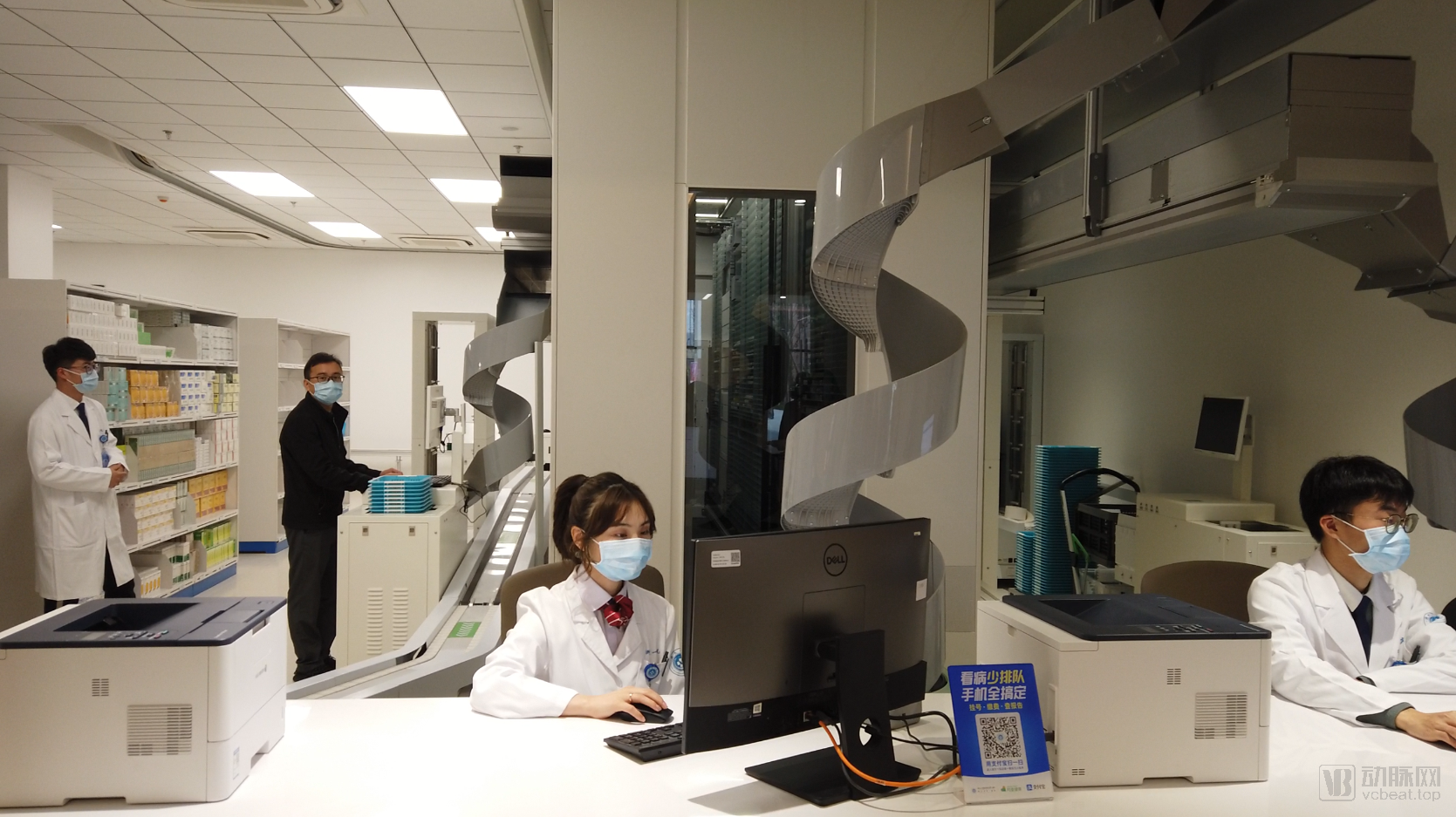
(Provided by the company)
Alibaba’s healthcare-specific private cloud infrastructure and medical data middle platform will accelerate the digitalization of healthcare, drive the transformation and upgrading of the healthcare industry, and enable medical institutions to better deliver health services to patients. Furthermore, the completion of new digital infrastructure in hospitals will expand the application scope of numerous internet-based healthcare solutions, spur greater innovation in internet healthcare products, and promote the overall development of the internet healthcare sector.
Qiang Hui stated, “In the new phase of public health characterized by normalized epidemic prevention and control, Chinese hospitals are collectively entering a new era of digital healthcare. Alibaba will fully leverage its accumulated expertise in big data, cloud computing, and other fields to help the industry accelerate its iterative transformation.”