

Innovating Pharmaceutical Development and Deepening the Doctor-Patient-Drug-Insurance Ecosystem: 2020 Yuanchen Tech Partner Conference Successfully Held
On November 4, the 2020 Yuanxin Technology Partner Exchange Conference, themed “New Developments in Innovative Pharmaceuticals and Deepening the Patient-Provider-Pharma-Insurance Ecosystem,” was successfully held in Shanghai.Hosted by Yuanxin Technology Group and organized by VCBeat.
With the deepening of medical insurance reforms, the "4+7" volume-based procurement and DRG pilot programsPressuring enterprises to undergo transformation and adjustment, coupled with the rapid development of internet healthcare and the sudden outbreak of the pandemic, has given rise to new demands across all aspects of the healthcare industry. Previously independent segments—such as pharmaceuticals, distribution, services, and payment—are beginning to exhibit a trend of breaking down boundaries. ThisThe conference will center on the compounded impact of health insurance reform and the internet on physicians, patients, pharmaceuticals, and insurers, featuring in-depth discussions on topics such as health insurance payment mechanisms, digital transformation of pharmaceutical marketing, and the development of internet hospitals.
On the day of the conference,Luo Dongtao, Co-founder, Vice President, and CMO of Yuanxin Technology GroupHe elaborated on the new strategic positioning of Yuanxin Technology Group’s localized digital platform for medical consultations and medication. He noted that the payment pathways for patient diagnosis, treatment, and medication are undergoing structural changes, with medication scenarios shifting from in-hospital to out-of-hospital settings and from offline to online channels. In the future, Yuanxin Technology Group will translate more of its strategic thinking into practice, connecting doctors and patients to build a comprehensive “Doctor–Medication–Insurance–Patient” ecosystem.
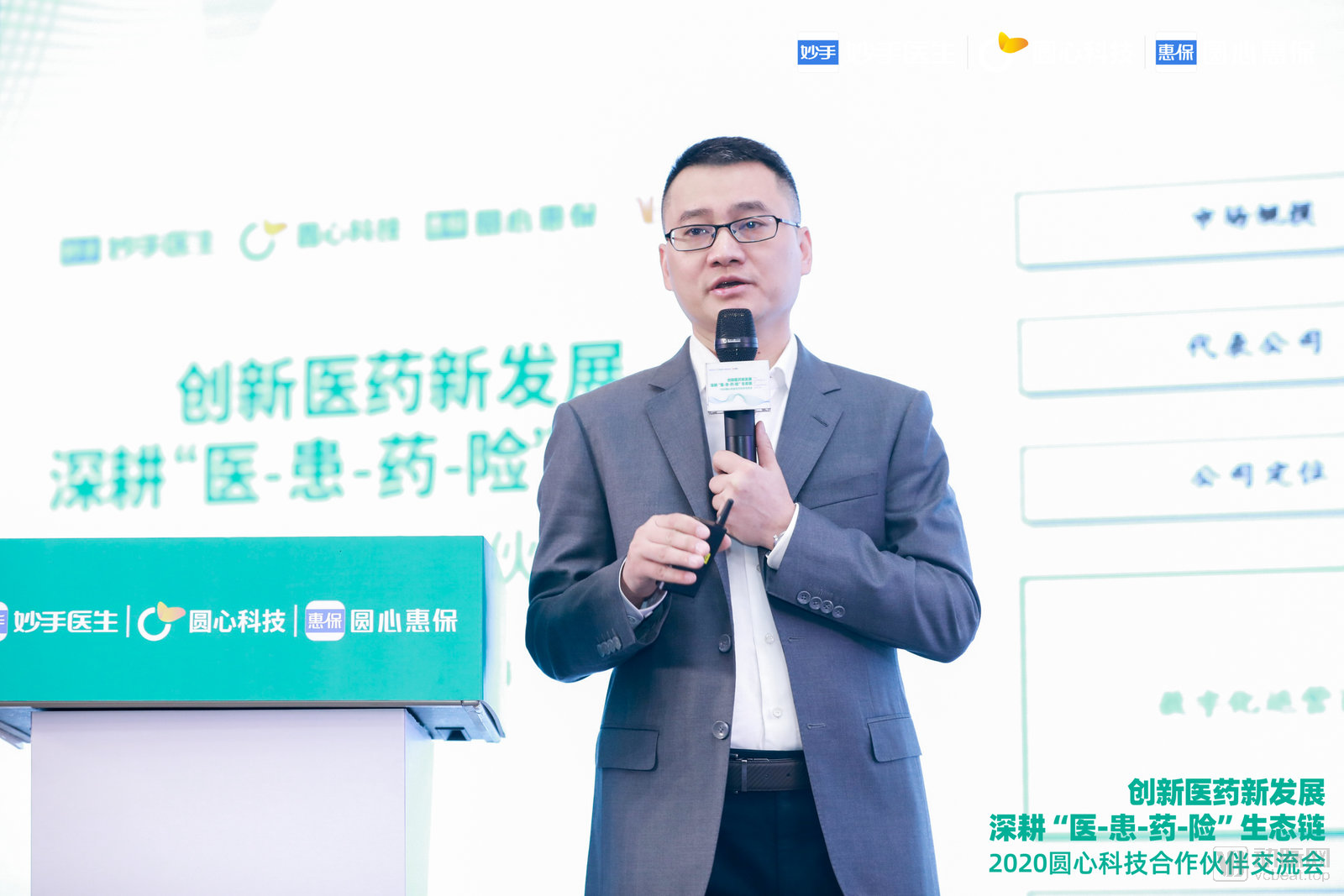
Luo Dongtao, Co-founder, Vice President, and CMO of Yuanxin Technology Group
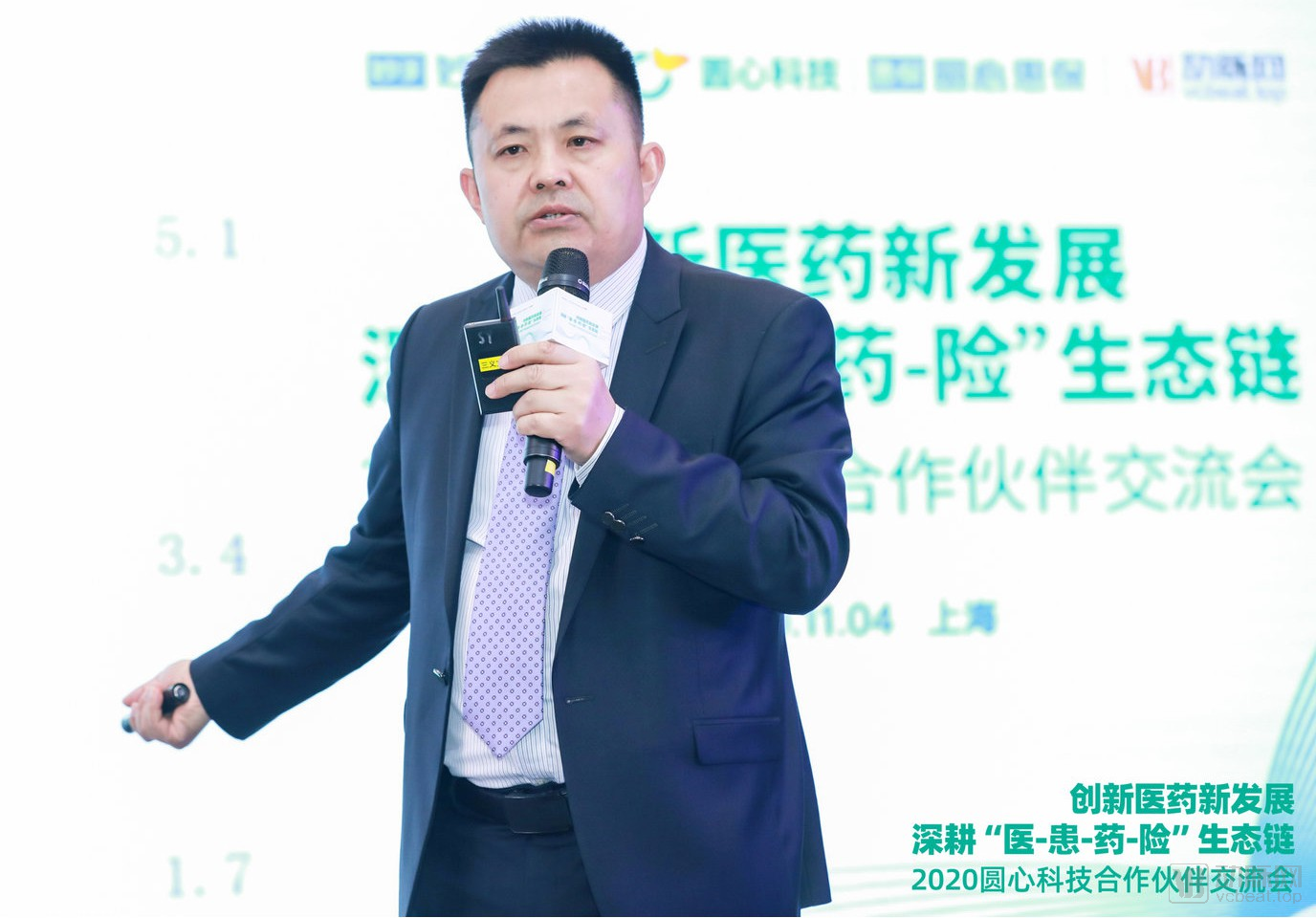
Zhang Ziran, Special Vice President of the China Chemical Pharmaceutical Industry Association and Director of the Professional Committee on Policy and Regulations
Zhang Ziran, Special Vice President of the China Chemical Pharmaceutical Industry Association and Director of the Professional Committee on Policies and RegulationsIt was pointed out at the conference that, at the current stage, national healthcare insurance expenditures far exceed revenues. Volume-based procurement and healthcare insurance system reforms are continuously compelling traditional medical enterprises to transform by absorbing prescription outflows, developing commercial health insurance, and implementing digital marketing strategies.
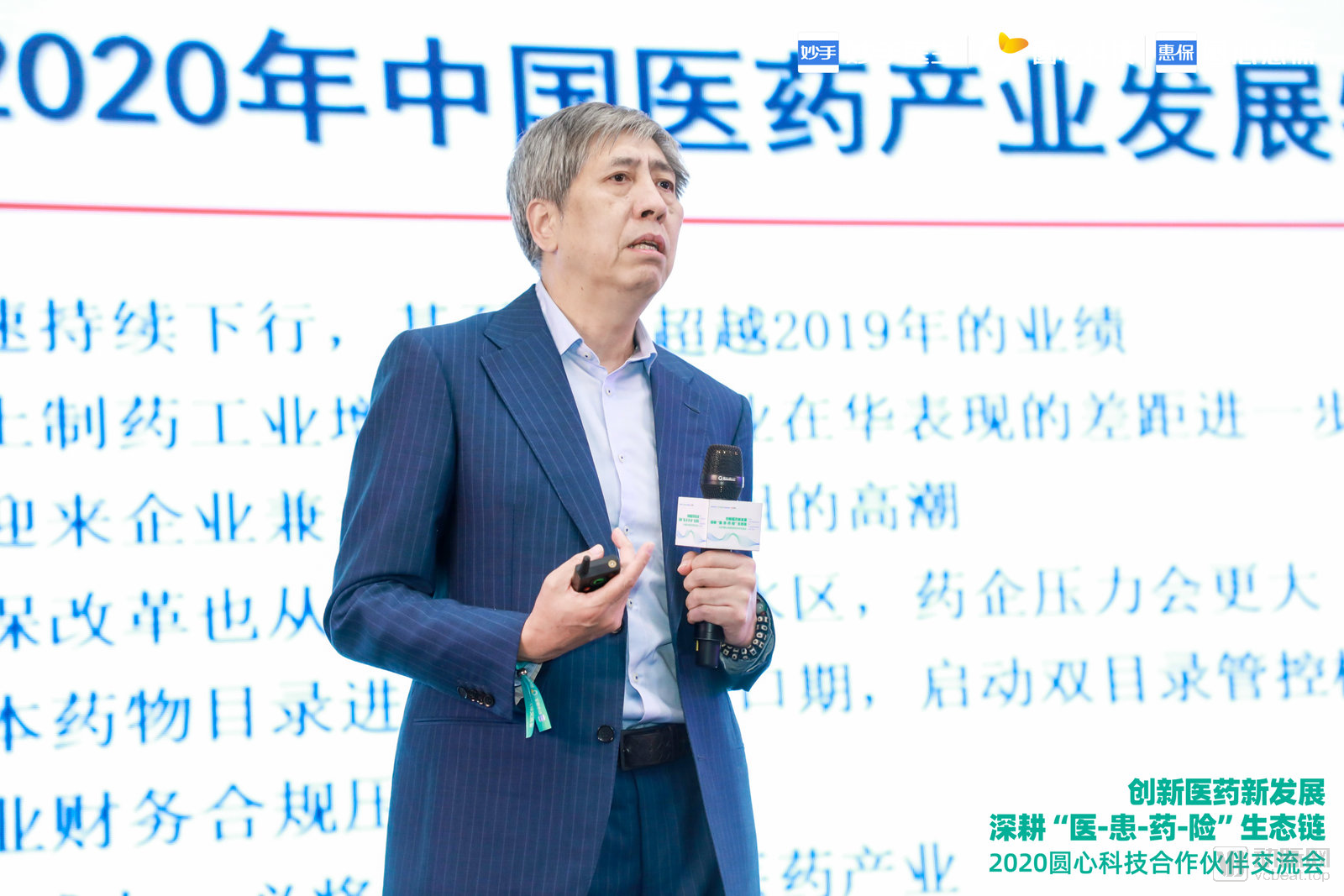
Wang Bo, Distinguished Researcher at the National Center for Drug Policy and Pharmaceutical Industry Economics; Vice Chairman of the Drug Policy Research Professional Committee under the China Association for Pharmaceutical Innovation; Vice Chairman of the Pharmacy Administration Professional Committee under the Chinese Pharmaceutical Association
Wang Bo, Distinguished Researcher at the National Center for Drug Policy and Pharmaceutical Industry Economics Research; Vice Chair of the Drug Policy Research Professional Committee of the China Association for Pharmaceutical Innovation; and Vice Chair of the Pharmacy Administration Professional Committee of the Chinese Pharmaceutical AssociationIt was stated that, with the National Essential Medicines List entering a window period for adjustment and the progressive implementation of healthcare insurance reforms such as DRG pilots, coupled with the impact of the pandemic, the growth rate of China’s pharmaceutical industry will continue to decline in 2020, placing greater pressure on pharmaceutical companies. It is imperative for these enterprises to proactively conduct strategic research on their future development, make corresponding adjustments and strategic layouts, and reallocate core corporate resources.
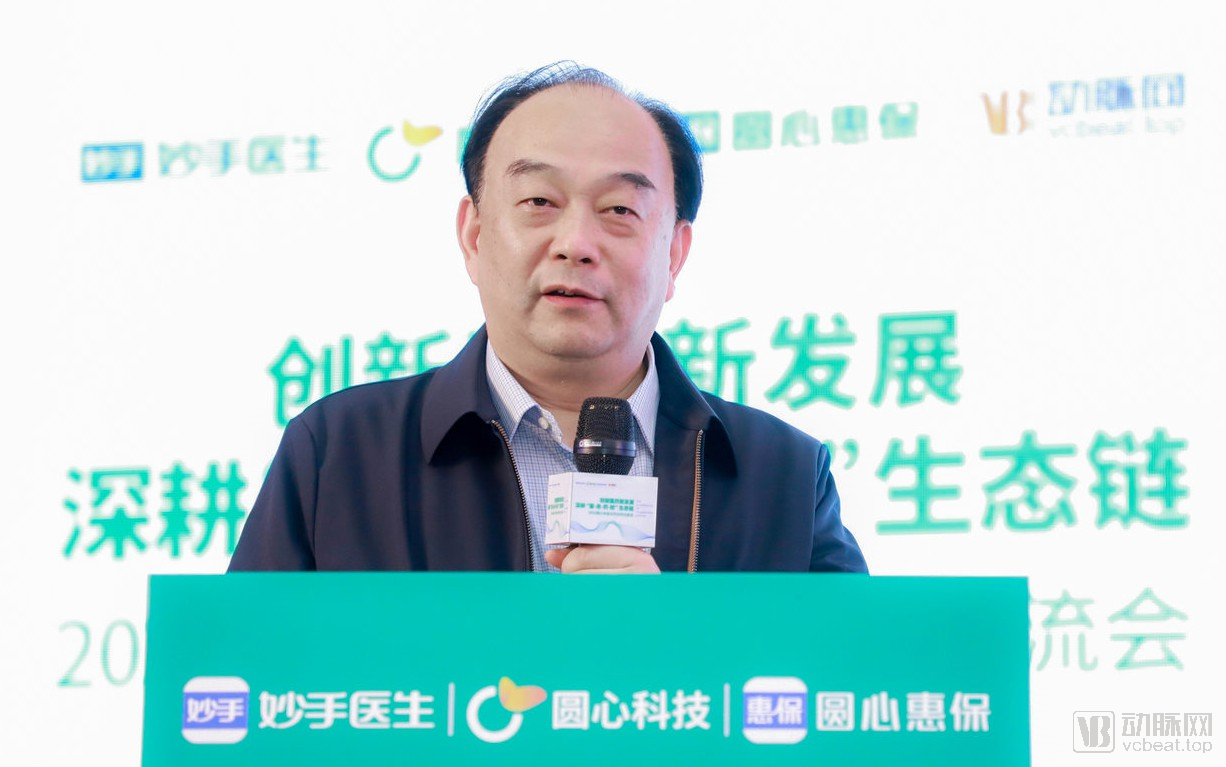
Geng Qingshan,Party Secretary of Guangdong Provincial People's Hospital
Geng Qingshan, Secretary of the Party Committee of Guangdong Provincial People's HospitalIt was noted that internet healthcare must penetrate the core layer of medical services. The future trajectory of internet healthcare will shift from general online consultations to providing users with closed-loop services and comprehensive solutions. In the future, more specialists will gradually establish their own internet-based specialty brands, offering independent specialty-specific solutions.
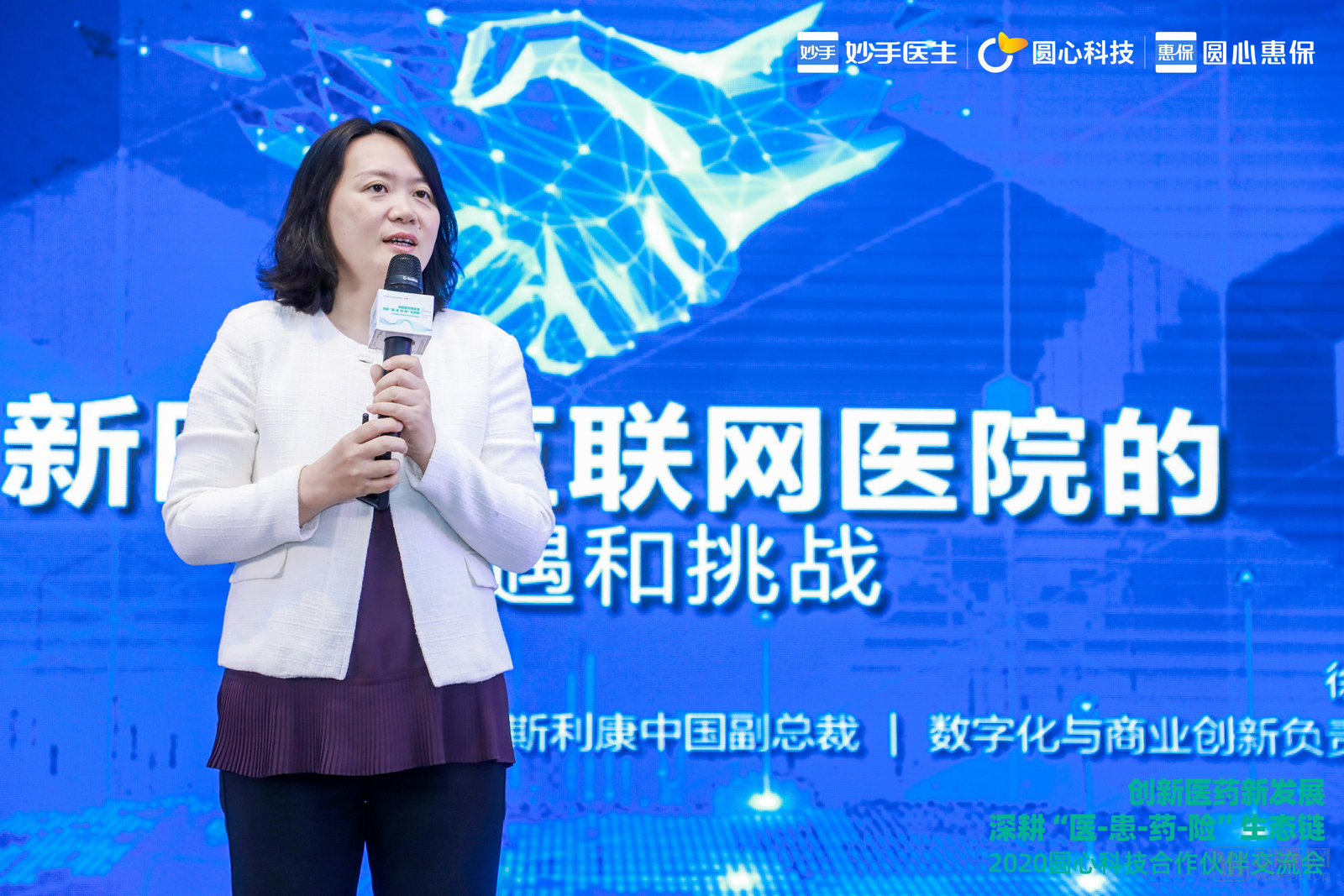
Xu Jing, Vice President of AstraZeneca China and Head of Digitalization and Business Innovation
Xu Jing, Vice President of AstraZeneca China and Head of Digitalization & Commercial InnovationIt was stated that the pandemic has significantly increased the penetration rate of internet healthcare. Stakeholders—including healthcare providers, patients, pharmaceutical companies, and insurers—need to consider how to foster better development in collaboration with internet hospitals through diverse channels and strategic directions. For physical hospitals, the primary consideration is the operational mechanism of internet hospitals, while pharmaceutical companies need to strengthen their cooperation with digitalized hospitals.
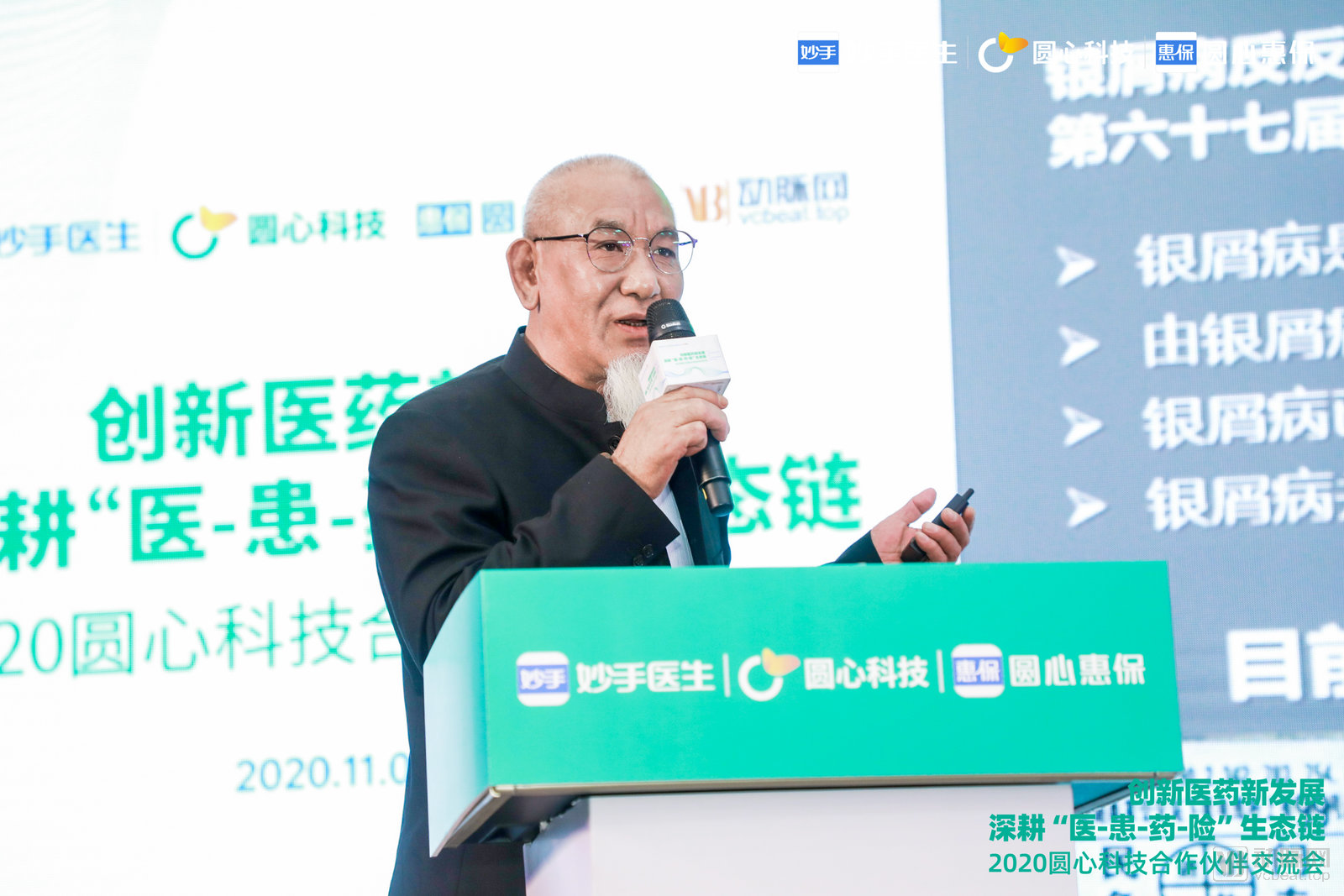
Shi Xingxiang, Founder of the Psoriasis Patient Mutual Aid Network
Shi Xingxiang, Founder of the Psoriasis Patient Mutual Aid NetworkSharing from the authentic perspective of a psoriasis patient at the conference, the speaker highlighted the role of the internet in the treatment process for psoriasis patients and concluded with an appeal to care for and support individuals living with chronic skin diseases.
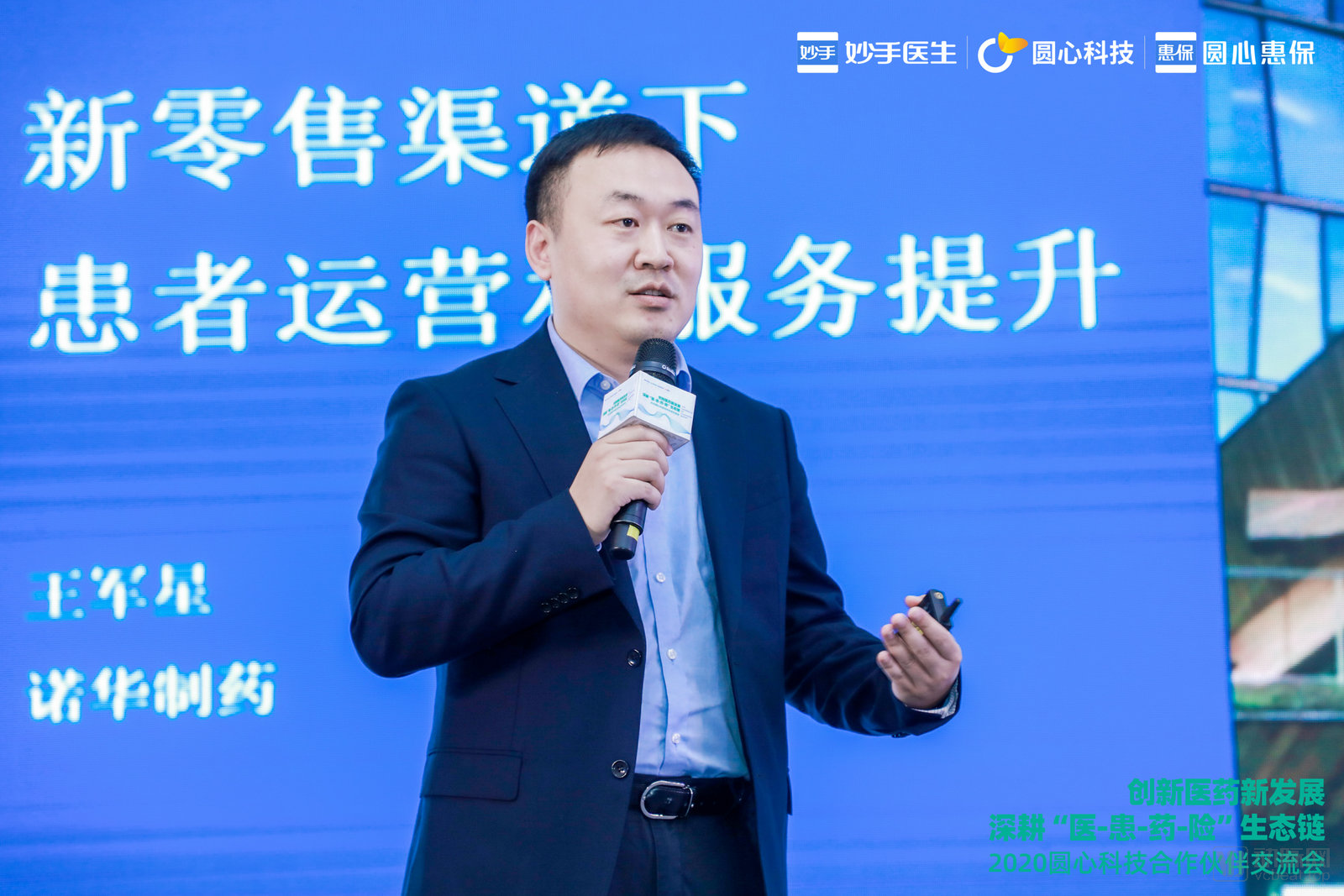
Wang Junxing,Head of Retail, Novartis Pharmaceuticals (China)
Wang Junxing, Head of Retail at Novartis Pharmaceuticals (China)It was noted that the future healthcare ecosystem must be co-built by patients, physicians, pharmaceutical companies, and insurers, with each party being indispensable. Both online and offline retail pharmacies are undergoing structural transformations, and the restructuring of the market landscape will inevitably involve the deep integration of internet healthcare, online pharmacies, and insurance.
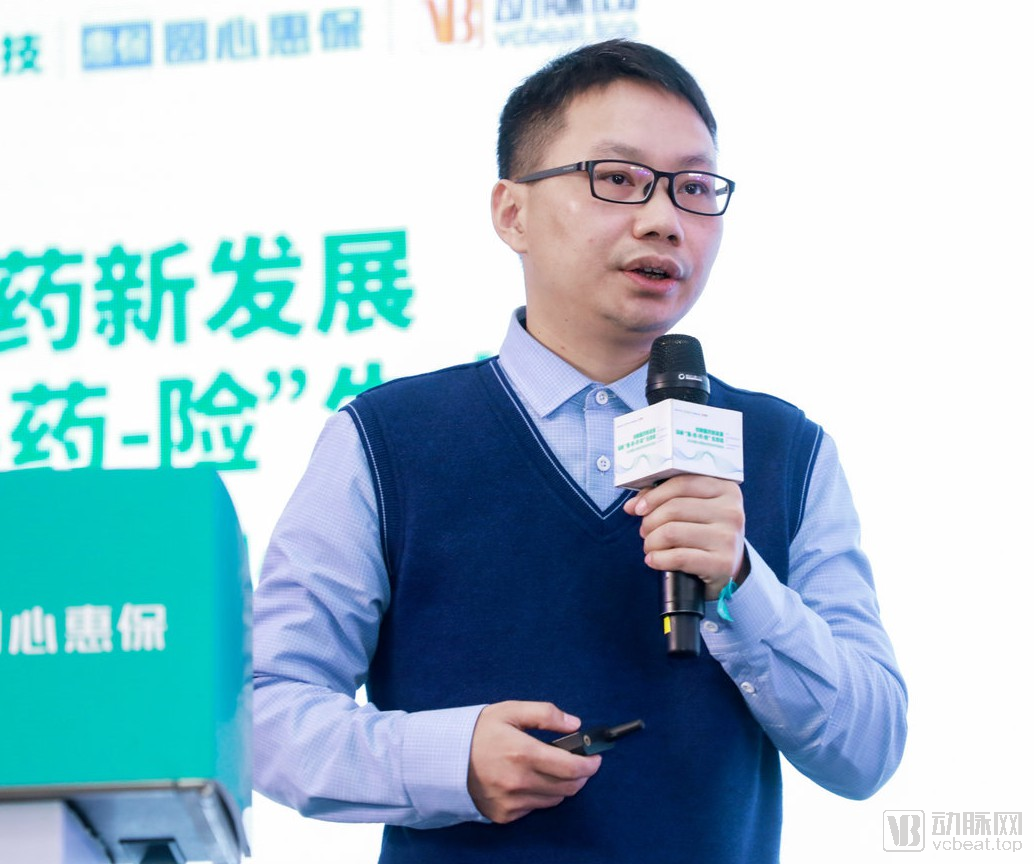
He Ziliang, Co-founder, Vice President, and COO of Yuanxin Technology Group
He Ziliang, Co-founder, Vice President, and COO of Yuanxin Technology GroupFrom the digital marketing systems for patients and physicians to the integration of transaction and membership platforms, this overview outlines Yuanxin Technology Group’s strategic layout across the entire pharmaceutical value chain. Finally, Mr. He stated that Yuanxin will continue to strengthen its digital infrastructure in the future.
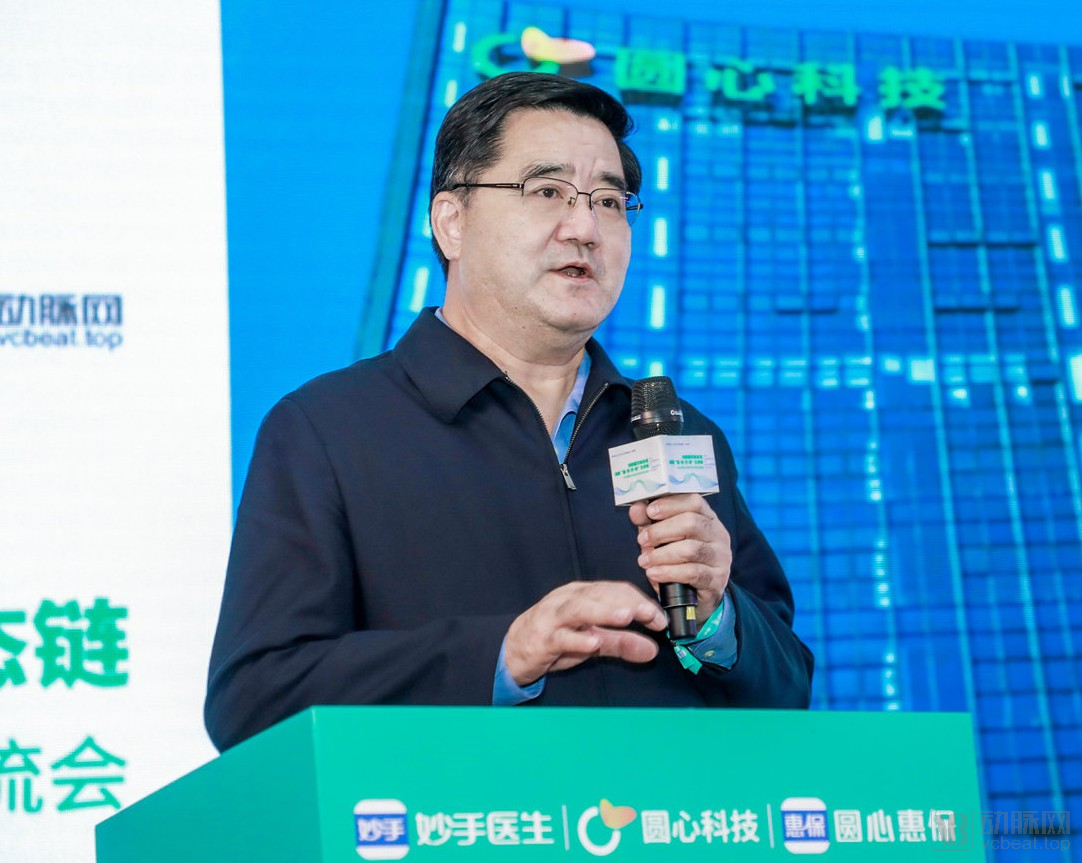
Wang Feng, Dean of Yuanxin Research Institute
With the progressive implementation of a series of reform measures, drug research and development (R&D) has advanced rapidly, accelerating the market launch of new drugs while simultaneously imposing higher requirements on the quality and efficiency of pharmaceutical R&D activities.Wang Feng, Dean of VBInsightAt the conference, Yuanxin highlighted its advantages in possessing end-to-end data capabilities for real-world studies, as well as its ability to provide pharmaceutical companies with services spanning both R&D and post-R&D phases.
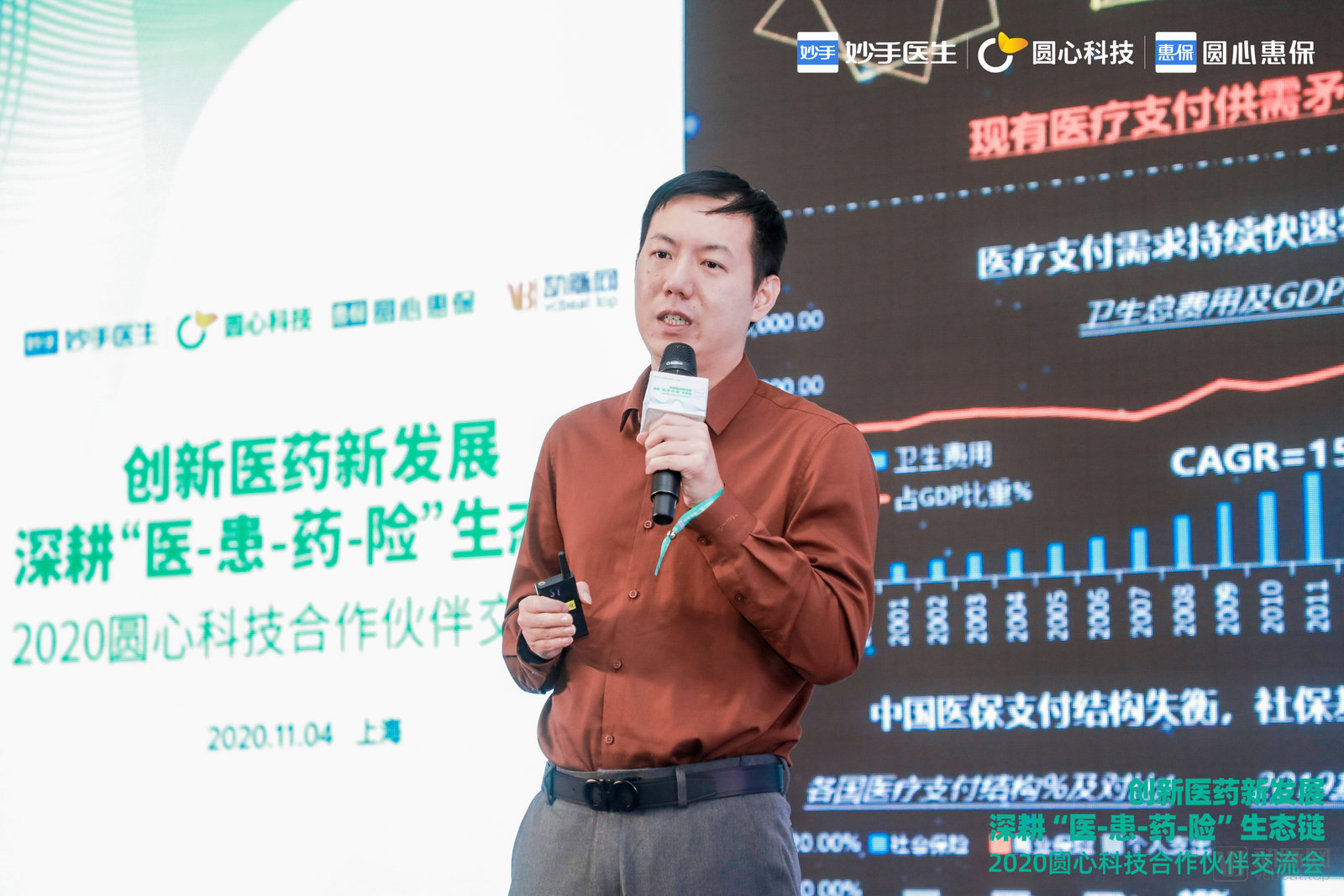
Peng Xuan, CEO of Yuanxin Huibao
On March 2 this year, the National Healthcare Security Administration issued the “Document on Deepening Medical System Reform,” making it increasingly clear that commercial insurance is a component of China’s future multi-tiered medical security system.Peng Xuan, CEO of Yuanxin HuibaoIt stated that Yuanxin Huibao builds its services on the professional capabilities of “insurance + healthcare + pharmaceuticals,” providing reliable medical and pharmaceutical coverage for both individuals with pre-existing conditions (such as major or chronic diseases) and healthy populations. This year, it has focused on innovation in insurance products and services, insurance marketing, and the organic integration of insurance with charity, having led and participated in the launch of multiple drug insurance and inclusive insurance projects. In the future, Yuanxin Huibao will further pursue multi-dimensional integration of pharmaceuticals and insurance, thereby promoting the development of China’s multi-tiered medical security system.
Since 2014, the integration of the internet, big data, and healthcare has enabled efficient matching in the medical sector, giving rise to novel business practices and insights. This patient-centric perspective has driven the restructuring of healthcare delivery, pharmaceuticals, and related services. This roundtable features four guests representing different industry ecosystems, who will discuss the logic and pathways for building new service closed-loops.
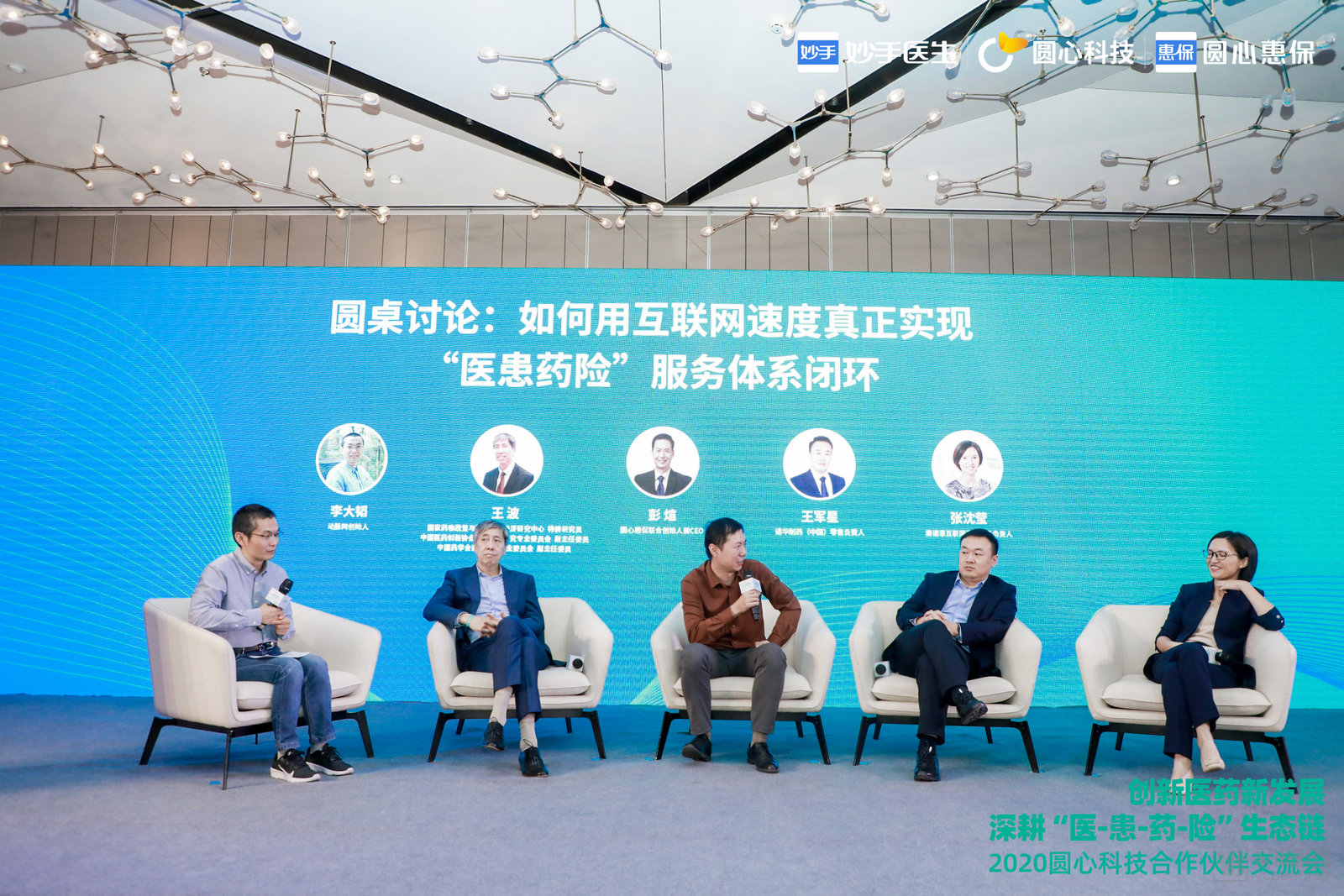
Roundtable Panelists: From left to right, Li Datao, Wang Bo, Peng Xuan, Wang Junxing, and Zhang Shenying
Wang Bo, Distinguished Researcher at the National Center for Drug Policy and Pharmaceutical Industry Economics Research; Vice Chairman of the Drug Policy Research Professional Committee of the China Pharmaceutical Innovation Association; and Vice Chairman of the Pharmacy Administration Professional Committee of the Chinese Pharmaceutical AssociationThe rigid demand in the healthcare industry is certain, and confidence in the future is warranted. The focus of healthcare reform lies in comprehensively addressing the rational expenditure of medical insurance funds.
Peng Xuan, CEO of Yuanxin HuibaoFrom Yuanxin’s own perspective, the company has entered a phase of tapping into new market demands in its surrounding ecosystem and expanding into adjacent fields. Taking insurance as an example, amid increasingly severe product homogenization, it is the medical resources and invisible services underpinning the products that enhance their competitiveness. In the coming years, Yuanxin will build a data middle platform to integrate existing data across its various business lines.
Wang Junxing, Head of Retail, Novartis Pharmaceuticals (China)It is believed that the process of any reform always involves groping forward in practice. In the case of healthcare reform, the direction of volume-based procurement reform must be to free up more space within the medical insurance budget for basic drugs, thereby allowing more new drugs to enter the market.
Zhang Shenying, Head of Sanofi's Internet Hospital BusinessInternet hospitals should serve as, or will become, a critical entry point for healthcare services, helping doctors, patients, and all stakeholders derive value. How we can leverage data to understand the needs of various parties, improve efficiency, and truly close the loop is something we all need to consider.
At the conclusion of the conference,Summary by Li Datao, Founder of VCBeat“Today, we are not merely exploring a new possibility; we are actively driving the construction of a novel value network involving pharmaceutical companies, digital platforms, and innovative enterprises in the field of digital therapeutics. The complexity involved may be greater than we initially anticipated.” We also believe that, through the joint efforts of life and health practitioners—including all of you—and regulatory agencies, a true closed-loop service model centered on patients will be realized in the near future.
Yuanxin Technology Group
Miaoshou Doctor, under Beijing Yuanxin Technology Group, leverages its internet hospital platform to collaborate with over 200,000 physicians. Its chain pharmacy brand, Yuanxin Grand Pharmacy, achieves strategic coverage in more than 70 key cities across China and over 370 Grade A tertiary hospitals through its network of 200+ self-operated pharmacies located near hospitals and specializing in Direct-to-Patient (DTP) services, thereby providing patients with medication delivery and pharmaceutical care. By analyzing patient treatment and medication data, Yuanxin Huibao partners with insurance companies to offer more precise and high-quality insurance coverage. This not only effectively addresses patients’ payment challenges but also provides them with targeted medical and pharmaceutical services.