

Shuyang Health's Digital Therapeutic 'ShuKang APP' – China's First NMPA-Approved Digital Drug – Files for IPO
Digital therapeutics is a novel concept encompassing software or hardware based on clinical evidence, designed to measure or intervene in human health. Examples include artificial intelligence diagnostic systems, remote patient monitoring systems, and digital biomarker devices.
In 2017, the world’s first digital therapeutic received approval from the U.S. Food and Drug Administration (FDA). Three years later, China’s first digital therapeutic—the Shukang APP—was approved for market launch by the National Medical Products Administration (NMPA) and can be prescribed directly to patients by physicians as a prescription treatment.
ShuKang centers on remote intelligent assessment of cardiopulmonary, musculoskeletal, and nutritional status. By combining wearable devices with scientifically formulated prepackaged medical foods, it enables easy at-home implementation, significantly reducing the cost of personalized exercise and nutritional interventions to less than one-tenth that of traditional outpatient-based approaches.
Milestones of Digital Therapeutics in China
In 2017, the world’s first digital pill received approval from the U.S. FDA. This medication incorporates a sensor into each tablet, enabling physicians to monitor patient adherence based on transmitted data. The product has helped the U.S. healthcare system avoid nearly $300 billion in losses associated with readmissions due to patient non-adherence.
Three years later, China’s first “digital drug”—the intelligent remote digital healthcare product for personalized lifestyle intervention, the Shukang APP—was approved for market launch after rigorous review.
For a long time, the overall development of China’s “digital therapeutics” sector has been slow, remaining in an exploratory phase over the past few years. However, with advancements in medical care, the rapid growth of the mobile internet industry and the adoption of 5G, the widespread use of wearable devices and smart software, and the deep application of artificial intelligence in healthcare big data, the digital therapeutics industry has significantly accelerated its development.
Launched in 2015, Shukang has conducted extensive research on China’s pharmaceutical market and in-hospital rehabilitation practices. It focuses on the entire continuum of exercise-based rehabilitation for chronic diseases, from in-hospital to out-of-hospital settings. Leveraging internet technologies, it delivers remote, intelligent interventions for personalized lifestyle management, facilitating easy home-based rehabilitation and effectively reducing incidence rates, hospitalization rates, and readmission rates.
How Did the Shukang App Gain Approval as a “Digital Drug”?
Shangyi Information Technology, the company behind Shukang, has maintained a close partnership with Baylor, one of the largest healthcare groups in the United States. Building on Baylor’s decades of integrated “cardiopulmonary + musculoskeletal” rehabilitation practice, and leveraging the rapid development of mobile internet and wearable devices in China, the company has developed a remote home-based rehabilitation therapy system. This system features the Shukang APP integrated with smart hardware to deliver a personalized FITT-VP exercise rehabilitation regimen.
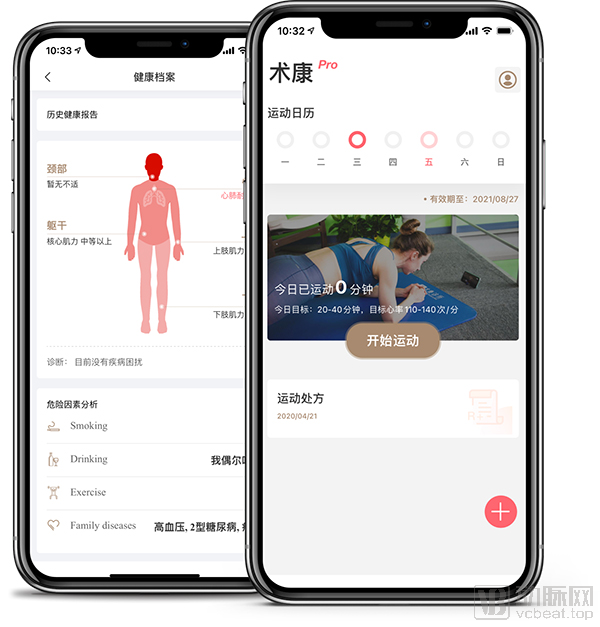
ShuKang is primarily indicated for the rehabilitation of chronic diseases and chronic pain, such as hypertension, diabetes, post-discharge management of heart failure, and post-operative recovery for cancer patients. Using ShuKang, physicians can perform remote intelligent assessments based on patients’ specific conditions and their cardiopulmonary/musculoskeletal status, prescribe personalized exercise and nutrition regimens, provide video-guided training follow-ups, offer remote video guidance, implement comprehensive data monitoring, conduct intelligent quantitative follow-up visits, and enable AI-driven management.
In remote intelligent assessment, patients are required to undergo a comprehensive evaluation that includes questionnaires, cardiopulmonary endurance testing, and exercise capacity testing. Based on the results of this comprehensive assessment, they receive a personalized exercise prescription detailing exercise type, intensity, duration, and frequency. Patients need only wear smart hardware and follow rehabilitation training videos to complete the treatment process. During training, the system provides risk alerts to remind patients to exercise caution. Data generated during exercise is uploaded in real time, allowing physicians to monitor training progress and physiological metrics via the backend platform at any time, intelligently adjust the exercise prescription, and make manual corrections as needed.
In just a few years, Shukang has jointly conducted 11 clinical studies with more than 30 Grade A tertiary hospitals in China, including the Chinese PLA General Hospital and West China Hospital of Sichuan University. These studies focused on type 2 diabetes, rehabilitation for discharged COVID-19 patients, coronary heart disease, and metabolic obesity. Notably, during this year’s COVID-19 pandemic, Shukang participated in the project “Efficacy Study of Exercise Rehabilitation Under Remote Monitoring for Discharged Patients with Novel Coronavirus Pneumonia,” led by Professor Li Jian’an, an International Fellow of the American Academy of Medicine and Director of the Department of Rehabilitation Medicine at the First Affiliated Hospital of Nanjing Medical University, achieving remarkably significant results.
The Growing Population of Chronic Disease Patients and Shukang’s Solutions
Shukang APP, as a “digital therapeutic” for remote home-based rehabilitation, will create a win-win-win situation for society, hospitals, and patients by reducing healthcare costs, improving patient management efficiency, and enhancing patients’ quality of life.
Taking diabetes as an example, the prevalence of diabetes among Chinese adults ranges from 9.7% to 11.6%, with approximately 110 million people affected. The World Health Organization (WHO) estimates that China incurred economic losses of $557.7 billion due to diabetes and related cardiovascular diseases between 2005 and 2015.
The Shukang APP can effectively control patients' blood glucose levels, even achieving reversal effects. This has been demonstrated by the results of a clinical study titled "Impact of Exercise Under Remote Monitoring on Prognosis in Patients with Type 2 Diabetes," jointly conducted by Shukang and West China Hospital of Sichuan University: In the APP group, 27% of diabetic patients reduced their medication dosage, and 12% completely discontinued medication.
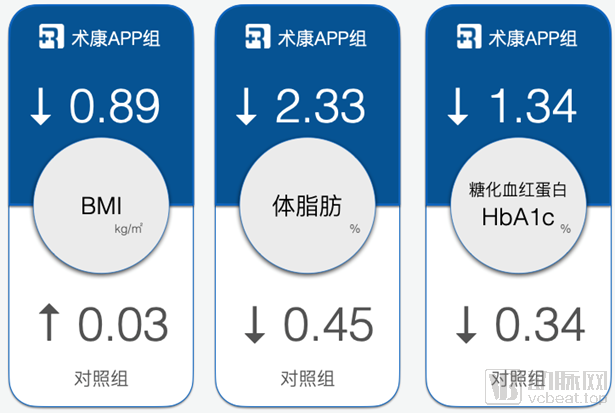
“Clinical Study Results on the Impact of Exercise Under Remote Monitoring on Prognosis in Patients with Type 2 Diabetes”
Clinical results demonstrate that the Shukang APP can effectively stabilize and lower blood glucose levels, potentially freeing patients from the burden of lifelong medication and significantly reducing medical expenses. Under the intervention of Shukang, patients can gradually adopt healthy lifestyles and improve their quality of life.
In addition, physicians can manage and treat patients online solely through Shukang, transitioning from the traditional “one-on-one” to a “one-to-many” management model. This increases management efficiency by at least tenfold, enabling a “large-scale, low-cost” treatment approach.
Shukang: More Than Just China’s Livongo
U.S.-based Livongo, founded in 2010 and publicly listed in 2019 with an initial market capitalization exceeding $3 billion, specializes in recovery management for patients with diabetes. This year, it merged with Teladoc, a digital health giant in the United States, bringing the new company’s valuation to $18.5 billion. Livongo primarily delivers its management services through an integrated approach combining hardware, software, and human support. Recovery specialists communicate with patients daily via phone or email to assess their condition and remind them to visit healthcare facilities for rehabilitation treatment. However, this process is cumbersome and complex, severely limiting the number of patients each specialist can manage.
ShuKang employs AI-powered computing to intelligently match personalized exercise prescriptions based on comprehensive patient assessments, which are then reviewed by physicians and delivered to patients. The system also computes and analyzes patients’ exercise data to intelligently optimize prescriptions, significantly reducing physicians’ workload and enabling them to manage dozens of times more patients.
As Lei Zhen, CEO of RECOVERY PLUS, stated, “We spent three years building a robust underlying medical logic for chronic diseases and chronic pain, which can be effectively applied to Shukang. By leveraging mobile internet technologies, a single physician can easily manage 100 patients using Shukang.”
Highly Acclaimed, Entering the International Market
In November 2019, the international version of the Shukang APP officially entered the U.S. market, where it was adopted by HCA Healthcare (the largest healthcare group in the United States) and Baylor Medical Center for the cardiac rehabilitation of heart failure patients. It rapidly reduced the 30-day readmission rate for heart failure patients from 17% to 2%, and significantly enhanced the efficiency of a six-member rehabilitation team in Dallas, increasing their patient management capacity from 200 to 3,000. During the early outbreak of COVID-19 in the United States, Shukang was urgently deployed by physicians for the home-based treatment of patients with mild to moderate symptoms, yielding remarkable results.
Shukang App International Edition has garnered significant attention from professionals in the United States. It is reported that Shukang has established partnerships with HCA, Baylor, and Blue Cross (one of the largest health insurance companies in the U.S.). Furthermore, renowned American cardiologist Dr. Satjit Bhusri and Circle Health, a prominent cardiac rehabilitation institution in Texas, have confirmed their collaboration with Shukang. They have decided to close their own cardiac rehabilitation centers and instead utilize the Shukang App International Edition to guide all patients in home-based rehabilitation.
As the first digital therapeutic approved by China’s National Medical Products Administration (NMPA), the Shukang APP has filled the gap in China’s digital therapeutics market and provided a significant boost to industry development.
China’s Digital Drugs: A Promising Future
Appendix: Clinical Research Projects in Collaboration with Grade A Tertiary Hospitals
A Prospective, Multicenter, Randomized Controlled Trial on the Impact of Home-Based Cardiac Rehabilitation on Cardiopulmonary Function and Clinical Outcomes in Patients After Percutaneous Coronary Intervention (PCI)
Principal Investigator: Chen Yundai, Chief Physician, Department of Cardiology, Chinese PLA General Hospital
Impact of Home-Based Exercise Rehabilitation Under Remote Monitoring on Patients with Stable Coronary Artery Disease
Person in Charge: Ding Rongjing, Associate Chief Physician, Department of Cardiology, Peking University People's Hospital
A Multicenter Clinical Study on the Impact of Remotely Monitored Exercise on Prognosis in Patients with Type 2 Diabetes
Principal Investigator: Tong Nanwei, Chief Physician, Department of Endocrinology and Metabolism, West China Hospital, Sichuan University
Efficacy of Exercise Therapy Intervention Under Remote Monitoring on Pain, Physical Function, and Quality of Life in Patients with Knee Osteoarthritis
Person in Charge: Shi Huipeng, Associate Chief Physician, Department of Orthopedics, Shanghai Sixth People's Hospital Affiliated to Shanghai Jiao Tong University
Research on Standards for Preventing Sudden Cardiac Death in Marathon Running
Person in Charge: Wang Lemin, Chief Physician, Department of Cardiology, Tongji Hospital Affiliated to Tongji University
Effects of Physical Therapy and Exercise on Function, Quality of Life, and Metabolic Indices in Chronic Gouty Arthritis of the Lower Limbs
Person in Charge: Li Changgui, Chief Physician, Department of Metabolism, The Affiliated Hospital of Qingdao University
Clinical Study on the Metabolic Effects of Smartphone Software-Based Lifestyle Intervention in Patients with Obesity
Principal Investigator: Tong Nanwei, Chief Physician, Department of Endocrinology and Metabolism, West China Hospital, Sichuan University
The Impact of Exercise Under Remote Monitoring on Postoperative Atrial Fibrillation
Principal Investigator: Yang Gang, Department of Cardiovascular Medicine, Jiangsu Province Hospital, Associate Chief Physician
Investigating the Interventional Effects of Different Exercise Regimens on Patients with Diabetic Nephropathy Without Contraindications to Exercise
Person in Charge: Gao Jun, Department of Endocrinology, Peking University International Hospital
Post-Sleeve Gastrectomy Patients: R+ Shukang Exercise Rehabilitation
Lead: Liu Yanjun, Department of Bariatric Surgery, Chengdu Third People's Hospital
Study on the Efficacy of Exercise Rehabilitation Under Remote Monitoring for Discharged Patients with COVID-19
Person in Charge: Li Jian’an, President of Zhongshan Rehabilitation Hospital Affiliated to Jiangsu Province People’s Hospital; Chief Physician; Doctoral Supervisor