

Scorpion Therapeutics Emerges from Stealth with $108M Series A to Advance Precision Oncology 2.0

Scorpion Therapeutics
Biopharmaceutical R&D Company for Cancer Treatment

Omega Funds
Venture Capital Firm

Atlas Venture
Early-Stage Venture Capital Firms

⊙ Image SourceScorpionOfficial Website
When Dr. Gary Glick stepped down as CEO of IFM Therapeutics, he was filled with uncertainty and confusion about the future.
However, this phase did not last long. During a flight, Dr. Glick encountered Keith Flaherty, co-founder of Loxo Oncology, and the two engaged in an intense discussion at 30,000 feet about expanding the scope of targeted oncology.,Scorpion Therapeutics (hereinafter referred to as “Scorpion”) was thus born.
Guided by cutting-edge concepts and built with a world-class team, Scorpion Therapeutics has stood at the forefront of the era since its inception, capturing global attention and bringing new hope to cancer treatment.
According to the data from the World Health Organization’s “2018 Global Cancer Report,” there were 18.1 million new cancer cases and 9.6 million cancer-related deaths worldwide in 2018, further exacerbating the global cancer burden.
As the body’s “predators,” tumors exemplify the essence of “plundering” with striking clarity. They seize nutrients, hijack energy resources, and commandeer territory. In short, they steadfastly adhere to a “hegemonic principle,” aggressively establishing dominance throughout the body and silently sapping life, which is why the mere mention of “cancer” strikes fear into people’s hearts.
Where there is oppression, there is resistance. Faced with the immense predicament caused by cancer, humanity naturally does not sit idle and await its fate; instead, it strives to fight back. Surgical resection, systemic chemotherapy, and radiotherapy have indeed brought some relief to tumor patients, but such single-modality “destructive” therapies still present numerousNumerous drawbacks prevent the genuine safeguarding of patients' lives and quality of life.
To overcome this challenge and truly provide comprehensive, high-quality solutions for cancer patients, researchers who have accumulated vast experience through countless battles of wits and courage against tumors are steadily advancing toward the broader goal of “precision oncology.”
On January 20, 2015, then-U.S. President Obama announced the Precision Medicine Initiative during his State of the Union address at the White House. Overnight, the concept of “precision medicine,” with the United States as its epicenter and spanning across the Pacific and Atlantic Oceans, rapidly entered the global spotlight.
Precision medicine, derived from personalized medicine, refers to the development of individualized diagnostic and therapeutic strategies based on an individual’s genomic information combined with proteomic and pathological characteristics.
This core concept is being widely applied in cancer treatment.
With the advancement of time, medical technologies are continuously being updated and refined. Cancer treatment is gradually shifting from symptom-oriented therapy to gene-targeted therapy. The previous empirical and one-size-fits-all medication patterns are being progressively replaced by personalized medicine.
However, due to the significant molecular and genetic heterogeneity of tumors, individual patients exhibit varying sensitivity and resistance to drugs; even among patients with the same histological type of cancer, responses to anticancer agents can differ.
To spare patients from unnecessary and painful treatment regimens, “precision oncology” has become a widely sought-after approach, garnering global acclaim.
⊙ Image SourceScorpionOfficial Website
Guided by market value, Scorpion Therapeutics was established.
Scorpion Therapeutics is a biopharmaceutical company developing precision oncology therapies. Its drug discovery and development engine is built on more than two decades of innovation in cancer genomics and integrates cutting-edge technologies across target discovery, medicinal chemistry, and translational medicine to deliver next-generation precision oncology drugs.
By developing drugs that better preserve healthy tissues and minimize side effects,Scorpion is dedicated to addressing today’s incurable or drug-resistant cancers, making precision oncology the norm rather than the exception.
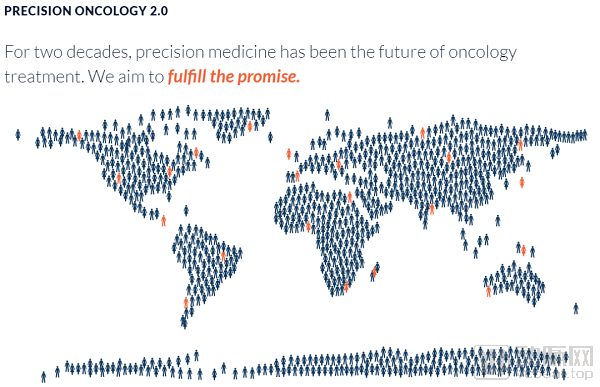
Comprehensive molecular profiling of tumors has identified thousands of recurrent gene mutations, now recognized as key drivers of cancer, leading to several significant therapeutic breakthroughs. However, the promise of precision oncology remains underutilized.
First, the therapeutic efficacy of many existing treatments is suboptimal, failing to deliver maximal benefit to patients; second, numerous targets known to be critical for cancer progression and survival are still considered “undruggable” and thus have not yet become therapeutic targets; third, historically, it has been challenging to harness multi-omics data that may be pivotal to identifying transformative novel cancer targets.
Scorpion Therapeutics has assembled top talent and advanced technologies to address these current limitations and has formulated a strategy to realize the full potential of precision oncology.
⊙ Image SourceScorpionOfficial Website
On October 26, 2020, Scorpion Therapeutics announced the completion of a $108 million Series A financing round, led by Atlas Venture, Omega Funds, and Vida Ventures, with participation from Abingworth and Partners HealthCare Innovation.
Why Scorpion Secured Substantial Investment in Its Early Stages: A Strong Team Tips the Scales
Founder Gary Glick is a chemist, immunology researcher, and biotechnology entrepreneur. He previously founded Lycera, FirstWave Bio, and IFM Therapeutics. Among these, IFM Therapeutics (IFM) primarily focuses on developing therapies targeting novel regulators of the innate immune system. In 2017, IFM sold two oncology assets to Bristol-Myers Squibb for over $2.3 billion; in 2019, Novartis acquired its NLRP3 inhibitor (a drug for treating inflammatory diseases) for $1.6 billion.
Another founder, Keith Flaherty, is the Director of Clinical Research at Massachusetts General Hospital and a Professor at Harvard Medical School. He co-founded Loxo Oncology, which was later acquired by Eli Lilly for $8 billion. The other two co-founders are Dr. Gaddy Getz and Dr. Liron Bar-Peled. Dr. Getz is a leader in the field of cancer genomics, while Dr. Bar-Peled’s laboratory has made significant contributions to understanding how cells sense and respond to oxidative stress and to developing small-molecule inhibitors targeting oncogenic drivers that are difficult to drug.
In addition, Scorpion boasts a seasoned leadership team with extensive experience in leading the discovery, development, and commercialization of multiple oncology drugs. Gary Glick stated, “Scorpion’s more than 30 scientists have decades of experience in the field of targeted cancer therapies. The team is united by shared goals, bringing both expertise and a strong sense of accomplishment. Several projects they previously contributed to have already been approved and launched as marketed oncology treatments.”
Scorpion will leverage this round of financing to advance the R&D of its Precision Oncology 2.0 therapeutics, aiming to deliver safer and better-tolerated small-molecule drugs that provide more profound, durable, and precise treatment options for a broader population of cancer patients.
Scorpion integrates data science, proteomics, medicinal chemistry, and novel target identification methods into a single discovery engine capable of achieving all three objectives, thereby developing next-generation therapeutics for known cancer indications.
By identifying and characterizing molecular subtypes of diseases, pharmacological interventions can be designed to halt disease progression, thereby accelerating the clinical translation of novel insights into targeted therapies for patients. Systematic approaches can uncover new targets, potentially eliciting deeper responses in a broader patient population.
Scorpion Therapeutics will conduct drug R&D from three aspects:Design best-in-class or first-in-class drugs targeting known oncogenes; develop therapeutics against cancer targets currently considered “undruggable”; discover and identify novel, untapped targets with the potential to transform cancer treatment, and develop corresponding therapeutic agents.
Scorpion revealed that over the past six months, the company has successfully integrated genomics, proteomics, medicinal chemistry, and novel target identification into a single platform capable of addressing the needs across these three areas.
Each patient’s cancer is unique at the molecular level, with specific genetic alterations driving pathogenesis and determining individualized tumor treatment strategies. With advances in new technologies such as genomics, next-generation sequencing, and artificial intelligence, precision medicine in oncology is entering a phase of rapid development.
Consequently, related companies have also attracted capital attention. Since the beginning of this year, numerous companies have secured financing across various rounds, with PMV Pharma, Repare Therapeutics, and Black Diamond Therapeutics successively listing on the NASDAQ.
We also look forward to more patients benefiting from advances in precision oncology.