

Global Leaders in Pharma and MedTech Converge at CIIE 2020 with Cross-sector Collaborations and Premier Product Launches
As industries across nearly all sectors—from automobiles and technical equipment to consumer goods—experienced contraction, the medical devices and pharmaceuticals sector moved in the opposite direction. This trend was evident on the exhibition floor: at the 2020 China International Import Expo (CIIE), the planned exhibition area for the Medical Devices and Pharmaceutical Healthcare zone doubled compared to the previous edition.
The expanded exhibition space was increasingly occupied by pharmaceutical and medical device companies, elderly care and rehabilitation services, and nutritional health food providers. Data shows that in 2019, more than 60 medical device companies and over 20 pharmaceutical companies participated in the exhibition, while in 2020, the number of overseas pharmaceutical exhibitors alone exceeded 80. As more industrial technology and equipment manufacturers brought their healthcare-related technologies and products, such as ECMO and 3D printing, to the event, the exact number of medical device exhibitors was difficult to quantify, but an increase was inevitable.
However, despite the massive number of enterprises participating in the exhibition, with large corporations dominating the landscape, it is not easy to discern industry development trends from the event. Therefore, VCBeat has organized the content of the entire China International Import Expo (CIIE) into three sections, highlighting the standout features of this year’s CIIE and guiding readers through a comprehensive overview of the medical zone at the expo in a single article.
Based on exhibition participation, medical imaging equipment manufacturers represented by GPS; high-end radiotherapy equipment companies represented by Elekta and Varian; medical interventional device companies represented by Boston Scientific and BD; laboratory equipment companies represented by Danaher and Thermo Fisher Scientific; and optical equipment companies represented by Zeiss and Olympus have all gathered here, with multiple products making their “debut” at the China International Import Expo (CIIE).
I. GE’s “‘Extreme T’ Precision Medical Imaging Solution for MRI” and “MiaoRu Mural Virtual Clinical Command Center”
At this year’s CIIE, GE HealthCare debuted two cutting-edge systems—the “Ultra-T MRI Precision Imaging Solution for Personalized Medicine” and the “Mural Virtual Clinical Command Center”—aiming to empower hospitals from the dual perspectives of diagnosis and management.
“Ultra-T” MRI Precision Medicine Imaging Solution encompasses five top-tier research and medical products, including the ultra-high-end MRI platform SIGNA™ Premier and the 13C hyperpolarizer SPINLab. For the first time, it enables real-time imaging of metabolic activity in living cells via MRI, advancing clinical and research practices from traditional macroscopic assessments of function and morphology to the microscopic realm of dynamic cellular metabolism observation.
Zhang Yihao, President and CEO of GE Healthcare China, told VCBeat: “In the past, our MRI systems could only detect changes in cellular morphology, thereby helping to determine whether a patient had cancer. This new solution, however, enables physicians to truly visualize cellular metabolic activity prior to any morphological changes, guiding them into a more microscopic and precise diagnostic realm.”
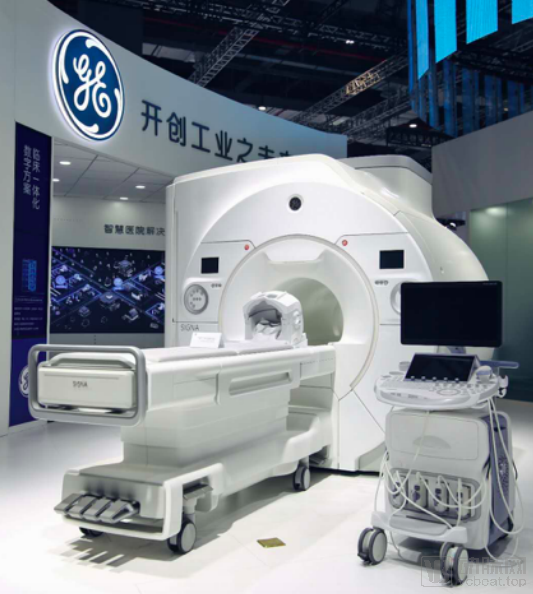
JiT MRI Precision Medical Imaging Platform
“Mural Virtual Clinical Command Center” is essentially a remote clinical information monitoring and management software system. Leveraging device and information system integration tools (MDI), the software breaks down information silos by integrating various in-hospital information systems. It connects GE patient monitors and ventilators, ZFP imaging systems, mainstream Hospital Information Systems (HIS), Laboratory Information Systems (LIS), and other platforms, enabling real-time data interoperability across multiple wards, hospital campuses, and medical consortium institutions. This facilitates seamless dataset acquisition and interaction with Electronic Medical Records (EMR), allowing physicians to conveniently access comprehensive patient condition information, including laboratory test results and imaging data. Furthermore, based on data analytics, it presents diverse data—such as vital signs, abnormal waveforms, aberrant laboratory values, and abnormal scoring results—in an intuitive digital format, thereby supporting physicians in delivering efficient and effective care.
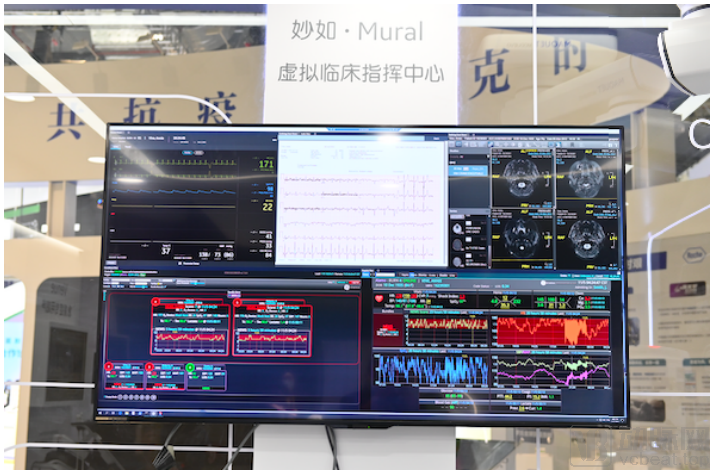
Mural Virtual Clinical Command Center
II. Elekta Unity High-Field MRI-Guided Radiotherapy System
Elekta also made a high-profile appearance at the China International Import Expo. On the afternoon of the 5th, Elekta prominently showcased its world’s first high-field magnetic resonance radiotherapy system, the Elekta Unity, which received formal approval from the National Medical Products Administration for market launch in China in the autumn of 2020. In conventional radiotherapy, physicians typically formulate treatment plans and guide radiation delivery based on pre-treatment CT images.
In fact, tumors are constantly changing in size and position due to treatment, disease progression or regression, and normal physiological activities such as respiration and digestion, while conventional therapeutic approaches fail to capture these rapidly evolving tumor dynamics in real time.
The advent of Elekta Unity has resolved a long-standing challenge for radiation oncologists. As a groundbreaking cancer treatment system, Elekta Unity seamlessly integrates two physically “incompatible” technologies—the medical linear accelerator for radiation therapy and the 1.5T high-field MRI—onto a single platform. Powered by pioneering real-time adaptive radiotherapy software, it is the first to enable real-time, high-resolution visualization and tracking of tumor changes during radiation therapy. This capability allows radiation oncologists to adjust treatment plans online, delivering “precision-guided” strikes against target tumors and thereby achieving truly precise, personalized adaptive radiotherapy.
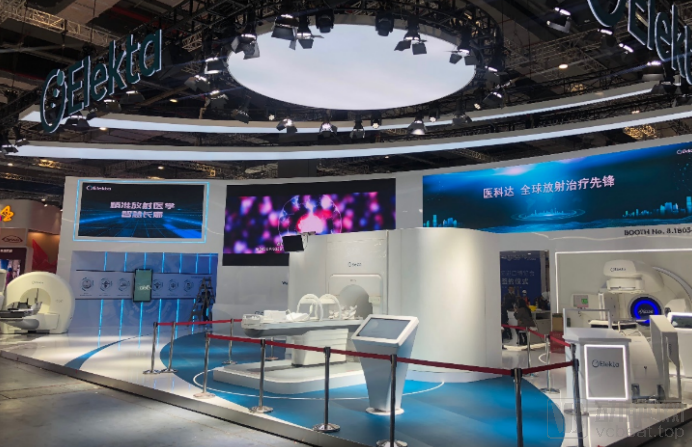
High-Field MRI-Guided Radiotherapy System: Elekta Unity
A 2019 survey by the Chinese Society for Radiation Oncology revealed that mainland China had a total of 2,021 linear accelerators, representing approximately 1.5 units per million people. Recently, Elekta completed the installation of its 1,000th medical linear accelerator at Baozhang Hospital in Lixin County, Anhui Province, capturing nearly 50% of the Chinese market. Therefore, the Elekta Unity is undoubtedly a key product underpinning Elekta’s industry leadership, especially as established competitors like Varian and emerging domestic radiotherapy star Masep are both eyeing China’s vast radiotherapy market.
III. da Vinci SP Surgical System
The revolutionary single-port surgical platform, the da Vinci SP Surgical System, featured on Fosun Pharma’s platform, drew a large crowd of onlookers at the exhibition area.
The next-generation da Vinci system is specifically designed to access deep-seated tissues in the human body through narrow and deep surgical approaches. By enabling access through a single small incision, it assists surgeons in performing more complex procedures. Since the U.S. FDA’s initial approval of the da Vinci SP Surgical System, Intuitive Surgical has progressively refined the platform, continuously expanding its applicability to better serve patients in the future.
Specifically, the system comprises three multi-jointed, wristed instruments and the first da Vinci fully wristed 3D high-definition camera. Through a single SP robotic arm, both the instruments and the camera are inserted into the body via the same cannula, enabling flexible single-port access positioning. The system can utilize the same surgeon console as the da Vinci Xi system to control its fully wristed instruments and camera.
Mr. Eric Pan, CEO of Fosun, stated, “The da Vinci SP is the latest addition to Intuitive Surgical’s integrated product portfolio, complementing the da Vinci Xi system. It ensures that surgeons can achieve high-quality visibility,”
Precision and dexterity in performing surgery through narrow access points. These core values have earned the trust of surgeons in the da Vinci System, while also underscoring Intuitive Surgical’s commitment to enhancing patients’ postoperative quality of life through minimally invasive surgical technologies.”
IV. Boston Medical Launches Its First Four Interventional Products
At this conference, Boston Scientific showcased products focused on therapeutic areas including cardiovascular disease, peripheral vascular disease, and pancreaticobiliary cancers. The four products launched include: Eluvia™, the world’s first polymer-coated drug-eluting stent for peripheral arteries; OptiCross™ HD, the world’s first 60 MHz single-use intravascular ultrasound (IVUS) diagnostic catheter, offering clearer IVUS imaging and superior penetration depth; WOLVERINE®, China’s only cutting balloon catheter providing efficient vessel preparation solutions; and the Habib EndoHPB Radiofrequency Ablation Catheter, an interventional device for cholangiocarcinoma that won the Gold Award in the “Advanced Surgical Devices” category at the 2020 Edison Awards.
The Habib Endo HPB Radiofrequency Ablation Catheter is a bipolar radiofrequency ablation catheter designed for partial or complete ablation of pancreatic or biliary tissues. It can also be used for endoscopic biliary drainage or decompression before or after stent placement, thereby clearing obstructed bile ducts. Additionally, it is suitable for ablating malignant or benign tissues and providing local treatment for malignant biliary diseases. Currently, apart from surgical intervention, therapeutic options for cholangiocarcinoma remain limited. This innovative device offers patients with pancreaticobiliary cancer additional minimally invasive palliative treatment options.
Habib EndoHPB Radiofrequency Ablation Catheter
V. Illumina and Its Gene Sequencers
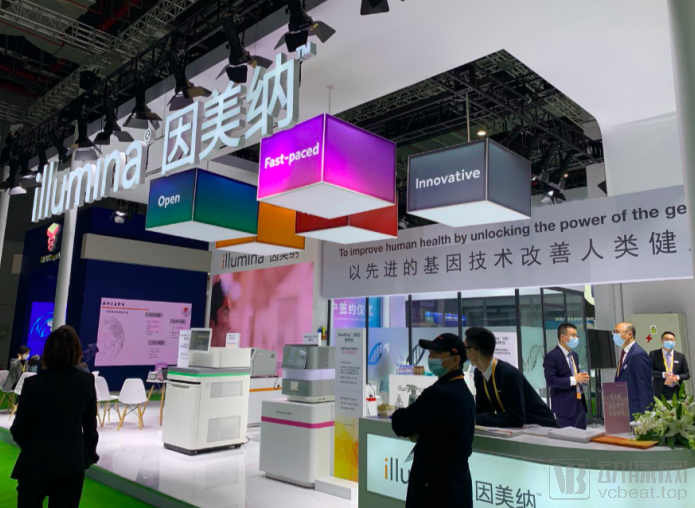
As a global leader in the gene sequencing industry, Illumina brought its full portfolio of gene sequencing products to the China International Import Expo (CIIE). The products showcased on-site included the NovaSeq™ 6000, which was used by Academician Li Lanjuan’s team in their research on SARS-CoV-2 variants, as well as the NextSeq™ 550, which was employed in the溯源 study of the SARS-CoV-2 outbreak at Beijing’s Xinfadi Market. On the eve of the opening of the third CIIE, Illumina’s NextSeq™ 550Dx sequencing platform received approval for clinical use from China’s National Medical Products Administration (NMPA).
In addition, the newly launched desktop sequencing system, NextSeq™ 2000, made its debut at the exhibition. Featuring over 75 technological innovations, the NextSeq™ 2000 balances sequencing speed, quality, and cost, delivering a powerful yet streamlined workflow through an integrated sequencing platform and advanced genomic analysis accelerators. It also offers integrated one-step loading and wash-free operation.
In addition to the aforementioned equipment, a large number of medical device companies presented new products at the China International Import Expo (CIIE). For instance, Olympus introduced its new endoscopy system, VISERA ELITE II, which offers a wider field of view, superior image fidelity, and ultra-high definition approaching 4K resolution. It also enables surgeons to switch between 2D and 3D surgical modes as needed. Essilor pioneered H.A.L.T. (Highly Aspherical Lenslet Target) technology, which incorporates 1,021 micro-lenses invisibly distributed across 11 concentric star-shaped rings in its Stellest lenses. This design creates defocused light beams in front of the retina, generating signal zones that help slow axial elongation, thereby effectively slowing the progression of myopia.
In the 3D printing sector, UNIZ Technology showcased its 3D printing equipment portfolio, encompassing 3D printers as well as related consumables and software. In the medical field, a key part of its business is providing dental mold printing services for hospital stomatology departments and dental clinic chains.
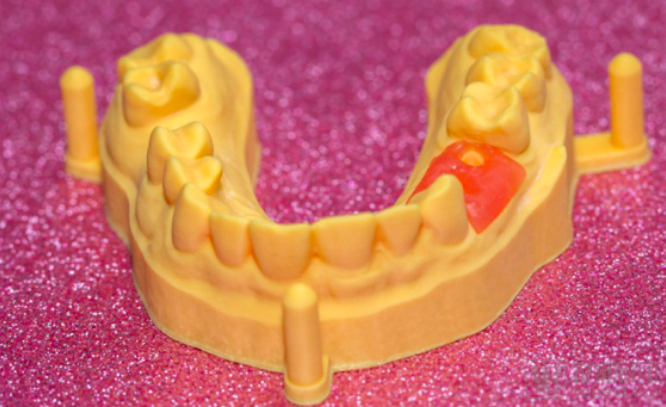
3D-Printed Dental Models
Furthermore, UNIZ Technology can create 3D models based on patients’ CT or MRI data prior to surgery, and then print these models using 3D printers. The primary purpose of 3D-printed medical models is to allow surgeons to visually assess the three-dimensional structure of the surgical site before the procedure, thereby facilitating surgical planning. This is particularly beneficial in complex surgeries, as it helps reduce surgical risks and improve success rates.
Unlike the numerous product debuts by medical device giants, relatively few companies premiered new drugs at this year’s CIIE; instead, more enterprises seized the opportunity to sign collaborations with domestic companies and institutions.
I. Eli Lilly Partners with Beijing Changjiang Pharmacy Development Foundation and Medical AI Company Airdoc to Strengthen Psoriasis Management
Psoriasis is a chronic, recurrent, inflammatory, and systemic immune-mediated disease triggered by the interplay of genetic and environmental factors. Although non-contagious, it is difficult to treat and often persists for life.
In August 2019, Eli Lilly’s ixekizumab injection, indicated for the treatment of moderate-to-severe plaque psoriasis in patients who are candidates for systemic therapy or phototherapy, received marketing approval from the National Medical Products Administration (NMPA), officially entering the Chinese market and bringing hope to numerous psoriasis patients in China.
However, the treatment of psoriasis is not as simple as merely taking medication. Professor Wen Hai from Changzheng Hospital Affiliated to Naval Medical University stated, “Innovative biologics offer patients with psoriasis the possibility of changing treatment outcomes. However, in clinical practice, coordinated efforts from all parties are required to develop comprehensive management plans that integrate individual patient differences and advances in therapy.”
To address this issue, Eli Lilly, the Beijing Changjiang Pharmaceutical Development Foundation, and medical AI company Airdoc reached a partnership agreement at the China International Import Expo (CIIE) to deeply explore treatment management for patients with psoriasis.
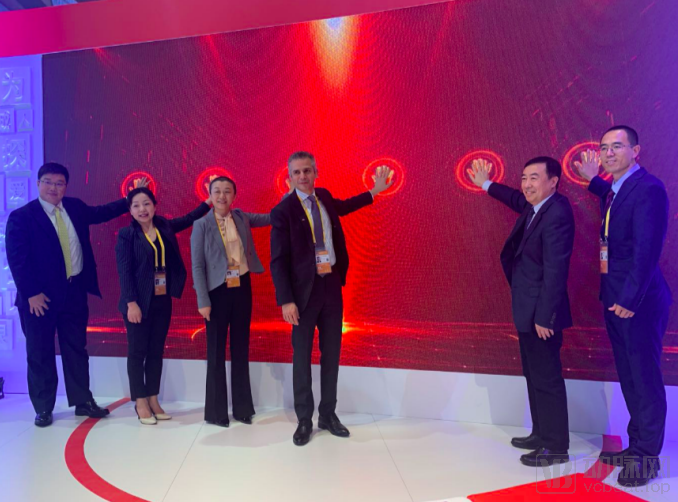
Lilly, Beijing Changjiang Pharmaceutical Development Foundation, and Airdoc Sign Tripartite Agreement
In daily life, healthcare professionals can assist and guide patients in uploading photos for psoriasis severity assessment. AI can then simulate, analyze, and score these images along with potential treatment outcomes, presenting the results in a visualized and digital format to help patients understand their condition and track the progress of treatment and disease management.
“This is another form of AI-empowered primary healthcare,” Zhang Dalei, CEO of Airdoc, told VCBeat. “Through artificial intelligence, more patients can receive intervention for psoriasis treatment at primary care institutions lacking specialists, thereby enabling the development of more effective treatment plans.”
II. AstraZeneca’s Path of Extensive Collaboration
At this CIIE, AstraZeneca secured the highest number of partnership signings among all participating companies.
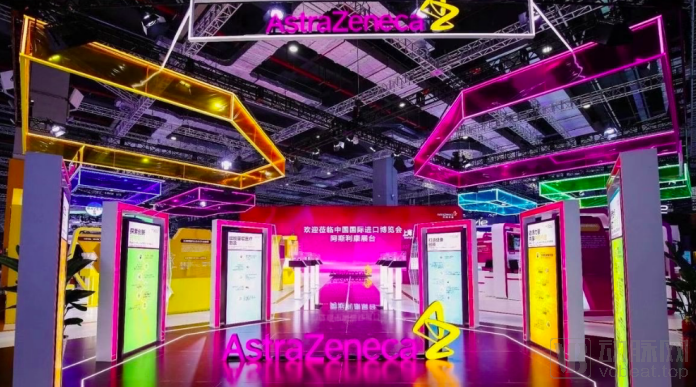
In the realm of medical-enterprise collaboration, AstraZeneca has signed strategic cooperation framework memoranda with 22 leading hospitals across China—including West China Hospital of Sichuan University, The Second Xiangya Hospital of Central South University, Nanfang Hospital of Southern Medical University, Guangdong Provincial People’s Hospital, Xiangya Hospital of Central South University, The First Affiliated Hospital of Zhengzhou University, and Fudan University Shanghai Cancer Center—focusing on discipline development and clinical research to facilitate future new drug R&D.
In the realm of regional ecological development, the Wuxi International Life Science Innovation Park (I·Campus) once again introduced innovative forces from both domestic and international markets at this year’s China International Import Expo. The companies that signed agreements on the day included 12 innovative enterprises: UST, Hainan Yili, Xinyun Hengan, LinkDoc Technology, BestMed, BioDuro, Zhidao Medical Management, Liangzhun Industrial, Yishi Technology, Zhenfu, Jinse Medical, and Jingchen Technology. Within just one year of its opening, more than 30 domestic and overseas enterprises have signed up to settle in the park. Meanwhile, the Hangzhou International Life Science Innovation Park, jointly established by AstraZeneca and the Hangzhou Municipal Government, was officially unveiled, welcoming Shenzhi Technology and Yidian Information as its first two resident enterprises.
In terms of inter-corporate collaboration, AstraZeneca and AmoyDx have entered into a partnership. The two parties will expand their cooperation across “Belt and Road” countries and regions, including Singapore, the Gulf Arab states, Egypt, Russia, Brazil, and Taiwan, China, to explore and promote biomarker testing associated with prostate cancer, ovarian cancer, breast cancer, gastric cancer, lung cancer, and other malignancies.
In China, AstraZeneca and Adela signed a strategic cooperation agreement to jointly establish the “County-Level Precision Medicine Academy,” exploring the practical application of the iTesting IoT-based online specimen submission platform, testing centers, and mobile testing vehicles in county-level markets. In partnership with Hangzhou Haiwang, they are co-developing smart pharmacies to create a new retail pharmaceutical model that delivers high-quality medical services and an enhanced medication purchasing experience. Additionally, in collaboration with Huagen Holdings, they are working to increase Helicobacter pylori testing coverage and improve screening rates for digestive tract diseases. Furthermore, AstraZeneca is collaborating with innovative companies such as Anhan and Walvax Biotechnology on additional innovative solutions and cooperation models, covering chronic disease areas including gastroenterology and respiratory conditions.
These collaborations underscore AstraZeneca’s commitment to building a comprehensive healthcare ecosystem. The century-old pharmaceutical company aims to expand access to its medicines for more patients through channel expansion, while also establishing a more robust health management system for Chinese residents through non-pharmaceutical interventions.
III. GSK Integrates Medical Care and Prevention to Co-build a Pharmaceutical “Ecosystem”
In recent years, GSK has collaborated with government agencies, healthcare institutions, and industry partners to promote standardized medical practices, shift the focus of disease prevention upstream, and expand access to healthcare resources, thereby tangibly improving health outcomes for the public. During this China International Import Expo (CIIE), GSK signed a series of strategic cooperation agreements and memoranda of understanding with numerous partners, including internet healthcare companies, foundations, and medical institutions, focusing on four key areas.
1. Signed a strategic cooperation agreement with the China Cancer Foundation, focusing on the prevention and control of cervical cancer, and launched a series of collaborative initiatives including public disease education and professional training for vaccination physicians, thereby enabling more women in need of cervical cancer protection to benefit from vaccine coverage;
2. Jointly signed the cooperation agreement for the “Healthy China · Yangtze River Delta Project” with the Beijing Bethune Public Welfare Foundation. Leveraging their respective strengths, both parties will accelerate the integrated development of immunization programs within the context of the integration of the Yangtze River Delta region;
3. Signed a Memorandum of Understanding with the School of Population Medicine and Public Health, Chinese Academy of Medical Sciences & Peking Union Medical College, with the strategic objective of safeguarding the health of middle-aged and elderly individuals in China, and jointly enhancing public awareness of vaccine-preventable diseases through diversified collaborations to promote healthy aging;
4. Establishing a new “Internet + Vaccines” model by signing a strategic cooperation memorandum with JD Health, fully leveraging respective resource advantages to effectively integrate innovative medical approaches with internet technologies, jointly raising awareness of herpes zoster prevention among middle-aged and elderly individuals, and contributing to China’s goal of “healthy aging.” Additionally, a strategic cooperation memorandum was signed to deepen collaboration in the prescription drug sector, with plans to launch internet-based healthcare and chronic disease management services in areas such as central nervous system disorders by the end of 2020, aiming to enhance the doctor-patient interaction experience and provide high-quality services and products to patients across China.
IV. Novartis and WeDoctor Sign Strategic Cooperation Memorandum of Understanding
On November 6, WeDoctor Group, an internationally leading digital health platform, and Novartis Pharmaceuticals (China), a renowned pharmaceutical company, signed a memorandum of strategic cooperation at the Third China International Import Expo. Leveraging their respective strengths, the two parties will empower innovative digital health management models through big data and jointly explore the “Specialized Disease Health Consortium.”
Both parties will focus on ankylosing spondylitis, a rheumatic and autoimmune disease in urgent need of societal attention, as their initial specialized disease area. By leveraging innovative digital solutions, they aim to address the challenges patients currently face in long-term treatment and disease management, thereby enabling more Chinese patients to receive timely, professional, comprehensive, and whole-course health services.
Currently, WeDoctor is extensively piloting “Specialized Disease Health Communities” across China. Supported by a digital platform that integrates supply-side resources such as chronic disease management services, and leveraging standardized diagnosis and treatment systems along with specialized disease management tools, it provides insurance-covered specialized disease (including chronic disease) services to residents in cities, counties, townships, and villages. This initiative effectively enhances regional disease management capabilities, improves disease awareness and treatment rates, reduces complications, and substantially alleviates the financial burden on local medical insurance funds and patients’ out-of-pocket expenses for medical care and medications.
V. Abbott and 111.com Forge Strategic Partnership to Advance Healthy China Through Digital Health Integration
On November 6, Abbott and 111.com officially signed an agreement at the China International Import Expo (CIIE). The two parties will engage in deep cooperation in areas such as omni-channel pharmaceutical commercialization, specialized chronic disease management, and patient education, jointly exploring the vast blue ocean of the internet healthcare market in the “post-pandemic era.” Jin Fangqian, General Manager of Abbott’s Pharmaceutical Business in China, and Dr. Yu Gang, Co-founder and Executive Chairman of 111.com, attended the signing ceremony.
Leveraging 1 Drug’s omnichannel pharmaceutical commercialization platform and digital technologies, Abbott’s extensive pharmaceutical portfolio will achieve greater market coverage across China’s vast landscape. In turn, 1 Drug will utilize its robust sales network and digital marketing capabilities to help Abbott strengthen retail channel management and enhance patient reach, thereby delivering more precise and effective health solutions and services to a broad user base.
VI. Novo Nordisk Partners with Microsoft to Co-Create an Intelligent Diabetes Q&A Chatbot
Shanghai, November 6, 2020 – Novo Nordisk, a global leader in biopharmaceuticals, and Microsoft jointly announced at the third China International Import Expo that they would leverage Novo Nordisk’s extensive expertise, capabilities, and experience in diabetes prevention and treatment, combined with Microsoft’s intelligent cloud Azure and artificial intelligence technologies, to co-develop “Teacher Xiao Nuo,” an intelligent Q&A chatbot providing comprehensive Chinese-language diabetes education. This initiative aims to help more Chinese patients understand diabetes-related knowledge, enhance disease awareness, enable more scientific and effective self-management of daily life, and ultimately improve the quality of life for people living with diabetes.
Xiao Nuo Teacher (an intelligent Q&A bot for diabetes education) is built on Microsoft’s intelligent cloud, Azure. It leverages an intelligent conversational engine developed by Microsoft Research Asia’s Internet Engineering Institute to address local industry and user needs, and integrates a knowledge base produced by Novo Nordisk that covers a wide range of frequently asked questions and answers related to diabetes. Powered by a natural language processing model based on deep neural networks, Xiao Nuo Teacher offers fully Chinese-language voice and text interactions. Its visualized operations backend, along with future intelligent operational capabilities, enables Xiao Nuo Teacher to continuously learn from user interactions, facilitating rapid iterative upgrades.
Teacher Xiao Nuo is expected to launch on Novo Nordisk’s digital patient support platform in early 2021. Novo Nordisk and Microsoft will remain committed long-term to the field of healthcare plus artificial intelligence, leveraging their respective strengths to advance collaboration in diabetes disease management, set a new benchmark for AI-enabled chronic disease management, and unlock significant application efficacy within the healthcare sector.
VII. Lecheng Collaborates with Numerous Pharmaceutical and Medical Device Enterprises
Over the course of three days, the Boao Lecheng International Medical Tourism Pilot Zone reached agreements with multiple global healthcare giants—including AstraZeneca, AbbVie, Bristol-Myers Squibb, BD (China), Danaher, GE, Merck & Co., Novartis, Johnson & Johnson, Sanofi, Takeda, and Zai Lab—to further deepen cooperation.
Judging from the scope of cooperation, Lecheng’s collaboration with various enterprises extends beyond the introduction of innovative drugs and real-world data studies to encompass the development of smart healthcare infrastructure and related capabilities. Following this visit to Shanghai, the Lecheng Pharmaceutical and Medical Device Exhibition is set to welcome more partners, enabling patients in China to access world-class pharmaceuticals and medical device services without the need for long-distance travel.
Overall, compared with medical device companies, pharmaceutical companies have a much stronger demand for partnerships and distribution channels. Their collaboration strategies can mainly be categorized into the following mainstream directions.
1. Deepen collaboration with hospitals. Numerous overseas pharmaceutical companies have signed agreements with major hospitals through the China International Import Expo, demonstrating their determination to penetrate the Chinese market. This is beneficial for patients; in the future, we may see more overseas pharmaceutical companies establish production facilities in China or introduce additional innovative drugs, enabling Chinese patients to access high-quality medical services domestically.
2. Collaborate with domestic medical technology enterprises. The primary objective of partnerships between pharmaceutical companies and medical technology firms is to gain deeper access to patient treatment processes, thereby enabling pharmaceutical companies to acquire patient data across more stages of care. On one hand, this will facilitate the targeted development of new drugs; on the other hand, patients will benefit from comprehensive, end-to-end management.
3. Collaborate with domestic service providers. With the rise of internet-based healthcare models, an increasing number of patients are accustomed to obtaining medications through e-commerce platforms. Pharmaceutical companies must swiftly secure a strong position in this segment, thereby enabling patients to enjoy greater convenience in purchasing medications amidst market competition.
4. Collaboration with Industrial Parks. The expansion of pharmaceutical companies’ businesses largely depends on the innovation capabilities of their partner enterprises. At this conference, major pharmaceutical firms are continuously expanding their “ecosystems of partners,” aiming to extend their service capabilities to cover a broader range of medical sectors. In the future, competition among pharmaceutical companies may increasingly occur in non-pharmaceutical domains.
The “Public Health and Epidemic Prevention Zone” is a special exhibition area newly established for this year’s CIIE, distinguishing it from previous editions. Numerous pharmaceutical and medical device companies—including Pfizer, Roche, Boehringer Ingelheim, and Fosun Health—have set up secondary booths in this zone in addition to their main exhibits. Here, the development of smart public health infrastructure has emerged as a key shared theme among participating enterprises.
During the pandemic, fever clinics served as the first line of defense in epidemic prevention and control. Traditional fever clinics typically relied on physical partitions to prevent direct contact between medical staff and patients, which could not fundamentally ensure the safety of healthcare workers. Consequently, in the public health epidemic prevention zone, GE Healthcare, Philips, and Siemens each showcased their respective solutions for fever clinics.
Siemens Healthineers’ Fever Clinic Solution adheres to the latest Chinese standards for fever clinic construction and integrates GmbH’s German COVID-19 guidelines. Through innovations in process layout, intelligent equipment, and digital operations, it truly achieves “integration of routine and epidemic care, ensuring safety and precision.” First, the solution adopts the German BAS fresh air system, with layout design strictly following the standard three-zone configuration (clean zone, buffer zone, and contaminated zone). This complies with requirements for separating patient and medical staff flows as well as clean and contaminated pathways, thereby preventing cross-infection. For newly built fever clinics, the solution can incorporate a negative pressure room system to maximize the protection of healthcare professionals.
Secondly, the facility is equipped with CT/DR systems dedicated to fever clinics, featuring an intelligent visual remote positioning system. Technicians can perform one-click positioning, one-click scanning, and one-click patient discharge via a control box remote, eliminating the need to enter the scan room throughout the process. This prevents direct contact between technicians and febrile patients, thereby avoiding cross-infection. Finally, the 5G-enabled emergency remote operation center for epidemic response supports the activation of an “unmanned CT” mode during special epidemic periods. This allows medical and technical staff to remotely operate the equipment from an emergency control center located outside the fever clinic, achieving true “zero-contact” with patients. As a result, staff are not required to undergo isolation after work, demonstrating care for their physical and mental well-being.
Sanofi, in collaboration with Yitu Healthcare, has jointly developed an intelligent public health infectious disease detection system. This system is capable of providing extensive coverage across hospitals within a region, performing real-time detection for 41 types of infectious diseases, compiling statistics on febrile cases in the area, and automatically reporting anomalous data, thereby effectively supporting public health epidemic prevention and control efforts.
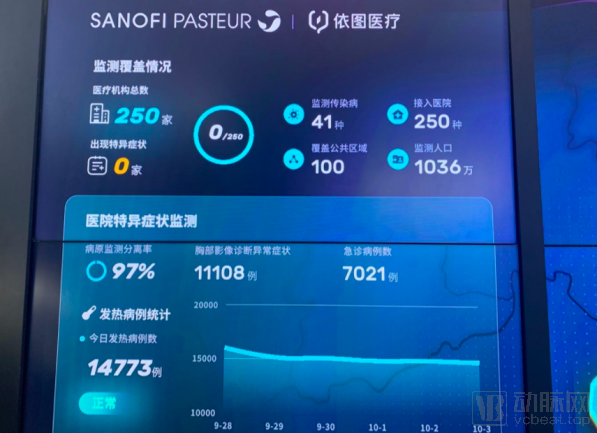
Smart Public Health Infectious Disease Detection System
At the Public Health Epidemic Prevention Zone, Fosun Health showcased its custom-designed negative-pressure ambulance. The vehicle is equipped with a full suite of emergency rescue equipment, including ventilators, defibrillators, and ECG monitors, as well as ultraviolet disinfection lamps and central oxygen supply interfaces. This configuration enables effective treatment of patients during the COVID-19 pandemic while ensuring the safety of healthcare workers.
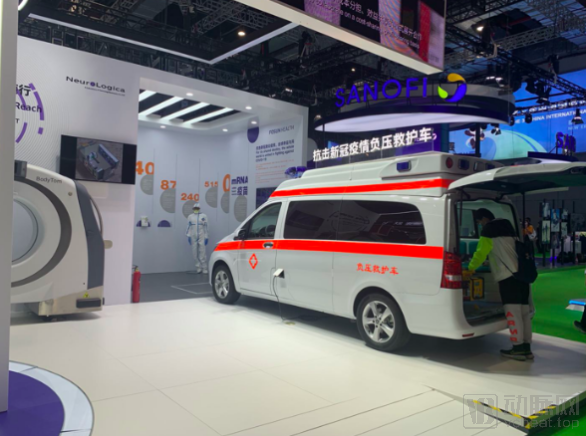
Fosun Health's Negative-Pressure Emergency Ambulance for Combating the COVID-19 Pandemic
As a global stage for top-tier companies to showcase their strength, the products and collaborations mentioned in this article represent only a drop in the ocean. Nevertheless, the sincerity of enterprises from various countries is evident in the global debuts of numerous medical devices and pharmaceuticals.
Moreover, pilot zones represented by Boao Lecheng are playing an increasingly important role in the exchange of pharmaceuticals and medical devices between China and foreign countries. However, at this China International Import Expo (CIIE), the companies involved in cooperation did not disclose specific details of their collaborations. Nevertheless, the development of the Boao Lecheng Medical Pilot Zone remains promising.
Overall, this year’s China International Import Expo (CIIE) has fully embodied the spirit of “sharing” inherent in its name, providing an excellent platform for multinational collaboration. The integration of data and technology will undoubtedly bring greater hope for life to patients in both China and abroad.