

RemeGen Surges 33.97% on HKEX Debut, Betting Big on ADC Pipeline

RemeGen
Biological New Drug Developer
2020Year11Month9day, RemeGen Co., Ltd. (abbreviated as: RemeGen-B,SEHK:09995) officially listed on the Hong Kong Stock Exchange. RemeGen issued a total of shares in this listing7653.710,000 sharesHshares, of which the international placement4592.210,000 shares, accounting for the total shareholding ratio60%, Hong Kong Placement3061.510,000 shares, accounting for the total shareholding ratio40%。
RemeGen’s IPO was priced at HK$52.1 per share, raising a total of HK$3.78 billion. Fifty percent of the proceeds will be allocated to the clinical development and commercialization of the company’s drug candidates, while the remaining 50% will be used for constructing new production facilities, repaying borrowings, and general corporate operations.
RemeGen is a biopharmaceutical company that has not yet achieved profitability, and its drug candidates have not yet entered the commercialization stage. In light of the cooling trend in Hong Kong-listed innovative drugs, with many stocks breaking their issue price on the first day of trading, concerns about RemeGen’s IPO were understandable. However, judging from RemeGen’s market performance since its listing on November 9, such worries proved unfounded:RemeGen opened at HK$60.6 per share, representing a 16.31% increase from the opening. By market close, RemeGen’s share price reached HK$69.8, marking a 33.97% gain, with its market capitalization exceeding HK$30 billion.
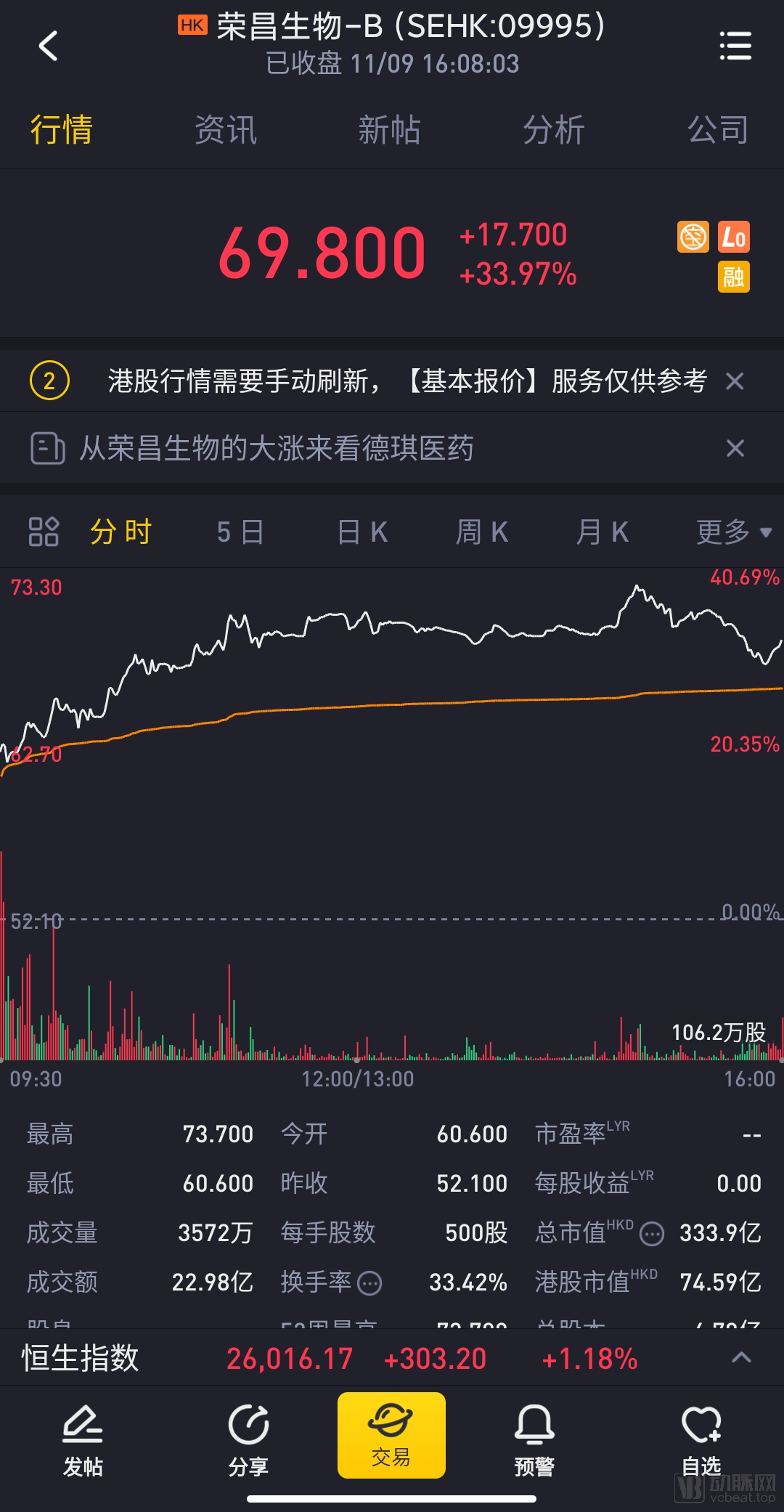
Image source: Tiger Brokers
According to the prospectus, RemeGen was established in 2008 and is dedicated to the discovery, development, and commercialization of innovative and distinctive biologics for the treatment of autoimmune, oncology, and ophthalmic diseases with unmet medical needs in China and globally. After more than a decade of effort, RemeGen has established comprehensive, integrated, end-to-end drug development capabilities, covering all key functions of biologic drug development, including discovery, preclinical pharmacology, process and quality development, clinical development, and Good Manufacturing Practice (GMP)-compliant manufacturing.
Leveraging its robust R&D platform, RemeGen has developed a comprehensive portfolio of more than ten drug candidates. Among these, five are in clinical development for 17 indications, while over five additional candidates have either submitted Investigational New Drug (IND) applications or are preparing for IND submission.
RemeGen’s product pipeline focuses on three core candidate drugs with high specificity, developed respectively for the treatment of autoimmune diseases, oncology indications, and ophthalmic disorders:
Telitacicept (RC18) is a TACI-Fc fusion protein for which a New Drug Application (NDA) has been submitted, targeting two key cell signaling molecules associated with B cell-mediated autoimmune diseases: B lymphocyte stimulator (BLyS) and a proliferation-inducing ligand (APRIL).
Disitamab vedotin (RC48) is an anti-HER2 antibody-drug conjugate (ADC) for which a New Drug Application (NDA) has been submitted. It targets common cancers with significant unmet medical needs and is the first independently developed ADC to enter clinical development in China. ADCs link biologically active small-molecule drugs to monoclonal antibodies via a chemical linker; the monoclonal antibody serves as a carrier to deliver the small-molecule drug specifically to target cells, typically tumor cells, for chemotherapy. RemeGen’s product portfolio focuses primarily on ADC therapies, including RC48, RC88, RC108, and RC118, all of which are ADC agents.
RC28 is a dual-target fusion protein targeting vascular endothelial growth factor (VEGF) and fibroblast growth factor (FGF), designed for the treatment of ocular diseases. Compared with other marketed or investigational ophthalmic biologics that target single or different pathways, RC28 has the potential to become a first-in-class therapy.
In recent years, the global biopharmaceutical market has experienced rapid growth. Driven by increasing market demand, technological advancements, and rising revenues from next-generation products, the global biopharmaceutical market is expected to grow from USD 286.4 billion in 2019 to USD 768.0 billion by 2030.
Notably, the growth rate of China’s biologics market has surpassed that of the global biologics market. In 2019, total sales in China’s biologics market amounted to $48 billion, with projections reaching $109.6 billion by 2024 and $200.4 billion by 2030.
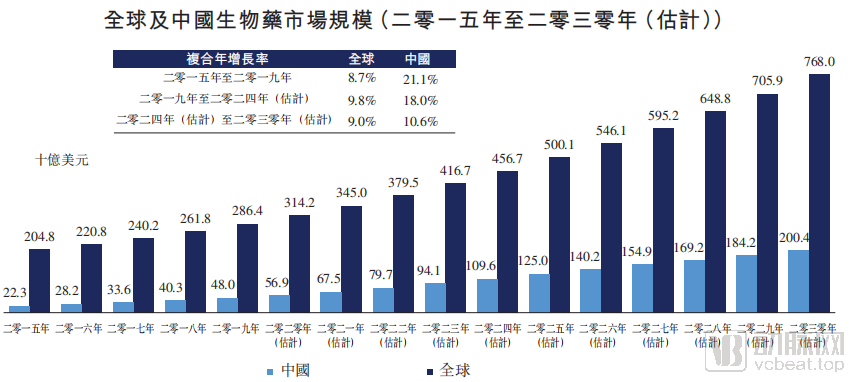
Among various types of biologics, recombinant proteins, antibody-drug conjugates (ADCs), and bispecific antibodies are at the forefront of biological drug research and development, particularly in the fields of autoimmune diseases, oncology, and ophthalmology. As novel therapeutic modalities, these three categories are expected to hold substantial clinical and market potential.
Currently, many cancers and autoimmune diseases remain incurable. Targeted biologics aimed at improving physiological function and preventing irreversible damage to tissues or organs offer promising prospects for drug development in this field. Such biologics are expected to drive the growth of China’s biopharmaceutical market for oncology and autoimmune diseases.
However, the penetration rate of biologics in the Chinese market remains low. In 2019, seven of the top ten best-selling drugs globally were biologics, whereas only three of the top ten best-selling drugs in China were biologics, indicating significant growth potential for the Chinese biologics market.
In July 2017, following price negotiations, 36 patented innovative drugs were included in the Category B reimbursement list, half of which were oncology drugs, including five oncology biologics such as Roche’s rituximab. After the negotiations, the average price of these 36 drugs decreased by 44%, with the largest price reduction exceeding 60%. As more innovative biologics are added to the National Reimbursement Drug List and covered by patient assistance programs, the affordability of innovative biologics is expected to improve, thereby facilitating greater market access.
>>>>
Telitacicept (RC18)
Telitacicept is a TACI-Fc fusion protein with an NDA submission and in late-stage clinical development, targeting two key cell signaling molecules, BLyS and APRIL, which are involved in B cell-mediated autoimmune diseases. Compared to other marketed and pipeline biologics for systemic lupus erythematosus (SLE) that target single or different drug targets, telitacicept is a potential first-in-class dual BLyS/APRIL targeted therapy for the treatment of SLE.
Systemic lupus erythematosus (SLE) is a chronic, multisystem, and incurable autoimmune disease that can lead to severe organ damage, systemic complications, and even death. The rising incidence and diagnosis rates of SLE are driving future market growth. According to the prospectus, the global number of SLE patients increased from 7.4 million in 2015 to 7.7 million in 2019, and is projected to reach 8.1 million by 2024.
The prospectus shows that the sales revenue of the global biological drug market for systemic lupus erythematosus treatment increased from approximately US$500 million in 2015 to US$800 million in 2019, with a compound annual growth rate (CAGR) of 22.1%, and is expected to further increase at a CAGR of 29.3% to reach US$1.32 billion by 2030.
Overall, there is a significant unmet medical need for systemic lupus erythematosus (SLE) treatments with superior efficacy and better tolerability. Currently, two biologics (namely, anifrolumab and dapirolizumab pegol) are in Phase III clinical trials for the treatment of SLE in the United States. In China, five innovative biologic drugs for the treatment of SLE are at various stages of clinical trials.
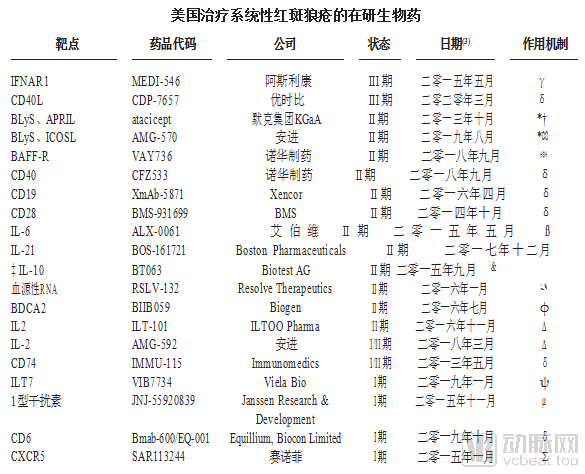
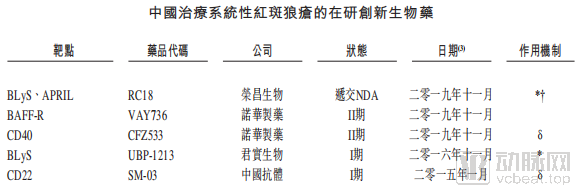
For systemic lupus erythematosus (SLE), Telitacicept has completed its Phase IIb registrational study in China, demonstrating favorable efficacy and safety. Based on the results of the Phase IIb registrational trial, the China National Medical Products Administration (NMPA) accepted the new drug application for Telitacicept in the treatment of SLE in November 2019 and included it in the priority review program in December 2019.
Based on published data, telitacicept has demonstrated robust clinical efficacy in clinical trials and holds the potential to become a best-in-class therapy for systemic lupus erythematosus (SLE). The prospectus indicates that RemeGen obtained marketing approval in China in the fourth quarter of 2020 and commenced commercialization activities. Meanwhile, following the end-of-Phase II meeting held in January 2020, RemeGen received FDA agreement to conduct U.S. registrational clinical trials of telitacicept for the treatment of SLE. Additionally, the FDA had granted telitacicept Fast Track designation in April 2002.
The fundamental advantages and distinguishing features of telitacicept’s design, compared with competing drugs, lie in its dual-target mechanism and bioinformatics-optimized structural design, which confer enhanced biological activity, improve molecular stability, and facilitate industrial-scale manufacturing; furthermore, its fully human amino acid sequence minimizes potential adverse immunogenicity.
Notably, in addition to systemic lupus erythematosus, RemeGen is actively conducting late-stage clinical trials of telitacicept in China for six other B cell-mediated autoimmune diseases. These include two registrational clinical studies targeting neuromyelitis optica spectrum disorders (NMOSD) and rheumatoid arthritis, respectively; two Phase II clinical studies targeting IgA nephropathy and Sjögren's syndrome, respectively; and two additional Phase II clinical studies targeting refractory rare diseases such as multiple sclerosis and myasthenia gravis, respectively.
RC48
As a novel anti-HER2 antibody-drug conjugate (ADC), RC48 is the first independently developed ADC in China to enter clinical studies. RemeGen is evaluating RC48 in clinical trials for the treatment of various HER2-expressing solid tumors, including three registrational studies for gastric cancer, urothelial carcinoma, and HER2-low breast cancer.
In recent years, HER2 has become one of the primary targets for antibody-drug conjugate (ADC) development by global pharmaceutical companies. HER2-positive or HER2-overexpressing breast cancer has been extensively studied and is the only cancer type currently approved for treatment with anti-HER2 ADCs. However, varying levels of HER2 expression have also been observed in other cancer types, such as gastric cancer, urothelial carcinoma, and biliary tract cancer. For instance, low-level HER2 expression has been observed in nearly 50% of breast cancer cases; therefore,Anti-HER2 ADC in HER2-High ExpressionBreast Canceralso holds significant therapeutic potential and opportunities.
According to Frost & Sullivan, there were 18.5 million new cancer cases globally in 2019. It is estimated that the number of new cancer cases will reach approximately 24 million by 2030. Cancer remains a major challenge in modern medicine, with significant unmet medical needs in China. In 2019, there were over 4 million new cancer patients in China, and this figure is expected to reach 5 million by 2024.
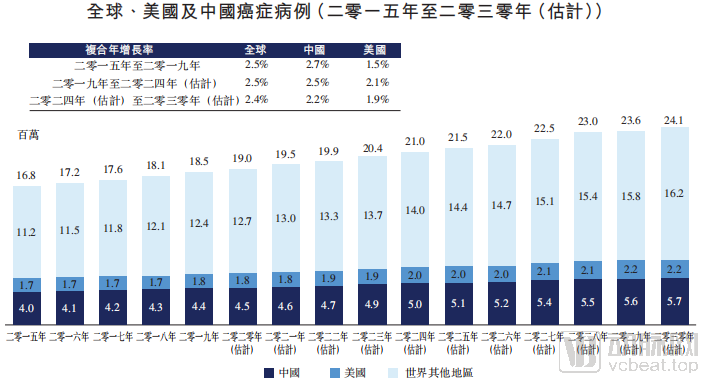
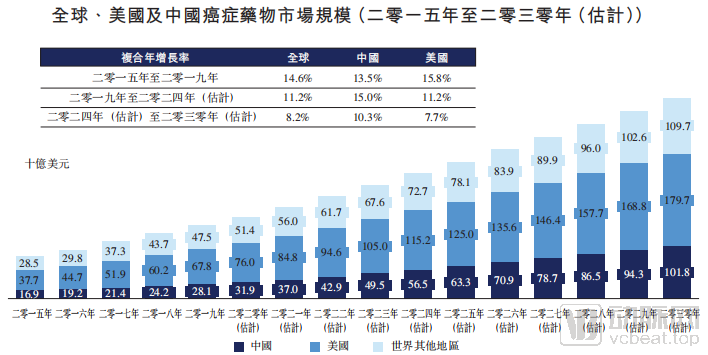
The prospectus indicates that the global oncology treatment market is expected to continue experiencing explosive growth. According to Frost & Sullivan, the global oncology drug market will grow from USD 143.5 billion in 2019 to USD 244.4 billion in 2024, and further to USD 391.3 billion by 2030. In addition, the number of innovative therapies approved by the U.S. FDA for cancer treatment has increased recently; in 2019, the FDA approved three antibody-drug conjugates (ADCs). Frost & Sullivan expects that more innovative biologics with superior efficacy and fewer side effects than existing therapies will emerge in the future oncology drug market.
China’s oncology drug market is also exhibiting a trend of rapid growth. Sales of oncology drugs in China increased from USD 16.9 billion in 2015 to USD 28.1 billion in 2019, representing a compound annual growth rate (CAGR) of 13.5%, and are projected to reach USD 56.5 billion by 2024, at a CAGR of 15.0%.
RemeGen pioneered clinical trials in China for gastric cancer, urothelial carcinoma, and HER2-low breast cancer. The prospectus indicates that RC48 holds advantages over its competing drugs and candidates due to its “Quality by Design” molecular structure. In particular, RC48 features a novel humanized antibody with high HER2 affinity, conferring potent antitumor activity against HER2-low cancers. Additionally, RC48 incorporates a highly potent cytotoxic payload with enhanced membrane permeability, enabling a strong bystander effect on surrounding tumor cells.
A clinical study showed that the optimalObjective Response Rate60.5%, confirmedObjective Response Rate (ORR)was 51.2%, with a median progression-free survival of 6.9 months. In comparison, other reported studies have shown that PD-1/PD-L1 therapies yield objective response rates between 20% and 30% and median progression-free survival of 2 to 3 months in patients with second-line urothelial carcinoma. Therefore,Previously Treatment-FailedGastric CancerandUrothelial CarcinomaPatient toRC48Demonstrated a clinically meaningful response.Furthermore, RC48 also demonstrated a favorable safety profile in this trial.
Based on the efficacy and safety demonstrated in clinical trials, RemeGen is actively pursuing overseas clinical trial opportunities for RC48, with the Phase II clinical trial expected to commence in the first quarter of 2021. Notably, RC48 was granted Fast Track designation and Breakthrough Therapy designation by the FDA in July 2020 for the treatment of urothelial carcinoma. In September 2020, RC48 received Orphan Drug Designation from the FDA for the treatment of gastric cancer.
RC28
RC28 is a fusion protein that simultaneously targets vascular endothelial growth factor (VEGF) and fibroblast growth factor (FGF). Compared with single-target VEGF inhibitors, RC28 has the potential to more effectively inhibit abnormal angiogenesis associated with various ocular diseases through dual VEGF and FGF pathways, and may allow for optimized dosing regimens.
RemeGen is developing RC28 for the treatment of ophthalmic diseases, including wet age-related macular degeneration, diabetic macular edema, and diabetic retinopathy.
Driven by improvements in the efficacy of biologics, the administration of topical eye drops, and advances in gene therapy, China’s wet age-related macular degeneration (wAMD) drug market is projected to grow from $300 million in 2019 to $900 million in 2024, representing a compound annual growth rate (CAGR) of 28.4%.
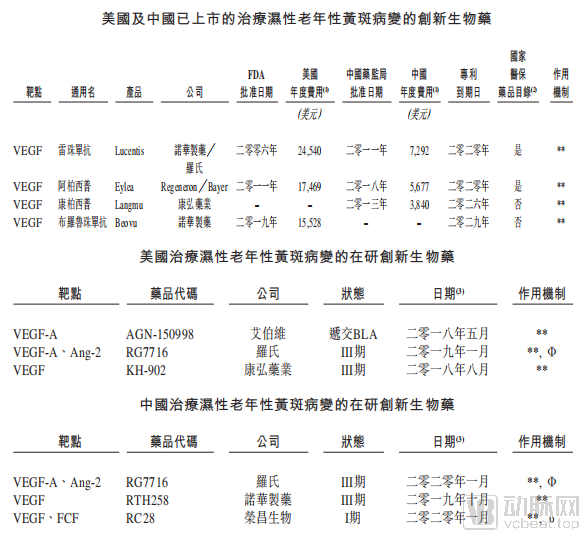
As illustrated in the figure above, the market for wet age-related macular degeneration (wAMD) therapeutics is highly competitive, with several relevant drugs already launched, posing significant challenges for RemeGen. However, RC28 holds competitive advantages in the following aspects: Its dual-targeting mechanism overcomes the primary challenge faced by single-target VEGF antagonists, namely the upregulation of other pro-angiogenic factors when the VEGF pathway alone is inhibited. Additionally, RC28 exhibits pharmacokinetic properties characterized by a long half-life, offering the potential for less frequent dosing regimens, which may reduce treatment costs and improve patient adherence.
The prospectus indicates that RC28 demonstrated a favorable safety profile in the Phase I dose-escalation clinical study conducted in China among patients with wet age-related macular degeneration (wAMD). RemeGen has initiated a Phase Ib clinical study for the treatment of wAMD and plans to launch Phase II clinical studies in China in the second half of 2020 for the treatment of diabetic macular edema (DME) and diabetic retinopathy (DR).