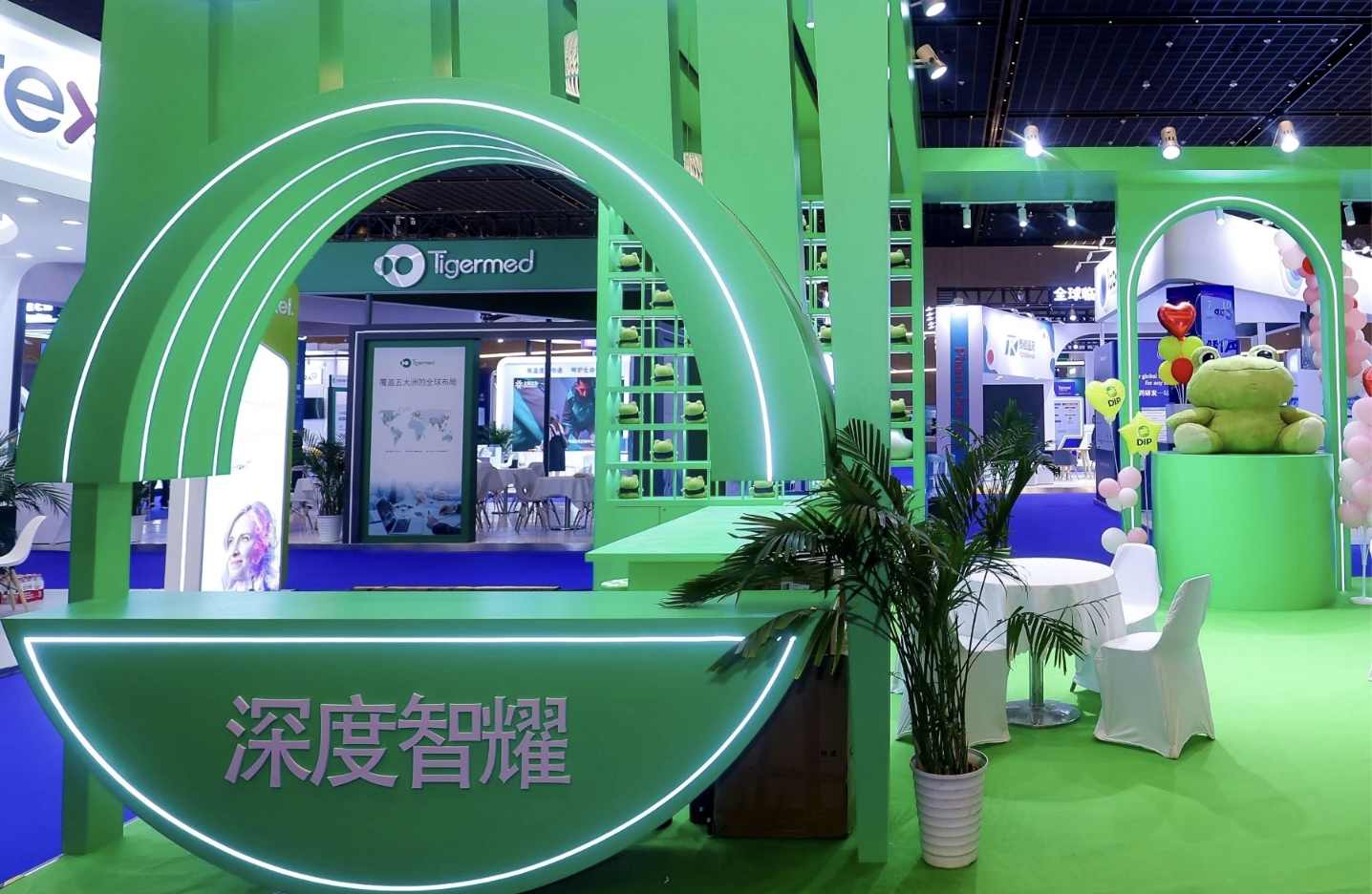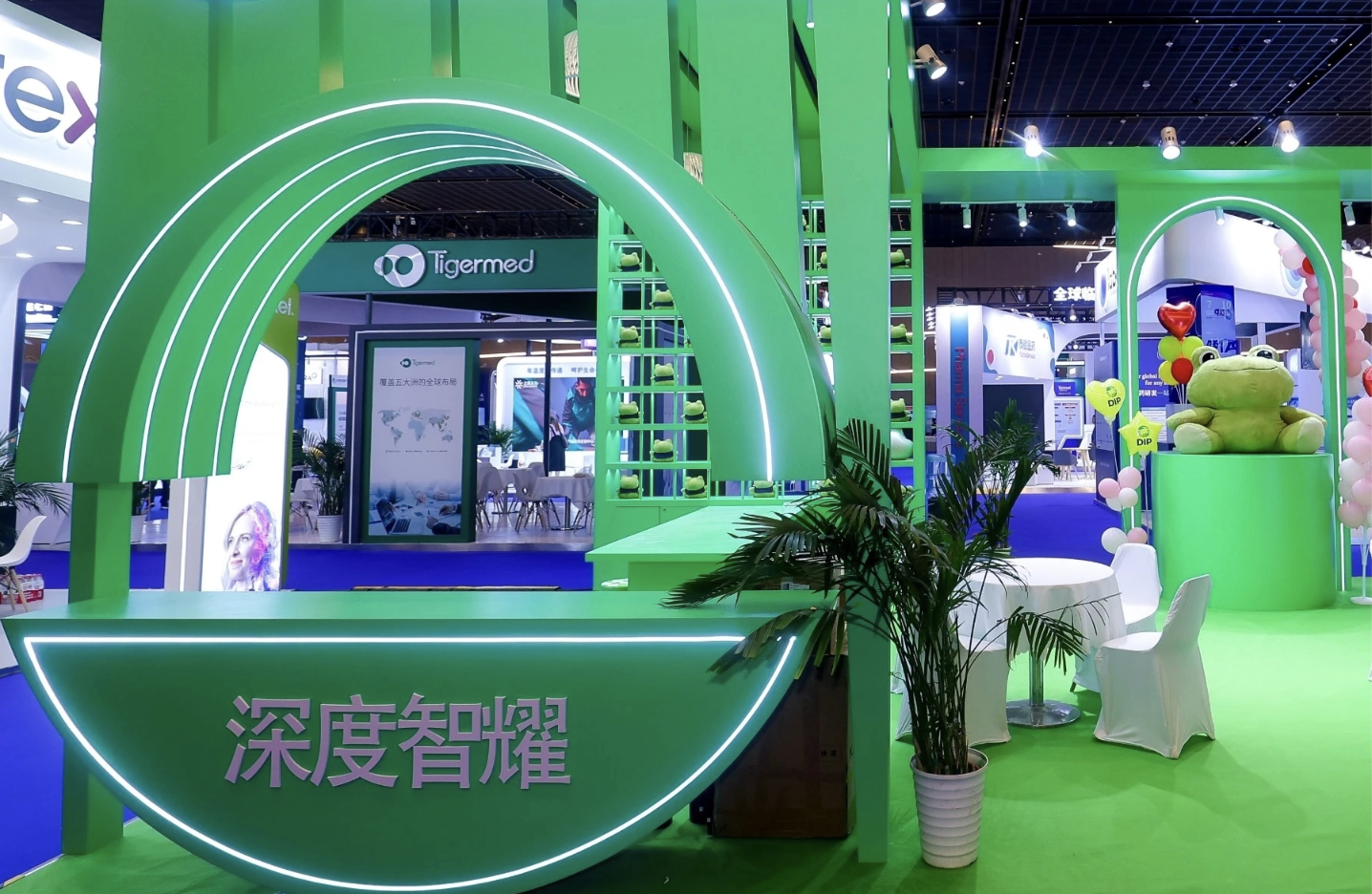
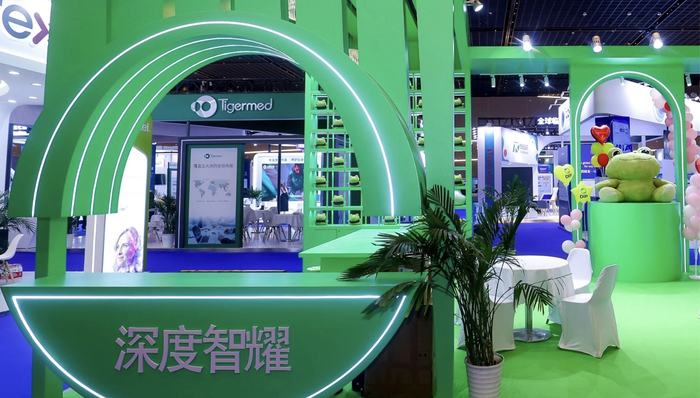
March 4, Index CapitalPublishMessageWeigh,“AIPharmaceuticalUnicorn”Deep Intelligent Pharma (DIP)RecentlyAnnounced the completion of a new round of financing worth $40 million (approximately 276 million RMB). This round of financing was led by existing shareholders CDH Fullerton, New Dimension Capital, Jinyi Capital, and Cathay Capital, with Index Capital continuing to serve as the financial advisor.
This round of financing will mainly be used in three directions: First, to advance the development of multi-matrix AGI brain-inspired models and build a multi-matrix intelligent agent system based on life science and material science; Second, to deepen global expansion, strengthen technology delivery and business growth in core markets such as China, Japan, and the U.S.; Third, to expand the talent pipeline and attract global talents in the AI and scientific interdisciplinary fields.
Deep Intelligent PharmaThis round of financing came just about a month after the previous one. In February 2026,Deep Intelligent PharmaOnce completed a $60 million financing. In December 2025, it also completed a $50 million Series D financing. This means that within three months,Deep Intelligent PharmaCompleted a total of $150 million (approximately 1.035 billion yuan) in financing.
Deep Intelligent PharmaFounded in2017,It is a company that empowers new drug research and development and new material design through artificial intelligence technology. Together with Insilico Medicine (03696.HK), XtalPi Holdings (02228.HK), and METiS Therapeutics, it is known as one of the "AI Pharmaceutical Four小龙," and also referred to as a unicorn in the AI life science + materials science field.
According to the introduction, in the field of life sciences,Deep Intelligent PharmaPioneering the "AI Bionic Brain + Expert" native organization model, replacing human labor stacking with computational power. Based on fundamental scientific mechanisms, it compresses the clinical trial chain, including the clinical plan design cycle and data statistics cycle, achieving a dual leap in efficiency and precision.In the field of materials science, the company has broken through the efficiency ceiling of traditional "trial and error" material development methods by converting the microscopic complexity of biological computing into predictive accuracy for material design, achieving a paradigm shift from "discovering materials" to "creating materials."
Deep Intelligent PharmaFounder and CEO isLi Xing,Graduated fromPeking UniversitySchool of Pharmacy,With over 12 years of experience in the new drug development departments of large multinational pharmaceutical companies, having worked successively at Pfizer, Sanofi, and Johnson & Johnson, and being a former member of the Johnson & Johnson China new drug development leadership team.,Led Johnson & Johnson's first AI project in the Asia-Pacific region - a machine translation engine for registration submission materials based on neural networks.
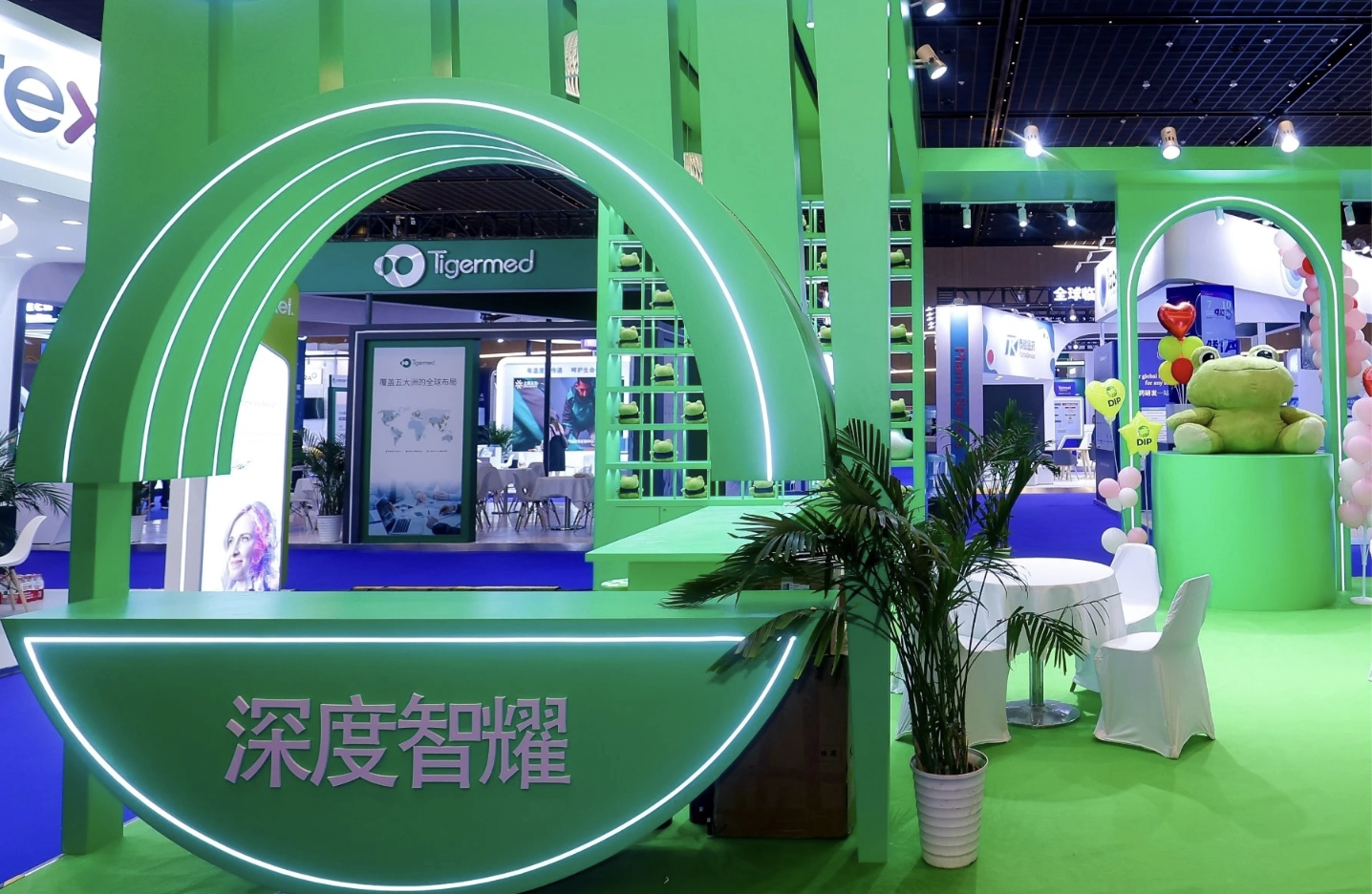
Since the end of last year, Deep Intelligent Pharma has received continuous capital investment in a short period of time. This is not an isolated case but a microcosm of the ongoing boom in the AI pharmaceuticals sector. Data shows that as of December 2025, there are over 350 AI pharmaceutical companies globally, with no fewer than 100 based in China. The majority of these companies are still in their start-up or nascent stages, while more than ten have entered the growth and maturity phases.
According to public reports, in 2025, there were 32 financing events in China's AI pharmaceuticals field, with a total financing amount exceeding 6.7 billion yuan, marking a significant year-on-year increase of 130.5%. For instance,In August 2025, JiTai Technology completed a 400 million yuan D-round financing, jointly led by the Beijing Medical and Health Industry Investment Fund and the Daxing District Industrial Investment Fund; in December of the same year, Deep Intelligent Pharma completed a C-round financing totaling over 800 million yuan.
Despite gaining favor with investors, AI-driven drug discovery still faces multiple challenges in achieving deeper technological implementation and commercial success. Some analyses suggest that 2026 will be the critical year to test the true potential of AI in drug development. The field has moved from speculative technical concepts to early clinical validation, and the upcoming Phase III clinical data will ultimately determine whether AI can scale up to produce truly effective drugs, rather than merely accelerating the preclinical R&D process.