

How AstraZeneca's iCampus Model Empowers Healthcare Innovation: Attracting 30+ Global Enterprises in One Year
Since the beginning of the 21st century, China has witnessed a continuous surge in medical innovation, and the big health industry has experienced rapid development. According to data from China Business Industry Research Institute, the total output value of China’s big health industry reached approximately RMB 6 trillion in 2017, and was projected to exceed RMB 8 trillion by 2020.
Against this backdrop, the big health industry is becoming a top priority in economic planning for local governments across China. This strategic tilt has become even more pronounced amid the impact of the COVID-19 pandemic this year. As an important vehicle for medical innovation,InjectionBuilding competitive life science parks has become a widespread consensus among most cities, with many even mobilizing citywide or province-wide resources to develop these hubs.
However, the market is changing, and so are the demands of innovative enterprises.How to better provide full-chain services for project development, enterprise incubation, and industry cultivation has become a key focus and area of consideration for local governments and industrial parks across various regions.Amid this trend, numerous industrial parks are exploring new approaches and pathways. Among them, the Wuxi International Life Science Innovation Park (hereinafter referred to as “I·Campus”), jointly established by the Wuxi Municipal Government, Wuxi High-Tech Zone, and AstraZeneca, stands out as a noteworthy model of excellence.
At the 3rd China International Import Expo (hereinafter referred to as the “CIIE”), held from November 5 to 10,I·Campus, just one year after its opening, has delivered an impressive performance.
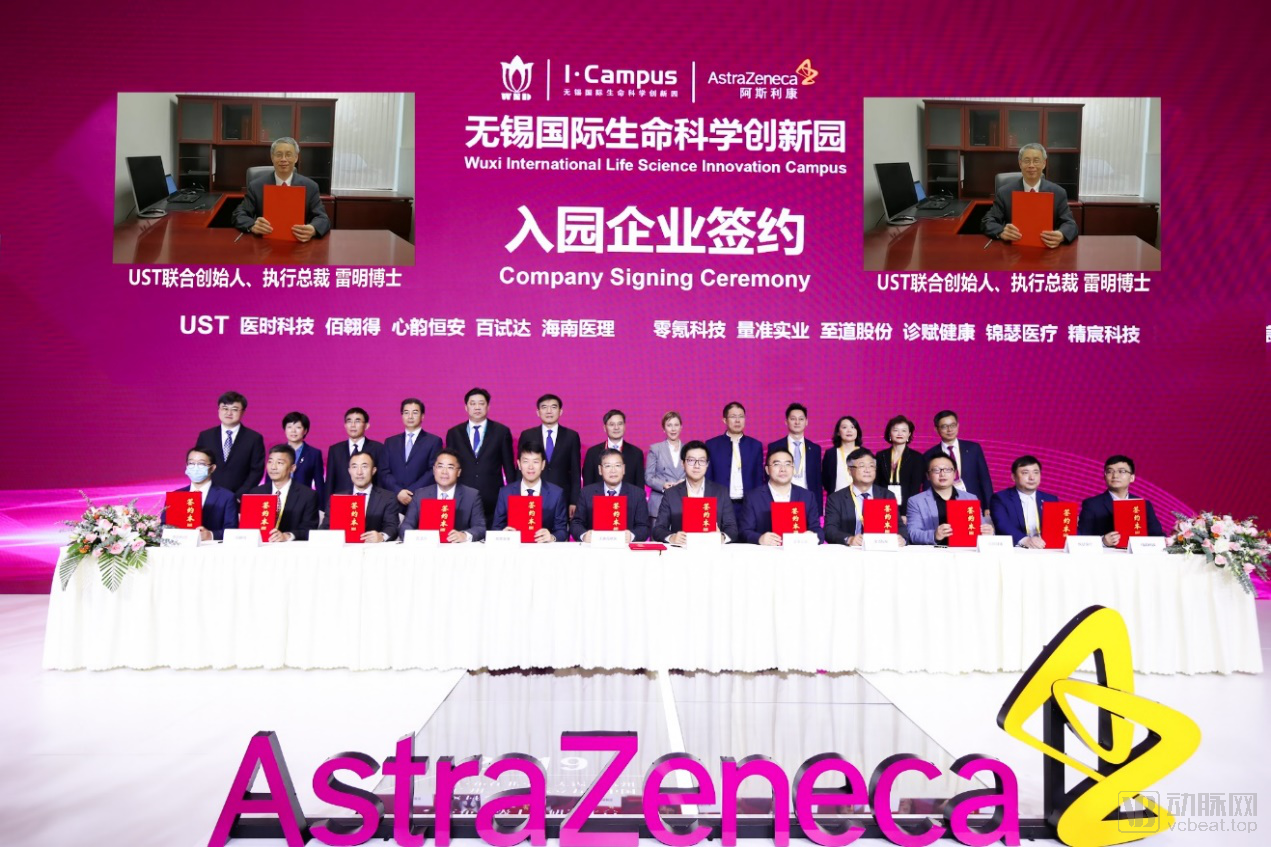
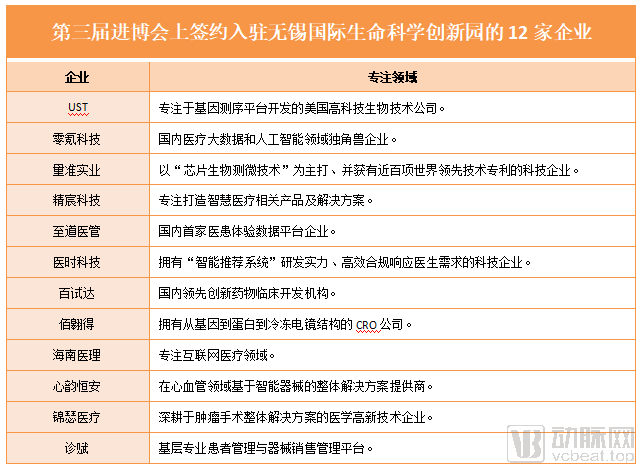
At the 3rd China International Import Expo, 12 innovative companies signed agreements to settle in the Wuxi International Life Science Innovation Park
First, 12 medical innovation enterprises with unique advantages signed agreements to settle in at this year’s CIIE.The “circle of friends” of the International Life Sciences Innovation Park continues to expand.These include UST, a U.S. high-tech biotechnology company specializing in the development of gene sequencing platforms; Besta, a leading domestic clinical development organization for innovative drugs; and LinkDoc Technology, a unicorn enterprise in China’s medical big data and artificial intelligence sector.Newly onboarded enterprises span multiple fields, including new drug R&D, gene sequencing, smart wearables, medical big data, and internet hospitals.
Second,Multiple tenant companies have also achieved significant milestone progress.: Qiyi Medical joined the park at the beginning of the year and became a partner in AstraZeneca’s “End-to-End Management of Chronic Respiratory Airway Diseases” project, driving the widespread deployment of all-in-one respiratory risk screening devices in over 470 hospitals and securing investment from a top-tier U.S. dollar fund; Guanhe Medicine saw the opening of “Wuxi Guanhe Medical Laboratory” within just two months, successfully obtained medical laboratory qualifications in early August, and reached a collaboration agreement with AstraZeneca for the joint development and commercialization of companion diagnostics...
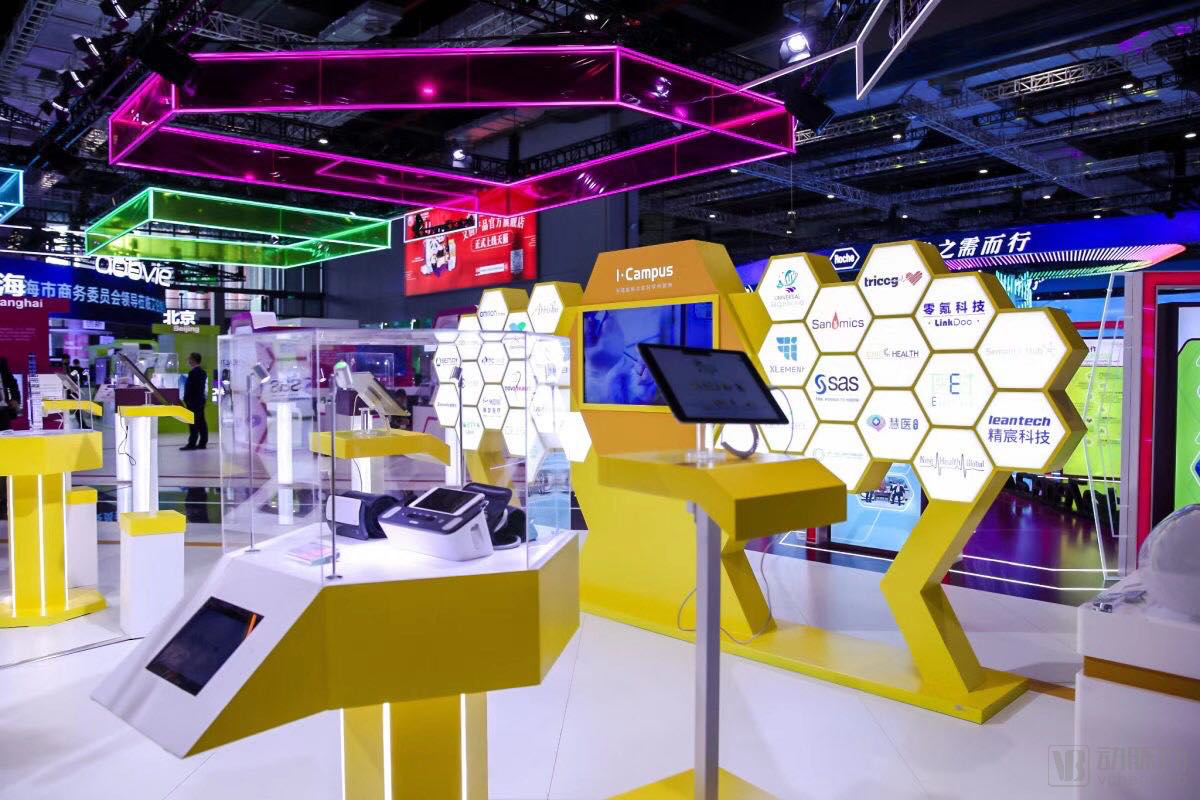
AstraZeneca and I·Campus Companies Shine at the 3rd China International Import Expo
Based on the achievements made,I·Campus is continuously attracting high-quality innovative enterprises from around the world, with resident companies steadily forging new partnerships and achieving fresh breakthroughs.What makes I·Campus truly unique? How does it empower enterprises? What will its future strategic layout look like? To address these questions, VCBeat interviewed relevant AstraZeneca executives, as well as companies already stationed at the campus and those that have recently signed on, to gain some insights.
As a hub for innovation and entrepreneurship, the fundamental attribute of the industrial park is to provide enterprises with spaces tailored to their current development needs. This includes both physical space and the entrepreneurial ecosystem. Therefore,Factors such as partners, regional location, the intensity of policy support, spatial area, and supporting facilities all influence the enthusiasm of tenant enterprises as well as the effectiveness of subsequent services.
First, let us examine the partners; unlike most life science parks in China,I·Campus is China’s first industrial park co-developed by a leading multinational life sciences company and the government, featuring distinct internationalization and innovation characteristics.
“As a leading global life sciences company,AstraZeneca boasts extensive innovative resources and a global network. With 27 years of presence in China, the company has developed a deep understanding of the Chinese market and accumulated rich practical experience.“Xu Jing, Vice President of AstraZeneca China and Head of the Digitalization and Commercial Innovation Department, told VCBeat,”Leveraging AstraZeneca’s omnichannel commercialization platform, companies incubated at I·Campus can access extensive commercialization support.Including consultations with AstraZeneca’s internal experts, solution integration, and commercialization collaborations.
It is worth mentioning that,Leveraging AstraZeneca’s extensive global innovation network, I·Campus can introduce foreign startups to China, enabling park-based enterprises to expand globally with the support of AstraZeneca’s worldwide network.To date, AstraZeneca has established more than 15 International Innovation Centers worldwide, with locations spanning the United States, Brazil, Argentina, Sweden, the United Kingdom, France, Israel, Russia, South Korea, India, Singapore, and other countries.
Policy-wise,The Wuxi Municipal Government and the Wuxi High-Tech Zone Government have introduced a package of incentive policies for enterprises stationed at l-Campus.including R&D funding for pharmaceuticals and medical devices, equipment purchase subsidies, intellectual property rewards, talent subsidies, and recruitment support.For medical innovation enterprises, regulatory approval has always been a critical step.In response, the Jiangsu Provincial Medical Products Administration and the Wuxi Municipal People’s Government established the “Wuxi High-Tech Zone Biopharmaceutical Industry Innovation Development Service Center” within I·Campus, providing specialized guidance on regulatory submission processes. The center has opened a “Green Channel for Drug and Medical Device Market Access” for resident enterprises, creating an expedited pathway for review and approval.
Not only that,At this CIIE, Wuxi Municipal Healthcare Security Administration and Wuxi High-Tech Zone Signed a Strategic Framework Agreement, it is proposed to establish the "Wuxi New District Workstation of the Pharmaceutical Bidding and Procurement Center" in the Innovation Park,To secure greater policy support and resource guarantees for the incubation of innovative pharmaceuticals, medical devices, and healthcare solutions within the park.“I·Campus International Affairs Service Station” was also officially unveiled.Establish a “Green Channel” for Talent Acquisition and Foreign Affairs Services within the Park, helping the Innovation Park build an international community, enhance its level of internationalization, and further attract overseas innovation projects. The “Wuxi European Life Science Innovation Industrial Park” was also unveiled on the same day,It provided support for park-based enterprises to expand international cooperation.In addition, the “Wuxi Biopharmaceutical Industry Association” and the “CEIBS Alumni Healthcare Industry Association” signed agreements to establish their presence in the park during the China International Import Expo (CIIE), while the “CCHRPP Wuxi Pharmaceutical Research and Certification Center” was simultaneously unveiled.Further support was provided to improve the medical innovation ecosystem within the park, spanning from scientific research to industrialization.。
Having addressed policy-related issues, the next challenge for the industrial park is to help enterprises resolve their funding problems.“The lengthy R&D cycles of life sciences companies entail substantial capital requirements. The global healthcare industry fund jointly established by AstraZeneca and CICC Capital will provide continuous financing to promising projects, including I·Campus,” said Xu Jing. He added that I·Campus also collaborates with top-tier investment institutions such as Lilly Asia Ventures, Legend Capital, Lenovo Star, and Qiming Venture Partners to continually meet the funding needs of innovative enterprises at various stages of development.
Furthermore, industrial synergy is also crucial to the development of innovative enterprises.To this end, AstraZeneca and Wuxi City have equipped I·Campus with high-standard, professional CRO services. For instance, among the first batch of enterprises to settle in the park are leading CRO service provider Tigermed and its subsidiary, Guanhe Pharmaceutical Technology.These enterprises can provide park-based companies with professional third-party services, including clinical trial services, new drug R&D services, clinical drug testing services, and medical device testing services.“I·Campus provides us with services such as tax incentives and investment and financing support, while we offer central laboratory services for clinical trials to the companies stationed there. Through complementary advantages, these enterprises have achieved positive business growth, realizing a win-win outcome,” said Xu Yi, General Manager of Guanhe Medicine.
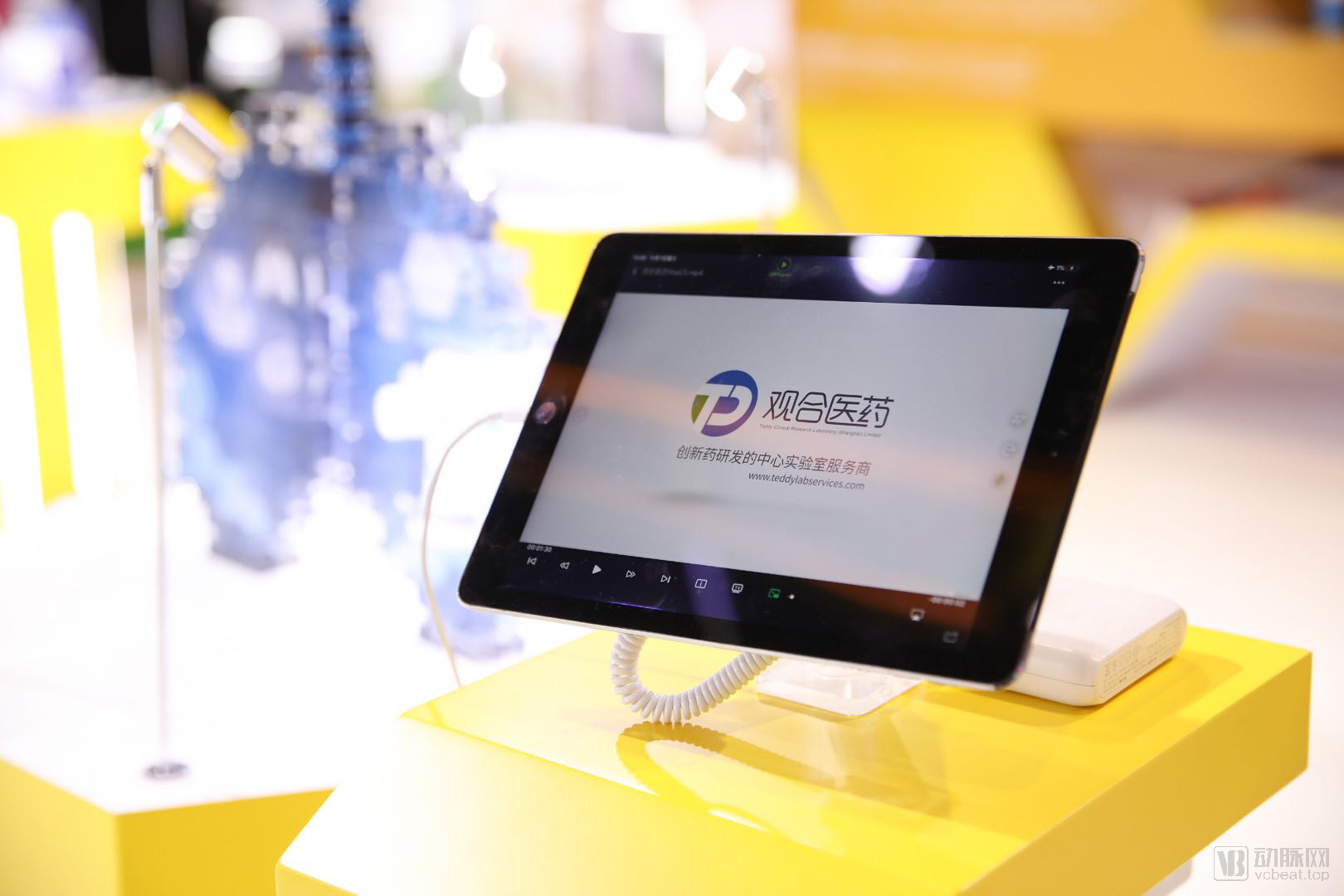
Guanhe Pharma Makes Appearance at AstraZeneca’s I·Campus Booth During the 3rd China International Import Expo
“Wuxi International Life Science Innovation Park has established a robust ecosystem to support innovative enterprises, with its most significant advantage being its exclusive focus on the healthcare sector. This enables the park to possess deep industry insights and extensive networks, allowing it to thoroughly understand the specific needs of the healthcare sector and enterprises, thereby providing optimal support and accelerating business growth,” said David O’Dell, Head of China at HeartCare AI, the world’s largest AI-powered ECG platform company based in Singapore.During its first year at I·Campus, Xin’an Medical Technology received support from the park’s ecosystem, including third-party vendors and market partners, and has recently succeeded in localizing its solutions for the Chinese market.
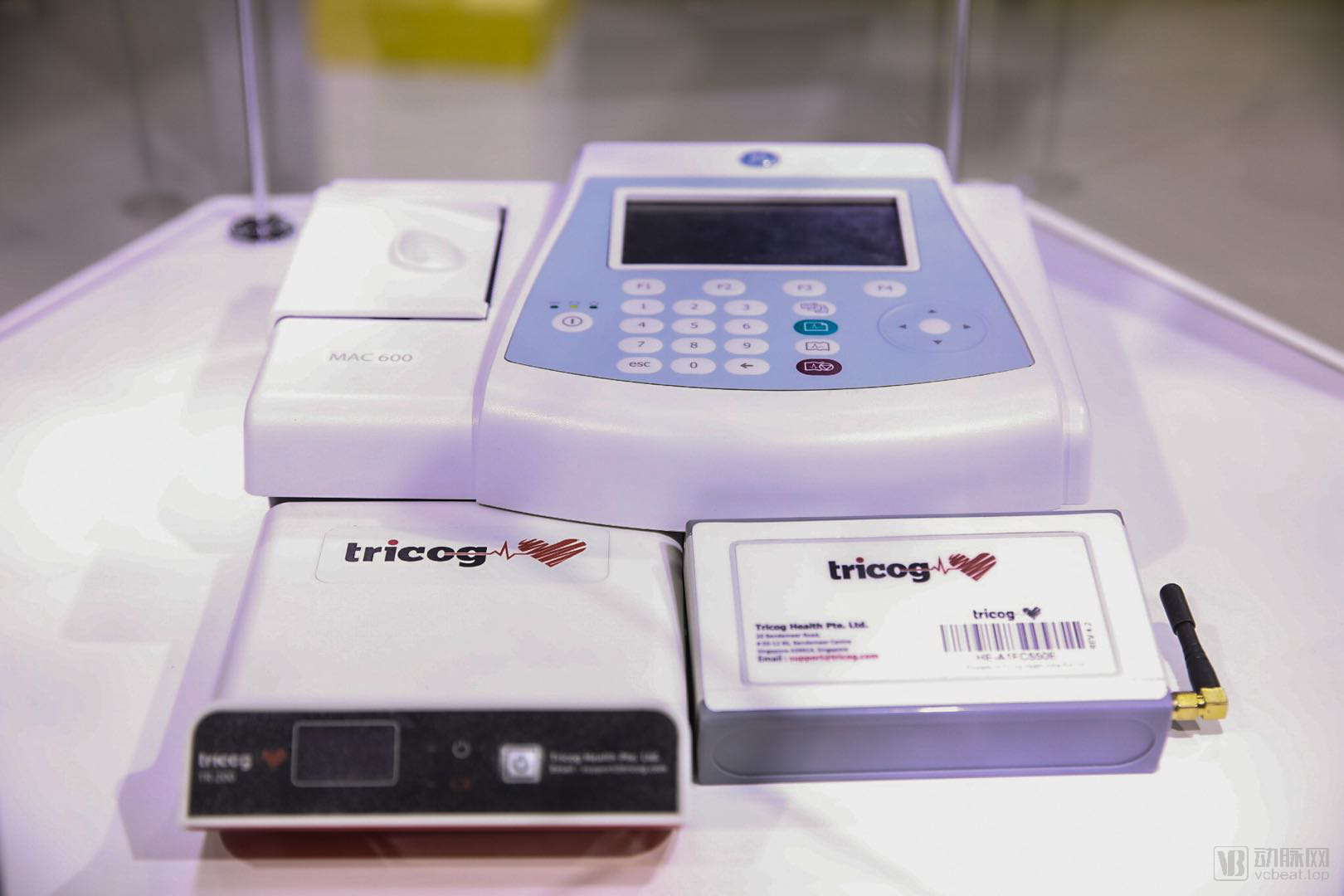
Xin'an Medical Technology's Remote AI ECG Diagnostic Device on Display
Certainly,The robust development of the industrial park is also inseparable from the locational advantages of its host city.As one of the central cities in the Yangtze River Delta, Wuxi boasts a solid economic foundation, with its annual GDP exceeding RMB 1 trillion in 2019, ranking 14th among cities nationwide. In terms of talent, Wuxi enjoys considerable advantages; through industrial accumulation, it has gathered more than 10,000 professionals in the life sciences sector. Regarding educational resources, the city is home to Jiangnan University, a key national university under Project 211.
As is well known,The industrial linkage effect is also crucial to the development of innovative enterprises.Guided by forward-looking planning and strategic layout, Wuxi is now home to industrial institutions such as the Smart Health Industrial Park, the Wuxi Research Institute of Medical Internet of Things, and the Wuxi (National) Software Park, all of which provide strong support for enterprises stationed at I·Campus.
Not only that,Wuxi also boasts abundant medical resources.Currently, Wuxi City has 10 Grade A tertiary hospitals, 104 community health service centers, 67 specialized departments for medical device clinical trials, 40 clinical specialties capable of conducting drug clinical trials, and 11 medical institutions qualified to conduct Good Clinical Practice (GCP) trials for drugs and medical devices.
It is precisely with the support of multiple stakeholders across government, industry, academia, research, healthcare, and investment that I·Campus continues to attract innovative forces in life sciences from both domestic and international markets, resulting in its impressive performance at this China International Import Expo (CIIE).
At this year’s China International Import Expo, the Hangzhou International Life Science Innovation Park, jointly established by AstraZeneca and the Hangzhou Municipal People’s Government, was officially unveiled, welcoming Shenzhi Technology and Yidian Information as its first two tenant companies.From Wuxi to Hangzhou, the innovation ecosystem of the International Life Sciences Innovation Park is continuously expanding to more regions.
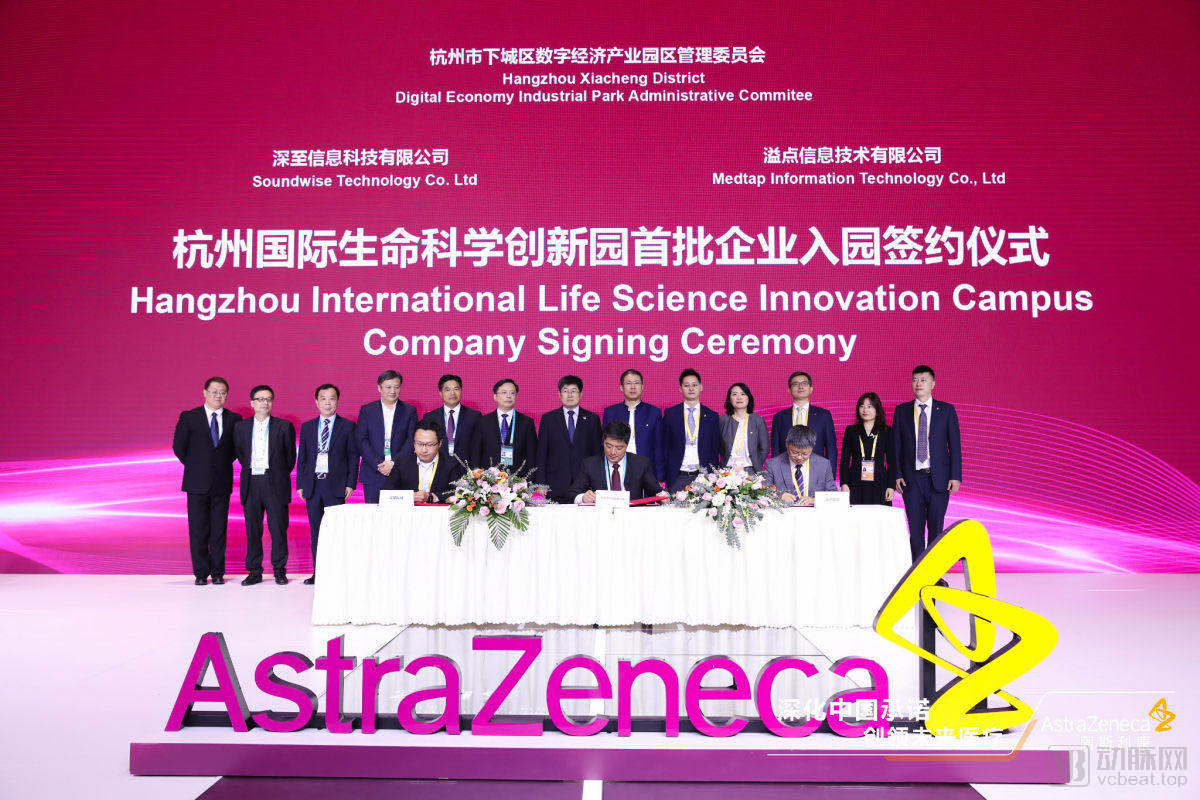
Signing Ceremony for the First Batch of Enterprises Entering the Hangzhou International Life Science Innovation Park
“We have planned five major regional headquarters across China. The Hangzhou International Life Science Innovation Park is supported by our Eastern Regional Headquarters, which primarily focuses on the digital health industry. In the future, we will collaborate with Wuxi to leverage the advantages of integrated and coordinated development in the Yangtze River Delta region to build an innovation cluster,” said Xu Jing, Vice President of AstraZeneca China and Head of Digital and Business Innovation.As the construction of other regional headquarters in the Innovation Park is gradually completed, the Innovation Park model will be rolled out across China.
Deepwise Technology, a leading domestic AI ultrasound company, has newly settled in the Hangzhou International Life Science Innovation Park.“We have combined traditional medical imaging with AI-assisted diagnosis and scanning technologies to develop a series of health checkup products, thereby providing internet-based remote diagnostic and auxiliary services to top-tier hospitals, public health institutions, and households,” Dr. Zhu Ruixing, CEO of Shenzhi Technology, told VCBeat.By establishing a presence at the Hangzhou International Life Science Innovation Park, we will leverage the park’s innovation support to deepen our existing collaboration with AstraZeneca in the primary care market, accelerate the market penetration of handheld ultrasound products into lower-tier markets, and provide corresponding therapeutic services to a broader patient population.
It is not difficult to find that,Whether it is the R&D needs of medical innovation enterprises or resource support during commercialization, the International Life Science Innovation Park provides ample support, accelerating the transformation of innovations onto the “fast track.”As tenant companies continue to achieve new breakthroughs, the International Life Science Innovation Park is also steadily attracting innovative forces from both home and abroad.
“For innovative enterprises, the choice is not merely about selecting an industrial park, but about integrating into an innovation ecosystem."Therefore, what they care about is whether the ecosystem can help shape their business models more clearly and accelerate the implementation process." In Xu Jing's view,Leveraging the advantageous resources of its regional headquarters, AstraZeneca is expanding from Wuxi to Hangzhou and eventually across China, a key initiative to continuously enhance its ecosystem.This will help innovative enterprises access richer industrial resources, accelerate the deep integration of the healthcare industry, and pioneer new business models in the healthcare sector with local characteristics.
Guided by this philosophy, the International Life Sciences Innovation Park has undertaken extensive initiatives. For example,At this year’s China International Import Expo (CIIE), Sweden’s BioVentureHub and the Innovation Park established a Sino-Swedish strategic partnership for medical innovation, thereby accelerating the development and advancement of an international collaborative ecosystem.The Wuxi Municipal Government, in collaboration with AstraZeneca, Tigermed, and CICC, jointly announced the “Wuxi International Health Investment Innovation Summit” initiative, aimed at accelerating the enhancement of Wuxi’s global influence in the biopharmaceutical industry.
From Wuxi to the opening of the Hangzhou International Life Science Innovation Park, AstraZeneca’s ecosystem layout for medical innovation has expanded from isolated points to a comprehensive network, gradually extending outward. As numerous innovative enterprises continue to join, the ecosystem is also undergoing continuous iteration and refinement. In this process,In addition to the support provided by the innovation park to innovative enterprises, these enterprises have also helped the park expand its boundaries for innovative development, thereby creating a positive cycle of innovation.
With the rapid advancement of urbanization and population aging in China, people’s demand for health services is growing steadily,A growing number of healthcare innovation enterprises have emerged in this process, gradually developing and expanding. Behind these companies lies the rise and growth of batches of healthcare innovation parks.
Looking back, we have evolved from initially providing basic services such as workspace for innovative enterprises to now offering end-to-end services covering the entire chain from R&D to commercialization.The functions of the medical innovation park are becoming increasingly diverse, bringing extremely important positive impacts to local industrial development.
The national level is also boosting this trend.During the 13th Five-Year Plan period, six ministries and commissions, including the Ministry of Industry and Information Technology (MIIT), issued the Guidelines for the Development Planning of the Pharmaceutical Industry, explicitly stating that governments at all levels should scientifically plan industrial clusters based on industry development needs, local resource endowments, and environmental carrying capacity.
Under the guidance of national top-level strategic requirements,China's Biopharmaceutical Industry Is Gradually Showing a Trend of Clustered Development, forming industrial clusters in the Yangtze River Delta, the Pearl River Delta, the Bohai Rim, and Northeast China. In addition, Henan and Hubei in Central China, as well as Sichuan and Chongqing in Western China, have also demonstrated strong industrial foundations.
China’s healthcare innovation landscape continues to improve, enabling innovative enterprises to achieve rapid growth and gradually align their business operations with international standards.Against this broad backdrop,The Wuxi International Life Science Innovation Park, a public-private partnership model, has emerged at an opportune time. By pooling global resources and expertise, it is becoming the premier platform for life science innovators from both China and abroad to expand into the Chinese market and connect with the global marketplace.
“Whenever we hear that companies in the park have secured new financing or achieved new technological breakthroughs, it is always the most exciting and rewarding moment for our team,” said Xu Jing. He noted that the innovation park model continues to be iterated and optimized to deliver higher-quality services to more medical innovation enterprises, helping them expand from China to the global market while also facilitating international companies’ entry into China.The Innovation Park welcomes high-quality innovative enterprises from all regions to join us in collaboratively shaping the blueprint for future healthcare innovation.”
The Wuxi International Life Science Innovation Park is the first site in mainland China to implement AstraZeneca’s global innovation incubation philosophy and a key component of its commercial innovation strategy.In the future, with support from local governments, the Innovation Park will closely align with regional economic characteristics and join forces with the China Health IoT Innovation Center to create a powerful synergy. Backed by global healthcare industry funds, it will comprehensively support China’s leadership in global innovation, promote the international expansion of Chinese innovations, and provide patients with more comprehensive whole-course disease management solutions and higher-quality treatment options, thereby improving their quality of life.
As more innovative enterprises join the innovation park, what exciting new chapters will AstraZeneca’s story of medical innovation unfold? Let us wait and see.