

2020 Future Hospital Development Forum Successfully Concludes, Exploring Accelerated Information and Intelligence Construction in Public Hospitals
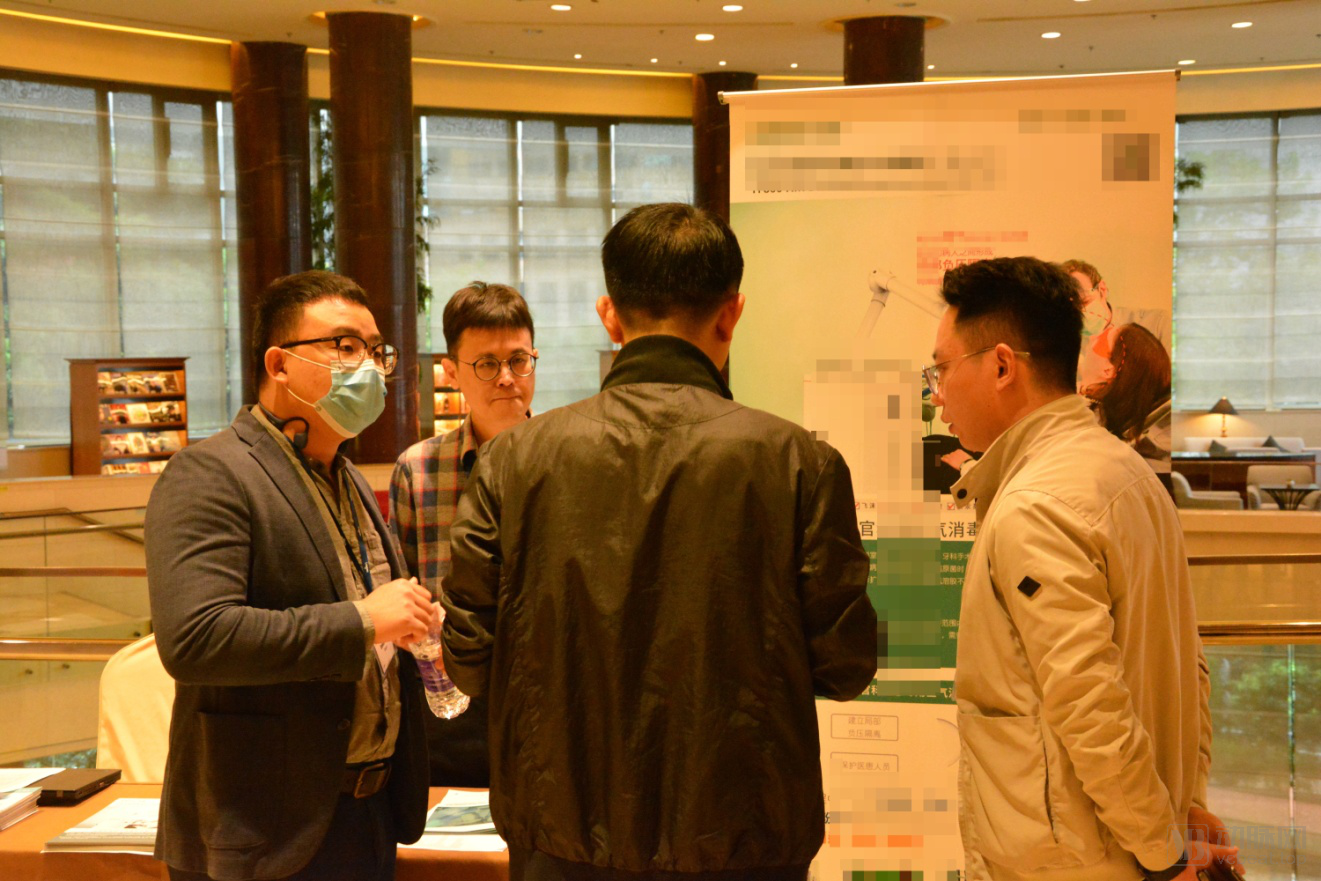
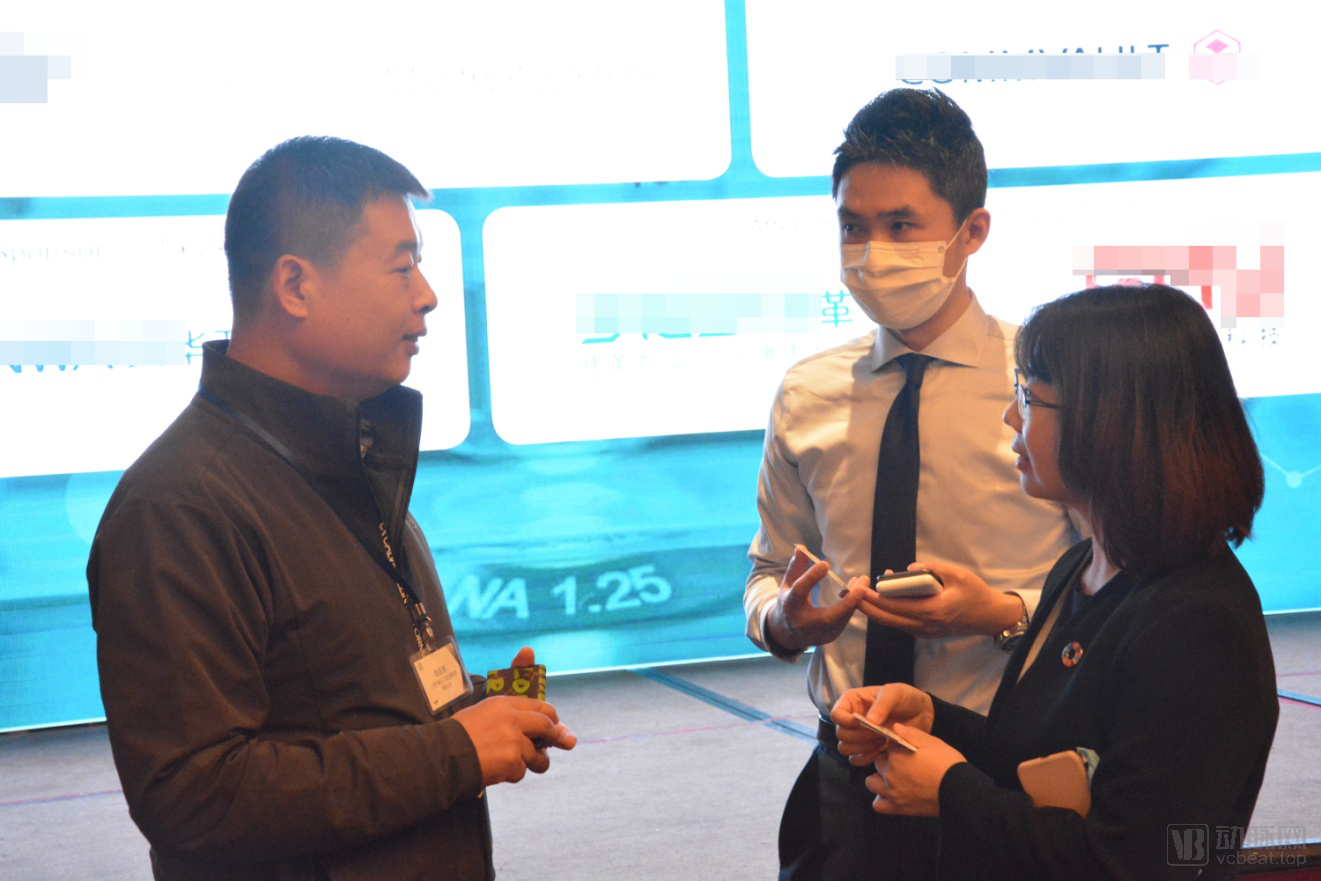
From October 21 to 23, 2020, the “2020 Future Hospital Development Forum,” hosted by Nuoben Group, was successfully held in Shanghai. Leaders from health commissions at various levels, as well as directors and deputy directors of public hospitals, along with heads of departments including Information Technology, Medical Equipment, Infrastructure, and Logistics Support, gathered together. They engaged in in-depth discussions on hot topics such as the latest design concepts for green hospitals in the post-pandemic era, the creation of humanized healthcare environments, accelerating the informatization and intelligent transformation of public hospitals, enhancing infection prevention and control management as well as emergency response capabilities, and the latest developments in telemedicine and internet hospitals. The forum also provided a platform to identify optimal market partners.
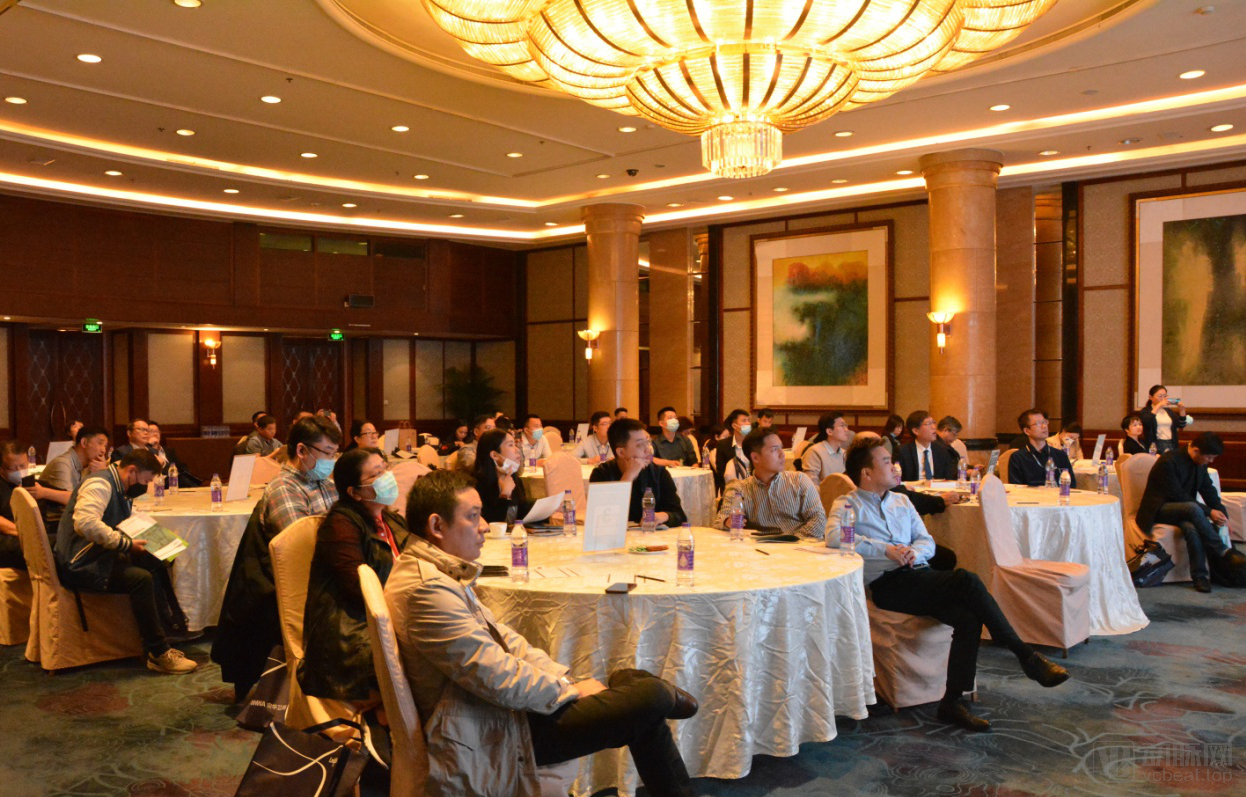
The first day of the forum began with“Green Hospital Architecture”: Experts from major hospitals and architectural research institutes exchanged insights on green, healthy buildings and human-centered design.
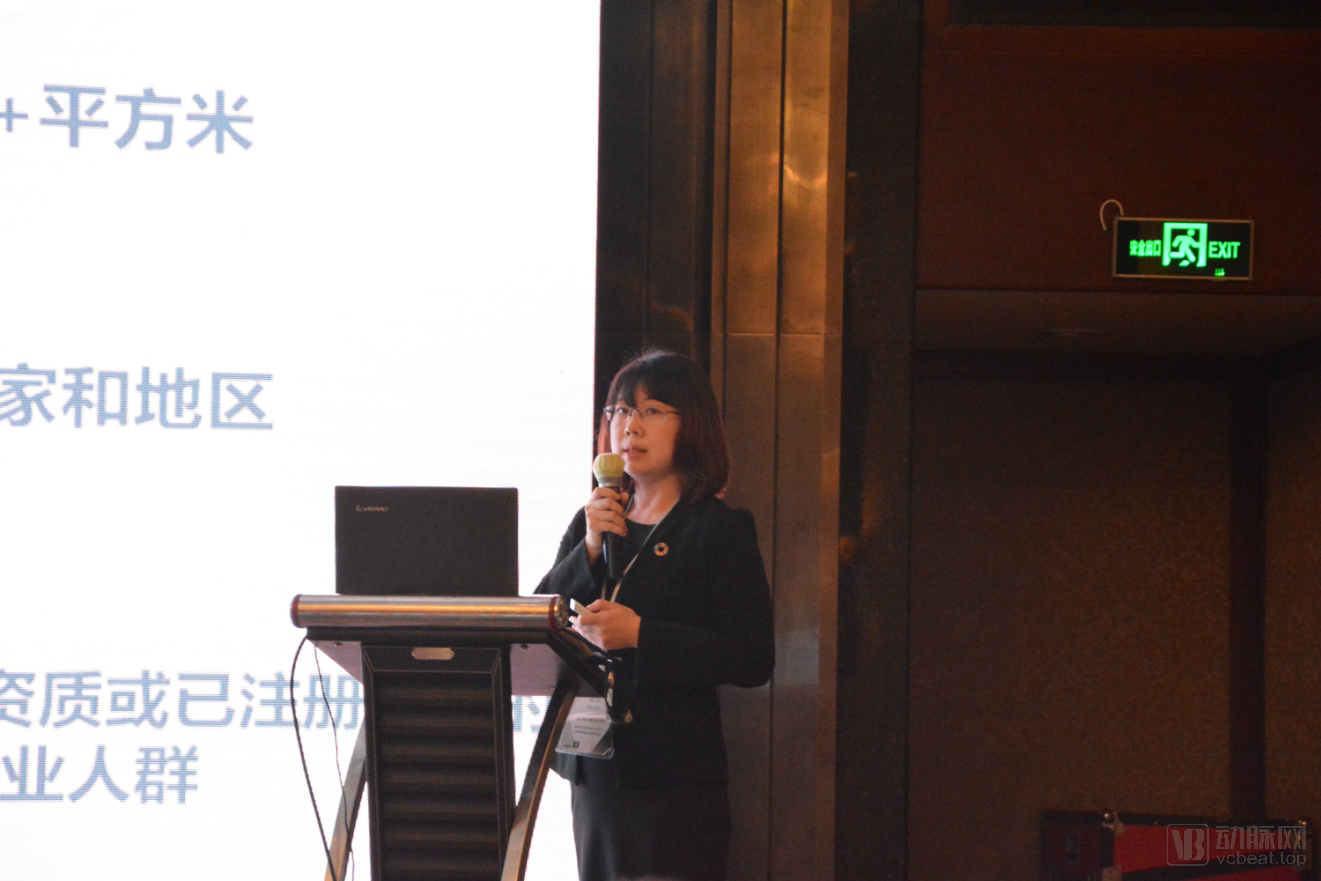
InternationalXu Mei, Vice President of IWBI Asia at the WELL Building Institute, delivered a keynote address titled “WELL Building Standard: Reflections on Future Healthcare Spaces,” introducing how WELL ensures that actual building performance aligns with health goals through data-driven on-site testing and performance verification.
The title of the speech by Xu Zhaohui, Vice President of Shanghai East Hospital affiliated with Tongji University, is ""Research and Exploration of DIP Big Data-Based Diagnosis-Related Group Payment," he shared with the audience the principles and standards of big data-based disease grouping, as well as the application of DIP in hospital operations and management.
Green hospital buildings are healthcare facilities that, throughout their entire life cycle and while ensuring optimal medical workflows, maximize resource conservation (energy, water, land, and materials), protect the environment, and reduce pollution. They provide healthy, suitable, and efficient spaces for patients and healthcare workers, achieving harmonious coexistence with nature. Compared with developed countries worldwide, China’s hospital buildings consume more energy under comparable conditions, and their comfort levels are significantly lower than those in Europe and the United States. Promoting the development of green hospitals is not only a social responsibility but also an important approach to enhancing hospital efficiency.
At this forum, the keynote speeches delivered by Li Weidong, Dean of the Fifth Branch of Shandong Provincial Architectural Design and Research Institute Co., Ltd., and Fu Jianfeng, Deputy Dean of the Medical Branch of Tianjin Architectural Design and Research Institute Co., Ltd., both centered onSharing on the “Green Hospital” Initiative.
Li Weidong stated that green hospital buildings should adopt a design strategy prioritizing passive technologies, supplemented by active technologies. Passive strategies do not rely on building equipment but achieve energy efficiency entirely through the building itself, featuring low investment and low technical complexity; their core objective is to reduce the building’s own energy demand. Active buildings refer to those that, throughout their entire lifecycle—including design, construction, and operation—prioritize human health and comfort while focusing on energy conservation and environmental protection, with the aim of promoting well-being (well-being) as its goal.
Fu Jianfeng believes that,The “Synchronous Integrated” design model can help medical buildings achieve harmonious and unified solutions. The most significant difference between the schematic design development outcomes of medical buildings designed using the “Synchronous Integrated” model and those using conventional design models is that Level 1 and Level 2 medical processes meet current needs while supporting future sustainable development; furthermore, the cost estimates are comprehensive and detailed, facilitating construction implementation.
In addition, Gong Yongjun, Deputy Director of Shanghai Yangzhi Rehabilitation Hospital (Shanghai Sunshine Rehabilitation Center); Chen Weili, Deputy Director of the Medical and Education Special Design Institute under Huajian Group’s East China Urban Architectural Design and Research General Institute; and Tongji University Architectural Design and Research InstituteXu Geng, Deputy Chief Architect of the Fourth Architectural Design Institute of (Group) Co., Ltd., also shared his explorations and reflections on hospital construction design with the audience.
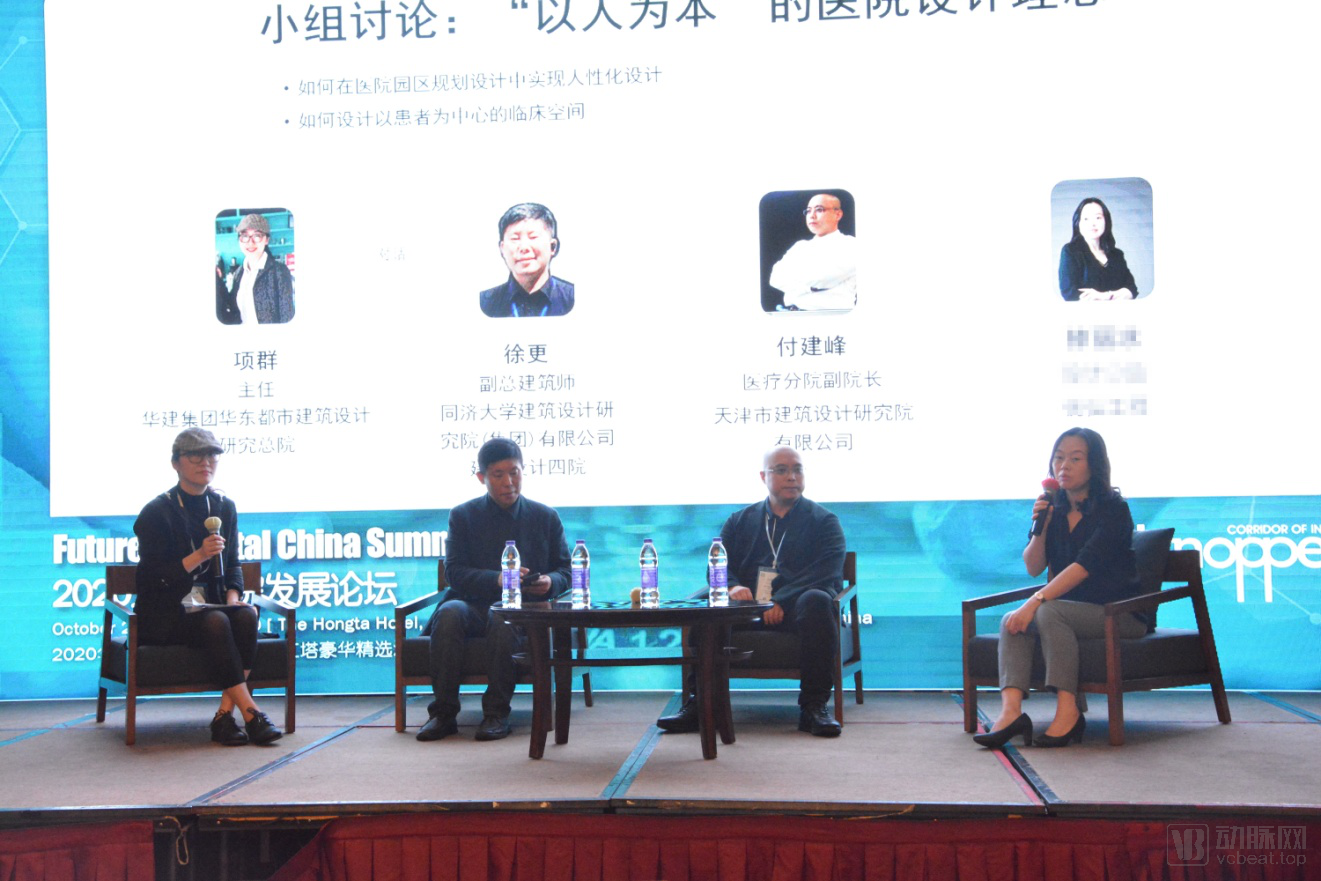
The topic for the first day's group discussion was ““People-Oriented” Hospital Design Concept. The discussion was moderated by Xiang Qun, Director of the East China Urban Architectural Design and Research General Institute under Huajian Group. Guests including Xu Geng, Deputy Chief Architect of the Fourth Architectural Design Institute of Tongji University Architectural Design and Research (Group) Co., Ltd., and Fu Jianfeng, Deputy Dean of the Medical Branch of Tianjin Architectural Design and Research Institute Co., Ltd., actively participated in the discussion. The participants explored and exchanged views on two topics: how to achieve human-centered design in hospital campus planning and how to design patient-centered clinical spaces.
The second day of the forum mainly focused on“Hospital Logistics Management” unfolds.
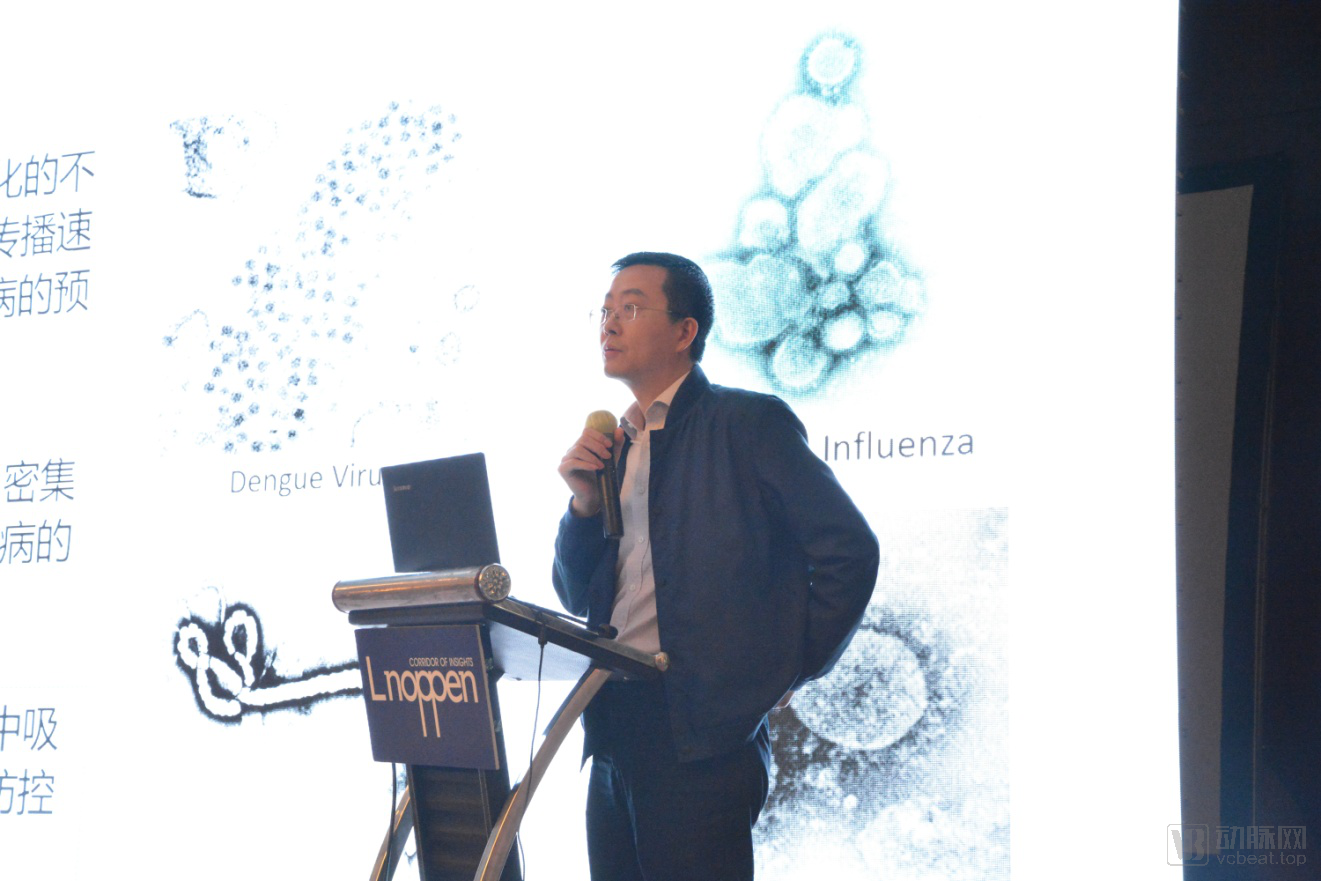
Wu Hong, Director of the Medical Administration and Hospital Management Division of the Shanghai Municipal Health Commission, delivered a keynote speech titled “Medical Service Management under Normalized Epidemic Prevention and Control,” sharing insights on healthcare policies in the context of normalized epidemic prevention and control.
Chen Erzhen, Vice President of Ruijin Hospital, Shanghai Jiao Tong University School of Medicine, delivered a presentation titled “How to Improve Hospital Operational Efficiency Under Normalized Epidemic Prevention and Control,” discussing the impact of the pandemic on hospital operations and response measures in the context of normalized epidemic prevention and control.
Qin Lirong, Chief of the Material Support Department at Nanjing Drum Tower Hospital, The Affiliated Hospital of Nanjing University Medical School, shared insights on the intelligent management of fixed assets, medical supply logistics, and medical textiles at Drum Tower Hospital. Ni Qifeng, Vice President of Suzhou Municipal Hospital, interpreted key policy points regarding medical consumables, providing a layer-by-layer analysis from the supply chain to the management chain of medical materials, and demonstrating the application of informatization in the field of medical material management. Tang Qifeng, President of Fujian Lin Wenjing Memorial Hospital, shared the current development status and market demand for third-party sterile supply centers both domestically and internationally, and explored hospitalCSSD Construction Planning Pathway.
Nowadays, safety management has gradually become a core component of hospital administration. Hospital safety management has expanded beyond its traditional scope—encompassing fire protection, personal and property security, and emergency response—to include areas such as medical equipment, facility space, patient flow, and logistics. At the conference, Huang Wei, Deputy Director of the Information Center at Longhua Hospital Affiliated to Shanghai University of Traditional Chinese Medicine, shared his insights and recommendations on hospital cybersecurity development. Cui Jianyi, Assistant to the President of Beijing Ditan Hospital Affiliated to Capital Medical University, participated via remote live streaming to discuss “Development and Reflections on Logistics and Safety Management in Smart Hospitals,” sharing innovative practices and achievements in smart logistics at Beijing Ditan Hospital, as well as insights inspired by development under the new normal.
On the second day, during the group discussion session, the guests centered their conversation around the topic “Focus“Hospital Logistics and Operations Management in the 5G Era” was discussed. Participants included Ni Qifeng, Vice President of Suzhou Municipal Hospital; Qin Lirong, Chief of the Material Support Department at Nanjing Drum Tower Hospital, the Affiliated Hospital of Medical School, Nanjing University; Zhao Yifeng, Chief of the General Affairs Department at Huashan Hospital, Fudan University; and Zhu Chaohui, Head of the Infrastructure Department at Quzhou Hospital of Zhejiang Medical Health Group. The participants shared their perspectives on topics such as how high technology facilitates smart hospital operations, new directions for hospital construction management and logistics management in the post-pandemic era, and the challenges facing hospital logistics and operations management in the 5G era.
Day 3 of the forum was equally exciting! The speakers primarily focused onExchanges on “Healthcare Informatization” and “Smart Hospitals.”
Xu Xing, Director of the Office for Technology Transfer and Legal Affairs at the Institute of Translational Medicine, Shanghai Public Health Clinical Center, delivered a keynote speech titled “Building a Fortress for Public Health Security” Promoting Innovative Development of the Pharmaceutical Industry,” and shared insights on the exploration of intellectual property application and commercialization at Shanghai Public Health Clinical Center.
Yu Hongxia, Vice President of Peking University Healthcare Group and Administrative Dean of Peking University International Hospital, introduced to the audience the“Grand Logistics” Smart Management Model. Liu Gongbao, Director of the Medical Affairs Department at Children's Hospital of Fudan University, discussed “Internet Healthcare and Telemedicine” with attendees, sharing the hospital’s exploratory practices in internet healthcare.
Nowadays, big data technology has gradually matured, the construction of health information systems is accelerating, and the types, standards, and scale of medical data are growing day by day. Healthcare has fully enteredIn the “Big Data Era,” how to leverage big data technologies for the governance, management, and application of hospital data has become a key topic. Data center management is not confined to specific analytical or research themes, nor does it rely on manual processes or backend database presentations. Instead, it employs systematic approaches to intelligently manage data standards, data center establishment, data acquisition, data validation, data classification, and overall management and application. At this forum, Liu Hua, Director of the Hospital Administration Department at Shanghai University of Traditional Chinese Medicine, and Yang Rongwei, Deputy Director of the Information Center at the First Affiliated Hospital, Zhejiang University School of Medicine, shared their respective institutions’ strategies and progress in building hospital data centers.
Zhu Fu, Executive President of Xuhui Hospital Affiliated to Zhongshan Hospital, Fudan University; Xia Hongbin, Director of the Information Management Department at Shanghai Tenth People’s Hospital; and Niu Luoyong, Director of the Information Center at Hangzhou First People’s Hospital, Zhejiang University School of Medicine, reported on their hospitals’ explorations and practical achievements in smart healthcare. They shared how artificial intelligence technologies optimize the allocation of core medical resources and enhance overall performance.
In addition, leaders and experts from the Yangpu District Health Commission, Shanghai Ninth People’s Hospital Affiliated to Shanghai Jiao Tong University School of Medicine, Shanghai Sixth People’s Hospital, Shanghai Tenth People’s Hospital, Shanghai Seventh People’s Hospital, Shanghai Fifth People’s Hospital, China Welfare Institute International Peace Maternity and Child Health Hospital, Shanghai Oriental Hospital, Shanghai Chest Hospital, Zhongshan Hospital Affiliated to Fudan University, Huashan Hospital North Branch, Shanghai Pudong Hospital, Guanghua Integrated Traditional Chinese and Western Medicine Hospital, Jing’an District Central Hospital, Minhang District Central Hospital, Songjiang District Central Hospital, Kongjiang Hospital in Yangpu District, Guangming Traditional Chinese Medicine Hospital in Pudong New Area, Xuhui District Maternal and Child Health Care Institute, Putuo District People’s Hospital, Jiangwan Hospital in Hongkou District, Nanxiang Hospital in Jiading District, Fengxian District Traditional Chinese Medicine Hospital, Shanghai Electric Power Hospital, Meilan Lake Obstetrics and Gynecology Hospital, Zhejiang Provincial Medical Health Group, Shanghai Yangzhi Rehabilitation Hospital, Tianjin Architectural Design and Research Institute, Jiahui Health, and Shanghai Bo’ai Hospital actively participated in the forum. The three-day forum concluded successfully amidst a warm and enthusiastic atmosphere.
About Noben Group
Noben Group is a globally leading organization for promoting investment and trade, dedicated to fostering international investment and trade between developed economies in Europe and America and emerging developing economies, as well as facilitating the exchange of advanced technologies across various fields. SinceSince entering the Chinese market in 1998, and with the support of government agencies, research institutions, industry associations, and Fortune Global 500 companies, Noben has successfully hosted more than 40 international investment and trade development summits in China each year. It has become an effective bridge for cooperation and communication between the continuously developing Chinese market and advanced international technologies and high-quality capital, establishing itself as one of the largest and most influential investment and trade promotion organizations in the region.

For more details, please contact:
Shanghai Nuoben Exhibition Service Co., Ltd.
Julian Huang
+86 21 60851000
+86 139 1696 6664
julianh@noppen.com.cn