

Dr. Huang Changwu of UCAS Chongqing Renji Hospital Discusses the Development and Application of Rapid Nucleic Acid Testing During the Pandemic
The "2020 China POCT Annual Conference," co-hosted by the Point-of-Care Testing (POCT) Branch of the China Association for Medical Device Industry and the People's Government of Jiangbei District, Chongqing Municipality, was grandly held at the Century Jinyuan Grand Hotel in Chongqing on November 13–14, 2020.
Under the slogan “BeiDou + 5G, Building the Dream of China’s POCT” and themed “Precision Epidemic Control, Health for All,” the forum covered topics including point-of-care testing (POCT) applications, nanozymes and POCT, ultrasound detection, POCT in primary healthcare, and POCT in relation to the Six Major Centers. The event featured a main conference, thirteen specialized academic sub-forums, and an exhibition showcasing corporate products.
At the themed plenary session on the morning of the 13th, Dr. Huang Changwu, Director of the Department of Clinical Laboratory at Chongqing Renji Hospital, University of Chinese Academy of Sciences, delivered a presentation titled “Application Value of Rapid Nucleic Acid Testing in COVID-19 Prevention and Control and Development of Technical Platforms.” VCBeat has compiled his key insights.
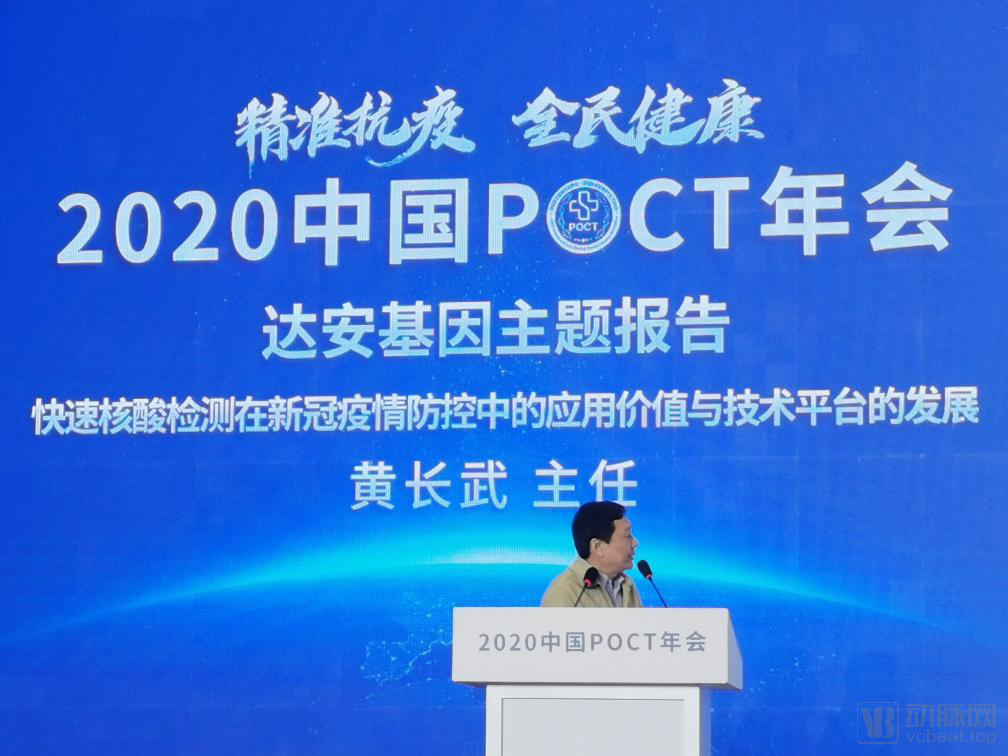
Huang Changwu: Director of the Department of Laboratory Medicine, Chongqing Renji Hospital, University of Chinese Academy of Sciences (Chongqing Fifth People's Hospital).
A Variety of Methods for Detecting SARS-CoV-2, with Fluorescent PCR as the Primary Approach
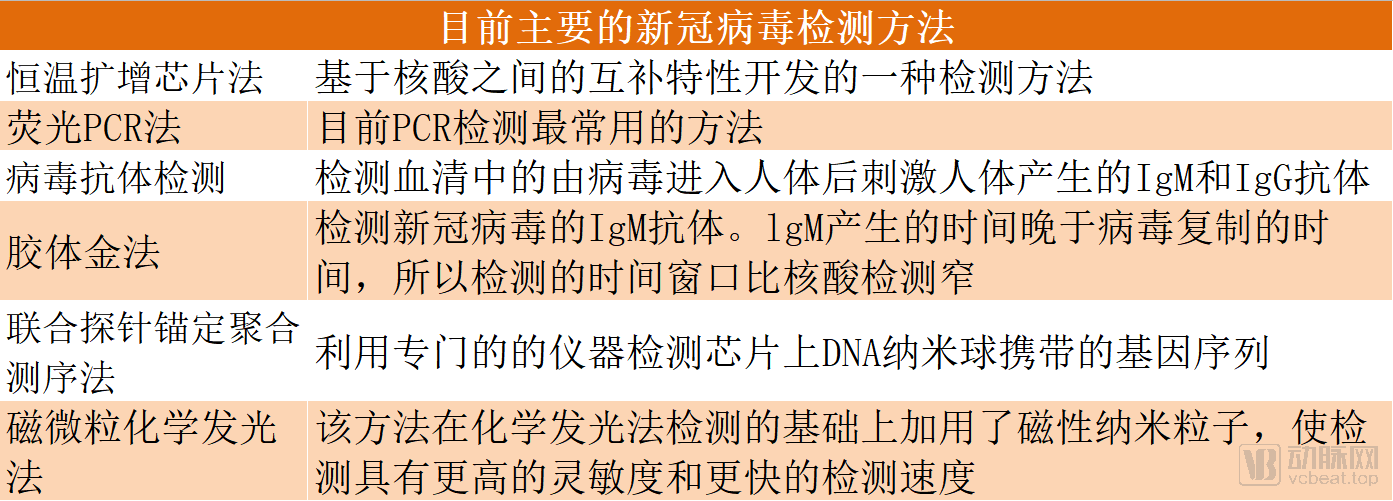
Currently, the main methods for detecting the novel coronavirus include isothermal amplification chip assay, fluorescent PCR, viral antibody testing, colloidal gold assay, combined probe-anchored polymerase sequencing, and magnetic microparticle chemiluminescence immunoassay.
Among these, the isothermal amplification chip method is a detection technique developed based on the complementary nature of nucleic acids; the viral antibody detection method identifies IgM and IgG antibodies produced by the human body in response to viral infection, detected in serum, while the colloidal gold method specifically detects IgM antibodies against the novel coronavirus; the combined probe-anchored polymerization sequencing method utilizes specialized instruments to detect gene sequences carried by DNA nanoballs on chips; the magnetic particle chemiluminescence method incorporates magnetic nanoparticles into conventional chemiluminescence assays, thereby achieving higher sensitivity and faster detection speeds; and the fluorescent PCR method is currently the most widely used approach among PCR-based detection techniques.
In the Notice of the National Health Commission on Issuing the Diagnosis and Treatment Protocol for Novel Coronavirus Pneumonia (Trial Version 8), several diagnostic criteria for confirmed cases of COVID-19 were specified:
1. Positive for SARS-CoV-2 nucleic acid by real-time fluorescent RT-PCR assay;
2. Viral gene sequencing showed high homology with the known novel coronavirus;
3. Positive for SARS-CoV-2-specific IgM and IgG antibodies;
4. SARS-CoV-2-specific IgG antibodies seroconvert from negative to positive, or the IgG antibody titer in the convalescent phase shows a fourfold or greater increase compared with that in the acute phase.
Among these four diagnostic criteria, the detection principles of two methods are based on nucleic acid testing (1, 2), while the remaining two methods are based on antibody testing (3, 4).
Multiple COVID-19 Nucleic Acid Test Kits Approved in China, with Significant Room for Technological Improvement
Based on the aforementioned primary principles of nucleic acid detection, the National Medical Products Administration has successively approved multiple SARS-CoV-2 nucleic acid test kits for market launch.
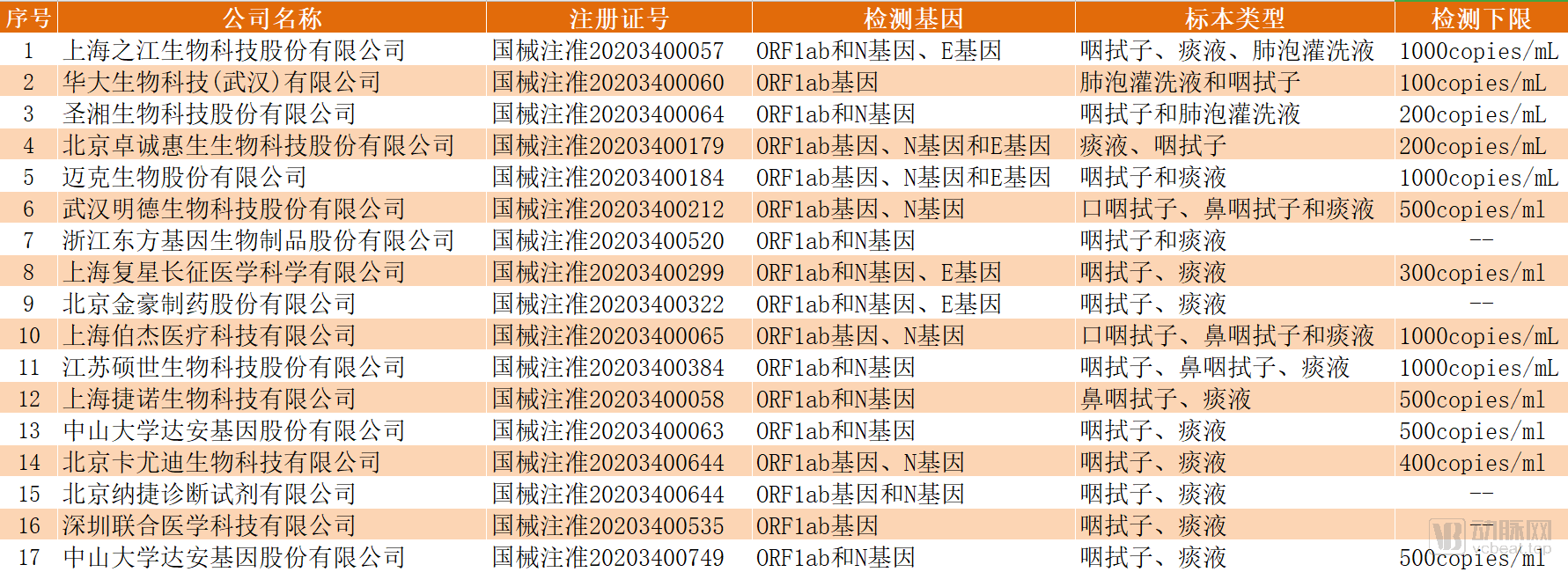
Currently, the National Medical Products Administration (NMPA) has approved 17 novel coronavirus nucleic acid detection kits based on fluorescent PCR technology, sourced from 16 domestic companies.
These companies include Shanghai ZJ Bio-Tech, BGI Genomics, Sansure Biotech, Zhuocheng Huisheng Biotechnology, Maccura Biotechnology, Mingde Biology, Orient Gene Biotech, Fosun Long March Medical, Beijing Jin Hao Pharmaceutical, Shanghai Berjie Medical, Jiangsu Shuoshi Biotechnology, Shanghai Jeno Bio, Daan Gene, Beijing Cayody Biotechnology, Beijing Najie Diagnostic Reagents, and Shenzhen United Medical.
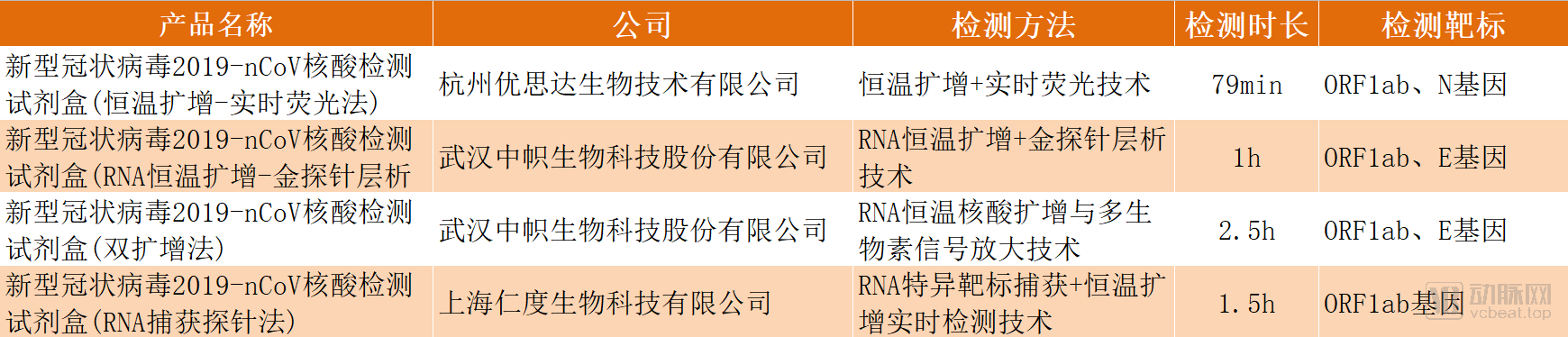
Currently, four domestic companies have received approval from the National Medical Products Administration (NMPA) for their SARS-CoV-2 nucleic acid detection kits based on isothermal amplification principles.
Currently, there are numerous FDA-approved nucleic acid test kits for SARS-CoV-2, which demonstrate significantly superior turnaround times. Domestic test kits still have considerable room for technological improvement.
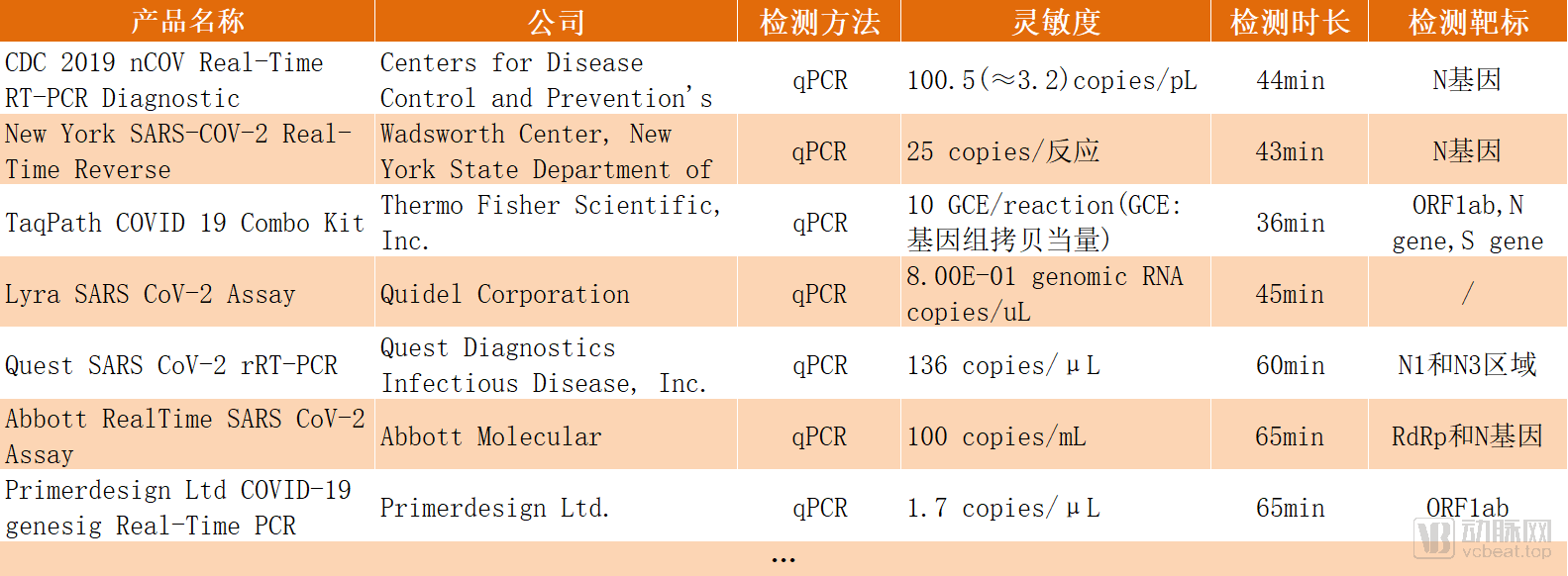
Technical Breakthroughs in Domestic Nucleic Acid Testing for COVID-19
Director Huang stated that the bottlenecks currently hindering the acceleration of domestic nucleic acid testing for COVID-19 mainly include the following four aspects: 1. Time required for conventional extraction methods; 2. Efficiency of tool enzymes; 3. Heating and cooling rates; 4. Manual operation time.
Reducing the time consumption of conventional extraction methods, enhancing the efficiency of enzymatic reagents, increasing heating and cooling rates, and minimizing manual operation time have become several critical hurdles that must be overcome to accelerate nucleic acid testing technologies.
Currently, companies such as DaAn Gene, Sansure Biotech, and Ustar Biotechnologies have achieved technological breakthroughs in their latest rapidly developed nucleic acid rapid testing products. These advancements have not only significantly reduced manual operation time but also substantially shortened the overall testing duration. Taking DaAn Gene as an example, its AGS8830 rapid real-time fluorescence quantitative PCR instrument can complete the entire process from sample collection to result reporting within one hour, with the shortest turnaround time being just 35 minutes. The maximum sample throughput of this instrument is 16.
Favorable Domestic Policies Support the Development of In Vitro Diagnostic Technologies
In 2017, the Ministry of Science and Technology of China stated in the "13th Five-Year" Special Plan for Technological Innovation in Medical Devices that microfluidic chip technology should be accelerated to address key challenges such as automation, rapid and precise detection, intelligent pathological diagnosis, and early disease diagnosis. It further emphasized the need to accelerate the development of frontier technologies—including microfluidic chips, single-molecule sequencing, liquid biopsy, solution-phase chips, and intelligent biosensing—to better meet the demands for early, rapid, convenient, and accurate diagnosis across medical institutions at all levels. This indicates that national policies are supporting the development of technologies related to in vitro diagnostics.
Nowadays, under the influence of the pandemic, POCT has experienced even more rapid development. However, there is still a significant gap between China's current technological level in various fields of in vitro diagnostics and the advanced levels of developed countries, indicating that there is still considerable room for domestic growth. This means that in the coming years, driven by national policy support and developmental needs, the in vitro diagnostics industry will continue to thrive, with domestic substitution being an inevitable trend.
Director Huang believes that future nucleic acid testing platforms will undergo significant changes and advancements primarily in three areas: physical dimensions, testing modalities, and application fields. Benchtop or large-scale nucleic acid testing instruments will evolve toward portable and handheld designs; traditional large-scale laboratory testing, which is labor- and resource-intensive and constrained by location, will transition toward point-of-care and mobile testing; in terms of application fields, usage scenarios will no longer be limited to medical diagnostics but will gradually expand into areas such as environmental monitoring and food safety.