

Shenzhen Biomedical Innovation Conference: Pingshan District and Tongxie Unveil Vision for Global-Standard Industry Ecosystem
On November 19, 2020, the 2020 Shenzhen International Biopharmaceutical Industry Innovation and Development Conference officially opened, organized by the Tongxieyi New Drug Talent Club. Throughout the day-long main forum, experts from the Ministry of Science and Technology, the National Medical Products Administration, academia, industry, and clinical sectors delivered 14 thematic reports on innovative development in biopharmaceuticals and held two distinctive high-level panel discussions. The venue was filled to capacity with over a thousand attendees from across China, with many latecomers standing in the aisles and doorways to listen to the presentations and discussions.
At the conference, the Pingshan District People’s Government reached project cooperation intentions with 10 entities. In addition, unveiling ceremonies were held for the Shenzhen Institute of Beijing University of Chinese Medicine, the Pingshan Institute of Biomedicine at Southern University of Science and Technology, and the South China Center for Safety Evaluation of the Shanghai Institute of Materia Medica, Chinese Academy of Sciences, jointly operated by Anling Biopharmaceuticals (Shenzhen) Co., Ltd. The construction of the ICH Industrial Park was also announced to have officially launched, and renowned physicians from Hong Kong have joined the Hong Kong Renowned Physicians Diagnosis and Treatment Center.Tongxieyi Bay Area Club Officially Established.
Held in a hybrid online-offline format, this year’s conference adopted a “1+1+1+10” structure (one closed-door meeting & industry leaders’ summit, one main forum, and ten sub-forums), attracting more than 130 leading figures from China’s biopharmaceutical industry. These experts offered numerous valuable insights on how Shenzhen and Pingshan can precisely strategize the layout of frontier and critical technological and industrial elements in biopharmaceuticals, while also providing directional guidance for the innovative development of China’s biopharmaceutical industry.
Prior to the opening ceremony, Academician Zhong Nanshan, recipient of the Medal of the Republic, delivered a video address to the conference. He stated that Shenzhen is a city characterized by innovation and dynamism. Pingshan District is currently planning the establishment of a new Academy of Medical Sciences for the biopharmaceutical industry, along with comprehensive reforms to its mechanisms and systems for fostering innovative and entrepreneurial talent. This represents a significant initiative to accelerate the application and integration of technologies and talent in the biopharmaceutical sector into areas such as environmental protection, resource management, and public health.
At the conference, experts, scholars, and industry leaders convened with the goal of promoting the innovative development of the biopharmaceutical industry in the Guangdong-Hong Kong-Macao Greater Bay Area (GBA). They engaged in in-depth discussions focused on establishing a GBA Biopharmaceutical Innovation Pilot Zone with international influence. These deliberations provided strategic insights and pathways for Shenzhen City and Pingshan District to gain a profound understanding of global biopharmaceutical industry trends and to build a world-class biopharmaceutical science and technology hub.
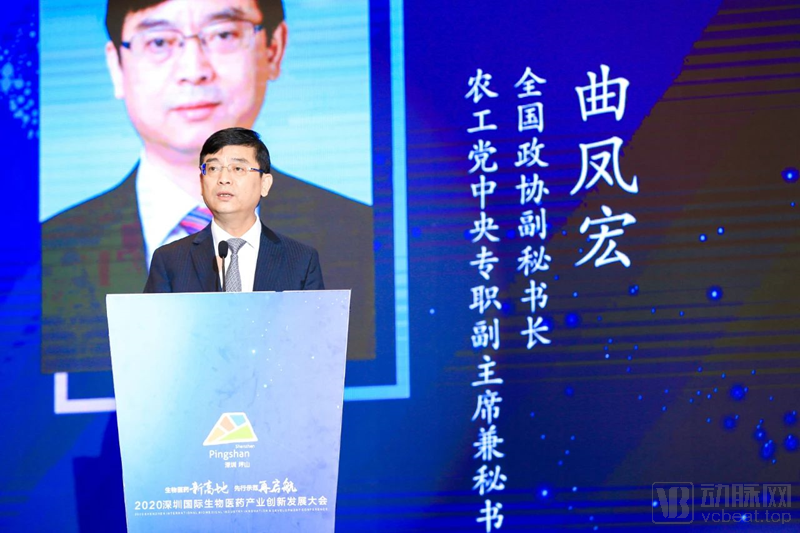
Qu Fenghong stated that the Chinese Peasants and Workers Democratic Party is willing to leverage its talent resources in the medical and health sectors, capitalize on its strengths in connecting with specific social circles, and strengthen horizontal ties with the biopharmaceutical industry. The party aims to join hands with Shenzhen to build a globally competitive hub for the biopharmaceutical industry. Meanwhile, it is hoped that industry elites will actively offer advice and suggestions for the development of the biopharmaceutical industry in Shenzhen and across China, participate more extensively in the construction of the Pilot Demonstration Area of Socialism with Chinese Characteristics, and share in the dividends of reform and development.
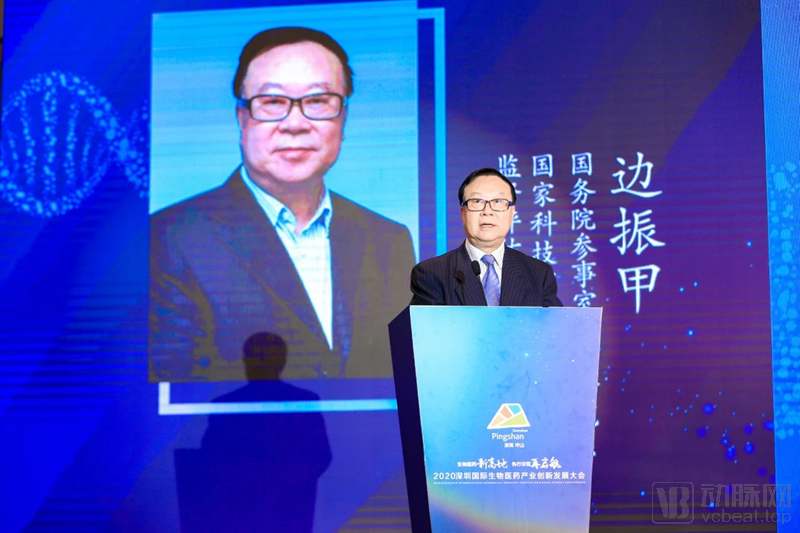
Bian Zhenjia stated, “I hope that researchers engaged in new drug development in China will strengthen innovation in new drugs, particularly original innovation, against the backdrop of the current dual circulation strategy encompassing both domestic and international markets. I also hope that Pingshan District in Shenzhen can become a national demonstration zone in the field of biopharmaceuticals and make greater contributions to China’s healthcare sector.”
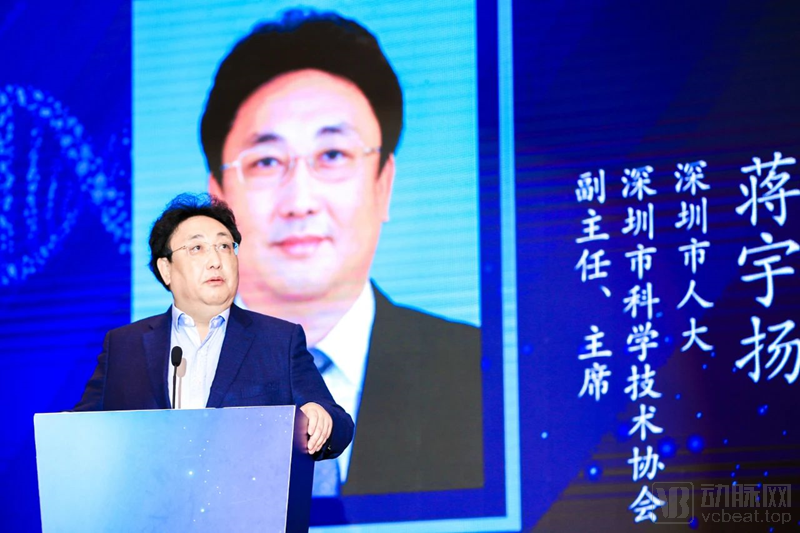
Jiang Yuyang expressed the hope that Pingshan would seize the significant historical opportunities presented by the “dual-zone drive” of the Guangdong-Hong Kong-Macao Greater Bay Area and the Shenzhen Pilot Demonstration Zone, take the lead in piloting initiatives within the biopharmaceutical industry, pioneer innovative pathways for industrial development, and contribute more to the high-quality development of Shenzhen’s biopharmaceutical sector.
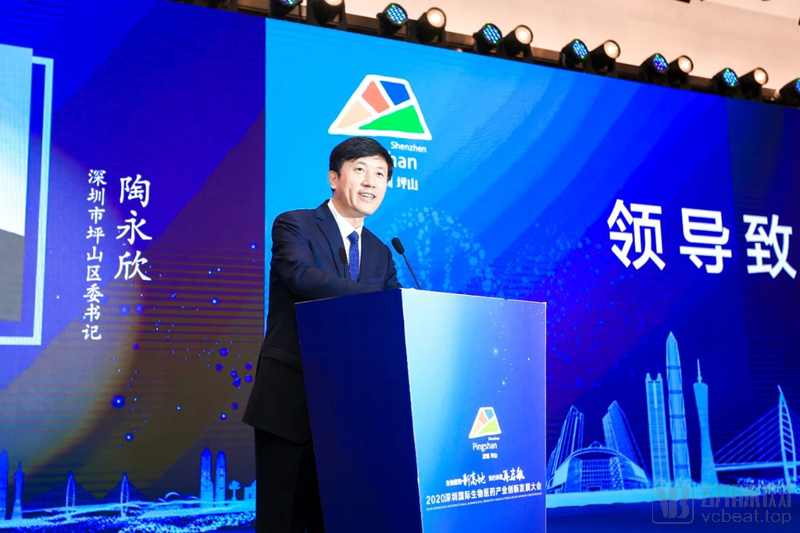
During the conference, Tao Yongxin stated that Pingshan is one of Shenzhen’s youngest and most promising administrative districts, characterized by highly concentrated industries and vibrant innovation and entrepreneurship. The Shenzhen Municipal Party Committee and Municipal Government have positioned Pingshan as the Eastern Center of Shenzhen, the core area of the Shenzhen National High-Tech Industrial Development Zone, and a pilot zone for future industries in Shenzhen. In 2005, Pingshan was designated by the National Development and Reform Commission (NDRC) as one of the first national-level bio-industry bases. Earlier this year, the Shenzhen Municipal Party Committee and Municipal Government specifically issued the “1+3” policy documents to promote the clustered development of the biopharmaceutical industry, explicitly establishing Pingshan as the core area within Shenzhen’s “one core, multiple centers” development framework for the biopharmaceutical sector. Currently, the district is home to 615 biopharmaceutical companies, with an average annual growth rate exceeding 30%. During the pandemic, the output value of the sector achieved a counter-trend increase of nearly 40%, as the biopharmaceutical industry advances toward high-end and international development.
During the conference sharing sessions on the first day, attending experts and thought leaders also shared their perspectives:
Dr. Li Jing, Chairman and Founder of Pharmadex Information Technology (Beijing) Co., Ltd., stated: “Where are we headed in the 2020s? First, due to the globalization and synchronization of information, the entry of multinational corporation (MNC) products into the Chinese market has accelerated, making ‘me-too’ and ‘fast-follow’ strategies increasingly difficult. Second, with a focus on product lifecycle management, deeply exploring a single target is more advantageous than superficially targeting multiple ones. Furthermore, avoiding crowded therapeutic areas and strategically investing in sectors with high disease prevalence in China—where markets remain underdeveloped temporarily due to payment issues—will become an innovative choice for domestic pharmaceutical companies. In any case, technology has become the primary driving force behind drug development.”
Dr. Ye Xiangsheng, Chief Scientist at Yuanli Life Sciences, stated, “Project initiation is the first and most critical step in the innovative drug development process. To a large extent, it determines the outcome of a project from the very beginning. The core of project initiation lies in the selection and validation of targets through translational medicine research. Therefore, capability in project initiation constitutes the most fundamental and core competitive advantage for any innovative pharmaceutical company. Beyond target selection, project initiation requires a comprehensive assessment of unmet patient needs, evolving market dynamics, the competitive landscape, and the company’s own core competencies. It also demands the ability to respond promptly to breakthrough scientific developments or market shifts during the lengthy R&D process, enabling rapid strategic adjustments.”
Professor Shi Yuanyuan, Executive Vice Dean of the School of Life Sciences at Beijing University of Chinese Medicine and Executive Director of the Shenzhen Research Institute of Beijing University of Chinese Medicine, stated, “With the recent introduction of a series of national policies favoring the development of the traditional Chinese medicine (TCM) industry, and given the significant role TCM played during the COVID-19 pandemic, TCM is ushering in a new historical opportunity. We must not only recognize the existing problems within the TCM industry but also transform challenges and opportunities into drivers for development. In the future, key growth areas will include TCM equipment, new TCM drugs, and the cultivation of geo-authentic herbs.”
Zhou Siyuan, Deputy Director of the Center for Drug Evaluation (CDE) under the National Medical Products Administration (NMPA), stated, “Innovation is the driving force behind the high-quality development of pharmaceuticals. Since 2015, the Chinese government has issued multiple key documents on reforming drug review and approval processes, deploying a series of reform measures including the pilot Marketing Authorization Holder (MAH) system, communication mechanisms for drug research and development, implied approval for clinical trials, and priority review and approval. These efforts have established a policy environment that encourages drug innovation, leading to a continuous increase in the number of innovative drug registration applications. Over the past five years, the number of domestically produced innovative drugs submitted for clinical trials has increased by 230%, while synchronous clinical trial applications for imported innovative drugs have surged from zero to over one hundred. The CDE has held 1,440 communication meetings with applicants on drug R&D. As of 2020, 28 domestically produced innovative drugs have been submitted for marketing approval.”
Professor Zhang Mingjie, Dean of the School of Life Sciences at Southern University of Science and Technology (SUSTech), Academician of the Chinese Academy of Sciences, and Founding Fellow of the Hong Kong Academy of Sciences, stated: “Brain disorders are prevalent and impose a substantial economic and social burden. However, there are currently no viable treatments for these conditions. This is due, on one hand, to our limited understanding of the brain. The brain’s immense complexity makes it difficult to study from both scientific and ethical perspectives. On the other hand, brain disorders are fundamentally different from other diseases. Furthermore, insufficient commercial incentives have led to a lack of interest among pharmaceutical companies in developing therapeutics for brain disorders.”
Professor Zhang Wenhong, Director of the Department of Infectious Diseases at Huashan Hospital Affiliated to Fudan University, stated, “In the fight against the epidemic, China has accumulated rich experience. This is a highly successful outcome achieved through the comprehensive implementation of public health policies and the application of public health technologies nationwide. If we can consistently stay ahead of the virus by ensuring rapid monitoring and testing, and implementing precise prevention and control measures, I believe that, leveraging the experience gained during China’s first phase, we will continue to succeed in controlling the epidemic. In the future, we also hope that all sectors of society can unite in scientific research, particularly through global collaboration, which plays a crucial role in epidemic prevention and control.”
Dr. Zhu Yi, Chairman of Sichuan Baili Pharmaceutical, stated, “While significant achievements have been made in the drug development and clinical application of tumor immunotherapy, substantial challenges remain: response rates to immune checkpoint inhibitors (ICIs) are insufficiently high, and the performance of CAR-T therapies and CD3-engaging bispecific antibodies in solid tumors has been less than satisfactory. We anticipate that our novel GNC quadruple-specific antibody will deliver breakthrough efficacy comparable to that of CAR-T therapy in hematologic malignancies, across both hematologic cancers and solid tumors.”
Dr. Zhang Dan, a government advisor to the Pingshan District of Shenzhen, founder and Chief Strategy Officer of Kingmed Diagnostics (Kunling Pharma), Chief Scientist at Shenzhen Xingwan Biomedical Development Consulting Co., Ltd., and a Foreign Member of the Russian Academy of Engineering, stated: “Since China joined the ICH, and particularly in the wake of the COVID-19 pandemic, the national government has implemented various policies, presenting numerous opportunities and challenges in the biopharmaceutical sector. After four decades of reform and opening-up, the central government continues to provide strong support to Shenzhen, including the establishment of a new academy of medical sciences and review and evaluation centers, demonstrating the nation’s emphasis on Shenzhen and Pingshan in the biopharmaceutical field. Pingshan, Shenzhen, may well be the optimal location for fully leveraging the dual-circulation strategy and the ICH framework.”
Professor Feng Xinhua, Dean of the Life Sciences Institute at Zhejiang University, stated: “Therapies targeting the hallmarks of cancer—drugs that interfere with each acquired capability essential for tumor growth and progression—have been developed and are currently undergoing clinical trials or, in some cases, have already been approved for the treatment of certain types of human cancer. Furthermore, several investigational drugs are being developed, either individually or in combination, to target both established and emerging hallmarks of carcinogenesis and cancer progression, holding promise as novel anticancer therapies.”
Professor Wu Yilong, Vice President of Guangdong Provincial People’s Hospital, stated, “China’s pharmaceutical industry should accelerate its transformation toward innovation, with targeted therapy and immunotherapy remaining key priorities for the future. Furthermore, clinical trials require a critical reassessment and refinement of existing knowledge.”
Dr. Jiang Ningjun, Chairman and CEO of CStone Pharmaceuticals, stated, “Translational medicine plays a pivotal guiding role in all key aspects of new drug development, particularly in validating the relevance between drug targets and diseases, establishing R&D strategies for biomarkers, and designing rigorous clinical efficacy validation trials. Establishing an efficient translational medicine system is crucial to enhancing the efficiency of new drug development and enabling precision medicine. Through its Translational Medicine Center, CStone Pharmaceuticals has built a leading pipeline and development strategy for precision therapeutics in China.”
Dr. Liu Xiaolin, Founder and CEO of Promab Biotechnologies (Zhuhai) Co., Ltd., stated, “Owing to its rapid response, minimal side effects, and durable efficacy, tumor immunotherapy has gradually become a mainstream treatment for cancer. In recent years, more than ten new antibody drugs targeting PD-1/PD-L1/CTLA-4 and two new cell therapy products have been approved for market launch both domestically and internationally, significantly extending the survival of cancer patients in clinical practice and demonstrating enormous market potential. However, the objective response rate to single-agent targeted immune checkpoint inhibitors in the cancer population is only 20–30%, and CAR-T therapy urgently needs breakthroughs in the treatment of solid tumors. Therefore, bispecific/multispecific antibodies and next-generation cell therapies have become research hotspots in the future of tumor immunotherapy.”
Professor Liang Zicai, Founder, Chairman, and CEO of Suzhou Ribo Life Science, stated, “Small nucleic acid drugs boast a rich array of targets, cover an exceptionally broad spectrum of diseases, and hold significant market potential. The revolutionary mechanism of action of small nucleic acid therapeutics will transform many currently untreatable conditions into treatable ones, enabling a shift from short-acting to long-acting and ultra-long-acting formulations, and advancing care from general management toward cure. These agents will disruptively reshape the therapeutic paradigms and strategies for many diseases, particularly chronic conditions. This transformation will trigger a restructuring of the pharmaceutical industry landscape akin to that driven by monoclonal antibodies. The next 10–20 years will constitute a golden era for the research and development of small nucleic acid drugs.”
Following the high-profile closed-door leadership summit and the highly acclaimed main forum with thousands of attendees, the 2020 Shenzhen International Biopharmaceutical Industry Innovation and Development Conference reached its climax on November 20.
Ten parallel sub-forums, upholding Tongxieyi’s consistent high-quality standards, are grounded in the international forefront and focused on breakthroughs in industry hotspots. The conference content not only covers multiple segments, including chemical drugs, advanced drug delivery systems, cell and gene therapy, biopharmaceuticals, and high-end medical devices, but also explores topics such as drug registration, business development (BD) collaborations, and project investment from a macro perspective.
As one of the most influential organizations in the biopharmaceutical industry, Tongxieyi held a strategic signing ceremony with the Pingshan District Government at the 2020 Shenzhen International Biopharmaceutical Industry Innovation and Development Conference. Since 2020, Tongxieyi has been organizing the “Shenzhen International Biopharmaceutical Industry Innovation and Development Conference” in Pingshan, Shenzhen. In addition, Tongxieyi’s first regional club—the Tongxieyi Bay Area BIOTECH Leaders Club—was officially established, leveraging multi-dimensional resource matchmaking and services to support the clustered development of the biopharmaceutical industry in the Greater Bay Area.
In terms of scale, chemical drugs are undoubtedly a crucial component of China’s biopharmaceutical industry, accounting for 50.2% of the national pharmaceutical market share last year. However, there remains a gap between China’s chemical formulations and those of leading countries, characterized by large scale but insufficient strength.
Nevertheless, it is worth noting that the emergence of a series of domestically developed innovative chemical drugs, such as chidamide and anlotinib, has indeed brought new hope for survival to Chinese patients. From 2019 to 2020, zanubrutinib was successively approved for marketing in the United States and China, thereby opening the door for Chinese innovative chemical drugs to go global.
Among these success stories, enhancing the precision and efficacy of treatment is undoubtedly a common goal. In addition to iterating on existing drugs, an increasing number of new technologies are being applied to the innovative R&D process. Whether it is the entry of quantum physics and AI, the support of DNA-Encoded Library (DEL) technology and Fragment-Based/Structure-Based Drug Design (FBDD/SBDD) strategies, or the involvement of cryo-electron microscopy equipment and data processing software, these variables have significantly improved the efficiency of compound screening and increased the probability of successfully developing small-molecule drugs with better targeting capabilities.
From 1999 to 2018, the FDA approved a total of 194 first-in-class (FIC) novel drugs globally, averaging fewer than 10 per year, which underscores the immense difficulty of achieving true innovation. On the other hand, policy trends represented by “volume-based procurement” have indeed placed many domestic generic drug manufacturers on edge, as if facing a formidable enemy. Consequently, high-end formulations and improved new drugs have emerged as attractive alternatives, garnering increasing attention.
In June this year, the Center for Drug Evaluation (CDE) released the “Technical Guidelines for Clinical Trials of Chemically Modified New Drugs (Draft for Comment),” providing a regulatory basis for the implementation of policies on modified new drugs and encouraging their clinical development in China. The objective of modified new drugs is clearly defined: to make targeted improvements based on foreseeable needs, ultimately delivering greater therapeutic benefits to patients. Within this category, novel advanced drug delivery systems are poised to become at the forefront of pharmaceutical innovation. This trend is driven both by the significant clinical advantages typically associated with high-end complex formulations and by the high technical barriers they present.
From the NMPA’s formal approval of China’s first biosimilar marketing application last year to the entry of China’s first mRNA vaccine into clinical trials this year amid the COVID-19 pandemic, innovations in biotechnology continue to create more possibilities for disease treatment.
In terms of mechanistic research, antibody-dependent cellular cytotoxicity (ADCC) has garnered significant attention. ADCC, mediated by antibodies, is a key mechanism of antibody action. Pharmaceutical companies choose to either eliminate or retain ADCC effects during drug development for various purposes. However, which strategy yields greater benefits requires further rigorous validation. Regarding strategic choices, competition among PD-1 monoclonal antibody therapies is intensifying, making bispecific tumor immunotherapy a promising avenue for achieving differentiated therapeutic outcomes. Nevertheless, behind the surge in bispecific antibody R&D in China lies the awkward reality that many projects have failed. Compared with monoclonal antibodies, bispecific antibodies face greater challenges in balancing safety, efficacy, and druggability. Therefore, how to balance scientific research with target therapeutic efficacy will ultimately pose a significant challenge for biopharmaceutical development companies.
Compared with traditional medical approaches, cell and gene therapies based on genetic technologies are more targeted, enabling precise and effective achievement of desired therapeutic outcomes. As early as 1989, cell therapy had entered the clinical stage, and in 2012, successful cases of CAR-T therapy for clinical treatment emerged.
At this stage, technologies in this field have become more mature, propelling the cell and gene therapy industry into a period of explosive growth. Oncolytic viruses, in particular, have emerged as controllable therapeutic agents. However, it should be noted that industrialization is still in its early stages, which constrains the pricing potential of cell and gene therapies. From a CMC (Chemistry, Manufacturing, and Controls) perspective, the key to achieving fully automated translation and making cell and gene therapy a more widely accessible clinical treatment lies in establishing corresponding production systems for support. Furthermore, reducing costs through supply chain optimization remains a challenge currently facing the industry.
The level of the medical device industry is one of the comprehensive reflections of a country or region's overall industrial development and technological innovation capabilities. China's medical device industry is ushering in a new phase of rapid growth. Alongside this industrial expansion, a number of domestic medical device companies are undergoing qualitative transformations, with their innovation capabilities reaching new heights.
As early as 2015, the State Council encouraged domestic medical device enterprises to strengthen innovation in the "Made in China 2025" plan; in May 2017, the General Office of the Ministry of Science and Technology also proposed in the "13th Five-Year Plan for Scientific and Technological Innovation in Medical Devices" that medical devices should move towards localization, high-end development, and branding.
Meanwhile, the innovative establishment of a "green channel" for medical device products has further accelerated the process of "import substitution" for high-end domestic medical devices. Data shows that since 2008, the compound annual growth rate (CAGR) of China’s medical device industry in R&D and manufacturing has exceeded 20%. Encouragingly, under this favorable growth momentum, various new forms of innovation have also emerged.
The Measures for the Administration of Drug Registration and the Measures for the Supervision and Administration of Drug Production, promulgated in March this year as core supporting regulations in the field of drug regulation, fully implement the latest requirements of the newly enacted Vaccine Administration Law and the newly revised Drug Administration Law, thereby fully reflecting the achievements of the reform of the national drug review and approval system in recent years.
Both introduce a new institutional framework for drug registration management and drug production oversight, with more clearly defined problem-oriented approaches and more scientific regulatory concepts. On this basis, the requirements, pathways, and strategies for clinical trial application for drug registration and post-approval pharmaceutical changes need to be improved. For drug development and evaluation based on clinical needs, it is essential to first conduct a reasonable assessment of future unmet medical needs, with a key focus on thoroughly understanding and defining the indications and target populations that specific R&D assets aim to address. In the context of disease progression, different stages of the disease or different lines of therapy should be taken into account to reflect the dynamic nature of disease progression.
In 2020, under the combined impact of pharmaceutical policy reforms—including volume-based procurement, negotiated access for the new National Reimbursement Drug List, and the Key Monitoring Drug List—China’s pharmaceutical industry accelerated its transition toward innovative drugs. From an institutional design perspective, the implementation and practice of the Marketing Authorization Holder (MAH) system have fostered specialized division of labor, further highlighting continuous innovation within the industry.
Supporting industrial elements such as talent, technology, and capital are becoming increasingly dynamic, offering more diverse models for pharmaceutical innovation. As a result, some startups have begun to emerge in the new drug R&D market. In addition to in-house research and development, innovative R&D models such as collaborative development and project acquisition are being widely adopted by many innovative pharmaceutical companies. In this era of rapid growth in China’s pharmaceutical industry, business development (BD) capabilities have become one of the core competencies for pharmaceutical and biotechnology companies amidst waves of product transactions, mergers, and acquisitions. Leveraging this tool effectively will be key to accelerating corporate growth and product commercialization.
Following the Hong Kong Stock Exchange’s Chapter 18A and the STAR Market of China’s A-shares, the registration-based IPO reform on the ChiNext Board has also drawn significant attention from the capital markets. In April this year, the “Overall Implementation Plan for the Reform of the ChiNext Board and the Pilot Registration-Based IPO System” was approved, fueling continued momentum in the capital markets and making innovative drugs within the biopharmaceutical industry a hot spot.
Pharmaceuticals constitute an “inelastic demand.” Driven by population aging in China, the continuous upgrading of consumer demands, and the advancement of medical insurance policies, the innovative drug sector—dedicated to addressing unmet clinical needs—still holds significant growth potential over the medium to long term. China’s biopharmaceutical industry is deepening its innovation efforts, and the capital market has gradually become a vital lever for corporate expansion and product incubation.
Driven by the continuous momentum of the capital market, the traditional R&D and manufacturing of generic drug intermediates and active pharmaceutical ingredients (APIs) are quietly undergoing changes and beginning to transform. In the future, the development of innovative drugs will be the general trend.
Across the world’s major bay areas, there are exemplary cases of biopharmaceutical industry clusters. For instance, the New York Bay Area is home to the Boston biopharmaceutical cluster, which brings together world-class top-tier universities, the largest number of leading teaching hospitals in the United States, global pharmaceutical giants, startups, prominent venture capital investors, and the finest biopharmaceutical talent, making it the most competitive biopharmaceutical hub globally.
Back in China, under the policy guidance of the Guangdong-Hong Kong-Macao Greater Bay Area, particularly in Shenzhen, which has been entrusted with the historical mission of serving as a pioneer demonstration area for socialism, biomedical innovation is also experiencing rapid development. In January this year, Shenzhen released the “1+3” policy documents on the clustered development of the biomedical industry, explicitly outlining a new “one core, multiple centers” pattern centered on the main biomedical industry cluster in Pingshan District.
The industrial exchange between Pingshan and Boston will undoubtedly play a significant role in promoting the development of both parties. Especially since the global outbreak of the COVID-19 pandemic, accelerating the development of biopharmaceuticals has become a global consensus, and cross-border cooperation has gradually become the new norm for innovation in the biopharmaceutical industry.
Since the launch of the National Major Science and Technology Special Project for New Drug Innovation, China’s biomedical R&D has gained comprehensive momentum, advancing from the former “third tier” to the “second tier” among nations, and is accelerating its transformation from a major producer of generic drugs to a leading power in innovative medicines.
However, although China has developed and approved numerous new drugs in recent years, a closer examination of research into pathogenesis, drug targets, and technical methodologies reveals a lack of truly original innovation. Moving forward, universities, research institutions, and new drug development enterprises must attach greater importance to basic research. By fostering deeper collaboration with increased intensity and an open mindset, the aim should be to achieve breakthroughs in novel discoveries, new targets, and emerging technologies. Furthermore, clinical trials are an indispensable hurdle in new drug development, serving as both a litmus test for the quality and caliber of drug development and a key indicator of a nation’s pharmaceutical innovation capacity. Driven by relevant authorities and major hospitals, the establishment of clinical research centers in China has shown gradual improvement; however, both their quantity and quality still lag behind those in developed countries.