

Yan Yang of the First Affiliated Hospital of Xi'an Jiaotong University: 'To Practice Medicine Is to Follow the Heart' — Innovation Through Constant Reflection as a Cardiovascular Surgeon
In tribute to the warriors on the front lines of cardiothoracic and great vessel care, the 9th Pangu Great Vessel Disease Forum established the Pangu Annual Award for the first time. Recently, VCBeat interviewed Professor Yang Yan, recipient of the 2020 Pangu Person of the Year Award, from the First Affiliated Hospital of Xi’an Jiaotong University.
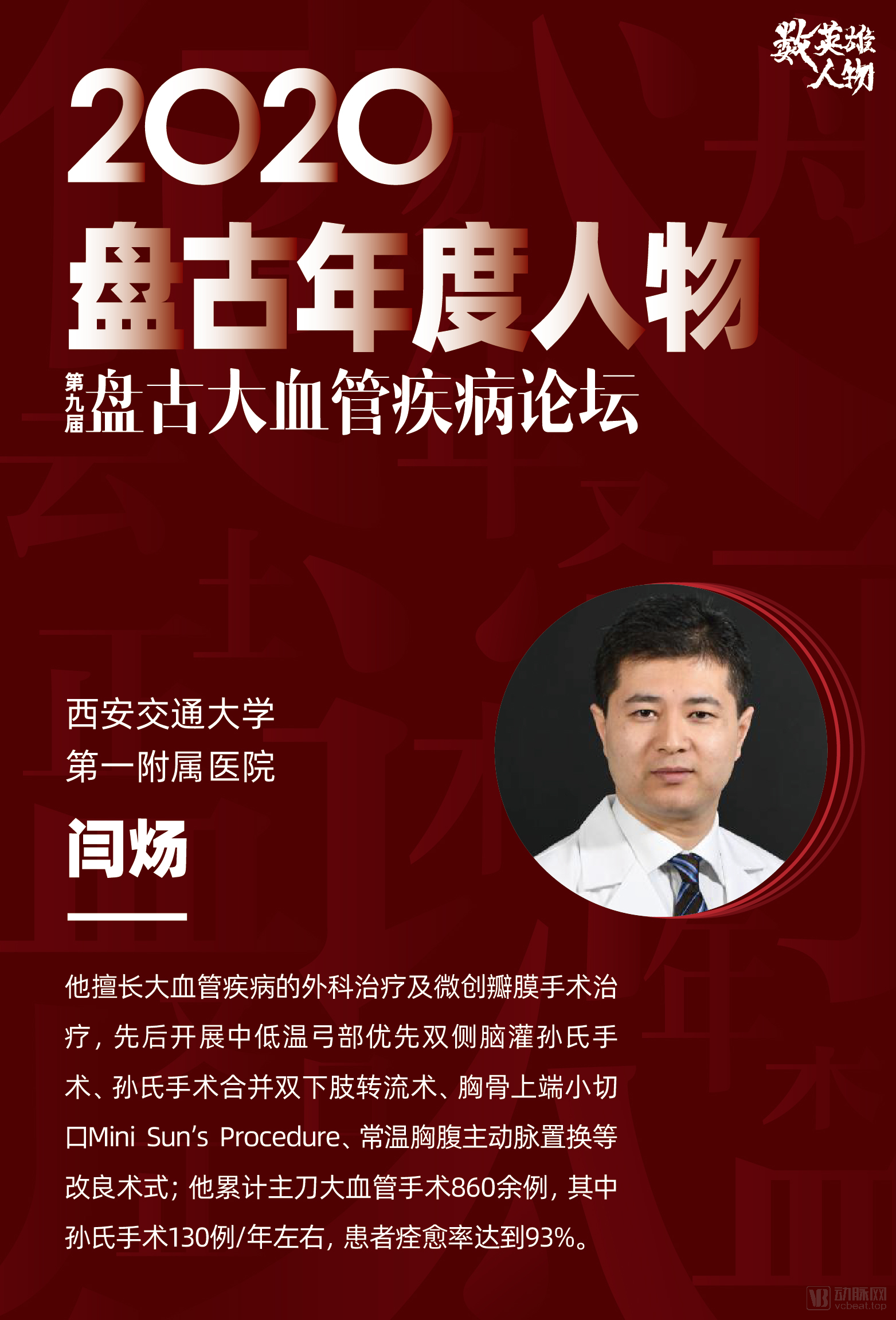
When filling out college applications after the National College Entrance Examination, Yan Yang followed his parents’ advice and applied to medical school. To this day, he has never regretted that decision. “Stepping from the ivory tower into the white-walled hospital, I gradually came to realize that this white coat is my battle armor. Since then, I have remained unwavering in my commitment, moving steadily forward,” said Yan. He chose cardiac surgery by chance. “At the time, Director Geng Xigang of the Cardiac Surgery Department was our substitute lecturer. His vivid and humorous teaching style completely captivated me. Moreover, I regarded cardiac surgery as a highly advanced, technically demanding, and challenging field of medicine. Therefore, I specialized in cardiovascular surgery for my graduate studies.”
Now, Yan Yang has grown into a Doctor of Medicine and Associate Chief Physician, currently serving as the Director of the Cardiovascular Surgery Department at the First Affiliated Hospital of Xi'an Jiaotong University. He has personally performed over 400 cardiac surgeries, including approximately 150 Sun's procedures annually, with a patient recovery rate of 93%. Leading his team, he has pioneered out-of-hospital and inter-provincial ECMO (Extracorporeal Membrane Oxygenation) life support techniques and ECMO rescue under local anesthesia with patients conscious, achieving over 100 ECMO rescues per year with a success rate of ≥60%. As a member, committee member, young committee member, and standing committee member of several domestic academic societies, he has published more than 40 academic papers, including 10 SCI articles as the first or corresponding author in internationally renowned journals such as the European Heart Journal, with the highest impact factor reaching 22.7. He has co-authored multiple professional textbooks and books issued by the Ministry of Health, received one third-prize award for scientific and technological achievements from Shaanxi Province, and has led or participated in nine key research projects at national, provincial, and municipal levels.
Over the past 25 years in medical practice, Yan Yang has journeyed from a naive medical student to his present self, undergoing numerous experiences and profound transformations. “I have evolved from viewing medicine merely as a profession to embracing it as my cherished career; from initially engaging with patients solely on a disease-specific level to now communicating comprehensively across physical, psychological, and emotional dimensions, even forging friendships; from approaching clinical issues exclusively through the lens of a physician to learning to think from the perspectives of patients and their families; and from once believing that clinical proficiency alone defined an excellent doctor to deeply recognizing that scientific research is equally vital alongside clinical skills in the field of medicine,” said Yan Yang. “Each transformation represents growth, and every step of this growth has been inseparable from the support of my mentors, colleagues, and patient friends.”
The Department of Cardiovascular Surgery at the First Affiliated Hospital of Xi’an Jiaotong University was once a leader in Northwest China, having pioneered various open-heart surgeries at an early stage and maintained long-term international exchanges. For instance, in 1959, the hospital performed the first case in Northwest China and the third case nationwide of giant atrial septal defect repair under hypothermic anesthesia. In 1978, it successfully carried out open-heart surgery under normothermic acupuncture anesthesia with cardiopulmonary bypass, earning the National Science Conference Award.
“After decades of development, cardiac surgery has fallen behind world-leading hospitals and peers both domestically and internationally in the new century,” said Yan Yang. In response to these challenges, he implemented reforms across multiple areas, including talent development and technological advancement. On one hand, he adopted a strategy of “inviting experts in and sending staff out” to foster greater learning and exchange; on the other hand, he focused on critical care and minimally invasive techniques as entry points to strengthen and consolidate key advantageous disciplines. Meanwhile, he worked to overcome bottlenecks, address critical constraints in ICU care, build a cohesive team, and fully mobilize staff enthusiasm.
Following reforms, the hospital obtained the first batch of helicopter rescue training certificates in Northwest China in 2018; in 2019, it signed a cooperation agreement with MedStar Heart Institute in Washington, D.C., USA, establishing the “Sino-US Cardiovascular Collaborative Hospital,” founded the “Extracorporeal Life Support Branch of the Shaanxi Provincial Health Promotion and Education Association,” established the “ECMO Center of the First Affiliated Hospital,” and set up the Shaanxi Provincial ECMO Emergency Care System; in 2020, it was accredited as a “National Standardized Cardiac Rehabilitation Center,” among other titles.
“Cardiovascular surgeons must be willing to endure hardship, diligent in thinking, adept at summarizing experiences, and ready to make sacrifices. Cardiac surgeons need to devote even more effort and energy to learning, encompassing not only surgical knowledge but also comprehensive expertise in internal medicine, medical imaging, pharmacology, and critical care.” In Yan Yang’s view, cardiac surgery is a major specialty characterized by extremely high complexity, and its success serves as a clear reflection of the level of medical care in a given region.
Looking ahead, Yan Yang aims to focus on “minimally invasive cardiac surgery,” “major vascular surgery,” “extracorporeal life support technology,” and “artificial hearts” as key areas of development, while advancing telemedicine services to enhance the discipline’s comprehensive strength and influence, with the goal of establishing a cardiovascular surgery department that ranks first in Northwest China and leads nationally.
It is precisely thanks to the tireless efforts of Yan Yang and his team that an increasing number of patients have received timely treatment and been snatched back from the jaws of death.
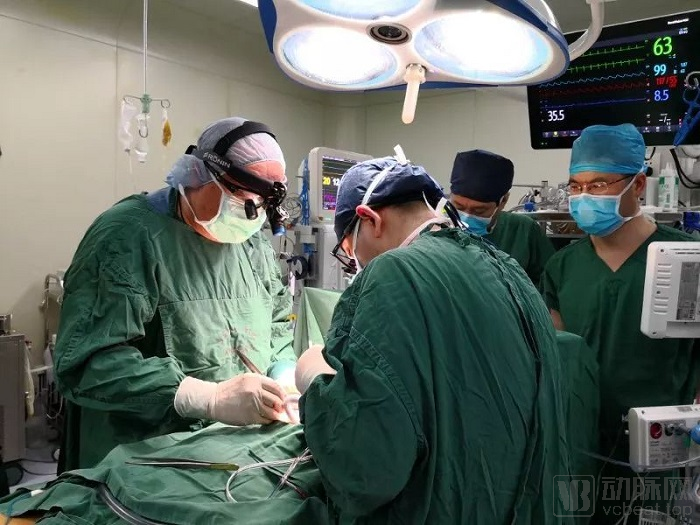
Mr. Bob and Dr. Yan Yang Performing Cardiac Surgery (Image from the Official Website of The First Affiliated Hospital of Xi’an Jiaotong University)
One evening in early 2017, Yan Yang received an emergency call from outside the hospital. A 63-year-old female patient with acute myocardial infarction was being treated in the Emergency Department of PLA No. 323 Hospital. Her condition was critical, and she had experienced cardiac arrest three times. The medical staff at PLA No. 323 Hospital performed cardiopulmonary resuscitation (CPR) three times but requested urgent assistance from the Department of Cardiovascular Surgery at the First Affiliated Hospital of Xi’an Jiaotong University due to the lack of resources for further resuscitative efforts.
With the hospital’s active coordination, communication, and support, the Cardiovascular Surgery Department rapidly assembled a resuscitation team led by Yan Yang and drove to the PLA 323 Hospital. Following an emergency consultation, it was decided to perform extracorporeal cardiopulmonary resuscitation (ECPR) and initiate life support via veno-arterial extracorporeal membrane oxygenation (VA-ECMO). Once the patient’s vital signs stabilized, he/she was transferred to the First Affiliated Hospital of Xi’an Jiaotong University for further emergency care. The patient subsequently survived the critical condition.
According to reports, ECMO-assisted ECPR can significantly improve the success rate of cardiopulmonary resuscitation, representing the level of critical care provided by a country, region, or hospital. This life-saving intervention also marks the first inter-hospital ECPR case in Northwest China conducted without advanced transport tools (such as helicopters).
In 2018, leveraging their accumulated experience, Yan Yang’s team successfully carried out the first land-to-air ECMO transfer of a critically ill cardiac patient in Northwest China.
During the COVID-19 pandemic in 2020, Yan Yang led the ECMO team in successfully treating multiple critically ill patients, proactively assuming and excellently completing the treatment mission for the most severe COVID-19 patient on ECMO in Shaanxi Province. Although the patient suffered from multi-organ involvement, the primary condition was acute respiratory failure. Therefore, with appropriate ECMO therapy, meticulous monitoring to prevent complications, and control of pulmonary exudation and fibrosis, the patient could be pulled back from the brink of death. One such case involved a 49-day treatment course that ultimately saved the patient’s life, setting the national record in China for the longest duration of VV-ECMO support in a COVID-19 patient.
Currently, Dr. Yan Yang’s team continues to achieve breakthroughs in the treatment of critical and emergency cardiac conditions, with exceptionally high resuscitation success rates. The perioperative survival rate for Type A aortic dissection reaches 94%, and the survival rate for critically ill patients receiving extracorporeal membrane oxygenation (ECMO) life support exceeds 50%. Their technical expertise ranks first in Northwest China and is at the forefront nationally.
Yan Yang introduced that since 2001, the Department of Cardiovascular Surgery at the First Affiliated Hospital of Xi’an Jiaotong University has been engaged in the clinical application and related research of ECMO for nearly 20 years. As early as the 1990s, relevant personnel from the department had already developed and commercialized membrane oxygenators and perfusion circuits for cardiopulmonary bypass, capturing a certain share of the domestic market.
In 2017, the Department of Cardiac Surgery, in collaboration with the National Engineering Research Center for Biomaterials at Sichuan University, the School of Mechanical Engineering at Xi’an Jiaotong University, and Shaanxi Jingdian Biotechnology Co., Ltd., conducted in-depth design and research and development on anticoagulant coatings for all blood-contacting surfaces of ECMO devices, magnetically levitated centrifugal pumps, ultrasonic flow probes, programmable monitoring systems, and ECMO oxygenators.
Prior to the outbreak, the research team had essentially completed the prototype development of all components except for the membrane oxygenator and conducted large-animal experiments focusing on anticoagulant coatings. Before initiating this project, the team thoroughly analyzed and compared the advantages and disadvantages of similar foreign products, as well as issues encountered in clinical practice, adopting a strategy of selecting the best features and eliminating inferior ones to design a domestically produced ECMO device.
“Protecting transplanted organs has always been a hot topic in the field of transplantation,” said Yan Yang. Previously, due to technical limitations, ex vivo organs were typically preserved using cold storage. However, with the increasing number of organ transplants and the growing proportion of marginal donors after circulatory death (DCD), traditional organ preservation methods have revealed certain drawbacks. In particular, the ex vivo preservation time for heart grafts cannot exceed six hours, which has significantly hindered the development of heart transplantation. Studies published in journals such as Nature and Transplantation have reported that normothermic machine perfusion (based on the same principle as ECMO technology) can effectively repair ex vivo organs and extend their preservation time outside the body.
Extensive animal experiments and limited clinical studies have demonstrated the reliability of this device; however, relevant research in China remains scarce. Supported by the Shaanxi Provincial Key Research and Development Program (Development of Normothermic Oxygenated Perfusion Devices for Organs Based on Phosphorylcholine Coating Technology, 2020ZDLSF04-11), Yan Yang’s team has conducted a series of studies. They have initially completed the development of normothermic mechanical perfusion devices for the heart and liver and carried out corresponding animal experiments.
According to the survey report of the Extracorporeal Circulation Branch of the Chinese Society of Biomedical Engineering, the growth rate of total cardiac surgeries has significantly slowed down since 2012, with a notable decline in the number of open-heart surgeries requiring cardiopulmonary bypass. Cardiovascular surgery in China has entered a "new normal" in terms of overall scale and technological development.
“Clinicians have identified numerous issues in practice, yet they often struggle due to the lack of support from engineers or industry partners. For instance, in our ongoing research and development of domestically produced ECMO devices and ex vivo heart perfusion systems, we have largely overcome multiple technical challenges, and animal studies have basically demonstrated the reliability of these devices. However, due to deficiencies in resources for medical device regulatory approval, we feel somewhat overwhelmed when it comes to subsequent testing, regulatory clearance, and scaling up production, creating an urgent need for support from other industries. Such challenges are common in clinical settings, and we hope to receive assistance from relevant stakeholders,” said Yan Yang.
Yan Yang believes that the future development of cardiovascular surgery should focus on four key areas: minimally invasive cardiac surgery, hybrid procedures, guideline development based on clinical research and databases, and translational medicine. Future cardiothoracic and vascular surgeons must not be mere “technicians”; rather, they must be multidisciplinary professionals who balance clinical practice with scientific research, and integrate surgical expertise with interventional skills. Meanwhile, greater emphasis should be placed on training young physicians through high-standard clinical, research, and educational programs, thereby building a stronger and more vibrant healthcare enterprise.
“Recognizing one’s responsibility is the beginning of a true gentleman; fulfilling it is its culmination.” This is a phrase Yan Yang often repeats. He believes that practicing medicine is an endeavor of the heart. Cardiovascular diseases are characterized by their acute onset, severity, and complexity. An outstanding cardiovascular surgeon requires not only a comprehensive knowledge base, precise clinical judgment, and refined surgical skills, but also meticulous observation and reflection, sound decision-making and adaptability, as well as strong moral integrity and communication abilities. Only by maintaining a clear conscience in clinical practice, engaging with patients sincerely, and consistently reflecting on and summarizing one’s experiences can one achieve continuous innovation.
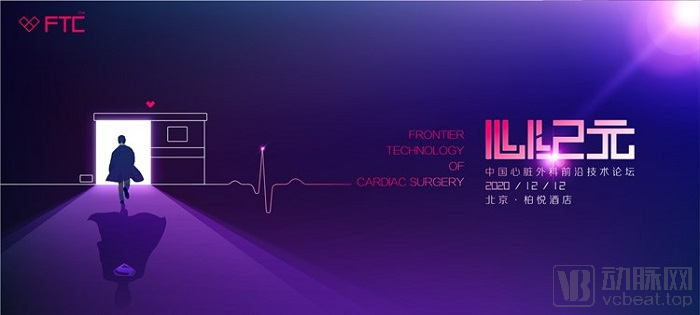
To further advance the field of cardiac surgery, deep collaboration among industry, academia, research, and clinical practice, along with continuous innovation, is essential. The "China Cardiac Surgery Frontier Technology Forum (2020 FTC)," initiated by Professor Sun Lizhong, will be held in Beijing on December 12. Themed "Cardiac Era," the forum features four major sections: discipline development, talent cultivation, updates on frontier technologies, and integration of industry, academia, research, and clinical practice. Distinguished academic and industry experts will convene to comprehensively analyze the current status and challenges of cardiac surgery in China, fostering a strong nationwide collaborative momentum among cardiac surgery departments across the country.Click here to register.