

China Sports Rehabilitation Industry White Paper Officially Released!
China's sports rehabilitation industry emerged in 2012. After eight years of exploration and development, the sector has continuously expanded in scale and matured in its business models. By the end of 2020, there were nearly 400 clinics operating within the industry, with a compound annual growth rate (CAGR) exceeding 40% over the preceding three years.
To further promote the standardized, healthy, and rapid development of the industry, the Sports Rehabilitation Industry Alliance was officially established in March 2019, guided by the vision of sharing, collaboration, and cohesion.
In the extraordinary year of 2020, industries worldwide faced challenges posed by the pandemic. However, for the sports rehabilitation industry, the pandemic also brought new opportunities and pointed to new directions.

At this special moment, the Secretariat of the Sports Rehabilitation Alliance organized the compilation of the first edition of the White Paper on China’s Sports Rehabilitation Industry, which was jointly released by the Sports Rehabilitation Industry Alliance, the Professional Committee on Sports Medicine and Sports Rehabilitation (Preparatory) under the Chinese Non-Public Medical Institutions Association, and the Institute of Sports Medicine at Fudan University.
This white paper consolidates the valuable experience accumulated by the sports rehabilitation industry and explores its future prospects and opportunities.
On the morning of November 28, the White Paper on China’s Sports Rehabilitation Industry was officially released at the 17th IFOSMA Conference in Haikou. The IFOSMA Conference is a premier event for academic exchange and trendsetting in sports medicine in China. Adhering to the mission of “Sports Medicine, Function First, Early Rehabilitation, and Return to Sport,” the conference continues to drive the development of sports medicine and sports rehabilitation in China.
Professor Chen Shiyi, President of the IFOSMA Congress, Chairman of the Sports Medicine Branch of the Chinese Medical Association, and Honorary Chairman of the Sports Rehabilitation Industry Alliance, extended his congratulations on the vigorous development of sports rehabilitation in China and delivered a keynote address at the white paper launch.
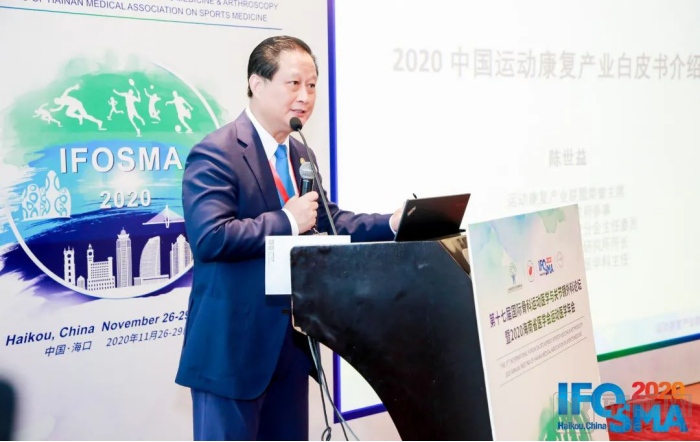
▲ Professor Chen Shiyi Delivers Remarks at the White Paper Launch
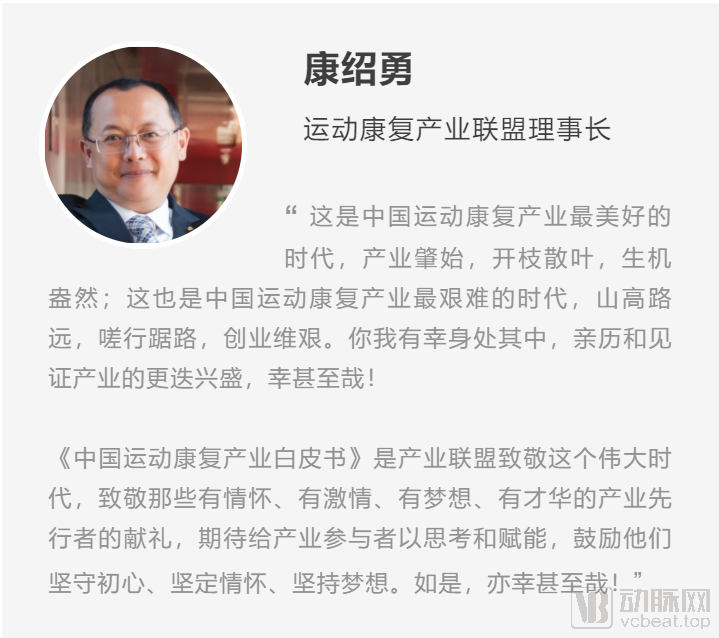
Professor Chen Shiyi, Chairman of the IFOSMA Conference; Director Liu Yujie of the Sports Medicine Center at the Chinese PLA General Hospital (301 Hospital); and Mr. Kang Shaoyong, Chairman of the Sports Rehabilitation Industry Alliance, jointly presided over the unveiling ceremony of the white paper.
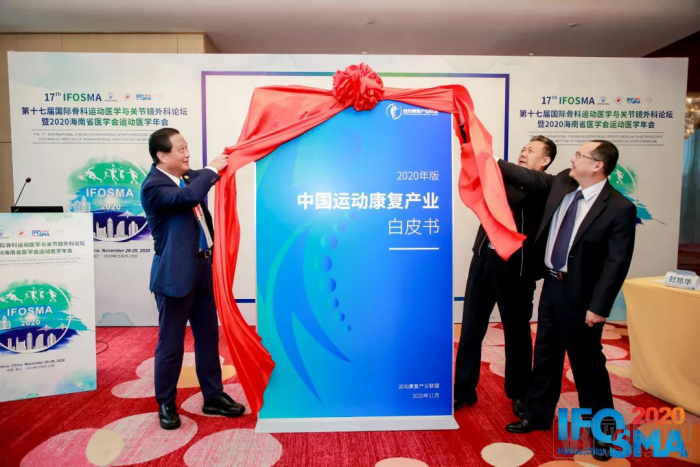
▲ Three guests jointly unveiled the White Paper
Meanwhile, the White Paper on China's Sports Rehabilitation Industry was jointly released by the Sports Medicine Branch of the Chinese Medical Association, ZhenSuoJie, VCBeat, and Haoyue Capital.

Sports rehabilitation has developed for many years in Europe and the United States, reaching a state of widespread maturity. A common feature of rehabilitation medical service systems in developed countries and regions is a well-established three-tier healthcare network.
Based on the number of sports rehabilitation institutions abroad, there is one rehabilitation service provider for every 4,000 people on average. In contrast, China’s current institutional capacity lags significantly behind that of Europe and the United States, indicating substantial room for future growth.
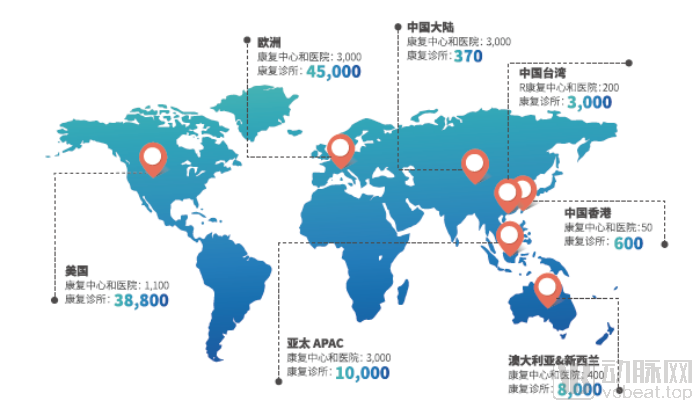
According to statistics from the Sports Rehabilitation Industry Alliance, the total number of sports rehabilitation clinics in China reached 370 by October 2020. The three cities with the highest number of clinics were Shanghai, Beijing, and Guangzhou, each having more than 40 clinics. There is a clear positive correlation between the number of clinics and the level of urban development.
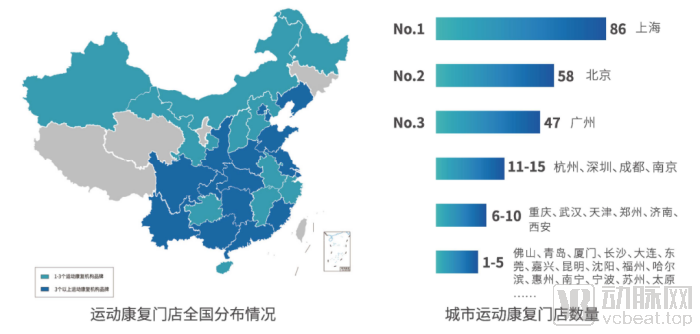
Currently, 52% of all stores operate as independent single-location businesses, while the remainder operate under chain models. Chain operations are currently dominated by regional chains, with no chain brands yet having established a large-scale national footprint in urban sports rehabilitation clinics across China.
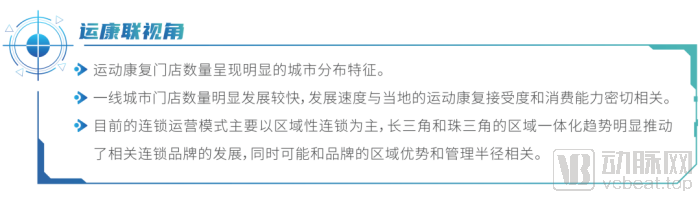
The white paper examines the current operational status of sports rehabilitation clinics from several dimensions, including store size, business performance, staff roles, price per treatment session, and primary customer acquisition channels.
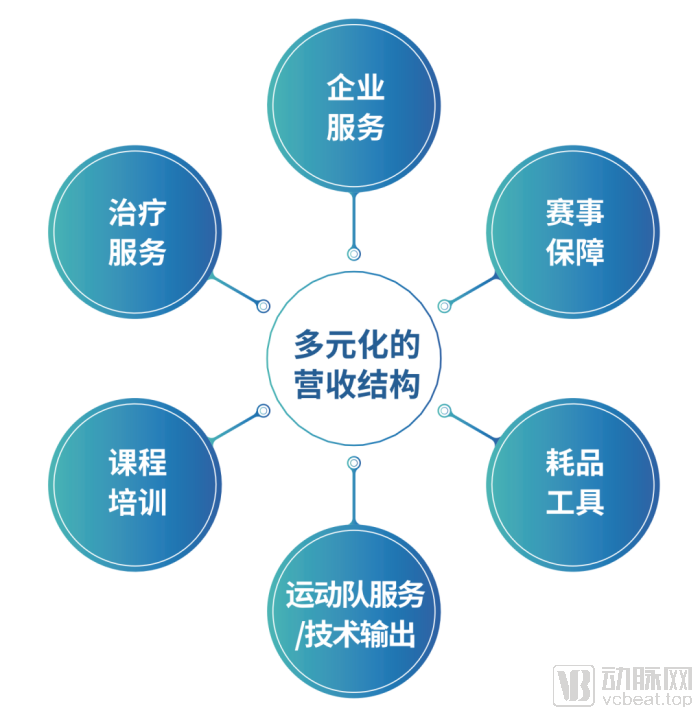
☆ Diversified Revenue Structure
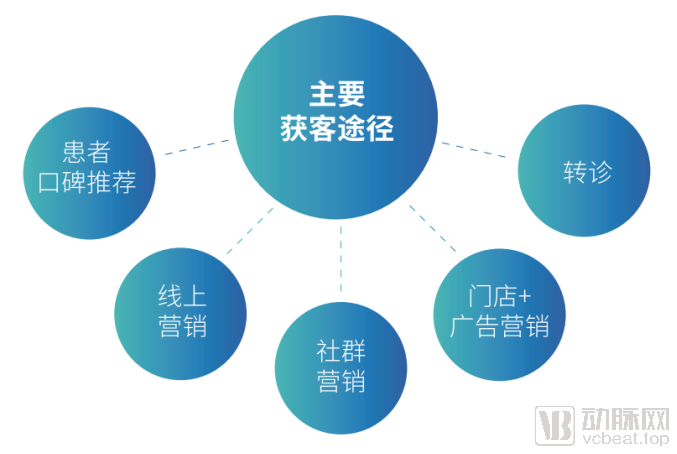
☆ Multi-Channel Customer Acquisition Strategies
Furthermore, the white paper also explores effective, specialized business models in the development of sports rehabilitation clinics.
In the past five years, the sports rehabilitation industry, represented by outpatient sports rehabilitation clinics, has experienced rapid growth. However, compared with similar industries abroad and other consumer healthcare sectors in China, it still faces a series of challenges and constraints.
• A massive shortage of talent in core technologies and operational management
• Standardization of Medical License Approval and Operational Management Remains Pending
• The payment system needs to be improved


Over time, the entry pathways and even the underlying perceptions regarding sports rehabilitation professionals have been gradually shifting. The continuous improvement in both the quality and quantity of new talent provides a foundational basis for industry development.
Standardized store operations have garnered increased support from government and society, driving improvements in overall operational standards and enhancing the industry environment.
The healthcare service market transformation driven by national healthcare reforms will continue to facilitate the migration of high-quality medical professionals to the market-oriented healthcare sector, thereby driving an expansion in the number of sports rehabilitation institutions and broadening the industry’s influence.

Long-press to scan the QR code and follow the Yunkanglian official account.
Reply with the keyword “White Paper” in the backend to obtain it.
"White Paper on China's Sports Rehabilitation Industry"