

Dr. Liu Zhaoliang of Jining Medical University Affiliated Hospital: Healing the Sick Is My Ideal, My Profession, and My Life
Before dawn, Liu Chaoliang arrived at the hospital to begin his day’s work. He did not return home until late at night, after dealing with intoxicated individuals returning from the streets.
For more than 700 days, Liu Chaoliang lived this way. In his own words, “For nearly two years, I never saw the sun.”
During those two years, Liu Chaoliang was busy every day with patient consultations, ward rounds, and surgeries, finding endless joy in his work.
Liu Chaoliang, who is always short on time, has been teased by friends for being “hard to get” as a surgeon. Whenever he receives a call from the hospital during gatherings with friends, he must rush back without delay. For him, there is hardly any distinction between weekdays and weekends, or between working hours and off-duty time.
Initially, complaints from friends made him feel misunderstood. However, years of unwavering dedication to treating patients and saving lives earned him the understanding and recognition of those around him, who gradually came to genuinely admire him.
Years of high-intensity, high-pressure work have left Professor Liu Chaoliang, not yet forty, with striking streaks of gray hair. Like most cardiovascular surgeons, he is in a state of suboptimal health and suffers from hypertension. Yet, he has few complaints.
"Curing diseases and saving lives is his ideal, his work, and also his life."
Liu Chaoliang’s path from a novice to an outstanding cardiac surgeon has been somewhat unconventional.
Driven by an insatiable curiosity from a young age, he has always been inclined to get to the bottom of things. When faced with challenges, he firmly believed that he could achieve just as much as anyone else. Consequently, he chose medicine—a field renowned for its rigor—as his primary career path. After majoring in Clinical Medicine at Jining Medical University in Shandong Province, he graduated in 2004 and joined the Affiliated Hospital of Jining Medical University, where he began his professional career.
At that time, the Affiliated Hospital of Jining Medical University was entering a period of vigorous development. The establishment of the cardiac surgery department filled Liu Chaoliang and his peers with excitement. In the same year, the hospital’s charitable medical assistance program for patients with congenital heart disease was featured on the CCTV program *Focus Report*. All these developments around him drew him in, gradually leading him to cardiovascular surgery—the specialty that would shape his entire career.
Yet, it was a “small incident” that ultimately solidified his resolve. One day in 2006, a young patient with congenital heart disease experienced difficulty breathing due to retained secretions while playing after surgery. Unable to locate a suction device in time, he resorted to mouth-to-mouth suction to clear the child’s airway. The child, whose face had turned purple, immediately burst into tears. Meanwhile, the child’s mother, grandfather, and grandmother dropped to their knees before him in gratitude. Deeply moved and filled with a profound sense of accomplishment, he resolutely committed himself to this path.
In 2010, Liu Chaoliang was promoted to attending physician. Under the hospital’s arrangement, he went to Beijing Anzhen Hospital for advanced training in April of that year, studying under Professor Huang Fangjiong and beginning his specialization in coronary artery bypass grafting (CABG) surgery. By then, he had already participated in nearly 1,000 surgeries at the Affiliated Hospital of Jining Medical University. He even remarked with a touch of humor, “During those years of participating in surgeries, I was so busy that I didn’t have any spare time to date.”
With only one year allotted for his advanced training, he felt immense pressure. “It felt like entering a treasure mountain only to risk returning empty-handed.” Determined to learn as much as possible, he did not return to his dormitory once during that year, choosing instead to remain in the hospital wards. To this day, he still vividly recalls every surgical procedure performed at the hospital. The substantial volume of surgeries he handled in the early stages enabled him to grow rapidly during his fellowship at Beijing Anzhen Hospital and gain exposure to complex procedures such as aortic dissection repair.
Medical Team Leader and Associate Chief Physician, Department II of Cardiovascular Surgery, Affiliated Hospital of Jining Medical University; Recipient of the 2020 Pangu Annual Person AwardProf. Liu Chaoliang
His growing interest in the field of cardiovascular medicine led him to reshape his life plans. It was also around that time that he began preparing for the postgraduate entrance examination. He still vividly remembers how, during that period, he would wake up at 7 a.m. every day and not lie down until midnight. Apart from attending advanced training courses at the hospital, he devoted all his remaining time to studying. In 2011, when the exam results were released, he “didn’t even check whether he had passed; tears simply streamed down his face.”
Hard work pays off. He was successfully admitted to Liaoning Medical University (now Jinzhou Medical University). Liu Chaoliang’s mentor was Wang Qi, the former Director of the Department of Cardiovascular Surgery at the General Hospital of the Chinese People’s Armed Police Forces. Due to research requirements, Liu Chaoliang was sent again to Beijing Anzhen Hospital, where he met Professor Sun Lizhong and became a jointly supervised student under his guidance.
He still remembers the scene of his first time in the operating room, which was somewhat different from the surgical scenarios he had encountered before: whether it was the visual impact of major vascular surgery or the awe inspired by surgical techniques, both left an indelible impression on him. This also made him more fond of this specialty. At Anzhen Hospital, an unfamiliar place for him, he was fortunate to be one of only two doctors allowed to independently manage patient beds, which greatly encouraged him. To this day, he believes that achieving success in the field of cardiac surgery is closely linked to this recognition.
Until 2014, Liu Chaoliang returned to the Affiliated Hospital of Jining Medical University in Shandong Province. In its early development of relevant departments, the Affiliated Hospital of Jining Medical University launched a charitable medical assistance program to support patients with congenital heart disease who were unable to afford treatment costs. While ensuring the quality of care and controlling medical expenses, the hospital saw significant growth in its surgical team and achieved substantial development—performing a number of surgeries comparable to those in first- and second-tier cities, despite being located in a prefecture-level city.
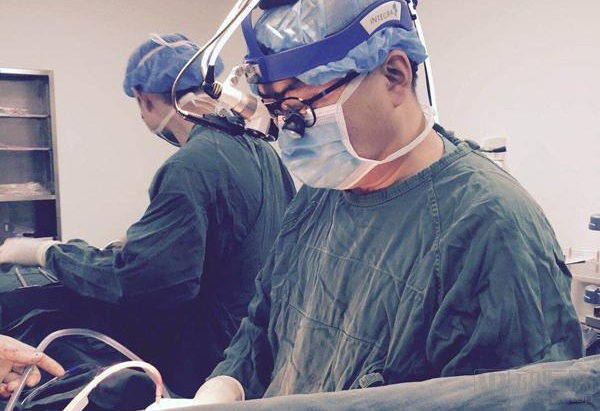
It was also during that period that Liu Chaoliang went nearly two years without seeing the sun. He would arrive at the hospital early in the morning and leave late at night. On one hand, cardiac surgery was just getting off the ground; on the other, there was an overwhelming number of patients coupled with a severe shortage of physicians. Moreover, doctors often had to spend considerable time hand-writing medical records. With nine surgeries scheduled per day, Dr. Liu typically participated in four. The absence of holidays or weekends became virtually the norm.
After returning from his studies abroad in 2014, he gradually helped bring the hospital’s cardiac surgery program up to standard, covering everything from theoretical foundations to practical operations. In terms of operative time, while the national average for aortic dissection surgery in China was around six hours, Liu Chaoliang’s fastest procedure took only four hours and 20 minutes. He recalled witnessing patients undergo surgeries lasting up to 17 hours in the absence of robust theoretical guidance. “At that time, it was difficult to predict whether a patient would survive the operation,” he stated.
Since beginning his medical practice in 2004, Dr. Liu Chaoliang has made significant strides in cardiac surgical techniques and operative philosophies, leveraging years of study, research, and clinical experience. He has gradually risen to become the Medical Team Leader and Associate Chief Physician of the Second Department of Cardiac Surgery at the Second Affiliated Hospital of Jining Medical University.
Within the society, he also holds multiple positions, including Committee Member of the Cardiovascular Surgery Branch of the China Medical Education Association, Committee Member of the Cardiac and Great Vessel Surgery Branch of the China Medical Education Association, Deputy Chairman of the Youth Professional Committee on Cardiac and Great Vessel Diseases of the Shandong Pain Medicine Association, and Standing Committee Member of the First Cardiovascular Surgery Branch of the Shandong Pain Medicine Association, among others.
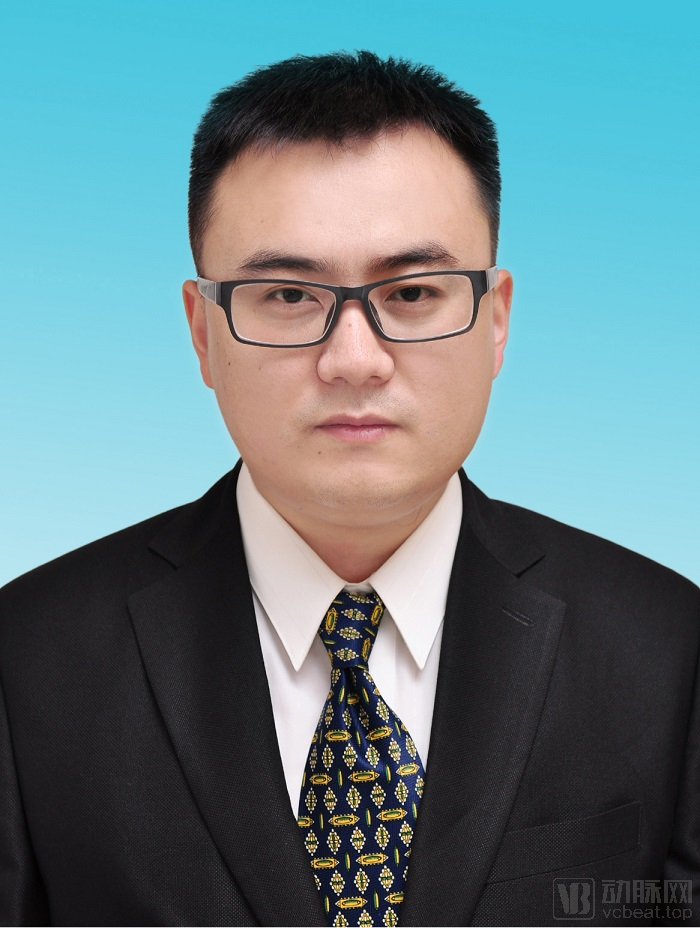
Professor Liu Chaoliang also holds the following positions in professional societies: Member of the Expert Committee on Cardiovascular and Cerebrovascular Diseases, Health Preservation and Rehabilitation Branch (Health Education), Shandong Gerontological Society; Member of the Young Scholars Group, 7th Committee of the Cardiovascular Surgery Branch, Shandong Medical Association; and Vice Chairman of the 6th Thoracic and Cardiovascular Surgery Branch, Jining Medical Association.
Over a 16-year period, he has participated in approximately 4,000 open-heart and interventional procedures. As the lead surgeon, he has performed around 1,000 procedures involving valve surgery, coronary artery bypass grafting (CABG), and major vascular surgery, including approximately 700 CABG cases and over 200 major vascular surgeries. He pioneered the “branch-first” total aortic arch replacement technique in southwestern Shandong Province and performed the first David procedure for acute Type A aortic dissection in the region. He specializes particularly in the diagnosis and treatment of cardiac and great vessel diseases, as well as the emergency management of critical and severe cardiac conditions, including severe valvular heart disease, coronary artery disease, and major vascular disorders. In recent years, his focus has shifted to basic and clinical research in coronary artery disease and aortic surgery.
In 2018, the new technical project “Application of Branch-First Technique in Aortic Arch Replacement,” completed by the team he led, was awarded the Second Prize at the hospital level. In the same year, he was honored as an “Outstanding Young Physician” at the Affiliated Hospital of Jining Medical University. In 2019, he participated in the development of the national-level *Expert Consensus on Aortic Surgical Procedures*, spearheaded by the Heart and Great Vessels Professional Committee of the China Medicine Education Association, thereby further advancing the development of aortic surgical techniques.
The high difficulty, high risk, and demanding technical requirements of cardiac surgery present multidimensional challenges for cardiac surgeons. Yet, successful operations that save patients’ lives also bring them a profound sense of accomplishment and fulfillment. What remains etched in his memory to this day is the look in a child’s eyes. One evening at 11 p.m., a patient with aortic dissection transferred from a county hospital arrived presenting with hemiplegia. Given the extreme complexity of the surgical procedure, all physicians hesitated during the consultation about whether to proceed with the operation. The patient’s 10-year-old son, carrying a schoolbag on his back, drowsily and helplessly tugged at the surgeon’s sleeve, asking when they could operate on his mother.
At that moment, he was deeply moved. “The child is innocent. If we don’t perform the surgery, the child will grow up without a mother.” He immediately assured the young boy that he would arrange his mother’s surgery as soon as possible. That time, they carried out a six-hour-long operation starting at 3 a.m. After the surgery, the patient regained mobility in her limbs. Only then did Liu Chaoliang feel relieved enough to approach the child and say, “See, your mom is all better now!”
Not long ago, he encountered a similar situation. It involved two brothers who depended on each other for survival. The elder brother was unmarried, while the younger brother suffered from severe illness, hemiplegia, and had fallen into a coma. Nevertheless, the elder brother insisted on aggressive treatment for his younger sibling, even stating that he would remain unmarried if necessary to save his brother’s life. For Liu Chaoliang, if the younger brother were to pass away, the elder brother’s future life would likely be exceedingly “lonely.” The patient with an aortic dissection complicated by visceral ischemia ultimately gained a new lease on life through his surgical intervention. The potential social repercussions of surgical failure are never his primary concern. “Without surgery, death is inevitable; with surgery, there is hope for survival. Only if the patient survives does the family have hope,” he stated.
Unlike other departments, cardiovascular surgery patients often experience acute onset around 10:00 PM, requiring immediate surgical intervention; missing the optimal window for surgery frequently carries a risk of mortality. In contrast, patients with other conditions can undergo elective surgery.
In addition to the considerable pressure physicians face due to the rapid changes in patients’ conditions, the prolonged duration of surgeries also imposes a physical burden on them.
Often, as soon as Liu Chaoliang arrived home, he would receive a call about a new patient admission, requiring immediate scheduling of another surgery. Procedures were frequently scheduled for 1–2 a.m., and surgical durations exceeding six hours were commonplace.
Throughout this process, he struggled continuously, telling himself that it could not happen again. On one occasion, he even “went three consecutive days with little rest,” lying in bed “exhausted yet unable to fall asleep, so much so that he could hear sounds from faraway places.” His family also frequently urged him not to push himself so hard and not to let himself become a patient as well.
He had indeed considered giving up. His mentor, Wang Qi, the former Director of the Department of Cardiovascular Surgery at the General Hospital of the Chinese People’s Armed Police Forces, passed away in 2013 due to illness brought on by extreme exhaustion after five consecutive days of rescuing patients. Yet Liu Chaoliang could not reconcile himself to quitting; he simply could not bear to abandon his patients. “If I strive for a few more hours, I might save an entire family. Human life outweighs everything else. Just one more effort, one more night of endurance, and it will be enough.” In this way, he has persevered step by step to where he is today.
For him, having made the choice, he must stick to it. The sense of accomplishment from saving patients’ lives also drives him forward step by step. Every time he says, “Don’t do this again next time,” seeing the patient recover makes him “forget all about it.”
During the COVID-19 pandemic, while others avoided hospitals, he continued to work and enter hospital premises as usual. His ideals and aspirations drove him forward. “When your professional intervention is needed, do not hesitate; you should step in, because that is your job.”
Over the years of his medical practice, he has also encountered cases with unfavorable outcomes. One patient had pre-existing poor cardiac function. Although the patient’s blood pressure was low postoperatively and his condition initially appeared to be improving, it suddenly deteriorated. Despite undergoing emergency surgery to relieve cardiac compression and being returned to the intensive care unit, the patient ultimately passed away. Haunted by the patient’s death, he struggled to sleep. He made efforts to console the bereaved family members, but he firmly believes that, regardless of subsequent developments, he has a clear conscience. While he still feels downcast over the loss of life, he recognizes that life must go on, as many more patients await his care.
In addition to routine procedures, Liu Chaoliang has also performed emergency salvage surgeries—stepping in when the entire operating room team was at a loss, relying on his expertise to bring a failing operation back on track. He vividly recalls the scenes of each surgery, most of which involved profuse bleeding and the helpless, desperate looks in everyone’s eyes. On one occasion, Liu was suffering from a severe cold. A patient with aortic dissection admitted to the hospital experienced uncontrollable intraoperative bleeding, forcing him to rush to the hospital in the early hours of the morning despite his illness. The 12-hour surgery ultimately resulted in the patient’s survival.
It was also through a series of salvage surgeries that his psychological resilience grew stronger. During surgical procedures, even in the event of failure, the first thing he would do is to summarize the lessons learned, reflect on areas for improvement, and assess whether there were any deficiencies or shortcomings within the team.
For him, being called out from home at night to go to the hospital for surgery has long become a part of life.
New changes are continuously emerging in the development of cardiac surgery departments. Currently, medical student training in China is moving toward standardized residency programs. Liu Chaoliang noted that the understanding and expectations of surgeons are also rising: “In the past, anyone who performed open surgeries was considered a surgeon. However, with advances in medical technology, procedures that previously required open surgery can now be accomplished through interventional techniques. Consequently, the requirements for surgeons have become more comprehensive.”
Meanwhile, China is also advancing the development of cardiovascular databases, placing greater emphasis on evidence-based medicine and patient follow-up. With standardized data in place, an increasing number of validations and new discoveries are continuously emerging.
For him, talent development is indispensable. Currently, he is also leading physicians in performing clinical surgeries. “To pursue a career in cardiology, you must have a ‘big heart.’ First, you must be able to endure solitude, as the path to proficiency in cardiology—particularly in cardiac surgery—is exceptionally slow and involves numerous stages, requiring physicians to engage in continuous learning from start to finish.” “Second, physicians must possess benevolence and compassion. Above all, you must have a genuine desire to excel in the mission of healing the sick and saving lives.”
In terms of talent development, he has also adopted a different approach. He views young doctors more as partners rather than subordinates. Young doctors choose this profession not only to pursue their career aspirations but also to support their families. “Teaching young doctors theoretical knowledge can help them avoid unnecessary detours and mistakes, and they will be genuinely grateful for it,” said Liu Chaoliang.
Currently, there are 20 physicians in his department, and the team he leads consists of four physicians. To better motivate the physicians, he has established annual performance assessment targets and developed clear strategic plans for them. When a physician demonstrates outstanding performance in a particular area, Liu Chaoliang provides encouragement through both material and spiritual incentives. He believes that this approach facilitates their more rapid professional growth.
And these doctors will go on to save one patient after another on the operating tables of the future, just as he is doing now.
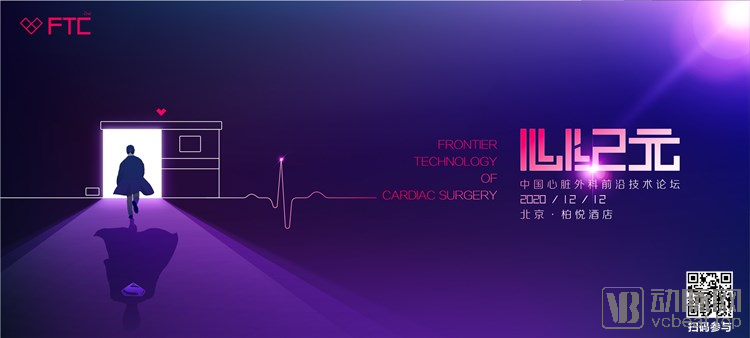
To further advance the field of cardiac surgery, deep collaboration among academia, industry, research institutions, and clinical practitioners, coupled with continuous innovation, is essential. The “China Cardiac Surgery Frontier Technology Forum (2020 FTC),” initiated by Professor Sun Lizhong, will be held in Beijing on December 12. Themed “Cardiac Era,” the forum features four key segments: discipline development, talent cultivation, updates on frontier technologies, and integration of academia, industry, research, and clinical practice. Distinguished academic and industry experts will convene to comprehensively analyze the current status and challenges of cardiac surgery in China, fostering a robust nationwide synergy among cardiac surgery departments.Click here to register.