

Harbour BioMed Lists on HKEX: Can Its 'Heavy-Chain-Only' Antibody Platform Lead the Race?

Harbour BioMed
Antibody Drug Developer
On December 10, 2020, Harbour BioMed was officially listed on the Hong Kong Stock Exchange, becoming another innovative pharmaceutical company focused on the field of immunotherapy.
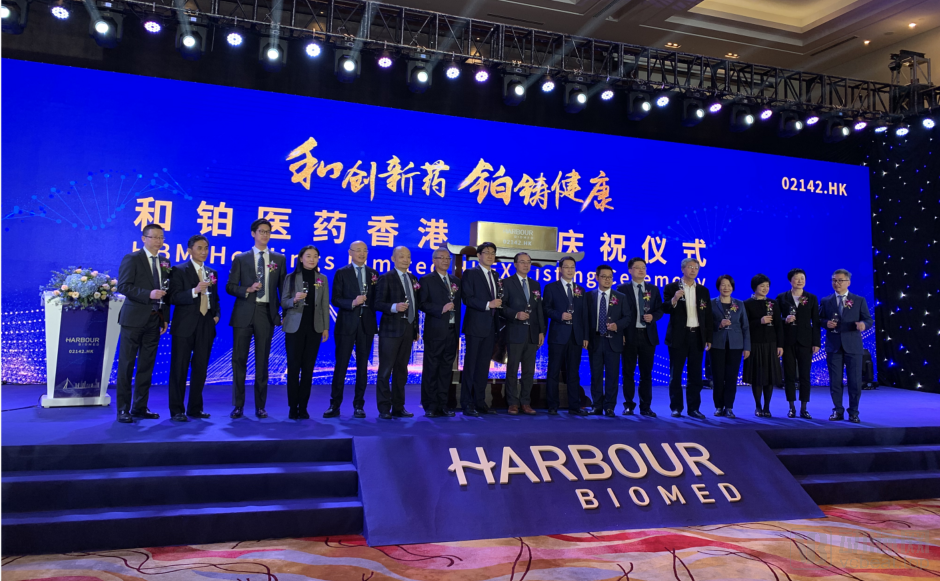
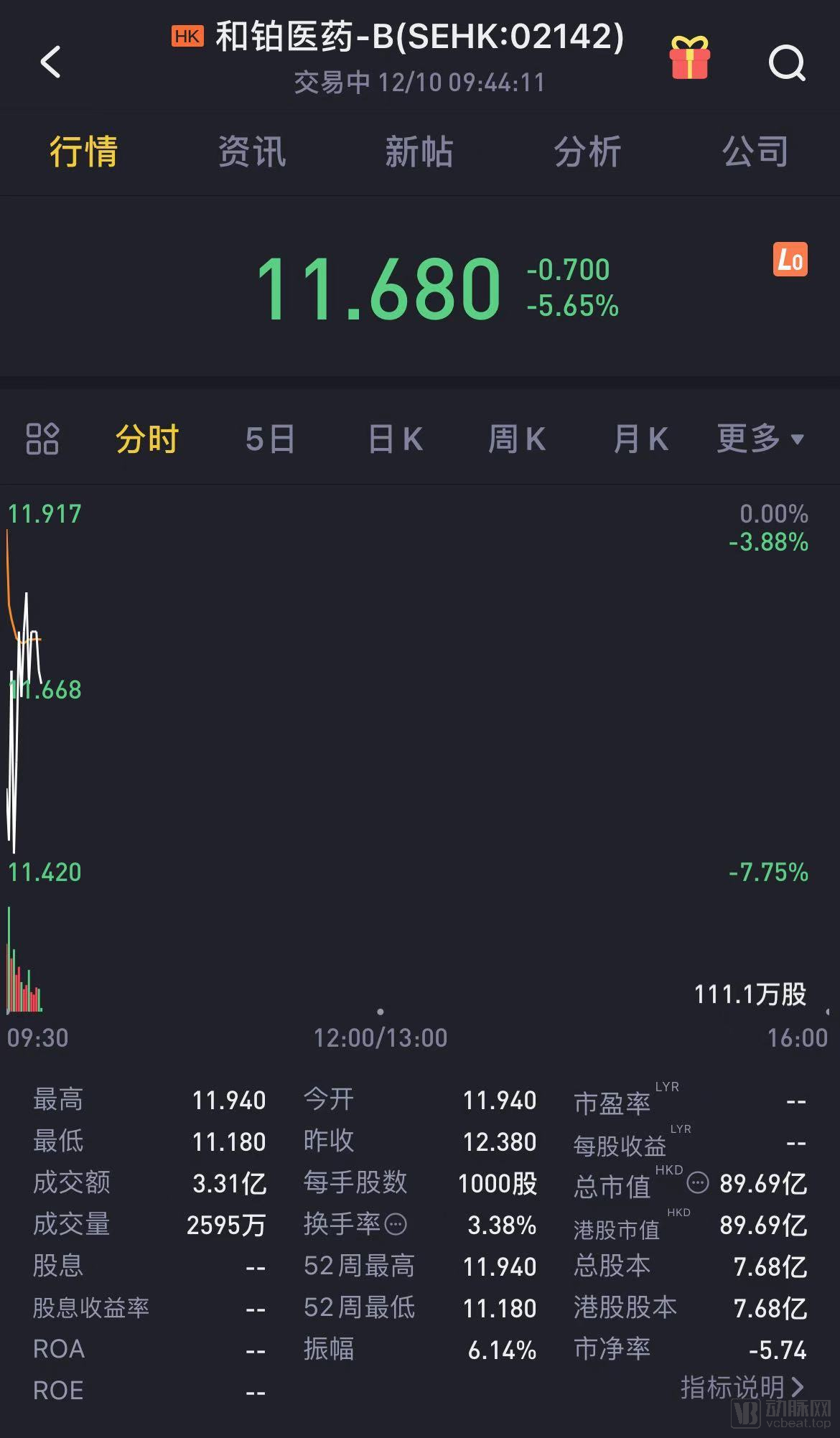
Image from Laohu Finance
Harbour BioMed’s public offering was ultimately priced at HK$12.38 per share, with a total of 138 million shares issued, raising over HK$1.7 billion. The stock opened today at HK$11.94, slightly below the issue price.
Immunotherapy is experiencing wave after wave of surging interest. In the field of autoimmune diseases, Humira continues to dominate. In cancer immunotherapy, targets such as CTLA-4, CD47, and TIGIT have sequentially become hotspots, attracting intensive investment from numerous innovative pharmaceutical companies. As a company founded only in 2016, Harbour BioMed is not at the forefront in terms of R&D progress. Nevertheless, the primary market has consecutively provided Harbour BioMed with over $300 million in funding support.
What core technologies has Harbour BioMed mastered that have garnered strong favor from major investment institutions? Building on these core technologies, what product pipeline has Harbour BioMed established?
Over the past three years, we have witnessed numerous innovative pharmaceutical companies with strong executive leadership list on the Hong Kong Stock Exchange, and Harbour BioMed is no exception. The founding team of Harbour BioMed is led by Dr. Wang Jinsong, who, prior to starting his venture, possessed a dual background as a clinician and a pharmaceutical executive, boasting an impressive array of accolades. He has served as Chairman of the China Advisory Board of the Drug Information Association (DIA), Standing Committee Member of the Precision Oncology Professional Committee of the Chinese Anti-Cancer Association, and Director of Drug Discovery and Clinical Pharmacology at Bristol-Myers Squibb (BMS). His last role before founding Harbour BioMed was at Sanofi, where he served as President of the China R&D Center and Head of Translational Medicine for the Asia-Pacific region.
To establish a foothold in the current biopharmaceutical industry, an outstanding founder is necessary but not sufficient; a mature technology platform is also required for support. In December 2016, Harbour BioMed was established in Shanghai and simultaneously secured $50 million in Series A financing from Legend Capital and Shangcheng Capital. Shortly after its establishment, Harbour BioMed acquired the Dutch biotechnology company Harbour Antibodies.
Since 2019, Harbour Antibodies has been developing its two major transgenic mouse platforms for fully human antibody discovery. Prior to its acquisition, it had licensed these technologies to more than 30 pharmaceutical companies and research institutions. Building on the Harbour Antibodies technology, Harbour BioMed established its core technological platforms: the HCAb platform and the H2L2 platform, collectively known as the Harbour Mice platform.
Harbour BioMed holds the exclusive global rights to use and develop the Harbour Mice® platform and maintains an open mindset in seeking collaborative opportunities with other enterprises. According to information on its official website, Harbour BioMed has established partnerships with more than 45 institutions worldwide, including multinational pharmaceutical companies, biotechnology firms, and academic platforms. The platform has been applied to over 200 R&D projects, six of which have advanced into clinical development.
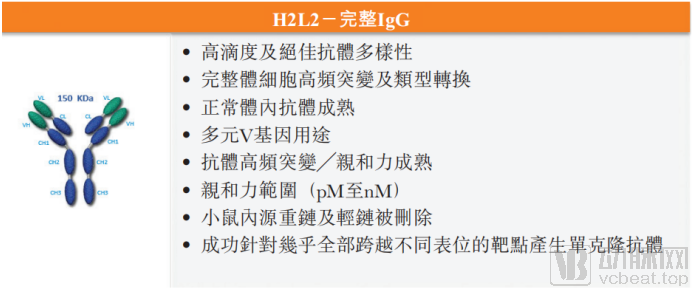
The H2L2 platform is a foundational antibody R&D platform used to produce fully human conventional antibodies in mice, helping Harbour BioMed enhance the speed and efficiency of antibody drug discovery and validation.
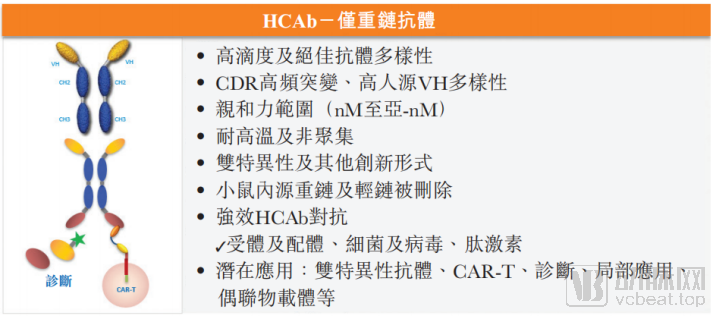
The HCAb platform represents a key technological differentiator between Harbour BioMed and other innovative pharmaceutical companies in China. Conventional antibodies are composed of two heavy chains (H chains) and two light chains (L chains), whereas HCAbs are “heavy-chain-only” antibodies, consisting solely of two heavy chains with the light chains absent. Consequently, while maintaining robust antigen-binding capability, HCAbs have a significantly smaller molecular weight—approximately half that of conventional antibodies.
HCAbs can be developed as standalone therapeutics; more importantly, their unique characteristics allow them to be engineered for diverse applications. For instance, they can be converted into minimal antigen-binding proteins, namely single-domain antibodies consisting solely of the VH (variable heavy) domain; coexist with conventional bispecific antibodies; or be flexibly designed in symmetric or asymmetric formats. These features render HCAbs more flexible than classical antibodies in design and application, making them better suited for a wide range of scenarios.
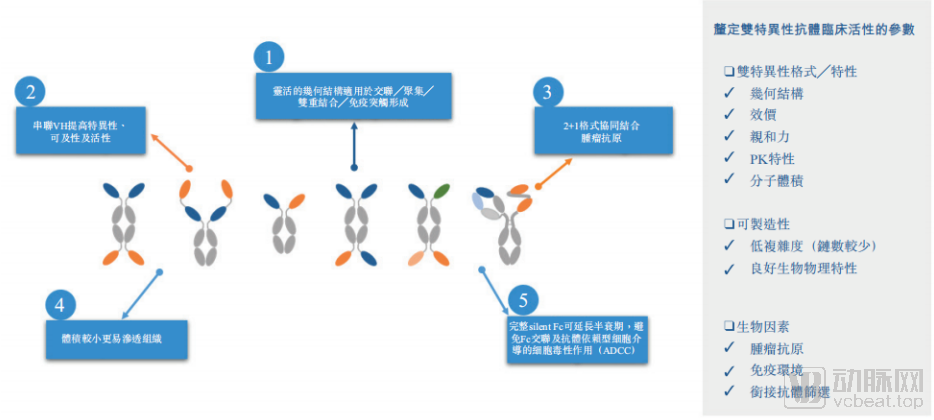
Therefore, building upon its HCAb platform, Harbour BioMed independently developed the HBICE platform to extend the value of the HCAb platform to bispecific antibodies. Leveraging the structural characteristics of HCAbs, bispecific antibodies designed and produced via the HBICE platform can be flexibly engineered into diverse geometric configurations and domain arrangements to meet clinical application requirements across various scenarios.
The three major technology platforms—H2L2, HCAb, and HBICE—have established Harbour BioMed’s technological barriers through a progressively layered approach. The H2L2 platform serves as the foundation, with the HCAb platform at its core, while the HBICE platform, built upon it, further refines the precise positioning of products in clinical applications. Moreover, according to a report by Frost & Sullivan, Harbour BioMed is the only company in China that leverages the differentiated attributes of fully human HCAbs to develop HCAb-based immune cell engagers.
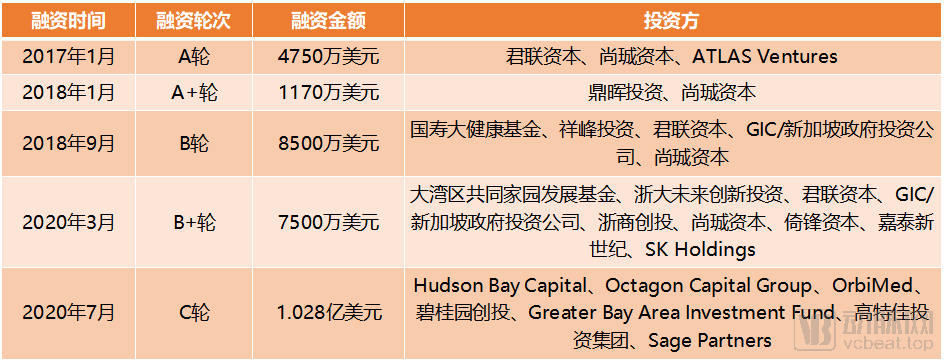
With top-tier executives and a proprietary technology platform, Harbour BioMed naturally emerged as a star project in the primary market. By the time of its IPO, the company had completed five rounds of financing, raising a total of over USD 312.8 million. During the Series A to B+ rounds, leading domestic investment firms such as CDH Investments entered as early as the Series A+ round, while early backers like Legend Capital continued to increase their investments. The Series C round further attracted international capital from investors including Hudson Bay Capital and OrbiMed.
Legend Capital led Harbour BioMed’s Series A financing round in 2016 and continued to make additional investments in subsequent funding rounds, making it one of the company’s earliest institutional investors. Over the years, Legend Capital has accompanied the company throughout its growth, providing support and assistance in team building, financial budget management, and IPO advisory services.
Wang Junfeng, Managing Director at Legend Capital, stated: “Congratulations to Harbour BioMed and to its team led by founder Wang Jinsong. Over the nearly five years of investment cooperation between Legend Capital and Harbour BioMed, we have built a strong partnership. As an investor, we have consistently maintained strong confidence in Harbour BioMed’s development in the field of innovative drugs. Leveraging its globally unique, independently owned heavy-chain antibody mouse platform (HCAb), the company has remained at the forefront of next-generation antibody research and development. I believe that, with more abundant financial support following its listing, Harbour BioMed will further accelerate the market launch of its existing clinical pipeline, thereby benefiting more patients.”
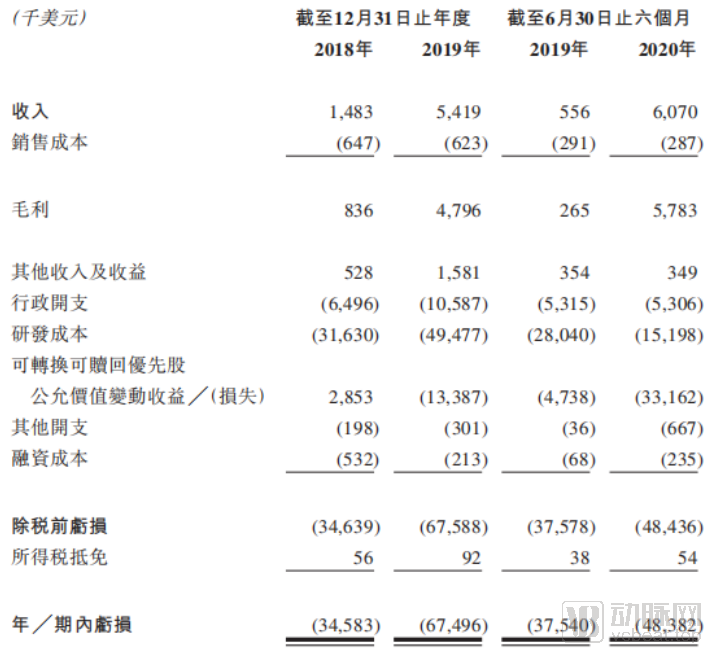
Harbour BioMed is one of the few innovative pharmaceutical companies that have gone public in recent years and generated operating revenue, while also maintaining rapid growth in recent years. Its revenue was only $1.48 million in 2018, which grew to $5.42 million by 2019. Moreover, its revenue for the first half of 2020 alone reached $6.07 million, surpassing the full-year revenue of 2019.
Although these revenues fall far short of Harbour BioMed’s current scale of losses, the fact that this innovative pharmaceutical company has achieved year-on-year profit growth through licensing of its technology platform even before product commercialization clearly demonstrates the strength of its technological barriers.
R&D costs remain largely in line with the norm for innovative pharmaceutical companies. R&D expenditure amounted to USD 31.63 million in 2018 and nearly USD 50 million in 2019, which is consistent with Harbour BioMed’s current pipeline configuration.
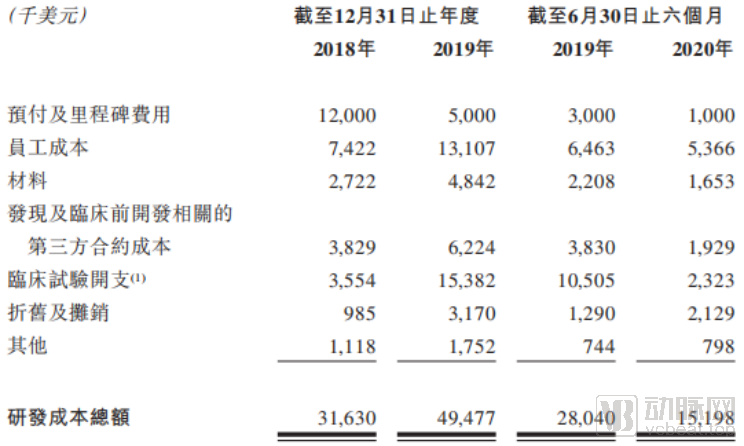
In the first half of 2020, Harbour BioMed’s R&D expenditures declined significantly, dropping to nearly half of the level recorded in the first half of 2019. Among the various components of R&D spending, clinical trial expenses saw the most pronounced decrease. On one hand, as stated in its prospectus, Harbour BioMed noted that some clinical trials were delayed due to the pandemic, although the overall impact was limited. On the other hand, the reduction in clinical investment may also be attributed to the fact that three clinical trials for its lead products, batoclimab and tanezumab, had only just commenced in the first half of the year, placing the company in a “window period” of clinical trials.
However, it is foreseeable that Harbour BioMed’s R&D expenditures will continue to rise in the future. In particular, following the completion of Phase I clinical trials for its internally developed product HBM4003, the subsequent large-scale clinical trials will drive a rapid increase in R&D spending.
Harbour BioMed’s pipeline configuration follows the standard “license-in plus in-house R&D” model adopted by innovative pharmaceutical companies in recent years. What sets it apart is that its licensed-in products focus primarily on autoimmune diseases, while its internally developed products target tumor immunology, reflecting a relatively clear strategic differentiation.
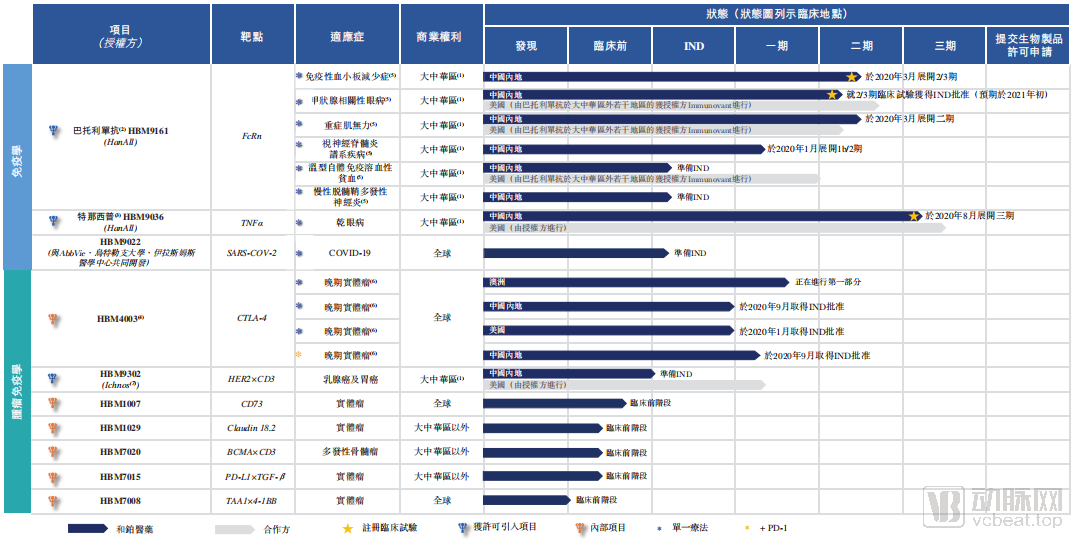
In terms of R&D sequence, the clinical progress of the in-licensed pipeline is relatively more advanced. The two leading products, batoclimab and TNX-102, were both licensed from South Korea’s HanAll Biopharma in 2017, with Harbour BioMed holding the rights for these two pipelines in Greater China. Most of the self-developed products are still in the preclinical stage, with only HBM4003 having entered the clinical phase.
Batroliptamab is a monoclonal antibody targeting FcRn (neonatal crystallizable fragment receptor). IgG constitutes a critical functional component of the human immune system, responsible for clearing exogenous foreign substances that invade the body. In adults, FcRn functions to maintain immunoglobulin G (IgG) levels by slowing its degradation in lysosomes.
However, in patients with autoimmune diseases, IgG is the core driver of pathogenesis. Therefore, the value of FcRn monoclonal antibodies lies in their ability to reduce IgG levels in patients by inhibiting the function of the FcRn protein. This implies that FcRn monoclonal antibodies can play a role in controlling most autoimmune diseases. Consequently, this target has become one of the hot targets in the field of autoimmune diseases, with multiple pharmaceutical companies worldwide, including Alexion and UCB, actively developing FcRn inhibitors.
Immunovant holds the rights to batoclimab outside of Greater China. The company’s pipeline consists solely of this investigational product. Despite this, Immunovant’s stock price has soared since its IPO, bringing its current market capitalization to nearly $5 billion.
Following this logic, Harbour BioMed’s market capitalization should exceed that of ImmunoVant.
In May 2019, Immunovant presented the Phase I clinical trial results of batoclimab at the American Academy of Neurology (AAN) annual meeting. The reduction in total IgG across all dose groups demonstrated a strong dose-dependent relationship, with a mean decrease of 47% in the highest dose group (765 mg). In the multiple-dose regimen group (once weekly), IgG levels decreased by more than 75%. Most importantly, the drug exhibited a favorable safety and tolerability profile; all adverse events were mild to moderate in severity, with no serious adverse events reported. Furthermore, no patients withdrew from the clinical trial due to adverse events.
With the “blockbuster” Humira setting a high benchmark, the addressable market for autoimmune diseases remains vast. Given that no FcRn monoclonal antibodies have yet been approved, clinical trial results disclosed to date suggest that batoclimab has the potential to become best-in-class, indicating strong future market prospects. Within Harbour BioMed’s R&D pipeline, batoclimab’s most advanced indication—immune thrombocytopenia (ITP)—has entered Phase II/III clinical trials and is well-positioned to become the company’s first marketed drug.
When discussing Humira, it is essential to mention Harbour BioMed’s second product, taneciput, which currently has the most advanced clinical development progress. Taneciput shares the same target as Humira (adalimumab), namely TNF-α. However, in terms of indications, both the clinical trials conducted by Harbour BioMed in China and those carried out by HanAll overseas are targeting dry eye disease, a therapeutic area not yet addressed by Humira.
Dry eye disease ranks among the top three ophthalmic indications in terms of prevalence. Xiidra, the world’s first prescription eye drop developed by Shire and acquired by Novartis for a total of $5.3 billion, is currently the star drug in the dry eye disease sector.
At the recently concluded 25th National Ophthalmology Academic Conference of the Chinese Medical Association, Harbour BioMed announced the results of the Phase II VELOS-2 clinical study of tanezumab eye drops in Chinese patients with moderate-to-severe dry eye disease. The overall findings were consistent with those of the Phase II clinical trial (VELOS-1) conducted by HanAll in the United States, demonstrating significant improvement in signs as measured by corneal staining score (a metric for corneal damage), excellent tolerability, and comfort levels comparable to placebo.
In the symptom assessment, compared with placebo, 0.25% HL036 eye drops significantly improved the Ocular Discomfort Score (ODS) at Week 2 (p = 0.0624) and Week 4 (p = 0.0570), but did not reach statistical significance (p < 0.05); at Week 8, this was due to an enhanced placebo effect commonly observed in dry eye trials. However, the study confirmed a statistically significant improvement in the Eye Dryness Score (EDS) at Week 8 (p = 0.0334).
The statistical significance of symptom improvement at 8 weeks in the Phase II clinical trial of Tenaxip was one of the primary endpoints in Xiidra’s pivotal registration trials. Given the substantial market size for dry eye disease, Tenaxip’s successful achievement of this endpoint positions it as a potential blockbuster drug in the dry eye therapeutic area.
During this year’s COVID-19 pandemic, Harbour BioMed responded rapidly and collaborated with Utrecht University and Erasmus University Medical Center in the Netherlands to develop HBM9022, a fully human antibody against the novel coronavirus. This drug targets a conserved region of the coronavirus spike protein, meaning that HBM9022 not only holds promise for treating COVID-19 but also shows potential for combating other coronaviruses that may emerge in the future.
This drug also attracted a collaboration opportunity with AbbVie for Harbour BioMed. Shortly after Harbour BioMed announced the news, in June 2020, AbbVie announced that it had reached a strategic partnership with the development team of HBM9022 to jointly advance the drug's research and development process.
In its oncology immunology pipeline, Harbour BioMed’s three major technology platforms have been fully leveraged.
HBM4003, the most advanced candidate in development, is a CTLA-4 antibody. Although ipilimumab, the already marketed drug, has shown modest performance, CTLA-4 remains one of the most promising targets in immunotherapy. Its potential lies not only in monotherapy for cancer treatment but also in combination with other immunotherapeutic agents targeting PD-1/PD-L1, thereby addressing the issue of low response rates in immunotherapy.
Popular targets such as CTLA-4 naturally face a complex competitive landscape; therefore, Harbour BioMed has formulated a comprehensive development strategy to safeguard the future R&D progress of HBM4003.
In terms of clinical trial design, monotherapy and combination therapy are being advanced simultaneously. Two Phase I clinical trials evaluating the drug as a monotherapy and in combination with a PD-1 inhibitor for patients with advanced solid tumors both received Investigational New Drug (IND) approval from the Center for Drug Evaluation (CDE) in September 2020. Regarding global development, clinical trials for HBM4003 have been conducted in China, Australia, and the United States.
The remaining products, whether the licensed-in HBM9302 or several self-developed candidates, are still in the preclinical R&D stage. In terms of target selection, most are major hotspots in immunotherapy in recent years, such as CD73, Claudin 18.2, and PD-L1/TGF-β.
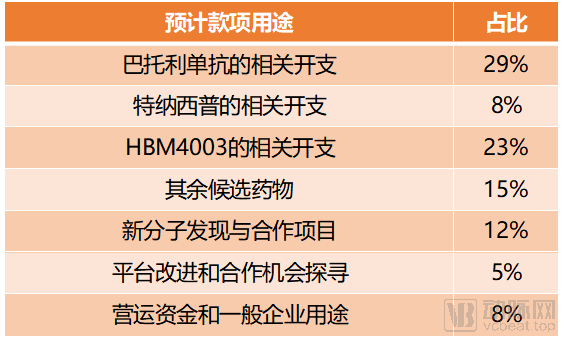
Harbour BioMed’s planned use of financing proceeds is largely consistent with its pipeline distribution. Priority in fund allocation is given to batoclimab, tanaximab, and HBM4003, which are among the assets with faster R&D progress. Notably, tanaximab has been allocated a relatively modest portion of the funds, accounting for only about 8% of the total financing. This suggests that, after completing relevant studies for dry eye disease and achieving market launch, Harbour BioMed may not pursue further indication expansions for this drug in the near term.
If Harbour BioMed were merely an ordinary biopharmaceutical innovator, its drug target portfolio would likely draw criticism. Most of these targets already have leading candidates in Phase II/III clinical trials, such as zolbetuximab targeting Claudin 18.2 and M7824 targeting PD-L1/TGF-β. Harbour BioMed’s product development is only just getting underway, with some assets still in the preclinical stage; from any perspective, it appears to have missed the optimal window for market entry.
However, Harbour BioMed’s HCAb and HBICE platforms have made it possible to gain a competitive edge as a late mover. The structural advantages of “heavy-chain-only” antibodies provide every product developed by Harbour BioMed with the opportunity to become “Best-in-Class.” If these products can demonstrate superior clinical value compared to competitors, entering the market later is not a disadvantage; instead, it becomes an advantage by allowing the company to avoid pitfalls and leverage lessons learned from the development processes of pioneering products.
Of course, given the limited clinical experience with “heavy-chain-only” antibodies, we cannot accurately assess the magnitude of clinical value that Harbour BioMed will deliver in the future. At the very least, this potential represents a clear advantage for Harbour BioMed, which is still in the early stages of research and development.