

Professor Pan Shiyang of Jiangsu Provincial Hospital: Circulating Tumor Cell Detection Has a Long Way to Go
November 13–14, 2020 – The “2020 China POCT Annual Conference,” co-hosted by the Point-of-Care Testing (POCT) Branch of the China Association for Medical Device Industry and the People’s Government of Jiangbei District, Chongqing Municipality, was held in Chongqing. Under the slogan “BeiDou + 5G: Building the Dream of China’s POCT” and themed “Precision Epidemic Control, Health for All,” the conference featured discussions on topics including POCT applications, nanozymes and POCT, ultrasound testing, POCT and primary healthcare, and POCT and the Six Major Centers. The event comprised a plenary session, thirteen specialized academic forums, and an exhibition showcasing corporate products.
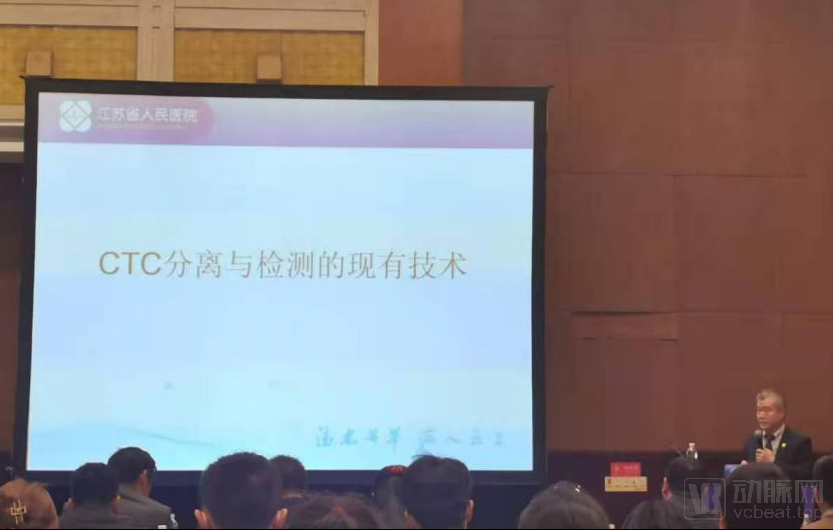
On the afternoon of the 13th, at the POCT Biomarker Translation Subforum,Professor Pan Shiyang, Director of the Department of Laboratory Medicine, Jiangsu Province HospitalDelivered a presentation titled “Existing Technologies for CTC Isolation and Detection,” with VCBeat compiling its key insights.
Pan Shiyang: Professor, Researcher, Chief Physician, and Doctoral Supervisor. He serves as the Director of the Department of Laboratory Medicine at Jiangsu Province Hospital and the Chair of the Department of Clinical Laboratory Science at Nanjing Medical University. He concurrently holds positions including Vice Chairman of the Laboratory Medicine Branch of the Chinese Medical Association, Standing Director of the Laboratory Physicians Branch of the Chinese Medical Doctor Association, and Vice Chairman of the Point-of-Care Testing (POCT) Branch of the China Medical Devices Industry Association. He discovered SP70, a molecular biomarker for the diagnosis and treatment of tumors such as non-small cell lung cancer (NSCLC), and has been granted nine national invention patents and three international invention patents. Based on his patented research achievements, he has established multiple innovative diagnostic technologies, including liquid biopsy, which have been promoted and applied in clinical oncology diagnosis and treatment. Over the past five years, he has presided over numerous provincial and national research projects. He served as the editor-in-chief of the 2-million-word academic masterpiece *Clinical Molecular Diagnostics*, published by the People’s Medical Publishing House in 2013. He has published more than 60 high-level academic papers indexed by SCI and Medline.
Traditional biopsy has many limitations and cannot detect the heterogeneous changes in the tumor development process.
Tumor tissues contain abundant neovascularization. Tumor cells can disrupt blood vessels and thereby enter the systemic circulation. In the early stages of tumorigenesis, these cells are killed and cleared by the immune system, thus failing to form distant metastatic lesions. However, as tumor cells proliferate locally, heterogeneity changes lead to the continuous emergence of newly mutated tumor cells with increasingly enhanced survival capabilities. At this stage, some tumor cells can evade the immune system by suppressing or escaping cellular immunity, allowing them to persist in the bloodstream for extended periods.
Circulating Tumor Cells(Circulating Tumor Cell, CTC) refers to tumor cells that detach from primary or metastatic tumors and enter the bloodstream.
Professor Pan noted that traditional biopsies have many drawbacks, such as causing significant discomfort to patients during tumor sample needle aspiration; carrying clinical risks; and being impractical for certain tumors due to their anatomical locations. The most critical limitation is that tissue biopsy cannot assess the temporal and spatial heterogeneity of tumors.
As tumor cells continuously generate new mutations, akin to bacteria, novel populations of tumor cells emerge. In cases of recurrence following early-stage tumor resection, the original diagnostic tumor specimen is often no longer representative of the subsequently developed tumor foci. At this stage, performing a repeat biopsy presents greater challenges and carries similar risks.
CTC testing enables continuous, dynamic monitoring and assessment of all stages of tumor progression.
As a promising alternative to tumor biopsy, CTC detection offers high specificity for the diagnosis of metastatic cancer by identifying tumor cells that have detached from solid tumors and entered the bloodstream. This approach enables the identification of all types of tumor cells and facilitates further molecular biological and genetic analyses of the tumor.
Compared with biopsy, CTC detection is non-invasive and allows for continuous, dynamic monitoring to assess various stages of tumor progression. Studies have demonstrated that CTCs can be used to evaluate tumor heterogeneity and mutation status. Therefore, CTC detection serves as a crucial tool in the clinical management of cancer.
Due to the extremely low concentration of circulating tumor cells (CTCs) in peripheral blood, the enrichment of tumor cells is particularly crucial. Generally, there are two approaches for enriching tumor cells: one involves identification and enrichment based on biomarkers present on the surface of tumor cells, while the other relies on physical characteristics such as size, specific gravity, density, and surface charge.
Currently, although various new CTC detection technologies are being continuously applied in clinical practice, due to the low abundance of CTCs in peripheral blood and their heterogeneity, no superior CTC detection systems based on novel tumor markers have emerged to date, with the exception of the CellSearch™ assay system approved by the U.S. Food and Drug Administration (FDA) in 2004.
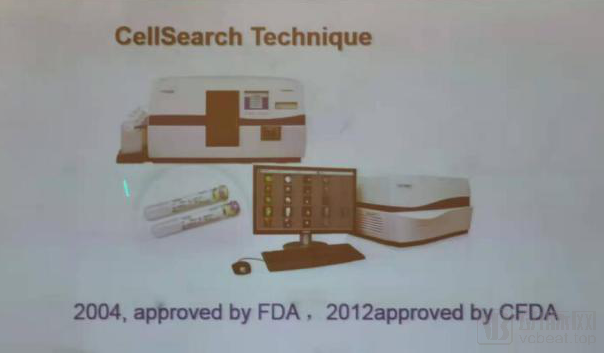
However, this detection system has not been widely promoted or applied globally due to significant flaws in the targets it selects for CTC enrichment.
CellSearch enriches circulating tumor cells (CTCs) using epithelial cell-derived antigens, specifically the epithelial cell adhesion molecule (EpCAM). Although 95% of solid tumors originate from epithelial tissue, CTCs often exhibit low or no EpCAM expression due to epithelial-mesenchymal transition (EMT) that occurs after malignant transformation and upon entry into the bloodstream. Since the marker employed is not specific to tumor cells and is poorly expressed or absent in these cells, the enrichment efficiency is low, frequently resulting in false-negative results or significantly underestimated counts.
Therefore, the discovery of new tumor-specific markers and their translational application in CTC detection are of paramount importance for the clinical detection of CTCs.
The Protein Biomarker SP70 Holds Great Potential for Prognostic Prediction in Malignant Tumors Such as Lung Cancer
Lung cancer is a common malignant tumor. Among male patients, lung cancer ranks first in both incidence and mortality rates; among female patients, it ranks second in incidence (after breast cancer) and first in mortality. Currently, the 5-year survival rate for lung cancer patients is less than 15%. Non-small cell lung cancer accounts for 80% to 85% of all lung cancer cases.
Professor Pan stated that the low five-year survival rate for lung cancer is largely attributable to the lack of effective methods for early screening and diagnosis. The detection of circulating tumor cells (CTCs) offers a glimmer of hope for the early screening and diagnosis of lung cancer patients. Professor Pan mentioned that his team has identified a protein-based tumor marker—SP70, this biomarker is highly expressed in the cytoplasm and on the cell membrane of non-small cell lung cancer (NSCLC) cells as well as other types of malignant tumor cells, and it can regulate the expression of more than 1,000 downstream genes. SP70 is a key protein that promotes tumor cell proliferation, invasion, and metastasis. Professor Pan’s team named the monoclonal antibody corresponding to this biomarker (antigen)NJ001。
The discovery of the SP70 marker enables specific enrichment of CTCs, which can be used not only for cytological diagnosis but also for NGS testing of DNA extracted from these cells, demonstrating significantly superior performance compared to ctDNA.
Furthermore, through clinical studies, Professor Pan’s team discovered that a significant number of early-stage lung cancer patients with high SP70 expression died from tumor recurrence within three years after surgical resection. Therefore, detection of this biomarker holds great potential for prognostic prediction in malignant tumors such as lung cancer.
Currently, the SP70 kit has obtained EU certification. In October 2018, the Serum SP70 ELISA Detection Kit received special innovative approval from the China Food and Drug Administration (CFDA). The new CTC detection technology based on the novel tumor marker SP70 will soon be applied in clinical practice.
CTC testing is currently developing rapidly, but before it can be widely adopted in clinical practice, more efforts and explorations are needed for research on new tumor markers—the path to CTC testing remains long and arduous.