

FTC2020: New Opportunities in Cardiovascular Surgery — Launching a Heart Academy and Think Tank to Foster Deep Integration of Industry, Academia, Research, and Clinical Practice
How Should Cardiac Surgery Departments Be Developed? How Should Talent Be Cultivated? How Can Industry, Academia, Research, and Clinical Practice Engage in Deep Collaboration?
With these questions in mind, leading cardiovascular surgery experts from Shaanxi Provincial People’s Hospital, Guangdong Provincial People’s Hospital, TEDA International Cardiovascular Hospital, The First Affiliated Hospital of China Medical University, The First Affiliated Hospital of Zhengzhou University, Nanjing Drum Tower Hospital, Beijing Anzhen Hospital, Zhongshan Hospital Fudan University, Xijing Hospital of Air Force Medical University, Fuwai Hospital Chinese Academy of Medical Sciences, and the Chinese PLA General Hospital, together with prominent guests from the investment community, industry, and research institutions, convened at the 2020 FTC Forum to jointly discuss the current state of cardiovascular surgery development in China, as well as the challenges and opportunities it faces.
At the FTC 2020 Forum, the first Cardiac Surgery Practical Training Academy was established, creating a standardized training system for clinical reasoning and surgical techniques among cardiac surgeons. Additionally, the Cardiovascular Industry-Academia-Research-Medicine Think Tank Platform was launched, building a communication bridge between clinical medical experts and investment institutions involved in the cardiovascular industry, thereby further promoting deep integration among industry, academia, research, and medicine.
The Heart Era · China Cardiac Surgery Frontier Technology Forum · 2020 FTC Conference was hosted by the Cardiac Surgery Professional Committee of the Chinese Medical Education Association and the Cardiovascular Surgery Technology and Engineering Branch of the Chinese Medicine Biotechnology Association, and organized by VCBeat.
Below is a summary of the key highlights from this forum.
With the number of cardiovascular disease patients in China approaching 300 million, the shortage of cardiovascular specialists has become increasingly prominent, particularly the severe scarcity of cardiac surgeons and subspecialty talent. How to better develop cardiac surgery departments has become a critical challenge for hospitals striving to strengthen their cardiac surgery capabilities.
Professor Cai Zhenjie, former Director of the Department of Cardiovascular Surgery at Xijing Hospital, shared the strategic initiatives undertaken to drive the rise of Xijing Hospital’s cardiovascular surgery program. As one of the top five large regional cardiac centers in China, the department was originally established by Professor Su Hongxi, who performed the first open-heart surgery using cardiopulmonary bypass in the country. In 1997, Professor Cai transferred from Tangdu Hospital to serve as Director of Cardiovascular Surgery at Xijing Hospital. During his six-year tenure, he spearheaded a significant expansion of the program, increasing the annual number of cardiac surgical cases from 300 to 1,500.
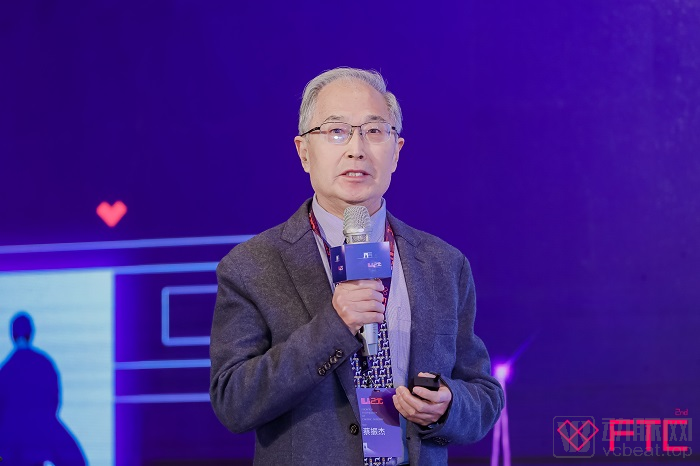
Professor Cai Zhenjie, Department of Cardiac Surgery, Xijing Hospital
During this process, he chose to start with team building and professional subgrouping within the department. By fostering unity and encouraging healthy competition, he further refined the surgeons’ operative skills. In the face of a scarcity of surgical cases, he overrode dissenting opinions to implement professional subgrouping in cardiac surgery, dividing it into the Infant and Toddler Group (under 3 years old), Congenital Heart Disease Group (over 3 years old), Coronary and Great Vessel Group, Valvular Group, Thoracoscopic Group, Interventional Group, and Heart Failure Treatment Group. This decision on subgrouping played a crucial role in the subsequent rise and development of Xijing Hospital.
Professor Zhuang Jian of Guangdong Provincial People’s Hospital and Guangdong Cardiovascular Institute highlighted the importance of a stepwise approach to building cardiac surgery departments. After establishing a clinical and academic cluster for pediatric congenital heart disease (CHD) surgery and addressing treatment needs in this population, they initiated the development of an adult CHD surgical cluster, primarily serving pregnant women with heart disease and patients whose fetuses have been diagnosed with cardiac anomalies. Meanwhile, they are also exploring supportive systems for the advancement of CHD surgery, such as establishing the Key Laboratory of Structural Heart Disease in South China, an epidemiology laboratory, and laboratories dedicated to artificial intelligence and 3D visualization, thereby further accelerating the rapid development of cardiac surgery services.
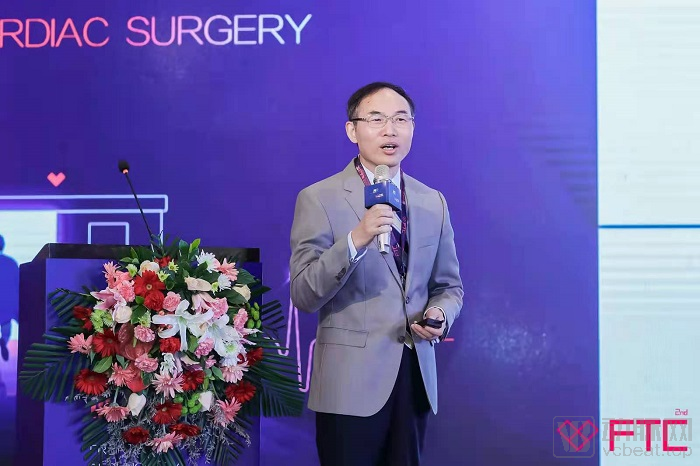
Professor Zhuang Jian, formerly of Guangdong Provincial People's Hospital and Guangdong Cardiovascular Institute
In reality, the development and advancement of a department may ultimately hinge on talent. Professor Xu Jianping from the Department of Cardiac Surgery at Fuwai Hospital discussed what it takes to become a good physician. He stated that as a mentor, one must lead by example through both words and actions; as a physician, one must have the courage to take responsibility.
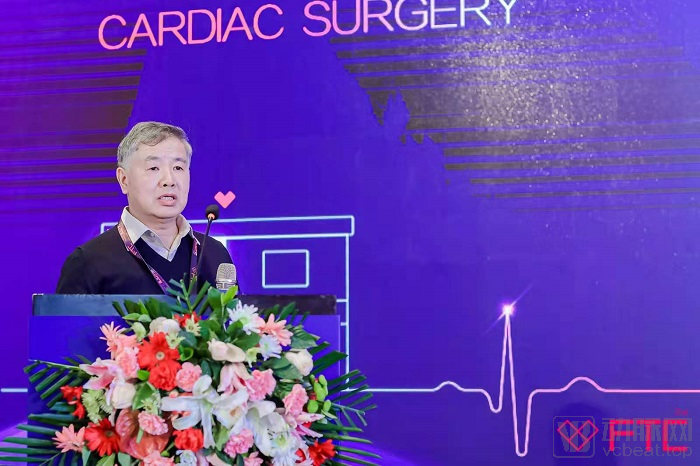
Professor Xu Jianping, Department of Cardiac Surgery, Fuwai Hospital
Professor Sun Lizhong, the President-Elect of the Chinese Society for Thoracic and Cardiovascular Surgery, also pointed out that cardiac surgeons need to address patients’ disease conditions. “Everything for the patient, for all patients,” he emphasized, adding that “the ultimate goal of scientific research and innovation is to solve clinical problems.”
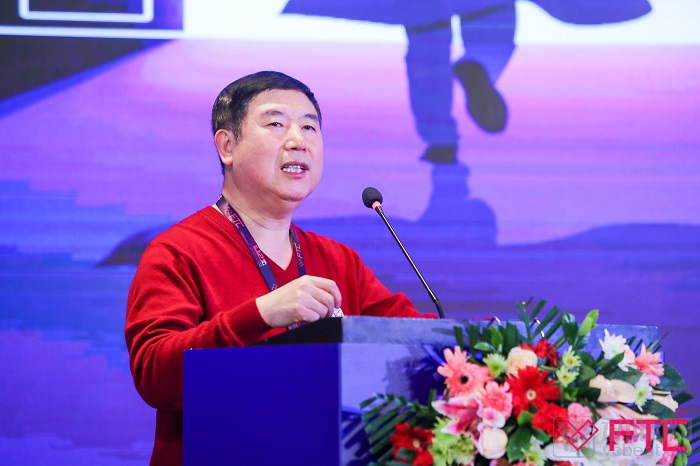
Professor Sun Lizhong, President-Elect of the Chinese Society of Thoracic and Cardiovascular Surgery, Chinese Medical Association
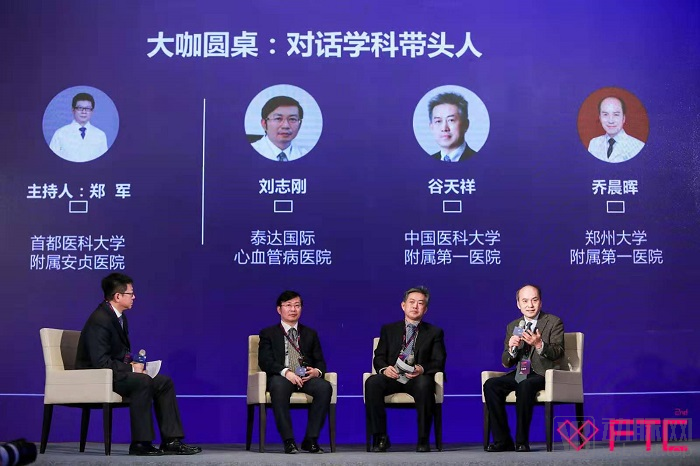
Professor Liu Zhigang from TEDA International Cardiovascular Hospital, Professor Gu Tianxiang from the First Affiliated Hospital of China Medical University, and Professor Qiao Chenhui from the First Affiliated Hospital of Zhengzhou University also discussed the development of cardiac surgery departments and talent cultivation. They believed that, in addition to learning from the experiences of other hospitals, institutions should provide physicians with opportunities for professional growth. Furthermore, hospitals should prioritize their online presence, enabling truly distinguished experts to establish a strong digital footprint, thereby better facilitating the development of hospital departments.
Among common aortic diseases, the diagnosis and surgical management of aortic dissection can serve as an indicator of a department’s development. Currently, multiple countries, including China, have established aortic dissection registries. In China, there are 69,000 newly diagnosed cases of aortic dissection each year. For these patients—particularly those with Type A aortic dissection—surgical intervention is the only treatment option. Professor Yu Cuntao from Fuwai Hospital, Chinese Academy of Medical Sciences, stated, “Approximately 44,000 patients require surgical treatment annually, and the incidence of aortic dissection continues to rise with population aging.”
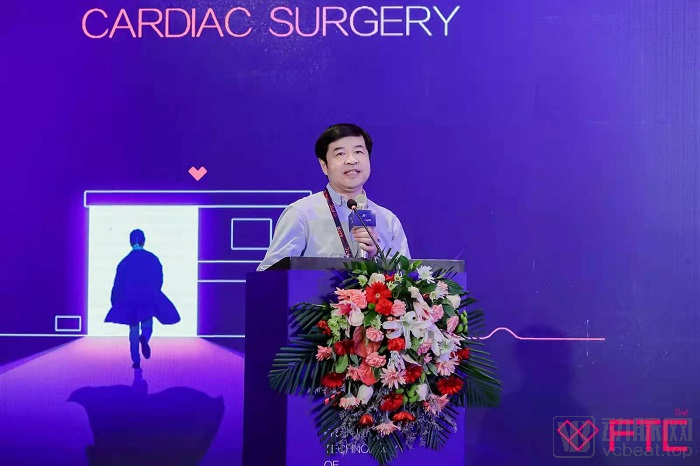
Professor Yu Cuntao, Fuwai Hospital, Chinese Academy of Medical Sciences
In the treatment of patients with Type A aortic dissection, the Sun’s procedure (total arch replacement combined with stented elephant trunk implantation) is commonly adopted in China, whereas hemiarch replacement is typically preferred abroad. During treatment, clinicians must address organ perfusion injuries (such as cerebral and gastrointestinal hypoperfusion syndrome) and long-term adverse events (including anastomotic leakage, endoleak, and new-onset dissection), while also monitoring for issues like expansion of the residual dissection. Currently, continuous improvements to the Sun’s procedure are being made in China, such as upper mini-sternotomy for stent-assisted aortic arch replacement and priority revascularization of supra-aortic branches. The emergence of sutureless stented graft materials has also significantly improved the survival rate of patients with Type A aortic dissection.
During endovascular reconstruction of aortic branch vessels, Professor Guo Wei from the Department of Cardiovascular Surgery at the Chinese PLA General Hospital analyzed the limitations of currently available techniques, including the “octopus” technique, multilayer flow modulator (MFM) stents, the “periscope/chimney” technique, and the “sandwich” technique. In his view, endovascular reconstruction of branch vessels represents the greatest challenge in TEVAR/EVAR; branch-specific techniques will become the mainstream approach for such reconstructions; more evidence is needed regarding the long-term outcomes of endovascular branch vessel reconstruction; and the treatment of complex aortic lesions requires a multimodal approach.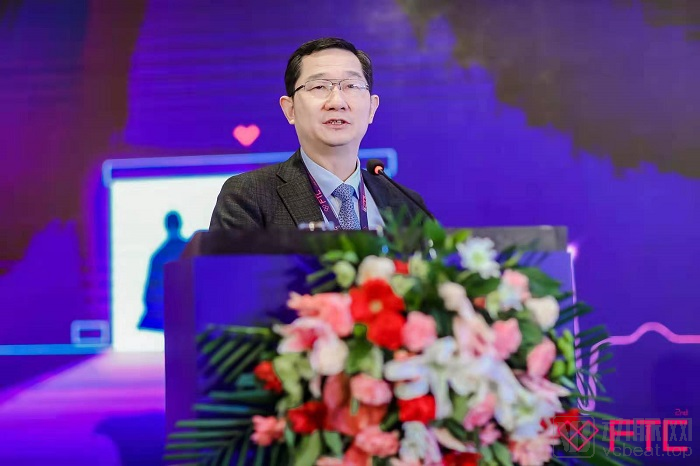
Professor Guo Wei, Department of Cardiovascular Surgery, Chinese PLA General Hospital
In recent years, with continuous development, we have witnessed the emergence of more interventional procedures, and the introduction of new materials is reshaping the cardiovascular surgery industry. Professor Wei Lai from Zhongshan Hospital Affiliated to Fudan University stated that interventional techniques are transforming valvular surgery, with the number of transcatheter aortic valve procedures beginning to surpass those of traditional surgical aortic valve replacements. However, he also noted that the indications for interventional procedures require further discussion. While reasonable transcatheter valve surgeries demonstrate greater health economic benefits in the long term, caution is currently needed regarding the harm that inappropriate transcatheter valve procedures may cause to both patients and physicians. He recommended that younger patients opt for traditional surgical treatment. For valvular surgeons, he advised engaging in interventional procedures without abandoning traditional surgical skills.
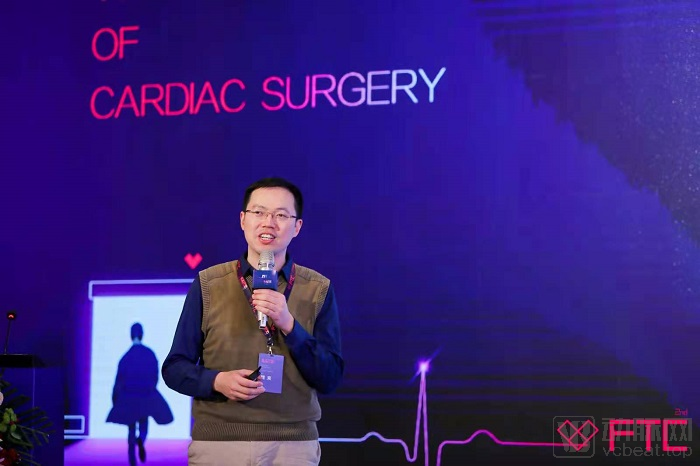
Professor Wei Lai, Zhongshan Hospital Affiliated to Fudan University
Interventional Procedures Are Reshaping Cardiac Surgery. So, What Are the Current Development Trends in Interventional Products? Professor Zuo Jian from Xijing Hospital of Air Force Medical University points out that related products are still primarily focused on the descending aorta within the thoracic aorta and the abdominal aorta below the level of the renal arteries. Currently, interventional products for the thoracic aorta are mostly optimizing existing devices while expanding toward the aortic arch and ascending aorta. Meanwhile, the therapeutic scope of interventional products for the abdominal aorta is extending into the thoracoabdominal aortic region.
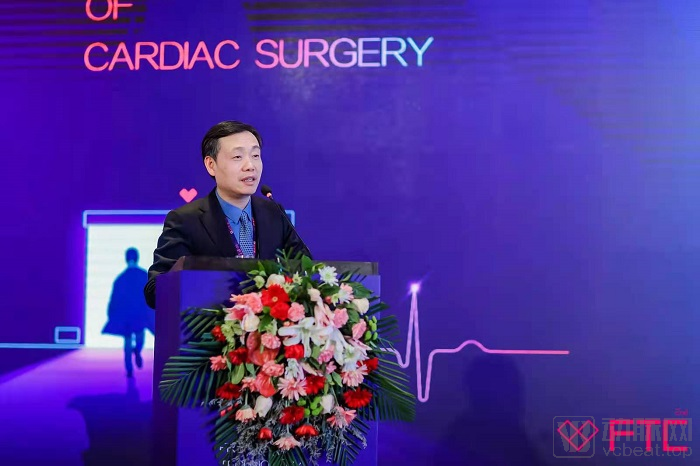 Professor Zuo Jian, Xijing Hospital, Air Force Medical University
Beyond interventional products, cardiovascular patch materials are another topic that cannot be overlooked. Professor Zheng Jun from Beijing Anzhen Hospital, Capital Medical University, has reviewed the product distribution and characteristics of domestic companies regarding surgical repair materials for various cardiovascular diseases.
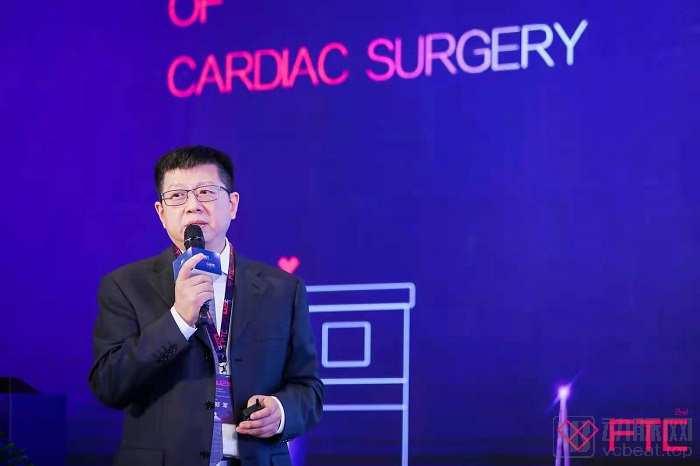
Professor Zheng Jun, Beijing Anzhen Hospital, Capital Medical University
For example, in the field of congenital heart disease (CHD), 120,000 to 200,000 infants with CHD are born annually in China. The two commonly used repair materials for treating CHD patients are occluders and cardiothoracic surgical patches. Among these, domestic alternatives have already been developed for various atrial septal defect (ASD) and ventricular septal defect (VSD) occluders, patent ductus arteriosus (PDA) occluders, as well as polyester and biological patches. However, expanded polytetrafluoroethylene (ePTFE) patches and artificial blood vessels still rely on imports.
The development of cardiac surgery does not rely solely on hospital departmental construction, but requires collaboration among all stakeholders in the industry.
Amid an urgent shortage of talent within the department, cultivating professionals is undoubtedly of paramount importance. Regarding talent development, Zheng Yuanzhuo, Senior Professional Education Manager at Johnson & Johnson Ethicon, pointed out that the company has launched an online cloud-based Bentall procedure training project, which now covers 14 cities and 25 hospitals offline. More than 140 department directors, deputy directors, and senior attending physicians have actively participated in hands-on practical training sessions. He stated that future efforts will focus on providing customized courses and innovative interactive learning experiences through the JJI Learning training platform, thereby facilitating the cultivation of cardiac surgery specialists.
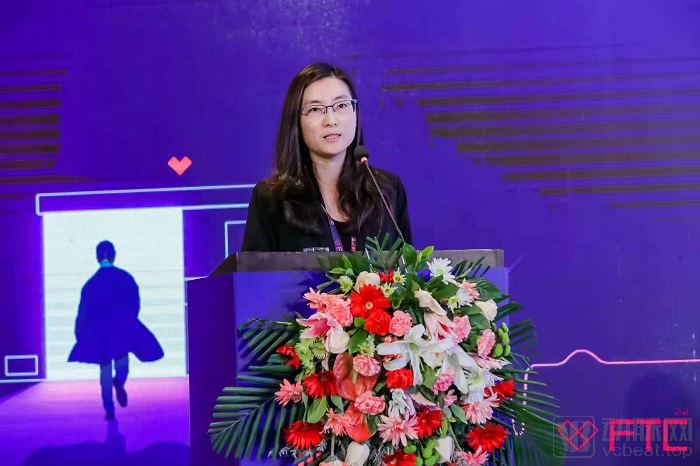 Zheng Yuanzhuo, Senior Professional Education Manager, Johnson & Johnson Ethicon
At the conference, Liu Weiting, General Manager of Abbott’s Structural Heart Disease business in China, pointed out that Abbott has long focused on the field of structural heart disease, providing innovative solutions for valvular diseases, stroke prevention, and congenital heart defects. These solutions include transcatheter mitral and tricuspid valve repair and replacement technologies. Abbott has globally launched MitraClip, a minimally invasive device for treating mitral regurgitation using catheter-based technology, as well as the Amplatzer Piccolo Occluder, the world’s first and only product indicated for closing the patent ductus arteriosus in premature infants.
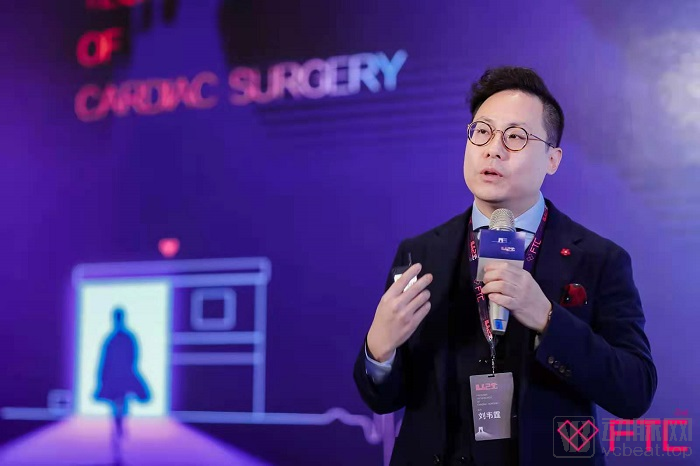
Liu Weiting, General Manager of Abbott's Structural Heart Business in China
Leng Jihai, Deputy General Manager of the Shanghai Free Trade Zone No. 1 Medical Device Innovation Industry Center, emphasized that medical device regulations and services are driving the collaborative development among industry, academia, and research. From the perspectives of demand-driven innovation and the expanded application of new technologies, product forms will evolve from focusing solely on diagnosis and treatment to encompassing prevention, diagnosis, treatment, nursing, services, and patient experience.
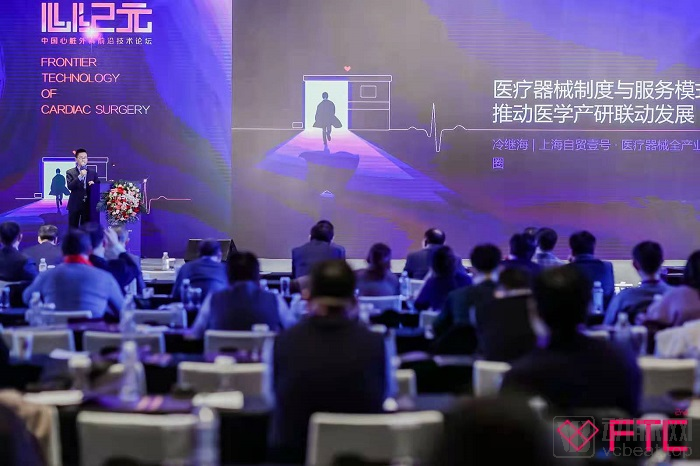
Leng Jihai, Deputy General Manager of Shanghai Free Trade Zone No. 1 Medical Device Innovation Industry Center
Xu Xiaolin, Chairman of Huagai Capital, shared his investment logic in the cardiovascular field. He pointed out that the global cardiovascular medical device market is almost monopolized by five major giants: Johnson & Johnson, Medtronic, Abbott, Boston Scientific, and Edwards Lifesciences. With the rise of domestic substitution, leading Chinese cardiovascular device companies have shown encouraging growth trends. The cardiovascular sector will continue to be a major track for future investment.
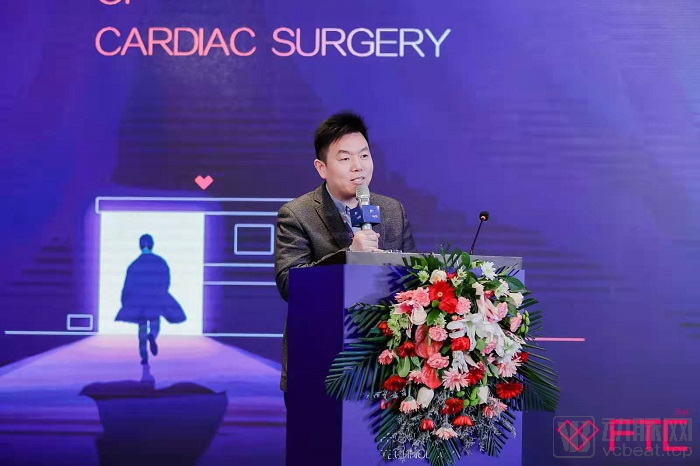
Xu Xiaolin, Chairman of Huagai Capital
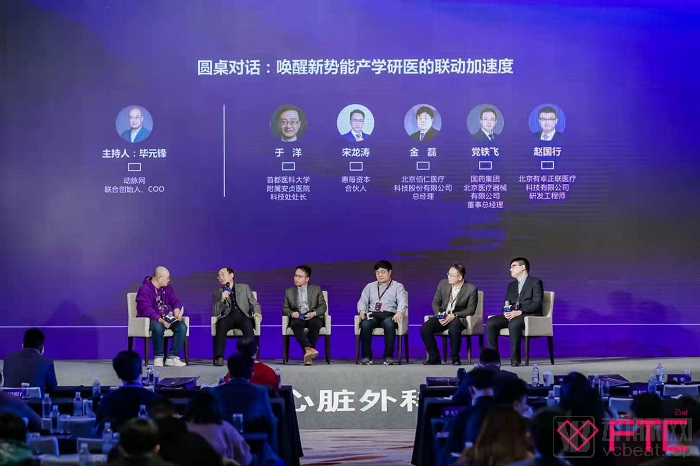
Professors Yu Yang, Director of the Science and Technology Department at Beijing Anzhen Hospital; Song Longtao, Partner at Huimei Capital; Jin Lei, General Manager of BaiRen Medical; Dang Tiefei, Managing Director of Sinopharm Beijing Medical Device Co., Ltd.; and Zhao Guoxing, R&D Engineer at Youzhuozhenglian Medical Technology, engaged in an in-depth discussion on how to foster deep collaboration among industry, academia, research, and healthcare institutions. Professor Yu Yang emphasized that clinicians require greater support during the incubation phase, while Jin Lei highlighted the importance of long-term investment. Song Longtao expressed his hope to establish a mechanism that facilitates the translation of clinical research achievements into practical applications. For the participants, the integration of medicine and engineering has become an irreversible trend.
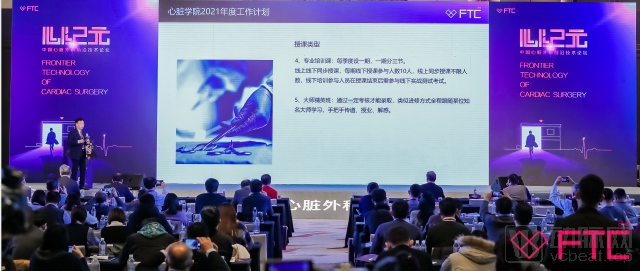
At this forum, the FTC Heart Academy was established. The first phase plans to offer specialized programs in aortic surgery, interventional valve therapy, endovascular aortic repair, video-assisted thoracic surgery (VATS), and heart transplantation. Its primary objective is to systematically disseminate cutting-edge techniques, clinical experience, theoretical knowledge, and patented technologies by assembling the most authoritative professors in cardiology and cardiac surgery. This initiative aims to usher in a new era of education and training in China’s cardiac surgery field, standardizing and enhancing the efficiency of cardiac surgeon training, while also fostering the development of subspecialty professionals in anesthesia, extracorporeal circulation, intensive care, and imaging nursing staff.
The establishment of the FTC Heart Institute holds significant importance in meeting current and future healthcare demands. In addition to providing a systematic, standardized, and regulated training platform for cardiac surgery and supplying fresh talent for the development of this medical specialty, its construction will elevate the professional standards of cardiac surgery and related subspecialties across various regions, thereby enhancing the diagnostic and therapeutic capabilities of hospital physicians. Furthermore, it will enable more young doctors to access world-class information and technologies in cardiac surgery.
The think tank platform launched at the forum aims to establish an expert pool comprising government bodies, industry players, universities, research institutes, investment capital, hospitals, and practical markets. The FTC Conference seeks to promote the development of cardiovascular disciplines and industry by effectively integrating these resources, thereby enhancing the overall level and influence of China’s cardiovascular medicine and industry, and implementing the national strategy for funding innovation. By building platforms and optimizing collaboration, the conference ultimately aims to achieve the sharing of information, achievements, and resources among industry, academia, research, and medical sectors, thereby addressing both professional and financial needs.
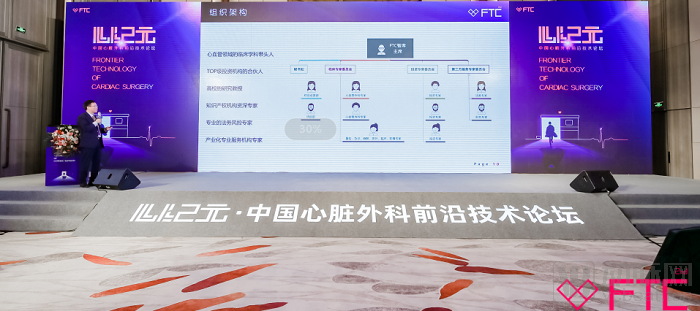
VBInsight has established a Chairman, a Secretariat, a Clinical Expert Committee, an Investment Expert Committee, and a Third-Party Service Expert Committee. Currently, it has developed a series of operational mechanisms, including funding assurance, personnel management, and outcome promotion mechanisms, to ensure its normal operation. It also encourages industry professionals to actively engage in deep interactions with the platform, fostering the profound integration of industry, academia, research, and healthcare.
To promote the standardized development of cardiac surgery and foster deep collaboration among industry, academia, research, and clinical practice, the FTC Conference has made its own contributions and will continue to dedicate itself to advancing the further development of the entire industry. VCBeat will also maintain its close attention.