

Upgrading the Commercial Health Insurance Innovation Ecosystem: Achieving Synergy Beyond 1+1
In 2018, the deficit in the medical insurance fund became a hotly debated topic. The national healthcare security system, which has been in place for two decades, appeared to show initial signs of fatigue amid the rapidly changing landscape.
In 2019, commercial health insurance sparked a wave of enthusiasm in the primary market. This year belonged to online mutual aid platforms and insurance Third-Party Administrators (TPAs). Shuidichou and Qingsongchou welcomed Xianghubao, a heavyweight competitor, while insurance TPAs sounded the charge for the accelerated development of commercial health insurance.
In 2020, the Central Committee of the Communist Party of China and the State Council issued the "Guiding Opinions on Deepening the Reform of the Healthcare Security System," which highlighted the development of commercial health insurance. Consequently, building upon existing critical illness insurance and million-yuan medical insurance products, a variety of new insurance products targeting different population segments—such as special drug insurance and Huiminbao (city-specific supplementary medical insurance)—were rapidly rolled out across various regions under policy incentives. The commercial health insurance sector entered an unprecedented period of prosperous growth.
AI HeartCare: Breaking Through the Transformation—The Fourth Session of Microsoft’s Series on Digital Innovation in Healthcare Shifts Focus to the Commercial Health Insurance Industry, Now Accelerating into the Fast Lane. Against the backdrop of the Huangpu River, panelists engaged in lively discussions on the current landscape and future prospects of commercial health insurance, exploring multiple perspectives including the synergy between commercial health insurance and basic medical insurance, the construction of health management ecosystems for insurance customers, the role of VIP customer service in enhancing client stickiness, and a panoramic analysis of China’s health insurance technology sector.
As the host of this forum, Zhang Qiang, Head of Product Strategy for the Greater Health Industry at Microsoft China, stated that transformation on the payer side is one of Microsoft’s key focuses in empowering the healthcare industry. This focus gives rise to four core scenarios: establishing high-trust user experiences, enhancing health management capabilities, reducing healthcare costs, and safeguarding health information. Microsoft will leverage digital solutions to help payers achieve their current development goals, centered around these four core scenarios.
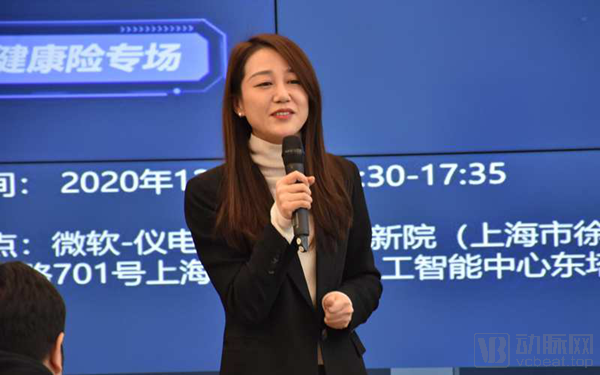
Zhu Lin, General Manager of the Microsoft-Inesa AI Innovation Institute
The forum was held at the Microsoft-Yidian AI Innovation Institute on the banks of the Huangpu River. Zhu Lin, General Manager of the Microsoft-Yidian AI Innovation Institute, stated, “AI has been a development hotspot in China in recent years. The Microsoft-Yidian AI Innovation Institute aims to leverage Microsoft’s technology to empower Shanghai and the broader Yangtze River Delta region, facilitating the translation of R&D outcomes in common AI technologies into real-world applications.”
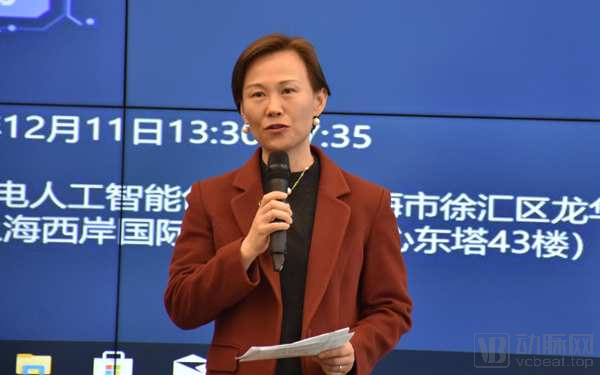
Lin Rong, Director of the PwC Innovation Center
Lin Rong, Director of PwC’s Innovation Center, moderated the forum and swiftly steered the discussion toward the commercial health insurance sector by drawing on her current professional endeavors: “We have been actively engaged in incubating and accelerating innovative technology-driven enterprises. Our portfolio includes companies in the healthcare and medical fields, firms specializing in fintech and insurtech, as well as cross-industry innovators focused on artificial intelligence and big data. Therefore, today I hope to engage with you all from the perspective of a ‘slashie’ mid-career professional, to jointly explore a range of issues pertaining to commercial health insurance.”
Unlike the mature commercial insurance systems abroad, China’s healthcare payment system has always operated with the national basic medical insurance at its core. Since the establishment of the National Healthcare Security Administration (NHSA) in late 2018, a series of cost-containment measures have been implemented, including volume-based procurement, medical insurance price negotiations, and DRG/DIP payment reforms. The frequent rollout of policies appears to reflect the unprecedented pressure currently facing the national basic medical insurance system.
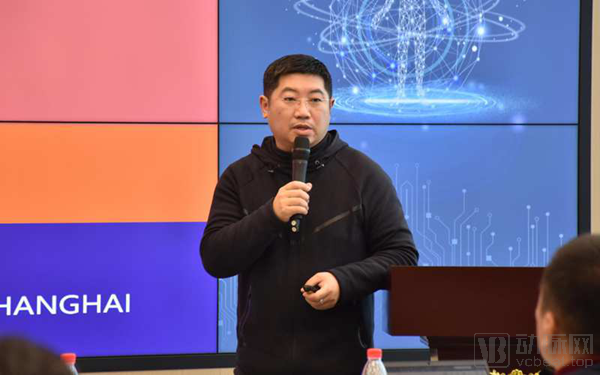
Liu Yang, Founder of Molecular Laboratory
Liu Yang, founder of the Molecular Laboratory, analyzed: “Why has the state intensively and rapidly introduced healthcare cost-containment measures such as volume-based procurement in the past two years? The reason lies in the fact that our basic medical insurance fund, totaling approximately RMB 2.5 trillion, has limited room for revenue growth. However, given China’s current aging population trend, there will be significant pressure from the rapid increase in residents’ future medical expenditures, which may lead to a substantial funding gap. This gap necessitates a new, diversified payment system that: first, effectively increases health security revenues; second, enhances the efficiency of health security payments; and third, achieves effective risk management and improves user experience through various health services. Due to its inherent advantages, commercial health insurance will undoubtedly occupy an increasingly important position in the diversified medical payment system.”
As Liu Yang noted, while implementing healthcare cost containment measures, the state has also introduced policies to encourage and promote the development of commercial health insurance. In fact, even before the rollout of these national policies, early signs of momentum in this sector were already discernible in subtle ways.
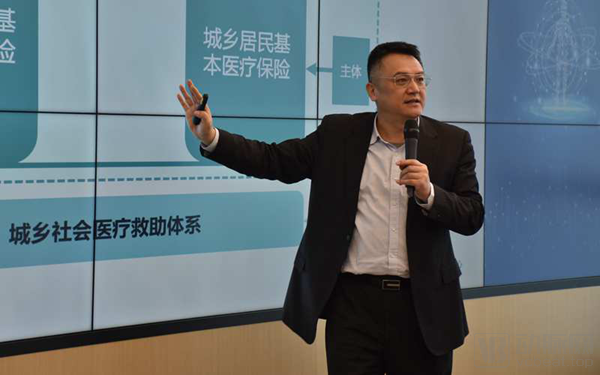
Jin Chunlin, Director of the Shanghai Health and Development Research Center, Adjunct Professor and Doctoral Supervisor at Fudan University
Jin Chunlin, Director of the Shanghai Health and Development Research Center, Adjunct Professor and Doctoral Supervisor at Fudan University, used a set of data to illustrate the rapid development of commercial health insurance in recent years: “Although there is still a significant gap when compared horizontally with foreign countries, looking at the development of China’s commercial health insurance from 2014 to 2019, the annual growth rate of health insurance premium income was 34.81%, and the proportion of health insurance premiums in total life insurance premiums rose from 12.18% to 22.8%. Therefore, since 2014, especially in recent years, the market size of commercial health insurance has been expanding rapidly, with an astonishing pace of development. Among the contributing factors, the continuous awakening of public health awareness is one of the important reasons.”
Among the main forces driving the development of commercial health insurance, insurance giants with substantial capital backing and strong team support are naturally indispensable. As one of the hottest insurance sectors in recent years, commercial health insurance has certainly not been overlooked by these industry leaders. The entry of such giants has, on one hand, accelerated the rapid growth of the industry; on the other hand, however, the homogenization of product offerings has sharply intensified competitive pressures within the sector.

Huang Huizhong, Director and Head of the Health Management Innovation Department at AIA Life Insurance
Is this competition beneficial or detrimental? Huang Huizhong, Director and Head of the Health Management Innovation Department at AIA Life Insurance, offered a positive interpretation: “The intense competitive landscape in commercial health insurance has primarily driven two favorable outcomes. First, it has significantly raised awareness among the general population regarding health, particularly health insurance. This is especially evident with products such as million-yuan medical insurance and Huimin Bao (city-specific supplemental medical insurance). Second, product iteration and upgrades are occurring at a rapid pace. Throughout this iterative process, value-added services, including health management, have been integrated, continuously enhancing the cost-effectiveness of insurance products. This has enabled many individuals with limited purchasing power and previously little awareness of health insurance to afford commercial health insurance as a supplement to basic medical insurance.”
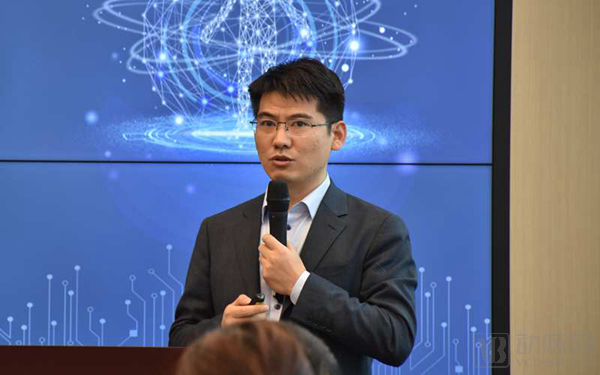
Xu Wancai, Head of the Customer Ecosystem Department at Pacific Insurance
Amidst fierce competition, commercial health insurance providers have begun to rapidly expand cross-industry collaborations, working with partners across the healthcare and medical sectors to build an innovative insurance ecosystem. Regarding this trend, Xu Wancai, Head of the Customer Ecosystem Department at Pacific Insurance, stated in his presentation: “Major insurance companies are increasingly focusing on health-related insurance ecosystems, which will be a key direction for future development. I believe there are four critical areas of focus: First, delivering valuable user experiences by providing better access to medical care and health management services; second, reducing information asymmetry to lower healthcare costs; third, enhancing the overall service quality within the health ecosystem; and finally, safeguarding the information security of policyholders, as data security is the prerequisite for any data application.”
As a vital component of the innovative insurance ecosystem, pharmaceutical companies have been forging closer ties with insurers in recent years. Whether through the inclusion of specialized oncology drugs in high-limit medical insurance plans or via dedicated specialty drug insurance products, the multi-dimensional collaboration between pharmaceutical and insurance companies has provided policyholders with payment solutions for high-cost medications.
In fact, pharmaceutical companies have gained a thorough understanding of collaborations with insurance providers. Fiona, Head of Business Innovation in the Assisted Reproductive Technology Division of Merck Healthcare, shared her personal perspective: “The challenge of innovative payment models cannot be adequately addressed by pharmaceutical companies alone. It necessarily requires multi-party collaboration to achieve mutual benefits. We can draw lessons from mature overseas digital management models for chronic diseases, covering early prevention and screening, mid-stage diagnosis and treatment, as well as later-stage health management and follow-up. Throughout this entire care continuum, modular design and management can be employed to create a closed-loop health management system. Within this closed loop, various stakeholders can leverage their respective strengths and participate in diverse forms to realize their unique value propositions. This is an effective model that we can look to for future reference.”
In addition to the core players in the industry, the innovative insurance ecosystem also relies on various innovators.
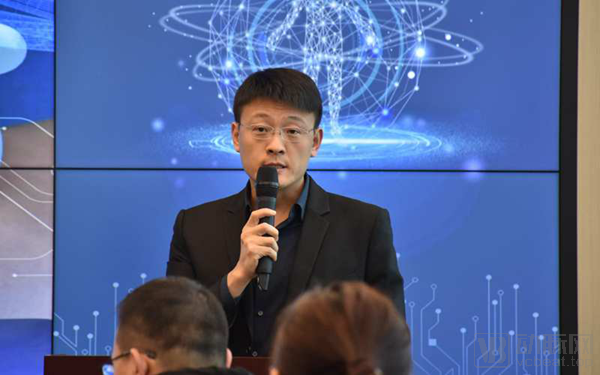
Wang Yanwu, General Manager of the Key Accounts Department, Microsoft Commercial Terminal Business Unit
Wang Yanwu, General Manager of the Key Accounts Division within Microsoft’s Commercial Terminal Business Unit, presented Microsoft’s hardware-based solutions to attendees: “Microsoft’s hardware products, represented by the Surface series, can help insurance enterprises upgrade their productivity. The portability of Surface devices enables insurance sales personnel to enhance their mobile productivity; Surface Hub facilitates collaboration among internal insurance teams; meanwhile, cloud services built on Microsoft Azure continue to provide security assurances for communications within the insurance industry.”

Hong Qi, Sales Manager of Surface Solutions, Microsoft Commercial Terminal Business Division
“Leveraging digital technologies to drive innovation in commercial health insurance, Microsoft is fully committed to delivering the highest-quality industry solutions to users. ‘Microsoft builds technological capabilities on a robust platform. In the various application scenarios mentioned by the panelists—such as insurance business development, targeted marketing communications, mobile app deployment, and compliance management—we can leverage our technical strengths. For instance, at a fundamental level, Microsoft ranks among the top players in the antivirus industry for information security certification. These accumulated technological capabilities, integrated with our intelligent devices, ultimately enable us to provide comprehensive solutions for real-world application scenarios,’ said Hong Qi, Sales Manager for Surface Solutions in Microsoft’s Commercial Devices Division.”
Microsoft’s 2020 Surface product lineup emphasizes eco-friendly materials. The device bottoms are constructed from a polymer composite of resin and fiberglass, with post-consumer recycled content accounting for 30%. These recyclable materials not only enhance environmental sustainability but also reduce the overall weight of the Surface devices and improve heat dissipation.
Microsoft has been continuously promoting energy conservation and environmental protection, while accelerating the restructuring of its supply chain, through various initiatives such as launching advocacy campaigns, establishing the Climate Innovation Fund, and proactively reducing carbon emissions. This reflects Microsoft’s corporate social responsibility and aligns with the relevant plans outlined in the “Healthy China 2030” Planning Outline, which emphasizes the creation of a healthy environment. Starting in 2021, Microsoft will also explicitly incorporate carbon emission requirements into its supply chain procurement processes. For Microsoft’s supply chain manufacturers, the urgent priority will be to enhance the competitiveness of their core businesses and products while improving energy efficiency and operational effectiveness.
From 2019 to 2020, insurance Third-Party Administrators (TPAs) emerged as one of the most promising sectors. Driven by comprehensive strategic considerations, insurers were reluctant to handle cumbersome operational tasks such as market research, channel management, customer relationship maintenance, underwriting, and claims adjudication in-house. In response to this demand, TPA companies arose. By participating in health insurance operations as independent entities, TPAs effectively address these challenges.

Wang Yanping, Founder & CEO of UJia Health
Wang Yanping, Founder and CEO of UPlus Health, stated: “Our current advantage lies in our ability to integrate and build a comprehensive medical supply chain system, as well as in our innovative modules for payer-side insurance products. Looking ahead, the key challenge will be differentiating ourselves in a market where insurance products—and even health management services—are increasingly homogeneous. Digitalization is a critical pathway to addressing this issue. For instance, through refined management of foundational supply chain tagging, we can create more precise customer profiles on the demand side. This, in turn, enables us to provide payers with more accurate customer segmentation and recommendations via advanced recommendation algorithms. I believe this will be a vital source of core competitiveness in the next phase of deep-level competition within the commercial health insurance sector.”
Corporate group insurance is a specialized niche. As a form of short-term insurance characterized by high frequency and low premiums, it incurs relatively high operational and service costs. Consequently, leading insurers typically target enterprises with workforces of several thousand or more to achieve economies of scale, showing limited willingness to serve small and medium-sized enterprises (SMEs). This has left the market for corporate group insurance in companies with around 1,000 employees relatively underserved.

Ren Bin, Founder & CEO of Baoxian Geek
Ren Bin, Founder and CEO of Baoxian Geke (Insurance Geek), who has targeted this untapped market, stated: “For the past few decades, group insurance has relied predominantly on an offline service model. Group insurance premiums are calculated on a per-person, per-day basis; consequently, any personnel changes within a company require immediate data synchronization. This imposes a substantial workload on corporate HR departments. Furthermore, data discontinuities exist, hindering effective data integration. A core strategy for Baoxian Geke is to drive online migration and digitalization. This is critical because only through full digitization can we leverage data to better identify customer needs, address more issues at the intersection of insurance and healthcare, and enhance service efficiency.”