

Launch of Standardized Integrated Chinese and Western Medicine Management Program for Metabolic Disorders (Diabetes) under the 'Internet + Medical Consortium' Model in Beijing
On December 10, 2020, the Standardized Management Project for Metabolic Diseases (Diabetes) Using Integrated Traditional Chinese and Western Medicine, spearheaded by the Diabetes Research Center of Beijing University of Chinese Medicine, was officially launched in Beijing. This milestone marks a new phase in the standardized management of diabetes through the integration of traditional Chinese and western medicine under the “Internet + Medical Consortium” model, representing a significant initiative to advance the Healthy China Action and implement the strategic development of inheritance and innovation in traditional Chinese medicine.
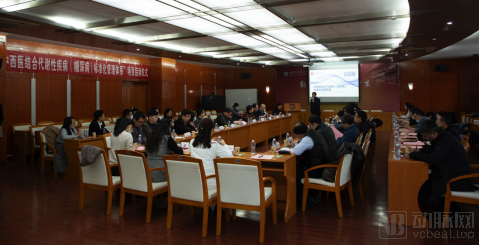
(Launch Ceremony of the Standardized Management Project for Metabolic Diseases (Diabetes) with Integrated Traditional Chinese and Western Medicine)
Wang Huiling, Director of the Science and Education Division of the Beijing Administration of Traditional Chinese Medicine; Wang Jianhui, Secretary of the Health Working Committee of the Dongcheng District Committee of the Communist Party of China and Director of the Dongcheng District Health Commission; Li Feng, Dean of the School of Traditional Chinese Medicine at Beijing University of Chinese Medicine; and Song Meng, Deputy Director of the Admissions and Employment Office at Beijing University of Chinese Medicine, attended the event and delivered speeches. Experts and scholars, including Professor Feng Xingzhong from Tsinghua University Yuquan Hospital, Professor Yang Xiaohui and Professor Wang Shidong from Dongzhimen Hospital of Beijing University of Chinese Medicine, Wu Chunjun, President of Beijing Hepingli Hospital, and Professor He Zhongchen, along with representatives from internet hospital platforms and medical consortium service providers such as Ali Health, JD Health, Kangaiduo, Jointown Pharmaceutical Group, and Xinyi International, participated in the launch ceremony.
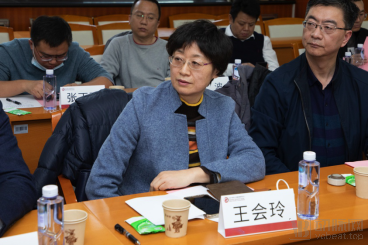
(Wang Huiling, Director of the Science and Education Division, Beijing Municipal Administration of Traditional Chinese Medicine)
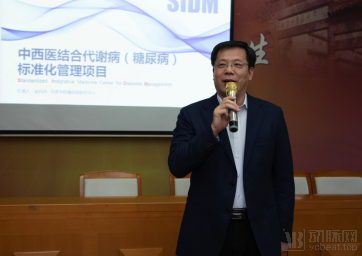
(Wang Jianhui, Secretary of the Health Commission of the Dongcheng District Committee of the Communist Party of China, and Director of the Dongcheng District Health Commission)
In the post-pandemic era, tiered diagnosis and treatment based on big medical data and internet healthcare have developed rapidly. This has become a focal point of widespread attention in both academia and industry, particularly in the management of chronic diseases such as diabetes, which affect a large patient population. Under the "Internet + Medical Consortium" model, promoting the translation and application of technological innovations in Traditional Chinese Medicine (TCM) and enhancing the standardization of integrated TCM and Western medicine for diabetes management constitute a critical challenge for the development of the discipline of integrated TCM and Western medicine in metabolic diseases under the new circumstances.The Standardized Management Project for Integrated TCM and Western Medicine in Metabolic Diseases (Diabetes) is spearheaded by the Diabetes Research Center of Beijing University of Chinese Medicine. By leveraging and collaborating with industry experts, academic organizations, and platform institutions, the project jointly explores and formulates standards for diabetes management using integrated TCM and Western medicine under the "Internet + Medical Consortium" model. It commissions the Innovation and Entrepreneurship Platform of Beijing University of Chinese Medicine to promote the application of standardized management solutions and accelerate the translation of TCM technological innovations. Furthermore, it establishes clinical translation bases and primary healthcare centers to create diagnostic, therapeutic, and health management centers for the prevention and treatment of diabetes and related diseases using integrated TCM and Western medicine, characterized by "unified standards, high-quality services, and prominent TCM features." The project also constructs a big data network for diabetes management that efficiently connects healthcare providers, patients, pharmaceuticals, and smart hardware, conducts real-world studies on TCM, and carries out research on lifestyle interventions tailored to the Chinese context for diabetes management.
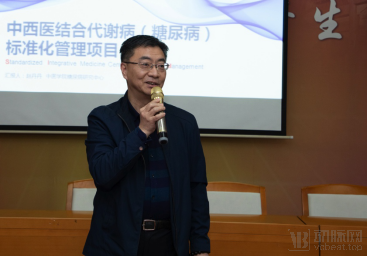
(Li Feng, Dean of the School of Traditional Chinese Medicine, Beijing University of Chinese Medicine)
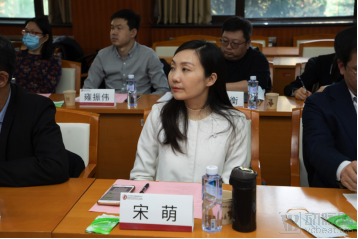
(Song Meng, Deputy Director of the Admissions and Employment Office at Beijing University of Chinese Medicine)
The project launch ceremony was moderated by Professor Gong Yanbing, Vice President of Dongzhimen Hospital. Professor Gao Sihua, Director of the Diabetes Research Center, delivered the welcome address, and Associate Researcher Zhao Dandan presented an overview of the project. Experts and representatives from platform institutions actively participated in the discussions, creating a vibrant atmosphere, and letters of appointment were presented to the project’s guiding experts on site. In his concluding remarks, Professor Gao Sihua announced the official launch of the Standardized Management Project for Metabolic Diseases (Diabetes) Integrating Traditional Chinese and Western Medicine.
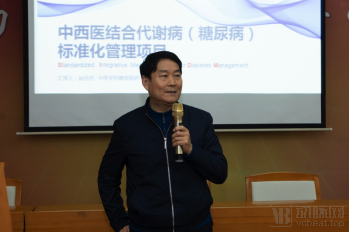
(Professor Gao Sihua, Director of the Diabetes Research Center at Beijing University of Chinese Medicine, announces the launch of the project)
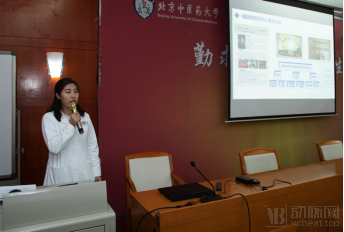
(Deputy Researcher Zhao Dandan from the Diabetes Research Center of Beijing University of Chinese Medicine introduces the project details)
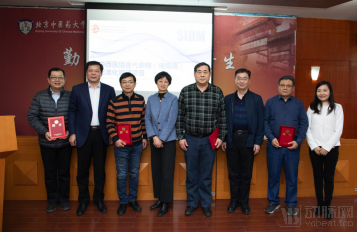
(Presenting Letters of Appointment to Project Advisory Experts)
As a project for mass entrepreneurship and innovation, technological achievement transformation, and healthcare consortium services, this initiative has received strong support from leaders at all levels of Beijing University of Chinese Medicine, the Beijing Municipal Administration of Traditional Chinese Medicine, and the Dongcheng District Health Commission. Through its implementation, the project aims to establish a standardized management system for integrative medicine in metabolic diseases (diabetes) that is “stable, sustainable, high-quality, and equipped with evaluation and feedback mechanisms,” thereby enhancing diabetes management across society in the era of interconnected data.