

Building a High-Quality Medical Ecosystem in the New Era: Insights from Yuanxin Tech's '14th Five-Year Plan' Development Symposium
The healthcare industry is increasingly breaking down traditional boundaries. As healthcare reform policies continue to deepen and evolve, multi-stakeholder relationships within the healthcare system are being reshaped, and smart healthcare is reconstructing the patient care ecosystem… A new development paradigm is taking shape.
To further explore pathways for high-quality industry development and contribute to the grand vision of a Healthy China, the “Fulfilling Health Dreams, Heart Set on the Future” | Seminar on High-Quality Development of the Medical Ecosystem during the 14th Five-Year Plan period, hosted by Beijing Yuanxin Technology Group and organized by VCBeat, was held at the New World Hotel in Beijing on December 19. The seminar featured in-depth discussions on multiple topics, including the construction and development of internet hospitals under the dual impact of new-era medical insurance reforms and the internet, the digital transformation and upgrading of pharmaceutical enterprises, and effective collaboration in medical-engineering translation.
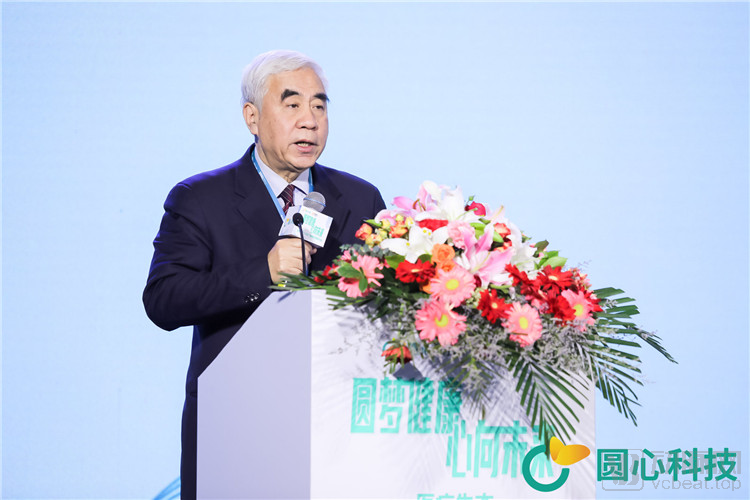
Zhao Ping | Chairman of the China Cancer Foundation
“The 14th Five-Year Plan” explicitly promotes the construction of a Healthy China, calling for a more robust multi-tiered social security system and a more comprehensive healthcare system. In his address at the conference, Professor Zhao Ping, Chairman of the China Cancer Foundation, stated, “The greatest achievement of the new round of healthcare reform has been the establishment of a universal health insurance system. However, the development of this universal coverage has also given rise to many new challenges. Issues such as the difficulty in controlling the growth of medical expenses and the increasing financial pressure on health insurance funds are becoming increasingly severe. Coordinating the relationships among the government, hospitals, patients, and healthcare professionals has become an urgent priority. To this end, building a high-quality healthcare ecosystem requires the concerted efforts of multiple stakeholders.”
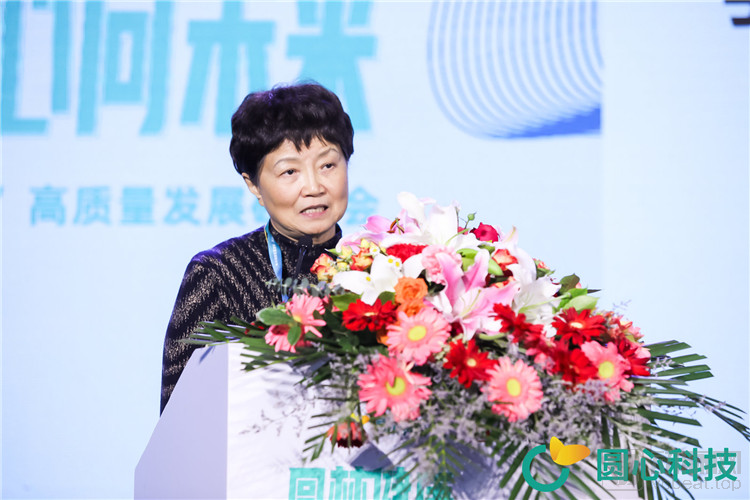
Chen Xiaohong | Director, Department of Hospital Accreditation and Evaluation, National Health Commission Hospital Management Research Institute
Professor Chen Xiaohong, Director of the Hospital Accreditation and Evaluation Division at the National Health Commission’s Hospital Management Institute, delivered a thematic presentation on high-quality hospital development and accreditation and evaluation. She stated, “Only by establishing a patient-centered philosophy and implementing standardized management can hospitals achieve high-quality development.”
The sudden onset of the COVID-19 pandemic accelerated the development and construction of internet hospitals in China. However, what innovations and breakthroughs have emerged in the development of internet hospitals under this new paradigm? Mr. He Tao, Founder and CEO of Beijing Yuanxin Technology Group; Professor Cui Yong, Vice President of China-Japan Friendship Hospital; Professor Liao Jiazhi, Deputy Secretary of the Party Committee of Tongji Hospital Affiliated to Tongji Medical College of Huazhong University of Science and Technology; and Professor Hu Jianzhong, Deputy Secretary of the Party Committee of Xiangya Hospital of Central South University, engaged in a systematic discussion on issues related to the development of internet hospitals.
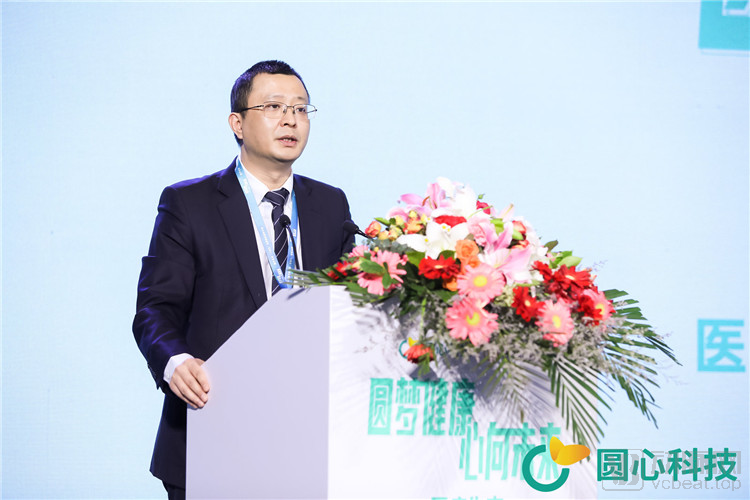
He Tao | Founder/CEO of Yuanxin Technology Group
Mr. He Tao, Founder and CEO of Beijing Yuanxin Technology Group, stated: Driven by national policies and technological advancements, physical hospitals are undergoing comprehensive changes starting from the patient care pathway. The healthcare scenarios for patients with common diseases are gradually shifting from offline to online, leading to increased online interactions between doctors and patients. Meanwhile, scenarios related to medical consultations, medication usage, and payment are also evolving. The connectivity among five key stakeholders—hospitals, physicians, patients, pharmaceutical companies, and investors—is being reshaped. These continuous changes are driving new structural transformations within the industry. Therefore, only through the convergence of multi-party efforts can we truly promote the establishment and development of a high-quality healthcare ecosystem.
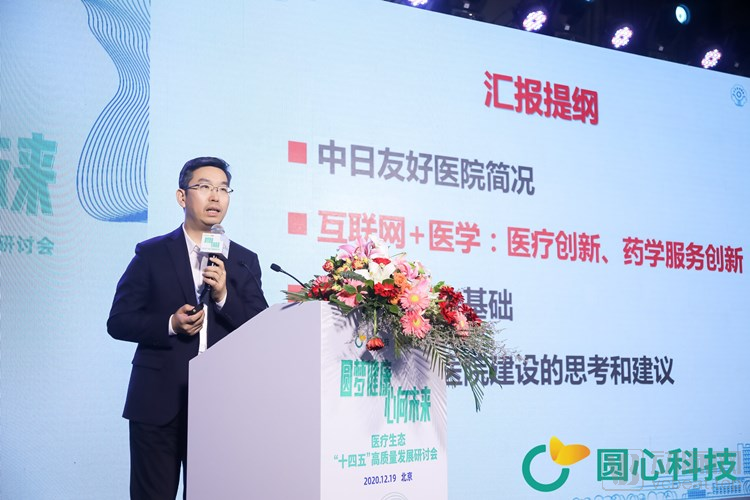 Cui Yong | Vice President, China-Japan Friendship Hospital
Professor Cui Yong, Vice President of China-Japan Friendship Hospital, pointed out at the conference that internet hospitals represent the integration and restructuring of all resources, including cloud computing and big data. The value of internet hospitals lies not in diminishing the role of existing physical hospitals, but in enabling broader application of high-quality diagnostic and therapeutic services provided by these institutions.
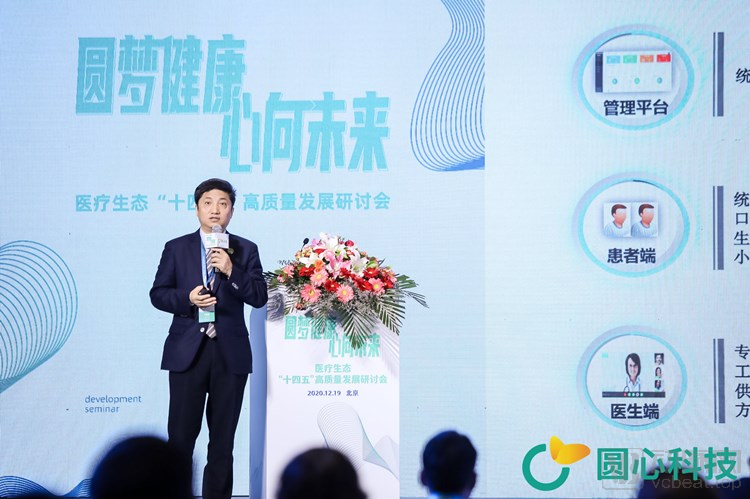
Liao Jiazhi | Deputy Secretary of the Party Committee, Tongji Hospital Affiliated to Tongji Medical College, Huazhong University of Science and Technology
Professor Liao Jiazhi, Deputy Secretary of the Party Committee of Tongji Hospital Affiliated to Tongji Medical College of Huazhong University of Science and Technology, stated, “In building internet hospital platforms, physical hospitals must consider how to ensure that different hospitals and physicians possess foundational diagnostic and treatment capabilities of consistent quality. Building such capabilities requires not only the application of internet-based information technology but also the integration of research findings, thereby enabling high-level medical expertise to support and elevate lower-level medical services.”
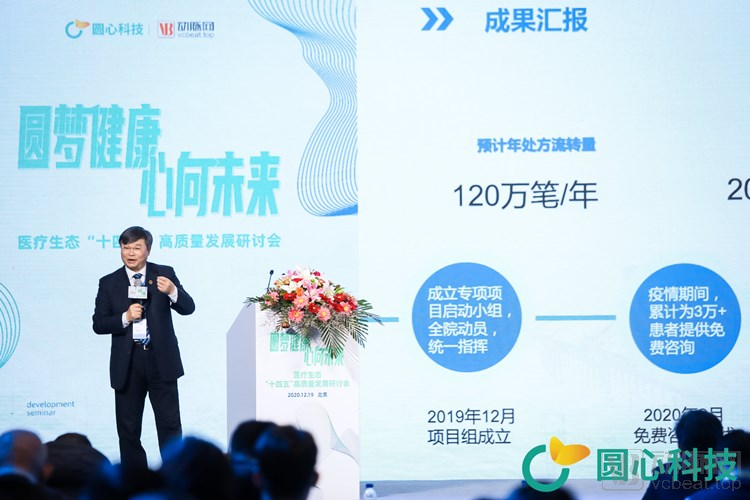
Hu Jianzhong | Deputy Secretary of the Party Committee, Xiangya Hospital of Central South University
Professor Hu Jianzhong, Deputy Secretary of the Party Committee of Xiangya Hospital of Central South University, shared insights on the construction of prescription circulation under the “Internet + Healthcare” model at Xiangya Hospital. He pointed out that the key to building a prescription circulation ecosystem in the “Internet +” environment lies in the review of prescription circulation processes and quality control.
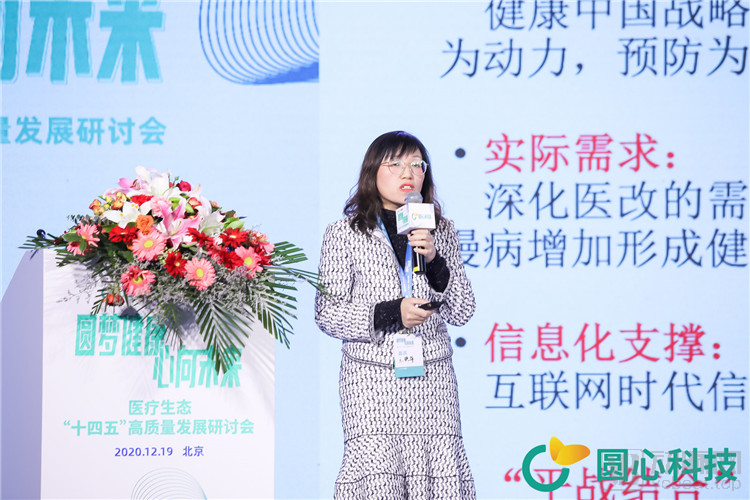
Wang Yanping | Deputy Director of the Local Service Center, National Population and Health Science Data Center; Secretary-General of the Medical Community Branch, Chinese Hospital Association; Secretary-General of the Young Physicians Branch, China Association of Traditional Chinese Medicine Information
Ms. Wang Yanping, Deputy Director of the Local Service Center of the National Population and Health Science Data Center, Secretary-General of the Medical Community Branch of the Chinese Hospital Association, and Secretary-General of the Young Physicians Branch of the China Association of Traditional Chinese Medicine Information, shared insights on the progress and practices in the development of county-level medical communities. She stated, “County-level medical communities operate in an integrated manner, ultimately establishing a new type of healthcare service system. They are health-centered, leveraging reforms in health insurance payment methods as a catalyst. Policies for medical communities aim to promote the orderly formation of the healthcare landscape, enhance medical service capabilities at the county level, and strengthen primary healthcare services.”
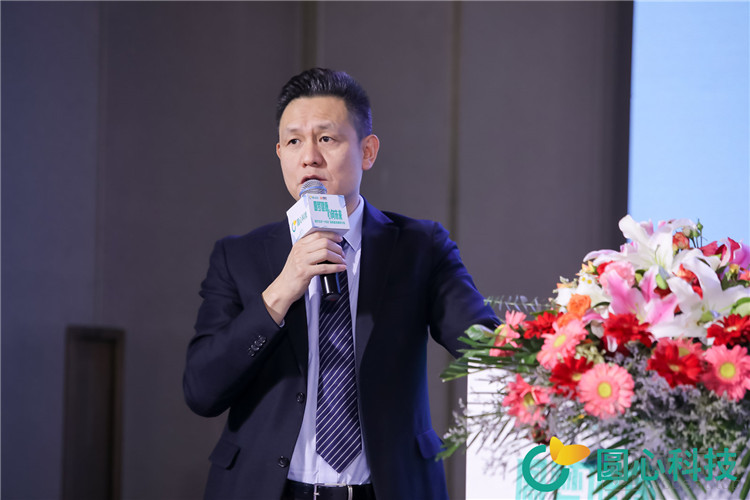
Ma Ming | Executive Vice President, Beijing Jialin Pharmaceutical Co., Ltd.
Driven by policies such as the “Healthy China 2030” initiative and the recommendations of the 14th Five-Year Plan to improve a multi-tiered social security system, China’s pharmaceutical market is flourishing. The aging population in China further underscores the inevitability of rapid growth in this sector. However, centralized volume-based procurement has pushed generic drug manufacturers into an era of ultra-thin margins. In response, pharmaceutical companies are reevaluating their future development strategies. Ma Ming, Executive Vice President of Beijing Jialin Pharmaceutical Co., Ltd., cited his company as an example, pointing out that in the face of new environments and policies, Jialin Pharmaceutical focuses on R&D while accelerating mergers and acquisitions to expand into new therapeutic areas, all built upon a foundation of strengthening prescription concepts and cultivating medication habits.
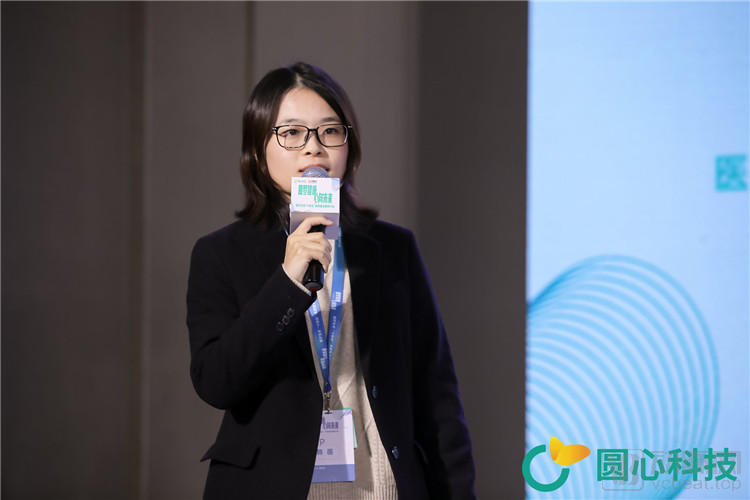
Han Bei | KPMG China
Ms. Han Bei of KPMG China emphasized the future development of public hospitals, stating that it is crucial to prioritize efficiency improvements. From the perspective of medical insurance payment, public hospitals should focus on enhancing service quality while maximizing overall operational efficiency. KPMG can help hospitals achieve comprehensive improvements in target management, process optimization, information iteration, and decision-making quality. This enables hospitals to integrate business models within their management systems, thereby increasing revenue, reducing costs, and improving efficiency, leading to enhancements in both the quality and efficiency of medical services.
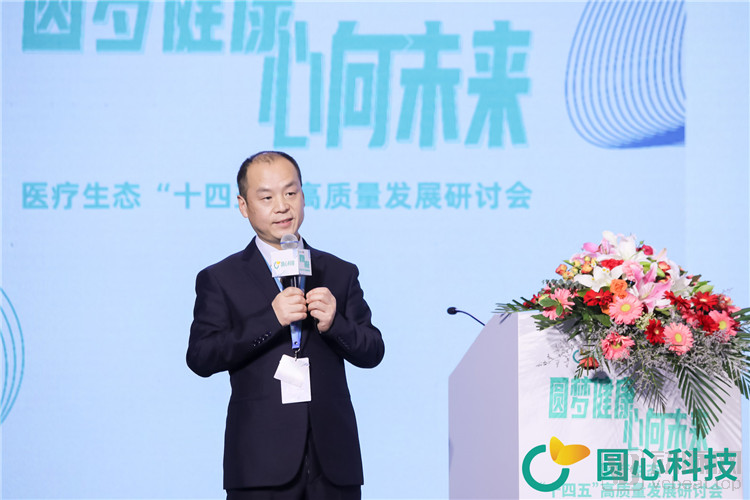
Bian Qiang | Marketing Director, Chongqing Huapont Pharmaceutical
Bian Qiang, Marketing Director of Chongqing Huapont Pharmaceutical, shared the company’s practical experience in market planning and promotion through an internet-centric mindset. He pointed out that Huapont Pharmaceutical leverages third-party platforms, such as WeChat, to disseminate its corporate brand and product information. When promoting its brand and products via these third-party platforms, Huapont Pharmaceutical employs a professional team to conduct meticulous design and production, guided by customer sensitivities and preferences, to maximize trust among potential customer segments.
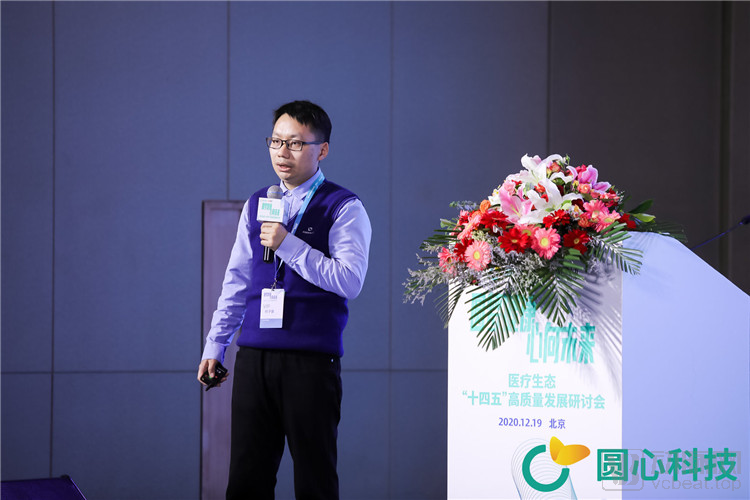
He Ziliang | Co-founder, Vice President, and COO of Yuanxin Technology Group
He Ziliang, Co-founder, Vice President, and COO of Yuanxin Technology Group, provided a detailed introduction to the digital marketing explorations of Miaoshou Doctor and Yuanxin Pharmacy—subsidiaries of Yuanxin Technology Group—under the new “Internet Plus” model. He stated that in 2021, the company aimed to incubate 21 products for immediate sales within the Miaoshou ecosystem.
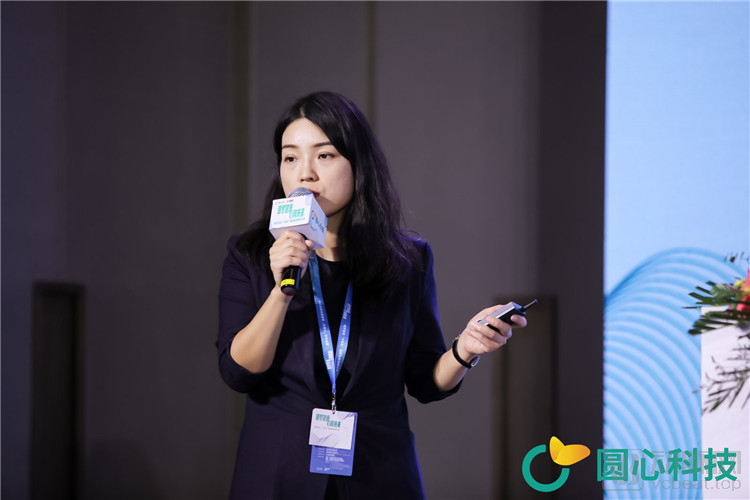
Xu Yifang | General Manager of the Hospital and Physician Business Unit at Yuanxin Technology Group, and Assistant to the CEO
Xu Yifang, General Manager of the Hospital and Physician Division and Assistant to the CEO at Yuanxin Technology Group, provided a detailed interpretation of the digital healthcare era. She stated that the group’s eight major business segments will fully address the demands of the new era of digital healthcare.
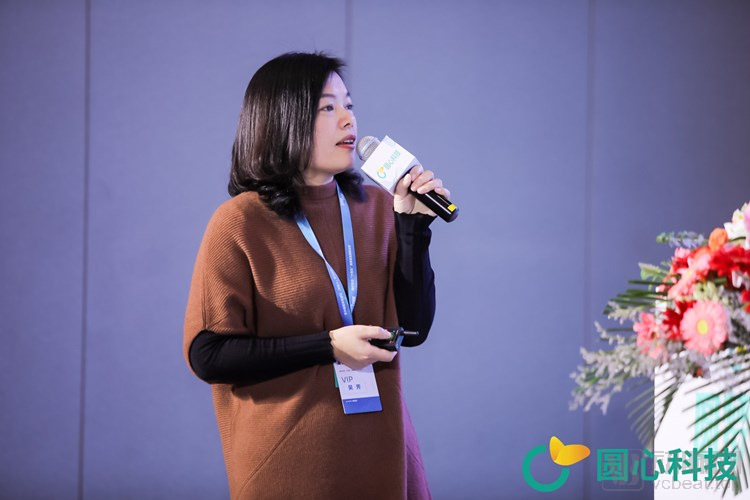
Wu Fang | COO, Yuanxin Medical Technology
Wu Fang, COO of Yuanxin Medical Technology, shared her insights on how “Internet + Hospitals” can empower healthcare delivery and provided a detailed overview of the company’s strategic direction. Yuanxin Medical Technology is dedicated to providing internet-enabled medical management services to healthcare institutions, building its service platform around its core smart internet hospital solution.
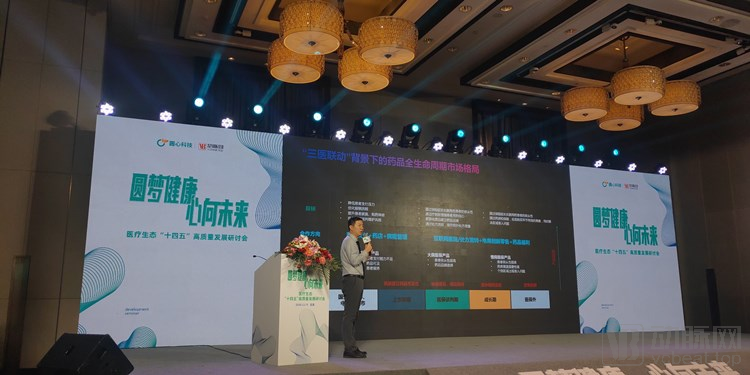
Peng Xuan | CEO, Yuanxin Huibao
Peng Xuan, CEO of Yuanxin Huibao, provided a detailed overview of how all insurance products related to pharmaceutical companies and insurers support the business operations of pharmaceutical firms. He stated that commercial health insurance focused on chronic diseases would enter a period of rapid growth in 2021.
Where do the opportunities and challenges lie for enterprises in the era of centralized procurement? How can companies empower hospitals’ digital transformation? What insights have been gained from industry-hospital-academia-research collaboration and the commercialization of scientific achievements? In the context of digitalization, how can charitable organizations explore their momentum and direction? Li Datao, founder of VCBeat, engaged in on-site dialogues with representatives from various sectors.
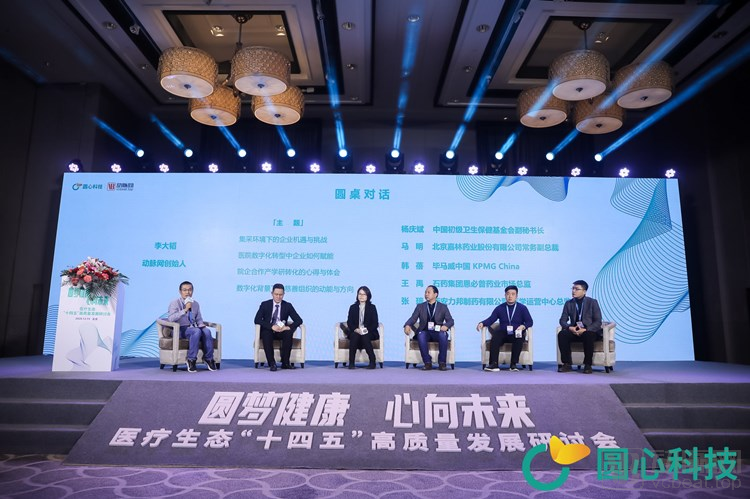
Yang Qingbin, Deputy Secretary-General of the China Primary Health Care Foundation:Digitalization will help make China’s healthcare ecosystem more human-centric and compassionate, thereby fundamentally transforming the patient experience.
Ma Ming, Executive Vice President of Beijing Jialin Pharmaceutical Co., Ltd.:The requirements of volume-based procurement dictate that enterprises must cede a portion of their profits to serve the Chinese market in order to keep pace with the development of China’s healthcare sector. The rise of internet hospitals has also created multifaceted channels for choice and competition among pharmaceutical companies, hospitals, and patients. Both enterprises and hospitals must adapt to these changes and seize emerging opportunities to achieve sustainable growth.
Han Bei, KPMG ChinaAmidst the increasingly stringent regulation of rational drug use in hospitals, pharmaceutical companies’ sales teams must also innovate and upgrade in response to changes in the broader environment. The core objective is to promote the rational use of medicines and to achieve digital management and tracking throughout the entire lifecycle of drug utilization.
Wang Yu, Marketing Director of CSPC NBP PharmaceuticalMedical representative registration, centralized volume-based procurement, and the normalization of national medical insurance negotiations are all mechanisms that compel enterprises to innovate. For pharmaceutical companies, a hybrid strategy combining generic and innovative drugs may be an optimal approach; leveraging innovative drugs to drive the market promotion of original research drugs within the pipeline can effectively reduce marketing costs.
Zhang Rui, Director of the Medical Operations Center at Xi'an Libang Pharmaceutical Co., Ltd.:What kind of pharmaceutical companies will be able to scale up in the future? What kinds of products can survive in harsh environments? Professionalism and therapeutic efficacy are fundamental. Under the volume-based procurement (VBP) regime, while it indeed poses survival challenges for many enterprises, it primarily serves as a forcing mechanism driving innovation and upgrading across the entire industry.
(End)