

MedBioTech Collaborates with Over 10 Top-Tier Hospitals to Launch Multicenter Clinical Study on Brain Injury Biomarkers, Filling a Domestic Gap
Traumatic brain injury (TBI) and acute cerebrovascular diseases (including cerebral infarction, intracerebral hemorrhage, subarachnoid hemorrhage, subdural hematoma, and epidural hematoma) are central nervous system disorders with high incidence, disability, and mortality rates in current clinical practice. They impose a heavy burden on families and society and have become a major public health issue threatening human health and life. Following disease onset, early definitive diagnosis, prompt initiation of active and effective treatment, and timely assessment of changes in clinical status are key measures for guiding appropriate diagnosis and management and improving prognosis. Currently, clinical diagnosis relies primarily on imaging studies such as computed tomography (CT) and magnetic resonance imaging (MRI). However, access to these modalities is limited to large hospitals, they are costly, and they have certain limitations. Therefore, there is an urgent need for an objective, effective, and convenient diagnostic test to assist in determining disease severity and evaluating treatment response and prognosis.
"The potential of brain injury biomarkers such as GFAP and PGP9.5 in the diagnosis of TBI is emerging, enabling point-of-care testing for auxiliary diagnosis, assessment of disease severity, and evaluation of disease progression and recovery. 'However, in recent years, while research on biomarkers such as pulmonary embolism and cardiac markers has flourished in China, studies on brain injury biomarkers remain limited,' said Professor Li Xin from Guangdong Provincial People's Hospital."
To further promote the development of brain injury biomarkers in China and to thoroughly explore the clinical value of brain injury biomarkers, such as GFAP and PGP9.5, in early auxiliary diagnosis and prognostic assessment of stroke and traumatic brain injury (TBI), the “Multicenter Clinical Study on Brain Injury Biomarkers” was launched in Wuhan on December 18, 2020.
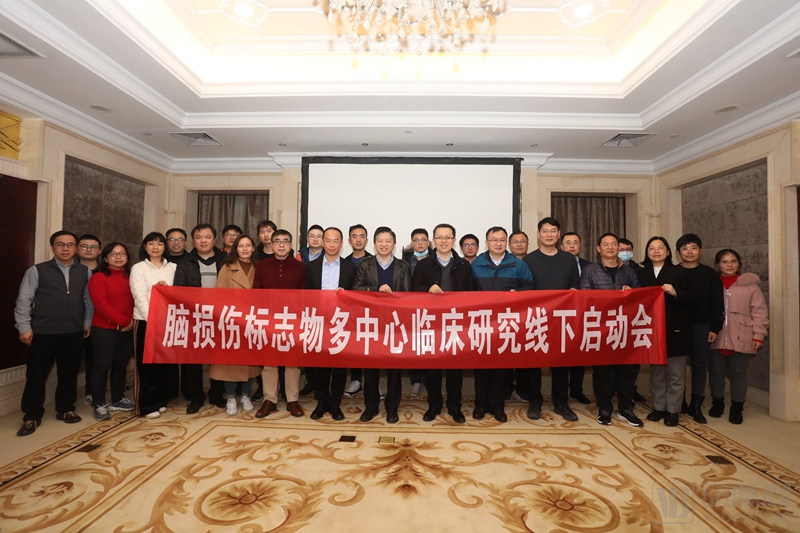
This multicenter clinical study was led by Guangdong Provincial People’s Hospital and Peking Union Medical College Hospital, with the participation of 16 hospitals, including Shenzhen Nanshan Hospital, Qilu Hospital of Shandong University, Beijing Tiantan Hospital, Zhongshan Hospital Affiliated to Dalian University, The First Affiliated Hospital of Sun Yat-sen University, The Second Affiliated Hospital of Guangxi Medical University, The Second Affiliated Hospital of Zhejiang University, Shenzhen People’s Hospital, Xiamen First Hospital, Xiangya Hospital of Central South University, Zhongshan Hospital Fudan University, The Affiliated Hospital of Guizhou Medical University, Xiang’an Hospital Affiliated to Xiamen University, and The First Affiliated Hospital of Dalian Medical University. Sophonix Co., Ltd. served as a co-organizer.
S100β and NSE levels have long been considered biomarkers of astrocytic and neuronal injury in the central nervous system, but their clinical application is limited by factors such as specificity and sensitivity.
GFAP and PGP9.5, characterized by their low molecular weight and ease of crossing the blood-brain barrier, demonstrate broad clinical prospects.
This multicenter clinical study on brain injury also focuses primarily on GFAP and PGP9.5. Professor Li Xin stated that the study initially selected traumatic brain injury and stroke as the two major conditions for investigation.
According to Dr. Li Weifeng from Guangdong Provincial People's Hospital, in the study titled “Early Auxiliary Diagnosis and Assessment of Stroke Using Brain Injury Biomarkers,” researchers will further summarize the expression distribution and temporal patterns of GFAP and PGP9.5 levels at various time points in acute stroke, and conduct comparative evaluations with S100β and NSE. The study will further assess the clinical value of the dynamic changes in GFAP, PGP9.5, S100β, and NSE for the early auxiliary diagnosis and differential diagnosis of acute stroke. Additionally, it will summarize the relationship between the concentrations and magnitude of changes in GFAP, PGP9.5, S100β, and NSE and the long-term prognosis of patients with suspected or mild ischemic stroke.
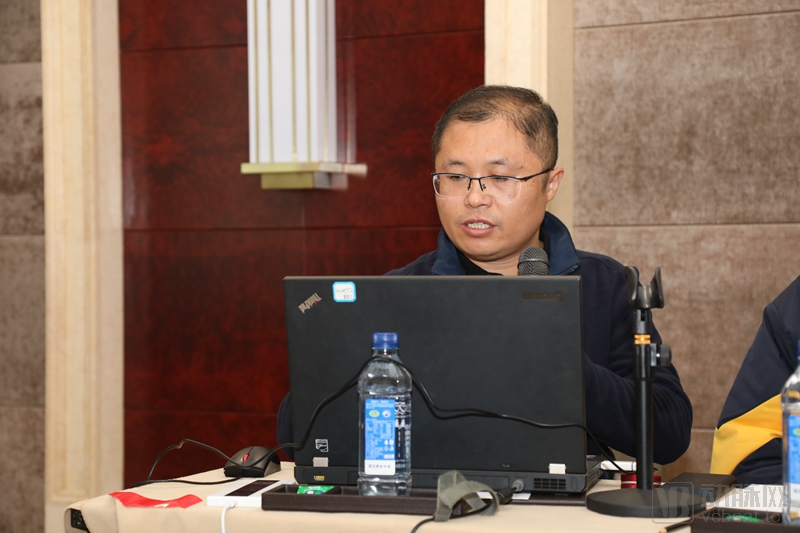
Dr. Li Weifeng, Guangdong Provincial People's Hospital
According to Dr. Li Yan from Peking Union Medical College Hospital, in the study titled “Biomarkers of Brain Injury in Traumatic Brain Injury: Early Auxiliary Diagnosis and Assessment,” researchers will summarize the expression distribution and temporal patterns of serum GFAP and PGP9.5 levels at various time points in patients with traumatic brain injury (TBI); evaluate the diagnostic value of the dynamic changes in GFAP, PGP9.5, S100β, and NSE for the early differential diagnosis of TBI; and synthesize the relationship between the concentrations and magnitude of changes in GFAP, PGP9.5, S100β, and NSE and the long-term prognosis of patients with mild TBI.

Dr. Li Yan, Peking Union Medical College Hospital
Professor Li Xin expressed strong confidence in the multicenter clinical study on brain injury biomarkers, stating, “We hope this study will yield landmark results that demonstrate China’s leading research capabilities in the field of brain injury biomarkers. As our preliminary studies progress smoothly, we will conduct further research projects centered on brain injury biomarkers to enhance their clinical utility.”

Professor Li Xin, Guangdong Provincial People's Hospital
Professor Xu Feng of Qilu Hospital of Shandong University stated that the launch of a multicenter clinical study on brain injury biomarkers is highly significant. “The 2020 AHA Guidelines for Cardiopulmonary Resuscitation point out that there are limited methods available in clinical practice for assessing brain injury, and recommend a comprehensive approach to evaluation. This study will greatly facilitate precise assessment and targeted treatment of brain injury. We also hope to amplify China’s voice on the international stage through this research.”

Professor Xu Feng, Qilu Hospital of Shandong University
Dr. Xu Kaya of the Affiliated Hospital of Guizhou Medical University stated, “Current research on biomarkers is primarily focused on the treatment phase. If biomarkers could enable accurate early-stage diagnosis, predict disease risk in advance, and identify high-risk patients, it would be of significant benefit to patients. We look forward to future research in this area.”

Dr. Xu Kaya, Affiliated Hospital of Guizhou Medical University
Participants offered their respective suggestions on how to advance multicenter clinical research on brain injury.
Quality control is the primary concern. Due to varying regional policies and the unique circumstances of individual hospitals, implementing effective quality control represents one of the key challenges in this research. Dr. Zou Xia from Guangdong Provincial People’s Hospital emphasizes that hospitals should pay close attention to sample collection timing, ensure an adequate number of participants, strengthen follow-up efforts, and designate quality control personnel. These measures are essential to ensure strict adherence to standard operating procedures throughout the study, with a focus on quality inspections and result verification, thereby facilitating the high-quality and smooth progression of the research.

Dr. Xia Zou, Guangdong Provincial People's Hospital
Director Zhang Mao of the Second Affiliated Hospital of Zhejiang University School of Medicine provided recommendations from three perspectives. First, compared with single-center studies, conducting multicenter studies is not merely a simple additive process; all participating hospitals must reach a consensus and maintain continuous communication. Second, given that each substudy has different inclusion criteria and involves numerous participating institutions, it is advisable to conduct the research in phases and steps. Third, each institution should engage in in-depth learning of the study background and relevant professional knowledge.

Director Zhang Mao, The Second Affiliated Hospital of Zhejiang University
Director Wu Jinglan of Shenzhen Nanshan Hospital stated, “It is necessary to develop a clear and reasonable timeline to ensure that all hospitals complete their research on schedule, and to guarantee that all participating units strictly adhere to standards in sample collection and testing.”

Director Wu Jinglan, Shenzhen Nanshan Hospital
Furthermore, Director Lin Jiyan of Xiamen First Hospital, Director Deng Yiyu of Guangdong Provincial People’s Hospital, Director Hu Bei of Guangdong Provincial People’s Hospital, Director Lu Xiaoguang of Zhongshan Hospital Affiliated to Dalian University, and Director Gong Ping of the First Affiliated Hospital of Dalian Medical University provided recommendations from the perspectives of indicator evaluation, feasibility, promotion efforts, ethical issues, and application of new technologies.
Sophonix Co., Ltd. will provide participating hospitals with relevant equipment and reagents, along with training services, to help them conduct research in a standardized, efficient, and smooth manner.
Notably, Sophonix has long established a presence in the field of brain injury biomarkers. Its assays, based on magnetic particle chemiluminescence immunoassay (MP-CLIA) technology and featuring individually packaged reagents, enable rapid and accurate screening of brain injury samples.
Currently, only one GFAP/PGP9.5 clinical assay kit for brain injury has received FDA approval abroad (in 2018), and there are no NMPA-approved kits for clinical TBI testing in China. The series of brain injury biomarker products developed by Sophonix Co., Ltd. will fill this domestic gap.
Sophonix Co., Ltd. will develop additional biomarkers for brain injury, providing more high-quality products to support the auxiliary diagnosis of brain injury through hematological testing.