

China's Medical Device and Pharmaceutical Regulatory Overhaul Ushers in a New Era of Innovation and Stringent Oversight
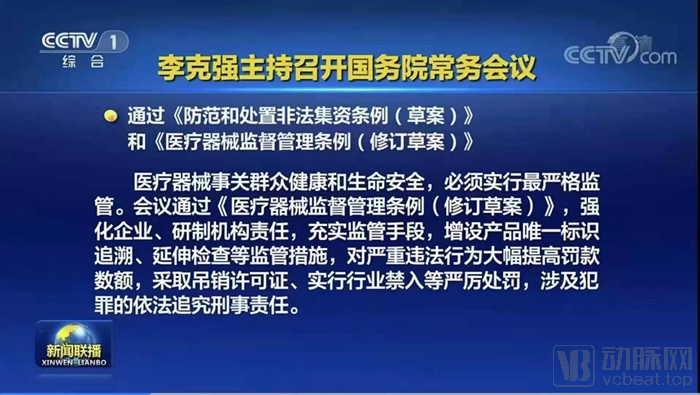
On December 22, 2020, the State Council executive meeting approved the Regulations on the Supervision and Administration of Medical Devices. Two years later, the revision draft from that year has finally been formally enacted. Although the final version of the policy has not yet been released, a significant regulatory upheaval in the medical device industry is almost inevitable.
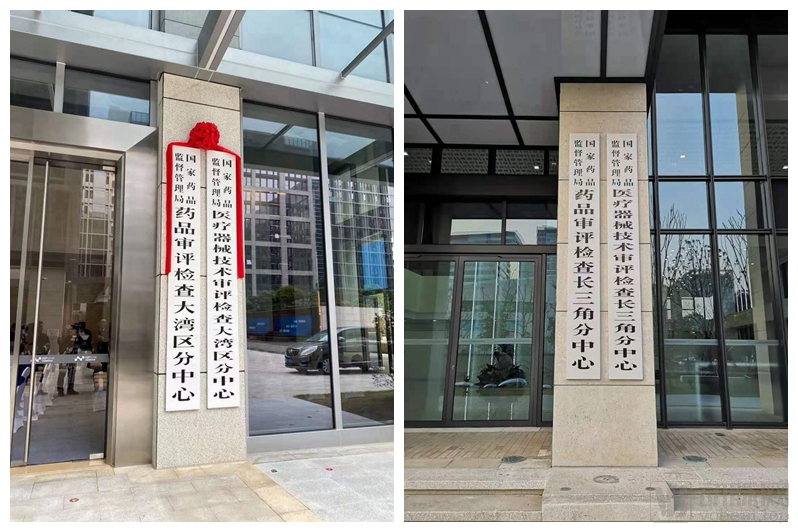
On the same day, another significant event took place. The Yangtze River Delta Branch of the Center for Drug Evaluation and Inspection and the Yangtze River Delta Branch of the Center for Medical Device Technical Evaluation and Inspection under the National Medical Products Administration (NMPA) were officially unveiled in Shanghai. The following day, December 23, the Greater Bay Area Branch of the NMPA’s Center for Drug Evaluation and Inspection and the Greater Bay Area Branch of the Center for Medical Device Technical Evaluation and Inspection were also officially inaugurated in Shenzhen.
Amendments to the Supervision and Administration Regulations, the successive unveiling of the NMPA’s regional centers in two locations, and the continuous rollout of major policies amid a trend of increasingly stringent oversight of the pharmaceutical and medical device industry appear to send a clear message to the entire sector:A wave of intense reforms is imminent in the pharmaceutical and medical device industry.
What impact will the new medical device regulatory regulations bring? What functions will the establishment of sub-centers serve? What signals do these measures send? VCBeat clarifies the evolving landscape by interviewing multiple industry insiders.
The Two Major Policy Changes Have a Significant Impact on the Medical Device Industry.
The status of the "Regulations on the Supervision and Administration of Medical Devices" is similar to that of the industry“The Constitution”—its revision and adoption are of significant importance to the industry. At the year’s end, the passage of the amendment signals a fresh start for the entire medical device industry in 2021.
The Yangtze River Delta Branch of the National Medical Device Technical Evaluation and Inspection Center was officially unveiled in Shanghai, while the Greater Bay Area Branch was established in Shenzhen. The establishment of these two national-level branches signifies a major transformation in the regulatory review environment for the medical device industry.
The pharmaceutical and medical device approval process has undergone dramatic changes, sending shockwaves through the industry. Overall,Industry insiders widely view this as a positive development for the medical device sector, with the introduction of guidance policies steering the industry toward healthy and sustainable growth.
Therefore, VCBeat interviewed multiple industry insiders, who believe that the following trends will emerge in the medical device sector against the backdrop of new regulations and new institutions.
1. Policy reforms are moving toward a model of "lenient entry with strict oversight," encouraging innovation and lowering market entry barriers for medical device approvals while strengthening regulatory inspections;
2. The primary purpose of establishing sub-centers is to streamline the approval process and promote innovation and competitiveness within the regional medical device industry;
3. The medical device industry is facing the strictest regulation in its history, with significant increases in regulatory intensity, frequency, and penalty costs;
4. A series of policies are expected to be introduced subsequently, and more sub-centers may be established in the future.
The establishment of the two centers will accelerate review processes and also bring about high-frequency regulatory oversight.
From the perspective of the development trajectory of the medical device industry, the establishment of the two sub-centers is an inevitable requirement driven by the rapid growth of the sector. The swift expansion of the medical device industry has placed significant pressure on the National Medical Products Administration (NMPA) Center for Medical Device Evaluation, necessitating accelerated review processes to keep pace with industry developments.
Over the past decade, the medical device industry has experienced rapid development, with enterprises emerging in large numbers. In recent years, the introduction of the Medical Device Registrant System has further enabled universities and research institutions to become key entities in the research and production of medical devices. This has significantly shortened the cycle for product research and incubation, while most new market entrants have focused on high-end Class III medical devices.Following the submission of a large volume of products for review, approval pressure has become significant.
According to data from the National Medical Products Administration, the total number of Class II and Class III medical device registrations approved in China reached 25,500 in 2019, a year-on-year increase of 53.6%.
“The founder of a domestic CRO company told VCBeat: ‘Under the current regulations, launching a high-risk Class III medical device in mainland China typically involves human clinical trials, resulting in a registration cycle of three to four years, with some cases taking even longer than four to five years. The NMPA’s review process alone, including the initial assessment and the time required for submitting supplementary materials, exceeds one year.’”
If this situation persists, it will constrain the pace of innovation across the entire medical device industry. It is against this backdrop that the two major medical device sub-centers were established.
From a functional perspective, no specific detailed rules have yet been issued to clarify the responsibilities of the two major centers, and it remains unclear how they will operate. However, based on policy directions, it is estimated that the two centers in the implementation regions will primarilyShorten the Review and Approval CycleandStrengthening Medical Device RegulationExerting effects in two aspects.
In terms of shortening the product approval cycle, the establishment of two sub-centers can reduce communication costs, provide timely recommendations for addressing product issues, offer guidance to enterprises, and facilitate joint discussions on relevant technical matters. For medical device companies, the establishment of these sub-centers brings significant convenience, whether during the submission of documentation or throughout the pre-submission and ongoing regulatory consultation phases.
From another perspective, the establishment of the two major sub-centers will also align with regional industrial characteristics to enhance the innovation capacity and competitiveness of medical device enterprises and related R&D institutions within the region.
An industry insider stated, “The Yangtze River Delta region is the cradle of high-end medical devices in China, with active medical devices and chemical-based products being the main categories. The Pearl River Delta primarily focuses on biochemical products, while Beijing has a higher concentration of implantable products. The characteristics of these products determine the clustering of specialized talent. The establishment of the two sub-centers will enable the integration of review and approval processes with local industrial attributes.”
The Yangtze River Delta Center and the Greater Bay Area Center are simultaneously encouraging innovation and strengthening regulatory oversight.
Carefully observe the names of the two centers: Medical Device Technology EvaluationExaminationYangtze River Delta Sub-Center, Medical Device Technical ReviewExaminationGreater Bay Area Sub-center. Unlike the name of the Center for Medical Device Evaluation of the National Medical Products Administration,The two centers within the region have added the word “Examination.”。
“Inspection” assigns distinct responsibilities to regional sub-centers, possibly indicating that these centers will focus on medical device inspections.The NMPA has sent a clear signal that regulatory oversight of medical devices, including full lifecycle and compliance supervision, will become increasingly stringent.
Another industry insider also stated, “The establishment of regional sub-centers signals that inspections of medical device products will become increasingly frequent in the future. This indeed reflects a trend observed in recent years, with strengthened verification of clinical trials at all levels over the past two years. In March 2020, the National Medical Products Administration issued the Notice on Printing and Distributing the Administrative Measures for Sampling Inspection of Medical Device Quality. In the future, unannounced inspections may become a long-term, normalized practice.”
《Regulations on the Supervision and Administration of Medical Devices》 Adopted, Advancing Reform Toward “Lenient Entry, Strict Exit”
“In fact, a series of policies introduced in recent years have had synergistic effects. The establishment of regional sub-centers is aimed at implementing the reform concept of unleashing the innovative potential of medical devices while maintaining strict regulation.”“The Reform Concept of ‘Lenient Entry, Strict Exit’”It also permeates the Regulations on the Supervision and Administration of Medical Devices, the industry’s “constitution.”
As of press time, although the final version of the revised Regulations on the Supervision and Administration of Medical Devices has not yet been released, the meeting explicitly pointed out that medical devices are crucial to the physical health and life safety of the public, and thus must be subject to the strictest supervision. The meeting approved the Draft Revised Regulations on the Supervision and Administration of Medical Devices, strengthening the responsibilities of enterprises and R&D institutions for the safety and effectiveness of medical devices, clarifying approval and filing procedures, enhancing regulatory measures, introducing new regulatory tools such as unique device identification (UDI) traceability and extended inspections, increasing penalties for illegal activities, significantly raising fines for serious violations involving quality and safety, imposing severe penalties such as license revocation and industry and market bans on seriously non-compliant entities and responsible individuals, and pursuing criminal liability in accordance with the law where crimes are involved.
The text already signals the onset of stringent regulatory oversight.
Based on the previously released draft, it can be predicted that stringent regulation of medical devices will be implemented in the following aspects.
I. Increase the cost of legal violations.According to the previous draft, illegal production and operation of medical devices with a value of less than 10,000 yuan would incur a fine of between 100,000 and 150,000 yuan; for those valued at more than 10,000 yuan, the fine would be between 15 and 30 times the value. In contrast, under the previous regulations, the penalty for values below 10,000 yuan was 50,000 yuan, and for values above 10,000 yuan, the maximum fine was 20 times the value. It is evident that the cost of violations has increased significantly.
II. Strengthen the intensity of penalties.Previous regulations only pursued liability for income generated from production and operations, whereas the new regulations impose penalties on the holders of corporate registration certificates of medical device manufacturers who have committed gross negligence regarding medical devices, as well as on executives involved in medical device production. In other words, penalties will now be applied to individuals.
III. Potential Unification of Review Standards for Class II Medical Devices. The draft regulations propose shifting the approval authority for Class II medical devices from provincial or municipal drug administrations to the National Medical Products Administration.
Historically, disparities in regional development have led to variations in the review and approval standards and regulations for Class II medical devices. The revised regulations are highly likely to unify these standards and specifications, thereby promoting standardized industry development.
With the passage of the revised regulations, medical devices will face the strictest regulatory oversight in history, both in terms of intensity and frequency. For enterprises, greater emphasis must be placed on production management and compliance in the future.
Two flowers bloom, each branch tells its own story. The Regulations on the Supervision and Administration of Medical Devices also include provisions encouraging innovation in the industry. Although the final revised version of the Regulations has not yet been released, the broad direction indicates that efforts to stimulate innovation are mainly reflected in the following three aspects:
First, the opening up of third-party testing. Previous regulations stipulated that companies were required to complete registration testing at national-level testing centers designated by the state. There were only 10 such designated centers nationwide. Undoubtedly, this severely hindered the acceleration of the approval process. The new regulations propose that companies may conduct testing at qualified third-party laboratories or perform self-testing in their own qualified laboratories. Second, the continued advancement of the Marketing Authorization Holder (MAH) system. Third, conditional clinical trials and approvals.
For the entire medical device industry, whether it is the establishment of two sub-centers or the revision of the Supervision and Administration Regulations, it means that the industry is undergoing structural changes. China's medical device regulatory review environment is moving towardsAsset-Light Entry, Transition to a Strictly Regulated Model, aligning with the review and approval mechanisms of Europe and the United States, which is conducive to building a better industrial ecosystem.
Industry experts have stated that as the medical device industry enters a new phase, further rapid growth will depend on supportive policies. The Medical Device Registrant System has unleashed significant innovative potential, but it must be accompanied by corresponding regulatory policies. While the Regulations serve as the overarching legal framework, it is hoped that revisions to supporting departmental rules—such as the Measures for the Administration of Medical Device Registration, the Measures for the Supervision and Administration of Medical Device Production, the Measures for the Supervision and Administration of Medical Device Distribution, and the Measures for the Supervision and Administration of Quality in Medical Device Use—will keep pace, thereby minimizing the policy transition period.
The establishment of regional centers also has long-term implications for the pharmaceutical industry. Unlike the medical device sector, local drug administrations have limited involvement in the drug approval process. Following the abolition of preliminary reviews of domestically produced drugs by provincial administrations in May 2019, the primary role of provincial drug regulatory authorities shifted to overseeing drug production and distribution. Consequently, under the current framework, the entire drug approval process is almost exclusively managed by the National Medical Products Administration (NMPA).
In this context, what functions will the two sub-centers established by the National Medical Products Administration in the Yangtze River Delta and the Greater Bay Area assume?
From a geographical perspective, the Yangtze River Delta and the Pearl River Delta are the primary hubs for China’s innovative drug industry. Furthermore, given the Chinese government’s sustained efforts over the past two years to promote the development of this sector, the functional responsibilities of these two sub-centers are closely tied to the review and approval of innovative drugs.
However, based on the current situation, it is unlikely that branch centers will directly undertake new drug approval work.
First, although China’s innovative drug industry has experienced rapid growth over the past two years, it has not yet reached an explosive surge; therefore, the annual volume of new drug applications does not currently necessitate the establishment of specialized regional branch offices to handle them. Second, the review and approval of new drugs impose exceptionally high demands on the development of professional teams. For a newly established sub-center, even with leadership provided by senior experts, considerable time will still be required for its overall team building to keep pace with the workflow of new drug approvals.
Currently, China implements a 60-working-day implicit approval system for clinical trials. While this represents significant progress compared to the previous regime, it still lags considerably behind the U.S. FDA’s 30-calendar-day review period. If regional centers could assume responsibility for clinical trial communications or even directly handle the approval of innovative drug clinical trials, it would undoubtedly accelerate the entry of innovative drugs into the clinical stage, delivering substantial benefits to the innovative pharmaceutical industry.
Liu Yang, Chairman of SAIFFA Pharmaceuticals, believes that the establishment of branch centers has the most significant impact on improving communication efficiency, particularly for highly innovative First-in-Class products. “For frontier projects like First-in-Class drugs, regulatory review agencies often lack prior review experience or even relevant precedents to draw upon. The more exploratory the product, the more likely stakeholders are to proceed blindly. Teams may spend considerable time navigating uncertainties on their own, only to realize during subsequent communications with the Center for Drug Evaluation (CDE) in Beijing that they have taken a wrong turn and must start over. In such scenarios, maintaining close and seamless communication with the CDE would undoubtedly accelerate the rapid advancement of these projects.”
During the registration and clinical trial application process, every specific detail—from indication segmentation to clinical trial endpoints—requires communication with the Center for Drug Evaluation (CDE). In recent years, China’s innovative drug industry has primarily focused on follow-on innovation, allowing companies to draw on existing international case studies, which kept communication costs relatively low. However, as more enterprises shift toward developing more innovative First-in-Class products, there are no longer established precedents for clinical trial design. Consequently, communication with regulatory authorities will inevitably become more time-consuming and frequent.
Dr. Wang Gang, Senior Vice President of Industrial Affairs and Chief Quality Officer at Junshi Biosciences, told VCBeat that the company anticipates the establishment of regional centers will facilitate the parallel advancement of review, approval, inspection, and verification processes. “The rapid market launch of Tuoyi (toripalimab injection) was made possible by the coordinated guidance of the National Medical Products Administration (NMPA) and the close collaboration of entities such as the Center for Drug Evaluation (CDE), the National Institutes for Food and Drug Control (NIFDC), and the Center for Food and Drug Inspection (CFDI). Testing of registration samples, verification of clinical trial data, on-site production inspections, and GMP inspections were all conducted concurrently, significantly shortening the review timeline. Benefiting from the regulatory authorities’ priority review and approval policy, it took us only nine months from submitting the New Drug Application to receiving approval, saving at least half the time compared with previous marketing applications. If the establishment of regional centers can institutionalize such efficient approval processes, the impact on our development would be immediate and substantial.”
In addition to the aforementioned points, there are other regulatory tasks currently approved by the National Medical Products Administration (NMPA) that may be delegated to its regional centers. For instance, post-marketing manufacturing process changes for pharmaceuticals: Class I and II changes are currently filed with provincial medical products administrations, whereas Class III changes require approval from the NMPA.
The establishment of regional sub-centers will undoubtedly have a positive impact on the local innovative drug industry; however, the precise definition of their functions awaits further disclosure from regulatory authorities.
A senior expert in the pharmaceutical industry told VCBeat that the establishment of regional centers should be viewed rationally. While the overall benefits are undeniable, expectations should not be overly high, as these centers will require time to develop: “The establishment of regional centers will not lead to an immediate, significant boost in speed or efficiency. There will be a period of alignment among different centers regarding review criteria, technical principles, and the grasp of broader strategic directions. This means that key reviews must still be conducted by the National Medical Products Administration (NMPA). Only under the strict standards enforced at the national level can regional centers truly play a promotional role in local industries.”
The establishment of the Greater Bay Area Sub-center not only accelerates the development of the pharmaceutical and medical device industries in the Pearl River Delta region but also additionally undertakes the process of integrating pharmaceutical industry regulation across Guangdong, Hong Kong, and Macao.
Prior to the official unveiling of the Greater Bay Area Bureau, on November 25, 2020, the National Medical Products Administration (NMPA), in conjunction with seven other ministries and commissions—including the State Administration for Market Regulation, the National Development and Reform Commission, the Ministry of Commerce, the National Health Commission, the General Administration of Customs, the Hong Kong and Macao Affairs Office of the State Council, and the National Administration of Traditional Chinese Medicine—issued the Work Plan for Innovative Development of Drug and Medical Device Regulation in the Guangdong-Hong Kong-Macao Greater Bay Area.
The introduction of this policy is, in fact, a continuation of the 2019 cooperation agreements. In May 2019, the National Medical Products Administration (NMPA) signed cooperation agreements with the Food and Health Bureau of the Hong Kong Special Administrative Region Government and the Social and Cultural Affairs Department of the Macao Special Administrative Region Government, respectively, to strengthen exchanges and collaboration between mainland China and the Hong Kong and Macao SARs in pharmaceutical regulatory systems. The Work Plan released this time can essentially be regarded as the final implementation of last year’s cooperation agreements.
According to relevant interpretations, the innovative measures in the work plan mainly include two major aspects:
I. Eligible medical institutions in the mainland cities of the Guangdong-Hong Kong-Macao Greater Bay Area may, in accordance with relevant regulations, use drugs and medical devices that have already been marketed in Hong Kong and Macao.
II. Further deepen the reform of the review and approval system for drugs and medical devices in the Guangdong-Hong Kong-Macao Greater Bay Area, establish branch centers of national technical institutions for drugs and medical devices, implement innovative measures in areas such as the review and approval of traditional Chinese medicines, the Marketing Authorization Holder (MAH) system, and the Medical Device Registrant system, and designate additional ports for drug imports, thereby providing institutional safeguards to promote the innovative development of the biopharmaceutical industry in the Guangdong-Hong Kong-Macao Greater Bay Area.
The newly established Greater Bay Area Sub-center will implement the second innovative measure outlined in the Work Plan, providing safeguards for global innovative products to enter the Chinese mainland via Hong Kong and Macao.
Following the implementation of the Work Plan, the approval authority for designated medical institutions in the nine mainland cities of the Guangdong-Hong Kong-Macao Greater Bay Area to use clinically urgent drugs already marketed in Hong Kong and Macao has been transferred from the National Medical Products Administration (NMPA) to the People’s Government of Guangdong Province, as authorized by the State Council. The policy also explicitly requires that pilot programs be initiated at The University of Hong Kong-Shenzhen Hospital, with subsequent gradual expansion to other eligible areas and medical institutions within the Guangdong-Hong Kong-Macao Greater Bay Area. In this process, in addition to managing product import/export and approvals, the People’s Government of Guangdong Province shall, under the guidance of the NMPA, collaborate with drug regulatory authorities in Hong Kong and Macao to establish a tripartite drug regulatory coordination mechanism among Guangdong, Hong Kong, and Macao.
Although separated from Shenzhen by only a single bridge, Hong Kong’s regulatory system for pharmaceuticals and medical devices is entirely different from that of the Chinese mainland.
In Hong Kong, the regulation of Western pharmaceuticals is overseen by the Pharmacy and Poisons Board, while medical devices are regulated by the Medical Device Control Office. Companies seeking market authorization can directly submit the required product registration documentation. Furthermore, products that have already obtained approval from the U.S. FDA or the EU CE marking may benefit from a streamlined registration process. Essentially, products already marketed in the United States or Europe can generally enter the Hong Kong market directly.
Therefore, the scope of pharmaceutical and medical device products listed in Hong Kong is roughly equivalent to that of products already listed in Europe and the United States. In particular, many global innovative products can rapidly enter the Hong Kong market.
From this perspective, the integrated development of the Guangdong-Hong Kong-Macao Greater Bay Area appears to share a similar rationale with the establishment of the Hainan Boao Lecheng International Medical Tourism Pilot Zone. At their core, both initiatives aim to promote exchange and integration between China’s domestic healthcare market and the global market.
Although China’s drug regulatory authority successfully joined the ICH in 2017 and was elected to the ICH Management Committee in 2018, the integration of the Chinese market with the global market cannot be achieved overnight, given the country’s vast patient population and complex clinical environment. To date, China remains in an exploratory phase regarding mutual recognition of clinical trial data, and there is still a considerable way to go before large-scale, rapid market access in China can be granted to foreign-approved products.
The accelerated integration of the Guangdong-Hong Kong-Macao region and the establishment of the Greater Bay Area Bureau may also signify an accelerating convergence between the domestic and international markets. The nine mainland cities centered around the Greater Bay Area will become the vanguard of globalization in China’s healthcare market, enjoying early access to the latest global medical products while making corresponding preparations for the further opening up of the domestic healthcare market in the future.
Overall, the establishment of sub-centers marks a significant milestone in the healthy development of the pharmaceutical and medical device industries. It will have a substantial impact on the sector, though its evolution will be an ongoing process. We are confident that 2021 will usher in a new beginning for the industry.