

CommBio Therapeutics: Pioneering Bacterial Vector Gene Therapy for Next-Generation Drug Development
The concept of using gut microbiota to treat diseases has been practiced since ancient times; the Eastern Jin Dynasty’s *Zhouhou Beiji Fang* (Handbook of Prescriptions for Emergencies) already documented the use of fecal filtrate for therapeutic purposes. In 2015, OpenBiome, the first stool bank in the United States, generated $2.7 million in revenue from the sale of fecal matter. With the ““Improving the microbiome to address stunting and impaired immunity in children with severe malnutrition” was named one of Science’s Top 10 Breakthroughs of 2019, by modulating gut function to address the challenges in contemporary disease treatment, it has emerged as a novel dimension for drug discovery, capturing the attention of scientists worldwide.
In-depth scientific research has raised awareness that a significant number of diseases originate from gut dysfunction, which not only leads to intestinal disorders but also impacts the immune system, nervous system, metabolic diseases, and cancer.
Hedu Biopharmaceuticals (Shanghai) Co., Ltd. is dedicated to scientific research in gut biology, aiming to understand diseases from the perspective of gut biology and develop therapeutic drugs by modulating gut function. The company believes thatMethodologies Based on Gut Function Modulation Hold Promise for Therapeutic Breakthroughs in Diseases That Challenge Traditional Pharmacological Approaches
How to Regulate Gut Function? Hedu Biologics Is Adopting a Novel Strategy:Modulating Gut Function via Genetically Engineered Bacteria.The core principle of this strategy is to integrate disease-treating genes into the bacterial chromosome using methods such as CRISPR-Cas9 to construct genetically engineered bacteria, which are then developed into a live biotherapeutic product. Administered orally via capsules, the genetically engineered bacteria are delivered to the intestine, where they exert their therapeutic effects by modulating gut function to treat diseases.
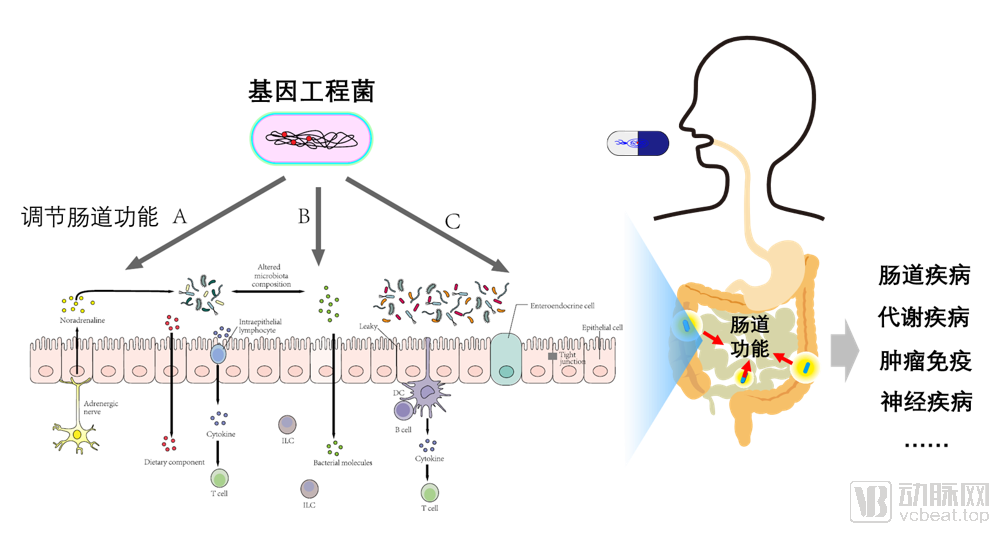
This therapeutic approach is known as bacterial vector gene therapy, recombinant live biotherapeutic products, or synthetic probiotics. It represents a novel drug development methodology within the fields of gut microbiota-based therapeutics and synthetic biology-driven biologics.
Given the significant potential advantages of this methodology in terms of drug safety, therapeutic efficacy, and pricing, a cohort of biotechnology and biopharmaceutical companies has emerged in Europe, the United States, and other regions within this emerging field of gene therapy.Some encouraging early-stage clinical trial data provided by leading companies demonstrate the significant potential of bacterial vector gene therapy.
As one of the pioneers in this emerging field, Hedu Bio was the first in China to engage in the research and development of novel drugs for bacterial vector-based gene therapy.
In June 2019, Hedoo Bio was established in Shanghai. Over the past year since its inception, Hedoo Bio has already built a framework includingPhenylketonuria, Tumor Immunology, Inflammatory Bowel Disease, Colorectal Cancer, Non-alcoholic SteatohepatitisWith a product development pipeline covering multiple indications, the company has established R&D centers at the Shanghai Zhangjiang Biopharmaceutical Technology Industrial Base and JLABS by Johnson & Johnson. Last November, Hedu Bio, which had been in operation for less than six months, secured tens of millions of yuan in angel-round funding from Mifang Capital and Zhangjiang Sci-Tech Innovation.
Dr. Xiang Bin, Founder and CEO of Hedu BioHedubio informed VCBeat that several of its research projects have completed early-stage animal trials, with encouraging experimental data. Moving forward, Hedubio aims to gradually establish a novel drug R&D platform for bacterial vector-based gene therapy with independent intellectual property rights, centered on its core programs in phenylketonuria and tumor immunotherapy, thereby facilitating subsequent drug development for a broader range of diseases.
After earning his Ph.D. in Biology from Shanghai Medical College of Fudan University, Dr. Xiang Bin conducted postdoctoral research at Cold Spring Harbor Laboratory, a renowned private scientific research and education center in the United States.
While abroad, Xiang Bin foresaw the vibrant prospects for the future development of China’s biopharmaceutical industry. After concluding his scientific research career in the United States, he promptly returned to China and embarked on a career in the industrial sector. From 2008 to 2019, Xiang Bin held positions at the AstraZeneca China Innovation Center and the Novartis China R&D Institute, accumulating nearly 12 years of experience in preclinical drug development, with a focus on exploring novel disease biology and drug methodology.
Dr. Xiang Bin told VCBeat that his experience leading new drug R&D teams at AstraZeneca and Novartis provided him with valuable training and laid the foundation for his subsequent entrepreneurial journey.
During his tenure at Novartis, Xiang Bin and his team gradually recognized the limitations of AAV vectors while conducting research on novel AAV gene therapies, prompting them to seek alternative gene drug delivery solutions. Inspired by another team under his leadership that was researching intestinal biology, particularly the gut microbiota, Xiang Bin’s team began exploring the use of gut bacteria to develop new drug delivery methods. Serendipitously, the team made a surprising discovery:Bacterial Vector-Based Gene Therapeutics Offer Unique Advantages.
At that time, as the company prioritized the development of viral vector-based gene therapies, Xiang Bin’s team lacked the opportunities and resources to pursue more in-depth research on bacterial vectors. This situation served as the original impetus for Xiang Bin to resign and embark on his entrepreneurial journey, leading to the establishment of Hedubio.
With years of experience leading R&D teams, particularly in the field of gut biology, Xiang Bin adeptly oversees the company’s overall operations. Dr. Cheng Dachen, who has accumulated nearly 20 years of experience in CMC research for chemical drugs and pharmaceutical R&D operations, serves as the company’s co-founder and COO, specifically responsible for project operations and external CDMO collaborations. As long-time colleagues and partners, Xiang Bin and Dr. Cheng Dachen work together with remarkable synergy.
Furthermore, Hedubio’s robust scientific advisory team provides strategic guidance spanning drug discovery and development to scientific management, largely charting a visionary course for the company’s future R&D efforts. According to Dr. Xiang Bin, Hedubio’s scientific advisory team is an elite, multidisciplinary group that bridges industry and academia. The team comprises two former heads of R&D centers at multinational pharmaceutical giants, a renowned senior toxicology expert with global recognition, and a seasoned pharmaceutical specialist with extensive experience across the entire drug development lifecycle.
As the company continues to grow, Hedu Bio has attracted an increasing number of talented professionals, injecting new vitality into its development.
“No path leads to success without effort.” This adage resonates profoundly within the pharmaceutical industry. It is through countless trials and efforts that the industry has delivered the life-saving medications enabling humanity to conquer diseases today.
What unique advantages do bacterial vectors possess that compelled Xiang Bin to embark on an entrepreneurial journey fraught with uncertainty and hardship?
“Safety, efficacy, and affordability for the general public are the most compelling features that drew me to this new direction. As a drug developer, our ultimate goal is to research, develop, and manufacture medicines that are accessible and affordable for the general population and ordinary patients,” said Dr. Xiang Bin, explaining his firm decision to pursue bacterial vector-based gene therapy.
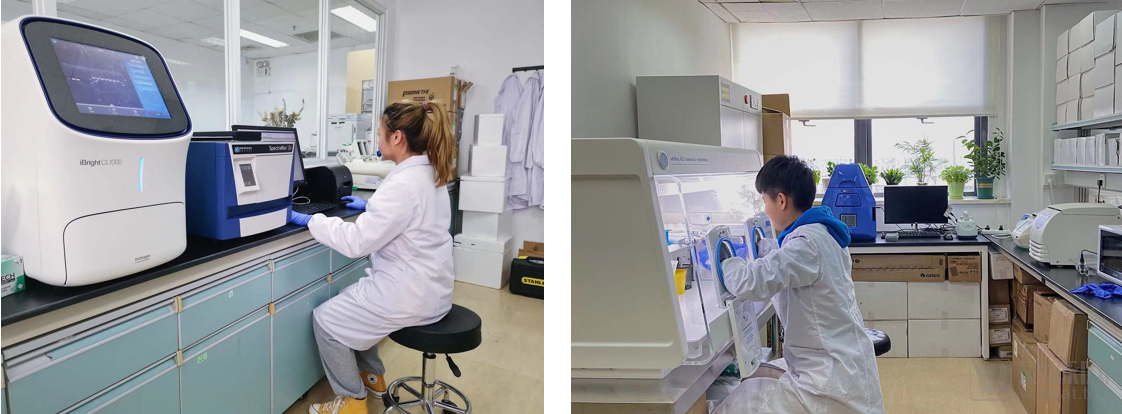
Photos of Hedu Bio Lab Staff at Work
(Image source: Provided by the company)
Safety
All bacterial vectors selected by Hedu Bio are probiotics that are harmless to the human body. Furthermore, the use of bacterial vectors enables localized delivery within the intestine, thereby ensuring more controllable drug safety.
Efficacy
In contrast to AAV vectors, which are constrained by cargo capacity and size limitations, bacterial vectors can integrate multiple target genes to enable multi-target therapy for improved therapeutic efficacy.
Low drug prices, high cost-effectiveness, and affordability for the general public.
As is well known, the purification process in drug development accounts for approximately one-third of the total R&D investment for traditional pharmaceuticals. In contrast, the development of bacterial therapeutics does not require the purification processes typical of traditional small-molecule compounds. Compared with viral vectors, bacterial vectors offer a more significant cost advantage in R&D. This also means that therapies based on bacterial vectors are priced lower than those based on adeno-associated virus (AAV) vectors, making them more affordable for the general public.
Furthermore, Dr. Xiang Bin stated that the bacterial vector methodology has only been in development within the new drug industry for four to five years, remains in its early stages, and thus offers substantial opportunities for patenting.
As the “other organ” within the body, the gut microbiota’s “moods” influence every aspect of human health. Dr. Xiang Bin provided a detailed exposition on how the gut microbiota affects the human immune system.
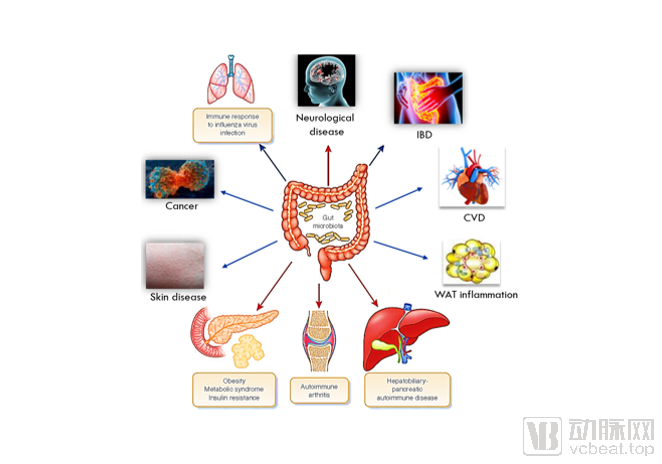
“As the origin site for the onset and progression of various diseases, the gut harbors more than 70% of the body’s immune cells.“The gut immune system is closely linked to many diseases, such as cancer immunology and autoimmune disorders,” explained Dr. Xiang Bin. He stated that Hedubio’s novel therapeutic approach aims to treat these conditions by using genetically engineered bacteria to deliver gene-based drugs that modulate gut immune dysregulation.
Current cancer immunotherapy primarily relies on immune checkpoint inhibitors targeting PD-1 and PD-L1. However, due to interpatient variability in PD-1/PD-L1 expression levels, not all patients achieve high response rates or favorable therapeutic outcomes with these agents. Furthermore, challenges such as drug resistance remain significant concerns.
According to Dr. Xiang Bin, in addition to developing new immunotherapeutic agents, another key focus is the treatment of oncologic diseases through combination therapies. However, thus far, no combination regimen has emerged that offers a refreshing approach with robust synergistic effects.Hedu Biosciences has decided to move beyond the conventional paradigm of observing tumor tissues, instead enhancing systemic immune responses by targeting the modulation of gut immune signaling. This approach involves combining such genetically engineered bacteria with PD-1 inhibitors and other drugs to improve the efficacy of cancer treatment.
“Regarding the company’s future development prospects, Dr. Xiang Bin firmly believes that bacterial vector-based gene therapy holds unique advantages in certain disease areas where other therapeutic modalities have yet to achieve breakthroughs.”
He further stated, “In the past, our approach to combating diseases often focused on the diseased tissue itself, or even merely on a specific signaling pathway or molecule within disease cells, leading to a relatively limited understanding of the disease. However, recent studies have shown that functional interactions between organs are often critical to disease progression, necessitating a systemic perspective in the study and understanding of diseases.”Treating diseases by modulating gut function represents a novel perspective and strategy, with accumulating academic research data demonstrating its feasibility and therapeutic potential.Hedu Bio’s approach of modulating gut function via bacterial delivery of gene products to the intestine may potentially bring about therapeutic breakthroughs for future disease treatments.