

Dr. Yi Zhang of Peijia Medical: Pioneering China's Vascular Intervention Industry and Building a Global Medical Device Leader
Peijia Medical
Developer of Cardiac and Cerebrovascular Interventional Medical Devices
Editor’s Note: Chinese entrepreneurs and business leaders have ventured into uncharted territory, with fewer benchmarks to reference and learn from. An increasing number of questions require us to formulate independently and seek answers on our own. The insights of leading entrepreneurs across various specialized sectors will profoundly shape the future industrial landscape, business practices, and commercial ethics. To this end, VCBeat launches the “Pioneers Interview” series, featuring conversations with top executives in niche segments of the healthcare industry to illuminate the trajectory of industry evolution.
In 1998, Guidant Corporation, then a leader in the field of cardiovascular intervention (which was acquired by Boston Scientific for $27 billion in 2006), held an internal meeting to discuss whether to focus its product efforts on the Chinese market. At that time, the cardiovascular giant concluded that it was not worthwhile, as the Chinese market was too small.
At that time, Dr. Zhang Yi, who was working at Guidant, was preparing to return to China to start his own business. Upon hearing this conclusion, he did not feel discouraged; instead, he optimistically believed that it at least proved that the industry giants of the time had not yet set their sights on the Chinese market.
At a time when industry giants remained skeptical about the Chinese market, Dr. Zhang Yi and five other engineers planned to return to China to launch a startup. However, their entrepreneurial journey faced more obstacles than anticipated. In 2000, the dot-com bubble burst in the United States, and of the six engineers who had originally intended to return together, only Dr. Zhang Yi ultimately made it back to China.
No one would have expected,This return to China not only marked the starting point of his subsequent illustrious career, but also ushered in a turning point for China’s vascular intervention industry, with the domestic cardiovascular intervention sector beginning to accelerate its development.. The Chinese market, once viewed with skepticism, is expected to see its market size surpass RMB 100 billion in twenty years.
Dr. Zhang Yi, who has many years of experience in the research and development as well as commercialization of cardiovascular interventional products, firmly believes that three conditions are indispensable for cultivating a successful medical device company:Daringly innovative physicians; brilliant engineers; venture capitalists unafraid of financial losses.
However, in 2002, China’s vascular interventional industry lacked any foundation in these three areas.
All that stood before him was MicroPort Scientific, which was mired in an operational crisis. The company’s capital chain was on the verge of rupture, with only enough funds left to pay half a month’s wages. The workforce had dwindled to merely twenty employees, leaving the organization on the brink of disintegration. In China, the high-value medical consumables sector,Dr. Zhang Yi described it as starting not from zero, but from negative.。
In 2002, Dr. Zhang Yi returned to China to start from scratch, serving as Chief Operating Officer (COO) and Chief Technology Officer (CTO) of MicroPort Scientific Corporation. He was promoted to President just three months later, where he was responsible for a wide range of initiatives, including capital raising, debt repayment, establishing new systems, building new teams, and developing new products.Over three years, defeated imported brands and led the team to increase the domestic market share of drug-eluting stents from 1% to 70%.. After 2006, he served as Chairman of Otsuka Pharmaceutical China Investment Co., Ltd., turning the Otsuka Group’s China operations from loss to profit within two years; in 2020, Peijia Medical, which he founded during his second entrepreneurial venture, listed on the Hong Kong Stock Exchange after merging with Jiaqi Biologics, established by his wife, Ye Ping, in 2018.
As a key figure in China’s vascular intervention field, what landscape does Dr. Zhang Yi envision for the Chinese vascular intervention industry?
At year’s end, in the Suzhou Industrial Park, Dr. Zhang Yi, a pioneer in China’s vascular intervention field, provided VCBeat (WeChat ID: vcbeat) with a highly condensed account of his two-decade journey intertwined with the domestic cardiovascular industry.
He glossed over the hardships of the past two decades, turning moments of desperate survival into lighthearted anecdotes. He elucidated the robust logic behind the many key decisions that have shaped the industry landscape, highlighted the development trajectory of the vascular intervention field, and answered the questions of where Peijia Medical has come from and where it is headed.
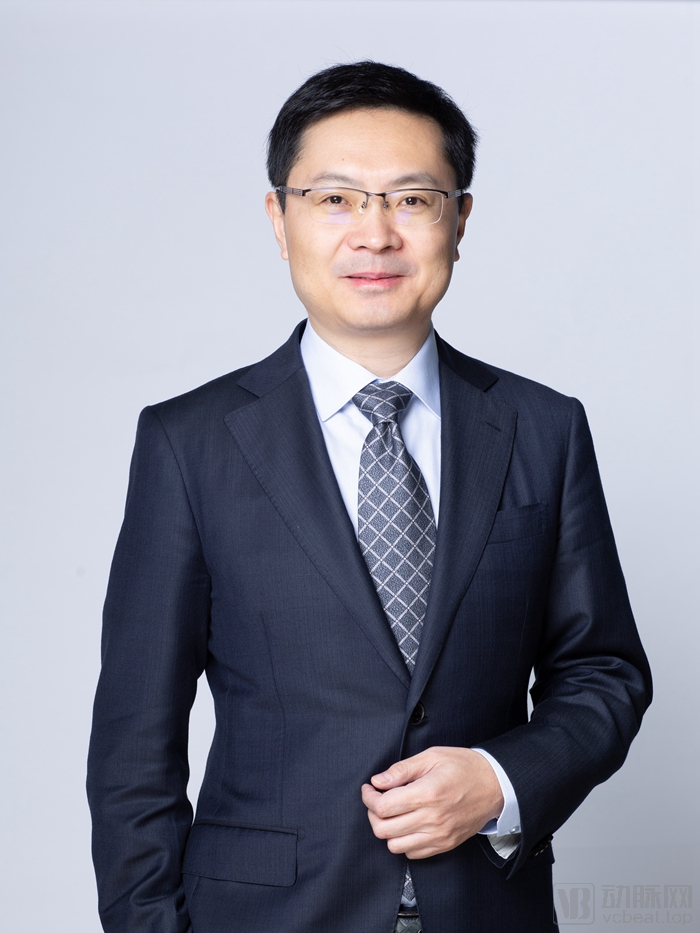
Throughout his career spanning many years, Dr. Zhang Yi has witnessed the development and commercialization of multiple products in the field of cardiovascular intervention. What is the most important vascular intervention product to him?
Dr. Zhang Yi provided an answer from the perspective of the development of China’s high-value medical consumables industry: “Drug-eluting stents. We have witnessed the complete trajectory of the drug-eluting stent industry over the past two decades, from a sunrise industry to a sunset industry.”
When Dr. Zhang Yi returned to China in 2002, Zhangjiang, now a highland of biotech innovation, was still a barren wasteland. He still remembers that the terminal station of Metro Line 2 at that time was Zhangjiang Hi-Tech Park, and there were often only one or two passengers on the train. MicroPort Scientific Corporation’s operations nearly came to a standstill.
In such a barren industrial environment,The drug-eluting stent developed under the guidance of Dr. Zhang Yi became the first domestically produced drug-eluting stent in China and was awarded the Second Prize of the National Science and Technology Progress Award by the State Council in 2007.
The domestic environment for the high-value medical consumables industry was also quite underdeveloped. The rise of drug-eluting stents coincided with the initial growth phase of China’s vascular interventional high-value consumables sector. The role of drug-eluting stents in the historical development of this industry cannot be overlooked.
Although the product life cycle of drug-eluting stents has entered the decline stage due to volume-based procurement, Dr. Zhang Yi believes it is undeniable thatIt was drug-eluting stents that drove the development of the high-value consumables industry in cardiovascular interventions, and it was this product that spurred the establishment of the domestic high-value consumables ecosystem.In terms of industry scale, drug-eluting stents have also driven multiple companies to go public.
“Why is it said that drug-eluting stents have driven the entire industrial ecosystem? First, in the early stages of research, development, and production,”We have cultivated a cohort of local engineers. Many of them have now embarked on new ventures, injecting fresh momentum into China’s high-value medical consumables industry.
“The medical device industry is characterized by the relative ease with which engineers can launch startups, making it challenging to recruit engineering talent and leading to a continuous dilution of the talent pool. However, only through sustained cumulative growth can the entire industry continue to expand.”
During the market launch of drug-eluting stents, the drug regulatory system has also been continuously improved.At that time, Dr. Zhang Yi was also frequently invited to deliver lectures at the National Medical Products Administration (NMPA), helping to improve the review and approval system.
“Most importantly, this product has built physicians’ confidence, encouraging cardiologists to embrace domestically produced devices., and in some departments, doctors are still reluctant to use domestically produced products. Without this, it would be impossible to discuss the subsequent field of vascular intervention, where domestically produced products were launched before imported ones.”
Dr. Zhang Yi recalls the state of affairs at that time, BaiBy day, one must focus on securing funding; by night, one must address various internal challenges.To address the most critical issue of distrust in product quality, Dr. Zhang Yi implemented sweeping reforms within MicroPort Scientific Corporation, optimizing product processes, completing technological upgrades, and emphasizing quality as the top priority.
To obtain timely feedback from physicians on product usage and facilitate prompt product improvements, Dr. Zhang Yi personally observed surgeries during his tenure at MicroPort Medical, a practice he has maintained to this day. He also observed surgical procedures when Peijia Medical’s products entered clinical trials.
“During the initial phase of our return to China, we personally recruited many physicians. Being present in the operating room alongside them helped build their confidence. Moreover, direct involvement in surgeries allowed us to obtain firsthand, intuitive feedback from physicians; without such on-site presence, issues related to certain products might be lost through layers of communication.”
Dr. Zhang Yi’s return to China to start a business was even featured in a documentary by NHK. In 2002, marking the 30th anniversary of diplomatic relations between China and Japan, Japan’s NHK television network produced the documentary series “21st Century: A Changing China.” One episode, titled “The Return of High-Level Talent,” focused on the stories of overseas-educated Chinese professionals returning home. This episode primarily followed Dr. Zhang Yi, who had returned to China to engage in the research and development of minimally invasive medical technology and equipment.
The documentary recounts the reform process, showcasing how Dr. Zhang Yi convened staff meetings to articulate the company’s vision and mission, urging employees to break away from the “iron rice bowl” mindset; how he reshaped products and refined their details; and how he invited Japanese physicians to China to demonstrate domestically produced stents for Chinese doctors, illustrating how to promote these products to physicians from the ground up.

Dr. Zhang Yi in the NHK Documentary
The documentary shaped the perception of MicroPort in Japan and laid the groundwork for Dr. Zhang Yi’s connection with Otsuka Corporation. In 2005, Otsuka Corporation invested in MicroPort. To this day, Otsuka Corporation remains MicroPort’s second-largest shareholder.
During the remarkable years of MicroPort, Dr. Zhang Yi led his team to establish MicroPort as a hallmark of China’s high-value medical consumables industry.
Subsequently, he chose to join Otsuka (China) Investment Group, serving as Chairman of the China region. Upon joining the Otsuka Group, Dr. Zhang Yi set forth two conditions: that he be granted sufficient managerial authority and allowed adequate time to pursue his own initiatives.
What he aims to do is to fulfill the vision of taking domestically produced medical devices from China to the global market. He firmly believes that,In China’s high-value medical consumables industry, MicroPort Medical should not be the only notable player, and drug-eluting stents should not be the sole competitive product.
Otsuka Corporation accepted Dr. Zhang Yi’s conditions, appointing him as Chairman of its China region and placing him in charge of its global medical device business. It was rare at the time for a Chinese national to be entrusted with such a pivotal role as Chairman. Prior to this, Otsuka had been operating at a loss in China. After taking full control of Otsuka (China) Investment Group, Dr. Zhang Yi led the company to turn around its performance and achieve profitability within two years.
On the other hand, Dr. Zhang Yi was also embarking on a new venture, with Peijia Medical beginning to take root and flourish.
As early as 2003, Dr. Zhang Yi’s wife, Ms. Ye Ping, who had previously served as a production engineer and R&D engineer at Guidant, launched her startup in her garage in the United States, focusing on the research and development of coil embolization technologies and products. In 2005, Ye Ping returned to China with her successfully developed electrolytic detachable coil technology and entrepreneurial vision, establishing Jiaqi Biotechnology (Shanghai) Co., Ltd. in Shanghai’s Zhangjiang Hi-Tech Park. Upon her return with this technology, Jiaqi Biotechnology’s coils became the first domestically produced coils in China, filling a gap in the domestic market.
In 2012, Peijia Medical was established in Shanghai, focusing on the field of interventional heart valves. Its core product, TaurusOne®, was expected to be launched in the first half of 2021. In 2018, Peijia Medical completed a strategic integration with Jiaqi Biologics, a neurointerventional company, strengthening synergies between the two parties across multiple dimensions, including R&D, clinical trials, quality control, operations, and promotion.
In 2020, Peijia Medical, which had proactively positioned itself in the structural heart disease and neurointerventional sectors, listed on the Hong Kong Stock Exchange.
During the pre-IPO and IPO phases, Peijia Medical received support from numerous renowned top-tier funds, including Hillhouse Capital, Matrix Partners China, Lilly Asia Ventures, and Fidelity International. The strong investor interest in Peijia can be attributed to the competitive advantages of the two sectors in which the company operates.
When selecting a strategic track, Dr. Zhang Yi’s acute insight into industrial trends enabled him to identify the next direction. As a pioneer in the field of vascular intervention, he must not only solve problems but also anticipate solutions.
As early as around 2006, Dr. Zhang Yi had already recognized the potential of the neurointerventional sector and began to strategically position his product portfolio. Products such as MicroPort’s APOLLO™ Intracranial Artery System were the outcome of this early strategic initiative.
Prior to Peijia Medical’s IPO, few investors recognized the value of neurointerventional procedures. Dr. Zhang Yi noted that during fundraising at that time, the neurointerventional business was essentially given away for free. However, following Peijia Medical’s listing, the neurointerventional sector gained significant traction, becoming one of the hottest areas for investment and financing. Leading companies in this field have now reached a point where capital alone is insufficient to secure entry.
When Peijia Medical chose the cardiac interventional valve sector at its inception,Transcatheter heart valves were not yet a hot topic at the time; there were many other options in the vascular intervention sector, such as biodegradable stents, radiofrequency ablation, and renal denervation for hypertension, which were the prevailing trends.
Choosing the heart valve sector was driven by two considerations. First, as a second-time entrepreneur, he sought to avoid merely repeating his past work and therefore steered clear of the stent field. Years of experience also convinced him that interventional therapy for heart valves represents a revolutionary shift, transforming treatment from open-heart surgery to minimally invasive procedures—a disruptive innovation with substantial market potential. Moreover, just like cardiac stents, transcatheter heart valves are implanted by cardiologists, a specialty with which he is already well acquainted. This product line would undoubtedly help him achieve greater ambitions.
He possesses the rationality and patience to support Peijia Medical’s growth, adhering to strict quality control and avoiding the rush to bring products to market.
With a background as an R&D engineer, he clearly recognizes the gap between domestic high-value consumable products and imported ones. He believes that what makes import giants difficult to surpass is not their manufacturing processes, but rather the meticulous attention to detail in their research and design. Therefore, to catch up with these international companies, the focus should not merely be on who conducts human trials first or who brings products to market sooner, but rather on competing in terms of the rigor and dedication applied to product development.
He stated that in R&D, experienced engineers at foreign-funded companies might consider 100 issues, whereas domestic engineers may only address 20. While this disparity in attention to detail may not be significant in a single surgical procedure, it becomes pronounced when scaled to 1,000 or 10,000 procedures.
He stated that although several years of development have passed, the entire TAVR sector remains in its early stages. First, in terms of market penetration, data released at the 2019 TCT (Transcatheter Cardiovascular Therapeutics) conference showed that there were currently 142 hospitals in China capable of performing TAVR procedures, with a total of approximately 2,000 cases performed, resulting in a penetration rate of only around 0.1%. In such a limited market, it is difficult to discern the competitive landscape.
From a product perspective, TAVR devices are still undergoing iterative updates, and the optimal product has yet to emerge. According to the lifecycle of vascular interventional products, the market typically experiences an explosive growth within five years following the launch of a superior product.
At this early stage of market development, Peijia Medical remains focused on refining its products. Regarding clinical trials for transcatheter heart valves, Peijia Medical’s clinical protocol was the only one approved by the National Medical Products Administration (NMPA), and it adopted patient enrollment criteria that are ahead of industry standards. Under these circumstances, the clinical data performance remains outstanding.
Peijia Medical has chosen a more time-consuming path in product R&D, driven by its global vision since its inception.
In alignment with its global development strategy, Peijia Medical has designed an organizational structure that differs from that of most domestic cardiovascular intervention companies.
As disclosed in Peijia Medical’s prospectus, the executive team includes two independent directors from overseas: Stephen Newman Oesterle, former Chief Medical Officer of Medtronic, and Robert Ralph Parks, former Partner at Goldman Sachs and Executive Chairman of JPMorgan Chase.
“The appointment of two independent directors is intended to foster greater transparency and democracy in corporate governance, while also laying the groundwork for our global expansion.”
Dr. Zhang Yi believes that a global layout is not merely a vision, but also a necessary strategy to adapt to internal and external changes in the current industrial environment.
From the perspective of the internal growth dynamics of medical device companies, the industry is showing a trend of polarization. A single product can no longer sustain the rapid growth of a large medical device company, and the growth space brought by endogenous growth is becoming increasingly narrow. Therefore, companies need to expand their product lines through global layout. Going from 0 to 1 may not be difficult, but many companies will be eliminated in the process of going from 1 to 100.
Dr. Zhang Yi pointed out, “The medical device sector is characterized by the ease with which engineers can launch startups and the industry’s susceptibility to capital-driven acceleration. Consequently, a steady stream of new ventures continues to enter the market; however, as the industry evolves, it will exhibit increasing polarization.”
In the external environment, Peijia Medical now operates in a more diverse and complex landscape.
In the early stages of development in the high-value medical consumables sector, lacking capital support, companies had to reinvest profits from product sales into research and development.
Today, high-value cardiovascular consumables have become the hottest investment sector. In the secondary market, capital markets are providing unprecedented support to hard-tech enterprises. A series of policies, such as the Hong Kong Stock Exchange’s allowance for unprofitable biotech companies to list and the STAR Market’s support for benchmark enterprises with key core technologies, have broken through the growth ceilings facing startups.
The continuously expanding growth space also signifies an increasingly competitive landscape, where only the major players can thrive in the vast market.
Benefiting from the dividends of capital market reforms, Peijia Medical went public this May. How should we view the impact of the listing on Peijia Medical?Dr. Zhang Yi used an analogy, stating that going public provides a running start, but if one cannot adapt to the resulting acceleration, there is a high likelihood of falling.
The capital raised from the IPO enables Peijia Medical to initiate strategic initiatives that were previously constrained by limited funding. Certain projects, originally scheduled for implementation in five years, can now be launched ahead of schedule, including its global expansion strategy.
Dr. Zhang Yi stated, “At the same time, going public places high demands on a company’s capabilities. It is akin to receiving a potent cardiac stimulant while still a child, forcing you to mature rapidly and acquire adult-level competencies. This, in fact, represents a significant challenge.”
Peijia Medical’s global strategy is rooted in its local presence. In addition to introducing international projects, the company will establish incubators in China to nurture domestic high-end medical device enterprises, empowering startups during their growth phase from 1 to 100.

Peijia Medical Building
When Peijia Medical moved into its Suzhou office, some employees remarked to Dr. Zhang Yi that the new building felt excessively spacious and empty. At the time, Dr. Zhang Yi responded that the space might well become insufficient within two years.
Nowadays, the development speed of Peijia Medical has once again exceeded Dr. Zhang Yi’s expectations, and Peijia Medical is already planning to construct a new office building.
How big Peijia Medical will become in the future may be difficult to measure by physical space alone. In addition to becoming a global giant in high-value consumables, Peijia Medical will also serve as a hub, incubating local medical device companies and introducing innovative firms from around the world.
How fortunate Dr. Zhang Yi has been! Blessed with extraordinary talent from a young age, he was admitted to Zhejiang University at just 16. Returning from abroad after extensive training, his innate strengths coincided with the rapid growth phase of China’s cardiovascular intervention industry. And how exceptional he is! He sets no final destination, refuses to be constrained by the status quo, and remains steadfast in his pursuit of truth and innovation.
The world may change, but its dream remains unwavering.