

YikeTang's Enzymatic Reb M: China's First Breakthrough in Next-Gen Stevia Sweetener
As consumer demand for “sugar reduction” continues to rise, sweeteners are playing an increasingly important role in the food and beverage ingredients industry, emerging as a highly promising new sector.
As a substance extracted from Stevia rebaudiana, steviol glycosides have long enjoyed the reputation of being the “third-generation natural zero-calorie healthy sweetener.”This year,With the approval of the National Health Commission’s new round of reviews, steviol glycosides (produced via enzymatic conversion), independently developed by Yiketang, have successfully received regulatory approval.This timeThis not only marks a technological breakthrough in China’s production of the rare steviol glycoside component, Stevioside M (hereinafter referred to as “Reb M”), via enzymatic conversion.SexThis breakthrough also signals that China's food and beverage market is on the verge of a new round of “sugar-reduction revolution.”
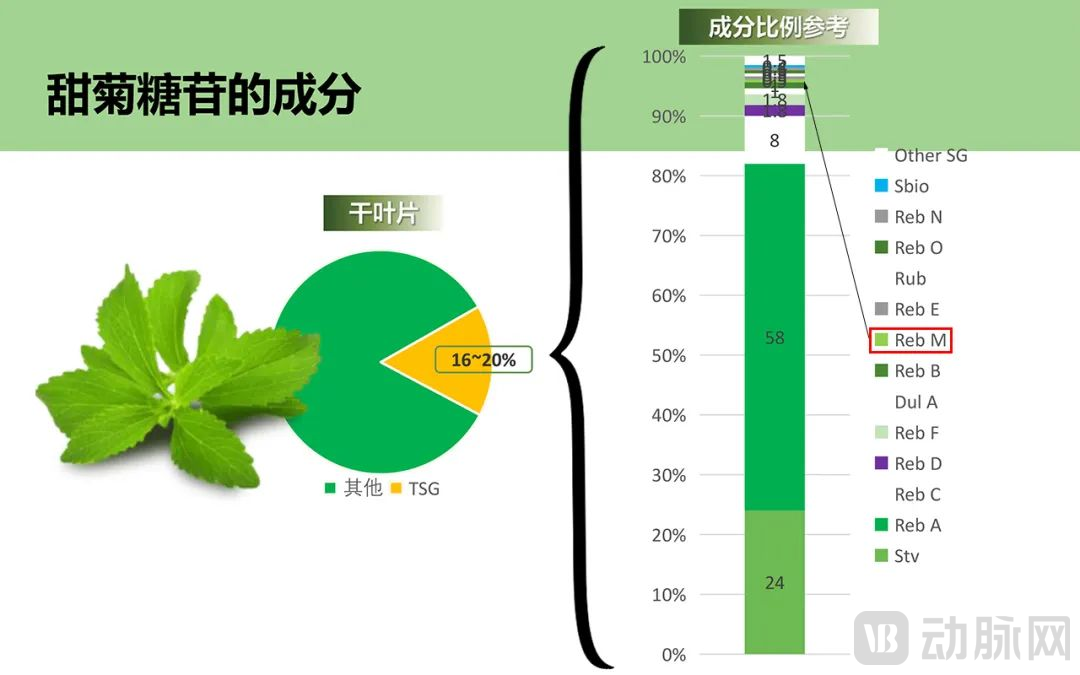
Components of Steviol Glycosides
Although Reb M accounts for only about 1% of the content in stevia, it is different fromCurrently Widely Used Steviol Glycoside—Rebaudioside A (hereinafter referred to as “Reb A”), its sweetness and mouthfeel are extremely close to those of sucrose, resolving issues such as lingering bitterness and licorice aftertaste, thereby better aligning with consumer preferences. HoweverFor a long time, constrained by technical challenges, although China is the world’s largest market for stevia cultivation and processing, with steviol glycoside production accounting for 80% of the global total, it has yet to achieveMass Production of Reb M.
Nowadays, Yike Sugar has successfully achieved production through enzymatic conversion.Breakthroughs in Reb M production technology have provided an innovative solution to this challenge. This technology cleverly leverages enzymatic conversion to transform readily available Reb A into Reb M, which is difficult to obtain directly in large quantities.Widely used in common foods and beverages, such as: coffee, milk tea, carbonated drinks, fruit juices, functional beverages, etc., not only helping beverage manufacturers significantly saveto find the optimal balance between food and beverage applications and Reb AThe cost of building additional production lines. More importantly, this technological breakthrough has further optimized the layout of the steviol glycoside industry chain, paving a new path for the development of next-generation sweeteners in China and bringing more choices to the sugar substitute market.
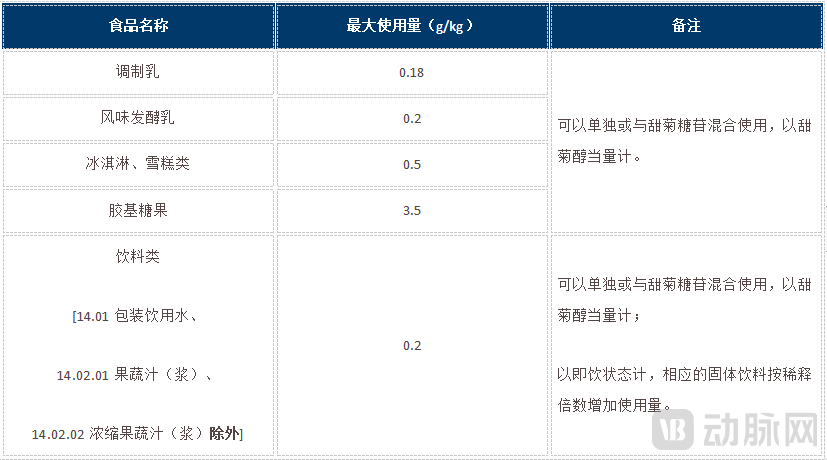
Scope of Use for Reb M
Source: Department of Food Safety Standards, Monitoring and Assessment “On Dendrobium Protocorms, etc.”Announcement on 23 Types of "Three New Foods"》
Since ancient times, humanity’s pursuit of food has revolved around the dual goals of taste and health. In recent years, as consumers have placed increasing emphasis on healthy eating, market demand for foods that satisfy the palate while also providing nutritional benefits has continued to grow.
In this context, Yikesheng has broken through technical barriers and become the first company in China to produce via enzymatic conversion, thanks to its continuous efforts and innovations in the field of food technology.Manufacturers of Reb M have introduced new options to the market, satisfying consumers’ demand for sweetness while adhering to health and safety standards. This development has also diversified the product portfolio of China’s sugar-free market, driving new progress in the food industry’s pursuit of a balance between taste and health.