

Beyond Healing: Dr. Fu Jun of Asia Heart Hospital Advocates for Fulfilling Patients’ Aspirations for a Better Life
"Many people fail to realize that doctors can also fall ill."
During surgery, decades of standing for hours on end and the immense psychological pressure of holding patients’ lives in their hands make cardiac surgeons particularly susceptible to occupational diseases.
Professor Fu Jun, a cardiac surgeon at Wuhan Asia Heart Hospital (hereinafter referred to as “Asia Heart Hospital”), also fell ill due to the demands of his medical profession. However, his experience was somewhat different.
In December 2019, he saved two patients on the operating table. However, the joy of saving lives was short-lived, as he soon collapsed at the operating table—the two patients were subsequently diagnosed with COVID-19, and he was also confirmed to be infected.
As a patient with severe COVID-19, he was once dependent on a ventilator for survival, to the extent that extracorporeal membrane oxygenation (ECMO) life support was required. However, encouraged by his colleagues and supported by the hospital leadership, his growing confidence in overcoming the disease helped bring his condition under control. This progress avoided the potential complications associated with ECMO use and accelerated his recovery. After months of concerted and comprehensive treatment by the medical team at Asia General Hospital, he ultimately survived against all odds.
It was also due to this illness that he came to a deeper understanding of the patient–physician relationship, recognizing it as one of companionship and camaraderie. Patients’ trust in their physicians and their own steadfast belief play a significant role in recovery from disease. This experience also led him to believe that while ambition and a sense of responsibility are fundamental qualities for becoming an outstanding surgeon, empathy—the ability to see things from the patient’s perspective and clearly understand their needs—is equally indispensable.
The Miraculous World of Medicine
He spent nearly his entire childhood in hospitals. With both parents working as healthcare professionals, he was immersed in the medical field from an early age, gaining firsthand exposure to the mysteries of medicine.
During his undergraduate years, animal experiments in physiology classes sparked intense excitement within him. How could the heart beat and function like a perpetual motion machine, and how did it achieve such precise coordination with the rest of the body? These questions were filled with wonder and mystery, further solidifying his determination to pursue a career in medicine. To this end, during his graduate studies, he improved the experimental apparatus for myocardial perfusion, focusing specifically on the mechanisms underlying cardiac arrest and contraction, thereby embarking on his journey to unravel the mysteries of the heart.
In 1999, when Academician Zhu Xiaodong established Wuhan Asia Heart Hospital, he embarked on further exploration in cardiothoracic surgery under the leadership of Academician Zhu Xiaodong and Professor Tao Liang. Initially, they began with animal experiments and eventually transitioned to human surgeries.
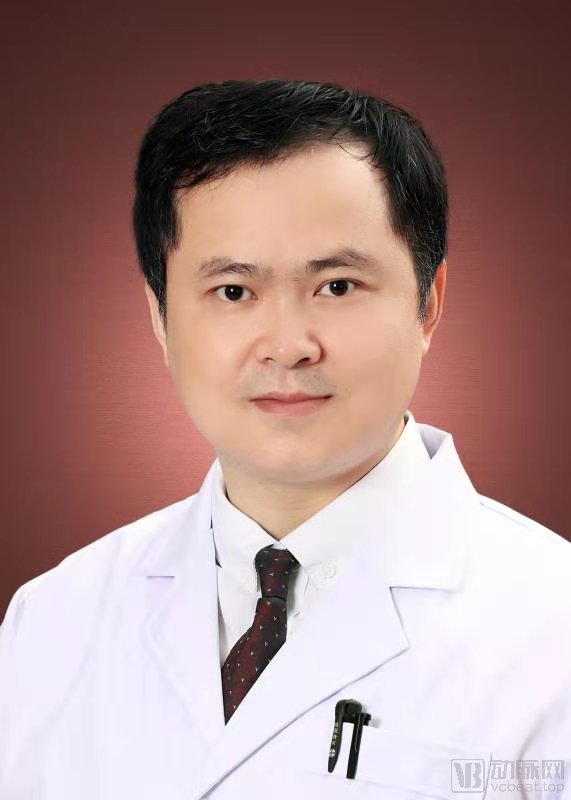
Professor Fu Jun, Chief Physician of the Department of Cardiac Surgery at Wuhan Asia Heart Hospital; Member of the Chinese Vascular Experts Committee; Member of the Non-Public Medical Experts Committee; Recipient of the 2020 Pangu Annual Person Award
Due to resource constraints, Wuhan Asia Heart Hospital has enhanced its comprehensive capabilities by inviting external experts to conduct on-site teaching and by sending its physicians to other hospitals for advanced training. During this period, he also pursued further studies at several prestigious institutions, including the University of Minnesota, Baylor College of Medicine in Texas, and Fuwai Hospital. Thanks to the selfless contributions of numerous experts, including Professor Sun Lizhong, to team building at Wuhan Asia Heart Hospital, the hospital achieved rapid development during this process.
Today, Wuhan Asia Heart Hospital continues this momentum by regularly holding competitions to assess the surgical dexterity of its cardiac surgeons. These include tasks such as threading black and white sesame seeds alternately onto a suture to test precision in handling needle holders and forceps, and performing simulated Bentall procedures (composite graft replacement of the aortic valve and ascending aorta) on porcine hearts to evaluate proficiency in surgical techniques.
Throughout his continuous learning and in-depth study of surgical procedures, he has also been refining and optimizing surgical techniques. He pioneered the modified Bentall procedure for minimally invasive cardiac and great vessel surgery both domestically and internationally, significantly enhancing patients’ healthcare experience.
Through years of hands-on clinical practice, he has developed a simplified surgical approach for the management of acute aortic dissection. This approach includes valve-sparing double-track reconstruction of the aortic root, personalized fenestration techniques for aortic arch surgery, and the integration of cannulation strategy selection with retrograde cerebral perfusion for brain protection. These innovations have enabled more local hospitals to perform complex cardiothoracic and major vascular surgeries, thereby reducing the risks associated with patient referral and improving survival rates.
Meanwhile, to enhance the precision of surgical techniques and strive for the most thorough anatomical correction, he has further shifted critical decision-making to the operating table, thereby mitigating the risk of secondary surgeries for patients.
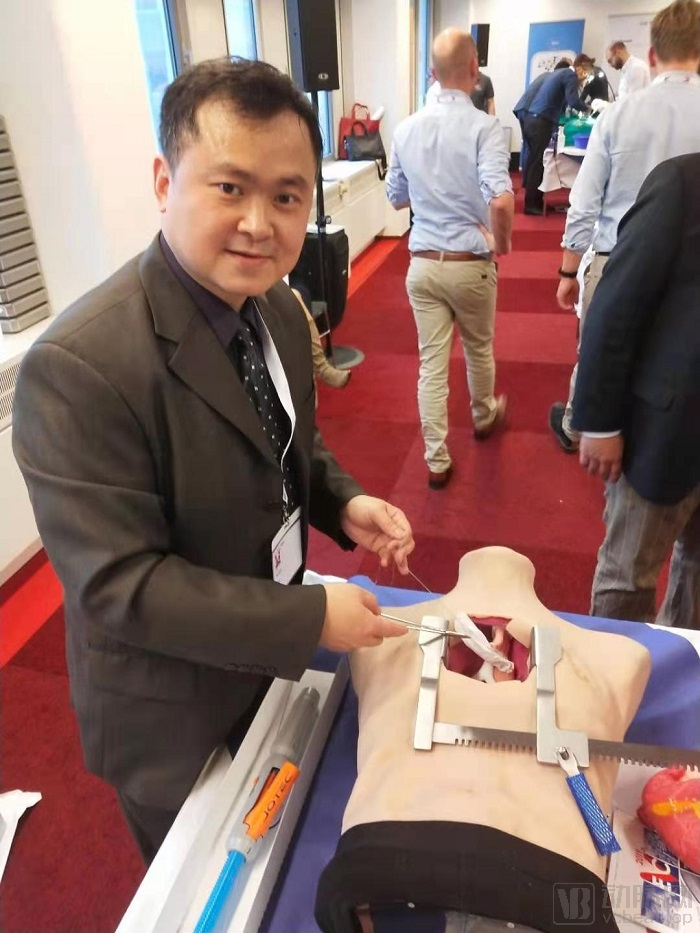
Professor Fu Jun Engages in Peer Exchange and Simulates Human Surgery
For him, surgical strategy far outweighs surgical technique itself. Devoting limited energy to the clinical surgical planning for each patient, serving every patient well, and continuously summarizing and improving—this is the lifelong pursuit of a surgeon.
From Patients to Physicians
Over the past 20 years of his career in cardiology, Fu Jun has presided over more than 8,000 various cardiac surgical procedures, with an overall mortality rate of less than 1%. He has also performed approximately 1,500 major vascular surgeries, including descending thoracic aortic replacement, the Sun’s procedure, and hybrid operations, with an overall mortality rate of less than 2%. Throughout these procedures, he has developed a unique set of clinical insights, placing particular emphasis on addressing patients’ individualized needs and delivering targeted therapeutic interventions.
As early as 2014, he was already planning precision treatment for patients with acute aortic dissection. Previously, a uniform approach was typically adopted to address issues in a given patient category. However, this often led to deviations in actual clinical practice. By more precisely stratifying patient populations and tailoring surgical strategies and therapeutic modalities to individual patient needs, better treatment outcomes can be achieved.
During the surgery, he diligently implemented a strategy of personalized treatment. A unmarried female patient under the age of 30 was admitted to the hospital with acute aortic dissection combined with severe aortic regurgitation. At that time, the medical team recommended performing a Bentall procedure to replace the aortic root and valve. However, replacement with a mechanical valve would require the patient to take lifelong anticoagulant medication, while replacement with a bioprosthetic valve would necessitate a second surgery in the near future.
Considering the potential impact of anticoagulant therapy on the future fetus, the patient’s family requested repair of the damaged valve. In fact, the surgery commenced at 3:00 a.m., with the surgical team not in optimal condition. Had a valve replacement strategy been adopted, the procedure would undoubtedly have been simpler. However, due to the presence of aortic dissection, valve repair posed significant technical challenges. For a team operating under suboptimal conditions, this translated into greater risk.
Ultimately, Fu Jun’s team rallied their spirits to meet the challenge, opting to perform a more complex valve-sparing aortic root replacement for the patient. The procedure required meticulous suturing on the patient’s fragile blood vessels, demanding immense mental and physical exertion. He still vividly recalls this thrilling surgery, which lasted nearly 20 hours and ultimately achieved the desired outcome for the patient.
“Adopting the patient’s perspective yields a different mindset. Physicians should not merely consider what they are capable of doing, but rather focus on understanding the needs of their patients.” This places higher demands on physicians. They must perform surgeries while being fully able to meet the patient’s needs. For him, such a procedure would not be considered complex by today’s standards; however, at that time, it represented the utmost limit of his capabilities.
He stated that, as a physician, “one must continually seek a balance among safety, efficacy, and cost-effectiveness. When selecting treatment strategies, it is also essential to minimize the burden on patients.” The goal is not only to address the patient’s most pressing current issues but also to plan for their long-term well-being; the most expensive medical intervention is not necessarily the best. “The best pair of shoes is always the one that fits best, not the most expensive one,” Fu Jun often tells his patients.
After contracting COVID-19 during the pandemic, he gained a deeper understanding of patients’ psychological states. “Most patients are extremely anxious when facing surgery and require psychological counseling. Patient cooperation can often significantly enhance treatment efficacy.” An 80-year-old patient who cheerfully sang after surgery further reinforced his awareness of the importance of patients’ mindset and physicians’ empathy.
“Doctors do not merely treat patients; they must also strive to improve patients’ quality of life, enabling them to enjoy life over a longer lifespan,” he said.
The Achilles' Heel
Surgery is a challenge that every surgeon must confront. Initially, he was filled with passion, believing that the more theoretical knowledge and surgical skills he mastered, the stronger he would become and the more patients he could help. However, as he performed more surgeries, he increasingly recognized human fragility in the face of disease and the vastness of the unknown frontiers in medicine. He specifically referenced Achilles, the hero from Homer’s Epic, who, despite being invulnerable, had his own weakness—his heel. This serves as a metaphor for reality: everyone has their own shortcomings.
“A physician must not be overly self-assured; instead, a comprehensive assessment and meticulous evaluation of the surgical procedure are essential.” This heartfelt insight stems from his years of clinical practice. When adopting new technologies and techniques, it is crucial to strictly adhere to their indications and avoid stubborn self-reliance.
“Doctors are forever medical students. Clinical questions are never exhaustive; after scaling one high mountain, there is always a higher peak ahead. In this journey, physicians must continually reflect on and address the challenges they encounter,” he said.
“For a physician to achieve rapid professional growth, it is essential to extensively review medical literature and gain substantial operative experience to enhance their clinical acumen.” In the process of training physicians, he adopts a comprehensive training model—having physicians study under his mentorship for a brief period before rotating through various departments to ultimately establish a holistic clinical perspective. He further emphasizes that, in disease management, cultivating surgical thinking is more critical than merely honing technical operative skills; physicians require multifaceted refinement.
Currently, most physicians adopt a more conservative approach to patient care, often failing to adequately listen to patients’ concerns. This tendency is also linked to the significant risks doctors bear when providing treatment. In his view, “While inferior doctors treat diseases, competent doctors treat patients, and superior doctors benefit the entire community.” A good physician should strive to ensure that their treatments and surgical procedures bring benefit to the broader population.

Professor Fu Jun’s WeChat profile picture, designed by himself. In the icon14The wording is from Professor Fu Jun's14ward, while “14“It can also be read as ‘Yao Si,’ a homophone for ‘key’ in Chinese. The overall logo is designed in the shape of a key, symbolizing holding the key to unlock the door to the heart.”
In today’s era of social progress and rapid technological advancement, the development of new technologies such as interventional devices and robotic surgery is reshaping trends in cardiac surgery. “However, new techniques like interventional procedures are far from solving all problems; patients may ultimately still need to return to the operating table,” stated Fu Jun. He emphasized that cardiac surgeons should remain grounded in surgical expertise while also, as Professor Sun Lizhong has advocated, “understanding and mastering interventional procedures, learning to walk on two legs,” to become composite medical professionals. Only in this way can more reliable treatment options be provided to patients.
Epilogue
Cast back to 2010, at a cruising altitude on a flight from Los Angeles to Tokyo, a 60-year-old passenger suffered a suspected seizure. Fu Jun, who had just returned from studying in the United States, happened to be involved in the patient’s emergency care. He helped clear the patient’s airway, established intravenous access, and administered antiepileptic medication. Together with another Chinese doctor and a Japanese doctor, he successfully treated the patient.
As a gesture of appreciation, the flight crew upgraded his seat from economy class to first class free of charge. Later, the airline even sent him a voucher redeemable for any flight as a further token of gratitude.
The gift is not actually expensive.
But for Fu Jun, in that moment, a profound sense of sanctity surrounding the mission to heal the sick and save lives arose spontaneously. It was this sense of sacred duty that propelled him forward on his journey.