

From Industrial Conglomerate to Medical Device Powerhouse: How Teleflex Built an Empire Through Over 30 Acquisitions

Teleflex
Supplier of disposable medical products, surgical instruments, and medical devices
In the global medical device market, there are not many companies with a history of over 70 years; Teleflex is one of them.
In early 1943, Teleflex was founded in Delaware, USA. At its inception, the medical device sector was only one of the business areas covered by Teleflex. As a diversified company, early Teleflex also ventured into the aviation and industrial markets. Over time, particularly in the past three decades, Teleflex has gradually transitioned into a leading enterprise focused on the medical device industry.
After more than 70 years of growth, Teleflex has established itself as a global brand with over 70 marketing and manufacturing sites, approximately 12,600 employees, and provides support to healthcare providers in more than 150 countries worldwide.
As a globally leading professional medical device supplier, Teleflex’s growth journey is inspiring.
“What does the name ‘Teleflex’ mean?”
In 1943, Teleflex was established. Its first products were multi-strand spiral cables and their accompanying gears. These products were initially applied to jet fighters during World War II. The radio equipment in these fighters was typically located behind the cockpit, making it inaccessible for direct manual adjustment by pilots. Pulling actions on the multi-strand spiral cables would rotate the gears. Leveraging this principle, as an adjustable (Flexible) cable, this product was commonly used to assist pilots in adjusting the position of radio receiving equipment, from which Teleflex derived its name.
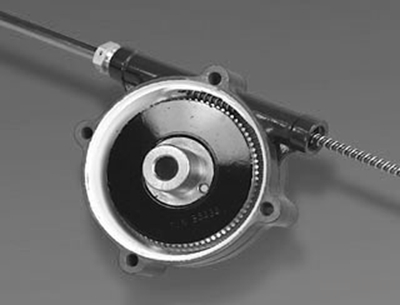
Multi-strand helical cables manufactured by Teleflex (Image source: Teleflex official website)
As a diversified enterprise, Teleflex has steadily advanced, delivering its products to various industries. In 1967, Teleflex was listed on the American Stock Exchange, and two years later, it was also listed on the Toronto Stock Exchange. In 1974, Teleflex established its headquarters in Limerick, Pennsylvania. It was not until 1981, when Teleflex founded the Applied Polymer Plant in New Hampshire, that the company began its significant entry into the medical device industry.
For companies, one effective way to expand their market footprint is through the continuous acquisition of peers in the same industry. Since entering the medical device sector in 1982, Teleflex has embarked on a history of concurrent acquisitions and “slimming down.”
In 1985, Teleflex successively acquired two medical companies: Warne Surgical Products Ltd and Franklin Medical Ltd. Since then, Teleflex has fully embarked on its journey of medical device acquisitions.
In 1989, Teleflex acquired Willy Rüsch AG, a German manufacturer of polymer tubing, expanding its acquisition targets to include medical device companies in other countries.
In 1991, Teleflex acquired Pilling, a manufacturer specializing in metal surgical instruments for craniomaxillofacial and orthopedic procedures. Two years later, Teleflex acquired Edward Weck Incorporated, a surgical instrument manufacturer, and continued to develop and market Edward Weck’s existing product lines.
Subsequently, Teleflex went on to acquire the UK-based Unimed, which specialized in respiratory and anesthesia care (1994); endoscope manufacturer Endoscopy Specialists (1995); home healthcare products manufacturer Medilland (2000); and Arrow International’s vascular access business (2007), among others.
The most recent acquisition occurred on December 28, 2020, when Teleflex announced it would acquire Z-Medica, a U.S.-based manufacturer of hemostatic products, for a total consideration of $525 million. Founded in 2002 and headquartered in Wallingford, Z-Medica specializes in the research, development, and sales of innovative hemostatic products. For over a decade, Z-Medica has helped hospitals, military forces, law enforcement agencies, emergency responders, and consumers worldwide improve treatment outcomes through its QuikClot brand products.
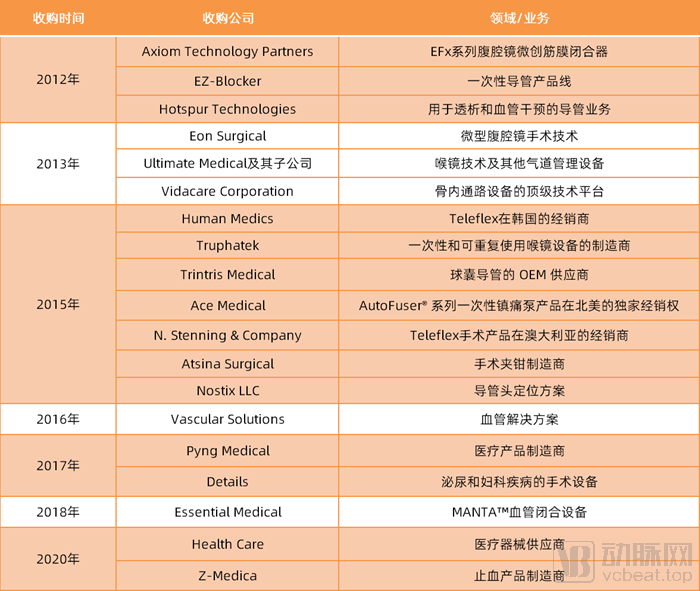
Teleflex’s Nearly 20-Year History of Medical Device Acquisitions (Source: Teleflex Official Website)
According to statistics, Teleflex carried out more than 30 acquisitions of varying sizes between 1985 and 2011. Through these successive acquisitions, Teleflex continuously accumulated resources within the medical device industry.
As the acquisition process advanced, Teleflex also gradually divested its business units outside the medical device sector. Between disposing of its industrial products (such as valves and pedals) business lines and acquiring other medical device companies, Teleflex’s strategic focus on the manufacturing and sales of medical devices became increasingly clear.
In March 2011, Teleflex sold its marine business unit, Teleflex Marine, to investment firm H.I.G. Capital LLC for $120 million, marking Teleflex’s “remarkable transformation” from a diversified engineered products company into a medical device company.
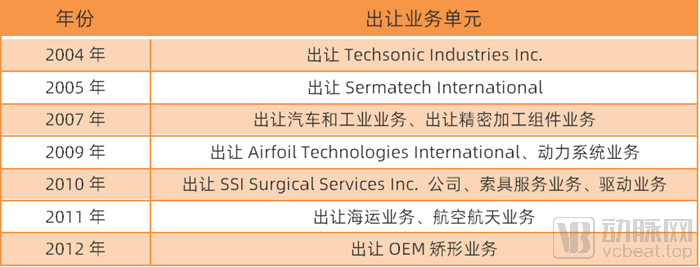
History of Teleflex Business Unit Divestitures (Source: Teleflex Official Website)
Compared with other medical device companies, Teleflex appears less “established.” Rather than being a medical device manufacturer, Teleflex is better described as an integrator of medical device resources. Through continuous acquisitions, Teleflex has built its portfolio step by step, establishing product lines in Vascular Access, Urology, Surgical, Respiratory, Interventional Urology, Interventional Cardiology/Radiology, Emergency Medicine, and Anesthesia:
Vascular Access
In 2007, Teleflex acquired the vascular access business of Arrow International. Arrow is committed to reducing vascular-related complications through best-in-class solutions. Following the acquisition, Arrow’s vascular access business was integrated under Teleflex.
Teleflex’s vascular access portfolio comprises two categories: arterial and venous products. The arterial access products include the Arrow Standard Seldinger Catheter, Arrow QuickFlash Arterial Cannulation Catheter, and Arrow Integrated Arterial Cannulation Catheter. The venous access product portfolio includes acute hemodialysis catheters, multi-lumen access catheters (MAC), percutaneous sheath introducer (PSI) kits, and short-term central venous catheters (CVC).
It is worth noting that Teleflex’s Arrowg+ard Blue Plus CVC is the only central venous catheter (CVC) with broad-spectrum antimicrobial activity, providing protection against Gram-positive bacteria, Gram-negative bacteria, and other fungi.
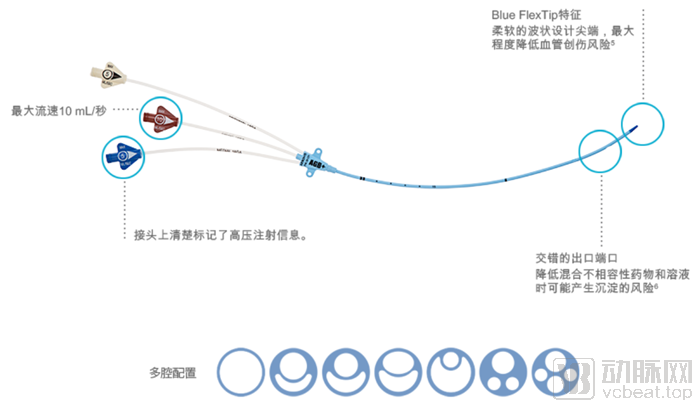
Diagram of the Arrowg+ard Blue Plus CVC Structure (Image source: Teleflex official website)
Urology
Teleflex acquired surgical device manufacturers such as Trintris Medical, Details, and Willy Rüsch AG, and through integration, has now established a mature urology product portfolio.
Teleflex’s Rusch brand provides patients with surgical and endourological urology devices, including post-operative balloon catheters, ureteral stents, percutaneous nephrostomy kits, stone retrieval baskets, and guidewires. Additionally, Rusch offers bladder management products, most notably balloon catheters and intermittent catheters.
Based on patient-specific characteristics (adult or pediatric, female or male), Teleflex offers intermittent catheters made from various materials to meet requirements for size, tip type, and catheter length.
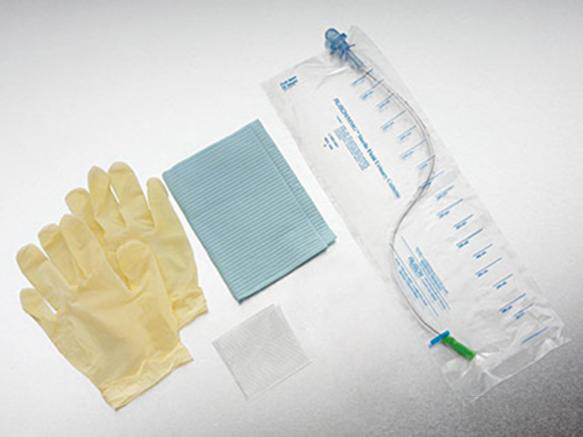
RUSCH MMG Intermittent Catheter Kit (Image source: Teleflex official website)
Surgical
Teleflex is at the forefront of surgical innovation, offering a diverse product portfolio to address the challenges posed by the evolving surgical landscape. By integrating instruments and solutions from surgical device manufacturers such as Teleflex and Pilling, Teleflex provides a comprehensive range of minimally invasive solutions, including MiniLap percutaneous laparoscopic instruments, Weck EFx Endo Fascial Closure System, Hem-o-lok Polymer Ligation Clips, and Weck Visistat Skin Staplers.
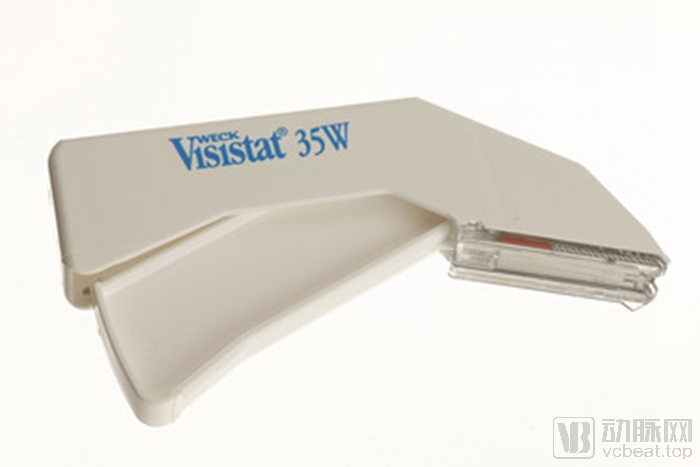
Weck Visistat Skin Stapler (Image source: Teleflex official website)
Respiratory Medicine
Teleflex Hudson RCI’s respiratory therapy portfolio provides comprehensive respiratory solutions for patients, including oxygen therapy and nebulization. The flagship Hudson RCI Neptune heated humidifier optimizes humidity levels for a wide range of patients, from neonates to adults, and supports both invasive and non-invasive ventilation modes. Meanwhile, the Hudson RCI artificial nose and filter portfolio is suitable for diverse patient populations, helping respiratory patients accelerate their return to normal breathing while reducing care costs.
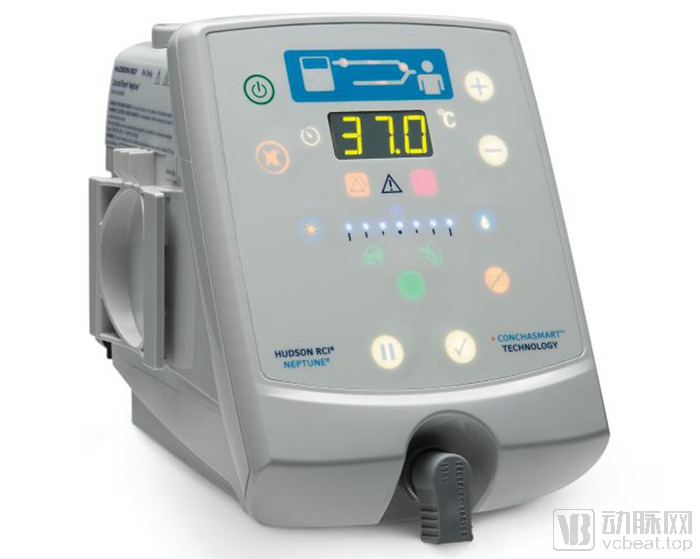
Hudson RCI Neptune Heated Humidifier (Image source: Teleflex official website)
Interventional Urology
Prostatic enlargement can narrow or even obstruct the urethra, causing severe urinary symptoms. Most men with symptoms of benign prostatic hyperplasia (BPH) take prescription medications after diagnosis, but these drugs often fail to provide adequate relief and may even lead to side effects such as dizziness, fatigue, and sexual dysfunction. With Teleflex’s UroLift System for urological care, men suffering from symptoms of prostatic hyperplasia can avoid traditional surgery.
The general steps for UroLift system interventional therapy are: 1. The urological delivery device is advanced through the obstructed urethra into the enlarged prostate; 2. Tiny UroLift implants are permanently placed to lift and hold the enlarged prostate tissue, thereby increasing the urethral opening; 3. The UroLift system provides rapid and reliable symptom relief by opening the obstructed urethra.
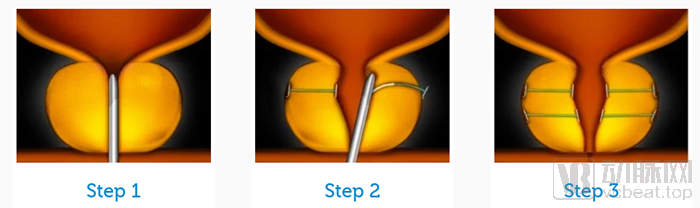
Diagram of the UroLift System Treatment Procedure (Image Source: Teleflex Official Website)
Interventional Cardiology/Radiology
For nearly 50 years, Teleflex’s cardiac care products and technologies have been highly regarded by cardiac surgeons and interventional cardiologists. Following the acquisition of Arrow, Teleflex expanded its cardiology portfolio to include intra-aortic balloon pumps and catheters for critically ill cardiac patients, as well as a comprehensive range of diagnostic cardiac catheters for the detection and treatment of heart disease.
Interventional cardiology features more than 10 types of device products, primarily used in medical procedures such as cardiac support, cardiac diagnosis, coronary intervention, hemodialysis, implantable arterial access, and thrombectomy. For example, the The Chocolate XD® PTCA Balloon Catheter is a specialized angioplasty balloon designed for the treatment of coronary artery lesions. The balloon catheter is uniquely engineered with “pillow” and “groove” patterns. The “pillow” design is intended to predict vessel expansion without causing scratches, while the “groove” design helps alleviate catheter pressure, thereby minimizing the impact of traumatic angioplasty procedures.
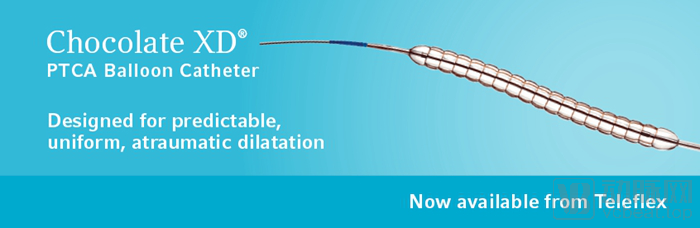
The Chocolate XD® PTCA Balloon Catheter (Image source: Teleflex official website)
Emergency Medicine Department
Teleflex offers a comprehensive portfolio of emergency care medications, devices, and solutions, including airway management, intranasal drug delivery, trauma emergency response, and hemostatic devices. Following its recent acquisition of Z-Medica, the market leader in hemostatic products, Z-Medica’s QuikClot® hemostatic device has become part of Teleflex’s emergency department product lineup. Unlike standard surgical gauze and other hemostatic agents, QuikClot® contains kaolin, an inorganic mineral that accelerates the body’s natural clotting process. As a result, QuikClot® achieves faster and more effective hemostasis than conventional hemostatic devices.
Teleflex’s Airtraq A-390 wireless camera, Airtraq SP laryngoscope, and Airtraq Avant system play important roles in the Department of Emergency Medicine.
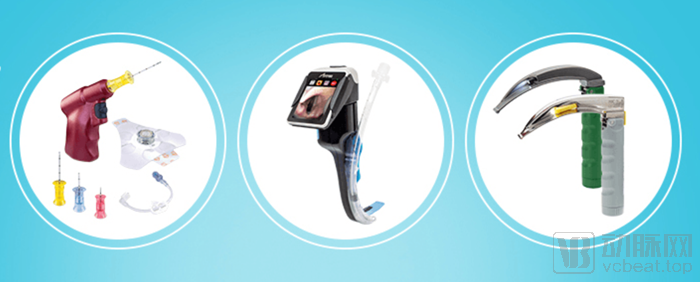
Teleflex Emergency-Related Medical Devices (Image source: Teleflex official website)
Department of Anesthesiology
Teleflex’s most renowned anesthesia device is the Arrow FlexTip Plus® epidural catheter. This device features embedded wire-reinforced polyurethane, which reduces the likelihood of intravascular placement, and has completed Phase III clinical trials. Additionally, Teleflex manufactures other anesthesia instruments required for spinal anesthesia, such as needles and trays.
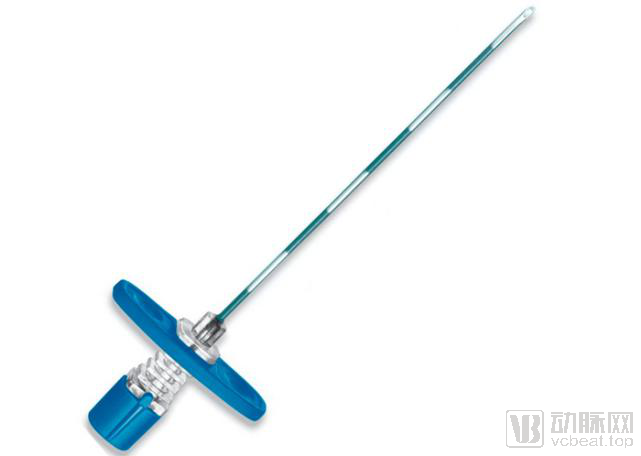
Arrow FlexTip Plus® Dural Catheter (Image source: Teleflex official website)
On Teleflex’s path to growth, the most prominent strategy has been its continuous mergers and acquisitions over the past few decades. Unlike most companies that rebrand acquired entities to strengthen their own corporate identity, Teleflex has retained the original brands of the companies it acquired. Instead of eliminating these established brand identities, Teleflex has injected financial and human resources to further develop and deepen the operations of the acquired businesses.
Overview of Teleflex’s Portfolio: Most acquired devices, equipment, systems, and solutions retain their original brand identities. For example, QuikClot®, the hemostatic device from Z-Medica—a hemostasis product manufacturer recently acquired by Teleflex—continues to operate entirely under its previous model following its integration into Teleflex.
Previously, Teleflex acquired Arrow International, a medical device manufacturer specializing in vascular access solutions. Currently, seeing device names such as the Arrowg+ard Blue Advance™ Midline and the Arrow® ErgoPack® System on the Teleflex platform indicates that they are part of the former Arrow International product portfolio.
In addition to preserving the “authentic” nature of its core business, Teleflex has continued to deeply cultivate and expand its acquired businesses, with Edward Weck serving as a typical example. In 1917, Edward Weck, a German immigrant to the United States, founded Edward Weck & Son in New York under his own name. Hailing from Solingen, a city renowned for its knife manufacturing, Edward Weck initially focused on producing various types of knives, with surgical instruments being one of its product lines.
Edward Weck & Son has successively introduced several well-known surgical instruments, including the Hemoclip® metal ligation clip used for hemostasis during surgical procedures, and the Hem-o-lok® polymer ligation clip made from polymeric materials for vascular occlusion.
In 1999, Teleflex began acquiring Edward Weck & Son, which was then a renowned surgical instrument manufacturer with nearly 80 years of history and a leading position in the industry. Following the acquisition, Teleflex did not divest or restructure Edward Weck & Son’s business; instead, it fully integrated the operations directly into the Teleflex platform.
Notably, in addition to Edward Weck & Son’s existing products, Teleflex subsequently developed a series of clip appliers for laparoscopic surgery to address gaps and demands in the medical device industry, integrating them into the Weck® product portfolio.

Teleflex Platform’s Brand Product Portfolio (Image Source: Teleflex Official Website)
It is not uncommon for companies to enter the healthcare sector as latecomers and still achieve significant success, much like Teleflex. Prominent examples include tech giants such as IBM, Google, Apple, and Tencent, which have all expanded into the medical field. While a strong corporate DNA is undoubtedly important, strategic planning and post-entry positioning can also create favorable tailwinds. Teleflex’s transformation from a diversified conglomerate into a medical device powerhouse serves as compelling evidence of this phenomenon.
Teleflex has carved out a unique path by eschewing the traditional model of rebranding acquired companies to strengthen its own brand. Instead, it preserves and deepens the business models of its acquisitions while expanding their product portfolios. From an economic perspective, the success of these subsidiary brands translates directly into overall success for Teleflex. This highlights Teleflex’s strategic acumen: although not originally a medical device manufacturer, it has become a leading player in the industry by acquiring specialized medical device companies, expanding its product lines, and integrating medical device resources—a “backdoor” approach to achieving industry leadership.
For entrepreneurs, clarifying their corporate DNA is a prerequisite for embarking on the path of development. Leveraging strengths while mitigating weaknesses, and integrating industry resources by capitalizing on the expertise and reputation of established industry players to strengthen their own brand, represents a viable strategic approach.