

BeiGene and Novartis Announce $2.2 Billion PD-1 Antibody Collaboration, Accelerating Chinese Biopharma’s Global Expansion
On January 12, 2021, China’s biopharmaceutical industry set a new record! BeiGene announced today that it has entered into a collaboration and license agreement with global pharmaceutical giant Novartis for the development, manufacturing, and commercialization of its self-developed anti-PD-1 antibody drug, tislelizumab, in multiple countries. The upfront payment amounts to $650 million, marking the highest upfront payment for any domestic drug licensing deal to date. The total transaction value exceeds $2.2 billion, setting a new record for the highest licensing deal value for a single drug product in China. This represents another milestone for BeiGene in taking domestically developed anticancer drugs global, following the FDA approval of zanubrutinib in the United States in 2019, which achieved a “zero-to-one” breakthrough.
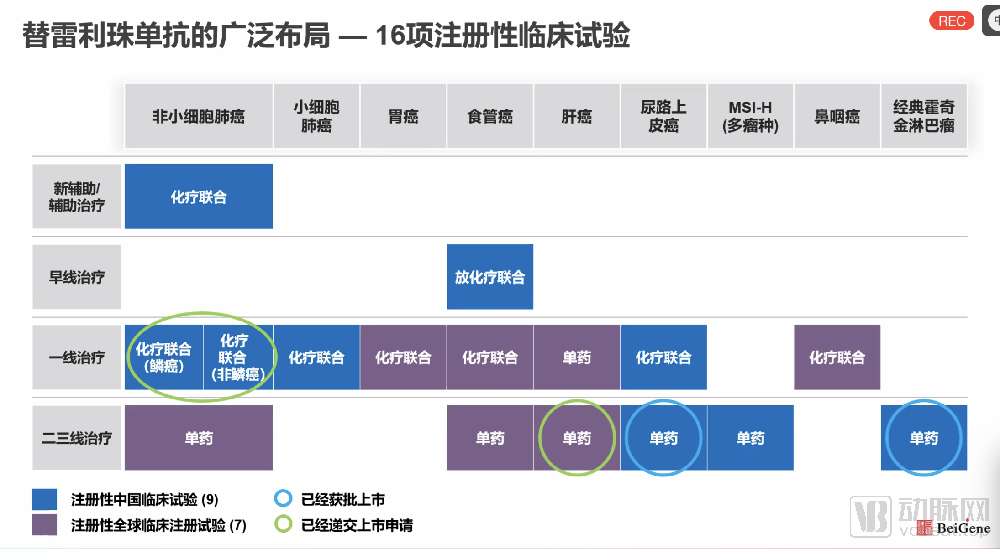
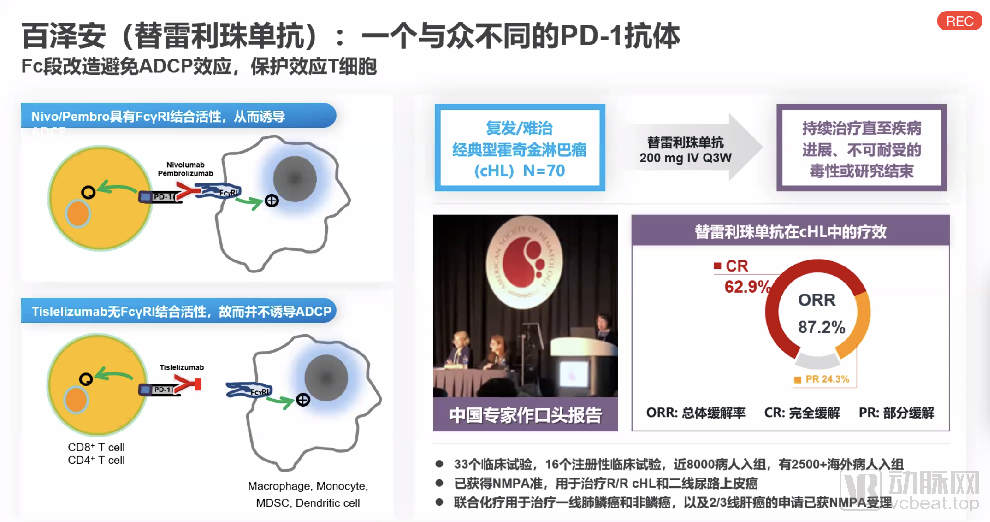
As a Class 1 new drug independently developed by BeiGene, tislelizumab was granted priority review status by the Center for Drug Evaluation (CDE) of the National Medical Products Administration (NMPA). It was approved for marketing in China in December 2019 for the treatment of relapsed or refractory classical Hodgkin lymphoma. In April 2020, a second indication for tislelizumab—treatment of locally advanced or metastatic urothelial carcinoma—was approved. Currently, marketing applications for three additional indications of tislelizumab have been accepted, including: combination with chemotherapy for first-line treatment of patients with advanced squamous non-small cell lung cancer (NSCLC); combination with chemotherapy for first-line treatment of patients with advanced non-squamous NSCLC; and monotherapy for patients with previously treated unresectable hepatocellular carcinoma. At the end of 2020, tislelizumab was successfully included in the latest version of the National Reimbursement Drug List, providing domestic cancer patients with an affordable new treatment option.
The strategic partnership between BeiGene and global pharmaceutical giant Novartis will accelerate the global rollout of this locally developed, internationally compliant, and affordably priced novel anticancer drug, thereby benefiting more patients. The collaboration and licensing agreement cover the United States, Canada, Mexico, European Union member states, the United Kingdom, Norway, Switzerland, Iceland, Liechtenstein, Russia, and Japan. The two parties will jointly develop tislelizumab in these countries, with Novartis responsible for regulatory submissions after a transition period and for commercialization activities upon approval. Furthermore, both parties may conduct clinical trials worldwide to evaluate potential combination regimens of tislelizumab with other antitumor therapies. BeiGene may co-promote the product in North America, with partial operational funding provided by Novartis.
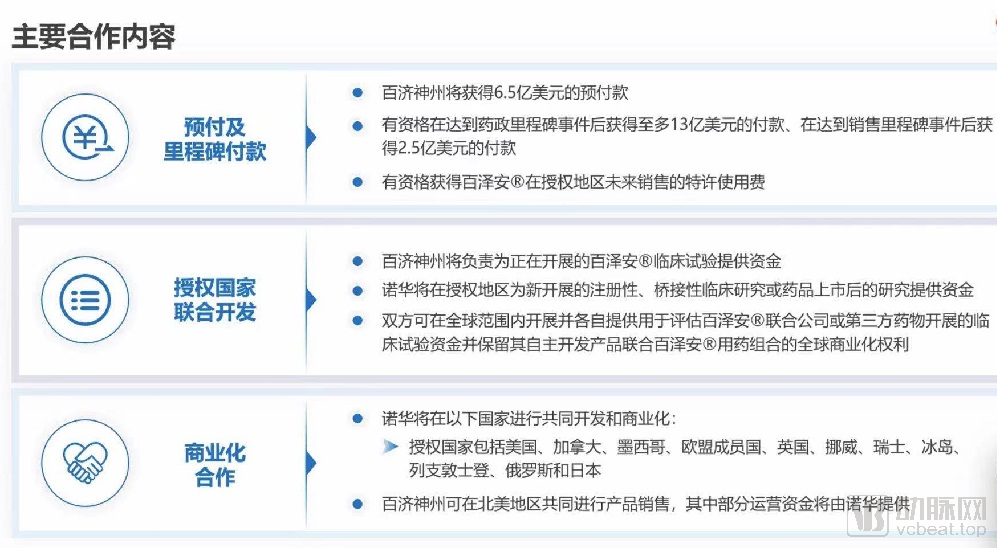
Under the agreement, BeiGene will receive a $650 million upfront payment and will be eligible to receive up to $1.3 billion in payments upon the achievement of registration milestones, as well as $250 million upon the achievement of sales milestones. BeiGene will also be entitled to royalties on future sales of tislelizumab in the licensed territories. Under the agreement, BeiGene will be responsible for funding ongoing clinical trials of tislelizumab, while Novartis will fund new registrational, bridging, or post-marketing studies conducted in the licensed territories. Each party will be responsible for funding its own clinical trials evaluating tislelizumab in combination with its own or third-party drugs. Both parties will retain global commercialization rights for their respective products when used in combination with tislelizumab.
As the only PD-1 monoclonal antibody currently engineered in the Fc region, tislelizumab has been positioned for the global market since the outset of its development. According to available data, tislelizumab is the first domestically produced PD-1 monoclonal antibody to initiate clinical trials overseas and currently holds the largest number of global clinical trials among its peers. Currently, 15 registrational clinical trials are being conducted worldwide, with more than 7,700 patients enrolled globally, including approximately 2,500 patients from 20 countries and regions outside mainland China. In November 2020, the global Phase 3 clinical trial of tislelizumab versus docetaxel in patients with locally advanced or metastatic non-small cell lung cancer (NSCLC) who had experienced disease progression after platinum-based chemotherapy as second- or third-line treatment (the RATIONALE 303 study) announced that it had met its primary endpoint in the interim analysis. This marked the first global pivotal clinical trial of tislelizumab to yield positive results, making tislelizumab the only anti-PD-1/L1 antibody drug worldwide to demonstrate benefits across the entire population for both first-line combination chemotherapy and second-line monotherapy in advanced NSCLC.
Mr. John V. Oyler, Co-founder, Chairman, and Chief Executive Officer of BeiGene, stated, “We are delighted to collaborate with Novartis to further evaluate the potential of tislelizumab in various combination regimens and expanded indications. With its unique oncology product portfolio and R&D pipeline, Novartis is a recognized leader in the field of oncology. The extensive global development program for tislelizumab has laid a solid foundation for this important collaboration. We look forward to working with Novartis to bring this potentially differentiated anti-PD-1 antibody therapy to patients worldwide.”
As a global biopharmaceutical company rooted in China, BeiGene has adhered to a globalization strategy centered on independent R&D since its inception, striving to develop high-quality medicines that earn international recognition. In recent years, the company’s average annual growth rate in R&D investment has exceeded 120%, with R&D spending reaching RMB 6.5 billion in 2019 alone. Over the past decade, BeiGene has successfully launched two independently developed novel anticancer drugs, zanubrutinib and tislelizumab. Its third independently developed anticancer drug, pamiparib, has been included in the priority review program by the Center for Drug Evaluation (CDE) and is expected to receive approval soon. Furthermore, BeiGene has advanced 11 independently developed pipeline candidates into clinical stages.
Today, BeiGene has built a global clinical development team of more than 1,500 professionals. In China alone, the clinical development team comprises over 900 members, making it one of the largest teams in the country dedicated to the development of innovative oncology drugs. Currently, BeiGene is conducting more than 70 clinical trials in China and worldwide, including 27 pivotal or registration-enabling studies. These trials span 40 countries and regions across five continents and have enrolled more than 10,000 patients and healthy volunteers.
From the FDA approval of zanubrutinib, BeiGene’s independently developed BTK inhibitor, which marked a historic “zero-to-one” breakthrough for Chinese domestically developed anti-cancer drugs entering overseas markets, to the establishment of a global strategic partnership with Amgen, and further to the collaboration with Novartis to advance the international launch of tislelizumab, BeiGene’s development trajectory not only epitomizes the rise and growth of China’s homegrown innovative pharmaceutical companies in recent years, but also reflects the global pharmaceutical industry’s strong recognition of BeiGene’s commitment to an independent R&D-driven globalization strategy and its robust research and development capabilities. With the international expansion of zanubrutinib and tislelizumab, Chinese innovative drugs are poised to benefit more patients worldwide, thereby earning greater acclaim and enhancing China’s influence in the global pharmaceutical landscape.
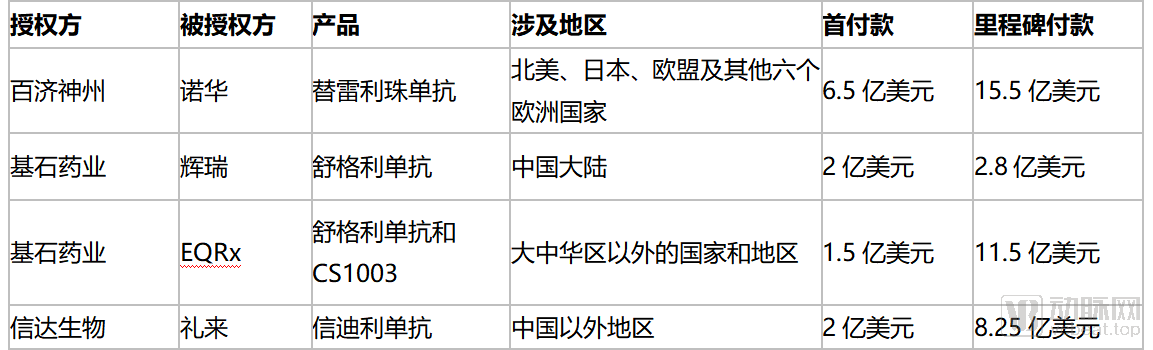
Figure Note: Recent License-Out Cases of Chinese PD-1/L1 Monoclonal Antibodies