

CES 2021 Health Tech Innovations: Air Purifiers Neutralizing SARS-CoV-2, Digital Health and Remote Monitoring Take Center Stage
On January 11, 2021 (U.S. West Coast time), the 2021 CES International Consumer Electronics Show (hereinafter referred to as CES 2021) opened online. As early as July 28, 2020, the Consumer Technology Association (hereinafter referred to as CTA), the organizer of CES, announced that the in-person event would be canceled due to the increasingly severe global pandemic and that CES 2021 would be held entirely online. This marked the first time in CES history that the event was conducted online.
For this reason, CES placed greater emphasis on how digital technologies empower healthcare compared to previous years, establishing a dedicated Health & Wellness category among the major themes of CES 2021. Compared with prior editions, the exhibits in the healthcare sector showed significant increases in both breadth and depth. Meanwhile, due to the severe COVID-19 pandemic in the United States, solutions specifically designed to address the pandemic gained recognition at CES 2021. Several health-related products honored with CES Innovation Awards were, to varying degrees, related to addressing the challenges posed by the COVID-19 pandemic.
VCBeat (WeChat ID: Vcbeat) has compiled the healthcare solutions showcased at CES 2021 and selected the most representative ones.
As a consumer-focused exhibition, CES has always featured a wide variety of wearable devices as one of its major highlights. Given the prominent health and medical attributes inherent to wearables, this category has historically represented the area where CES is most closely intertwined with healthcare. At CES 2021, in addition to traditional wrist-worn devices, emerging wearables with alternative form factors achieved significant breakthroughs. Meanwhile, advances in sensor technology have placed wearable devices—which were once expected to replace smartphones—in a precarious position; indeed, smartphones, which enjoy higher usage frequency, may even supplant wearables in the future.
Let’s first look at the BioButton from BioIntelliSense, a wearable device that won the CES 2021 Innovation Award. This coin-sized wearable can continuously monitor body temperature, heart rate, and respiratory rate for up to 90 days, transmitting data via the Internet of Things (IoT) for real-time analysis to enable early detection of potential health issues. With its strong user experience and multi-parameter capabilities, this product enhances the scalability, reliability, and cost-effectiveness of remote monitoring.
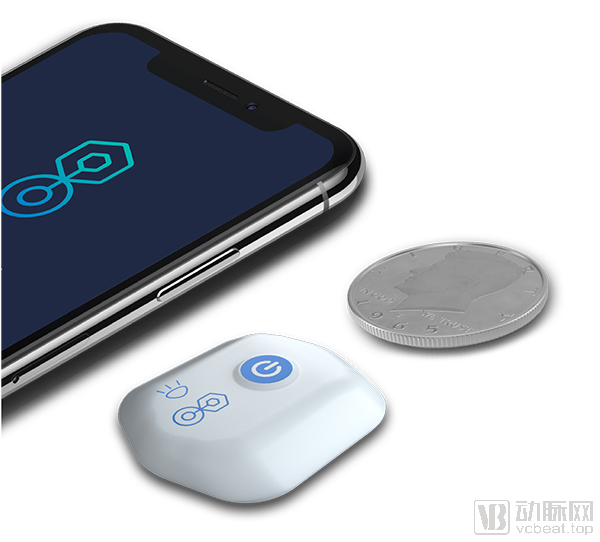
BioIntelliSense’s BioButton (Image from the official BioIntelliSense website)
Notably, it has received FDA clearance and offers medical-grade accuracy. Leveraging these features, BioIntelliSense has expanded its product applications to include symptom screening for COVID-19 and subsequent continuous monitoring. Indeed, compared to community health workers conducting regular home visits for temperature checks, this approach is safer and more efficient, particularly given the worsening COVID-19 situation in the United States. Thus, its receipt of an innovation award is well deserved.
Huami showcased the Amazfit GTS 2 Mini at CES 2021. This smartwatch can monitor blood oxygen saturation in real time and provide 24-hour high-precision heart rate tracking, issuing static heart rate alerts when necessary. It also evaluates users' sleep quality and monitors menstrual cycles. Leveraging the innovative PAI health assessment system, the Amazfit GTS 2 Mini provides users with a single PAI health score.
The Amazfit GTS 2 Mini comes preloaded with over 70 sports modes, including running, cycling, swimming, and other popular indoor and outdoor activities. It monitors users’ physical conditions during workouts and integrates with the Zepp app to generate comprehensive sports data reports upon completion.
Zepp, the renowned health device brand, unveiled its new Zepp Z flagship smartwatch at CES 2021. Prior to this, the Zepp E and Zepp E series had already been launched in August 2020 across North America, Europe, and various parts of Asia.
Zepp was founded in Silicon Valley in 2010. At the time, it made waves in the North American sports market by using unique wearable sensor devices to monitor and analyze workout data. In 2020, Zepp underwent a transformation, making personalized health management its mission. Leveraging IoT and AI algorithm systems, it developed robust hardware, software, and data analytics capabilities, gradually shifting its positioning from traditional health and fitness monitoring to early warning analysis of health conditions.
Zepp’s wearable devices offer sleep monitoring and blood oxygen measurement capabilities, leveraging artificial intelligence to analyze statistical data and provide users with tailored improvement recommendations, thereby helping them more effectively monitor their physical and mental well-being. However, given the intense competition in the current wearable device market, it is debatable whether Zepp’s features possess sufficient appeal.
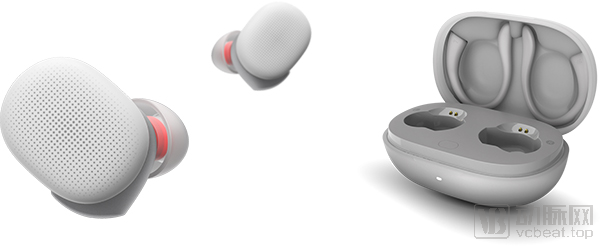
Huami Amazfit PowerBuds (Image from Huami’s official website)
In addition to traditional smartwatches and fitness bands, Huami also launched two wearable ear devices: the Amazfit ZenBuds and the Amazfit PowerBuds. The former is a smart noise-masking earbud that leverages noise-masking principles to help users concentrate or improve sleep quality. More importantly, it can monitor user sleep, automatically cease operation after the user falls asleep, and analyze sleep quality. The latter not only offers music playback functionality but also utilizes PPG (photoplethysmography) optical sensing technology to monitor heart rate, alerting users when exercise intensity becomes excessive, thereby making workouts safer and more effective.
In fact, numerous headphone brands have launched models equipped with heart rate monitoring capabilities. As expected, this feature is poised to become a standard specification for future sports headphones. Seizing this opportunity, wearable ear devices may see further expansion in their medical and health-related functionalities in the years to come.
Another wearable medical health device—Widex Moment from Danish hearing aid manufacturer Widex—was selected for the CES 2021 Innovation Awards. This smart hearing aid is the first to employ dual artificial intelligence engines to enhance real-time performance. Equipped with SoundSense Learn AI, Widex Moment adjusts hearing aid settings in two ways. First, it analyzes user preferences by guiding them through a series of A/B sound comparisons, thereby learning how they prefer to hear their surrounding environment. Subsequently, it leverages relevant data collected from millions of user settings stored in the cloud to help improve personalized listening experiences.
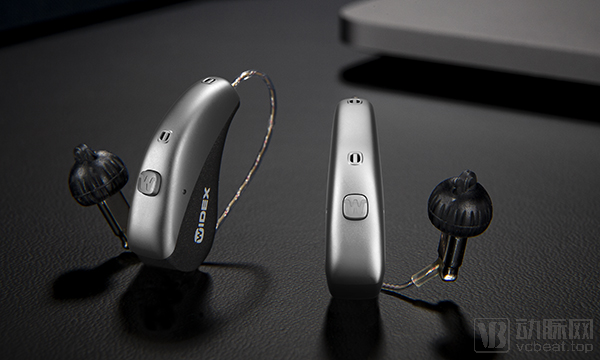
Widex Moment (Image from the CES official website)
ZeroDelay technology employs a breakthrough parallel processing approach, drastically reducing standard sound latency from the 7–10 ms typical of conventional hearing aids to just 0.5 ms—an improvement by an order of magnitude—thereby delivering a superior level of clear, natural sound unattainable with other devices.
In the globally popular game *Cyberpunk 2077*, humans in the future are equipped with cybernetic eyes capable of analyzing surrounding people or objects to acquire data, and even engaging in hacking. At CES 2021, this “cyberpunk” technology achieved a breakthrough. U.S.-based InWith unveiled its smart contact lenses at CES 2021. InWith’s engineers integrated AR display chips into soft contact lenses—whereas other similar applications currently still rely on rigid gas-permeable contact lenses, which offer relatively lower comfort.
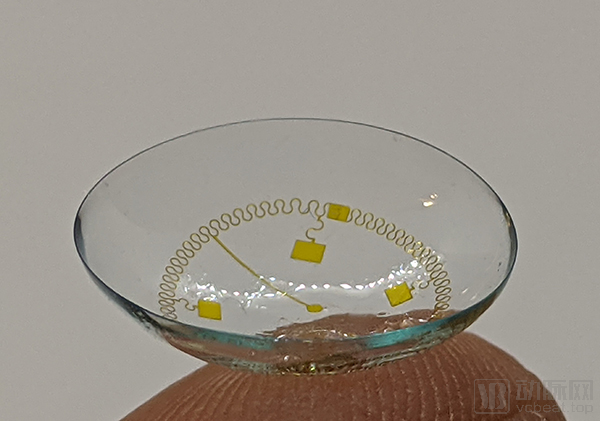
InWith Smart Contact Lenses (Image from CES Official Website)
InWith integrates solid components and circuits into the hydrogel materials used in soft contact lenses, providing a degree of malleability during standard manufacturing processes. This breakthrough in engineering technology not only enhances the ophthalmic applications of contact lenses—such as integrating AR/XR visual features to provide better vision for myopia patients—but also opens up significant possibilities for the development of eye-worn wearable devices, such as embedding non-invasive biosensors into contact lenses to enable continuous vital signs monitoring.
Taiwan, China’s Industrial Technology Research Institute (ITRI) showcased iSmartweaR, a wearable garment-based solution. It utilizes washable conductive fabrics and non-contact nanosecond pulsed near-field sensing (NPNS) technology to measure physiological parameters such as heart rate and respiratory rate. This technology enables contactless detection of vital signs within a 20 cm range, overcoming the limitation of traditional wearable garments that require direct skin contact. The product has completed clinical validation in hospital night care settings and is suitable for healthcare and management of hospitalized patients, particularly the elderly. This also presents new commercial opportunities for the smart healthcare market.
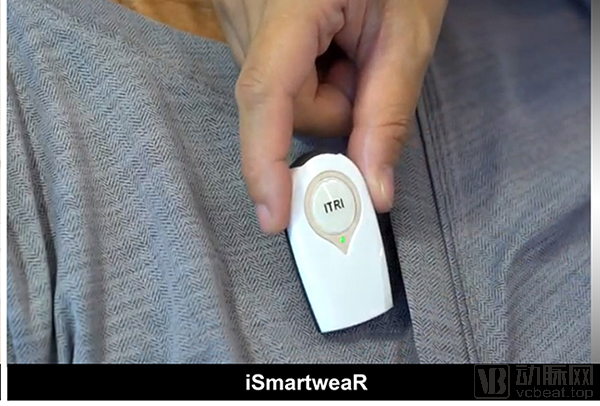
iSmartweaR (Image from the CES Official Website)
iDarlingWeaR, leveraging similar harmless, low-power radar sensing technology, is a wearable device designed for infant care. It helps protect infants from risks such as Sudden Infant Death Syndrome (SIDS) and accidental suffocation. Caregivers and parents need only attach the device to the infant’s blanket to enable continuous monitoring of heart rate, movement, and respiration, as well as sleep detection, with alerts triggered upon any abnormal findings.
Unlike other infant monitoring technologies, iDarlingWeaR does not require direct contact with the infant’s skin, making it convenient to operate and carry. Clinical validation has demonstrated that its average heart rate measurements deviate by less than 5% from those obtained with traditional medical devices. In addition to home care for infants, it can also be used in postpartum care and childcare centers, thereby reducing the burden on caregivers.
Compared with the aforementioned wearable solutions, the V-Sensor showcased by the Swiss company LMD (Leman Micro Devices) may be more disruptive. Reportedly, it is currently the only sensor capable of simultaneously measuring five vital signs—blood pressure, blood oxygen saturation, respiratory rate, heart rate, and body temperature—with medical-grade accuracy. It features a strapless design, operates entirely independently, and requires no calibration. Measurement results can be synced with a smartphone and displayed via LMD’s e-Checkup app.
This sensor was developed over a nine-year period. Its surface features fingertip-shaped indentations, with MEMS pressure sensors embedded in flexible resin. Additionally, the V-Sensor incorporates optical sensors, temperature sensors, and an Application-Specific Integrated Circuit (ASIC) for analog-to-digital conversion of vital sign signals, as well as essential power management and communication functions required for sensor operation. As demonstrated in the promotional video, users can perform comprehensive vital sign monitoring simply through smartphone fingerprint recognition and non-contact measurement, showcasing its powerful capabilities.
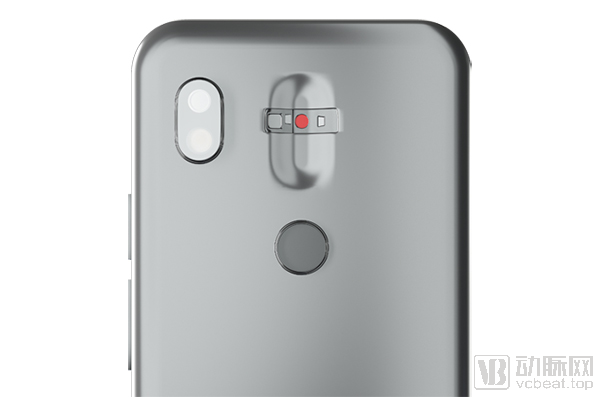
LMD V-Sensor (Image from LMD Official Website)
It can provide medical-grade vital signs results for clinical medicine without the need for calibration, enabling users to continuously and easily monitor multiple vital signs, such as blood pressure. This is crucial for patients with hypertension, as it can significantly reduce mortality associated with the condition.
The advent of this sensor means that users can perform precise multi-vital sign monitoring using just their smartphones, which is highly significant. According to LMD, the first batch of smartphones integrated with V-Sensor will be released within the year. For smartphone manufacturers, this will be a killer app to enhance product competitiveness; if well-received, it could lead to large-scale integration. Currently, smartphones indeed have a much higher application frequency than wearable devices. Perhaps in the future, smartphones may even “revolutionize and replace wearable devices.”
Meanwhile, LMD has also partnered with two domestic IoT companies, Minshi Intelligence and Wuqi Technology, to develop miniature vital signs monitoring devices based on the V-Sensor. This device, measuring just 5 cm × 2.5 cm and designed in a keychain-like form factor, integrates the V-Sensor. Users can easily attach it to a key ring, wear it around the neck as a pendant, or simply place it in a handbag. It enables users to perform measurements anytime and anywhere, with results and analysis accessible via synchronization with their smartphones.
With the widespread adoption of smartphones, there is a global consensus that software applications are a critical component of digital health. Software-based digital therapeutics (DTx) have also emerged as a recent focal point of interest. Previously, digital therapeutics lacked a clear definition. As the largest industry alliance in the field, the Digital Therapeutics Alliance has provided a definitive description in its report: Digital Therapeutics (DTx) are evidence-based therapeutic interventions driven by high-quality software programs to prevent, manage, or treat a medical disorder or disease.
Digital therapeutics can be used independently or in conjunction with medications, devices, or other therapies. These products integrate the latest advancements in design, clinical validation, usability, and data security, and are subject to regulatory review and approval as required. Digital therapeutics need to provide intelligent and accessible tools for patients, healthcare providers, and payers to address a variety of clinical scenarios.
In simple terms, within the traditional healthcare system, patients obtain medications from pharmacies based on prescriptions issued by physicians. Digital therapeutics (DTx) essentially replace the medication with a specific mobile application—or, in some cases, a product combining software and hardware. Strictly speaking, however, an intervention can only be termed a “therapy” if it has undergone clinical validation and received regulatory approval.
Digital health encompasses technologies, platforms, and systems that provide consumers with lifestyle, health, and health-related services; capture, store, or transmit health data; and/or support life sciences and clinical operations. These products typically do not require clinical evidence or regulatory oversight.
Software applications that have not undergone clinical validation or regulatory approval are referred to as “Digital Health” within the definition of DTx. These technologies, platforms, and systems provide consumers with lifestyle, health, and health-related services; acquire, store, or transmit health data; and support life sciences and clinical operations, typically without requiring clinical evidence or regulatory oversight.
A large number of digital health products showcased at CES 2021 fall into this category. Nevertheless, due to the rapid pace of innovation in this field, regulatory frameworks often lag behind reality. It is not impossible for some existing “digital health” solutions to evolve into formally recognized “digital therapeutics” through clinical validation. Notably, as digital health products are not constrained by geographic boundaries, they have demonstrated significant advantages in addressing the challenges posed by the COVID-19 pandemic.
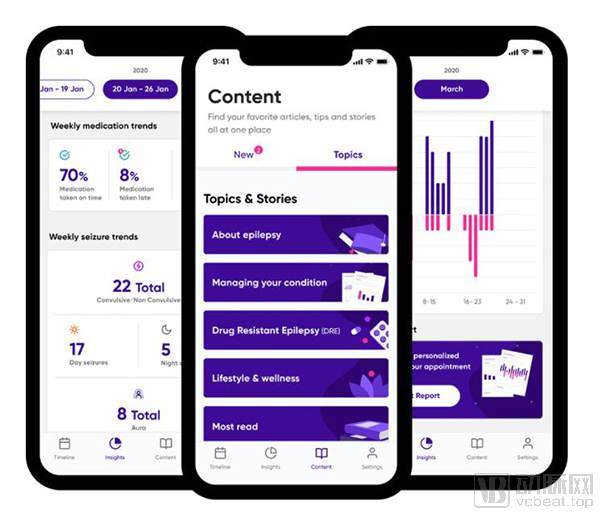
EPSY (Image from the EPSY official website)
EPSY’s eponymous anti-epilepsy app has won an innovation award. It helps epilepsy patients track and manage factors related to seizures and reminds them to take their medication on time. The EPSY App can record any changes in daily medication and seizure patterns, providing detailed insights into seizure triggers and how personal emotions and other factors (such as diet and sleep) affect the patient’s condition. This information assists physicians in analyzing patients’ conditions and tailoring treatments accordingly. Due to the impact of the COVID-19 pandemic, it has become more difficult for epilepsy patients to attend in-person consultations. With this app, physicians can provide remote management.
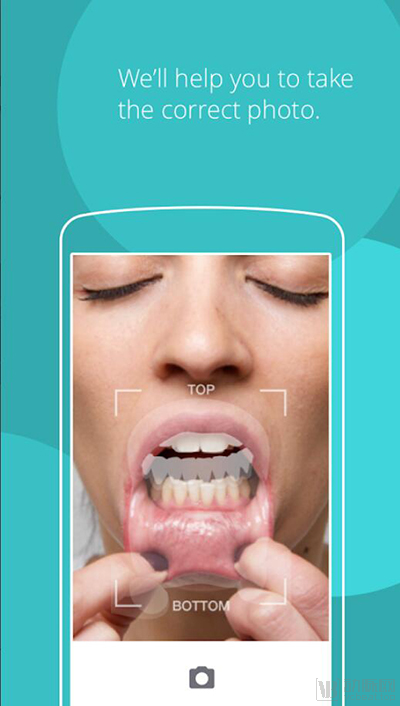
Toothpic (Image from the official Toothpic website)
Toothpic and its partner, Philips, also jointly received an Innovation Award. This app allows users to take photos of problematic dental areas with their smartphones and send them to dentists. After reviewing the images using customized high-resolution image viewers, dentists can provide personalized diagnostic reports, along with information on treatment plans, costs, and relevant insurance coverage, within 24 hours. Admittedly, the app may lack some creativity, but given the current pandemic situation where face-to-face oral examinations are not feasible, this idea is quite timely.
FallCall Solution’s patented Fallcall Detect technology combines intelligent fall detection with a comprehensive Personal Emergency Response System (PERS). Currently, traditional fall detection methods lack sufficient accuracy and frequently generate false alarms; moreover, not every fall necessitates emergency assistance. This app, which integrates with the Apple Watch, can differentiate between types of falls and determine appropriate response protocols accordingly.
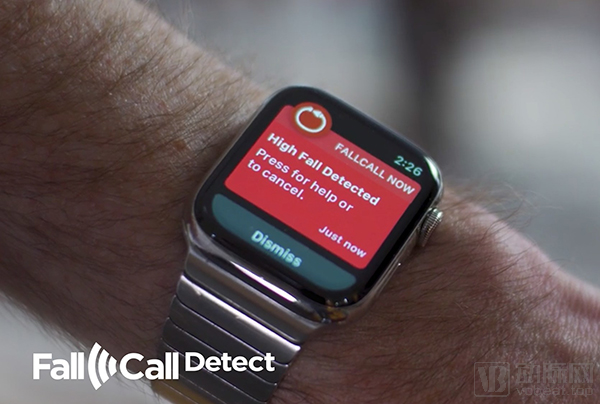
Fallcall Detect (Image from CES official website)
When a severe fall posing potential danger is detected, the system will automatically notify emergency services; if a non-severe fall is detected, it will only contact the community service providers pre-designated by the user. Given the high cost of emergency medical services in the United States, this approach can indeed benefit users. Meanwhile, by reducing the false alarm rate, elderly individuals experience less embarrassment associated with such incidents, thereby increasing their willingness to adopt monitoring services.
Over the past three years, Omron’s innovations have redefined the capabilities of traditional blood pressure monitors, providing patients with the tools needed for a comprehensive understanding of their heart health at home. These innovations include HeartGuide, the first wearable blood pressure monitor, and Complete, the first single-device blood pressure monitor with EKG functionality.
At CES 2021, Omron, a traditional giant in the medical device industry, also showcased the results of its digital health transformation—OMRON Connect 2.0. This mobile application enables synchronization with Omron’s blood pressure monitors. Furthermore, OMRON Connect 2.0 serves as a personal heart health assistant, providing personalized insights based on daily activities and lifestyle, and employing various incentive mechanisms to help users improve their cardiovascular health.
Omron’s current HeartAdvisor and OMRON Connect apps will be integrated into a new application. Omron’s connected blood pressure monitors, including the HeartGuide and Complete models, as well as future blood pressure monitor series, will all support OMRON Connect 2.0. OMRON Connect 2.0 enables data synchronization with Apple Health and Google Fit platforms to generate reports on heart health, fitness levels, and sleep quality. Users can choose to securely store their personal data or share it with their physicians.
At CES 2021, healthcare companies from South Korea delivered standout performances. In particular, several Korean firms showcased their AI-powered solutions, which were noteworthy for both their maturity and innovation.
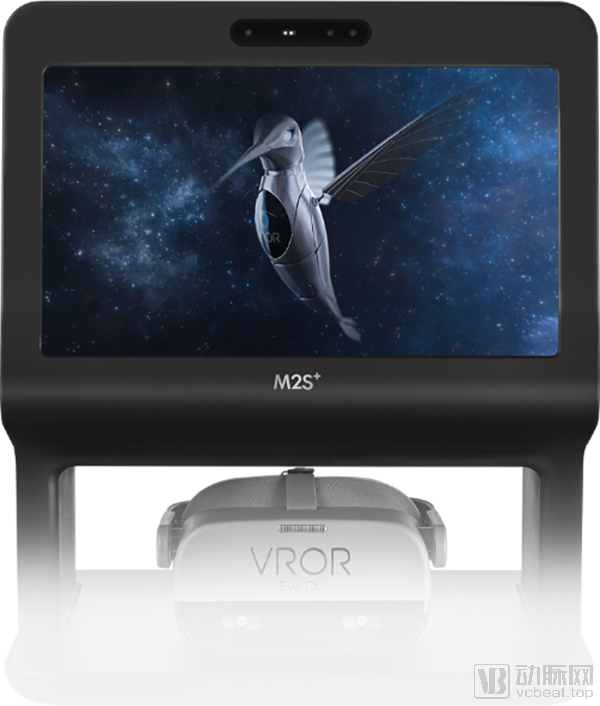
M2S VROR Eye Dr (Image from M2S official website)
M2S, a company from South Korea, is an innovative enterprise focused on content research and development in the fields of digital health and healthcare. Its product, VROR Eye Dr, won the CES 2021 Innovation Award. The solution leverages eye-tracking technology combined with M2S’s AI algorithms to measure ocular status, monitor eye health conditions using the collected data, and provide ten types of ophthalmic and care services. Users can access their ophthalmic examination data in the form of digital reports via a mobile application on their smartphones.
Also from South Korea, iMediSync showcased iSyncWave, an AI-driven platform for the early detection and treatment of brain disorders. This device, featuring brain mapping capabilities, comprises a mobile app, a cloud platform, an AI-powered brain mapping analysis platform, and a telemedicine module. It facilitates early screening for brain disorders such as Alzheimer’s disease, Parkinson’s disease, traumatic brain injury (TBI), post-traumatic stress disorder (PTSD), attention-deficit/hyperactivity disorder (ADHD), and depression, enabling patients to receive treatment more conveniently in both clinical and home settings. Furthermore, it promotes early brain assessments to help prevent neurodegenerative diseases.
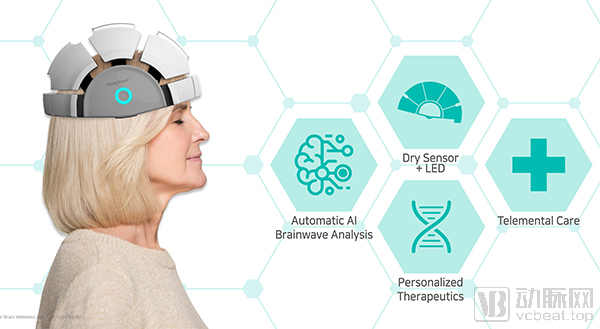
iSyncWave (Image from the official CES website)
Unlike traditional devices, iSyncWave uses specialized dry sensors that do not require gel, as is necessary with conventional EEG equipment, thereby enhancing user experience. It also provides personalized LED therapy, known as “photobiomodulation” (PBM), based on brain mapping results.
Electroencephalogram (EEG) waves generally slow down with brain degeneration. These preclinical phenomena are difficult to detect through conventional examinations. However, artificial intelligence (AI) technology can achieve this through deep learning. Currently, AI technology utilizing brain atlases has been able to identify EEG patterns associated with Alzheimer's disease, thereby enabling early screening for the condition. This South Korean company has conducted clinical trials in multiple hospitals, achieving an accuracy rate of over 90%, and has obtained certification from the Korea Food and Drug Administration (KFDA).
Judging from the lifestyle and health products showcased at this year’s CES, smart devices hold broad prospects in home healthcare. Empowered by technology, nearly every seemingly ordinary household item—from toothbrushes to mirrors to pillows—can serve health-related purposes. The situation can be described as “limited only by imagination, not by feasibility.”
Let us begin with the living room. Aurabeat from Hong Kong, China, unveiled a new generation of air purifiers incorporating AG+ technology. Notably, this device is capable of filtering and purifying SARS-CoV-2 and has obtained FDA certification. The renowned MRIGlobal conducted two independent laboratory tests using SARS-CoV-2 aerosols in its professionally accredited laboratory. In the aerosolization tests, the air purifier completely eliminated SARS-CoV-2 within 15 minutes of operation. As a result, this product has attracted significant attention.
Proprietary AG+ technology delivers a three-stage filtration system: First, a high-efficiency antiviral H12 HEPA-grade filter, featuring a patent-pending antiviral formula, has been clinically validated to eliminate ≥99.9% of SARS-CoV-2, common viruses, bacteria, and mold, enabling effective disinfection without the need for chemical disinfectants. The second stage captures hair, fibers, and dust particles. The subsequent nanocrystal filter removes harmful gases, formaldehyde, benzene, volatile organic compounds (over 200 types), and odors.
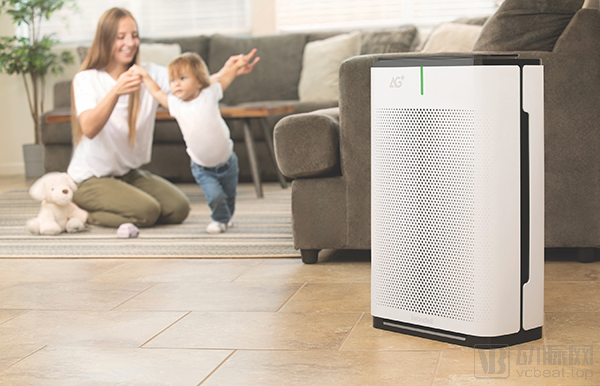
Aurabeat Air Purifier (Image from the CES Official Website)
In addition, it offers ultraviolet (UV) disinfection and plasma disinfection. The UV disinfection lamp helps sterilize the air, filter surfaces, and the interior of the device to prevent secondary infections during mobile use or filter replacement. The plasma generator produces negative ions to eliminate microorganisms.
Next, let's enter the restroom.
Due to the severe COVID-19 pandemic, dental clinics were forced to remain closed for extended periods, bringing routine in-person dental examinations to a halt. As a result, oral health has become increasingly reliant on at-home self-care. Philips, a leader in this field, has launched the next-generation Sonicare 9900 Prestige. This device leverages AI to monitor oral health and brushing habits, and dynamically adjusts brush vibration intensity based on the pressure applied during brushing, thereby reducing gum damage often caused by excessive brushing force.
This smart toothbrush can be used in conjunction with a mobile app to provide users with weekly, monthly, and even annual reports on their dental health, along with personalized brushing recommendations. Crucially, it does not lose sight of the fundamentals; by optimizing the bristle angle, it claims to remove plaque 20 times more effectively than existing models.
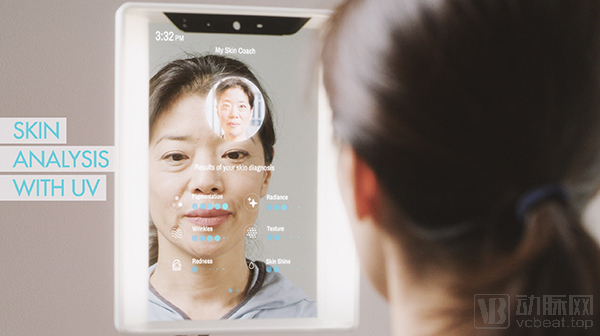
CareOS Themis Connected Personal Smart Mirror (Image from the CES Official Website)
Baracoda’s CareOS Themis, an interconnected personal smart mirror, has won innovation awards for six consecutive years. This 10-inch smart mirror supports comprehensive home health and wellness, including mental health, hygiene, and preventive healthcare. It offers a wide range of features, from skin analysis to daily temperature checks and smart alerts.
Although it may seem somewhat awkward, the restroom is typically where we brush our teeth and also where we “relieve our bodily burdens.” The renowned sanitary ware brand TOTO has introduced the concept of the “Health Toilet.” This health toilet employs various sensing technologies to assess the user’s physical condition through skin contact when seated; furthermore, it can simultaneously collect and analyze stool samples. In fact, fecal testing can provide abundant health data and enable early screening for certain types of cancer.

TOTO’s Healthy Toilet Concept (Image from the CES Official Website)
Whether due to genuine physiological responses or other factors, we spend time on the toilet nearly every day, enabling continuous health monitoring through this method. The testing process is unobtrusive, allowing individuals to effortlessly track their daily health and view their current health status via a smartphone app.
However, it will take time for this concept to become a reality. In the meantime, corresponding privacy legislation must keep pace. After all, this technology could also be exploited by unscrupulous employers or insurance companies to collect personal health data and engage in inappropriate practices.
Finally, let’s step into the bedroom. ICON.AI introduces a smart speaker with built-in Google Alexa voice assistant functionality. This product mainly consists of two parts: one is a 5W speaker equipped with an LCD touchscreen. Leveraging Alexa, this smart speaker enables intelligent voice control, including weather updates, YouTube searches, and reading Kindle e-books. Of course, it can also play a lullaby before bedtime at your request.
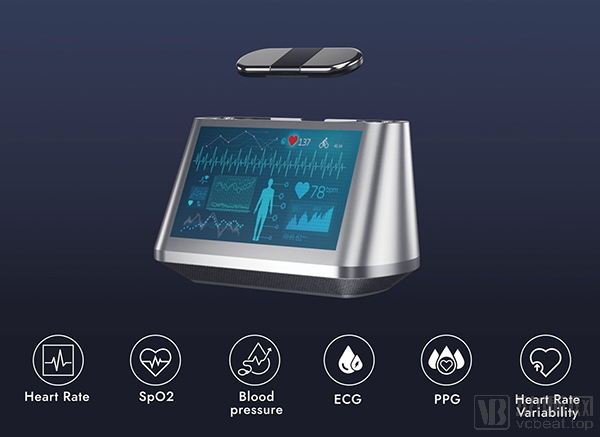
ICON.AI Smart Speaker (Image from CES Official Website)
The speaker features a lightweight, detachable finger clip on its top, designed for easy pocket storage. This finger clip can complete measurements of six health indicators—including heart rate, blood pressure, blood oxygen saturation, and electrocardiogram (ECG)—in just 60 seconds. Upon detecting physiological abnormalities or medical emergencies, it immediately alerts hospitals and family members. Key data are stored entirely on the device itself, thereby safeguarding data privacy. Optionally, users can sync relevant information to smartphones and tablets and share it with family members and physicians on a daily, weekly, or monthly basis to facilitate early diagnosis.
DozzyCozy’s AirCozy is an innovative interactive smart pillow that automatically adjusts its height to accommodate different sleep positions, such as side sleeping and supine (back) sleeping. This self-adjusting smart pillow is undoubtedly a boon for users who are restricted to side or back sleeping due to conditions like shoulder, arm, and neck pain or numbness, including post-cervical spine surgery patients, professional athletes, and individuals prioritizing healthy sleep.

DozzyCozy’s AirCozy (Image from the CES Official Website)
Although many pillows on the market offer adjustable height, they all rely on manual adjustment. Users obviously cannot manually adjust the pillow height while asleep to accommodate their sleeping positions—this is particularly true for those who tend to toss and turn during sleep. The AirCozy Interactive Smart Pillow addresses this issue by automatically adjusting to different sleeping positions throughout the night, thereby improving users’ deep sleep duration.
Origin Wireless’ Origin RPM Wins Innovation Award. This powerful Wi-Fi sensing solution is designed to provide caregivers with reliable and actionable real-time data on patients or residents. The innovative solution integrates AI algorithms into standard Wi-Fi protocols, analyzing subtle fluctuations in indoor Wi-Fi signals through Wi-Fi signal sensing software to infer the movement of people or objects within the space.
Simply put, it can be likened to an indoor radar system. However, it utilizes common WiFi signals as its reflective signals. As the world’s first sensing solution powered by wireless AI algorithms, it enables caregivers to monitor patients’ movements, activities, breathing, and even sleep without the need for wearable devices or the installation of additional motion sensors and cameras.

Origin Wireless’s Origin RPM (image from the Origin Wireless official website)
Upon detection of abnormal patient movements, such as falls or leaving the bed, the system issues an alert to enable nursing staff to respond promptly. Meanwhile, by integrating with the Medical Internet of Things (MIoT), the solution also monitors, analyzes, and provides alerts on the operational status of indoor hospital equipment, such as logistics robots.
You might wonder whether this solution is truly as straightforward as camera-based facial recognition. However, when considering the high value placed on privacy abroad—where surveillance cameras and facial recognition in public spaces are often difficult to accept—the advantages of this approach become clear. It offers superior privacy protection by eliminating the privacy concerns associated with cameras, while also being virtually imperceptible to patients compared to wearable devices. For these reasons, this solution is regarded as an innovative breakthrough.
In 2020, China made significant breakthroughs in the formulation of Internet of Things (IoT) standards, achieving comprehensive coverage with high-speed 5G, medium-speed LTE-M, and low-speed NB-IoT standards. Coincidentally, at CES 2021, numerous brands launched IoT-based healthcare solutions leveraging these new standards.
At CES 2021, Essence unveiled its revolutionary PERS 5G system, the first personal emergency response system based on 5G technology, which has obtained professional certifications in multiple countries and regions, including the United States. It enables real-time, latency-free activity monitoring, fall detection, and voice communication in any room of the home. By leveraging the 5G CAT-M network, it ensures the highest level of reliability and accuracy, providing complete peace of mind for seniors and their families.
Sequans has released a new generation of communication modules based on LTE-M and NB-IoT networks, which will serve as the foundation for next-generation medical IoT devices, such as wearable activity trackers, cardiopulmonary monitors, blood pressure monitors, and sleep analysis devices.
Currently, in certain medical Internet of Things (IoT) healthcare scenarios, such as remote monitoring, sensors or entire monitoring devices often need to be connected to the internet via Bluetooth pairing with a smartphone or by connecting to home Wi-Fi. This approach presents four major pain points: First, devices cannot operate independently and are heavily reliant on smartphones or local area networks like Wi-Fi. Second, network configuration is complex, requiring reconfiguration every time the network changes. Third, Wi-Fi consumes significantly more power, which is disadvantageous for IoT applications. Finally, this method fails to establish a dedicated IoT network, posing risks to security and reliability.
By integrating eSIM and NB-IoT modules into medical IoT devices, these devices can directly connect to the NB-IoT network. Compared with previous methods that relied on Bluetooth pairing with smartphones or Wi-Fi connectivity, NB-IoT networks offer several advantages: First, they provide greater convenience, enabling smart medical and health devices to operate independently. Second, NB-IoT communication modules are specifically optimized for low power consumption, resulting in reduced energy usage and extended battery life. Third, the smaller size of the power and communication modules effectively reduces the overall dimensions and weight of the devices, facilitating their application in newer scenarios. Fourth, as a dedicated IoT network, NB-IoT offers enhanced security and reliability.
In our coverage of last year’s CES, we noted that the number of health-focused companies and solutions on display was expanding rapidly, and we predicted that CES 2021 would further embrace this health trend. This prediction proved accurate—though the severe COVID-19 pandemic in the United States certainly played a role, heightening public attention toward health-related products. In particular, many of this year’s innovative health products are closely tied to efforts to combat the pandemic.
Overall, the vast array of health products unveiled at CES 2021 reached new heights in both depth and breadth, offering pleasant surprises. In particular, further advancements in IoT and sensor technologies have spurred the emergence and evolution of more smart products that integrate diverse advantages. Meanwhile, digital health, represented by software solutions, is attracting increasing public attention. Going forward, VCBeat will continue to closely monitor the development of smart health devices, providing readers with the latest reports and insights.