

Northwest's 'Fistula King' Dr. Li Daqing Achieves 15-Minute Standard Fistula Surgeries with Annual Volume Exceeding 3,000 Procedures
Go to the gym twice a week, spend one hour on fitness equipment each time, and then swim up to 1,000 meters.
Even young people may struggle to persevere. Yet Professor Li Daqing, a vascular access specialist born in 1958, has persisted for ten years.
If it was his scheduled workout day, he would head to the gym without fail, even if the surgery ended late.
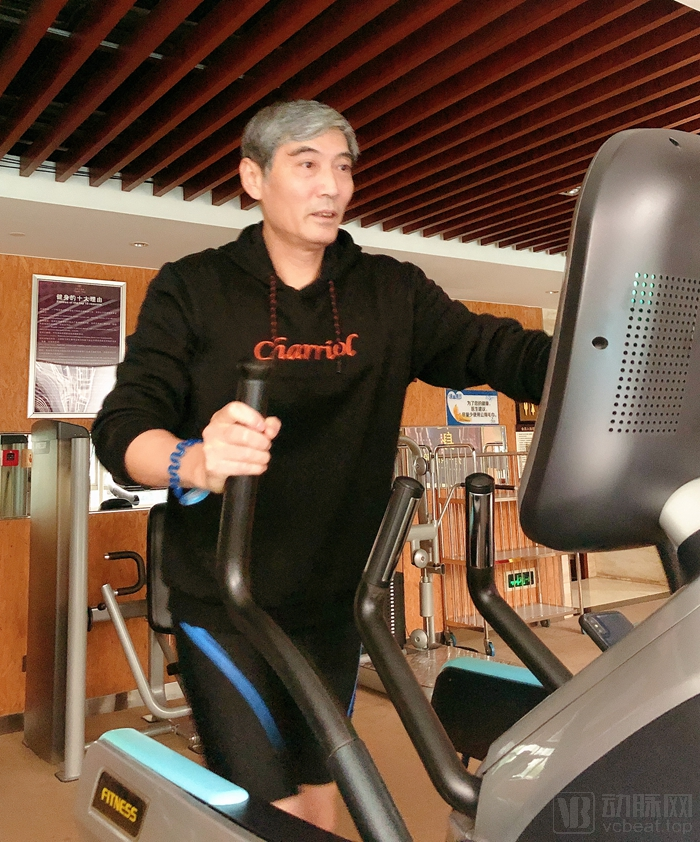
For him, going to the gym is not merely a way to relax, but also an adherence to principle—“If one cannot take responsibility for oneself, how can you expect them to be responsible for others?” Professor Li Daqing asked rhetorically.
The relentless pursuit of physical fitness stems from the need for precise execution of every movement during surgical procedures. An unhealthy lifestyle can significantly impair surgical performance and jeopardize patient safety.
Thanks to his strong self-discipline, he does not appear to be a man in his sixties. Surrounded by younger colleagues, he radiates a vitality and vigor uncommon for his age group. At present, his primary aspiration is to attract more dedicated professionals to the field of vascular access through the “Li Daqing Vascular Access Studio,” established under his name within the Baoxiu Medical Group. By setting a benchmark in the industry, he aims to drive robust development in the field of vascular access, ultimately benefiting a broader patient population.
Doctors Who Have Served on the Front Lines
His bond with medicine may be attributed to his mother. As a medic, Li Daqing’s mother once served on the front lines during the War to Resist US Aggression and Aid Korea. Perhaps he never imagined that one day he too would become a medic and serve on the front lines.
During the 1976 Tangshan earthquake, a large number of injured patients were transferred to Xi’an. As a middle school student at the time, he volunteered at hospitals to assist physicians. This experience marked his first close observation of medical and nursing work, planting the seed of his aspiration to pursue a career in medicine. As a member of the “Class of 1977–1979” (the first three cohorts of college entrants after the reinstatement of the National College Entrance Examination), he finally fulfilled his dream in 1979 by enrolling at Xi’an Medical University (now the Faculty of Medicine, Xi’an Jiaotong University).
After graduating in 1984, he passed rigorous assessments to become a medical corpsman and was assigned to the PLA No. 451 Hospital in Xi’an (now the North District of the Air Force No. 986 Hospital of the Chinese People’s Liberation Army). His passion for surgery led him to study under Wang Kecheng, a pioneer in laparoscopy who was nicknamed “Wang Yidao” (Wang the Single Incision) and referred to by industry insiders as “Shen Yigou” (the Divine Hook).
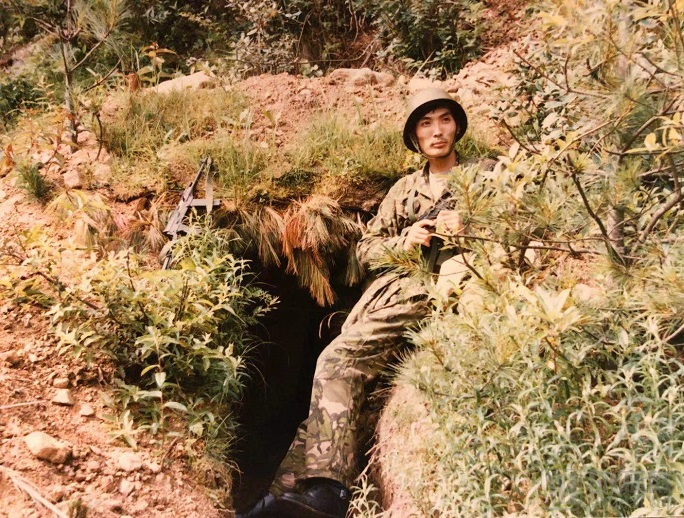
In 1987, amid heightened tensions along the Sino-Indian border, Li Daqing, a military medic, was deployed to the front lines. Fearful of causing his parents undue worry, he did not even disclose his whereabouts. He still recalls that the Chinese and Indian outposts were merely 20 meters apart, with an intensely tense atmosphere. On the eve of his departure, as the song “The Glory Stained with Blood” echoed through the camp—“Perhaps if I bid farewell, I shall never return; do you understand, do you comprehend? Perhaps if I fall, I shall never rise again…”—he briefly feared that he would never return home alive.
Upon returning from the front lines, he found that everything was changing. The hospital had established a new Department of Blood Purification. Traditionally, blood purification fell under the domain of internal medicine. However, as renal replacement therapies for patients with acute and chronic kidney failure, procedures such as hemodialysis and peritoneal dialysis often require the involvement of surgeons. A shortage of physicians, combined with the promising future outlined by the department director, led Li Daqing to decisively enter the field of blood purification. More than 30 years have passed since then.
Not Just Speed
To accelerate Li Daqing’s professional development, the hospital specially assigned him in 1990 to Zhujiang Hospital of the First Military Medical University in Guangdong, where he studied kidney transplantation and blood purification under Professor Gao Wei and other experts. Upon his return, he brought back a video recorder. Leveraging surgical procedure videos provided by Professor Gao Wei and his colleagues, along with academic journals and other resources, he continuously accumulated knowledge and expertise in the field of blood purification.
During his initial surgical training, he even practiced suturing on rat tails. However, due to the fine caliber of their blood vessels, these “surgeries” usually ended in failure. To overcome this challenge, he personally visited bicycle repair shops to source valve cores, which he combined with duck intestines for suturing practice. He also remarked that nowadays, one can simply train using simulated blood vessels.
In 2000, the medical school merged with Jiaotong University, and he returned to the institution as a specially recruited talent. At that time, there were not even dedicated operating rooms for surgeries. Even when an operating room became available, it was only after other departments had completed their procedures. This usually occurred after working hours, yet he felt content. He clearly understood the relative importance of patients’ lifelines compared to personal rest time. He even instructed his patients to call the doctor immediately, even in the middle of the night, should any issues arise.
China has a large population of patients with acute and chronic renal failure. There are typically three treatment options available for these patients: hemodialysis, peritoneal dialysis, and kidney transplantation. Among these, hemodialysis is the most commonly performed. Prior to hemodialysis, blood must be diverted outside the body, necessitating the prior establishment of an access route, known as vascular access. Vascular access includes temporary, semi-permanent, and long-term access, and can also be categorized into autogenous arteriovenous fistulas and synthetic grafts.
When performing surgery on patients, the duration of the procedure often reflects the surgeon’s proficiency. In standard arteriovenous fistula (AVF) creation, an inexperienced surgeon may require 2–4 hours, while a highly skilled one might complete it in half an hour; however, Professor Li Daqing typically needs only 10–20 minutes. Even for artificial vascular graft procedures, he has progressively reduced his operative time from an initial 2 hours to just 30–40 minutes.
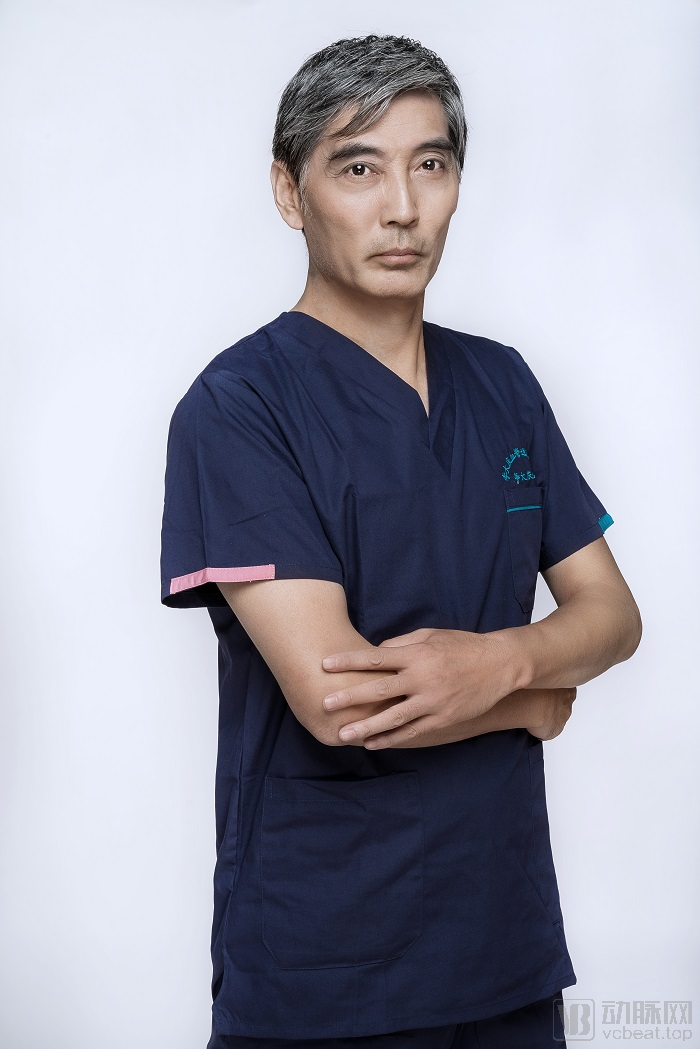
Founding Partner, Li Daqing Vascular Access Studio, Baoxiu Medical Group
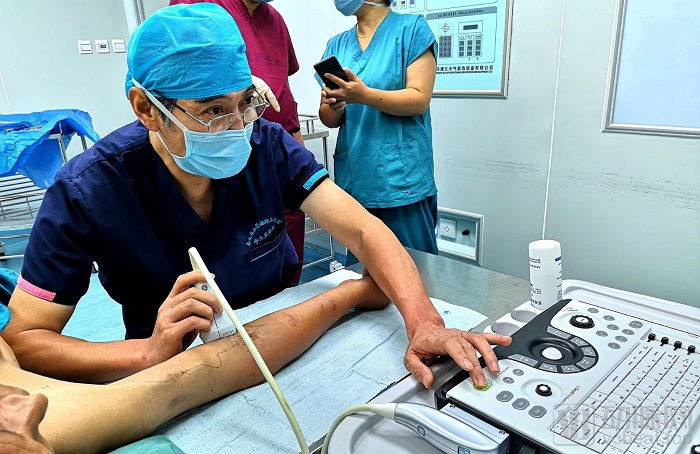
Improving surgical speed and reducing operative time are driven by two considerations: first, given the large patient population, every minute saved could mean more patients receiving treatment; second, shorter operative times reduce the risk of wound exposure and infection. In today’s era of technological advancement, to enhance surgical success rates, he typically performs preoperative ultrasound examinations, personally assesses the patient’s vascular condition, and marks the patient’s arm prior to surgery.
He, too, faced skepticism; no one believed that a standard arteriovenous fistula creation could be completed in 15 minutes. However, after observing the procedure firsthand, even the doubters were compelled to admire his skill. “It takes less than five minutes to identify the blood vessels, and another five minutes to perform the anastomosis.” This efficiency stems from years of accumulated surgical experience. In fact, achieving such results requires the surgeon to have an exhaustive understanding of the patient’s arm anatomy. There must be no superfluous movements during the operation, as any error leading to bleeding would inevitably prolong the surgical time.
Establishment of a Vascular Access Studio
In February 2020, The Lancet, a premier global medical journal, published a report on the epidemiology of chronic kidney disease (CKD) worldwide. The report indicated that, as of 2017, the global number of CKD patients reached 697.5 million, with 132.3 million cases in China. This figure is roughly comparable to the number of individuals with diabetes.
Moreover, influenced by factors such as societal development, changes in diet and lifestyle, microbial infections, drug abuse, and population aging, the number of patients with chronic kidney disease (CKD) continues to rise. A subset of these patients ultimately progresses to severe renal impairment or kidney failure, necessitating blood purification therapy.
On one hand, there is a growing number of patients requiring blood purification; on the other, there is a shortage of specialized professionals capable of establishing vascular access, which is a prerequisite for such therapy. In one city, for instance, standard arteriovenous fistula surgery was performed under an operating microscope. This practice, coupled with the use of additional medical devices, drove up patient costs significantly, raising the price from around 1,000 yuan to 10,000 yuan.
Professor Li Daqing has undoubtedly also felt the growth in the patient population. In 2017, he performed only over 1,700 vascular access procedures; in 2018, the number rose to nearly 2,000; and in 2019, it reached more than 2,900. The actual surgical volume in 2020 also exceeded 3,000 cases, showing no decline despite the impact of the pandemic.
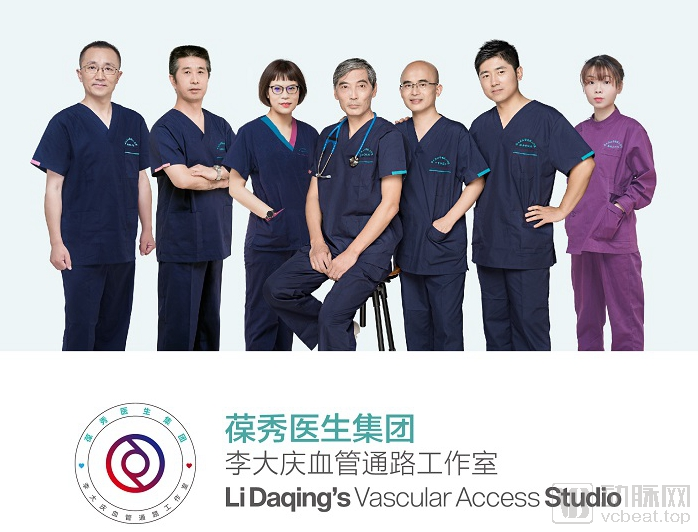
The increase in the number of surgeries is largely attributable to the improvement of his surgical skills, but more closely linked to the establishment of his studio. In August 2018, he joined Xi’an Baoxiu Doctor Group Co., Ltd. on a full-time basis, founded the Li Daqing Vascular Access Studio under the Baoxiu Doctor Group, and served as its founding partner and chief expert.
Backed by the Baoxiu Physician Group, which was founded in 2017 with vascular access surgery as its entry point, the studio aims to gradually build a top-tier domestic professional medical and nursing team specializing in hematology, along with a patient community. Together with Baoxiu Medical Technology Co., Ltd. (which primarily operates the intelligent management system for hemodialysis centers, PDS) and Baoxiu Medical Investment Co., Ltd., the Baoxiu Physician Group has jointly established the Baoxiu Medical Hemodialysis Business Cluster.
How Does the Studio Operate?
With improvements in dialysis quality and the implementation of national medical insurance policies, an increasing number of dialysis patients are achieving longer survival times. However, challenges related to vascular access are also becoming more apparent. In the absence of other complications or interventions, autogenous arteriovenous fistulas typically remain functional for five years, after which complications such as intimal hyperplasia, stenosis, aneurysmal dilation, and true aneurysms tend to arise. This underscores the importance of early detection and proactive maintenance in improving patient outcomes. Nevertheless, hospitals often lack the incentive to prioritize long-term patient management, as such post-treatment care does not generate direct economic benefits.
Recognizing these drawbacks, the Li Daqing Vascular Access Studio has been committed to helping patients establish medical records and providing lifelong vascular access management since its inception, with the aim of further extending patient survival. The studio employs dedicated medical staff to conduct long-term follow-up care for patients.
While conducting follow-up visits, the studio also carries out patient education, providing free health management manuals and other resources. Through continuous education, complications associated with vascular access use, such as pseudoaneurysms, have become increasingly rare among patients seen by the studio. All these efforts are supported by electronic management through the Baoxiu Vascular Access Intelligent Management System (PVS), a platform specifically developed for the studio by Baoxiu Medical Technology Co., Ltd.
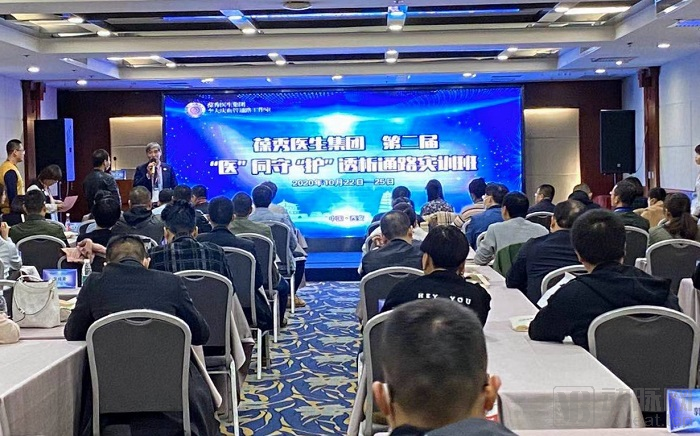
In light of the shortage of vascular access specialists, the studio has also launched introductory and advanced training courses. The introductory courses are offered in two sessions annually to provide training for primary care healthcare professionals. These professionals often lack systematic education in blood purification, yet patients in remote areas have a significant demand for hemodialysis services. Through these courses and online learning models, the studio aims to equip primary care providers with the skills to manage straightforward cases and help patients establish vascular access. For complex or challenging cases, patients can receive assistance through the studio’s green channel service.
The training program places greater emphasis on clinical practice. The first session originally planned to enroll 20 physicians but ultimately admitted 32; the second session enrolled an even larger cohort, comprising 40 physicians and 20 nurses. In reality, although vascular access is surgically created by physicians, it is typically maintained and utilized by nurses. When nurses possess the requisite knowledge to maintain and manage patients’ vascular access, they can provide better care to patients.
The advanced training program is designed for vascular access physicians across China who perform over 100 procedures annually, aiming to enhance their technical skills and procedural efficiency. This ultimately helps patients save time spent seeking specialist care and reduces financial burdens. For the industry as a whole, widespread improvement in professional standards delivers greater benefits to patients.
As the first vascular access studio in China, it had no established model to follow. The studio had originally planned to visit its U.S. counterpart, Lifeline—which has performed a cumulative total of 1.4 million procedures—for learning purposes this year, but these plans were shelved due to the pandemic. Currently, the studio is based in Northwest China and expanding nationwide. Its goal is to become a trusted provider for hemodialysis patients across China, much like Lifeline.
Meanwhile, the studio is collaborating with leading expert teams in the field of vascular access across China, promoting industry exchange and jointly advancing the vascular access sector through conferences, surgical observations, and competitions. It is evident that, unlike previous individual physician interactions, regional and team-based exchanges will drive the development of the entire industry more rapidly. To truly foster industry growth, it is also essential for various stakeholders with resources within the sector to connect and collaborate continuously for synergistic development.
For Professor Li Daqing, “a person’s value lies in what they contribute to society, not in how much money they earn. (Li Daqing) What the Vascular Access Studio is currently doing is essentially setting a benchmark for the industry.” The studio will remain steadfast in its commitment to this direction and continue its efforts accordingly.
Future
With over 30 years of experience in the field of vascular access, Professor Li Daqing has gained valuable insights into its future development. He stated that the future will focus on prevention, emphasizing the creation of autogenous arteriovenous fistulas for patients before they initiate hemodialysis. The second priority is effective maintenance, which requires collaboration among physicians, nurses, and patients. Furthermore, technological advancements will bring about non-invasive experiences, such as the use of synthetic grafts. He believes that as medical technology continues to advance, more dialysis patients will benefit.
Vascular access is the lifeline for dialysis patients and constitutes a significant technical barrier in the chain hemodialysis industry. “China’s private hemodialysis industry has yet to produce large-scale leading enterprises comparable to those abroad. The reasons are multifaceted. We believe that it is not feasible to simply replicate foreign models or rely solely on capital-driven growth. Instead, sustained exploration and accumulation are required, with a focus on two core elements—healthcare professionals and patient populations—while leveraging information systems for refined management.
“Only by solidly advancing these three areas simultaneously can we empower the hemodialysis service industry, such as independent hemodialysis centers. In other words, a robust foundation in these three aspects constitutes the true core competitiveness, whether for building one’s own chain of hemodialysis facilities or for providing services to hemodialysis institutions,” said Professor Li Daqing.
The reason he established his studio at the age of sixty is actually quite simple: there are still many doctors in urgent need of training, many patients awaiting treatment, and many standards that urgently need to be established.
Everything was just as he had recounted in his story. Like him, a renowned pediatric orthopedic surgeon who remained dedicated to his post even after retirement. The doctor had once asked him rhetorically, “We could have retired and enjoyed our golden years; what do you suppose we are striving for by doing this?”
Short of money? Not at all.
For them, the remaining time is precious. And as long as there is time, they, as physicians, will continue to shine and radiate warmth.
The establishment of the Li Daqing Vascular Access Studio under the Baoxiu Physician Group is no exception.