

Haisen Bio's Historic Acquisition of Takeda's China Portfolio: China's First Full-Scale Takeover of a Top 10 Global Pharma Asset
On December 21, 2020, Takeda Pharmaceutical’s announcement that it would divest part of its prescription drug business in mainland China sent shockwaves through the industry.
The focus of this event is not on the acquisition itself. As is well known, since Takeda completed its acquisition of rare disease giant Shire in 2018, it has embarked on a series of “slimming-down” initiatives, frequently divesting and carving out non-core assets. From January 2019 to the present, Takeda has announced 10 business divestitures globally, with a cumulative total of approximately $11.3 billion.
So, why has this acquisition garnered such significant attention?
The key point is that this acquisition marks China’s first structured purchase of assets from a top-10 global pharmaceutical giant, yet the buyer is a little-known Chinese biopharmaceutical company—Hasten Biopharmaceutical Co., Ltd.(hereinafter referred to as “Hasten”). As soon as the news was released, this dramatic combination immediately sparked heated discussions within the pharmaceutical industry’s “circle of friends.”
It is reported that Hasten is an innovative biopharmaceutical technology enterprise invested in and established through funds provided and organized by Feidong County, Hefei City, via Ruimu Investment Company (an investment management firm focused on biopharmaceuticals, also funded and organized by Feidong County, Hefei City). The company was founded in September 2020 and is a newly established entity.
The public’s curiosity centers on:
What sets Hasten apart, enabling it to stand out among numerous global competitors and earn the favor of Takeda, a top-10 pharmaceutical giant worldwide?
Hasten’s Backer—The Hefei Government: After Successfully Incubating High-Profile Projects Such as BOE, ChangXin Memory Technologies, and NIO, Will This Local Government, Hailed by Online Media and the Investment Community as the Most Adept at Industrial Investment, Continue to Shine in the Biopharmaceutical Sector and Turn Hasten into the Next Blockbuster?
Is Hefei’s success merely a matter of lucky gambles, or does it possess unique investment strategies? Who are the masterminds behind its rise?
Across China, the biopharmaceutical sector has been prioritized as a key industry during the 14th Five-Year Plan period, leading to intense competition. By acquiring assets from international pharmaceutical companies, what strategic game is the Hefei municipal government playing, and can it carve out a path to overtake competitors on the curve?
Driven by these questions and aiming to lift the veil of mystery surrounding this acquisition, VCBeat traveled specially to Hefei to attend the launch ceremony for the handover process, striving to uncover any hidden secrets behind the deal for our readers.
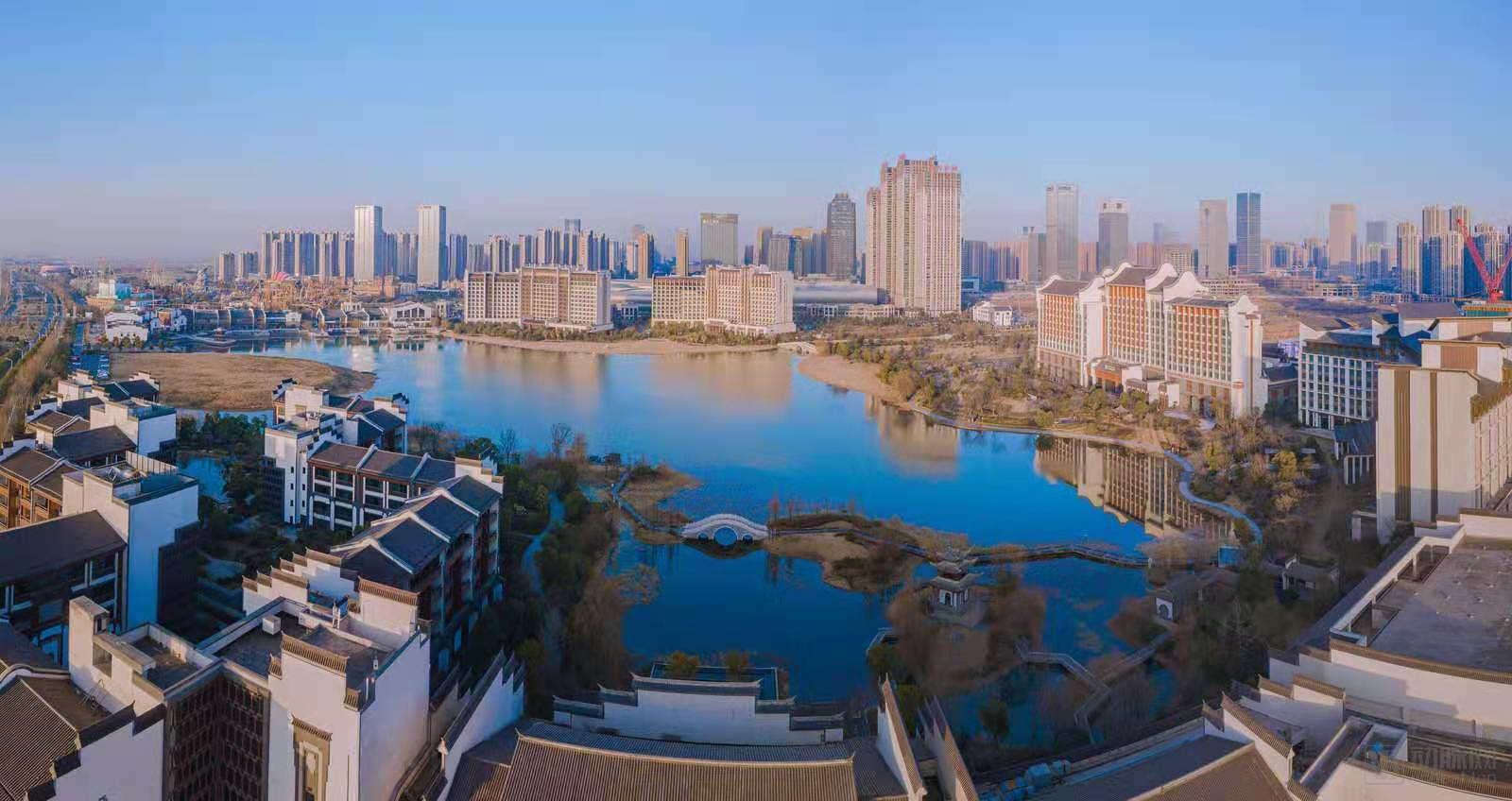
At around 11:00 a.m. on January 12, thirty minutes before the signing representatives from Takeda were scheduled to arrive at the hotel, Hasten’s management team was engaged in a fast-paced discussion in the lobby of the Sunac Wenhua Hotel in the Binhu New Area of Hefei, making final confirmations and preparations for the launch event marking the commencement of the two-day handover process.
This initiative was jointly launched by Hasten and Takeda’s global headquarters. On one hand, it involved the joint release of a plan to accelerate and facilitate a smooth closing process; on the other, it marked the first visit by Takeda’s China team to Hefei for an official meeting with Hasten’s management team. To ensure that the Takeda team fully appreciated Hefei’s commitment to industrial investment, Hasten’s resource support, and its development roadmap during this visit, a comprehensive agenda was arranged over two days, with VCBeat participating throughout.
Thirty minutes later, the Takeda delegation arrived at the hotel, and the two parties commenced their first public meeting.
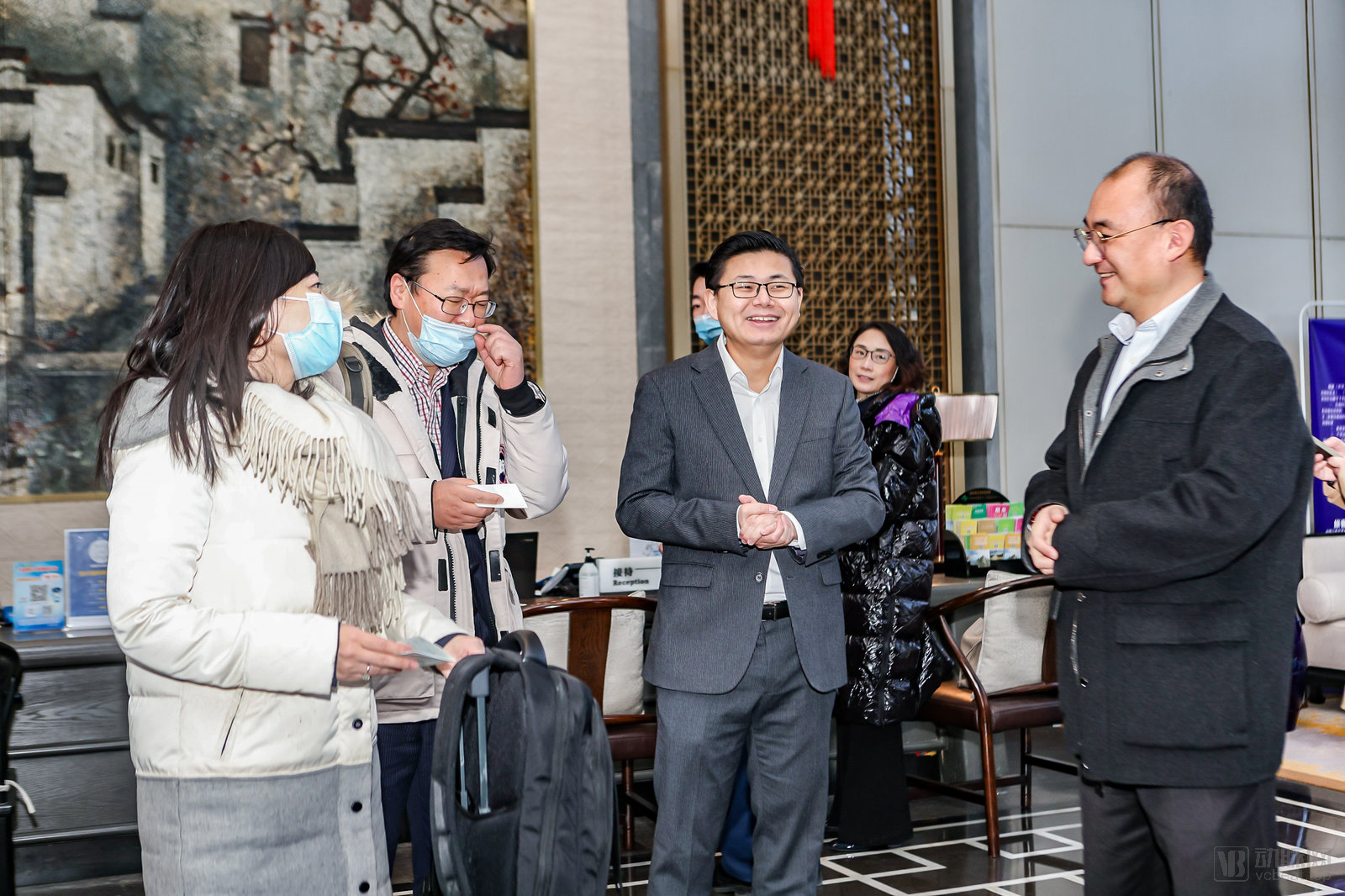
Representatives from Hasten and Takeda held discussions at the hotel
Subsequently, at the invitation of Hasten, both parties departed for a homestay in Changlinhe for lunch. According to Hasten’s management, the homestay is located near Hasten’s headquarters, only a five-minute drive away. Thus, on the way to the homestay, we were also able to take in the layout of the area surrounding Hasten’s headquarters.

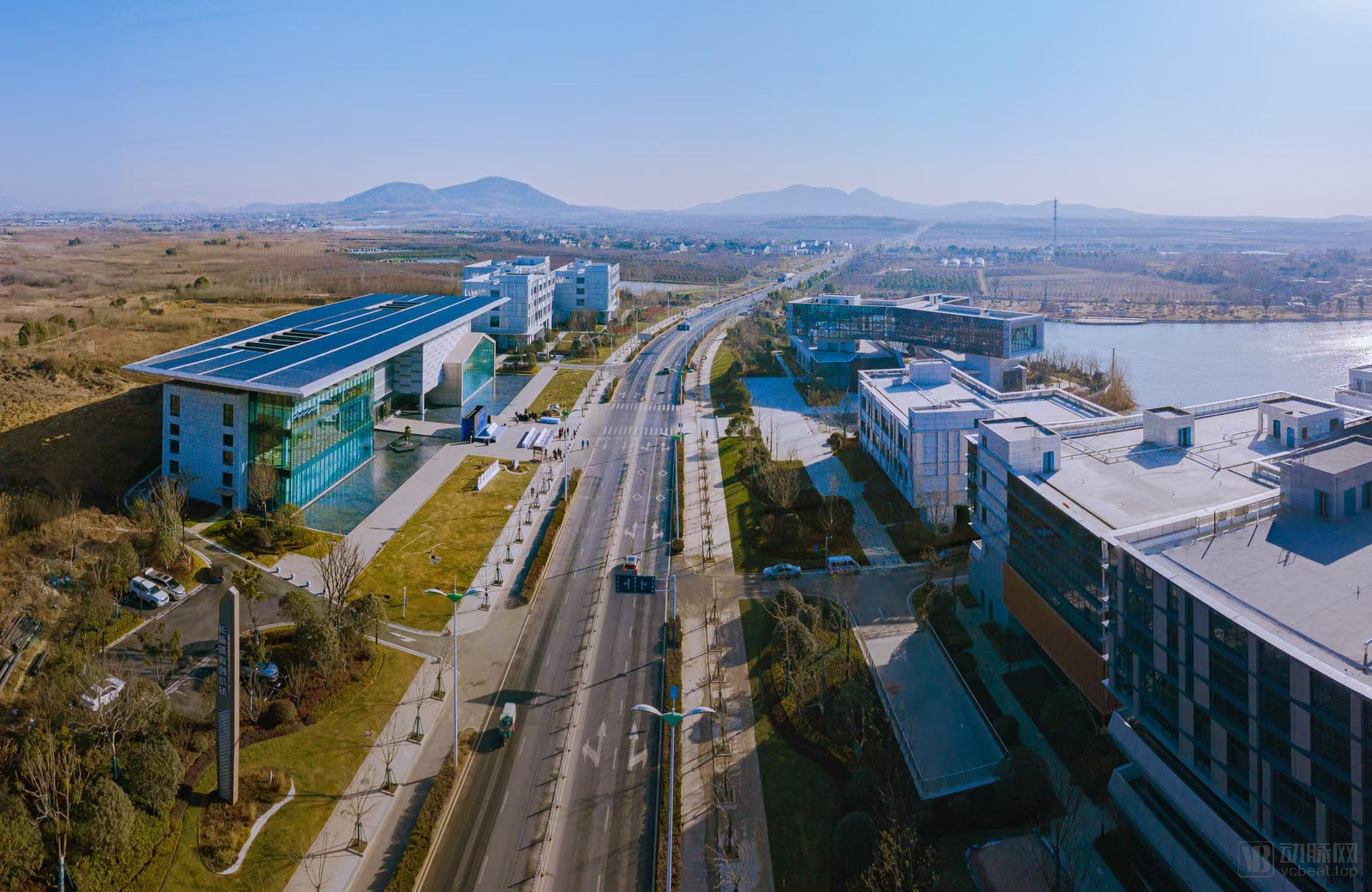
Contrary to expectations, the area surrounding Hasten’s headquarters resembles a resort destination. Along the way, the expansive and tranquil Chaohu Lake and wetland parks dominate the landscape. A Takeda executive noted that international pharmaceutical companies typically choose such locations for their overseas R&D centers, highlighting how China’s development is increasingly aligning with global standards.
In the summer of 2019, General Secretary Xi Jinping also stopped here, stating that Chaohu Lake should be built into Anhui’s most beautiful calling card.
After about 20 minutes, we arrived at the Changlinhe Guesthouse, where both parties would have lunch together.
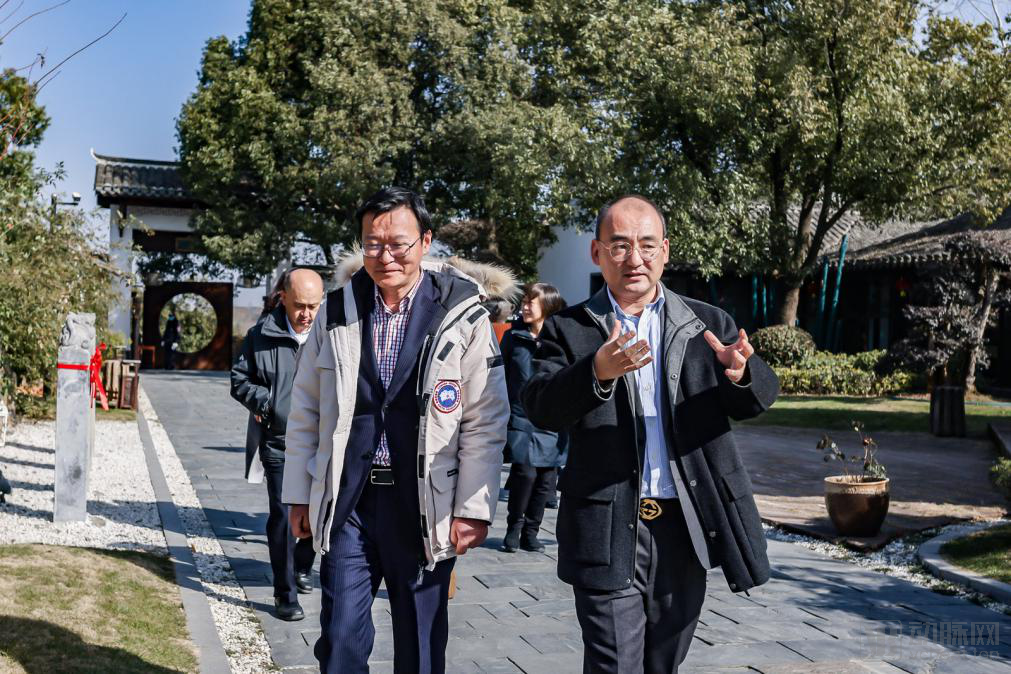
Hasten, Takeda, and their entourage converse upon arriving at the guesthouse.
Choosing to have lunch with Takeda here seems to reflect another layer of Hasten’s intention: one of the commitments Hasten made during its first acquisition—“People Care +”This seems to be reflected here.
“I have spent over 20 years in international pharmaceutical companies, where I orchestrated and participated in four cross-border mergers and acquisitions. Therefore, I deeply understand the real situations and concerns of Takeda’s employees. When one’s product line is acquired, it is natural for everyone to worry that subsequent changes may adversely affect their positions. Hasten has fully taken this into consideration.”We are inclined to retain the current organizational structure of Takeda employees and maintain consistency in their work environment; uphold their benefits and compensation, while providing greater opportunities for career development."This is Hasten’s inheritance of and tribute to Takeda’s corporate culture, ‘People Care.’"During meals,Hasten CEO Qian KangExplained to everyone some of the key propositions of Hasten’s “People Care +” program.
“Hasten has established a nationwide footprint in China and is pursuing international development. We not only ensure that the existing work systems of (Takeda) employees remain unchanged, but also preserve their original ‘style.’ For instance, giving full consideration to employees’ needs for their work environment, we have located our marketing headquarters on the Bund in Shanghai, while our Beijing branch is situated in the Guomao area, the most prosperous and convenient business district. In the future, Hasten will continue to establish overseas representative offices and R&D centers. The current location of our administrative headquarters and R&D division—by the scenic Changlin River—has likely already given everyone a strong impression. We aim to create a headquarters environment that evokes a sense of vacation-like relaxation for our employees—quiet lakeside guesthouses, deep courtyards, and expansive, flat lawns. All these elements reflect our extension of the ‘People Care +’ employee care philosophy.”
At approximately 2:30 p.m. that afternoon, the delegation from Hasten and Takeda arrived at Hasten’s headquarters, located in the Hefei International Pharmaceutical Port.
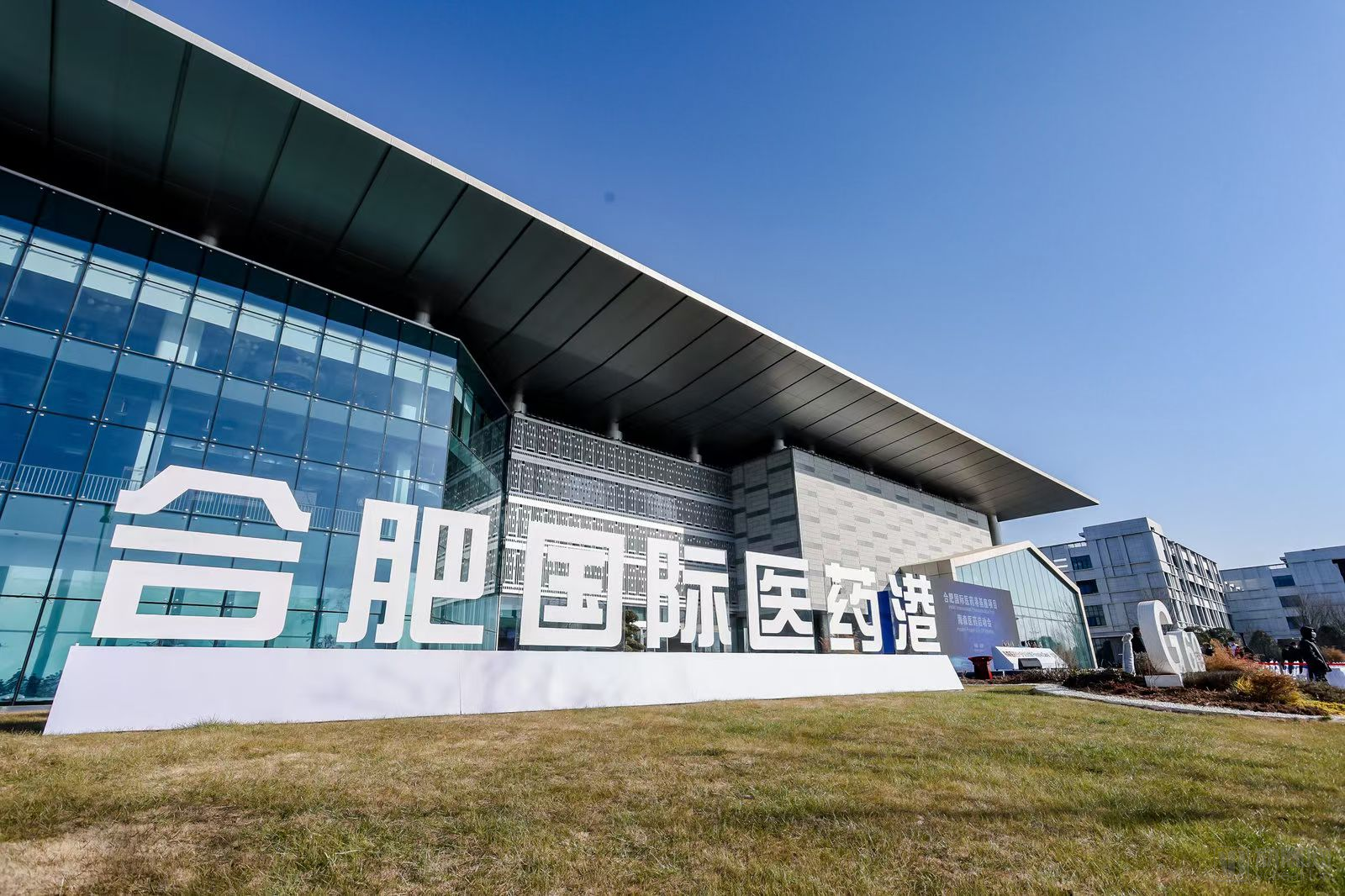
According to reports, the headquarters R&D zone of the Hefei International Medical Port covers an area of 12 square kilometers and is designed in an original ecological style featuring mountains, waters, fields, and gardens. It is only a 15-minute drive from Binhu District and the Provincial People's Government. Currently, the startup zone where Hasten’s headquarters is located has been completed.
During the visit,Ji Xiaofan, Secretary-General of Hefei International Pharmaceutical Port and Chairman of Ruimu InvestmentIntroduced Hefei’s scientific and technological innovation background and the development history of the International Pharmaceutical Port.
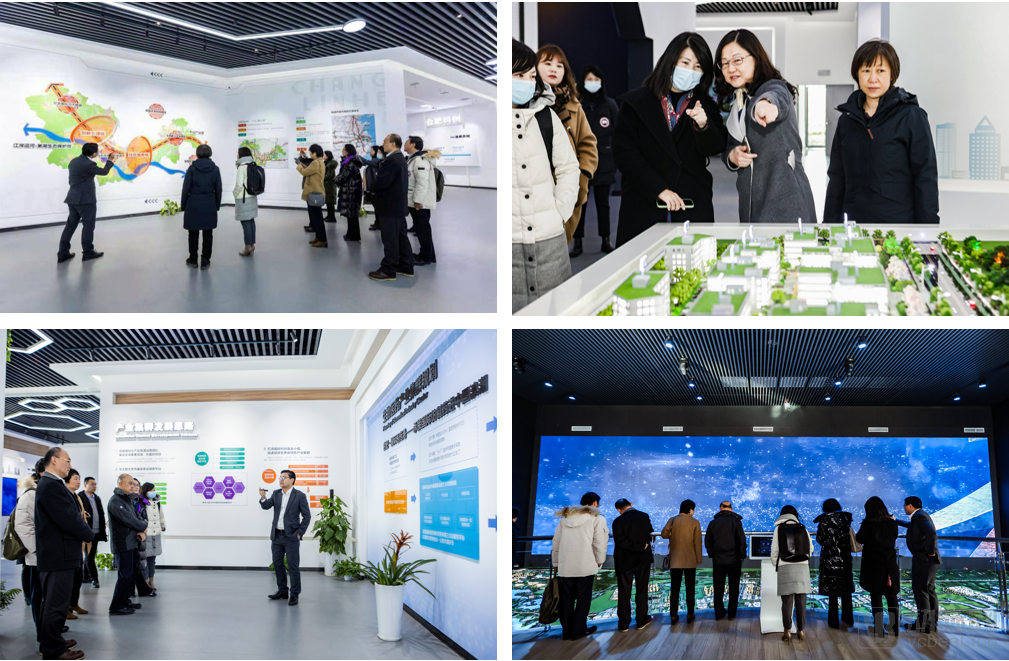
Hasten and Takeda management are visiting the exhibition hall at Hasten’s headquarters.
From Ji Xiaofan’s explanation, we learn that the International Pharmaceutical Port originated two years ago with the initiative to introduce “quality drugs” into China—Introducing scarce and affordable medicines into China.During this process, Hefei engaged in business collaborations with pharmaceutical companies from multiple countries and assembled high-caliber industrial teams such as Ruimu Investment. They built bridges wherever they encountered rivers,It has not only streamlined key processes such as drug selection, registration, and commercialization, but also accumulated a portfolio of drug pipeline resources at various stages—ranging from mature originator drugs and generics to collaborative innovative drugs in clinical development.
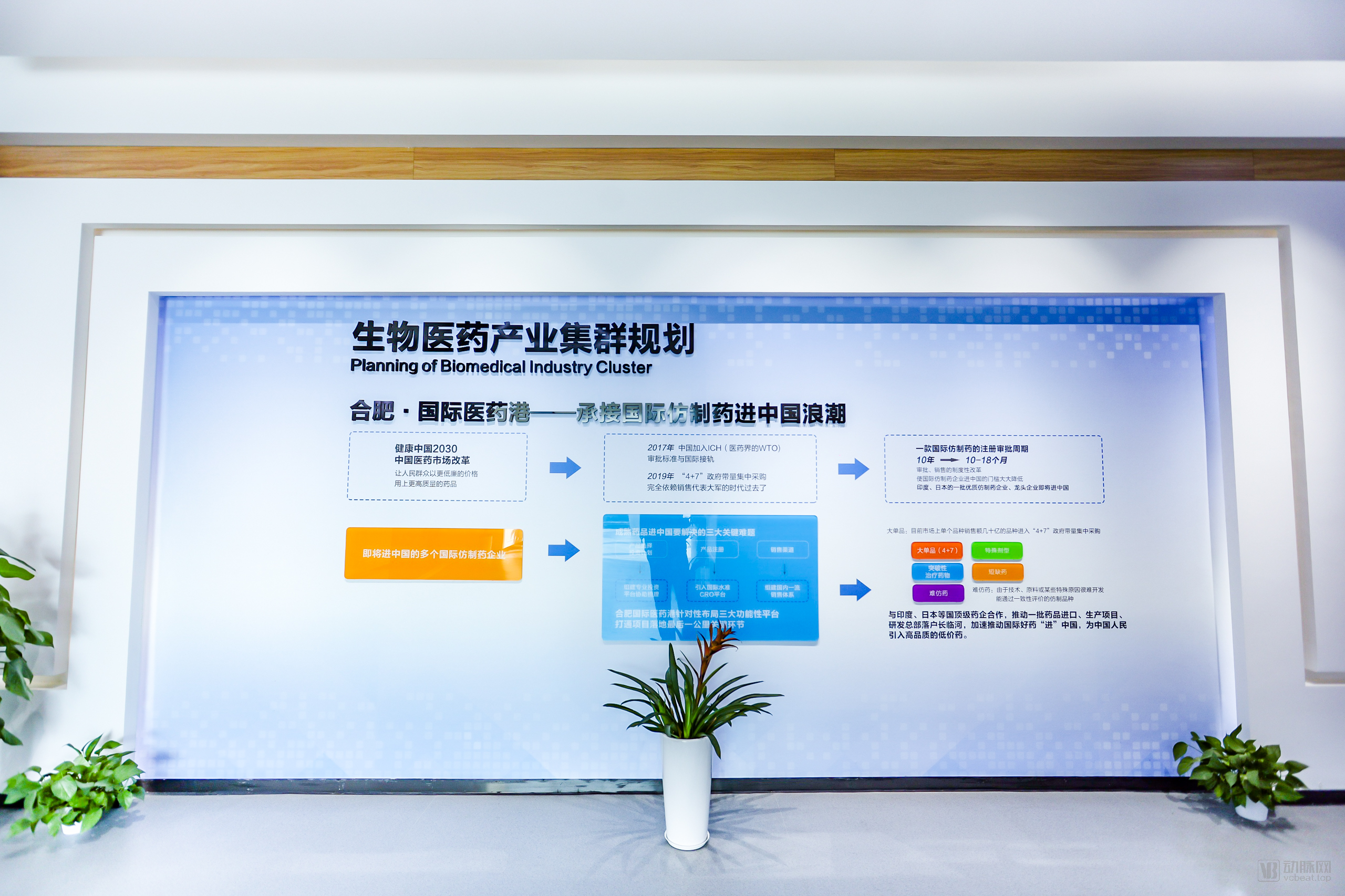
“Today, Hefei can leverage Takeda’s assets as an industrial foundation, integrate the high-quality drug and R&D resources accumulated by the International Pharmaceutical Port, establish a production system, and gradually develop its R&D capabilities in phases. This approach will rapidly achieve industrial scale and cultivate a complete innovation-driven R&D industry chain, representing a new model and pathway for China’s development of the biopharmaceutical industry chain,” stated Ji Xiaofan. He added that, while continuing to strengthen and expand Hasten, the International Pharmaceutical Port will further broaden its scope, facilitate resource integration, learn from Takeda Pharmaceutical, and firmly pursue internationalization.
From this perspective, the acquisition has been a long-planned strategic move for Hefei International Medicine Port. So, beyond government backing, what are the distinctive strengths of the newly established Hasten that have earned Takeda’s favor?
Driven by curiosity, we continued to participate in the roundtable discussion between Hasten and Takeda, aiming to ascertain both parties’ genuine attitudes toward the acquisition while potentially uncovering the true reasons behind Hasten winning Takeda’s favor. The session was held in the VIP lounge of Hasten’s headquarters exhibition hall and lasted approximately one hour.
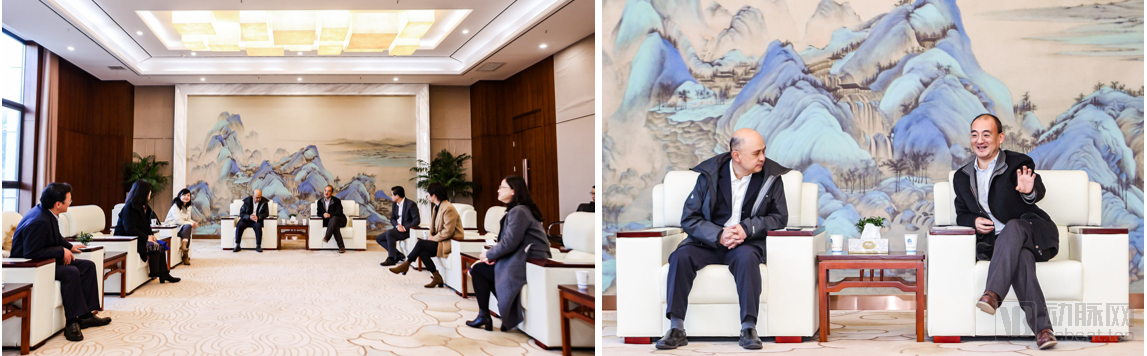
On the left are representatives of Takeda Pharmaceutical’s management team, and on the right are representatives of Hasten’s management team.
VCBeat learned from the discussions that, regarding this transaction, Takeda’s primary concerns were whether the buyer met two key criteria: 1) the capability to continue operating the existing drug pipeline, ensuring that the medications remain accessible to Chinese patients; and 2) the ability to provide proper care for the existing employee team. This aligns with Takeda’s corporate culture of “People Care,” which emphasizes care for both patients and employees.
After multiple rounds of evaluation, Takeda’s global headquarters ultimately selected Hasten. Takeda’s global headquarters expressed approval of Hasten’s transition plan, execution capabilities, and resource reserves.
From Hasten’s side, CEO Qian Kang delivered a presentation on“5+5+X”Partial interpretation of the plan. He stated,“The most critical factor in a successful merger and acquisition is cultural alignment and compatibility.”This insight stems from his experience in orchestrating and participating in four international mergers, acquisitions, and integrations. It is reported that Qian Kang has worked for several renowned multinational pharmaceutical companies, including Sanofi, Pfizer, Novartis, and Sandoz, holding leadership positions in R&D, local manufacturing, business development, and other functional departments. Furthermore, he has led and participated in four cross-border M&A and integration projects.
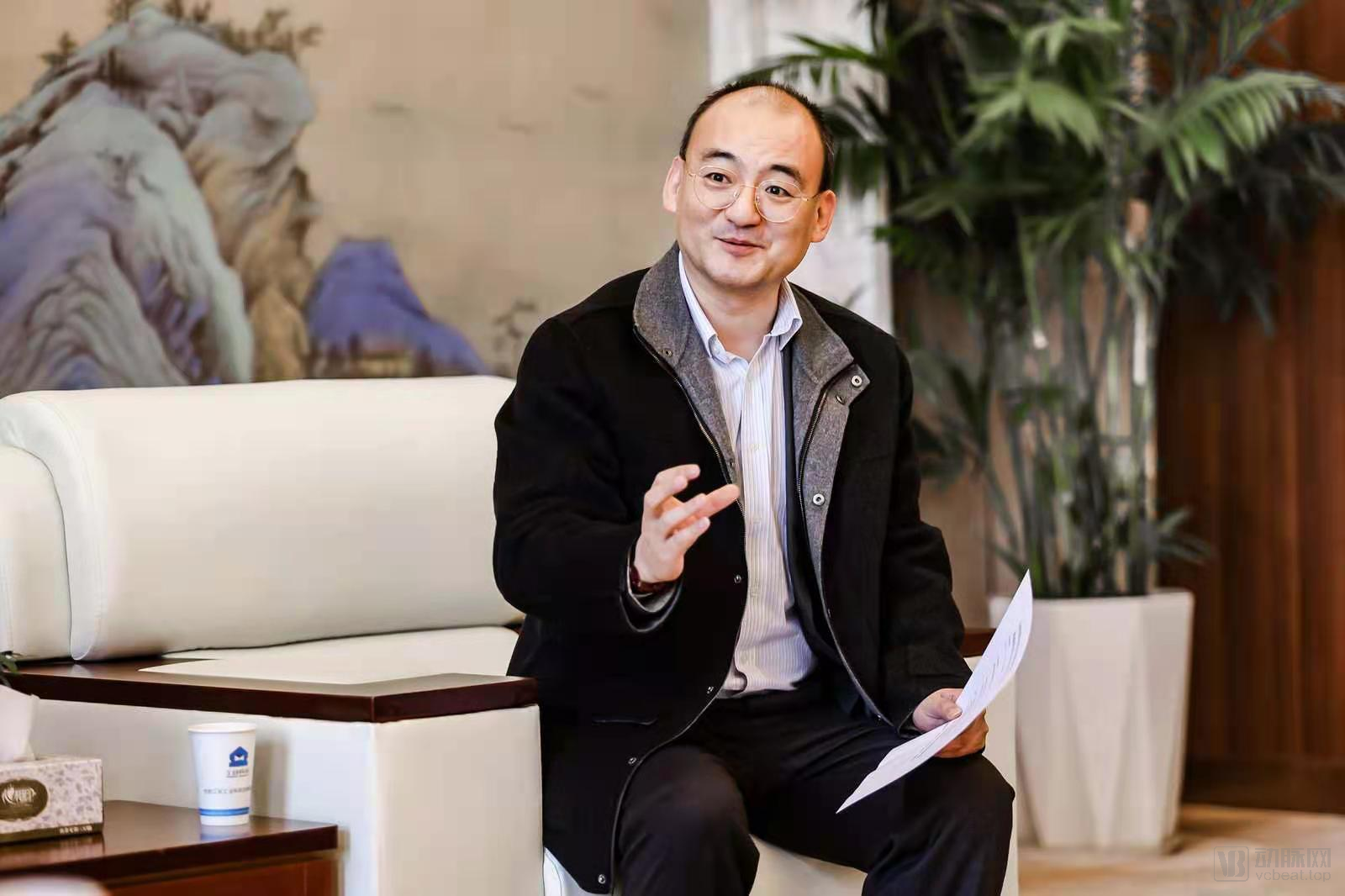
Hasten CEO Qian Kang
“Hasten is a new company, so we inherit and pay homage to Takeda’s corporate culture (People Care), and upgrade it on this basis (People Care +). We will maintain all existing management structures of the team to the greatest extent possible. The ability to make such a commitment requires strong potential development momentum and a robust product pipeline as guarantees, thus”We launch ‘The “5+5+X” Plan—Leveraging the introduction of five drugs from Takeda’s assets, five pipeline drugs from Hasten, and the drug reserve resources of Hefei International Medical Port, we plan to gradually establish an R&D system in the field of age-related degenerative diseases and achieve an IPO within four years.“Pursue international expansion and grow into a global pharmaceutical company, with Takeda as the role model.”
Regarding the “People Care +” initiative, Qian Kang also provided a detailed explanation, summarizing its key components into four main aspects:
1. Hasten will further enhance patient access to the pharmaceutical products within its existing asset portfolio. By continuing to increase market investment, penetrating lower-tier markets, expanding internet-based channels, and pursuing other multi-channel collaborations, Hasten strives to enable Takeda’s existing medicines to serve a broader patient population;
2. Measures to maintain a sense of continuity for employees—Hasten will ensure that employee compensation and benefits, work locations, leadership teams, colleagues, clients, organizational structure, and IT systems remain unchanged (Hasten will replicate and develop Takeda’s IT system). The industry “style” will also remain consistent (promotional activities will continue, and the Shanghai marketing headquarters will remain in the historic building on the Bund). Current executives and those hired in the future will all come from international pharmaceutical companies, ensuring that the professional circle culture and the fully English-speaking, internationally oriented workplace environment remain unchanged.
3. Enhancing Employee Satisfaction: Robust support from the drug pipeline and an upcoming all-employee stock ownership plan (to be announced post-closing) to incentivize staff;
4. Future Career Development Opportunities for Employees: As Hasten establishes its R&D system and expands internationally, it will provide employees with more opportunities for senior management positions.
Qian Kang emphasized,“For Takeda’s assets, Hasten values not only the products but, more importantly, the intrinsic value of the employees themselves.”"Hasten ensures that employees lead happy lives and enjoy their work. We believe that talent is at the core of everything."
Hasten's Registration Lead, Rao HongyuThis section outlines Hasten’s advantages in global drug registration from a regulatory perspective. As the former Head of Regulatory Affairs for Merck Life Science in Greater China, Rao Hongyu has nearly 30 years of experience in regulatory affairs and R&D. She has successfully secured regulatory approvals for dozens of products across various categories, including innovative drugs, generics, vaccines, and active pharmaceutical ingredients (APIs) and excipients. Additionally, she has navigated three major mergers and acquisitions during her tenures at Sandoz, Novartis Vaccines, and Merck.
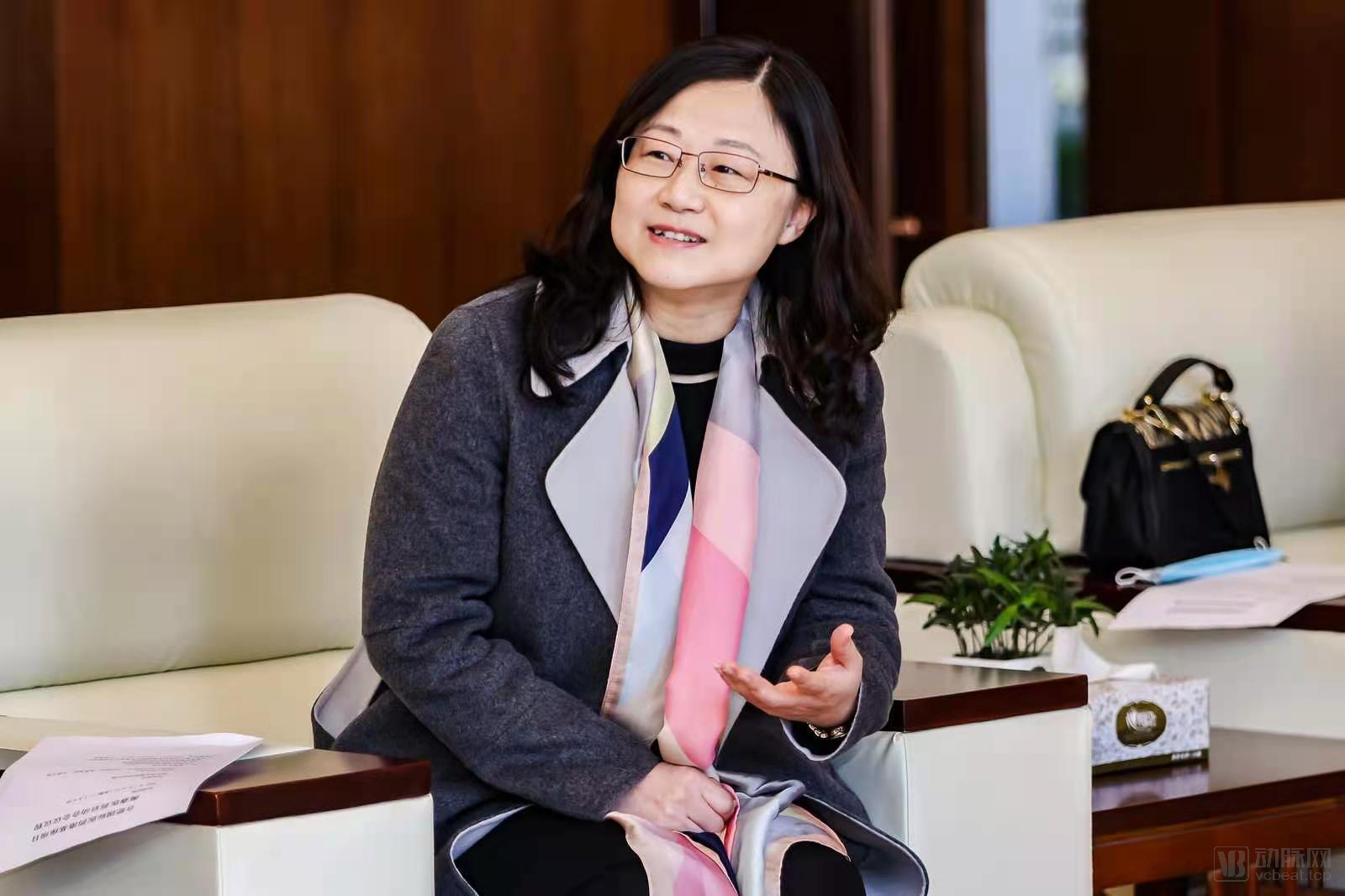
Hasten's Registration Lead, Rao Hongyu
Rao Hongyu stated that over the past few years, drug policies have undergone earth-shaking changes. While strengthening drug regulation, the country has increasingly encouraged innovation and advocated for domestic pharmaceutical companies to move toward internationalization, adhering to the principles of “science, rigor, fairness, and openness,” and focusing on patients and clinical needs. “We can see that opportunities and challenges coexist in this healthcare policy reform. For Hasten, there are more opportunities.”“Hasten already boasts a robust product pipeline, driven by a business development team with global vision and keen professional acumen. Its experienced regulatory affairs team will formulate and swiftly implement tailored registration strategies based on the specific characteristics of each product and relevant regulations.”
With the capability to continue operating the existing drug pipeline, ensuring that patients in the Chinese market remain cared for, and with sufficient product pipeline resources to facilitate better employee development—while organically inheriting Takeda’s “People Care” corporate culture—it is hardly surprising that Ruimu Investment and Hasten have stood out among numerous domestic and international competitors. Their strategic vision and transition plans, spanning from management teams to resource reserves, have earned them Takeda’s favor.
Following the symposium, Hasten’s management invited Takeda representatives to visit another prominent project under the Hefei Government Industrial Investment Cluster—NIOheadquarters and production base.
To miss Hefei’s blockbuster industrial projects is to have never truly visited Hefei. It seems that only by visiting the key investment projects in Hefei on-site can one better understand the significance of the Hasten project as a foundational pillar of Hefei’s industrial ecosystem. Will NIO serve as a reflection of Hasten’s future development?
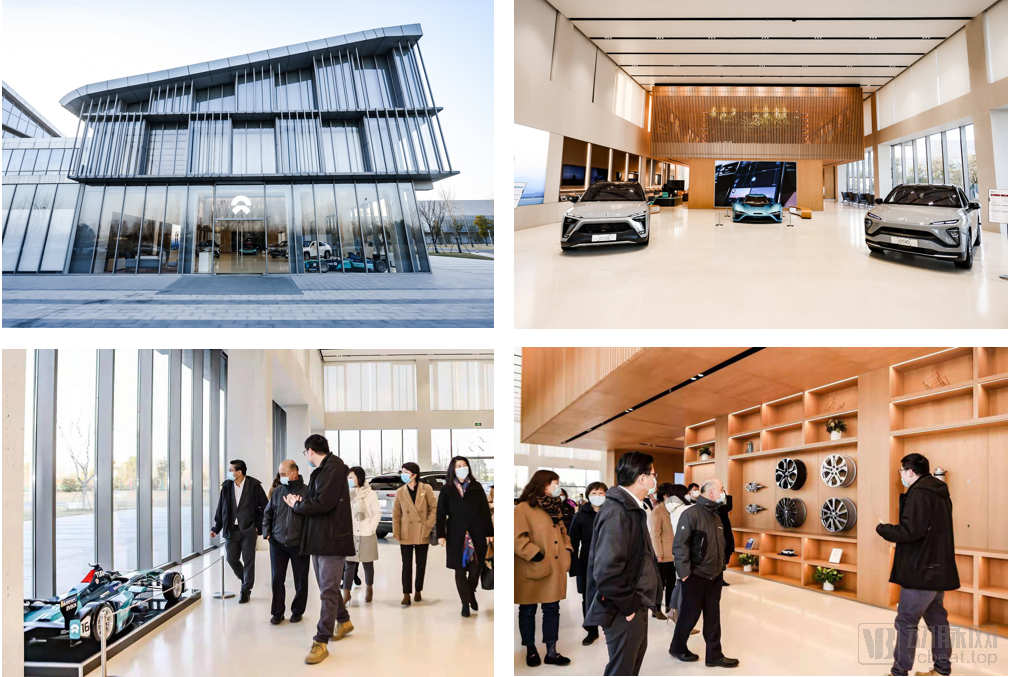
NIO Headquarters Store Showroom: The Hefei Economic and Technological Development Zone Management Committee’s Industry Team is introducing to the Takeda and Hasten teams
(No relevant photos were taken as photography is prohibited on the production line.)
During the visit to NIO’s headquarters and production facilities, the industrial development team from the Hefei Economic and Technological Development Zone Management Committee provided comprehensive accompaniment and commentary. Their enthusiasm, professionalism, and strong desire for development left a deep impression on everyone—behind every successful project are always extraordinary people. It is the passionate government industrial teams across Hefei’s districts and counties that have underpinned the city’s rise as an internet-famous hub for industrial investment.
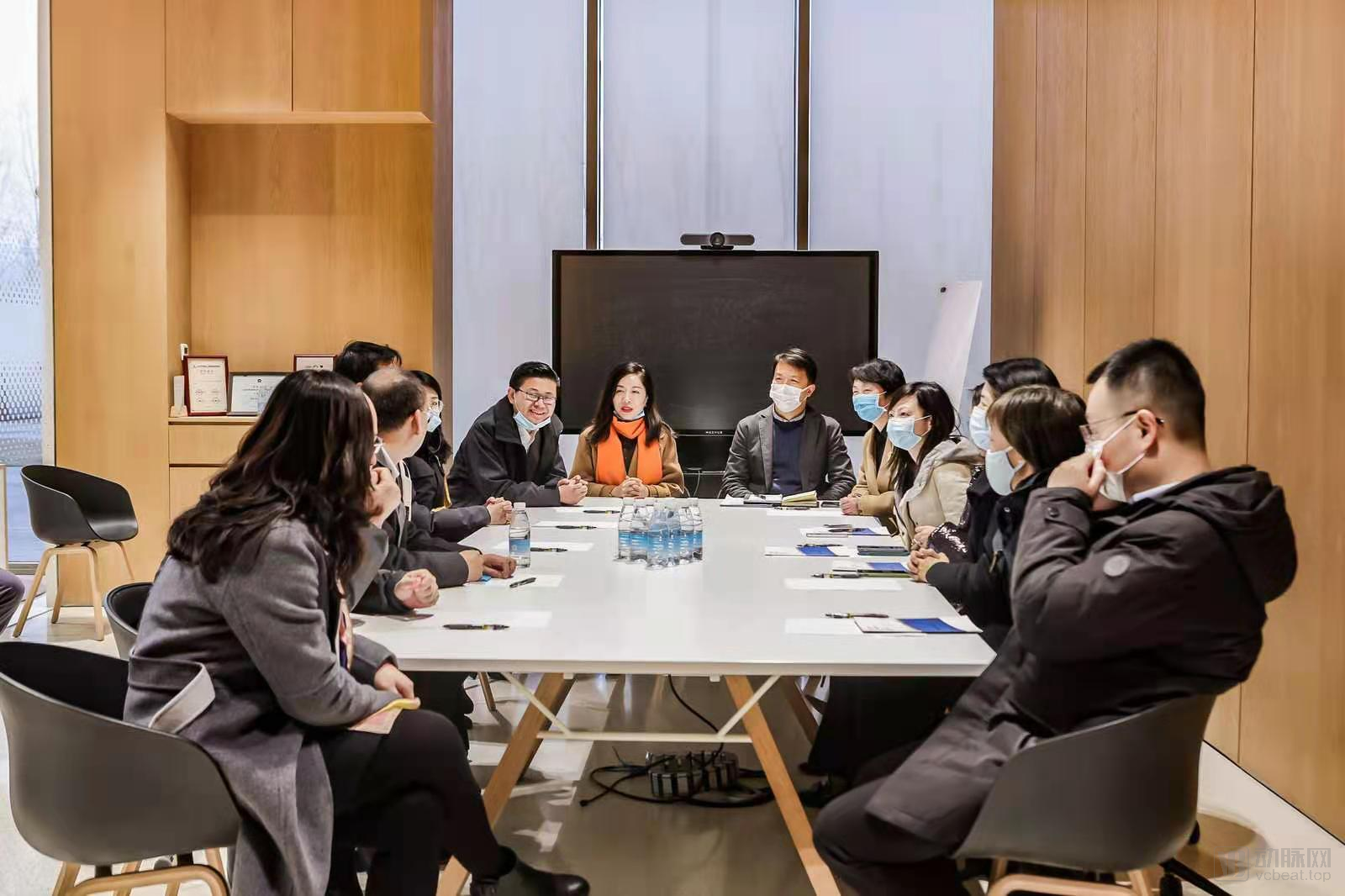
Representatives from the Hefei Economic and Technological Development Area Administrative Committee, Takeda, and Hasten are engaged in discussions.
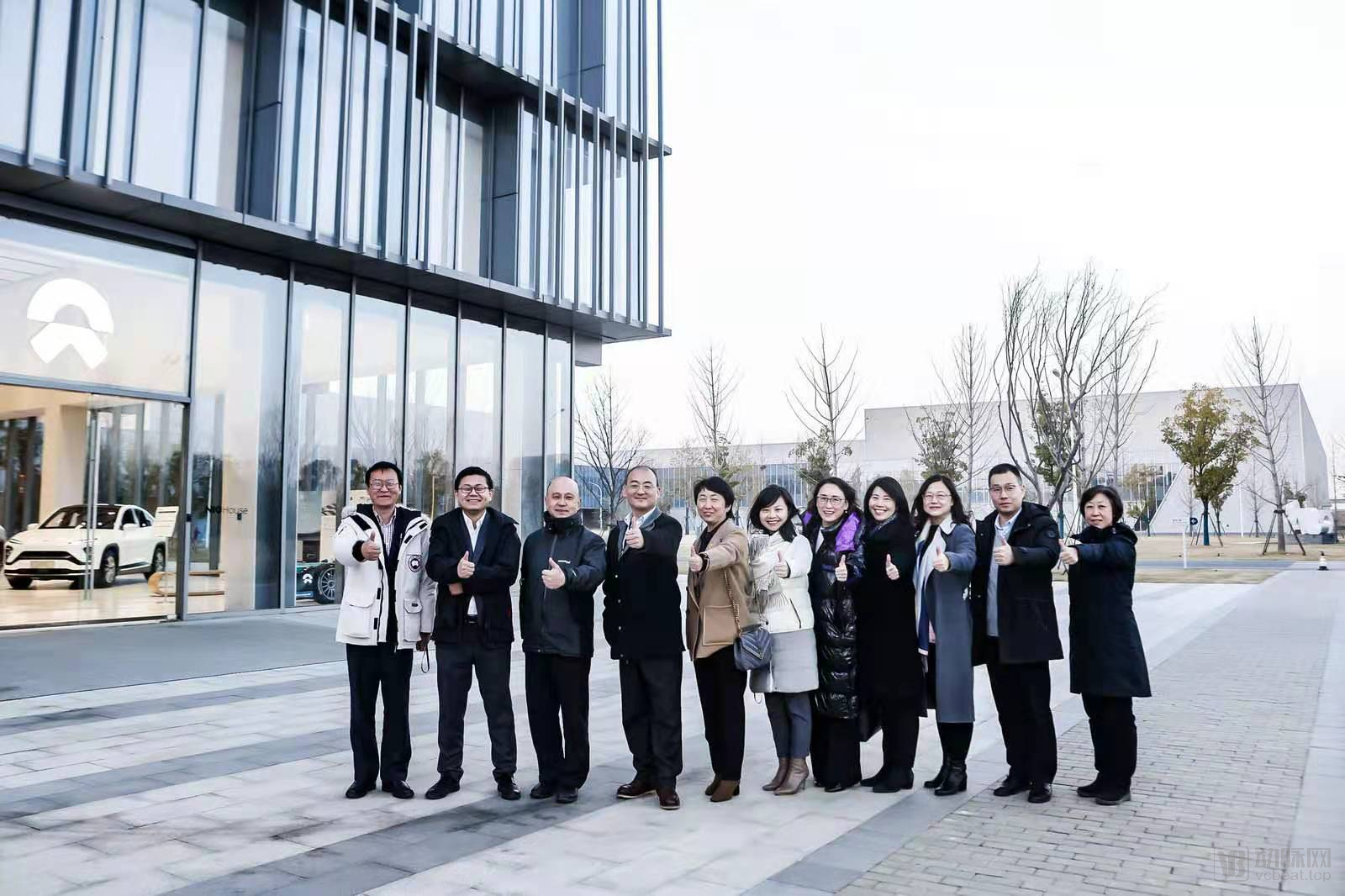
Before leaving the NIO headquarters, the group gathered at the entrance for a commemorative photo.
At 8:30 a.m. on the morning of the 13th, prior to the official commencement of Hasten’s kickoff meeting, representatives from the Feidong County Government, Takeda Pharmaceutical, and Hasten held a brief symposium in the VIP lounge on the first floor of Hasten’s headquarters. Attendees included Secretary Wang Shuwu, representing the Feidong County Government; Ms. He Yiou, Party Secretary and Chairman of Hefei Industrial Investment Group; Shan Guohong, President of Takeda China, along with his accompanying delegates; and Qian Kang, CEO of Hasten, along with his accompanying delegates.
In conversation,Wang Shuwu, Executive Deputy County Mayor of Feidong CountyMr. Shan Guohong emphasized the strategic importance of biomedicine in Hefei’s industrial investment projects, expressing the hope that this collaboration would foster deeper and closer ties with major international pharmaceutical companies such as Takeda, thereby jointly advancing the development of the Hefei International Pharmaceutical Port.
Shan Guohong, President of Takeda ChinaHe also expressed his optimism about the city of Hefei. “When I previously served as a Regional Manager, I was responsible for the Anhui and Shandong regions, so I have deep ties with Anhui. The rapid development of Hefei over the past decade has been truly remarkable. Takeda is also fortunate to rekindle its strong connection with Hefei, and we look forward to exploring win-win cooperation opportunities together in the future.”
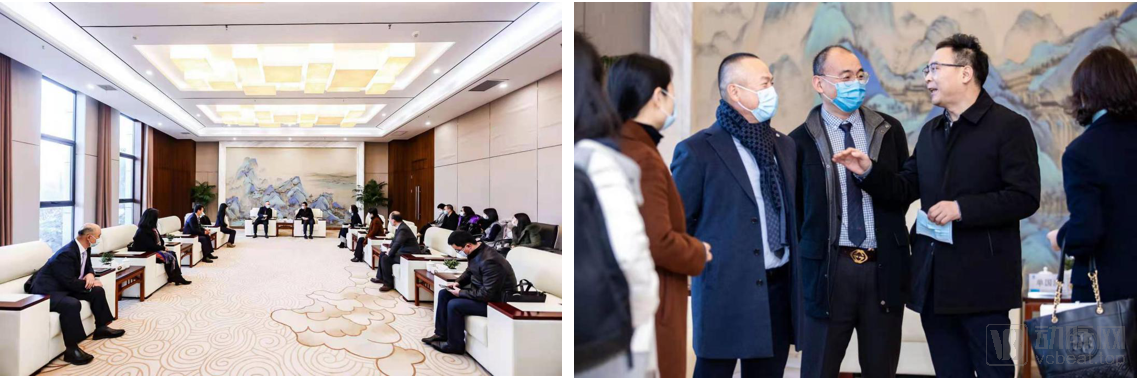
On-Site of the Tripartite Talks Among Feidong County Government, Takeda Pharmaceutical, and Hasten
The Feidong County Committee and County Government are determined to make significant strides in Hefei’s “gathering lifelong wisdom” industrial initiative. They have strategically targeted the biopharmaceutical sector, integrating capital, talent, products, and R&D and production platforms. While acting like investors, they distinguish themselves from ordinary investors by employing systematic thinking and analyzing projects from an industry chain perspective. It is reported that several leaders in Feidong County have spent nearly two years collaborating with their team to refine their approach through trial and error. This resilience and patience are truly commendable.
Feidong rose to prominence through the Takeda project, a success built on years of effort and accumulation, relying on a professional team to implement long-term strategies for project refinement and development. There are no shortcuts or secret formulas in industrial investment. Hefei’s successful development of several industrial clusters is no accident; a key factor has been a group of government officials with deep industry expertise and resilience.
At around 9:00 a.m., the Hasten kickoff meeting officially commenced.
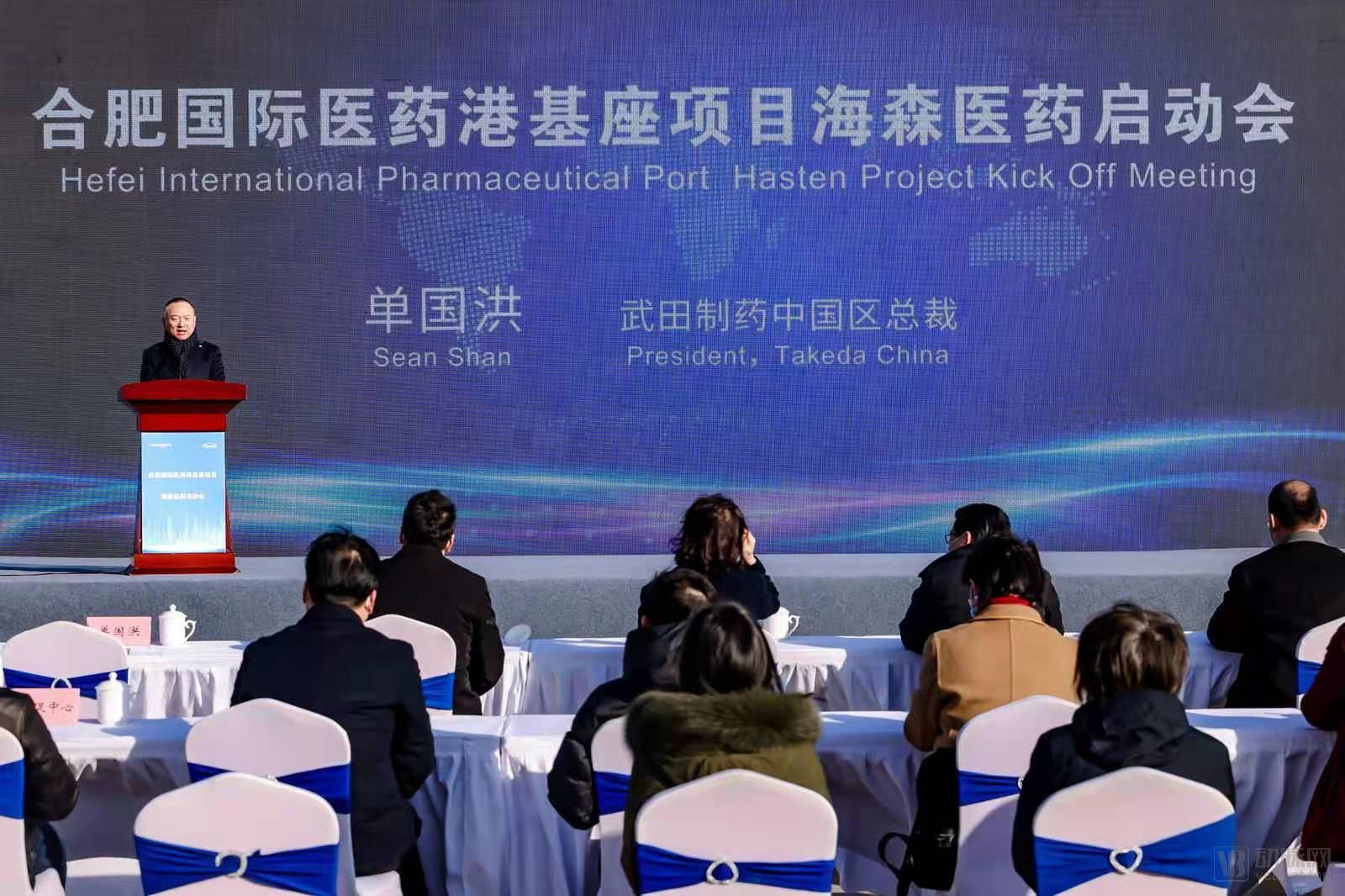
Shan Guohong, President of Takeda Pharmaceutical Company Limited, China Region
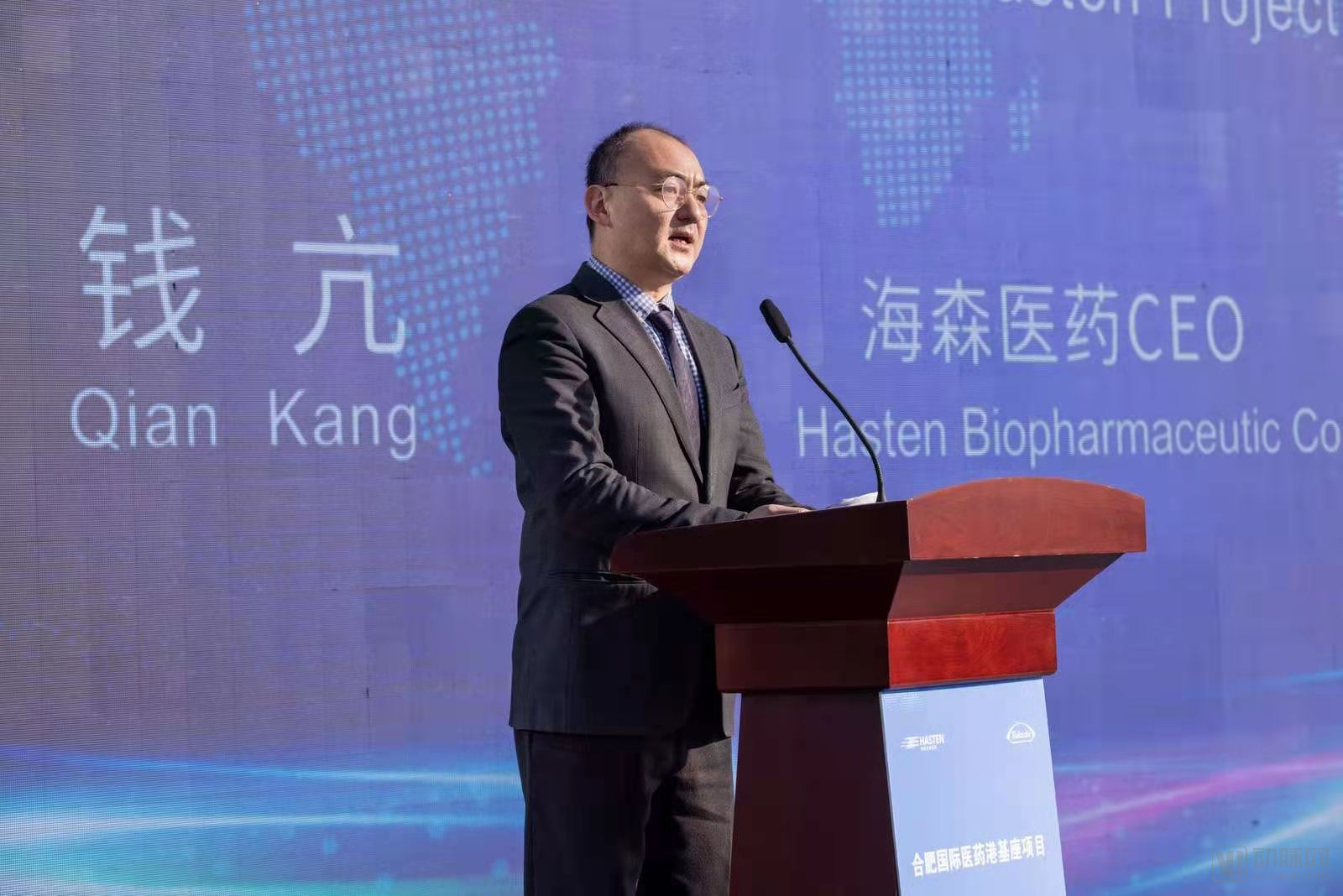
Hasten CEO Qian Kang
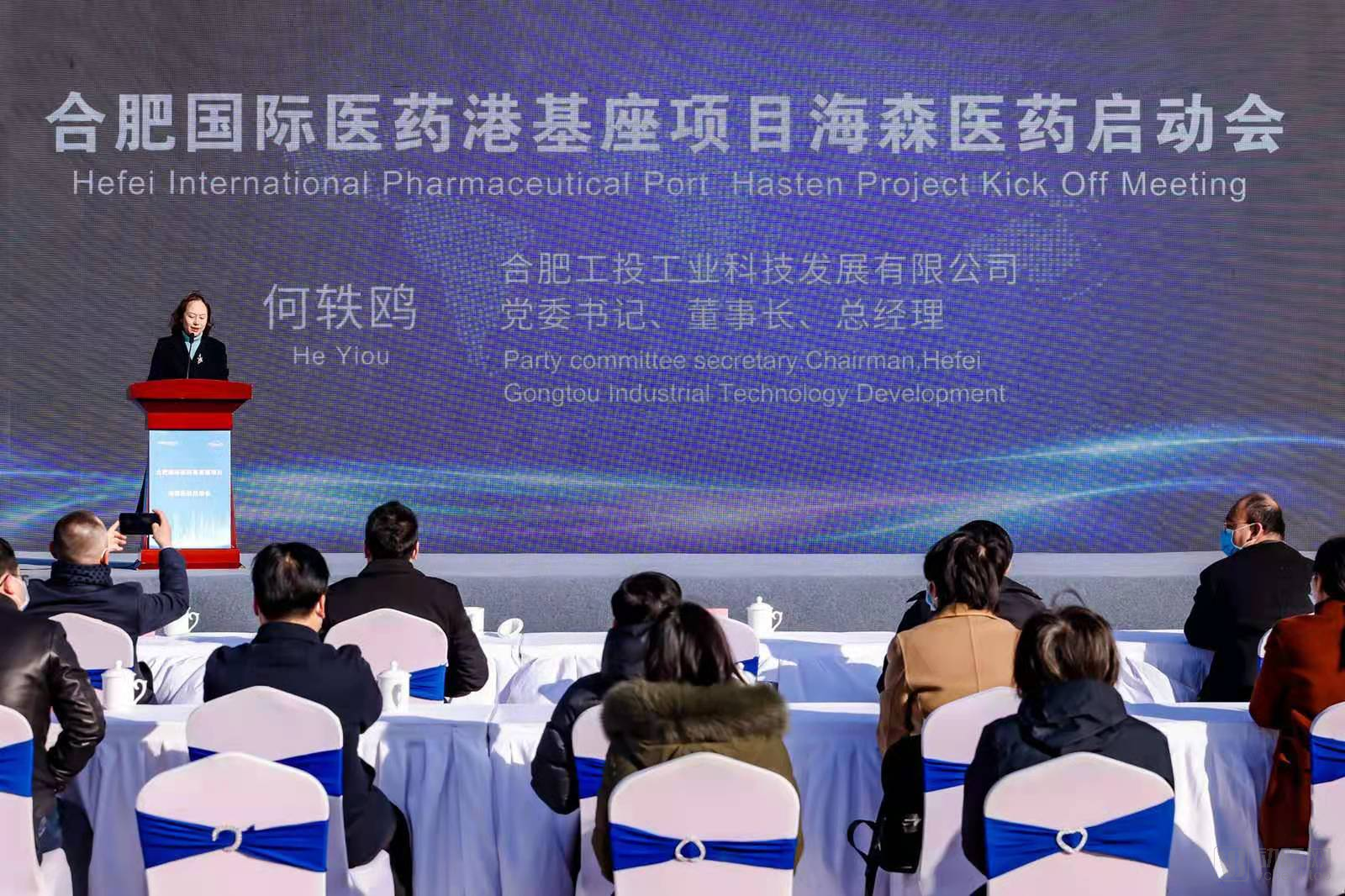
He Yi'ou, Party Secretary, Chairman, and General Manager of Hefei Industrial Investment Group
At the launch ceremony, Mr. Shan Guohong, President of Takeda; Mr. Qian Kang, CEO of Hasten; and Ms. He Yi’ou, Party Secretary, Chairman, and General Manager of Hefei Industrial Investment Group, delivered remarks respectively.
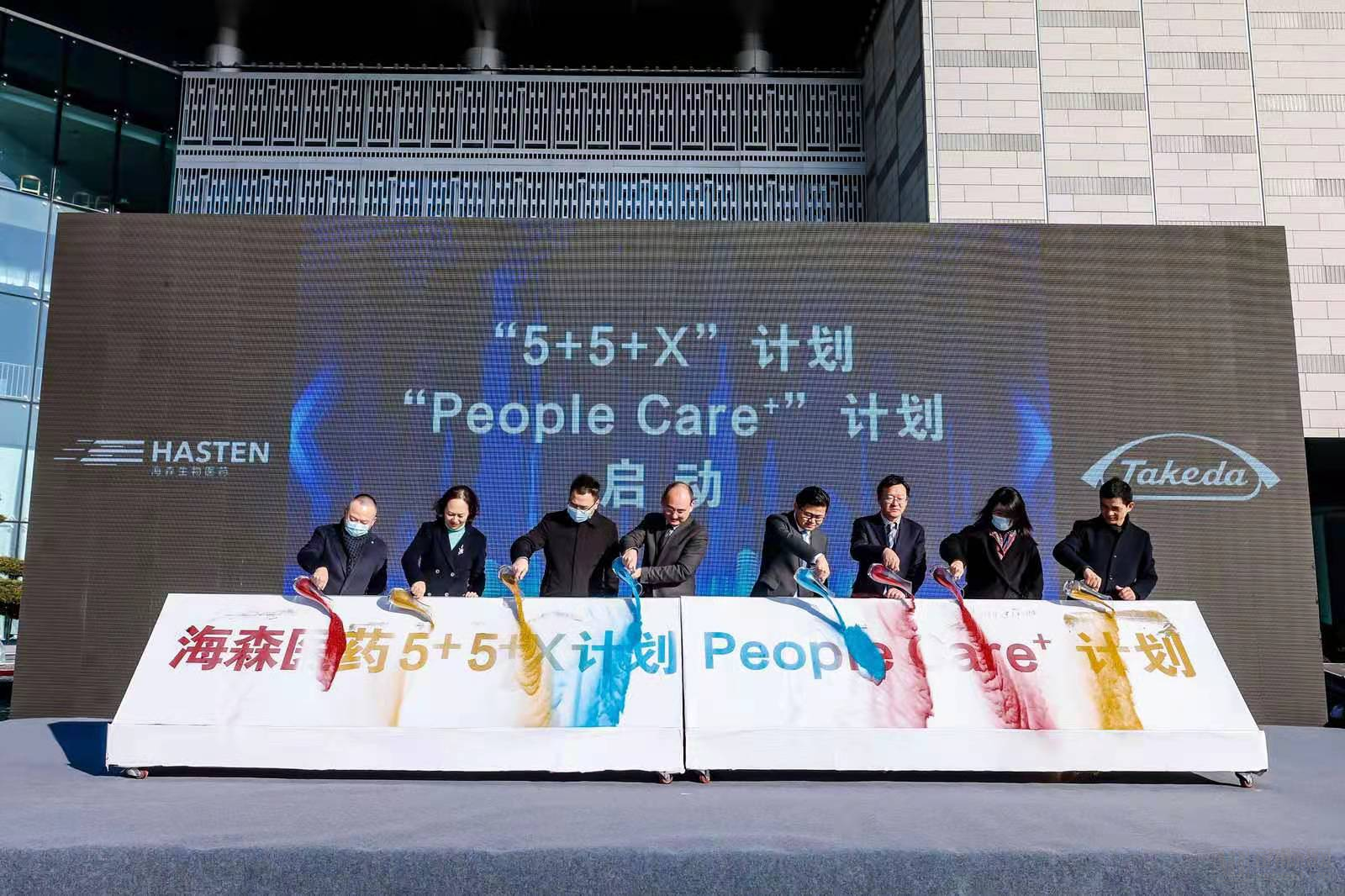
Representatives from Takeda, Hasten, and the government respectively poured red, blue, and gold colored sand to launch the “5+5+x” and “People Care +” initiatives.
According to Hasten’s management, the red quicksand symbolizesTakeda, which is also the color of Takeda Pharmaceutical's logo; blue representsHasten, which is also the signature color of Hasten; the rendering of the government’s golden quicksand features“Turning Stone into Gold”symbolic significance. The blending of three colors signifies deepened collaboration and the accumulation of strength.
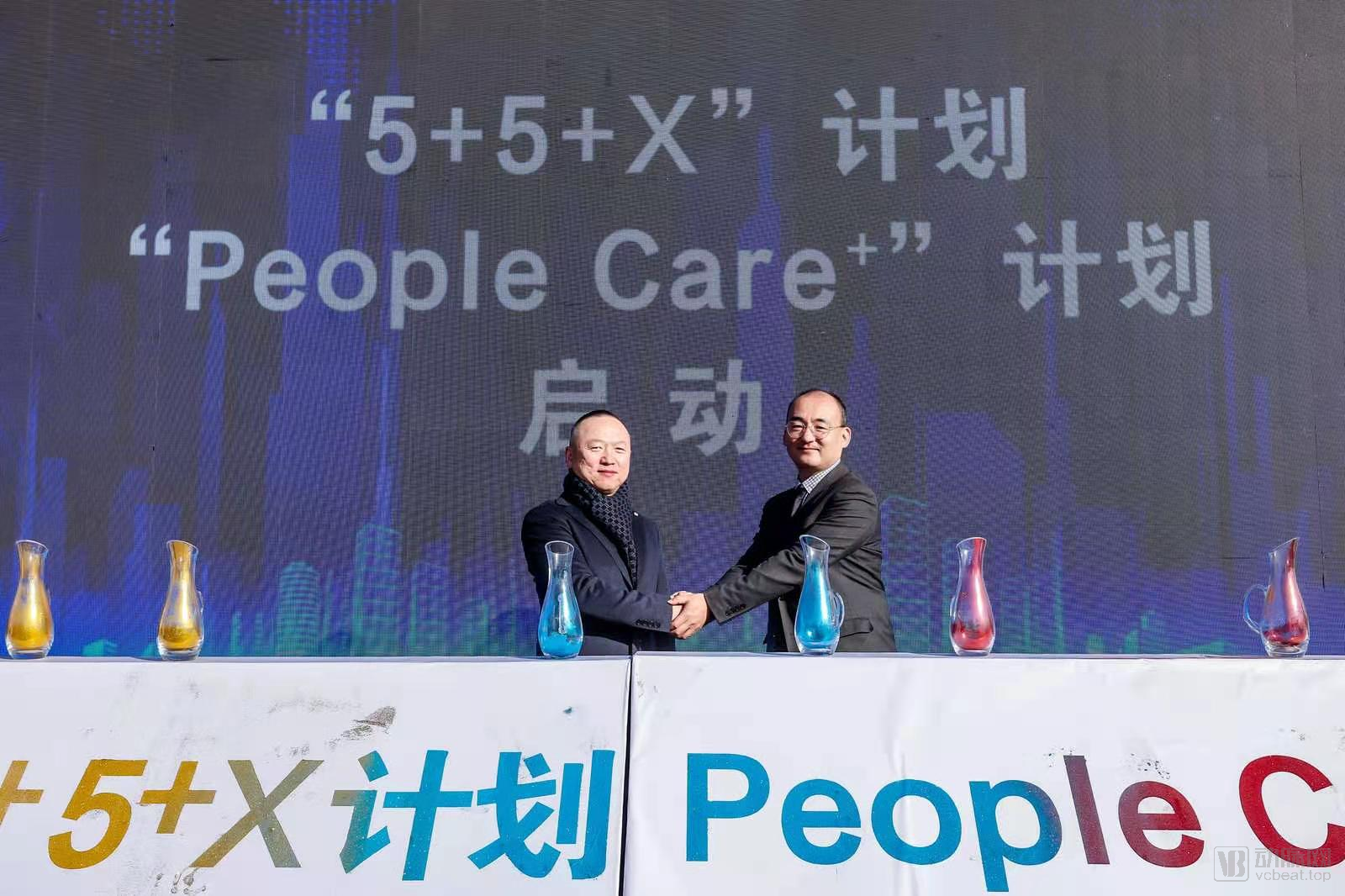
At this very moment, the “5 (portfolio of five products divested by Takeda) + 5 (Hasten’s existing portfolio of five synergistic products) + X (Hasten’s pipeline reserves)” and “People Care+ (an extension of Takeda’s People Care corporate culture)” initiatives have been officially launched! Takeda and Hasten have joined hands in close partnership.
Following the launch ceremony,Yu Aihua, Member of the Standing Committee of the Anhui Provincial Party Committee and Secretary of the Hefei Municipal Party CommitteeHeld talks with Guohong Shan, President of Takeda Pharmaceutical China Region, on project cooperation and jointly witnessed the signing of the relevant cooperation agreement. Lu Jun, Deputy Mayor, attended the event.
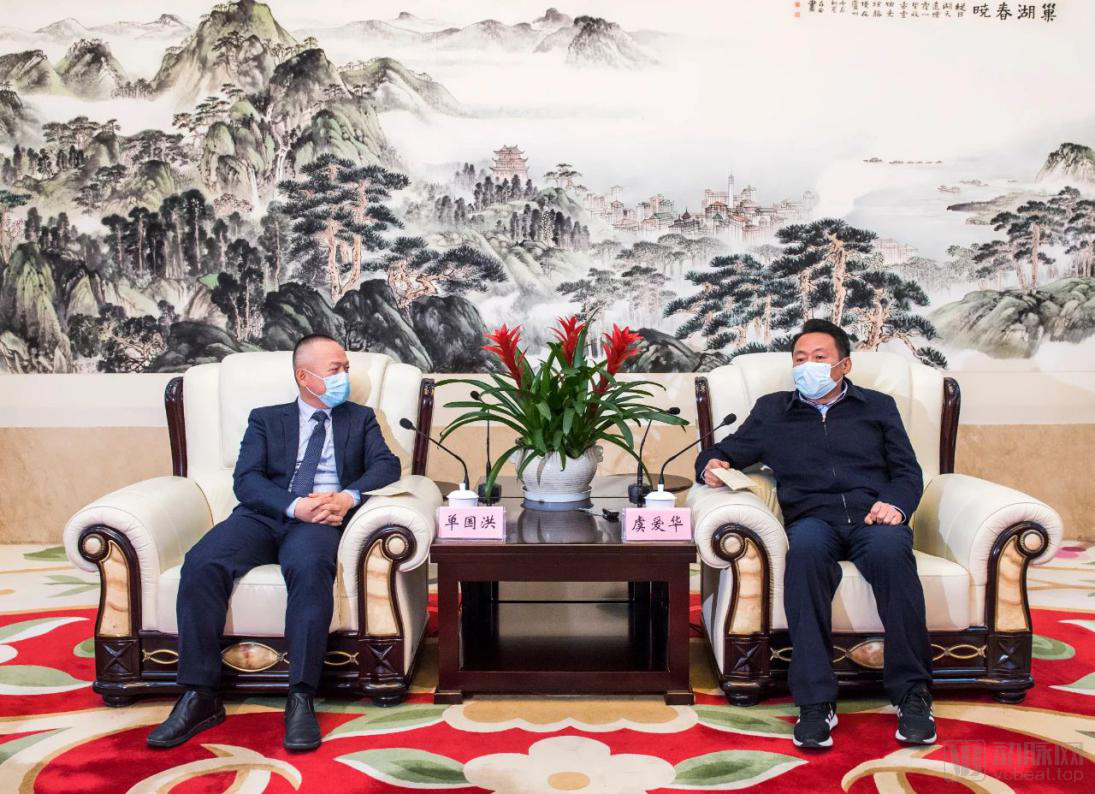
Left: President of Takeda Pharmaceutical Company Limited in China; Right: Yu Aihua, Member of the Standing Committee of the Provincial Party Committee and Secretary of the Hefei Municipal Party Committee
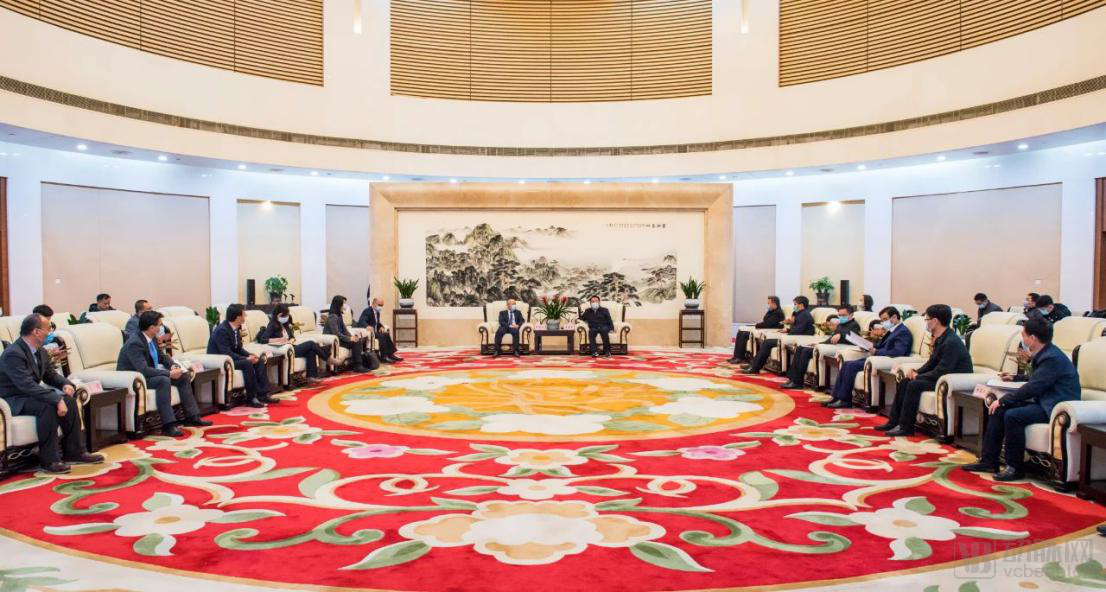
Talk Site
Both parties stated that the biomedical industry, which benefits the public, will be a key focus for the future development of Hefei’s strategic emerging industries. With Hefei’s distinct advantages in scientific and technological innovation, the timing for collaboration is ideal.Both parties agreed to jointly accelerate the implementation of signed projects, promote the industrialization of relevant pharmaceutical products in Hefei, and facilitate the establishment of more high-quality projects, thereby supporting Hefei’s development of a biomedical industry cluster.
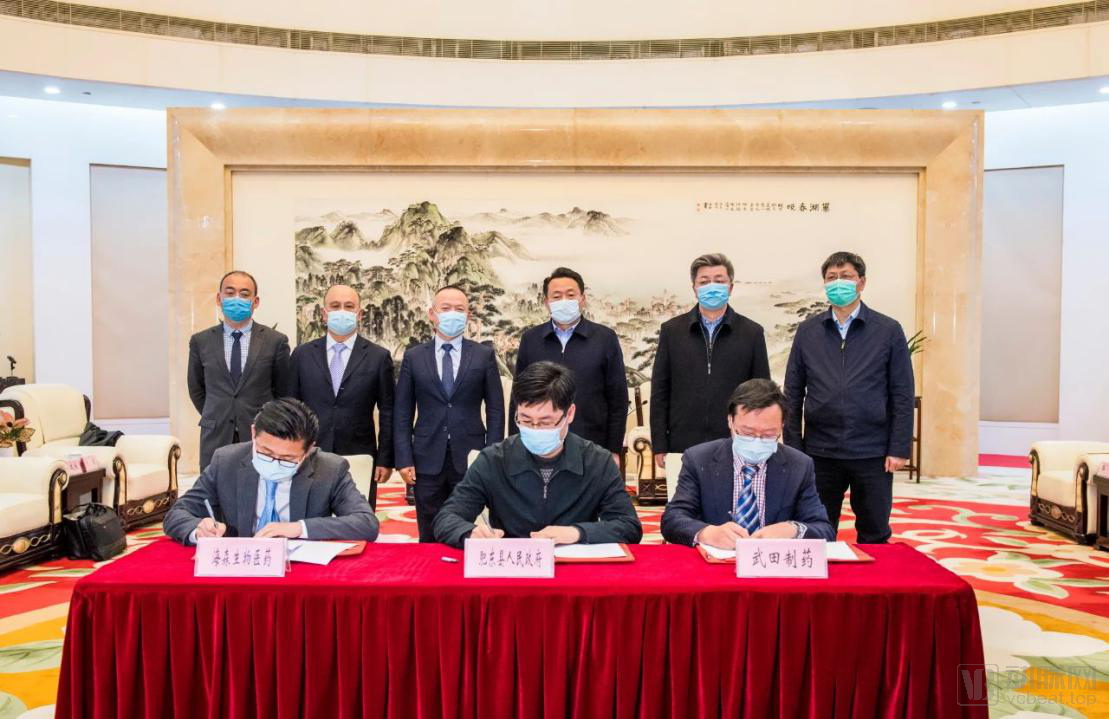
Cooperation Agreement Signing Ceremony
By closely following the activities over two days, we have gained a comprehensive understanding of Hasten’s “distinctive strengths” and are convinced that Takeda made the “best” choice in “marrying off its daughter.” This transaction sets a precedent in China and pioneers a new model and pathway for development in the pharmaceutical industry, warranting deep reflection. Will the pharmaceutical industry undergo a transformation?
Hefei’s industrial investment logic and landscape, along with the group of people behind it who are both ordinary and extraordinary, have earned our admiration while sparking our intense curiosity: What strategic layout is truly being implemented behind the Hefei International Biopharmaceutical Port?

Sunrise at Hefei International Medical Port
Let’s wait and see—Hefei seems to have many more surprises in store for us.