

Huibang Bio Strengthens IVD Innovation and Raw Material Capabilities Through Integrated Industrial Chain Development
Recently, IVD manufacturer Anhui Huibang Bioengineering Co., Ltd. (hereinafter referred to as “Huibang Bio”) announced the completion of its second strategic financing round. This round was jointly led by Jiaxing Qihui and Saizhi Capital, with the proceeds earmarked for accelerating post-launch market promotion of its products.
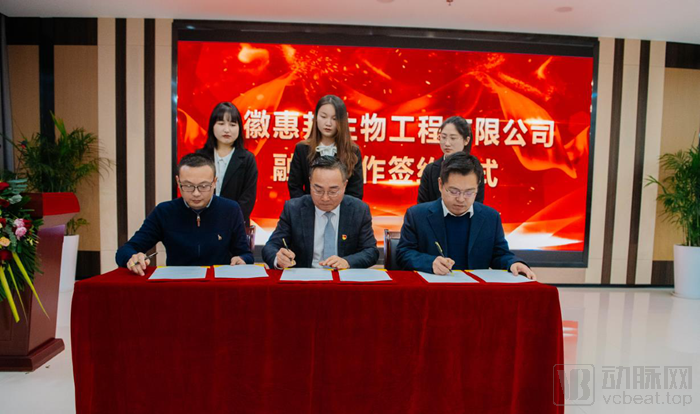
Established in 2013 and located in the Hefei National High-Tech Industrial Development Zone, Huibang Bio is a high-tech enterprise integrating the research and development, production, and sales of reagents for chronic disease prevention and testing, tumor cell detection, maternal and child healthcare diagnostics, cardiovascular disease testing, and POCT diagnostics, as well as proprietary monoclonal antibody raw materials for diagnostic and therapeutic purposes. Adhering to an innovation-driven strategy, the company boasts strong R&D capabilities, has obtained more than 10 medical device registration certificates and over 30 patents of various types, and has established a complete industrial chain for in vitro diagnostics (IVD).

Huibang Bio's New Campus
The Rapid Development of China's IVD Industry: Great Potential in the Upstream Raw Material Market
As one of the most primary diagnostic methods in clinical practice, in vitro diagnostics (IVD) can provide 80% of the information for clinical diagnosis. With its development over the years, the IVD industry has gradually become the largest segment within the medical device industry.
Wang Zhongliang, founder of Huibang Bio, studied clinical medicine at Anhui University of Chinese Medicine in his early years and worked as a clinician in a hospital after graduation. In 2000, he joined the Institute of Biophysics, Chinese Academy of Sciences. Later, Wang established biopharmaceutical companies in Beijing, Hebei, Anhui, and other regions, accumulating extensive experience in product research and development, marketing, and team management.
Years of deep-rooted experience in the healthcare industry have made Wang Zhongliang acutely aware of the rapid development of the in vitro diagnostics (IVD) sector, as well as the insufficient scale of China’s domestic IVD market compared to that of foreign countries.
According to relevant data, the global market size of the in vitro diagnostics (IVD) industry has increased from USD 53.3 billion in 2013 to USD 72.5 billion in 2019, and is expected to maintain growth at a compound annual growth rate (CAGR) of approximately 5%. In terms of regional market distribution, the global demand for IVD is primarily concentrated in developed economies such as North America, Europe, and Japan, which collectively account for more than 70% of the global IVD market. It is projected that emerging markets, represented by China, will sustain an IVD market growth rate of around 15–20%. However, in the IVD raw materials market, foreign companies occupy more than 90% of the market share in China, which has, to some extent, hindered the development of the domestic IVD industry as a whole.
Based on this, in 2013, Wang Zhongliang led the R&D team and expert team to devote themselves to the development of in vitro diagnostic (IVD) reagents and equipment. At the same time, they made significant efforts in the field of IVD raw materials by preparing and developing various key ingredients, thereby forming an integrated industrial chain and replacing imported products with independently innovated domestic alternatives.
Currently, Huibang Bio has established three core technology platforms: an IVD R&D and manufacturing platform, a diagnostic equipment R&D and manufacturing platform, and a medical monoclonal antibody R&D and preparation platform. The company has developed a series of products for maternal and child health care and non-invasive testing of diabetic nephropathy, which have been successfully launched on the market.
Regarding the team, the core members of Huibang Bio are all seasoned professionals in the medical industry, with expertise spanning product research and development, marketing, and other areas. Professor Yang Jinkui, the Chief Scientist on the team, holds a Doctor of Medicine degree. He currently serves as the Director of the Department of Endocrinology at Beijing Tongren Hospital, Capital Medical University, and as the Chair of the Department of Endocrinology and Metabolism at Capital Medical University. His work focuses on clinical research into diabetic microvascular complications and basic research on islet function and molecular biomarkers, providing a solid medical foundation for Huibang Bio’s product R&D.
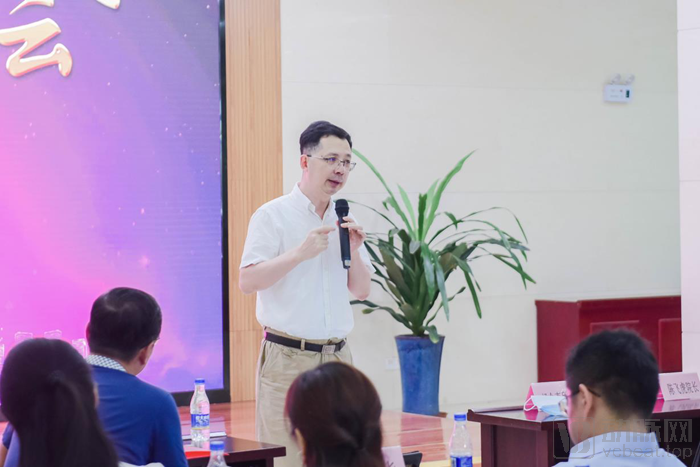
Professor Yang Jinkui, Chief Scientist of Huibang Bio
Focusing on Innovative Technology to Develop a Non-Invasive Detection System for Diabetic Nephropathy in Type 2 Diabetes
China is a country with a high prevalence of diabetes. Diabetic nephropathy, as a major complication of diabetes, has seen an increasingly rising incidence in recent years. Currently, the common clinical methods for detecting diabetic nephropathy include invasive renal biopsy and non-invasive tests for urinary microalbumin and creatinine. Additionally, other indicators such as urinary glucose and radionuclide dynamic glomerular filtration rate are available for reference in diagnosis.
Typically, renal biopsy holds the greatest differential diagnostic value for various types of chronic kidney disease; however, due to its high invasiveness, it is not recommended for routine screening. In contrast, urinary microalbumin is widely used in clinical practice, but it has limitations such as requiring prolonged observation periods and lacking sufficient specificity for the diagnosis of type 2 diabetic nephropathy.
To enhance diagnostic accuracy, Anhui Huibang Bioengineering Co., Ltd. has innovatively applied urinary haptoglobin (HP) to the detection of diabetic nephropathy, leveraging cutting-edge scientific research technologies. It is understood that elevated urinary HP levels are associated with acute kidney injury and active inflammatory responses, making it a viable biomarker for the early detection of diabetic nephropathy, particularly demonstrating superior sensitivity in identifying type 2 diabetic nephropathy.
During product development, Anhui Huibang Bioengineering Co., Ltd. adopted a multi-channel composite detection method, combining urinary haptoglobin (HP), urinary microalbumin, and creatinine indicators to develop a test kit. Using a dry urine analyzer, five results can be obtained within 10 minutes. Compared with single urinary microalbumin testing, this approach offers greater sensitivity and earlier detection capability, ensuring both comprehensive results and high testing efficiency. It is reported that this non-invasive detection system for type 2 diabetic nephropathy has been officially launched on the market.
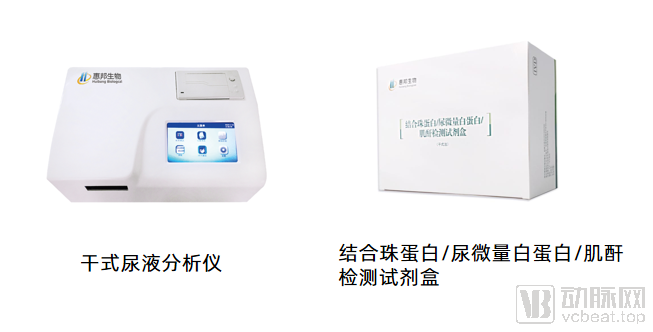
Expand horizontally into new sectors, launching products such as maternal and child healthcare solutions and urinary iodine testing kits.
Leveraging significant untapped market demand, Huibang Bio focuses on product innovation and has developed a series of core products for the maternal and child healthcare sector. Among these, the “Four Pediatric Healthcare Tests” and the “Dual-Quantitative Dynamic Monitoring System for Premature Rupture of Membranes (PROM) and Preterm Birth” are exclusive offerings in China, designed to safeguard the health of children and pregnant women while promoting the healthy growth of fetuses and infants.
Pediatric Healthcare
Diseases such as rickets, anemia (iron-deficiency anemia), and viral hepatitis can significantly impair normal growth and development in children. In recent years, numerous testing and screening methods for these conditions have emerged. By integrating dry quantitative analyzers with reagent kits, Anhui Huibang Bioengineering Co., Ltd. has developed a Pediatric Health Analysis and Testing System. This one-stop solution addresses the detection needs for rickets, anemia (iron-deficiency anemia), and liver function in children, replacing the workload previously requiring four different instruments and four distinct reagent kits.
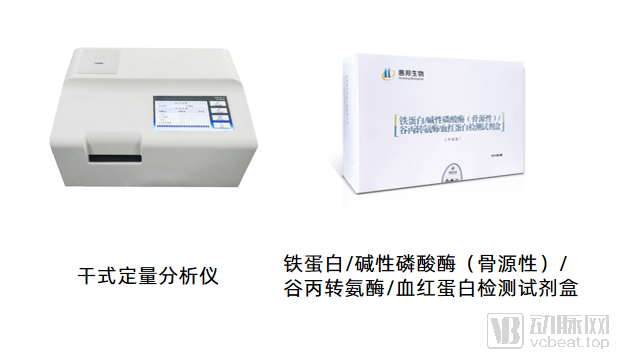
In terms of operation, the product only requires medical staff to collect peripheral blood for automatic detection, which simplifies the testing process for medical personnel, greatly improves work efficiency, and saves hospitals space and labor costs.
Monitoring of Preterm Birth and Miscarriage During Pregnancy
Premature rupture of membranes is the most common complication during the perinatal period in pregnant women, occurring before the onset of labor and leading to increased rates of preterm birth and elevated perinatal mortality. When membrane rupture occurs, insulin-like growth factor binding protein-1 (IGFBP-1), present in the amniotic fluid, leaks through the membrane defect into cervical secretions along with the amniotic fluid, serving as a biomarker for the diagnosis of premature rupture of membranes.
During 22–35 weeks of gestation, fetal fibronectin (fFN) levels in cervical secretions are extremely low, indicating favorable fetal development; fFN levels only begin to rise gradually after term. Therefore, a negative fFN test can be used to assess the risk of preterm birth (the negative predictive value of fFN for preterm birth is greater than its positive predictive value).
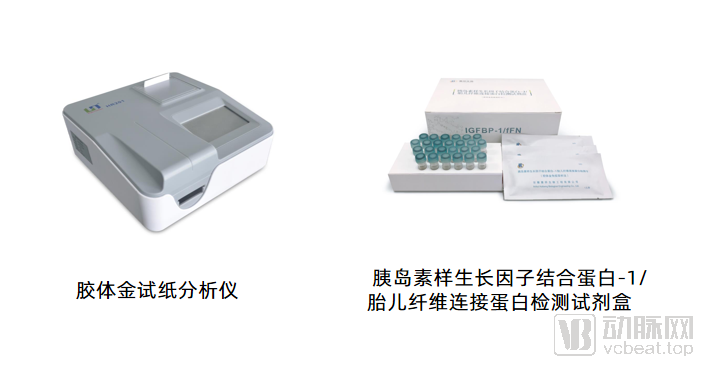
In response, Anhui Huibang Bioengineering Co., Ltd. has developed a test kit that combines two biomarkers, IGFBP-1 and fFN, enabling simultaneous detection of both indicators from a single sample using an analyzer. Furthermore, by leveraging dynamic monitoring analysis charts, healthcare professionals can more accurately assess the volume of amniotic fluid leakage and the risk of preterm birth, thereby safeguarding fetal growth and development and providing a reference basis for subsequent treatment plans.
In addition, focusing on policy priorities and social concerns, Huibang Bio has developed a quantitative urinary iodine detection system suitable for infants and young children, as well as women who are pregnant, postpartum, lactating, or of childbearing age. During the COVID-19 pandemic, Huibang Bio also developed SARS-CoV-2 test kits and ear thermometers in response to the outbreak, successfully obtaining CE certification.
Aligning with Market Demand, Synchronous Development of Multiple Product Lines
Throughout its history, Anhui Huibang Bioengineering Co., Ltd. has consistently adhered to a differentiated innovation model in product development, avoiding homogeneous competition. By giving due consideration to patient and clinical needs and prioritizing the independent research and development of core raw materials, the company has made significant contributions to advancing the domestic in vitro diagnostics market.
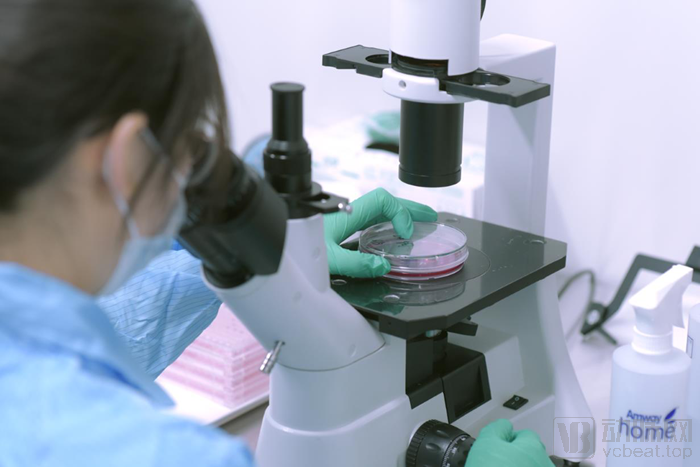
Currently, Huibang Bio is advancing the research, development, and commercialization of products in areas such as neonatal cerebral palsy, pediatric autism, and pulmonary embolism testing. In line with the current trend toward home-based self-testing within the broader health sector, Huibang Bio is also conducting a series of related studies. It is reported that Huibang Bio will leverage innovative technologies to sequentially launch a range of products, including home self-test kits, fully automated quantum dot detection systems, and dry chemiluminescence assay platforms.
In terms of raw materials, Anhui Huibang Bioengineering Co., Ltd. is currently focused on the research and preparation of monoclonal antibody raw materials. In the future, based on market demand, the company will also launch antigens and active pharmaceutical ingredients (APIs) for targeted therapies to the market.
Looking ahead, Anhui Huibang Bioengineering Co., Ltd. will further strengthen its R&D capabilities by attracting more high-end technical talent. The company will continue to focus on monoclonal antibody research and the development of diagnostic and therapeutic raw materials for oncology products, while intensifying its strategic layout in the R&D of in vitro diagnostic (IVD) raw materials.