

Tech Giants' Healthcare Ambitions: A 2020 Year-in-Review of Alibaba, JD, Tencent, Baidu, Meituan, Huawei, and ByteDance
2020 has come to a close.
Looking back on the year, JD Health’s IPO undoubtedly left a significant mark on this extraordinary year, ushering in an era where three major players now stand as the dominant forces in the listed internet healthcare sector.
Throughout the year, regardless of our willingness, we cannot ignore the profound impact of the pandemic on the healthcare industry.
As internet giants assume social responsibility in the fight against the epidemic, the momentum behind internet healthcare continues to surge. With offline medical consultations and medication purchases disrupted by pandemic control measures, the role of online platforms has become increasingly prominent.
What Did Internet Giants Do in the Unusual Year of 2020? What Are Their Healthcare Aspirations?
According to VCBeat News, VCBeat has analyzed and summarized the moves made by internet giants—including Alibaba, JD.com, Tencent, Baidu, Meituan, Huawei, and ByteDance—in the healthcare sector over the past year. While pandemic response served as the central theme of the past year, with all major internet companies participating, we have endeavored to exclude updates related to pandemic relief efforts in this newsletter to better highlight their strategic layouts in the healthcare field. (Some company activities may be omitted, but not intentionally.) This approach aims to provide a more intuitive overview of the actions taken by leading internet firms in the healthcare sector.
Through analysis and review, we can broadly identify the following trends among major tech companies:
I. Alibaba Health continues to expand its B2B enterprise partnerships to deliver high-quality services to C-end consumers, while simultaneously advancing the development of new digital healthcare infrastructure;
2. JD Health’s IPO garnered strong market enthusiasm; it continues to deepen its supply chain capabilities, with synergistic development between its retail pharmacy and internet healthcare businesses;
3. Tencent Healthcare is ramping up its efforts in medical science popularization and insurance services, while continuously taking equity stakes in healthcare enterprises, with investments spanning all sectors of the medical industry;
IV. Baidu Health Continues to Increase Investment in AI Algorithms, Leveraging Its Internet Search Traffic Gateway to Seek New Breakthroughs in Healthcare;
5. Meituan continues to strengthen its consumer healthcare businesses in dentistry and medical aesthetics, with a strategic focus on medicine delivery services to facilitate the digital transformation of traditional pharmacies;
VI. Huawei leverages its 5G communications business to strengthen its efforts in telemedicine and cloud computing services, vigorously promoting the development of a “Big Health Platform.”
7. ByteDance Enters the Healthcare Arena, Strategizing Across Online and Offline Channels; Internet Healthcare May Become a Key Focus Area.
Ali Health: Impressive Performance Growth, Overall Turnaround to Profitability
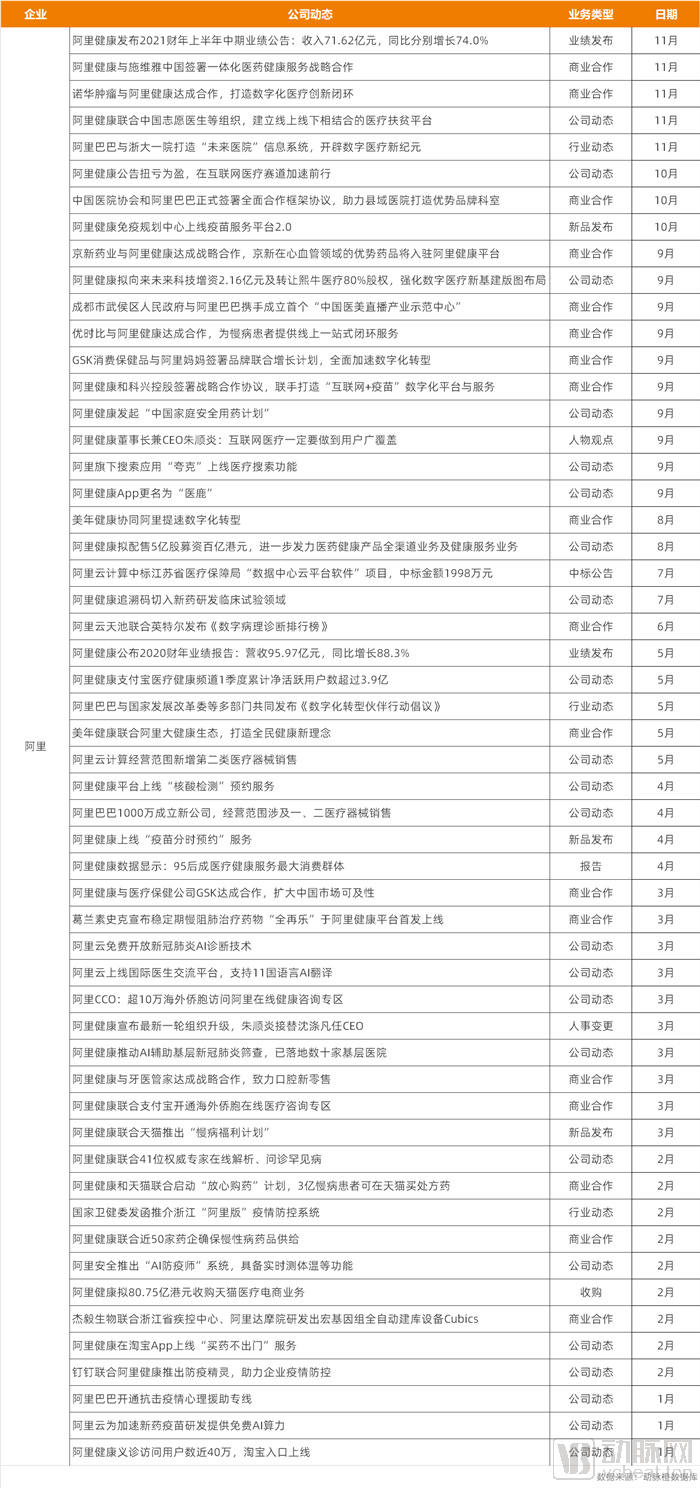
In 2014, Ali Health entered the Hong Kong stock market through a reverse merger. In the following year, 2015, Jack Ma unveiled Alibaba Group’s “Double H” strategy (Health and Happiness). As Alibaba Group’s flagship platform in the big health sector, Ali Health has consistently adhered to this vision. (For the purposes of this article, references to “Ali Health” encompass both the operations of the listed company Ali Health and Alibaba Group’s broader expansions in the medical and health sectors. Similar usage applies to JD Health, Baidu Health, and others mentioned below.)
During the development of Alibaba Health,Alibaba Group continues to inject e-commerce operations into Alibaba Health.The continuous expansion of e-commerce operations has also become part of Alibaba Health’s healthy development: In 2020, one of the significant events for Alibaba Health was its proposed acquisition of Tmall’s medical e-commerce business for HK$8.075 billion.
Alibaba Health’s e-commerce business development has not stopped at integration.Over the past year, we have frequently encountered updates on health checkups, vaccines, and ongoing collaborations with B-side pharmaceutical companies, along with the launch of various drug-related information services.
In terms of pharmaceuticals, during the pandemic, Ali Health collaborated with 50 pharmaceutical companies to ensure the supply of medications for chronic diseases. In March, it partnered with GlaxoSmithKline to announce the exclusive launch of Trelegy, a maintenance therapy medication for chronic obstructive pulmonary disease (COPD), on the Ali Health platform. In September, it cooperated with UCB to provide online one-stop closed-loop services for patients with chronic conditions. In the same month, it partnered with Jingxin Pharmaceutical to list its leading cardiovascular medications, among others.
The significance of the physical examination business to Alibaba Health can perhaps be traced back to its 2019 joint acquisition with Suning of iKang Guobin, a leading domestic player in the health checkup sector. In October of the same year, the Alibaba Group further made a substantial investment to become the second-largest shareholder in Meinian Onehealth Healthcare. Throughout 2020, Alibaba Health frequently collaborated with Meinian Onehealth, continuously driving marketing momentum through online channels.
In the vaccine sector, where industry giants are intensifying their efforts, Ali Health has sequentially launched services such as “time-slot vaccination appointments” and continues to forge partnerships with leading enterprises in the field. For instance, in September, it partnered with Sinovac Biotech to jointly build a digital platform and services for “Internet + Vaccines.” In October, it rolled out the Ali Health Vaccine Service Platform 2.0, introducing additional convenient services for the public.
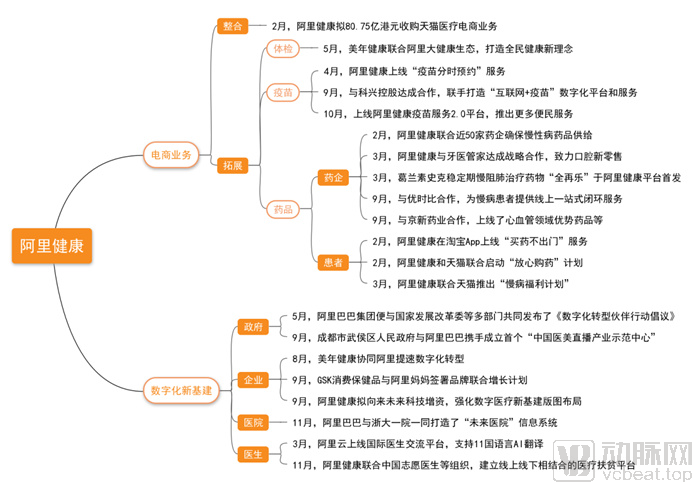
Collaboration with B-side partners aims to better serve patients.Alibaba Health is continuously advancing initiatives such as the “Confident Medicine Purchase Program” and the “Chronic Disease Benefits Program” to facilitate medication purchases for consumer-side patients.Among these initiatives, a significant move was the renaming of the Ali Health app to “Yilu” in September 2020. However, the change went beyond mere rebranding; through this renaming, Ali Health underscored its new strategic focus: prioritizing healthcare provider-side services to better serve patients.
Beyond e-commerce operations,Alibaba Health is also continuously exploring new digital infrastructure—providing platforms for enterprises’ digital transformation, as well as the digital upgrading of hospitals and physicians.In May, Alibaba Group, together with the National Development and Reform Commission and other departments, jointly released the “Initiative for Digital Transformation Partnership.” Subsequently, Ali Health has continuously engaged with Meinian Onehealth, GSK Consumer Healthcare, Future Technology, and others, further solidifying its role in digital transformation. On the hospital front, Alibaba collaborated with The First Affiliated Hospital of Zhejiang University School of Medicine to build the “Future Hospital” information system, aiming to usher in a new era of digital healthcare. Looking ahead, digital new infrastructure will be a key focus area for Ali Health’s strategic development.
Looking back, in March 2020, Alibaba Health underwent a leadership change, with Zhu Shunyan succeeding Shen Difan as CEO. Since then, Alibaba Health’s continuous strategic initiatives have steadily driven the growth of its revenue. The interim results report for the fiscal year 2021, released in November, showed that the gross merchandise volume (GMV) generated by the Tmall Medicine platform exceeded RMB 55.4 billion, representing a year-on-year increase of 49.7%. Meanwhile, the annual active consumers on the Tmall Medicine platform had surpassed 250 million.
From April 1 to September 30, a six-month period, Ali Health achieved revenue of RMB 7.162 billion and gross profit of RMB 1.86 billion, representing year-on-year increases of 74.0% and 80.3%, respectively. Perhaps more importantly,Alibaba Health achieved a turnaround to profitability during the same period, with a profit of RMB 279 million. The adjusted net profit reached RMB 436 million, representing a year-on-year increase of 286.4%.The improving revenue performance has also bolstered external confidence in its development.
JD Health: IPO Attracts Strong Market Interest, Cementing Its Position as an Internet Healthcare Giant
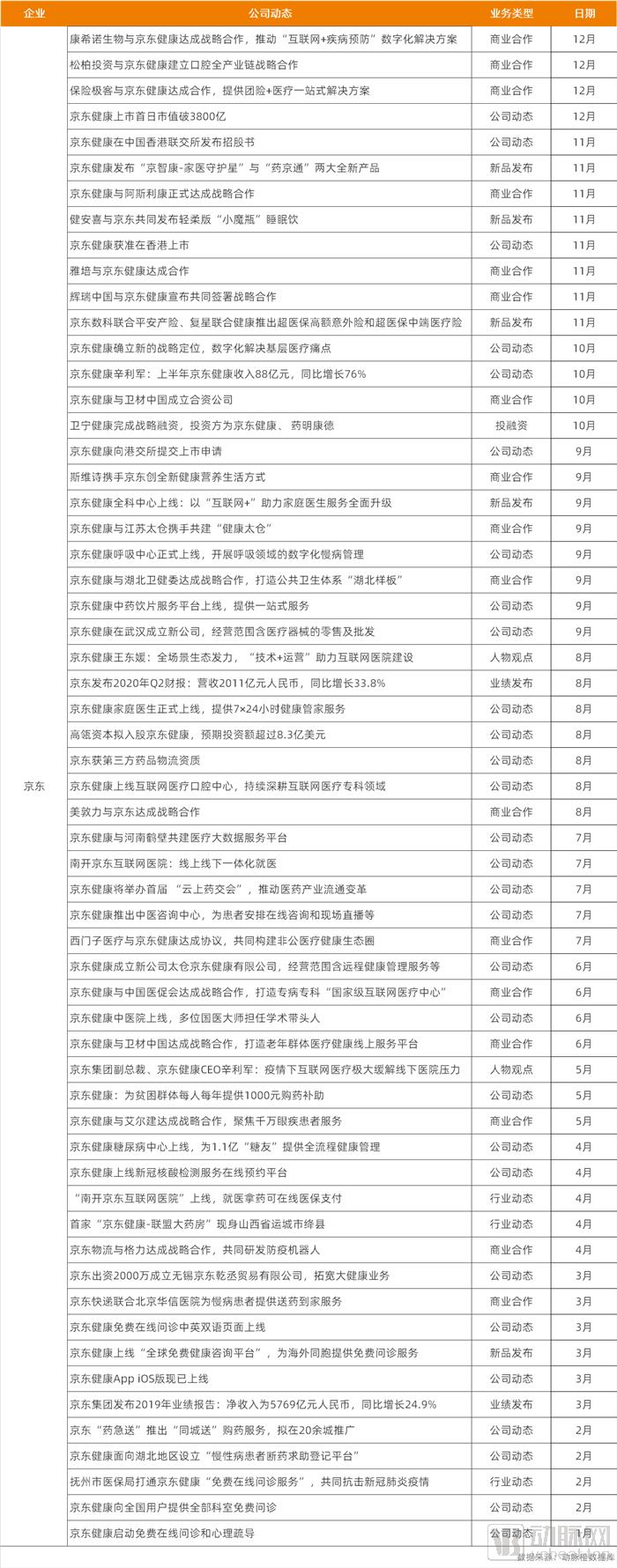
On December 8, JD Health went public. Since then, its stock has surged continuously, marking a significant milestone in the company’s development. This also signifies a new beginning.
Looking at the development trajectory of JD Health, it secured over $1 billion in Series A financing as early as May 2019, shortly after its spin-off. Leveraging JD.com’s extensive e-commerce resources, JD Health hasRather than remaining in pharmaceutical retail from the outset, it has instead delved deeply into the field of internet healthcare, expanding its industrial footprint across the health and medical sector through data- and technology-driven smart healthcare solutions.。
In the prospectus,JD Health divides its business into two major segments: retail pharmacy operations and online medical and health services. The two segments create a synergistic effect.In 2020, JD Health’s actions also underscored this fact:
In the realm of online healthcare services, growth has been significantly accelerated by the impact of the pandemic. JD Health has been continuously driving the digitalization of its medical resources. Since the launch of the “JD Health Heart Center” in December 2019,JD Health has currently launched 18 internet medical centers., including the Diabetes Center launched in April 2020, the Otolaryngology Center launched in June, the Stomatology Center launched in August, and the Healthy Breathing Center and General Practice Center launched in September.
While continuously advancing the construction of its internet medical centers, JD Health launched the Nankai JD Internet Hospital in April 2020. In August, it made a significant move by introducing the “JD Family Doctor” product, and the launch of its General Practice Center in September can be seen as a continuation of its efforts to strengthen family doctor services. In November, JD Health released “Jingzhikang – Family Doctor Guardian Star” (a customized smart speaker), further achieving integration between software and hardware for home health management.
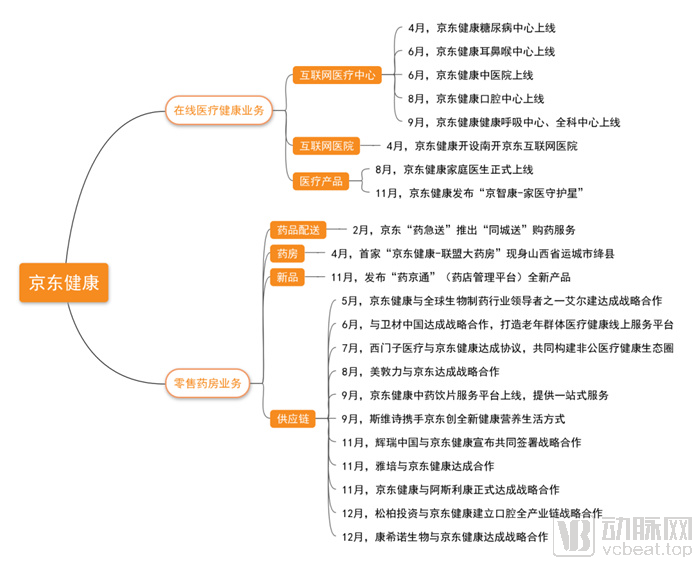
As internet healthcare continues to advance, JD Health has not slowed its pace in the retail pharmacy sector. In February, JD’s “Yaojisong” (Medicine Express Delivery) launched a same-city medication delivery service, with plans to expand to more than 20 cities. In April, the first “JD Health–Alliance Pharmacy” opened in Jiang County, Yuncheng City, Shanxi Province. In November, an upgraded version of “Yaojingtong,” a pharmacy management platform, was released. Specifically designed for pharmaceutical retail outlets, Yaojingtong is an omnichannel digital intelligence management platform that integrates online and offline operations, aiming to address the challenges traditional pharmacies face during their digital and intelligent transformation.
Offline, JD Health provides users with convenient, high-quality supply chain and medical services through channels such as its self-operated JD Pharmacy, JD Health–Alliance Pharmacy, and unmanned medication vending machines. Leveraging 11 pharmaceutical warehouses and over 230 other warehouses, JD Health offers rapid delivery services tailored to users’ personalized needs. Meanwhile, it has achieved same-city delivery in more than 100 cities, continuously expanding its pharmaceutical product range while enhancing fulfillment efficiency.
Through Yaojingcai, a pharmaceutical wholesale platform connected to over 170,000 terminals (including tens of thousands of primary care clinics and village health rooms), JD Health provides integrated services covering all product categories, the entire supply chain, and omni-channel distribution. For county-level pharmacies, which play a uniquely significant role in lower-tier markets, JD Health not only empowers them via the Yaojingcai platform but also leverages its own supply chain and medical service capabilities to continuously develop the “JD Health Alliance Pharmacy” brand.
While continuously expanding its offline business, JD Health is also deepening its supply chain capabilities: In May, JD Health entered into a strategic partnership with Allergan, one of the global leaders in biopharmaceuticals, to focus on serving tens of millions of patients with eye diseases; in September, JD Health launched its Traditional Chinese Medicine (TCM) decoction pieces service platform, offering one-stop services. Through supply chain collaborations, JD Health continues to extend its reach and better meet consumers’ medication needs.
It was also during this process that JD Health went public. In October, JD Health announced its first-half financial results, reporting revenue of RMB 8.8 billion, a year-on-year increase of 76%. In November, JD Health received approval for its listing in Hong Kong, and in December, it officially debuted on the stock exchange. Notably, revenue from online healthcare services accounted for a relatively small proportion of JD Health’s total revenue, and was not disclosed separately in the prospectus. Its future development remains to be seen.
Tencent Healthcare: Continuous Acquisitions and Strategic Expansion Across Multiple Healthcare Sectors
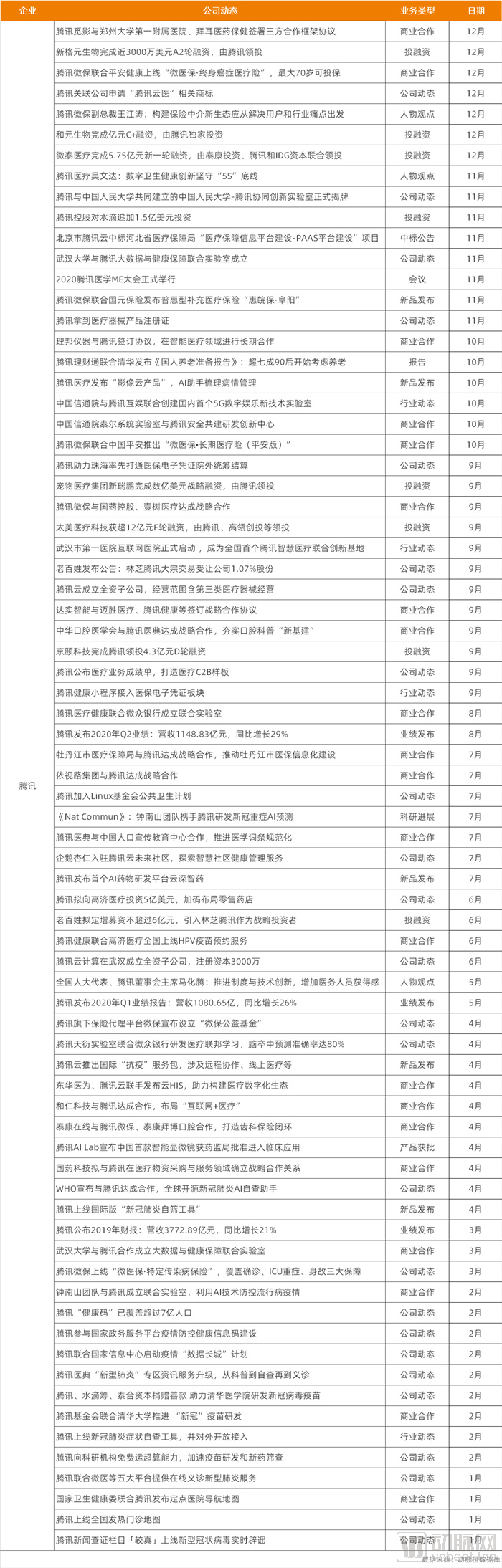
Since entering the healthcare sector in 2014, Tencent has adopted a strategy centered on investment and strategic positioning. Although Tencent began to drive its healthcare business through internal efforts in 2015, it has maintained its enthusiasm for investing in the medical field. Establishing a foothold in healthcare through investments may continue to be a distinctive hallmark of Tencent’s approach. As Ding Ke, Vice President of Tencent, stated, “Why do what we don’t need to do ourselves?”
The overall trajectory of Tencent Healthcare can perhaps be best captured by the interpretation offered by Tang Daosheng, Senior Executive Vice President of Tencent and President of its Cloud and Smart Industries Group:On one hand, it empowers individuals by integrating health service processes such as information access, appointment scheduling, consultations, medication purchases, and payments. On the other hand, it facilitates the smart upgrading of governments, hospitals, medical institutions, and pharmaceutical companies, driving supply-side innovation through digital solutions. Tencent Healthcare seeks to leverage the C2B model as a key driver to comprehensively advance its healthcare business development.
In its efforts to empower individuals, Tencent has focused on promoting the Electronic Health Insurance Certificate. As a critical link in establishing the relationship between patients and hospitals, the Electronic Health Insurance Certificate serves as a connecting bridge. In 2019, WeChat, as an authorized channel certified by the National Healthcare Security Administration, launched the national Electronic Health Insurance Certificate for the first time in provinces such as Hebei, Heilongjiang, Fujian, and Shandong. In September 2020, the Tencent Health mini-program integrated the Electronic Health Insurance Certificate module. In the same month, Tencent supported Zhuhai in becoming the first city to enable out-of-hospital pooled settlement using the Electronic Health Insurance Certificate. The widespread adoption of the Electronic Health Insurance Certificate holds significant importance for advancing “Internet + Healthcare” services that are convenient and beneficial to the public, as well as for the aggregation, integration, and open sharing of health and medical big data.
Leveraging its social ecosystem as a traffic gateway, Tencent officially launched Tencent Medical Dictionary in 2018. The platform integrates professional medical knowledge from physicians with rich media formats, including text, animations, and videos. By employing online social networking, big data, and artificial intelligence technologies to precisely match user needs and scenarios, it ensures that users can access valuable medical information throughout the entire healthcare continuum—spanning prevention, diagnosis, treatment, and rehabilitation—thereby enhancing their self-health management capabilities and health literacy.
In the early stages of the pandemic, Tencent Medical Encyclopedia played a significant role. Initially, it launched a self-assessment service to help alleviate public anxiety. In July, it collaborated with the China Population Education and Communication Center to further standardize medical terminology entries. In September, it entered into a strategic partnership with the Chinese Stomatological Association to strengthen oral health science popularization.
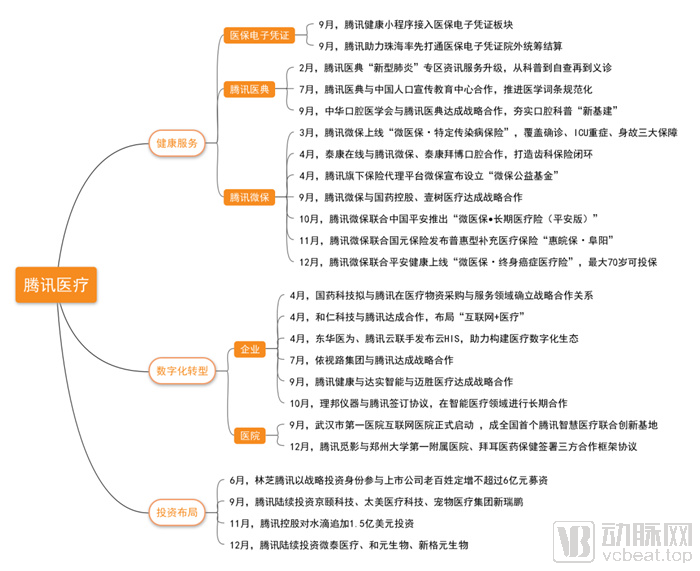
Tencent WeSure, upholding Tencent’s internet DNA and its positioning as a connector, is committed to integrating insurance companies with the pharmaceutical supply chain, enabling drug suppliers to serve more users through the leverage of insurance.In 2020, Tencent WeSure took frequent actions. During the pandemic, it launched “WeMediCare Insurance for Specific Infectious Diseases,” covering three major areas: confirmed diagnosis, ICU critical care, and death; in April, it partnered with Taikang Online and Taikang Bybo Dental to create a closed-loop dental insurance ecosystem;
In September, it formed a strategic partnership with Sinopharm Holdings and Yishu Medical to jointly build an integrated “medical care + pharmaceuticals + health management” supply chain. In October, it collaborated with Ping An Insurance to launch a long-term medical insurance product. In November, amid the surging popularity of Huimin Bao (city-specific supplemental medical insurance), it introduced “Hui Wan Bao · Fuyang,” a supplemental medical insurance plan for Fuyang. In December, it further partnered with Ping An Good Doctor to roll out “Wei Yi Bao · Lifetime Cancer Medical Insurance.” Through its continuous product launches and increasingly comprehensive services, Tencent Weibao is driving deeper collaboration among all stakeholders across the healthcare value chain.
Tencent, striving to become a “digital assistant” across various industries, continues to provide comprehensive tools that support the digital transformation of the healthcare sector.From a corporate perspective, in April, the company planned to establish a strategic partnership with Sinopharm Technology in the field of medical supplies procurement and services; in the same month, it reached a cooperation agreement with Heren Health to lay out its “Internet + Healthcare” strategy. Also in April, Tencent Cloud joined hands with Donghua Medical to launch Cloud HIS, aiming to help build a digital healthcare ecosystem. In July, it entered into a strategic partnership with Essilor Group. In September, Tencent Health formed strategic partnerships with Das Intellitech and Maisheng Medical. In October, it signed an agreement with Edan Instruments for long-term collaboration in the field of smart healthcare.
In the hospital sector, Wuhan No. 1 Hospital’s Internet Hospital officially launched in September, becoming China’s first Tencent Smart Healthcare Joint Innovation Base. In December, Tencent Miying signed a tripartite framework cooperation agreement with The First Affiliated Hospital of Zhengzhou University and Bayer HealthCare. Tencent is continuously accelerating the digital transformation of hospitals.
Returning to the beginning, Tencent, which has been continuously driving growth through its own efforts, has not neglected its capital layout. Tencent’s investments in the healthcare sector include: In June, Linzhi Tencent participated as a strategic investor in the private placement of shares by LBX (Laobaixing), a listed company, raising up to RMB 600 million; in September, Tencent successively invested in Kyee Technology, Taimei Medical Technology, and New Ruipeng Pet Healthcare Group; in November, Tencent Holdings made an additional USD 150 million investment in Shuidi Inc.; and in December, Tencent successively invested in MicroTech Medical, Hepu Biologics, and Singlera Genomics.
Tencent, which continuously drives the development of the healthcare industry through investment, covered multiple sectors in 2020, including retail pharmacies, healthcare informatics, veterinary care, insurtech, medical devices, gene therapy, and gene sequencing.Tencent’s future investments in the healthcare industry will clearly not stop here.
Baidu Health: Doubling Down on AI to Empower Medical Services with Artificial Intelligence
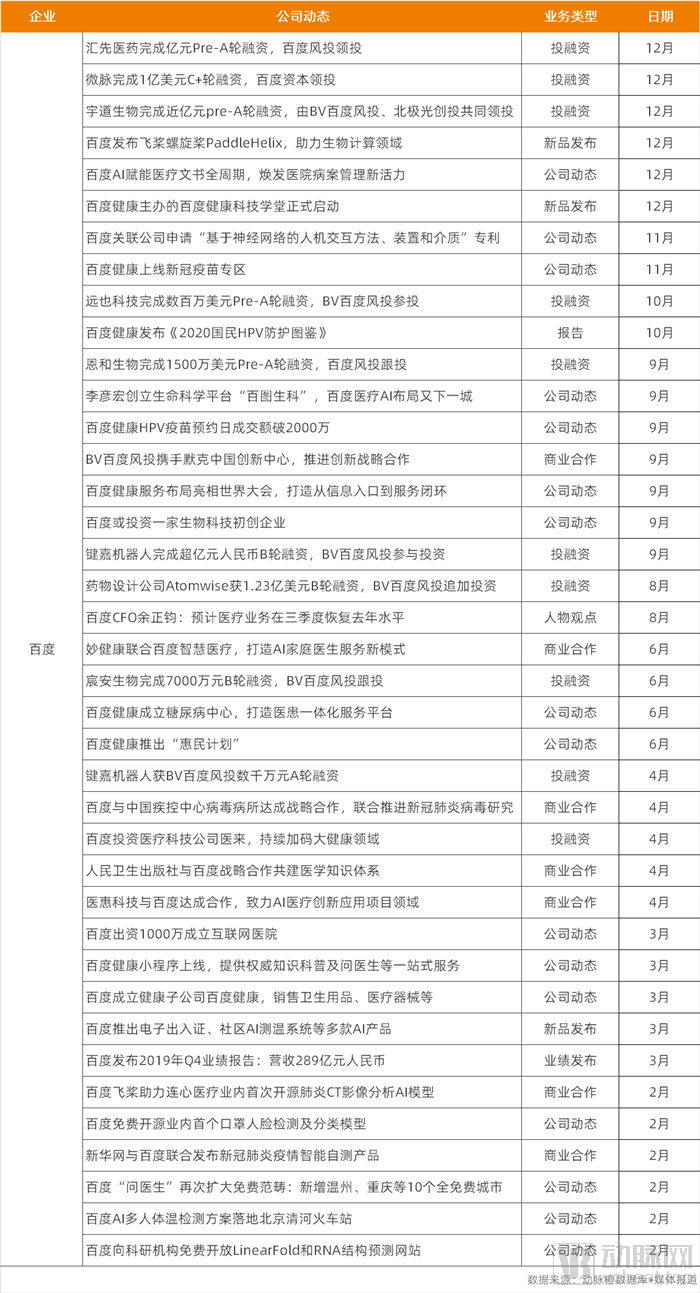
In January 2015, Baidu established its Healthcare Division. However, this division was disbanded in February 2017. It was not until April 2018 that Baidu founded the AI Innovation Business Unit (Baidu Lingyi), to focus on healthcare AI.Baidu Lingyi, as a key “window” for Baidu’s push into AI+Healthcare, has established extensive operations across three major domains: primary care screening, clinical decision support, and medical data structuring.Baidu’s accumulated AI expertise and extensive experience in AI implementation have given it a unique advantage in the medical AI field.
In early 2020, Huang Yan, General Manager of Baidu Smart Healthcare, pointed out, “We will continue to strengthen primary healthcare and promote the equitable development of medical services, expanding our reach and solidifying our presence in the B2B sector; on the consumer side, we will deliver smart patient services through approaches such as chronic disease management.”
In this process,Baidu Continuously Opens Up Its AI Capabilities to the Outside World.Due to the evolution of the pandemic, starting in February, Baidu provided free access to its LinearFold and RNA structure prediction platforms for scientific research institutions, deployed multi-person temperature screening solutions in high-traffic areas such as railway stations, and open-sourced the industry’s first face mask detection and classification model. It also supported Lianxin Medical in releasing the industry’s first open-source AI model for CT image analysis of pneumonia. In December, it launched PaddleHelix, a framework within the PaddlePaddle ecosystem, to advance the field of biological computing.
Baidu continues to empower B-end users while better serving its customer base.Driven by big data and medical knowledge, the system provides scenario-based dynamic recommendations for various stages of the diagnosis and treatment process, such as disease diagnosis and prescription ordering. This assists in improving the efficiency of primary care diagnostics and reducing medical risks, all without disrupting physicians' workflows.Baidu continues to empower disease detection and chronic disease management through AI.
In May, Baidu integrated the family doctor service features of the Inspur Ai Jiankang App with the advantages of its Xiaodu smart speakers to launch the Xiaodu Ai Jiankang novel smart home-based medical service solution for chronic diseases. In June, Baidu partnered with Miao Health in the field of chronic disease management to introduce an intelligent family doctor solution based on the Xiaodu Zaijia smart speaker.
In June, Baidu Health launched a series of AI-powered self-assessment tools for children’s health, including the “Childhood Obesity Severity Test,” “Pediatric Autism Risk Assessment,” and “Children’s Leadership Level Test.” In July, Baidu Health officially unveiled its “Diabetes Center.” In September, Baidu Health made a major announcement by releasing a one-stop medical service solution tailored for users. In December, Baidu empowered hospitals in medical record management by providing full-cycle intelligent services to address the “pain points” associated with traditional hospital medical records.
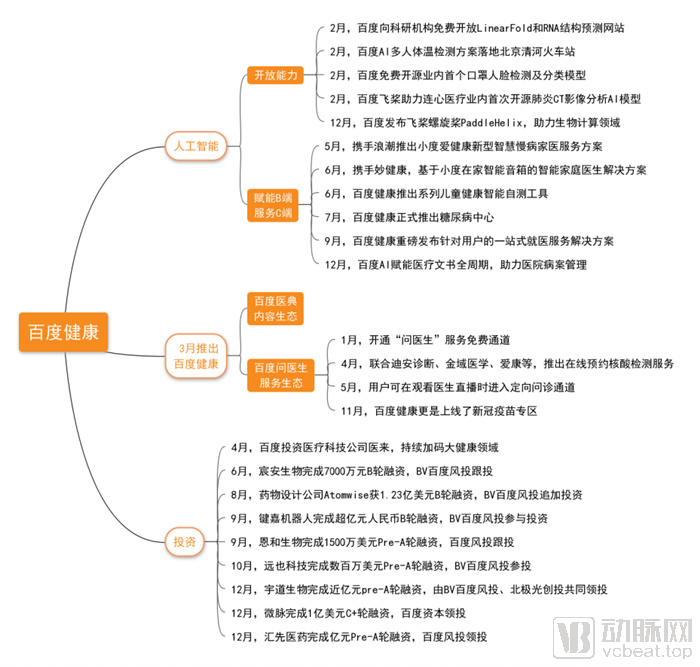
For Baidu, the official launch of its new sub-brand, Baidu Health, in March signifies a fresh exploration and endeavor. In an interview with VCBeat, Yang Minglu, General Manager of Baidu Health and Baidu Health Medical Encyclopedia, stated, “Baidu Health represents a comprehensive upgrade of the health vertical within Baidu Search. We will adopt an industry-oriented mindset to deliver end-to-end services, thereby better connecting users with services and achieving online-offline integration. This also underscores Baidu’s strong commitment to making substantial investments in the healthcare sector.”
From the perspective of development in 2020,Baidu Health has continuously developed a content ecosystem centered on Baidu Health Medical Encyclopedia and a service ecosystem centered on Baidu Health Ask-a-Doctor.Having missed the mobile search gateway, Baidu is striving to “connect people, information, and services.” Leveraging its traffic-driven search portal, foundational technologies such as AI, and tools like mini-programs, it continuously delivers end-to-end services to users.
Meanwhile, it continues to deepen its engagement in the vertical healthcare industry, offering a broader range of products beyond information search and constantly expanding into new business lines, such as Baidu Health Live Streaming and Internet Hospitals. In its push into the healthcare sector, Baidu Health has been steadily driving search traffic from content to services through its dual-ecosystem strategy.
Currently, Baidu Health’s online medical services encompass online consultations, prescription delivery, appointment scheduling, psychological counseling, and insurance. In January 2020, it launched a free access channel for its “Ask a Doctor” service. In April, it partnered with Dian Diagnostics, KingMed Diagnostics, iKang, and others to introduce online appointment services for nucleic acid testing. In May, it enabled users to access targeted consultation channels while watching doctors’ live streams, thereby facilitating direct conversion from popularizing medical knowledge to providing medical consultation services. That same month, Baidu Health was featured in Baidu’s financial report for the first time. The report revealed that Baidu Health’s “Ask a Doctor” service had provided tens of millions of online health consultations cumulatively. In November, Baidu Health further launched a dedicated section for COVID-19 vaccine services.
Meanwhile,Baidu is also continuously expanding its investments in the medical and biological sectors, covering areas such as gene editing, AI-driven drug discovery, single-cell sequencing, and innovative health insurance.In 2020, Baidu (through Baidu Capital, Baidu Investment, or BV Baidu Venture Capital) successively invested in Yilai, Jianjia Robotics (participating in both the April and September financing rounds), Chenan Biologics, Atomwise, Enhe Biologics, Yuanye Technology, Yudao Biologics, Weimai, and Huixian Medicine.
Can Baidu, which has heavily invested in the healthcare sector, gain traction in this fiercely competitive market through the dual-ecosystem layout of content and services continuously developed by its sub-brand, Baidu Health? Baidu has provided an answer: as of December, Baidu Health’s “Ask a Doctor” service had cumulatively served over 210 million users, with daily consultations peaking at 850,000; Baidu Health Medical Encyclopedia met an average of 20 million health knowledge search requests per day; and in the Health Mall, HPV vaccine appointments and related educational services alone surpassed 150 million user interactions monthly, with daily GMV exceeding RMB 20 million. Looking ahead, Baidu Health remains worthy of close attention.
Meituan: Accelerating Expansion in Dental Care, Medical Aesthetics, and Pharmacy Services; O2O Medicine Delivery Surges
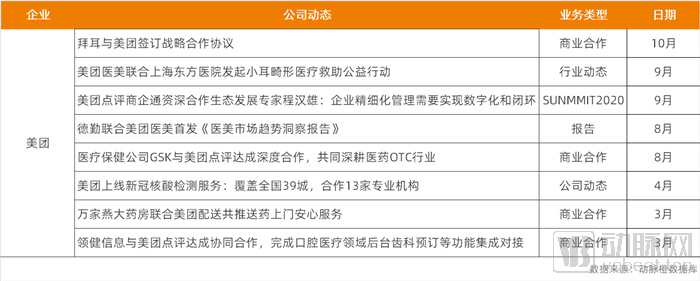
Meituan’s foray into consumer healthcare sectors such as medical aesthetics and dentistry has long been well known to the outside world, but what may have amazed observers even more throughout 2020 was the growth of its pharmacy business.
Meituan, which entered the medical aesthetics industry as early as 2017, established its Medical Aesthetics Business Unit in 2018. In 2019, it upgraded this segment from a sub-category to an independent business unit, Meituan Medical Aesthetics. That same year, Meituan Medical Aesthetics joined forces with Restylane, Bloomage Biotechnology, Allergan, and others to establish the “Authentic Products Alliance” for the medical aesthetics industry. It also launched the “Meituan Select” new model for safe consumption, contributing to the development of a trustworthy environment and industry ecosystem for consumers.
At the conference, Zhang Jing, General Manager of Meituan’s In-Store Comprehensive Business Division, stated, “Meituan Medical Aesthetics will further explore new modes of connectivity among the upstream, midstream, and downstream segments of the medical aesthetics industry, leveraging these enhanced linkages to create closed-loop value and unlock larger incremental market opportunities. Meanwhile, it is committed to building a comprehensive medical aesthetics ecosystem by opening up managed operations and agency models to the market, thereby establishing a service community centered on users.”
Meituan’s medical aesthetics business covers over 390 subcategories, including skin management, anti-aging treatments, hyaluronic acid injections, health check-ups, and dental care. In fact, back in 2019, the head of Meituan Dianping’s Healthcare Division pointed out that “Oral health is a key focus area for the Healthcare Business Unit in 2019. Building on this foundation, we will continue to enhance our demand-side service capabilities by offering a diverse range of personalized products tailored to different consumer segments. Meanwhile, we will intensify efforts to advance the digital capabilities of dental institutions on the supply side, thereby achieving a win-win outcome for all three parties.”
In March 2020, Meituan Dianping reached a strategic collaboration with Linker Information, completing the integration and docking of backend dental booking functions in the field of oral healthcare. This demonstrates Meituan Dianping's determination to enhance its consumer-oriented oral medical services.
In 2020, Meituan made significant efforts to drive the digital transformation of pharmacies. Its financial report for the third quarter of 2020 showed that consumer demand for categories such as pharmaceuticals and flowers on Meituan Instashopping became more prominent. The number of pharmaceutical orders in a single quarter increased by more than two-fold year-on-year compared to 2019, and nearly 100,000 pharmacies had joined the Meituan Medicine platform by the end of the third quarter.
Meituan Medicine connects doctors and patients through its internet hospital platform, while gradually expanding its pharmaceutical offerings into the prescription drug sector.The substantial traffic and delivery capabilities accumulated by Meituan over decades in the food delivery sector have also enabled its Meituan Medicine platform to thrive. In October 2020, Meituan entered into a strategic cooperation agreement with Bayer, under which both parties will collaborate with chain pharmacies to further explore digitalization, expand the breadth and depth of consumer services, and build a new ecosystem for the health industry.
Amid intensifying competition in pharmaceutical distribution, Meituan Medicine is leveraging its unique advantages to support the digital transformation of pharmacies. Looking ahead, Meituan—with its strengths in both online and offline channels—appears to have even greater potential for growth—In January 2021, Meituan’s new healthcare brand emerged. The recently launched “Baishou Health Network” is operated by Shenzhen Baishou Health Information Technology Co., Ltd., which was established in November 2019 and is now wholly owned by Shanghai Sankuai Technology Co., Ltd. (i.e., Meituan). The website offers comprehensive medical services, including pharmaceutical investment promotion, agency, display, sales, and store setup. As various internet companies enter the health sector through sub-brands, Meituan has also taken a significant step forward.
Huawei: Leveraging its telecommunications foundation, Huawei is driving wireless healthcare applications through 5G and cloud computing.
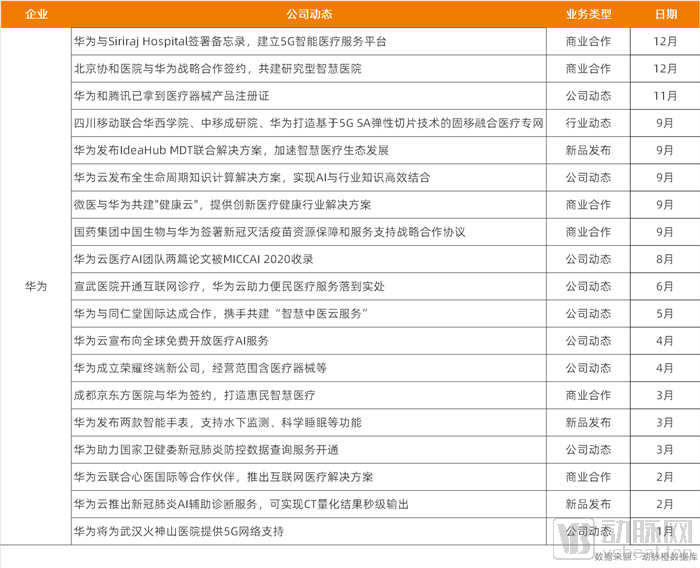
Huawei has long been signaling its ambition to build a “national health platform.”Huawei aims to collaborate with industry partners to explore new wireless communication technologies, develop innovative applications, and build an ecosystem for 5G in advance, thereby achieving a novel integration in the healthcare sector.
Wireless healthcare scenarios can be broadly categorized into three types:
The first category comprises medical monitoring and nursing applications based on wireless data acquisition from medical devices, such as wireless patient monitoring, wireless infusion therapy, mobile nursing, and real-time patient location tracking and monitoring.
The second category comprises medical diagnosis and guidance applications based on video and image interaction, such as mobile ward rounds with real-time access to patients’ imaging diagnostic information, remote ward rounds utilizing medical service robots, remote real-time consultations, emergency rescue guidance, wireless surgical teaching, and wireless specialized diagnostics.
The third category comprises teleoperation applications based on video and haptic feedback, such as remote robotic ultrasound examinations, remote robotic endoscopy, and remote robotic surgery.
Currently, Huawei is leveraging 5G technology to implement the aforementioned medical scenarios in phases.
As early as 2016, Huawei, Lifesense Medical, and Guangdong Unicom completed service debugging for smart blood pressure monitors on Guangdong Unicom’s live NB-IoT network, marking the breakthrough of NB-IoT applications into the field of smart medical devices.Automatically upload relevant measurement data to the Intelligent Health Cloud Platform via the NB-IoT wireless network for analysis and organization, generating real-time health charts and analytical reports that are delivered to users’ mobile apps or WeChat Official Accounts, enabling them to monitor their family members’ health trends at any time.
For Huawei, which possesses capabilities in building communication infrastructure, cloud computing and 5G services have become its key areas of focus in the healthcare sector. Throughout 2020, Huawei frequently announced collaborations with various hospitals on 5G initiatives. During the pandemic, it provided 5G network support to Wuhan Huoshenshan Hospital. In September, Huawei partnered with Sichuan Mobile, West China Hospital, and China Mobile Chengdu Research Institute to jointly create a fixed-mobile converged private healthcare network based on 5G Standalone (SA) elastic slicing technology, addressing security requirements for medical private networks. In December, Huawei signed a memorandum of understanding with Siriraj Hospital to establish a 5G-enabled smart healthcare service platform.
In addition to 5G network support, Huawei has not halted the progress of its cloud computing business,Continuously refining its intelligent medical cloud platform, it leverages artificial intelligence to restructure the disease diagnosis and treatment workflow, empowering hospitals and outpatient clinics with AI-driven efficiency optimization tools and decision support services for physicians.In March, Chengdu BOE Hospital signed an agreement with the company to develop affordable smart healthcare solutions. In May, Huawei partnered with Tongrentang International to jointly build the “Smart TCM Cloud Service.” In September, WeDoctor and Huawei co-established the “Health Cloud” to provide innovative solutions for the medical and health industry. That same month, Huawei and Sinomeditech jointly released the IdeaHub MDT joint solution, accelerating the development of the smart healthcare ecosystem.
Notably, Huawei has also been active on the hardware front, continuously collaborating with the Chinese PLA General Hospital (301 Hospital) to launch smart devices. A noteworthy development in 2020 was its acquisition of a medical device product registration certificate in November for the wrist-worn single-lead ECG collector (VID-B99) it had applied for.
The data accumulated by consumer electronic devices, superior AI computing capabilities, and the foundational infrastructure of 5G and cloud computing have led Huawei to start from the basics in an attempt to reconstruct the broader health platform. However, this is clearly not a task that can be accomplished overnight. For Huawei, the road ahead appears to be long.
ByteDance: A Latecomer to the Game, Can It Stir Up New Waves in the Internet Healthcare Sector?
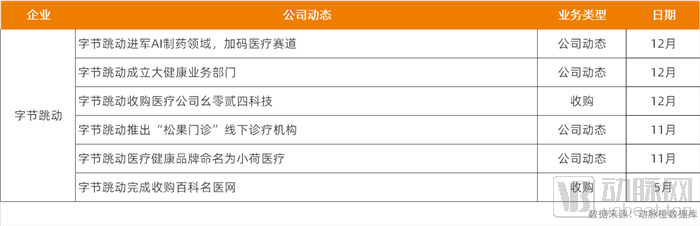
Every time ByteDance enters a new sector, it sparks a surge of interest within that industry. Consequently, its strategic moves frequently draw significant attention. In May 2020, ByteDance’s acquisition of Baike Mingyi (Encyclopedia of Famous Doctors) triggered widespread external discussion. This move was closely linked to ByteDance’s earlier launch of its own encyclopedia product.
Unlike other products, medical encyclopedia and science popularization platforms often require robust content assurance. As a suitable target, Baike Mingyi Wang represents an attractive acquisition opportunity for ByteDance. In fact, in 2020, search engines were a key focus of ByteDance’s strategic efforts; while competitors achieved success with their own science popularization products, ByteDance was unwilling to miss this entry point.
In its push into the healthcare sector, ByteDance has not acted without careful consideration. As early as November 2019, the Hainan Provincial Health Commission approved a subsidiary of Baike Mingyi Network to establish the蒲公英 Internet Hospital and the蒲公英 Telemedicine Center in the Old Town High-Tech Industrial Demonstration Zone in Hainan Province.
In August 2020, rumors circulated that 1024 Technology would be fully integrated into ByteDance. In December, ByteDance’s acquisition of the healthcare company 1024 Technology was finalized through the completion of industrial and commercial registration changes. The company’s business scope includes internet hospital management and operations, health and wellness management consulting, entrusted management of medical and elderly care centers, rehabilitation and recuperation services, and dietary services.
As early as November, ByteDance named its healthcare brand “Xiaohe,” launching “Xiaohe” for patients and “Xiaohe Doctor” for physicians.“Xiaohe Medical” services are primarily concentrated in four sectors: first, content services focused on medical knowledge and health information; second, third-party services centered on health management; third, medical services mainly involving online consultations and appointment registration; and fourth, a health e-commerce platform dedicated to pharmaceutical sales.
In the same month, ByteDance launched “Songguo Clinic,” an offline medical facility. At the time, there was much speculation from outside observers, with some arguing that the media had overinterpreted the move—suggesting it might merely be an internal clinic for employees. However, looking back in January 2021, when Xiaohe Health Technology acquired a stake in Songguo Medical, all previous speculations seemed to be disproven.
In December, ByteDance established the Aurora Department, a dedicated unit for its digital health business, led by former Baidu Vice President Wu Haifeng, who reports to ByteDance’s Global CEO Zhang Yiming. That same month, reports emerged that ByteDance’s AI Lab teams across three locations—Beijing, Shanghai, and California, USA—were recruiting talent in the field of AI-driven drug discovery.
Judging from the aforementioned moves, ByteDance’s foray into the healthcare sector is just beginning, yet its strategic roadmap is gradually coming into focus.It appears that their aim is also to establish a strong presence in the internet healthcare sector, integrating online and offline resources to strengthen medical services.“Xiaohe” is more like the “tip of the iceberg” in ByteDance’s overall healthcare strategy.
"The tree desires stillness, but the wind will not cease."
Numerous internet companies have ventured into the healthcare sector. Pinduoduo, for instance, has been cautiously exploring the periphery of healthcare, primarily leveraging its e-commerce platform attributes. Notably, in 2020, Pinduoduo launched group-buying reservations for HPV vaccines and partnered with BGI Genomics to offer nucleic acid testing services.These can all be regarded as extensions of the e-commerce business. However, one noteworthy point is that Pinduoduo’s affiliated company established a health technology firm in September 2020., with business scope including remote health management services.This may also mark the beginning of Pinduoduo's involvement in the healthcare sector.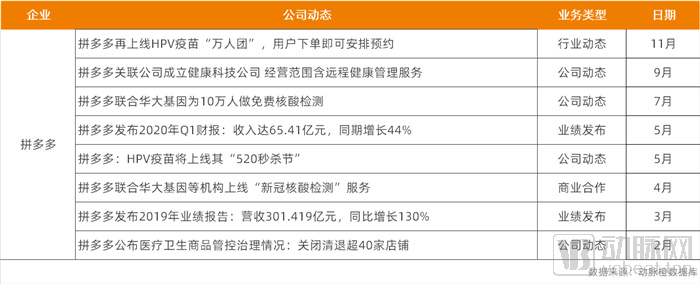
How many more internet companies, eyeing the growth momentum in the healthcare sector, will enter the market in the future? It seems too early to draw any definitive conclusions. Will Kuaishou, which is planning to list in Hong Kong, venture into the internet healthcare business in the near future? These questions remain to be seen. However, given the relatively stable landscape of internet healthcare today, opportunities for other internet companies to enter the market may already be dwindling.
These explorations may yield both successes and failures. Yet what they leave behind is not a trail of chaos, but an increasingly clear path toward the future.