





Interface News reporter |
Interface News Editor |Xie Xin
On March 13, The Paper exclusively learned that StairMed, a rising star in China's brain-computer interface startups, recently completed a 500 million yuan strategic financing round. Alibaba led the investment, followed by SDIC Chuanghe, with existing shareholders Tencent, FountainBridge, OrbiMed, Oriza Holdings, Qiming Venture Partners, Lilly Asia Ventures, Source Code Capital, and Shanghai Guotou XianDao continuing to invest. Apex Capital served as the exclusive financial advisor.
StairMed has raised over 1.1 billion yuan in cumulative financing in the past year. It is also the first company in the brain-computer interface field that Alibaba and Tencent have invested in.
StairMed Plans to Launch Large-Scale Multi-Center Registration Clinical Trials by Mid-2026
StairMed was founded in August 2021. Its technical route is invasive brain-computer interface, the same as Neuralink. It has currently laid out two directions: "brain control" and "neuro-modulation," aiming to provide new treatment options for patients with motor dysfunction and neurological diseases. It has successfully developed China's first high-throughput wireless invasive brain-computer interface system. According to Jiemian News, StairMed has mastered multiple technologies, including electrodes, systems, algorithms, and surgical robots.
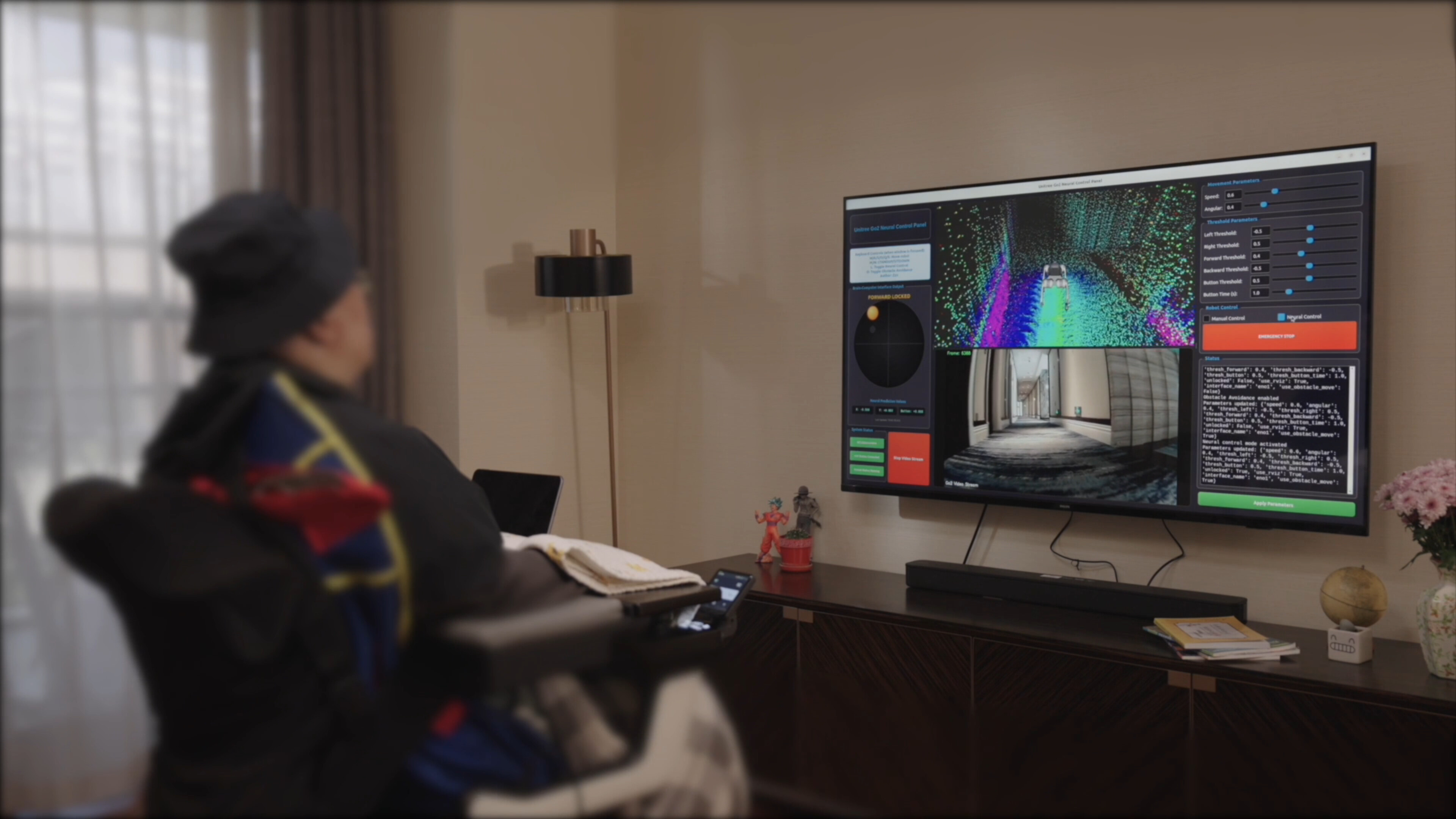
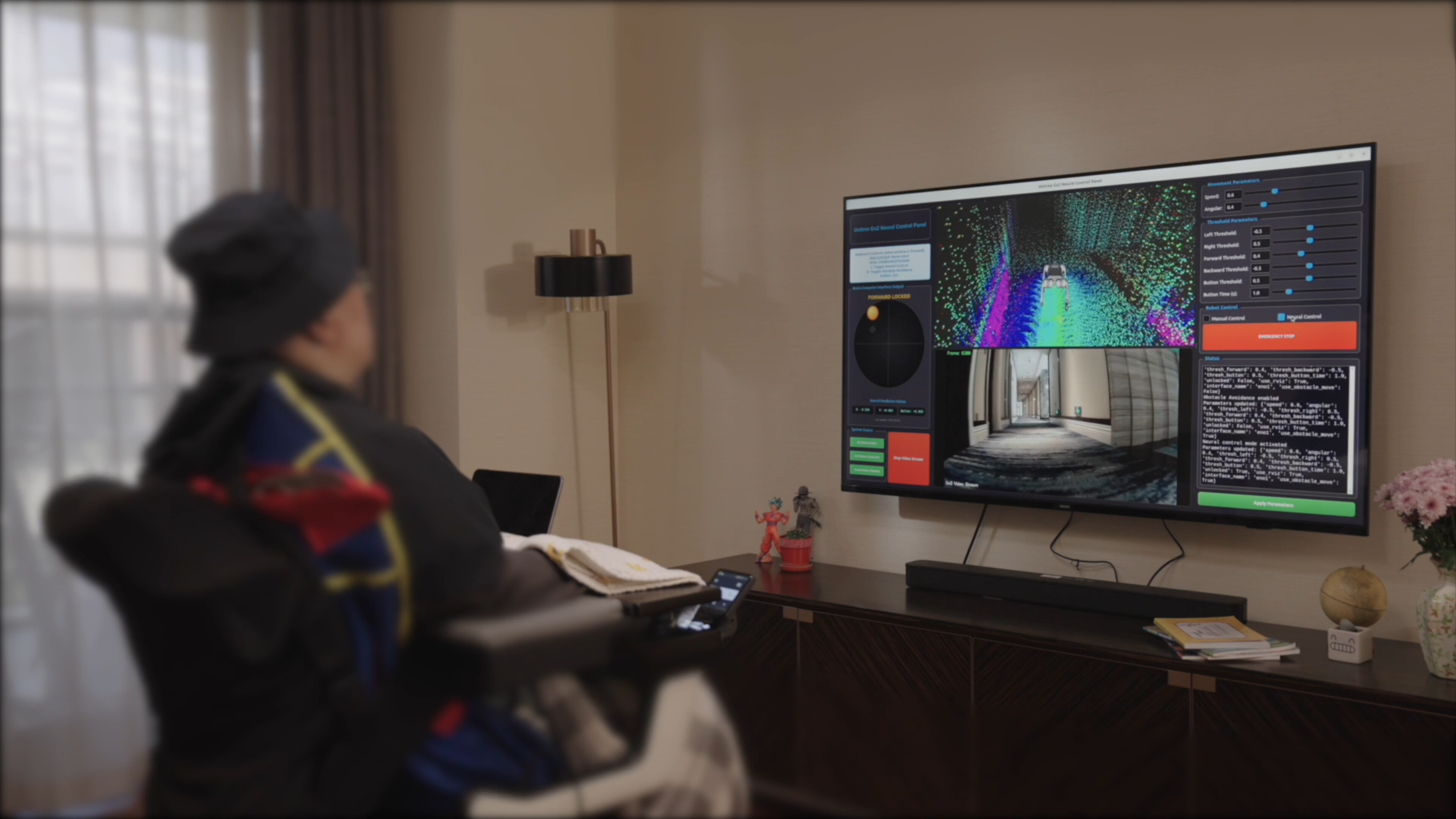
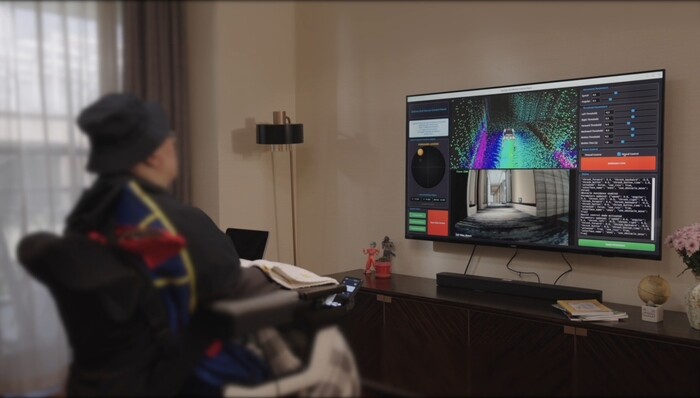
Globally, StairMed is the second company to enter the clinical stage for invasive brain-computer interface technology, following Neuralink. The company has independently developed ultra-flexible electrodes that are 1/100th the thickness of a human hair and the world’s smallest invasive brain-computer implant. In 2025, it completed China's first prospective clinical trial for an invasive brain-computer interface, with its product entering the National Medical Products Administration’s (NMPA) innovative "green channel." This clinical trial aims to help subjects who have lost their limbs operate computers using only their thoughts.
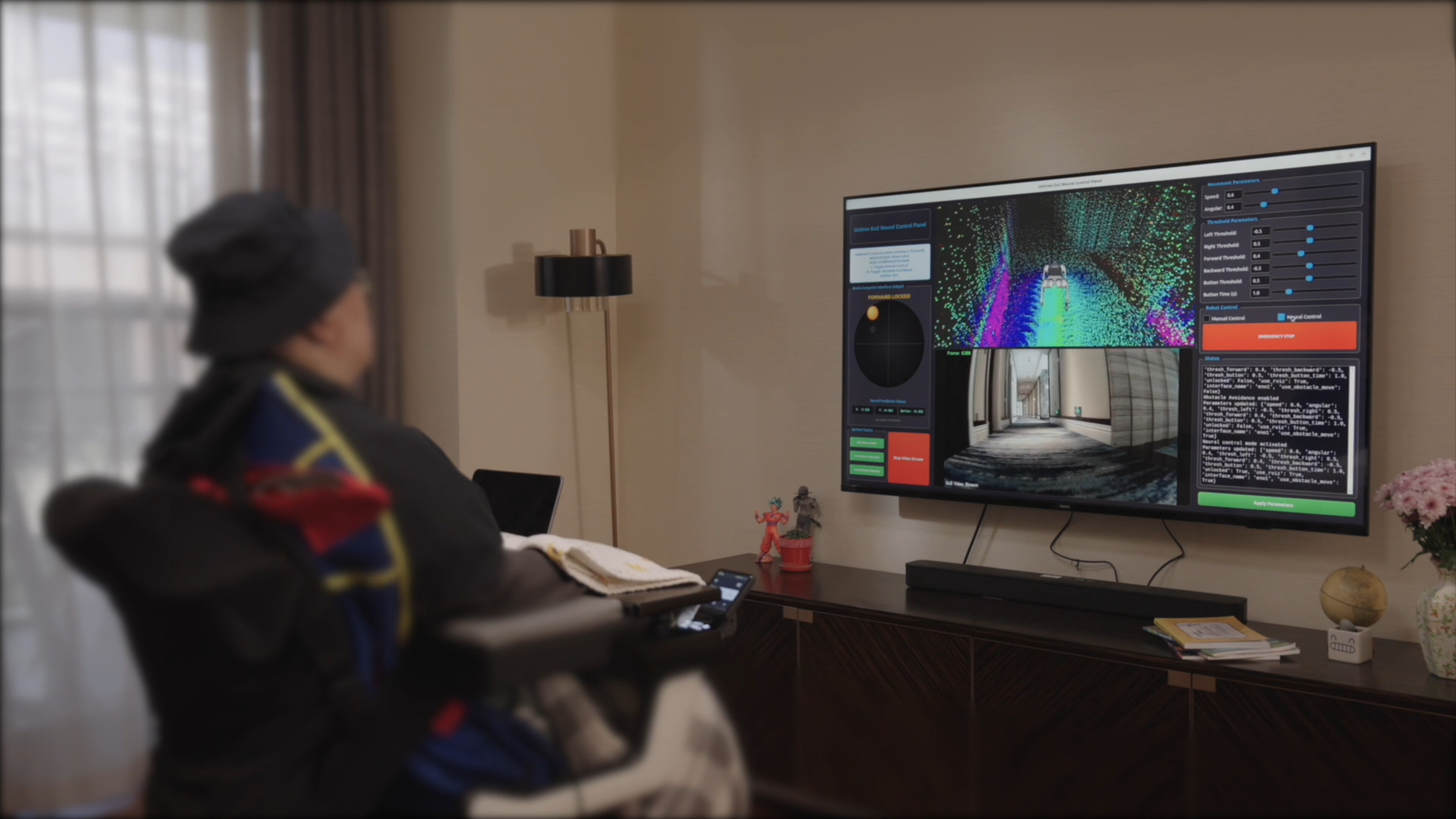
In terms of technological advancements, The Paper has learned that after completing the clinical implantation of three 64-channel invasive brain-computer interface systems (WRS01) in 2025, StairMed successfully completed the first clinical implantation of its proprietary 256-channel invasive brain-computer interface system (WRS02) using a self-developed surgical robot in early 2026.
In addition, its closed-loop ultra-low damage deep brain neurostimulation system (Deep Brain Stimulation System) has currently completed four clinical research implant surgeries, achieving functional verification of regulation, with plans to initiate clinical trials in 2027.
Currently, brain-computer interfaces are at a turning point transitioning from laboratories to industrialization. Application scenarios can generally be divided into several aspects: medical, human-computer interaction, education and entertainment, and military.
Brain-computer interfaces have multiple technical routes, which can be divided into invasive, semi-invasive, and non-invasive based on the most common implantation methods. From the product perspective, invasive and semi-invasive products are still in clinical trials, while some non-invasive products have already been launched, including brain-computer interface motor rehabilitation systems for medical use and sleep aids for consumer use.
Whether invasive or semi-invasive, the basic approach involves implanting a device in the body, placing electrodes at specific locations for signal acquisition, analysis, and stimulation. These systems then convert neural activity into usable control signals, allowing patients to manipulate external devices—such as robotic arms or computer cursors—through intention. Applications can cover motor and visual function restoration and extend to explorations in intervention for conditions like epilepsy and depression.
Since it involves implanting electrodes into the cerebral cortex, which carries the risks of craniotomy and potential health hazards, the application scope of invasive brain-computer interfaces is relatively limited. The primary target groups are mainly blind individuals and paralyzed patients. However, this method allows hardware devices such as electrodes or sensors to be implanted directly into the cerebral cortex to capture neural signals directly. Its main advantage is the high signal quality, enabling direct monitoring and regulation of neural signals.
Semi-invasive brain-computer interfaces lie between non-invasive and invasive brain-computer interfaces. By implanting electrodes on the surface or in the shallow layers of the brain, they reduce the risks associated with invasive surgery while providing higher quality signals than most non-invasive brain-computer interfaces. They have a relatively high level of ethical acceptance and are expected to have a shorter commercialization cycle.
Non-invasive brain-computer interfaces are currently more common in consumer-grade products, with sensors placed on the scalp or body surface. Their main application scenarios include consumer-level meditation, sleep, and attention monitoring.