

MileBot Robotics Completes Tens of Millions RMB Series A+ Financing to Accelerate Rehabilitation Industry Expansion

LCIG
Tech Industry Investment Firm

Milebot
Medical Rehabilitation Robot R&D Developer
Recently, Shenzhen MileBot Robotics Co., Ltd. (hereinafter referred to as "MileBot") announced the completion of its A+ round financing, amounting to tens of millions of yuan. This round was jointly led by Xingchen Fund and Sihuan Pharmaceutical, with Zhejiang Dening and LCIG participating as follow-on investors. Notably, LCIG has continuously invested across four consecutive rounds. The previous financing round was completed in August 2020, bringing MileBot’s total to four rounds of financing to date. Chen Gong, General Manager of MileBot, stated that the proceeds from this round will be primarily used for product research and development, brand building, and channel expansion.
Shenzhen MileBot Robotics Co., Ltd. was founded in 2016 in Shenzhen, China’s innovation hub. Its technical team comprises overseas-returnee PhDs and technical experts from renowned universities both domestically and internationally, boasting profound technical expertise and a global perspective. Over the past four years, the company has focused on the research and development of exoskeleton robots and human-computer interaction technologies, building an intelligent rehabilitation system. By leveraging robotics, the Internet of Things (IoT), big data, and artificial intelligence (AI), it enhances the efficiency and effectiveness of rehabilitative medical care, establishing itself as a leading provider of innovative rehabilitation robotic products and solutions in the industry.
MileBot Robotics has developed a range of medical rehabilitation robotic products, including lower-limb rehabilitation exoskeleton robots, walking-assist robots, and hand rehabilitation exoskeleton robots, centered on its core technology—robotic interaction technology based on flexible actuators. By achieving precise and stable force control, the system enables an active training mode characterized by patient-robot collaboration, significantly enhancing the effectiveness of rehabilitation training.
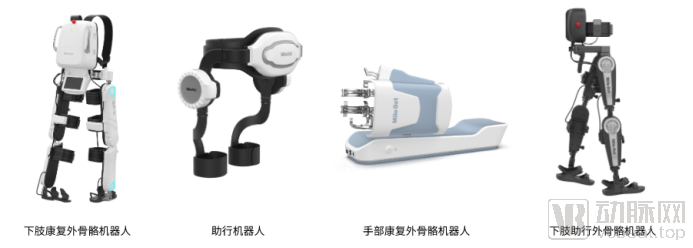
Figure 1: MileBot Robotics Product Portfolio
Chen Gong, General Manager of Shenzhen MileBot Robotics Co., Ltd., stated, “Intelligent, precise, and personalized rehabilitation represents the future direction for the development of rehabilitation equipment. The efficacy of MileBot’s products has been validated, and its product R&D and overall strategic layout are well aligned with industry trends. The completion of this round of financing, along with the strategic partnership with investors, will accelerate MileBot’s market expansion, marking a significant step forward toward the company’s vision of enabling every patient to achieve full recovery.”
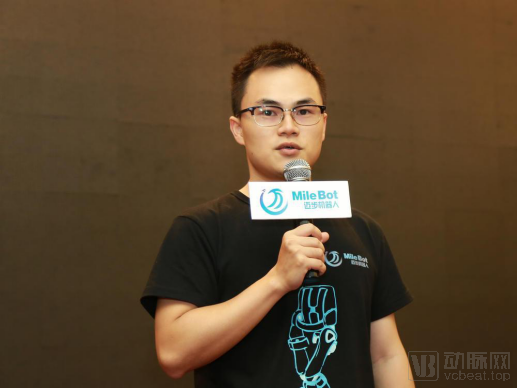
Figure 2: Dr. Chen Gong, General Manager of MileBot Robotics
With the intensification of population aging and changes in disease patterns, the demand for rehabilitation medical services has witnessed explosive growth in recent years. However, China currently faces significant shortages in comprehensive hospital rehabilitation centers, specialized rehabilitation hospitals, equipment, and therapists. The severe mismatch between market supply and demand will positively drive the rehabilitation equipment market to meet the over RMB 100 billion worth of rehabilitation needs.
Currently, there are nearly 20 million stroke patients in China, and approximately 80% of them suffer from varying degrees of functional impairment after the acute phase. Evidence-based medicine has confirmed that among stroke survivors, active rehabilitation can enable 90% to regain walking ability and activities of daily living (ADL), and allow 30% to return to some form of light work. Rehabilitation robots offer significant advantages in improving the efficiency of rehabilitation training and alleviating the workload of therapists. Therefore, rehabilitation robots represent the direction and inevitable trend in the development of rehabilitation equipment.
MileBot Robotics has developed upper- and lower-limb rehabilitation exoskeleton robots for stroke patients, aiming to create a complete closed loop between hospital-based and home-based rehabilitation through a multi-product portfolio. This ensures that every patient receives timely and effective rehabilitation therapy, regains confidence in life, and improves their quality of life—fulfilling the original mission behind the establishment of MileBot Robotics.
MileBot’s core product, the BEAR-H1 lower-limb rehabilitation exoskeleton robot, is China’s first active rehabilitation robot designed for stroke patients’ rehabilitative training. The BEAR-H1 was a key focus of sales and promotion in 2021. MileBot has completed the establishment of its sales team and will accelerate its deployment in general hospitals and specialized rehabilitation hospitals to rapidly capture market share. While building its hospital distribution channels, the company is vigorously promoting its home-use walking assistance robot, truly bringing this technology into households across the country and ensuring that everyone in need can benefit from robotic assistance services.
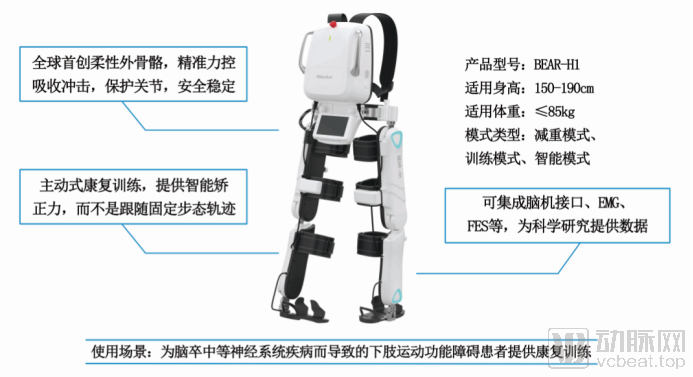
Figure 3: Lower Limb Rehabilitation Exoskeleton Robot
Sihuan Pharmaceutical stated that its strategic investment in MileBot Robotics represents a key move in its layout of the stroke treatment industry chain. By leveraging Sihuan Pharmaceutical’s existing product portfolio and channel advantages in the stroke treatment market, this partnership fosters a strong alliance between pharmaceutical and medical device companies, aiming to provide comprehensive solutions for stroke treatment and rehabilitation, thereby contributing to human health.
LCIG stated that the domestic rehabilitation robot market offers substantial growth potential, and the MileBot team possesses leading technology. Its products can assist a large number of elderly and disabled individuals, carrying profound social significance. It is on this basis that LCIG has invested in MileBot Robotics for four consecutive rounds.
Chen Gong pointed out that MileBot Robotics has established collaborative partnerships with numerous hospitals, research institutions, and universities across China. At present, its customer base primarily consists of medical institutions; however, as its product portfolio expands, the company will accelerate its penetration into both B2B and B2C markets. Regarding future planning, in addition to promoting existing products and strengthening channel sales, the MileBot Robotics team will continue to explore new directions and develop new products, while intensifying efforts to build an intelligent rehabilitation system based on robotics and AI technologies, thereby providing patients with smart, precise, and personalized rehabilitation services.