

Zymergen IPO Filing Highlights: SoftBank-Backed Synthetic Biology Unicorn Reports Over $1 Billion in Engineered Microbial Product Sales

Zymergen
Developer of Novel Engineered Microbial Materials
Synthetic biology has emerged as a hot investment sector in recent years, with immense prospects. As pointed out in MGI’s report, “The Bio Revolution: Innovations Transforming Economies, Societies, and Our Lives,” 60% of industrial products could be manufactured through biotechnologies in the future.
Synthetic biology enables the production of specific metabolites through novel metabolic pathways by modifying existing biological systems or reconstructing organisms via artificially synthesized genomes, thereby replacing traditional chemical manufacturing processes. This approach transcends the limitations of natural biological evolution, allowing for the targeted production of new antibiotics, new vitamins, and even novel compounds that do not exist in nature.
Data analysis of the bioengineering industry reveals that synthetic biology has been widely applied across major sectors, including but not limited to healthcare, industrial chemical manufacturing, food and materials, and agriculture.
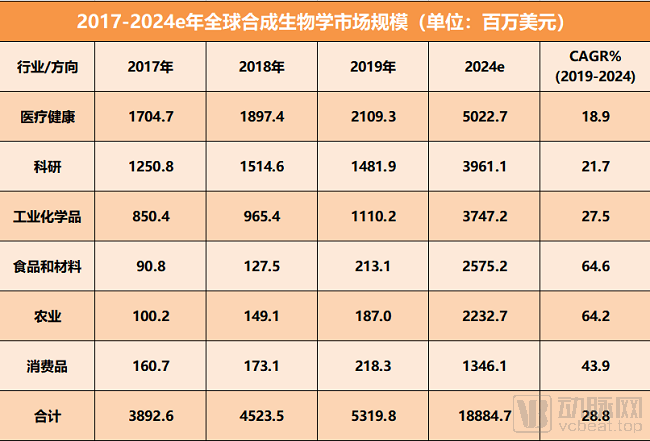
Market Size of Synthetic Biology Applications Across Major Industries
As Zymergen states on its official website: “Biology is the most powerful technology on the planet......We are fundamentally changing how things are made and what they are made of......proving that biology can provide solutions not just in traditional industries like agriculture and medicine, but in any industry.”
Zymergen is a unicorn in the field of synthetic biology. Since its establishment in 2013, it has raised a total of $874.1 million in funding, including a significant $300 million investment in 2020 amid the surge in synthetic biology. Following this round of financing, data disclosed by the stock trading website SharesPost showed thatThe company’s valuation reached $1.05 billion., but Zymergen CEO Josh Hoffman declined to provide the current specific valuation.
Zymergen is a biotechnology company based in Emeryville, California, USA. As a pioneer in the field of synthetic biology, it combines AI and machine learning to direct the engineering of microbes into “synthetic factories.” These genetically engineered bacteria are capable of efficiently metabolizing substrates to produce target products, such as biofuels, plastics, and pharmaceutical molecules.
According to Crunchbase data, since its establishment in 2013, Zymergen has completed five rounds of financing, progressing from the angel round to Series D. It has received investment recognition from a total of 27 institutional investors, with six lead investors consistently participating in follow-on investments over the years.
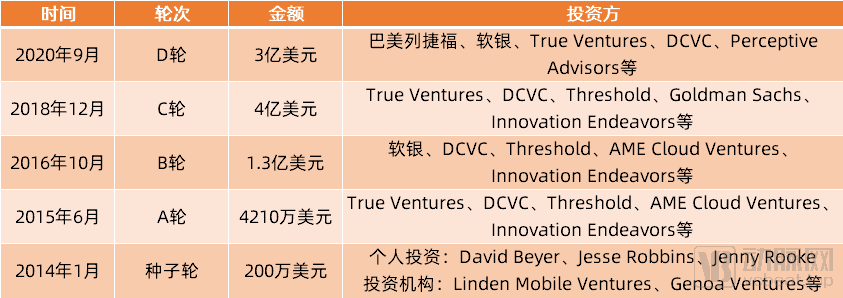
Zymergen's Historical Financing Rounds
The six core investors are Baillie Gifford, SoftBank, DCVC, True Ventures, AME Cloud Ventures, and Innovation Endeavors.
In its latest funding round in September 2020, Zymergen raised $300 million (approximately RMB 2 billion) from lead investor Baillie Gifford, participating investors including existing backers DCVC, True Ventures, and SoftBank Group’s Vision Fund, as well as an unnamed sovereign wealth fund. The proceeds will be primarily used to accelerate the production of the company’s Hyaline film, with commercialization targeted as early as 2021. This round marks another significant investment in the company by the capital markets, following the Vision Fund’s $400 million investment in Zymergen three years prior.
Hyaline is a bio-based polyimide film independently developed by Zymergen. This innovation represents the company’s application of synthetic biology in the electronics sector, offering electronics manufacturers a novel film product. Of course, Zymergen’s applications of synthetic biology are not limited to this field; the company has long extended its use of synthetic biology technologies into agriculture, consumer goods, environmental protection, and other sectors.
Meanwhile, Zymergen has also partnered with Japan’s Sumitomo Chemical Co., Ltd. and U.S.-based pesticide and agricultural product developer FMC Corporation to actively promote the market entry of its novel bio-based chemicals.
Zymergen positions itself on its official website as a “Biofacturer,” which is no exaggeration, as the company indeed possesses the capability to manufacture entirely novel biological products. Underpinning this confidence is the absolute technological barrier that Zymergen has established in the field of synthetic biology.
Zymergen has built an advanced technology platform and created a revolutionary production method, featuring the world’s largest IP-protected genomic database.Approximately 2.4 TB in size, which is five times the size of public genomic databases, and this figure continues to grow; this database enables the quantification of 250 million sequenced genes and 1 million sequenced natural product clusters, with gene assembly lengths 15 times longer than those achieved by traditional methods.
These technologies are inspired by nature and biology—nature’s biodiversity provides Zymergen with better building blocks, while biology helps them find faster and more efficient ways to assemble these components.
Nature’s potential is limitless. Leveraging the diversity of natural molecules, Zymergen has built an extensive biomolecular database. Through research and analysis of this database, the company identifies new biological building blocks with specific functions, predicts their properties via computer simulations, and rapidly reconstructs candidate molecular prototypes of these building blocks. Subsequent performance evaluation of the candidates enables the development of target molecules best suited to address specific problems.

Once the target molecule was identified, Zymergen proceeded to design candidate microbes capable of producing it, leveraging its best-in-class genomic library to generate thousands of microbial prototypes, and then screened these microbes to identify those yielding the company’s most desired molecules.
Zymergen leverages scientific intuition and machine learning algorithms to test billions of microbial designs, fine-tuning microbes at the genetic level with the aim of enabling large-scale operations of “microbial factories.” Of course, this entire regulatory process cannot be performed manually; it relies on intracellular biosensors, along with robotics and software, to carry out genetic editing, thereby enabling the rapid construction of up to billions of microbial variants.
By leveraging custom-designed analytical software and algorithms to achieve near real-time measurement results, Zymergen can rapidly scale up findings from small-scale experiments to large-scale production. The company then applies these results to propose new genetic designs for creation and evaluation, iterating until it identifies the optimal genetic solution ready for successful commercialization.
Currently, Zymergen’s technology platform enables rapid assessment of gene design performance. By leveraging advanced machine learning tools to extract subtle signals from noise, the company derives significant benefits from data on minor genetic variations. This capability empowers researchers to conduct pioneering explorations into both known and unknown realms of biodiversity and to seek breakthrough solutions.
By leveraging this technology,In 2019 alone, Zymergen precisely engineered more than 100,000 industrial microbial strains across 12 categories., most of which are high-throughput microbial products that have never existed before. This high-throughput analytical capability,Supports Zymergen in processing over 500,000 samples per month。
It is reported that Zymergen has built the largest laboratory-scale bioreactor facility in North America, covering approximately 10,000 square feet, with a capacity range spanning from µL to L, and operating 24/7.
Humans have been using fermentation technology for tens of thousands of years, leveraging microorganisms to convert sugars into products such as wine, yogurt, and bread. Fermentation has transformed the dietary habits of our ancestors, and now Zymergen is attempting to use this technology to change human lifestyles—from creating crop protection agents and developing life-saving drugs to producing mobile phone screens and plastic alternatives.
Historically, successfully fermenting molecules to meet commercial demands has been difficult and expensive. Zymergen is developing a more cost-effective approach—an iterative method for fermentation process development—that combines biotechnology expertise, data science algorithms, and world-class fermentation bioreactors, enabling the company to scale developments from the laboratory to commercial production.
Zymergen’s chemists and materials scientists are optimizing purification and chemical modification steps while scaling up biomolecule production, thereby accelerating the conversion of these molecular building blocks into final products. Leveraging established manufacturing partnerships and a global supply chain management team, Zymergen is capable of bringing its molecules to completion and delivering them to customers.
It is reported that,Zymergen’s products developed through microbial design have surpassed £1 billion in value., employing synthetic biology approaches to address challenges across various industries at unprecedented low cost and high speed, with corresponding biological products developed in fields such as electronics, agricultural products, environmental protection (plastic degradation), and pesticides.
These biologics may be “new species” you have never imagined—“ready-to-use” solutions that enable next-generation innovation for any product, empowering not only traditional sectors such as agriculture and pharmaceuticals but also industries across the board. Biotechnology-driven solutions are better positioned to develop breakthrough products that meet market demands: products that are better, cheaper, greener, and more convenient for manufacturers to bring to market sustainably.
1Synthetic Biology in the Electronics Sector: Bio-Based Polyimide Films
As electronic products become increasingly similar, customers are seeking true differentiation. Better screens, longer battery life, or more eco-friendly solutions may sway consumer preference. In this highly competitive environment, new films offering superior performance can help capture greater market share.
Zymergen applied proprietary synthetic biology technologies to construct complex new biological building blocks, which release a novel polymer. The company leveraged this polymer material to develop the Hyaline family of products.
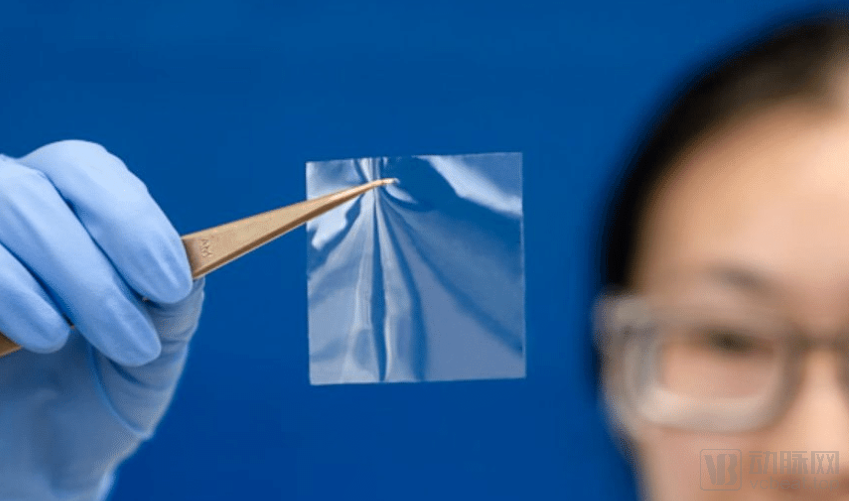
Hyaline Membrane
Hyaline is a revolutionary bio-based polyimide film featuring enhanced transparency, high-temperature resistance, and excellent mechanical properties. It is ideally suited for applications such as touchscreens, camera lens filters, and wearable sensors. Its superior mechanical performance enables thinner screens and faster manufacturing cycles, comprehensively improving electronic display performance while striking a balance between cost control and system stability. Additionally, Hyaline is recyclable.
For decades, thin-film polymer manufacturers have been dedicated to developing the same molecular building blocks, as the substantial costs and complexities associated with using new monomers have long posed a major barrier. Unexpectedly, this bottleneck has ultimately been overcome by biotechnology, with Zymergen’s first Hyaline film now available on the market.
In the Hyaline series, Zymergen’s flagship product is the transparent glass ZT-0200-X1, the first in the company’s Hyaline lineup to deliver superior optical quality and heat resistance in a thinner, more flexible form factor.
ZT-0200-X1 enables higher ITO annealing temperatures during manufacturing, offers greater design flexibility, and reduces PCB thickness by 30%, resulting in enhanced flexibility. The introduction of ZT-0200-X1 makes fully transparent, high-temperature printed electronics a reality.
2Synthetic Biology in the Agri-Food Sector: Diverse Proteins with No Toxic Side Effects
With climate change and the increasing resistance of insects to pesticides, crops are facing growing threats. Traditional pesticides may be ineffective against emerging pests and could instead have harmful effects on the environment. Meanwhile, as the global population surges to 10 billion, arable land diminishes, and food demand continues to rise, humanity will face increasingly severe food security challenges.
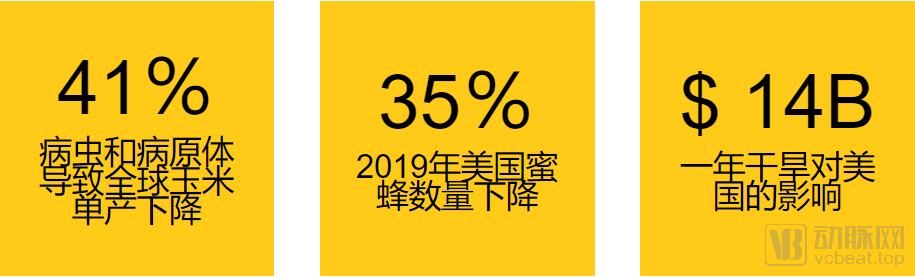
Environmental Impacts on Agriculture
Zymergen aims to leverage synthetic biology technologies to help farmers increase crop yields while reducing the environmental damage caused by conventional pesticides. By utilizing high-throughput platforms and an industry-leading genomic library, the company develops a diverse array of proteins that were previously accessible only from natural sources. These proteins are designed to be free of toxic side effects, thereby effectively supporting the food needs of a growing global population.
The future of green agriculture lies in bio-driven solutions that reduce environmental impact and decrease reliance on petroleum-based pesticides.
3Synthetic Biology in Environmental Protection: Microorganisms That Consume PE Plastic
Polyethylene is the most widely used plastic in the world, and its large-scale decomposition is currently impossible. Zymergen has attempted to develop a microorganism capable of consuming polyethylene (PE) plastic on a large scale, converting plastic waste into entirely new base materials.
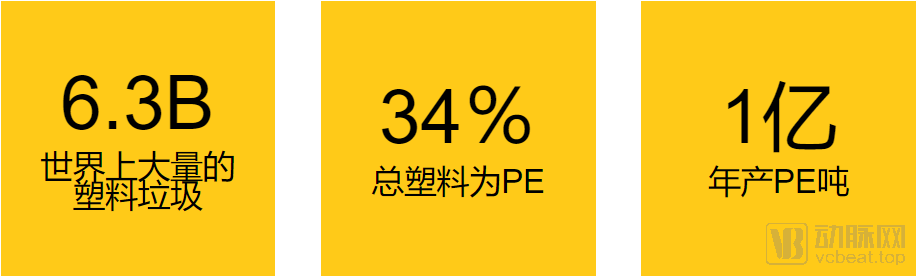
Global Waste Situation
This is a collaborative project between Zymergen and Sumitomo Chemical Co., Ltd. of Japan. Both parties have commenced the development and testing of enzymes and microbes capable of degrading polyethylene (PE), laying the foundation for novel biomaterials to realize the vision of a future free from plastic waste.
Effectively and sustainably breaking down one of the world’s toughest plastics is the first step toward a world without plastic waste. Regardless of scale, Zymergen’s efforts mark the beginning of upcycling polyethylene into new plastics with greater utility and sustainability.
4Synthetic Biology in the Field of Vector-Borne Diseases: A New Generation of Mosquito Repellents
Each year, vector-borne diseases afflict hundreds of millions of people, and the incidence of insect-transmitted diseases is on the rise; it is nearly impossible for humans to avoid mosquitoes and ticks.
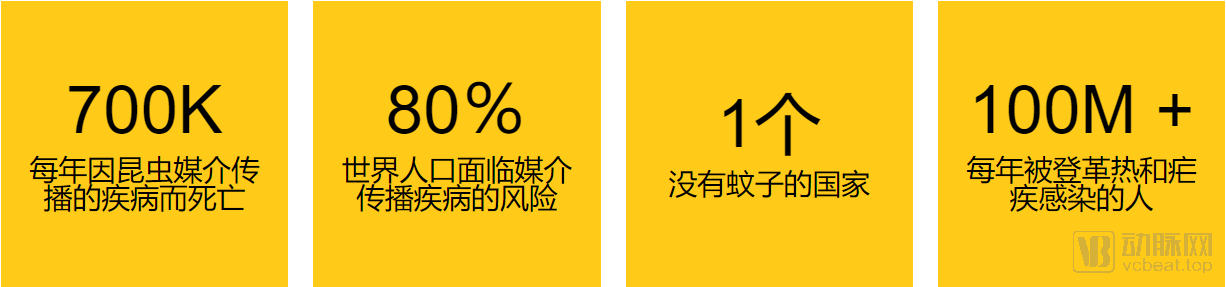 Global Status of Vector-Borne Diseases
The emergence of synthetic biology offers a way to improve this dire situation. Zymergen has leveraged its proprietary technology platform to develop a novel insect repellent that achieves a perfect balance between efficacy and safety, effectively preventing insect infestations without causing discomfort to users.
Zymergen is actively developing this novel mosquito repellent to address a global problem that threatens the health of billions of people.
Of course, in addition to the four major application areas mentioned earlier, Zymergen has also actively laid out multiple projects ranging from infectious diseases to oncology, aiming to develop new therapies in novel ways. The company’s ultimate goal is to enable developing economies to control their own pharmaceutical supplies and significantly increase patients’ chances of survival.
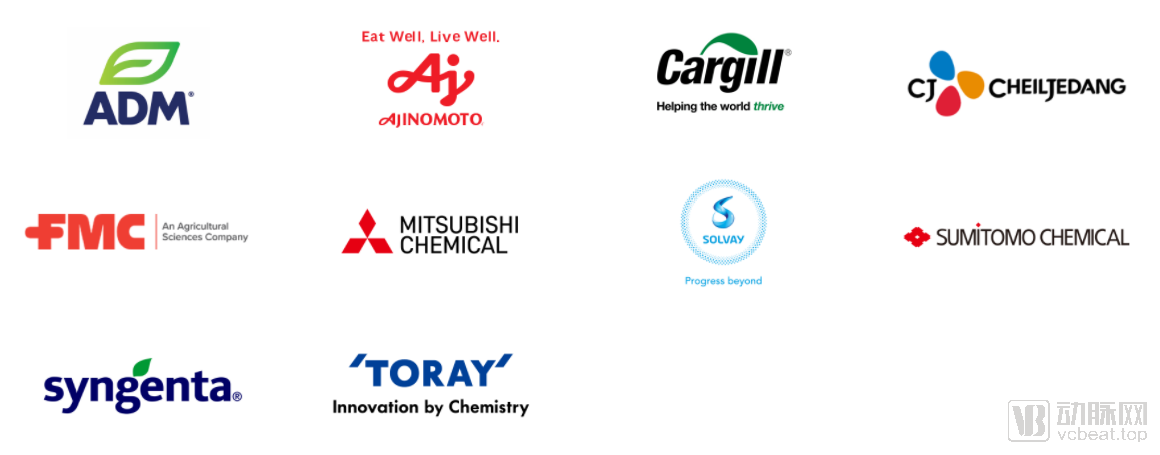
Some of Zymergen's Partners
As of the end of 2019,Zymergen Has Sold $1 Billion Worth of Genetically Engineered Microbes Through Partners,The company will successively launch three new products over the next one and a half to two years.。
“The pace of innovation in petroleum-based materials has stalled, and we see the future in biology.” This may well be the original motivation behind the founding of Zymergen. As company founder Josh Hoffman stated, “Nature is the best manufacturing system, so we collaborate with it to discover, design, and create better products.”
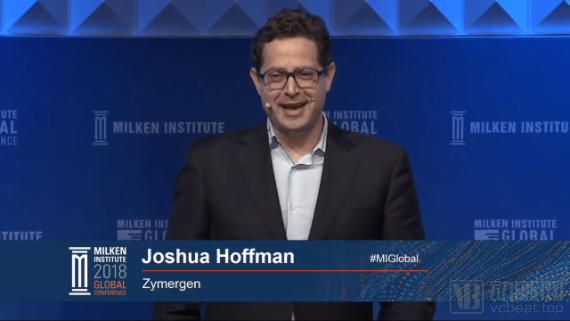
Zymergen Founder Josh Hoffman
In 2013, Josh Hoffman co-founded the synthetic biology company Zymergen with Zach Serber and Jed Dean. Hoffman is a partner at Norcob Capital and a Managing Director in Rothschild’s commercial banking division. He holds a Master’s degree in International Relations and an MPPM from Yale University.
Zymergen’s other two founders also recognized the future potential of synthetic biology. Zach Serber stated, “Our future requires addressing sustainability challenges. For billions of years, biology has always been the ultimate answer; it simply needs to be rediscovered by humanity.”
Zachary Serber holds a Ph.D. in Biophysics from the University of California, San Francisco, and an M.Sc. in Neuroscience from the University of Edinburgh, UK. He has extensive experience in the industrial biotechnology sector, with 17 peer-reviewed publications and multiple patents covering biomolecular discovery and microbial engineering. He previously served as Director of Biology at Amyris and is currently Chief Scientist at Zymergen.
“By applying rigorous engineering principles to the biological sciences, we can achieve unprecedented precision and throughput in the industry,” said Jed Dean, the third co-founder of Zymergen. Dr. Dean, who holds a Ph.D. in Biochemistry from Stanford University, previously developed life science technologies and automation systems at Amyris and the Stanford Genome Technology Center. An inventor on numerous patents related to the automation of microbial engineering, he currently serves as Vice President of Operations and Engineering at Zymergen.