

Moderna: The mRNA Pioneer's Decade-Long Ascent to a $400 Billion Valuation
Moderna
mRNA Therapeutics Developer
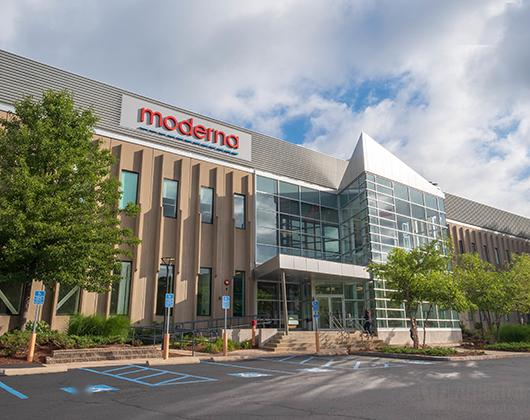
If the pharmaceutical industry had its own Hollywood, Moderna would undoubtedly be one of the hottest superstars in recent years.
After two years of internal incubation and refinement by Flagship, the “superstar talent agency,” Moderna emerged with numerous accolades.
If two words must be used to describe Moderna’s first two years (2010–2012), they would undoubtedly be “enigmatic.” This aura of mystery not only paved the way for its later sensational rise but also sparked skepticism in the investment community regarding its exceptionally high IPO valuation. In short, Moderna has a natural propensity for capturing public attention:
In January 2015, Moderna at up to4.5Secured the largest private equity financing in the history of the biotech sector, valued at hundreds of millions of U.S. dollars;
In 2018, Moderna6.04The initial public offering (IPO), valued at hundreds of millions of U.S. dollars, set the highest record in the history of the biotechnology industry;
In 2020, amid the COVID-19 pandemic sweeping the globe, Moderna leveraged its R&D platform to25completed the sequence design and production of the COVID-19 vaccine in a single day, setting a record by63days to complete the process from sequence design to dosing of the first subject; its developed mRNA-1273 was the world’s first COVID-19 vaccine to enter Phase I clinical trials. The vaccine received Emergency Use Authorization from the FDA at the end of last year, demonstrating an efficacy rate as high as 94.1%.
These world-class, high-profile trending topics have not only brought Moderna into the public spotlight but also made mRNA technology widely known to the general public.
Nowadays,Moderna’s market capitalization exceeds $60 billion (nearly RMB 400 billion), making it one of the top three global mRNA giants.Over the course of 2020, its stock price surged from an initial $20 to a peak of $185, representing a gain of over 800% and outperforming the “market darling” Tesla.
Leveraging its proprietary mRNA technology platform, Moderna has secured a portfolio of high-quality mRNA drug candidates unique to the industry and has established its own mRNA delivery system.
Currently,Moderna’s pipeline comprises 23 mRNA development candidates, 12 of which have entered clinical stages. Its R&D pipeline spans therapeutic areas including infectious diseases, oncology, rare diseases, and cardiovascular diseases.In addition, Moderna has established strategic partnerships with numerous major pharmaceutical companies, including Merck & Co., AstraZeneca, and Vertex Pharmaceuticals, to strengthen and advance the deployment of its mRNA technology across various disease areas.
In the fiercely competitive biotechnology sector, how did Moderna sprint onto the scene at breakneck speed and rapidly grow into an industry unicorn?
As a rising star, how did Moderna manage to “catch up” and then “surpass” the other two mRNA giants—CureVac AG and BioNTech?
(Editor’s Note: CureVac AG was founded in 2000, and BioNTech was founded in 2008; Moderna was established in 2010. CureVac AG went public in August 2020 and currently has a market capitalization of approximately $20 billion; BioNTech listed in July 2019 with a current market cap of around $30 billion; Moderna went public in December 2018 and now boasts a market valuation exceeding $60 billion.)
What Can We Learn from Moderna?
What lessons can domestic biotechnology companies in the same field draw from this?
Can the Moderna Model Be Replicated in China?
By tracing the growth trajectory of industry unicorn Moderna and identifying its key milestones, and by conducting a horizontal comparison with other leading players in the mRNA field, VCBeat aims to provide answers to the aforementioned questions for readers’ consideration.
“I succeeded because I stood on the shoulders of giants.” — A stem cell scientist and co-founder of ModernaDerrick RossiHe may well have resonated deeply with Newton’s words. In 2007, inspired by the mRNA research of biochemists Katalin Karikó and Drew Weissman, as well as Nobel Laureate in Physiology or Medicine Shinya Yamanaka’s work on stem cells, a flash of insight struck his mind.
Derrick Rossi envisioned using mRNA to introduce exogenous transcription factors, as mRNA only needs to enter the cytoplasm to undergo translation,It exerts its effect and is degraded after a period of time, without affecting the genome of target cells or posing any carcinogenic risk.A year and a half later, Rossi’s team completed the experimental study, giving rise to RNA-induced pluripotent stem cells (RiPSCs) technology.However, Rossi lacked sufficient entrepreneurial experience to commercialize this technology, so he turned to his senior colleague Timothy Springer, who also served at Harvard Medical School, for assistance.
Timothy SpringerHe is a legendary figure with outstanding achievements in academic research, new drug development, and investment. Multiple marketed antibody drugs, including Entyvio (vedolizumab), Lemtrada (alemtuzumab), and Raptiva (efalizumab), have successfully been developed and launched thanks to his research or investment. Timothy Springer was deeply impressed by Rossi’s research findings and introduced him to another renowned figure whom countless young biomedical scientists aspire to meet—Robert Langer。
Robert Langer conducts cutting-edge research in drug delivery systems, biomaterials, nanotechnology, tissue engineering, and regenerative medicine, earning him the reputation as the “Edison of Medicine.” At the age of 43, he became the youngest individual in history to be elected to all three U.S. National Academies. He is one of only 13 Institute Professors at MIT, a leading figure in the global field of tissue engineering, listed by Google Scholar as one of the seven most-cited researchers in history, and ranks among the wealthiest scientists in the United States. From 1995 to 2002, Dr. Langer served on the Science Board of the FDA’s highest advisory committee, chairing the board from 1999 to 2002. To date, he has authored more than 1,180 papers and holds approximately 800 issued and pending patents worldwide. Additionally, he has mentored his students in founding over 20 companies in the biotechnology and medical device sectors.
As a seasoned veteran who has navigated the academic and commercial spheres of the life sciences for many years, Robert Langer immediately recognized the potential of mRNA technology after meeting with Rossi and hearing his presentation. Moreover, he believed that,The commercial prospects of technologies for delivering mRNA into cells are far greater than those of RNA-induced pluripotent stem cell technology.He immediately shared this discovery with his long-time friend. Noubar Afeyan, and is also the founder and CEO of Flagship Pioneering, a renowned biomedical venture capital firm and startup incubator. It was late May 2010, with the vibrant vitality of spring still in full swing.
After listening to Derrick Rossi's report,Noubar Afeyan and Robert Langer share the view that mRNA technology is undoubtedly a novel therapeutic modality, with commercial potential far exceeding that of stem cell technology.This has led to the introduction of another figure: the Chief Professor at the Harvard Stem Cell Institute.Kenneth Chien—An internationally renowned molecular biologist, stem cell biologist, and cardiovascular biologist, primarily engaged in research on cardiac stem cells. Professor Chien experimentally validated his concepts related to mRNA technology: he discovered that the cardiac cells used in the experiments could take up modified mRNA and translate it into proteins. This finding brought great excitement to Professor Chien, who had been dedicated for many years to finding an effective method to repair myocardial and vascular damage caused by heart attacks.
This is the story of Moderna’s early founders (Derrick Rossi, Kenneth Chien, Robert Langer, and Noubar Afeyan). At this point, it seems reasonable to believe that Moderna was “born with a silver spoon in its mouth.” After all,The resources held by several co-founders have already given the startup Moderna a “head start.”
However, we can also observe that Derrick Rossi was initially just a researcher backed by a laboratory. It was only through the layered circulation of interpersonal connections that he gradually assembled a team of top-tier founding talent. This reminds one of the Six Degrees of Separation theory: you can connect with any stranger through no more than five intermediaries. Entrepreneurs in China who hold promising early-stage technologies but lack extensive startup experience may well draw lessons from Derrick Rossi’s approach.
Sometimes, it takes multiple exceptional leaders to make the corporate pie rounder and larger.
With the support of Flagship Pioneering, Moderna was born. The idea had been realized; next came the task of building Moderna’s talent structure to get this “great windmill” truly turning. Who would be the best helmsman to steer this highly promising mRNA startup forward at rapid speed? Noubar Afeyan thought of the then-CEO of another small startup, BioMerieux, who had rejected him multiple times.Stephane Bancel。
At the time, Stéphane Bancel was leading more than 6,000 employees at the French advanced diagnostics company BioMérieux—renowned in the diagnostics industry with annual sales of $2 billion and a market capitalization of €2.5 billion—as he pursued his ambitious vision.
This time, would Stéphane Bancel accept Noubar Afeyan’s invitation and take the risk of joining Moderna, a fledgling startup that at the time had formally employed only one scientist?
Unexpectedly, Stéphane Bancel accepted. He was persuaded by Noubar Afeyan’s impassioned yet resolute words and accepted his olive branch.
Noubar Afeyan told Stephane Bancel that although Moderna currently employed only one scientist on its official payroll, mRNA therapeutics held enormous potential and, if successful, would undoubtedly spark a revolution in the pharmaceutical industry.Skeptical yet curious, Stéphane Bancel conducted weeks of investigations and interviews, ultimately realizing that Moderna was highly likely to become the next Genentech.
In October 2011, Stéphane Bancel resigned from his high-paying position as CEO of bioMérieux to officially join Moderna. After joining Moderna, he began hiring more scientists to test and refine mRNA technology while assembling an executive team composed of experienced biotechnology and pharmaceutical professionals. Simultaneously, he started recruiting prominent figures from the Boston scientific community to join the company’s advisory board, including Dr. Jack Szostak, the 2009 Nobel Laureate in Physiology or Medicine.
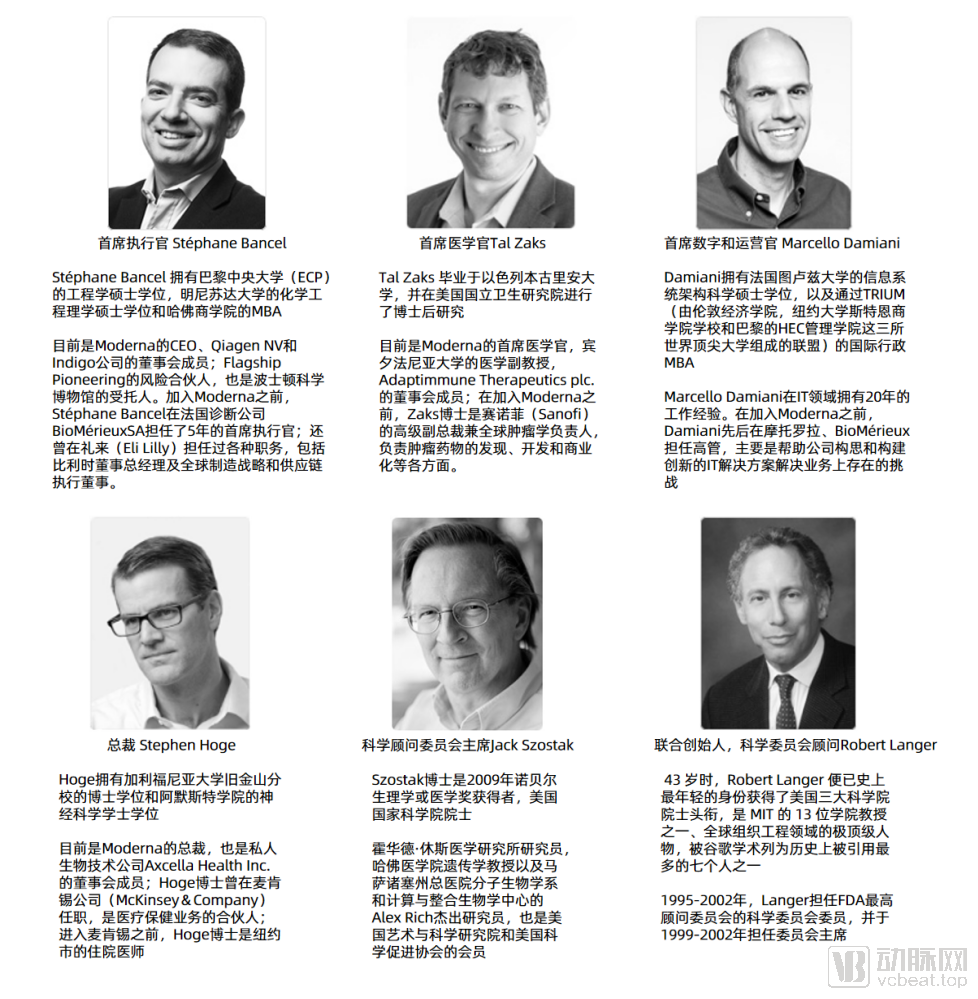
Key Members of Moderna’s Talent Team (Compiled and Charted by VCBeat)
It was only with the addition of more and more outstanding talents that Moderna truly entered the fast lane of development.
Although backed by Flagship Pioneering, which provided a steady stream of funding and resources, the newly founded Moderna was still somewhat unsteady on its feet and required careful nurturing. The journey from 0 to 1 is always a long one.
At this time, Moderna faces certain patent-related concerns in terms of technology.To avoid patent disputes, Moderna placed great emphasis on the accumulation of technology and patents from its inception.
Due to the patent risks associated with mRNA modification technologies, Moderna has remained deeply concerned and is committed to identifying alternative compounds to pseudouridine and 5-methylcytidine. The company refuses to accept a future in which its growth depends on licensing patents from others; to ensure its development is not constrained by external parties, it must retain control over its strategic choices.
Through arduous and relentless efforts, Moderna’s research team successfully identified a compound—1-methylpseudouridine—and in 2014, secured patent authorization for the use of multiple nucleosides, including 1-methylpseudouridine.Addressed some of the concerns regarding patents.
Beyond patent concerns surrounding mRNA modification technologies, the paramount challenge for mRNA therapeutics lies in achieving precise drug delivery. This critical bottleneck has historically been a formidable obstacle hindering the development of mRNA-based treatments.
Due to their relatively large size, high negative charge, instability, and high sensitivity to enzymatic degradation, mRNA molecules face multiple barriers that make the development of mRNA delivery systems highly challenging, thereby hindering the translation of mRNA-based therapies from the laboratory to the clinic.Moreover, it is well known that in the absence of a delivery system, mRNA exhibits very low permeability across cell membranes, has a half-life of approximately 7 hours, and is highly susceptible to degradation.
Whether in vivo or in vitro, delivery systems are essential for the intracellular transport of mRNA to its therapeutic site of action. For Moderna, which was still in its early stages, developing a proprietary drug delivery technology platform posed significant challenges, not only in terms of human resources but also due to financial constraints. However, mirroring its dedication to mRNA modification technology, Moderna initially adopted a strategy of licensing external delivery platforms. Through the relentless efforts of its internal R&D team, Moderna ultimately established its own proprietary delivery technology platform.
Following the termination of its collaboration with Acuitas, Moderna’s current delivery system is primarily self-developed and has challenged three patents held by Arbutus.Among them, one was successful, one failed, and the other was partially successful. In contrast, the LNP delivery systems of the other two mRNA giants—CureVac AG and BioNTech—were both sourced externally. Is this also one of the reasons why Moderna has achieved a higher valuation?
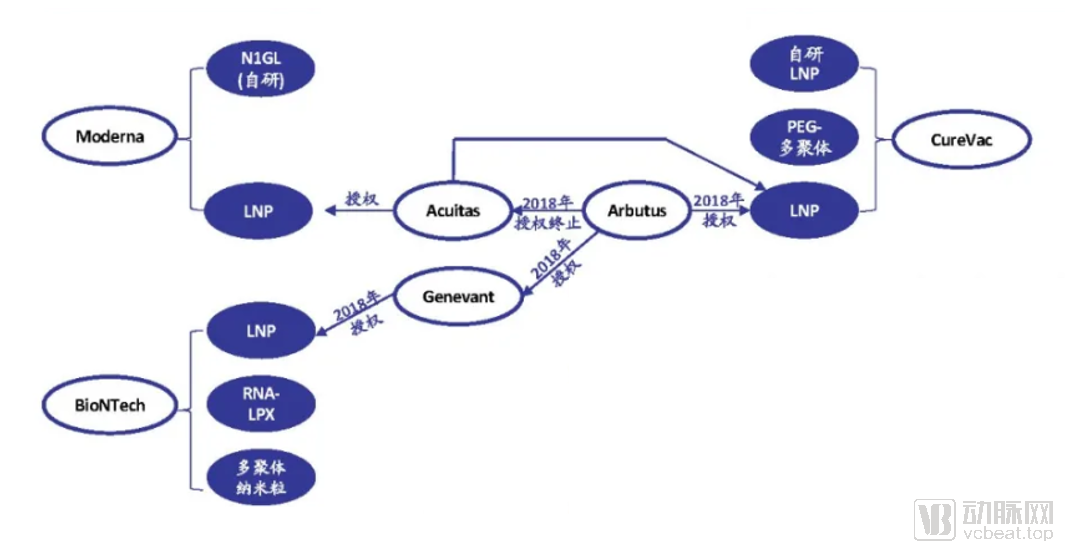
Both BioNTech’s and CureVac’s LNP systems were sourced externally (Image source: public materials)
Genevant, a collaboration established by Arbutus and Roivant, holds patents for LNP delivery systems, including patents on nanoparticle preparation and the cationic lipid MC3. The MC3 patent is expected to expire in 2030 (products related to the COVID-19 pandemic may be exempt from patent restrictions). Currently, the three major mRNA companies each have their own LNP delivery systems and other delivery platforms under development. Thus, we can see thatPatent barriers are crucial to the future development of mRNA companies.
Currently, Moderna has been granted more than 240 patents in the United States, Europe, Japan, and other countries/regions, protecting foundational inventions in the field of mRNA therapeutics, with hundreds of additional patent applications pending that cover key advancements in this area.In addition, Moderna has also secured several licensed internal patent rights, including licenses from Harvard University and the University of Pennsylvania.
It was precisely Moderna’s unwavering commitment to its patented technologies and its initial determination to “keep the initiative firmly in its own hands” that enabled the company to deliver impressive performance at its public debut.Impressive achievements have drawn immense attention from large pharmaceutical companies and investors. This influx of capital has ensured that Moderna is well-funded as it aggressively expands its R&D pipeline. The richness of its pipeline resources and progress in clinical trials have, in turn, driven continuous growth in Moderna’s valuation—creating a virtuous cycle.
During the first two years of its internal incubation at Flagship Pioneering, operating in “stealth mode,” Moderna maintained an extremely low profile, with all employees signing strict non-disclosure agreements. The industry even once mistakenly believed it was a biotechnology company focused on stem cell research. In reality, Moderna had been “working diligently behind the scenes” and secured approximately $50 million in initial funding provided by Flagship during this period.
“After emerging from seclusion,”Moderna has filed more than 80 patent applications surrounding its mRNA technology, encompassing over 4,000 claims that cover chemical modifications, RNA engineering, formulations, compositions of matter, route administration, and delivery methods. The company has also established preclinical programs in four therapeutic areas: oncology, inherited genetic disorders, hemophilia, and diabetes.
These achievements laid the groundwork for Moderna’s subsequent “meteoric rise”: in the years that followed, Moderna not only became a capital “magnet” but also emerged as an industry leader.
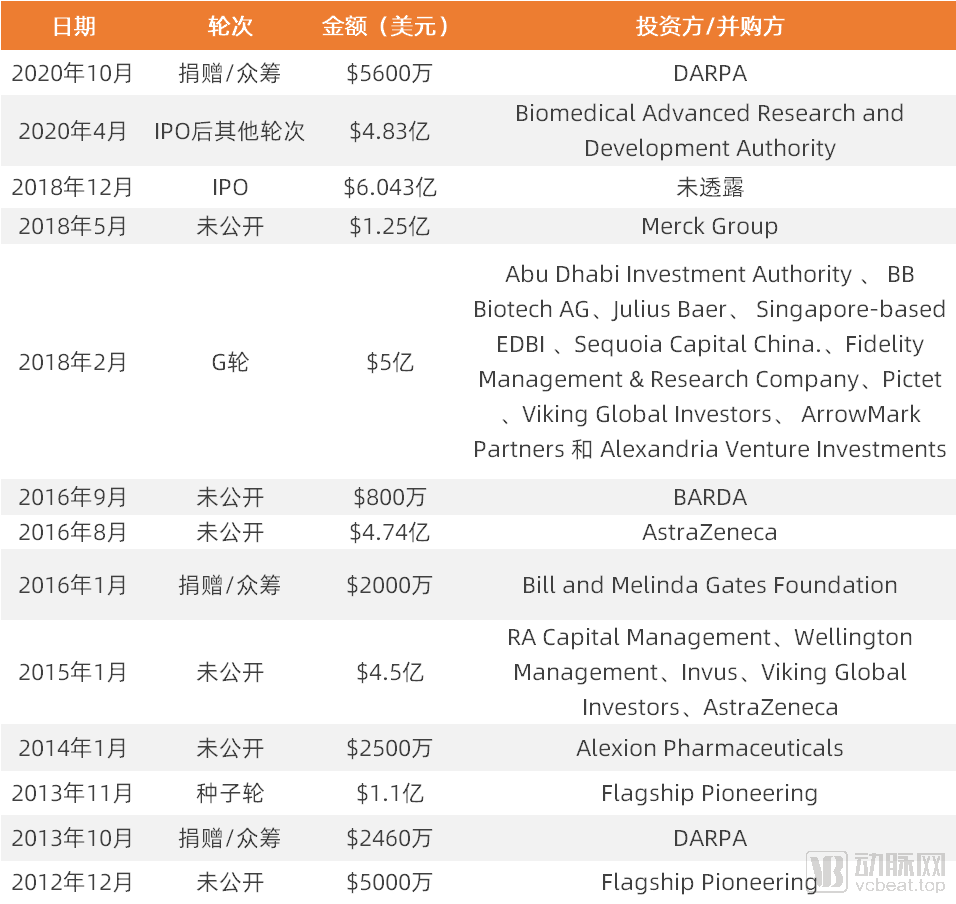
Overview of Moderna’s Historical Financing Information
Just as we are amazed by the rapid post-World War II rise of Germany and Japan, which enabled them to catch up with some advanced nations, the miracle created by Moderna follows a logic strikingly similar to the swift development of these two countries—Embracing and assimilating the latest knowledge and technologies of the era, while discarding outdated baggage, to achieve the fastest growth with the leanest footprint—this is the advantage of latecomers.
In December 2012, Moderna emerged from stealth mode, making its public debut and formally entering the fiercely competitive arena of the biotechnology industry. Moderna’s management team demonstrated acute strategic timing, actively engaging in external outreach and securing substantial investment, which propelled the company’s rapid and robust growth.
Moderna’s diplomatic strategy is first reflected in its “marriage” with pharmaceutical industry giants.
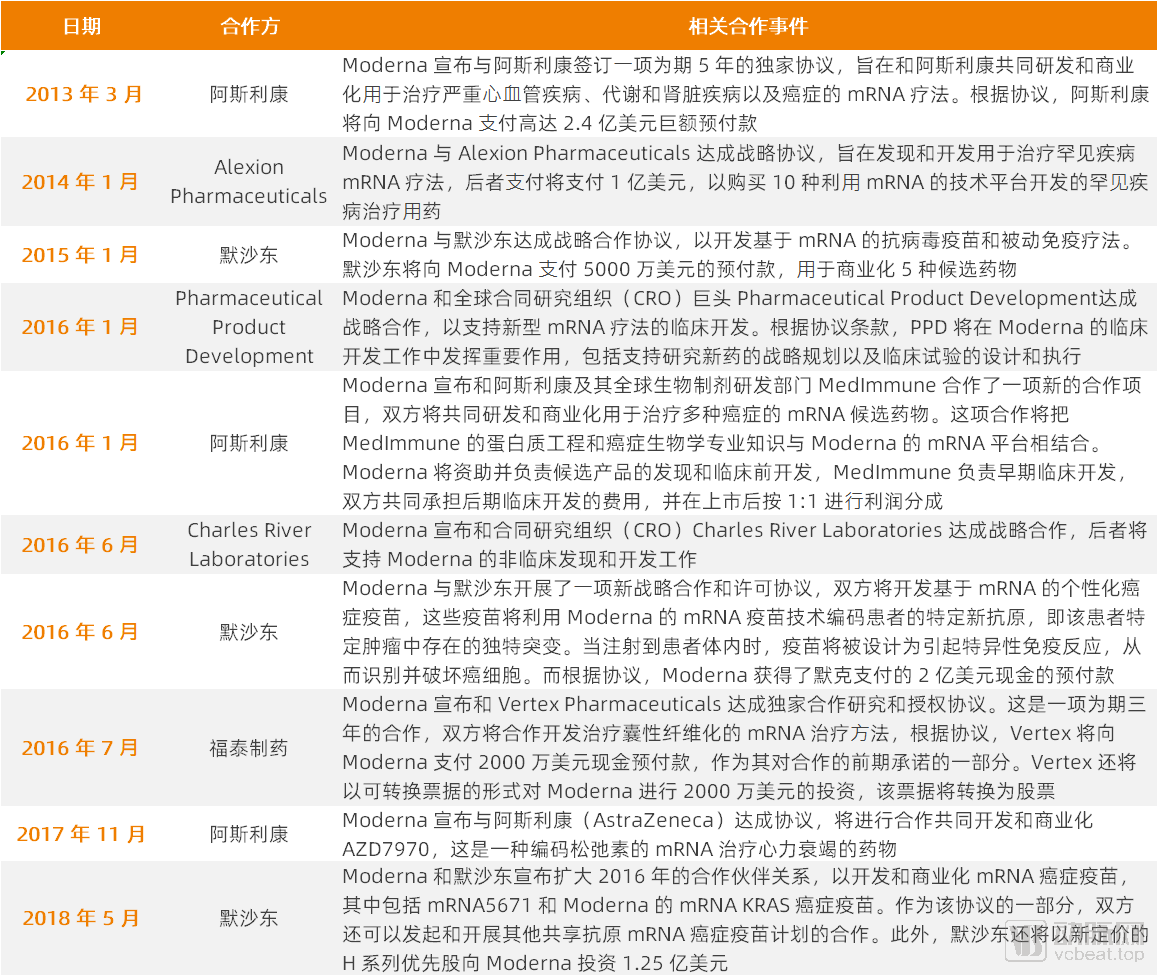
Moderna’s Major External Collaborations (Limited to Strategic Partnerships with Pharmaceutical Companies)
As can be seen from the above table,Following its official public debut, Moderna actively established strategic partnerships with pharmaceutical industry leaders such as Merck & Co., AstraZeneca, Vertex Pharmaceuticals, and Pharmaceutical Product Development (PPD), to advance the deployment of its mRNA technology across various disease areas.By partnering with major pharmaceutical companies, Moderna has secured substantial funding and technical talent to support multi-disciplinary research and advancement of its pipeline.
In addition to actively collaborating with pharmaceutical giants,Moderna has also actively established strategic collaborations with leading academic and research institutions, which to some extent complement the discovery and development efforts of its industry strategic partners.
In October 2014, Moderna entered into a long-term strategic collaboration with the Karolinska Institutet (KI) and Karolinska University Hospital (KUH) to discover and develop innovative drugs using Moderna’s messenger RNA (mRNA) therapeutics technology. Furthermore, to strengthen scientific and clinical cooperation between the parties and optimize the outputs of this pivotal partnership, Moderna established a new laboratory in Stockholm, Sweden.
The Pasteur Institute (Institut Pasteur) is another academic research partner of Moderna. In January 2015, the two parties established a long-term strategic partnership aimed at identifying and developing new methods to combat known and emerging viral and bacterial diseases.
In January 2017, Moderna announced its participation in the Human Vaccine Project to help enhance understanding of the human immune system and accelerate the development of vaccines and immunotherapies for major infectious diseases and cancer.
Moderna's Strategic Partner
For early-stage biotechnology startups, high and sustained R&D expenditures keep costs elevated, while their drug candidates remain some distance from regulatory approval and market launch. This relative scarcity of capital and talent can, to a certain extent, hinder the company’s growth trajectory. In this context, actively pursuing collaborative R&D partnerships with large pharmaceutical companies and strengthening ties with leading academic research institutions may well offer a viable solution.
In fully leveraging the advantages of the current era, Moderna serves as a benchmark for others to emulate. By riding the wave of the times and comprehensively embracing digitalization, it has enhanced its internal R&D and management efficiency.
Leveraging cloud computing, Moderna can develop various algorithms for designing each mRNA sequence. Moderna’s drug design studio enables the rapid completion of multiple mRNA designs:When research teams seek to obtain mRNA for specific proteins, Moderna’s proprietary technology platform can design mRNA for research and testing within days.

Moderna’s sequence designer module can continuously train and optimize its algorithms based on ever-evolving proprietary knowledge, enabling efficient customization of the entire mRNA sequence—from the 5′-UTR through the coding region to the 3′-UTR.
The company’s research engine combines proprietary digital drug design tools with highly automated manufacturing facilities, enabling Moderna and its strategic partners to rapidly advance mRNA therapeutics from concept nomination to candidate development throughout the research phase.
Leveraging digital technologies, Moderna’s high-throughput mRNA preclinical manufacturing facility will manage the production of mRNA constructs and complete delivery within weeks.
Moderna CEO Stéphane Bancel stated in a public interview that,“We are, in essence, a technology company that has been fortunate enough to apply our technical expertise to solve a biological problem.”
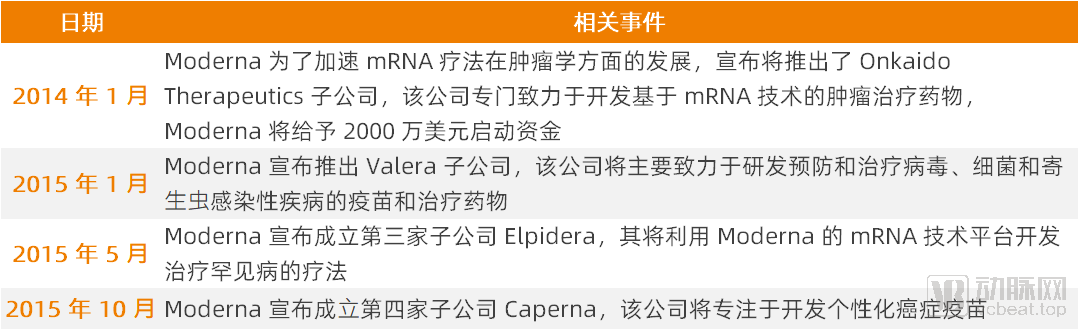
With abundant capital and a wealth of talent, Moderna is fully leveraging next-generation digital technologies to make significant strides in the mRNA field. The company has established numerous subsidiaries and is intensively building its research pipeline across multiple disease areas to secure a first-mover advantage in the market.
Among mRNA pharmaceutical companies, Moderna is one of the enterprises with the most extensive research pipeline:Across multiple disease areas, including infectious diseases, oncology, rare diseases, cardiovascular diseases, and autoimmune diseases, Moderna has 23 mRNA development candidates, 12 of which have entered clinical trials. The company’s COVID-19 vaccine has been launched on the market.
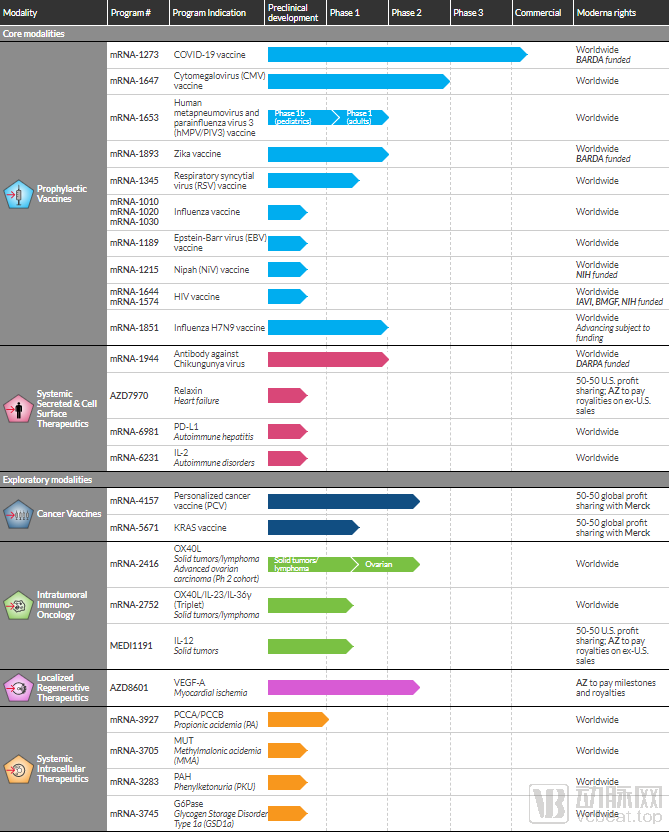
Overview of Moderna’s Pipeline (Image source: Moderna official website)
Due to the sudden outbreak of the COVID-19 pandemic, most of Moderna’s research pipeline was put on hold, with all resources prioritized for the development of COVID-19 vaccines. Leveraging its significant advantage in development speed, mRNA vaccines shone brightly during the pandemic, enabling Moderna to successfully break into the mainstream and gain widespread recognition among people worldwide.
Amid the COVID-19 pandemic sweeping across the globe,Moderna completed the sequence design and manufacturing of its COVID-19 vaccine in 25 days; achieved the milestone from vaccine sequence design to dosing of the first subject in 63 days; and submitted its FDA filing in approximately 322 days.Shattering one “impossible” after another.
From its quiet “birth” in 2012 to its low-profile “emergence” in 2018, followed by its high-profile IPO “debut” and its widespread “breakout” during the 2020 COVID-19 pandemic,Moderna completed its spectacular transformation into a company with a market capitalization of over 100 billion yuan in just ten years, writing another legend akin to that of Genentech.It is another exemplary company in the life sciences sector worthy of emulation.
Nowadays, mRNA therapeutics in China are also beginning to develop. A large number of returning talents have launched startups with their technologies and resources, forming a unique small nucleic acid industry cluster. Over the past decade, policies have gradually been relaxed and actively promoted, capital has increasingly converged, and acceptance of new technologies has continued to rise. In this favorable environment, domestic mRNA companies have begun to make steady progress.
In May 2020, the globally renowned venture capital data firm CB Insights released its inaugural ranking of Chinese mRNA companies:Eight Chinese mRNA companies made the list: Abogen Biosciences, Sinocelltech, Zhongmei Ruikang, Stemirna Therapeutics, Ribo Life Science, Shengxin Biology, GenePharma, and RiboBio.
With the exception of Gemagene, which is listed on the National Equities Exchange and Quotations (NEEQ), all other companies remain unlisted. According to disclosed public information: Ribo Life Science and StemRNA have each undergone four rounds of financing; Sinotech has completed three rounds of financing; Abogen Biosciences and Ribobio have each completed one round of equity financing; while Zhongmei Ruikang and Shenyuan Bio have not publicly disclosed their financing information.
Among these mRNA companies, Abogen Biosciences has formed a strategic partnership with Walvax Biotechnology, while SteadyMed Therapeutics has entered into a strategic alliance with Tibet Rhodiola Pharmaceutical Holding Co., Ltd., to jointly develop mRNA vaccines.
By tracing the growth trajectory of Moderna, the industry unicorn, we find that its success follows a discernible pattern and is not impossible to replicate. Among the eight companies—Abogen Biosciences, Shengnuo Biopharm, Zhongmei Ruikang, Stermirna Therapeutics, Ribo Life Science, Sinoright Biotech, Genepharma, and Ribobio—or other mRNA enterprises, will the next Moderna emerge?
This article aims to provide some food for thought for readers interested in the field of mRNA technology.