

Medly Pharmacy Appoints New Chief Strategy Officer Following $100M Funding Round and Files IPO Prospectus

Volition Capital
Growth Equity Firm

Medly Pharmacy
Digital Pharmacy Platform

Horsley Bridge
Private Equity Investment Firms
This February, the popular digital pharmacy Medly Pharmacy (hereinafter referred to as “Medly”) welcomed its new Chief Strategy Officer, Raymond McCall. This comes just six months after it closed its $100 million Series B financing round last July.
What has earned this traditional pharmacy disruptor, founded in New York in 2017, such favor? With the appointment of a new Chief Strategy Officer, what moves will Medly make next? What challenges will they continue to face?
Financing: The Time Is Right for Digital Pharmacies
From the perspective of U.S. investment and financing, digital pharmacies are in high demand.
In September 2019, Capsule, a New York-based prescription drug delivery startup, raised $200 million in Series C funding. In early 2020, its West Coast competitor, Alto Pharmacy, also secured $250 million in Series D funding from investors including SoftBank Vision Fund 2.
Also in 2020, online pharmacy NowRx closed a $20 million Series B financing round in July to expand its same-day prescription delivery service; in September, digital pharmacy Truepill completed a $75 million Series C financing round to broaden the scope of its telehealth and medication delivery platform services.
Looking further back, Amazon also acquired the virtual pharmacy PillPack for $753 million in 2018.
An analysis of investment and financing in the U.S. digital pharmacy sector reveals a preference for Series B and C rounds, with substantial capital amounts involved. In fact, if the scope is expanded to North America by including two investments from Canada’s digital pharmacy sector, the contrast may become even more pronounced:
In July 2020, the online pharmacy Mednow.ca completed a $6.5 million seed financing round, led by Gravitas Securities; in the same month, the digital pharmacy platform Medzy.ca secured $2 million in funding. Both financing amounts were below the $10 million mark and occurred at relatively early stages.
Back to the main topic, against the backdrop of widespread financing in the digital pharmacy sector, Medly, which has been dedicated to building a digital pharmacy since 2017, was viewed favorably by the market, making its successful fundraising appear all but inevitable.
In June 2019, the company secured Series A financing led by Greycroft, although the specific amount was not disclosed. The funds were primarily intended to support the expansion of its market share in the medication delivery platform sector. At the time of the funding announcement, Medly noted that its 2018 revenue had increased tenfold compared to 2017, and it projected revenues to reach hundreds of millions of dollars by 2020. Its employee count also grew from zero in 2017 to 250.
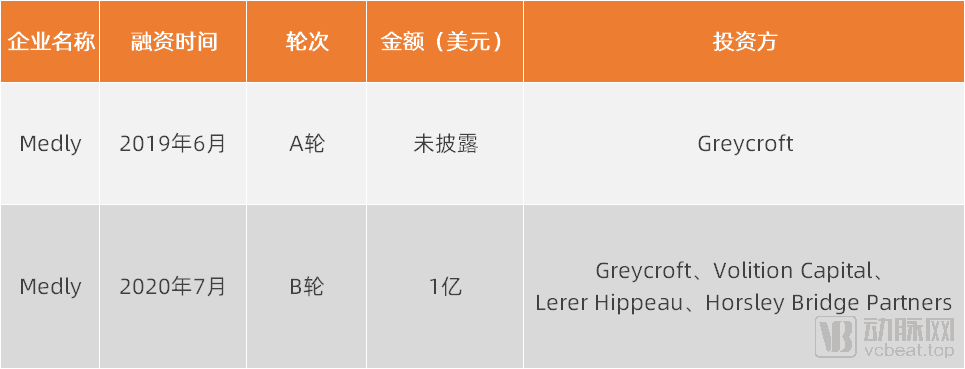
In July 2020, Medly secured $100 million in financing. The Series B round was co-led by Greycroft, the original Series A investor, and new investor Volition Capital, with participation from Lerer Hippeau and Horsley Bridge Partners (HBP). Medly stated that the funds would primarily be used to expand its platform, enter new markets, and develop new services for patients and partners, thereby enabling customers to access prescription medications more conveniently.
In fact, capital’s enthusiasm for this sector is driven by its market growth prospects. According to Zion Market Research, the global e-prescription market size could reach $107.5 billion by 2025. In addition to future market potential, patients’ heightened urgency for prescription medications during the COVID-19 pandemic has also propelled digital pharmacies into the spotlight.
The social reality facing the United States is not limited to rising premiums, escalating charges, increasingly large bills, and dwindling access to medical services. As a result, a significant number of prescriptions are being left unfilled by patients. Even when patients have sufficient funds to purchase prescribed medications, they often encounter considerable inconvenience.
Breese, co-founder and CEO of the online pharmacy NowRx, once stated that after seeking medical attention for a health issue, he received a paper prescription from his doctor. He then had to drive from the doctor’s office to a local pharmacy in town. Even at the pharmacy, he still needed to navigate various cumbersome procedures.
A large number of traditional pharmacies still have long queues because they continue to use 30-year-old technology to process prescriptions.
It is also in response to such pain points that digital pharmacies have emerged.
Business: Second-Generation Pharmacy Owner
Medly’s founders identify as second-generation pharmacy owners. In an interview, co-founder and CEO Marg Patel stated that the company was co-founded in June 2017. However, the industry is not new to him; his family has been involved in the pharmaceutical sector since the 1980s. His father is now a retired pharmacist.
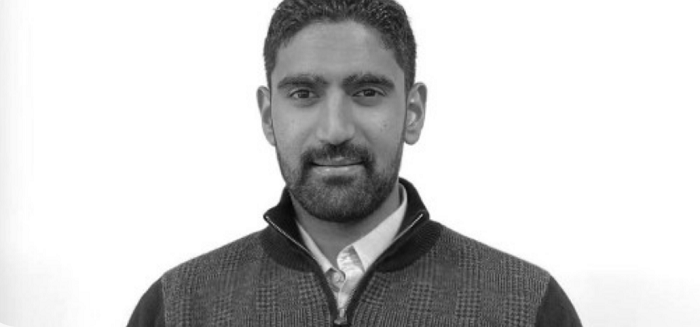
Medly CEO Marg Patel
Marg Patel stated in an interview that he is a licensed physician. Through his professional practice, he has gained profound insights into the healthcare industry. “The most obvious fact before us is that patients need a more seamless process to manage their prescriptions.” The growth in Medly’s patient user base is attributed by him to the company’s greater focus on patient experience rather than on advertising and marketing.
In fact, Medly’s leadership team maintains close ties with the industry.
CEO Marg Patel, who graduated from New York University in 2017, served as President at LiRx from 2012 to 2016, accumulating extensive pharmacy industry experience. His brother, Sahaj Patel, serves as Co-Founder and Executive Chairman.
Chirag Kulkarni, Co-founder and Chief Marketing Officer, is a graduate of Northeastern University in the United States, which was founded in 1898. He has authored numerous works on corporate operations. In 2015, he co-founded Insightfully, where the team developed a SaaS product designed to streamline relationship and transaction processes for micro-networks, including venture capital firms, private equity firms, consulting agencies, and micro-communities. This experience has enabled him to accumulate extensive expertise in both the venture capital and pharmaceutical industries.
Shortly after securing financing, Medly welcomed new executives in September, including Chief Financial Officer Robert Horowitz and Chief Technology Officer Prasad Pola. The former, who previously served as Vice President of Finance at QuIP, brings extensive experience in fundraising and will focus on identifying new market growth opportunities for Medly. The latter has substantial experience leading product and technology teams and previously served as Chief Technology Officer at Plated.
Another key figure is undoubtedly Raymond McCall, Chief Strategy Officer, who joined Medly in February this year. A graduate of the University of Louisiana at Monroe, he has 30 years of experience in the pharmaceutical industry.
Raymond McCall served as an Independent Pharmacy Manager at Albertsons from 1999 to 2004, where he achieved multifold growth in sales revenue. From 2005 to 2006, he worked as a District Pharmacy Manager at CVS Pharmacy, a leading pharmacy chain, overseeing the management of up to 18 acquired pharmacies. Between 2006 and 2011, he joined Albertsons Companies, taking charge of sales expansion, cost control, corporate training, and development. Within 15 months, he reduced the company’s inventory by half; furthermore, he facilitated the transition from the DOS system to the DSD system within six months, saving the company $3.5 million in budget during this process.
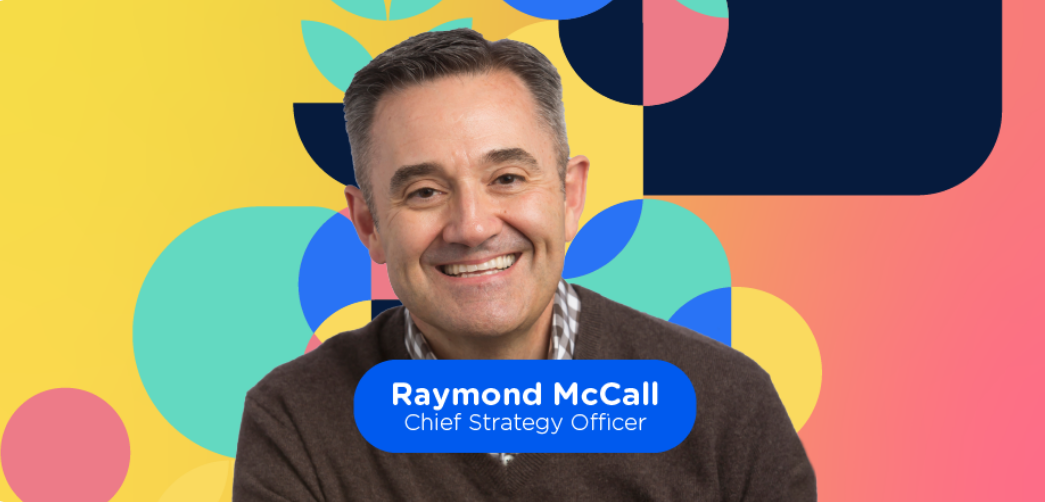
From 2011 to 2017, he served as Senior Vice President at Ahold Delhaize. He was recruited by the company to lead business restructuring, with a primary focus on pharmaceuticals, health, and beauty sectors. During this period, he spearheaded the upgrade of pharmacy management and dispensing systems across more than 600 stores. Additionally, he launched a high-margin global beauty brand strategy that leveraged existing pharmacy chain brands to drive rapid revenue growth. According to him, this beauty brand strategy is currently projected to achieve annual sales of $20 million.
Medly officially announced his appointment in February, likely recognizing his industry insights. However, LinkedIn indicates that he may have joined Medly as early as January. His arrival appears to introduce new variables for Medly—he stated that he would drive the company’s strategic planning and expand its operations to 25 cities within the next 18 months.
In addition, as Chief Strategy Officer, he will continue to build relationships with external partners, including health insurance plans, MCOs, HMOs, pharmaceutical manufacturers, hospitals and health systems, telehealth companies, and B2B digital health collaborators.
The future development of Medly will, barring any unforeseen circumstances, be closely tied to the decisions of its Chief Strategy Officer. Currently, a vague outline has already emerged from the Chief Strategy Officer’s descriptions.
Business: Digital Prescription Drug Management and Distribution
How the future will unfold has, in fact, already been foreshadowed today. As Medly’s official website has undergone a redesign (with the earliest news archives dating back only to July 2020), the information it provides is incomplete. External media coverage has focused more on its two rounds of financing. Nevertheless, the author has compiled the available data as comprehensively as possible, broadly dividing it into three parts:
1. Internet-Famous Pharmacies
To better cater to Gen Z consumers, Medly has placed significant emphasis on shaping its brand image.
Online, Medly has revamped its website and app interface. Mark Vatsel, Creative Director at UNIT9, which participated in Medly’s interface redesign, stated that they reshaped its brand identity and redesigned its website, among other assets. He noted that they helped Medly craft a new brand image centered on two core elements: being human-centric and digital-first. The website was redesigned to feature flexible illustrations and smoother forms.
To reflect how Medly is leveraging digital technology to revolutionize the healthcare industry, highlighting its boldness, thoughtfulness, and forward-thinking approach, UNIT9 selected a vibrant color palette for its brand identity. Through this refreshed image, Medly conveys its friendliness and ease of use. Mark Vatsel stated, “We ensured that in every aspect of the customer experience, people trust and understand Medly’s mission as a five-star pharmacy: to improve the retail pharmacy experience.”
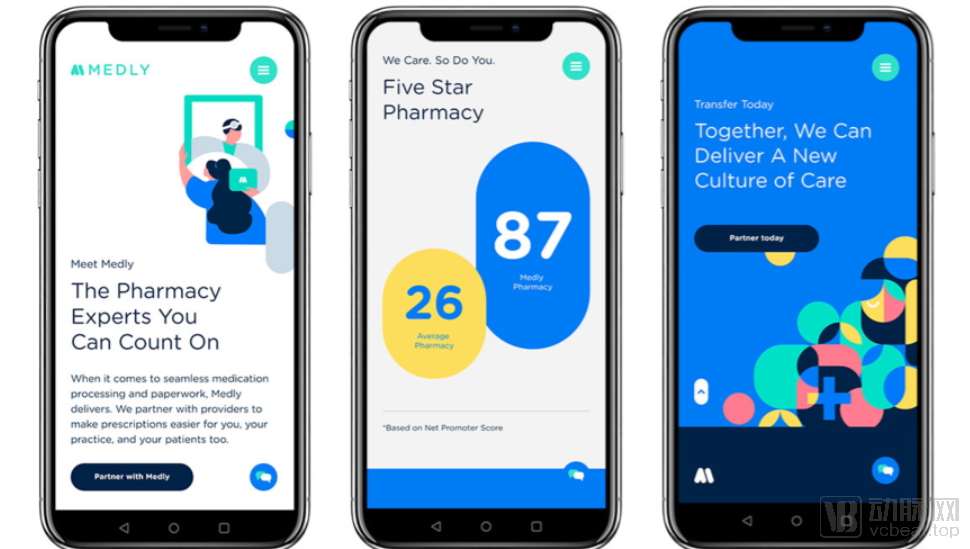
Medly App Illustration
Offline, it is impossible not to mention the pharmacy design that has been widely discussed by outsiders. Medly itself operates physical pharmacies; its location in Brooklyn was designed and built by Studio Sergio Mannino in 2018. The original intention behind establishing these brick-and-mortar pharmacies was to serve individuals with limited mobility or those who prefer the traditional experience of purchasing medications at a pharmacy.
However, Medly also stands out in the design of its brick-and-mortar pharmacies. Its overall aesthetic is fresh and understated. The use of light green as the primary color, combined with geometric tiles and polished concrete counters, gives the pharmacy a distinctive and engaging look. Compared to traditional pharmacies, Medly has designed a more comfortable waiting area. This space is also shielded from the hustle and bustle of city streets. Additionally, the pharmacy layout provides ample room for staff to manage prescriptions and other tasks efficiently.
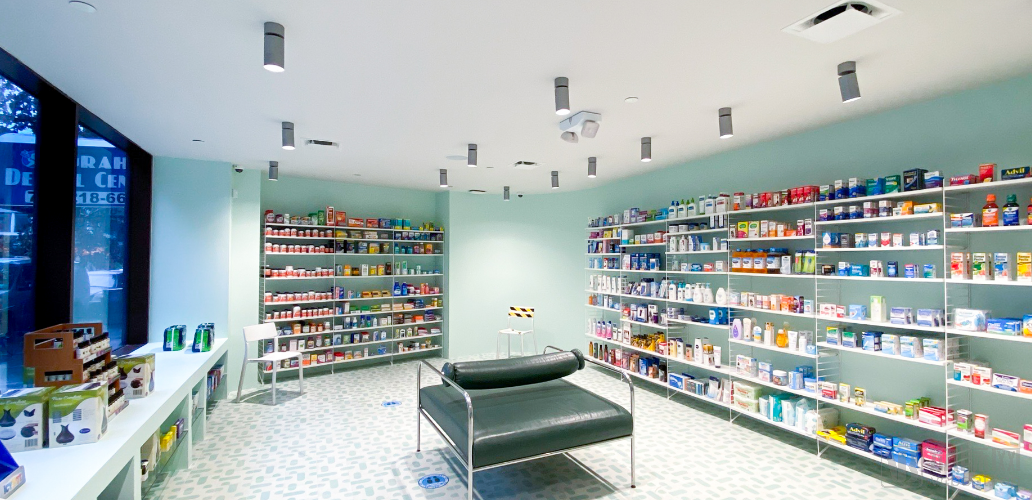
Medly Pharmacy in the Brooklyn Area
Traditional pharmacies typically feature expansive spaces that often create distance between people. In contrast, Medly takes the opposite approach, fostering closer connections between consumers and staff, thereby making the healthcare service environment feel warmer and more comfortable.
2. Business Status
Medly began opening its own offline pharmacies in 2017. After establishing its first brick-and-mortar pharmacy in Brooklyn that year, Medly embarked on a nationwide expansion across China. This accelerated growth is likely closely tied to the surge in consumer demand during the COVID-19 pandemic and the financing round it secured last July.
In July 2020, it launched its services in the Philadelphia market, expanding its operational footprint to three states: New York, New Jersey, and Pennsylvania. Its CEO regarded the entry into the Philadelphia market as the first step in its nationwide expansion across China.
Also in July, they announced a major partnership: Medly partnered with EmblemHealth, one of the largest nonprofit health insurers in the United States, to provide prescription and medication delivery services to its members. EmblemHealth alone serves 3.2 million members across New York, Long Island, and New Jersey.
In August, Medly entered the Baltimore market, marking its expansion into Maryland, its fourth state. Notably, Medly’s later offline expansion strategy primarily involved selecting existing pharmacy locations for its new stores, which likely helped it better capture offline foot traffic. In the same month, Medly expanded into Miami, Florida, its fifth state.
At a time when the pandemic situation could not be underestimated, Medly also partnered with EmblemHealth to offer free or low-cost vaccination programs to audiences in the Brooklyn area. In December, Medly’s headquarters in Brooklyn saw new developments, relocating to a new three-story, 30,000-square-foot space.
In January this year, Medly embarked on a new round of expansion by entering Raleigh, North Carolina. For Medly, the Raleigh market serves as a fresh springboard to demonstrate its capacity to serve 75,000 patients.
Another metric may well illustrate its progress: in its review of 2020, Medly reported that its revenue had grown one hundredfold compared with 2017. Its customer satisfaction Net Promoter Score (NPS) was 88—on a scale from -100 to 100, the NPS measures customer loyalty to a company—4.5 times higher than that of an average pharmacy. Patients saved $7.2 million by using Medly.
3. Business Model
Medly’s digital pharmacy is not content with merely relying on patients to proactively purchase medications. Although its same-day free medication delivery service is widely recognized, Medly is in fact expanding its online prescription management capabilities. Patients need not worry about their medication regimens, as Medly provides prescription renewal reminders, particularly for those with chronic conditions. Medly also offers various packaging options to help patients adhere to their medication schedules.
The process for patients to obtain medications from Medly is as follows: During a medical consultation, patients can request their physician to send the prescription directly to Medly Pharmacy, or they can complete a form to have their prescription transferred to Medly Pharmacy for delivery. If patients have a paper prescription, they may either take it directly to a nearby pharmacy to obtain their medication or use the Medly mobile app to upload a photo of the prescription and wait for home delivery. Upon delivery, patients are required to present valid identification for verification.
Medly addresses not only the issue of long queues at traditional pharmacies but also strives to resolve challenges related to insurance payments. Previously, patients required prior authorization from their insurance providers to obtain specialty medications. Before insurers approved the prescription, physicians had to submit additional clinical information, such as blood test results, specific diagnostic test outcomes, and records of other medication trials attempted for the patient. This authorization process was often lengthy. Medly assists patients by handling the paperwork associated with prior authorizations, thereby alleviating their burden. Meanwhile, Medly accepts most major insurance plans, providing patients with greater peace of mind.
For suppliers, Medly can improve patient adherence by proactively replenishing medications. Meanwhile, it provides comprehensive services to patients through professional support, including addressing issues such as medication side effects. Furthermore, Medly leverages technology and data to generate insights, which constitute a key part of its value proposition.
In fact, Medly has not yet clearly disclosed its profit model to the public. However, when expanding into the Baltimore market, Medly stated that it collaborates with insurers to identify appropriate co-payments (the portion of medical costs patients pay out-of-pocket at the time of service; generally, higher premiums correlate with lower co-payments) and leverages pharmaceutical manufacturers’ discount programs to deliver greater savings to patients.
From this perspective, Medly likely continues to adopt a model that serves patients by providing them with affordable medications while collaborating with business clients and charging fees to these B-side partners. In this context, it is worth briefly mentioning the publicly listed company GoodRx, which helps patients with prescription drug needs find the most affordable prices. By partnering with upstream supply chain stakeholders, GoodRx charges fees to Pharmacy Benefit Managers (PBMs). Additionally, through its paid membership services, GoodRx enables patients to access medications at lower costs.
Within this value chain, there are arguably two critical components: same-day free delivery and access to low-cost medications. Medly’s strategy of establishing physical stores means its offline reach remains quite limited. Meanwhile, the online free delivery model entails significant cost expenditures. In contrast, GoodRx leverages third-party pharmacies to achieve a broader service radius. Consequently, Medly has faced frequent criticism for its inability to offer same-day delivery.
Whether Medly Pharmacy can continue to capitalize on the online traffic dividends it gained during the COVID-19 pandemic may ultimately determine how far it can go.
References:
1. Medly Official Website;
2. “NowRx, Medly Pharmacy land new funding as demand for digital pharmacies grows,” by Heather Landi, published on fiercehealthcare, July 2020;
3. “Dr. Marg Patel of Medly Pharmacy: 5 Things I Wish Someone Told Me Before I Became a CEO,” by Authority Magazine, published on Medium, November 2020;
4. The FWA website: Designers discuss the design philosophy and evolution of the Medly website;
5. ArchDaily website: Design proposal and outcome showcase for Medly Pharmacy’s Brooklyn store in 2018;
6. LinkedIn website: educational backgrounds and professional experiences of Medly’s key executives.