

Liaoning's First Doctor Group Files IPO: A Light-Asset Model Empowering Grassroots Hospitals with Over 100 Specialists
As an increasing number of physicians recognize and awaken to their self-worth, a significant number are leaving the public healthcare system. Since 2016, physician groups have experienced explosive growth. Against this backdrop, in 2018, Liaoning Huijian Shangyi Women’s, Children’s, and Oncology Physician Group, the first physician group in Liaoning Province, was officially established.
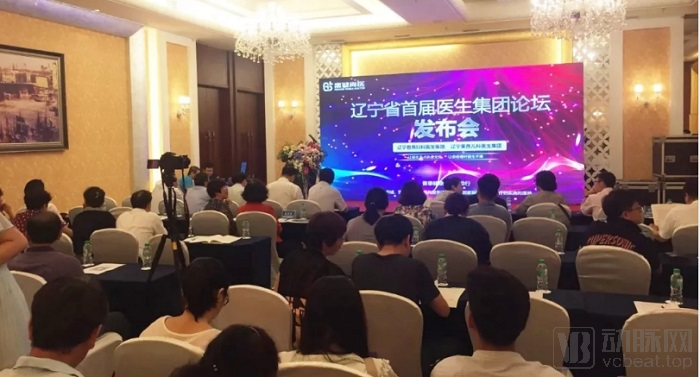
What insights and lessons can this three-year-old physician group offer us in the exploration of business models for physician groups?
How Did Liaoning’s First Physician Group Come into Being?
Li Xiuqin, founder of the Huijian Shangyi Gynecology and Oncology Physician Group, is a nationally renowned expert in gynecologic oncology and currently serves as Director of the Gynecologic Oncology Ward at Shengjing Hospital of China Medical University. Her decision to establish a physician group was motivated not only by national healthcare reform policies but, more importantly, by her desire to address the difficulties faced by grassroots patients in accessing medical care, as observed during her 35 years of clinical practice.
In 2018, only 14 provinces across China had opened up commercial registration for physician groups. Despite numerous challenges, and with the support of Song Liangwei, then Deputy Director of the Liaoning Provincial Health Commission; Ji Liqun, Director of the System Reform Division; and the Shenfu New City Administration for Industry and Commerce, it registered Liaoning’s first physician group—the Liaoning Huijian Shangyi Women, Children, and Oncology Physician Group.
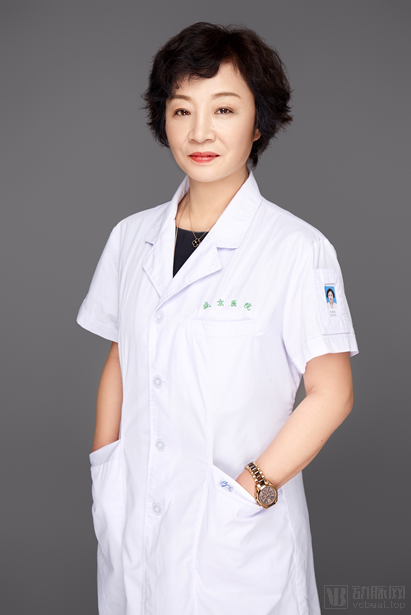
Li Xiuqin, Founder of Huijian Shangyi Women's and Children's Oncology Physician Group
For her, physician groups are far more than just platforms enabling physicians to practice at multiple sites; they are a crucial measure for alleviating the public’s difficulty in accessing medical care, easing tensions in doctor-patient relationships, and promoting the implementation of tiered diagnosis and treatment. Although hospitals in China are classified into different tiers, in practice, patients often flock to top-tier hospitals in pursuit of the best medical resources. This has led to a shortage of patients at primary-care hospitals, resulting in limited clinical experience for their physicians and ultimately creating a vicious cycle: tertiary hospitals are overcrowded, while smaller hospitals remain nearly empty. Moreover, even at Grade A tertiary hospitals, patients do not necessarily receive timely and accurate diagnosis and treatment.
Statistical data show that, on average, each patient at tertiary hospitals needs to register for 2.6 appointments before seeing the appropriate specialist, with some patients suffering from rare or complex conditions even needing to visit three to four different departments. Patients not only spend considerable time waiting for treatment but also risk missing the optimal window for intervention, which can lead to doctor–patient disputes.
In her view, doctor-patient disputes largely stem from a crisis of trust between doctors and patients. On one hand, current medical quality needs improvement; on the other hand, under a management system that prioritizes economic benefits, some physicians have deviated from their original professional ethos. Furthermore, excessive media coverage of doctor-patient conflicts has further exacerbated tensions in the doctor-patient relationship.
Director Li Xiuqin established a physician group with the goal of “enabling physicians to practice at multiple sites without concern, making it easier for patients to access quality physicians, and allowing grassroots patients to enjoy tertiary hospital-level medical services close to home.”
Director Li Xiuqin candidly stated that the physician group has struggled in its three years of operation due to entrenched mindsets among grassroots managers, policy mismatches, and distrust stemming from dissatisfaction with previous collaborations between hospitals and third-party entities.
As an expert with no management background and no established models to follow, she had to explore and learn everything on her own. Having navigated numerous pitfalls and incurred significant costs, the venture remains in a loss-making position. Nevertheless, Professor Li Xiuqin firmly believes that multi-site practice platforms for physicians are a key solution to the shortage of high-quality medical resources in primary care hospitals. She is convinced that by dedicating herself to delivering excellent service and continuously refining service offerings, these platforms will ultimately gain widespread recognition among primary care institutions.
Asset-Light Operations: Empowering the Development of Departments in Primary Care Hospitals
Upholding the original entrepreneurial spirit, Director Li Xiuqin is dedicated to establishing a physician group that provides a multi-site practice platform for physicians within the public healthcare system. By integrating and managing expert resources from tertiary hospitals, the group helps enhance the diagnostic and treatment capabilities of primary care hospitals and build specialized medical centers. It provides standardized clinical techniques and discipline management, with the overarching goal of improving the overall diagnostic and treatment capacity of primary care institutions and promoting the flow and sharing of high-quality medical resources.
In addition, it offers convenient diagnostic and treatment services, including expert-exclusive surgical procedures, second-opinion consultations, and multidisciplinary team (MDT) consultations for complex cases. When patients at partnered primary-care hospitals present with difficult or complicated conditions, the platform provides them with a green-channel referral system to tertiary Grade A hospitals, thereby sparing patients the hardship of repeated queuing and facilitating the implementation of tiered diagnosis and treatment.
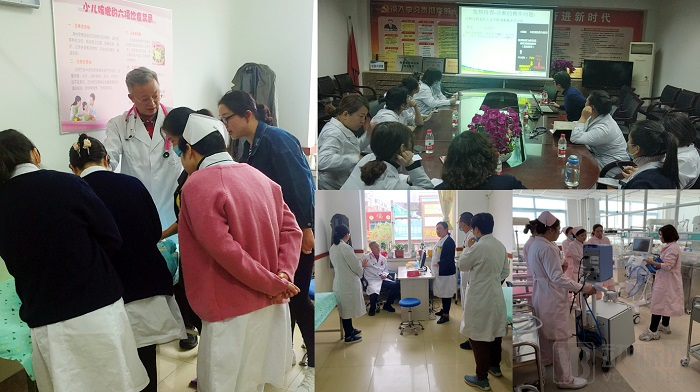
Huijian Shangyi Women’s and Children’s Oncology Physician Group has adopted an asset-light operational model. With a replicable business model already in place, the group currently operates solely in Liaoning Province, with plans to expand into the other two provinces of Northeast China. In the next three to five years, it may also consider establishing asset-heavy physical healthcare institutions.
Supporting grassroots healthcare institutions in enhancing diagnostic and treatment capabilities to facilitate the implementation of tiered diagnosis and treatment
Huijian Shangyi Physician Group has visited and surveyed 124 primary-care hospitals and 256 departments. The survey results indicate that primary-care hospitals generally suffer from a shortage of physicians, particularly pediatricians. Primary-care gynecology departments are especially lacking in technical expertise. To address these issues, it is common practice for specialists from large tertiary hospitals to perform “fly-in” surgeries at these facilities. While this approach has, to some extent, mitigated the deficit in specialized technical skills at the primary-care level, it entails numerous medical and administrative risks.
Multi-site practice platforms for physicians can organize visiting specialists into a special-needs supply service model, providing scheduled and regular premium services. When patients at partner primary-care hospitals present with complex or refractory conditions, the platform also provides them with expedited referral channels to tertiary (Grade 3A) hospitals, sparing patients the burden of repeated queuing and truly advancing the implementation of tiered diagnosis and treatment.
Through comprehensive assessment, experts from Huijian Shangyi Physician Group develop individualized support plans tailored to the current status of departments in primary-care hospitals. By addressing fundamental medical knowledge and skills, strict adherence to clinical standards, departmental diagnostic and treatment protocols, institutional regulations, and staff-wide training, they can build a medical specialty from scratch within one year.
Currently, it collaborates with five hospitals across seven departments (four pediatric departments, two gynecology departments, and one gynecologic oncology department). In Liaoning Province, its collaboration with the Neonatology Department of Donggang Central Hospital began with facility layout planning and foundational training for doctors and nurses with no prior specialized experience. It progressively assisted the hospital in implementing basic renovations and introducing new equipment, while providing healthcare professionals with comprehensive theoretical and hands-on practical training.
The department was officially launched at the end of 2019, filling a gap in local neonatal specialty care. Within one year, it has admitted more than 140 newborns. Given the evident early successes, both parties also plan to collaborate on the development of other departments in the future.
Physician Groups Help Experts Build Personal Brands (IP)
To encourage the circulation of high-quality medical resources, the state has introduced a series of policies to incentivize physicians to establish private practices and engage in multi-site practice. However, due to the lack of personal brand recognition, many physicians are hesitant to leave the public healthcare system. Multi-site practice platforms address these concerns by enabling physicians to focus on their clinical work with peace of mind. These platforms provide medical malpractice insurance and assign dedicated operational staff to coordinate diagnostic and treatment services, among other support measures.
Over the past three years, Huijian Shangyi Physician Group has continuously refined its organizational structure and strengthened its talent team. Currently, it has contracted 35 pediatric specialists, 30 gynecological specialists, and 38 oncology specialists, all of whom are from major provincial Grade A tertiary hospitals.
When experts perform surgeries at primary healthcare institutions, they conduct ward rounds and provide theoretical and technical guidance, imparting their knowledge and experience to more primary-care physicians. This serves as both a demonstration of their expertise and a form of self-promotion, enabling them not only to earn respectable, transparent income but also to establish channels for building their personal brand.
Building on this foundation, Huijian Shangyi also provides physicians with training in brand promotion, personal branding, and the utilization of various micro-media and self-media platforms for publicity, thereby helping experts establish brand influence. Ultimately, this approach aims to enhance patient word-of-mouth for individual doctors while strengthening the overall competitiveness of the physician group.