

Prospectus of Triastek: Revolutionizing Pharmaceutical Manufacturing through 3D Printing Technology
Text/Photo by DaoTong Capital
Drug development and manufacturing is a rigorous and protracted process, characterized by slow technological advancement and iteration. This is particularly true for solid dosage forms, which account for half of the pharmaceutical market and have seen no disruptive technologies for over a century. In 2015, the world’s first 3D-printed drug received approval from the U.S. FDA for market launch, marking the formal entry of 3D printing—an emerging technology—into the realm of drug development and manufacturing, along with regulatory endorsement. Triastek, an innovative Chinese pharmaceutical technology company, has leveraged 3D printing principles to develop MED 3D Printing, a novel formulation development and manufacturing technology broadly applicable to solid dosage forms. This innovation enables programmable control of drug release, digitalization of formulation development, and continuous, intelligent drug production, resulting in faster formulation development, superior therapeutic efficacy, and enhanced production quality. Through the collective efforts of global pharmaceutical innovators, the curtain is rising on the Industry 4.0 era for the traditional pharmaceutical industry, heralding the advent of a new age of intelligent pharmaceutical manufacturing.
Three-Dimensional Printing (3DP), also known as Additive Manufacturing (AM), traces its conceptual origins to late 19th-century American techniques in photographic sculpture and topographic modeling. However, it did not take shape until the late 1980s, when it was developed by the Massachusetts Institute of Technology (MIT). 3DP technology creates three-dimensional digital models based on Computer-Aided Design (CAD) or Computed Tomography (CT) data. Under computer program control, it employs a "layer-by-layer printing and stacking" approach, accumulating bondable materials such as metals, polymers, and slurries to rapidly and precisely fabricate objects with specialized external shapes or complex internal structures.
3D printing technology has been widely applied in fields such as mechanical manufacturing, aerospace, construction engineering, medical engineering, and jewelry. According to the classification standards of the ASTM International Technical Committee F42 on Additive Manufacturing Technologies (American Society for Testing and Materials, ASTM), 3D printing technologies can be categorized into seven types: Material Extrusion, Binder Jetting, Material Jetting, Powder Bed Fusion, VAT Photopolymerization, Directed Energy Deposition, and Sheet Lamination.
3D printing of pharmaceuticals is an emerging technological field in recent years. In June 1996, Professor Michael Cima from the Massachusetts Institute of Technology (MIT) first reported that powder binding 3D printing technology could be applied to pharmaceutical manufacturing. Since then, compared with traditional formulation technologies, 3D printing has attracted numerous pharmaceutical companies and research institutions to explore its applications due to its advantages in product design complexity, personalized dosing, and on-demand manufacturing. Among these, five types of 3D printing technologies—Material Extrusion, Binder Jetting, Material Jetting, Powder Bed Fusion, and VAT Photopolymerization—have been attempted for use in pharmaceutical production. Table 1 below summarizes the characteristics and applicable drug dosage forms of these five categories of 3D printing technologies, while Figure 1 illustrates the principles of some techniques within these five classifications.
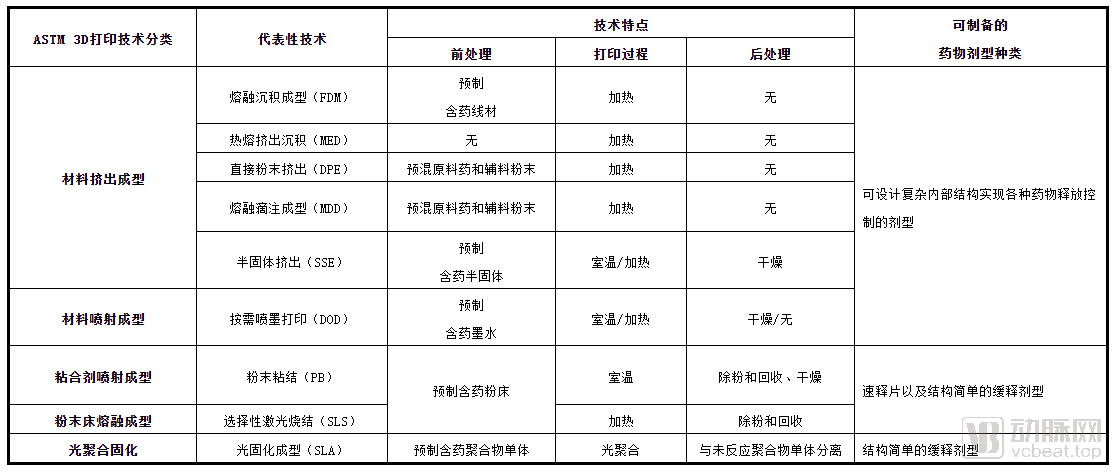
Table 1 Characteristics and Dosage Forms of 3D-Printed Drug Technologies
[Note] Full English names and abbreviations of 3D printing technologies for pharmaceuticals: Fused Deposition Modeling (FDM), Melt Extrusion Deposition (MED), Direct Powder Extrusion (DPE), Melt Drop Deposition (MDD), Semi-Solid Extrusion (SSE), Drop-on-Demand (DOD), Powder Binding (PB), Selective Laser Sintering (SLS), Stereolithography (SLA)
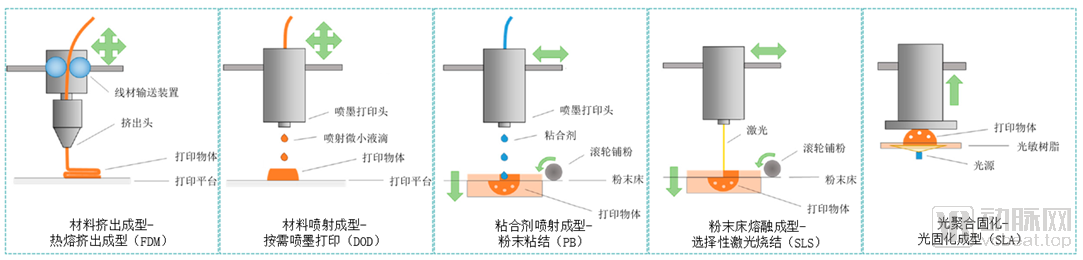
Figure 1. Schematic diagram of the principles of selected 3D printing technologies used in pharmaceutical manufacturing
2.1 Material Extrusion Molding
Benefiting from superior microscale control and spatial design capabilities, material extrusion technology enables precise control over drug release by fabricating complex geometries and internal three-dimensional structures.
As one of the most widely used 3D printing technologies, fused deposition modeling (FDM) has been extensively applied in research on 3D-printed pharmaceuticals due to its advantages such as low equipment cost and operational flexibility; however, it also exhibits numerous drawbacks.
(1) Limited selection of materials. FDM 3D printing requires the prior preparation of drug-loaded filaments, which must possess appropriate mechanical strength and elasticity to prevent bending or breakage under pressure during feeding through the gear-driven extrusion system of the FDM printer, thereby compromising print quality and precision. The secondary heating and extrusion process may also lead to material degradation and alterations in properties. Consequently, this technology imposes significant restrictions on the selection of active pharmaceutical ingredients (APIs) and excipients, limiting its broad application in the research, development, and manufacturing of solid dosage forms.
(2) Formulation development is time-consuming and labor-intensive. Due to the limited variety of pharmaceutical excipients suitable for direct filament fabrication, plasticizers and other additives are generally required to improve the mechanical strength and elasticity of the filaments, resulting in significant time expenditure for the formulation development and optimization of drug-loaded filaments.
(3) Inability to achieve continuous and large-scale production. Since wire preparation and printing are performed in separate steps, the production process cannot be continuous. FDM also suffers from low production rates and capacity, with a maximum output of approximately 150 units per day on average, making it difficult for a single device to achieve large-scale production.
(4) Poor drug printing precision. The FDM printing error of approximately ±10% (mass deviation) is also difficult to meet the high-precision quality requirements and production stability needs of pharmaceutical formulation products.
(5) It is difficult to achieve complex internal structures of formulations using commercial FDM printers. Most commercial FDM printers are equipped with only a single print head and can process only one material at a time, whereas the design of pharmaceutical formulations often requires multiple materials to jointly construct the three-dimensional internal structure of tablets, which FDM printers struggle to accommodate. For drug dosage forms constructed from a single material, researchers can only modulate the release rate by adjusting parameters such as the printing infill density and the surface area-to-volume ratio of the tablet, making it nearly impossible to achieve complex release profiles. Alternatively, researchers may use FDM to print erodible shells with varying thicknesses or containing chambers, and then manually assemble or fill powdered, liquid, or tablet-shaped drug cores into these shells post-printing. This approach allows for preliminary conceptual studies on slightly more complex delayed-release and combination drug controlled-release systems. However, drug products fabricated via such methods offer limited flexibility in release control, and the technology is difficult to translate into actual pharmaceutical product development.
These limitations have hindered the genuine application of FDM technology in the development and commercial manufacturing of pharmaceutical formulations. As Adam Procopio, Chief Scientist of 3D-Printed Pharmaceuticals at Merck & Co., stated in his article “Opportunities and Challenges in 3D-Printed Pharmaceutical Formulations,” identifying technical solutions to address these shortcomings—including the development of a novel 3D printing technology to replace FDM—has become the next breakthrough point for the 3D-printed pharmaceutical industry.
Also based on the principle of material extrusion, three new 3D printing technologies—melt extrusion deposition (MED), direct powder extrusion (DPE), and melt dripping deposition (MDD)—have emerged to better suit pharmaceutical applications. Compared with fused deposition modeling (FDM), direct powder extrusion (DPE) and melt dripping deposition (MDD) reduce limitations in material selection by using powder feedstocks, while also avoiding the cumbersome process of developing drug-loaded filament formulations.
Direct Powder Extrusion (DPE) enables the printing of tablets using as little as 8 grams of powder, fully demonstrating the flexibility of 3D printing in on-demand production. However, both DPE and Melt Dropping Deposition (MDD) require pre-mixing of active pharmaceutical ingredients and excipients through upstream processes such as milling, crushing, or granulation, making continuous manufacturing difficult to achieve. MDD also faces challenges related to difficult cleaning and scalability for mass production.
In terms of printing precision, these two drug 3D printing technologies are comparable to Fused Deposition Modeling (FDM), with the reported quality deviations of printed drugs mostly exceeding ±10%. In contrast, Melt Extrusion Deposition (MED) technology is tailored for pharmaceutical applications based on the characteristics of polymeric pharmaceutical excipients, and the equipment is designed and developed in strict accordance with MED processing requirements from an engineering perspective.
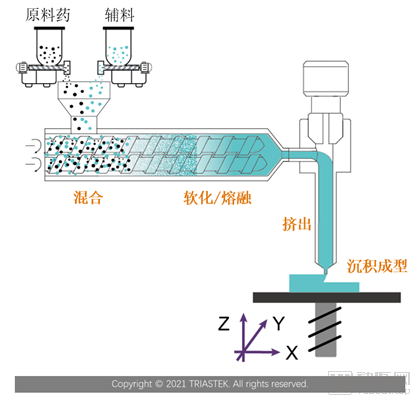
Figure 2. Schematic diagram of MED 3D printing
As shown in Figure 2, Melt Extrusion Deposition (MED) 3D printing can directly mix and melt powdered active pharmaceutical ingredients (APIs) and excipients into a flowable semi-solid state. Through a precision extrusion mechanism and accurate control of material temperature and pressure, the drug-loaded melt is extruded with high precision and printed layer by layer to fabricate pre-designed three-dimensional structured pharmaceutical formulations. The entire process eliminates the need for filament preparation and secondary heating. Furthermore, compared to Direct Powder Extrusion (DPE) and Melt Droplet Deposition (MDD), MED utilizes a mixing extrusion device that effectively integrates the mixing, melting, and conveying of API and excipient powders, thereby enabling continuous feeding and printing.
The unique precision extrusion device enables high-precision printing, controlling tablet mass deviation to within ±1%. Creative engineering techniques, such as collaborative printing from multiple print stations (each corresponding to different materials) and print head arrays, allow for the flexible construction of complex internal three-dimensional drug structures using multiple materials, as well as efficient, high-throughput, large-scale production. This approach addresses all the shortcomings of previously mentioned 3D printing technologies based on material extrusion principles in pharmaceutical preparation. To date, MED is the most versatile and clinically valuable 3D printing technology for solid dosage forms.
2.2 Binder Jetting
Binder jetting technology, represented by powder bed (PB) printing, is the earliest 3D printing technique applied in the pharmaceutical field and has successfully achieved industrialization. The powder bed process involves no heating, making it suitable for preparing drugs with poor thermal stability while enabling very high drug loading. It is particularly applicable to high-dose medications for central nervous system disorders that require rapid onset of action. Tablets produced via binder jetting possess a loose, porous internal structure that disintegrates rapidly within seconds upon contact with water, thereby improving medication adherence among elderly and pediatric patients with dysphagia.
However, constrained by the principles of powder binding, this technology still exhibits numerous limitations in drug release and manufacturing. It is restricted to single-component materials, lacking flexibility in product design and making it difficult to achieve complex drug release profiles or combination therapies. The process requires pre-prepared drug-excipient mixed powders with uniform distribution and good flowability. Post-production steps include de-powdering, powder recovery, and tablet drying, which hinders the realization of advanced continuous manufacturing. Furthermore, the printing equipment used is relatively bulky and complex. As the tablets are formed via binder adhesion, they possess a porous internal structure, resulting in a rough surface and high friability. This necessitates stringent packaging requirements and complicates transportation.
2.3 Powder Bed Fusion
The powder bed fusion technology applicable to pharmaceutical manufacturing is primarily Selective Laser Sintering (SLS). Similar to binder jetting 3D printing, the SLS process requires the pre-preparation of powders containing both the drug and a laser absorber, followed by post-processing steps such as depowdering and powder recovery, which prevents continuous production. SLS also lacks flexibility in designing the internal three-dimensional structure of pharmaceutical formulations. However, the laser scanning speed can influence the degree of melting of the drug-loaded powder after absorbing light energy, thereby affecting the compactness of the printed tablets; this approach allows for a certain degree of control over the drug release rate. Currently, most SLS printers used in pharmaceutical 3D printing employ a single laser beam. The point-by-point melting and layer-by-layer accumulation process limits the application of SLS in the large-scale production of pharmaceuticals.
2.4 Material Jetting
Drop-on-Demand (DOD) inkjet printing is a primary material jetting technology used in 3D pharmaceutical printing, which builds structures by depositing micro-droplets at high frequency onto a printing platform or within carrier matrices. DOD inkjet printing can be employed to fabricate lipid-based drug delivery systems, thereby improving drug solubility and oral bioavailability. It is also suitable for producing ultra-low-dose formulations that are challenging to manufacture using conventional pharmaceutical processes. However, this technique has certain limitations in material selection, generally requiring pharmaceutical excipients with low viscosity. Constrained by its underlying mechanism, DOD inkjet printing suffers from relatively slow printing speeds, which hinders its broader application in 3D-printed medicines. This limitation is expected to be addressed in the future through the adoption of array-based inkjet printing technologies.
2.5 Photopolymerization Curing Technology
Stereolithography (SLA) has also seen limited application in exploratory research on 3D-printed pharmaceuticals. Most photopolymerizable resin monomers are toxic and must be separated from the tablets and thoroughly removed after printing. Furthermore, the variety of photopolymerizable resins suitable as pharmaceutical excipients is very limited. Additionally, the free radicals generated during photopolymerization can readily induce drug degradation. These factors collectively restrict the application of this technology in 3D-printed pharmaceutical manufacturing.
In 1996, the license for applying Massachusetts Institute of Technology’s powder bed (PB) 3D printing technology in the pharmaceutical field was granted to Therics, a company based in New Jersey, USA, marking the birth of the world’s first 3D-printed drug company. Leveraging the principles of powder bed binding, Therics set out to develop its drug 3D printing technology, TheriForm. However, due to the high technical complexity and lengthy development cycle, Therics failed to achieve industrialization of PB technology in the pharmaceutical industry. In 2003, Aprecia, a specialized company in 3D-printed drugs, was established and reacquired the licensing rights to use PB technology for pharmaceutical applications.
Based on the principles of Powder Bed (PB) technology, Aprecia Pharmaceuticals successfully developed ZipDose, a pharmaceutical technology capable of large-scale production, after nearly a decade of research. On July 31, 2015, Spritam, the first 3D-printed drug product developed by Aprecia using ZipDose technology, received approval from the U.S. Food and Drug Administration (FDA). This milestone marked the recognition of 3D printing as an emerging pharmaceutical technology by U.S. regulatory authorities and sparked a surge in research on 3D-printed medications. The novel manufacturing process used for Spritam prompted the FDA to establish the Emerging Technology Team (ETT) in 2014 to assist and encourage the pharmaceutical industry in implementing innovative technologies. The involvement of the ETT also facilitated the smooth approval of Spritam.
Although various 3D printing technologies are theoretically applicable to pharmaceutical manufacturing, each underlying principle requires the development of specialized techniques to meet pharmaceutical requirements and drug regulations. The process of developing such specialized technologies involves multiple stages, including the overall design and manufacture of dedicated 3D printing equipment for drugs, research on excipients tailored to pharmaceutical processes and dosage form design, and in vitro and in vivo studies and validation of the release mechanisms associated with three-dimensional structured dosage forms. Consequently, the development of these specialized technologies necessitates close collaboration among experts from diverse disciplines, including engineering, materials science, and pharmaceutics.
In each technical direction, the prior research outcomes from these disciplines that can be drawn upon are quite limited. It is necessary to build a scientific research framework from scratch, conduct systematic research and technology development, and promote technological progress and maturity through interdisciplinary collaboration and the phased achievements of each discipline. The process of industrializing proprietary technologies also involves the scaled production of 3D printing technology, which remains in an early exploratory stage across the entire 3D printing field, with no mature models available for reference. After the proprietary technologies are fully developed, it is further required to collaborate with regulatory authorities through product registration and filing, jointly establishing regulations and guidelines for new technologies.
Although the field of 3D-printed pharmaceuticals faces a blue-ocean market for solid dosage forms valued at hundreds of billions of dollars, the development and industrialization of proprietary technologies require substantial time and capital, as well as strong innovative capabilities. Furthermore, it necessitates the emergence of leading enterprises within the sector to successfully navigate the pathways of technology development, product development, and regulatory registration, thereby achieving commercial success. Currently, the global 3D-printed drug industry remains in its nascent stage. As illustrated by the global landscape of 3D-printed pharmaceuticals (Figure 3), companies and active research institutions in this field are primarily distributed across Europe, the United States, and China. Based on technological maturity and application directions, they can be categorized into three groups: commercial development of drug products, personalized medication, and early-stage conceptual research.
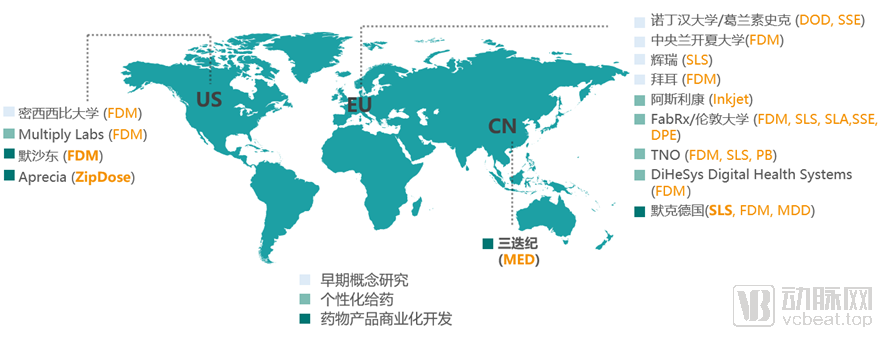
Figure 3. Global Landscape of 3D-Printed Pharmaceuticals
3.1 Commercial Development of 3D-Printed Pharmaceutical Products
As shown in Table 2, only two companies worldwide have applied 3D printing technology to the commercial development stage of pharmaceutical products: Aprecia from the United States and Triastec from China, both of which are specialized firms in 3D-printed medicines. Large multinational pharmaceutical companies such as Merck & Co. (USA) and Merck KGaA (Germany) are also exploring this direction.
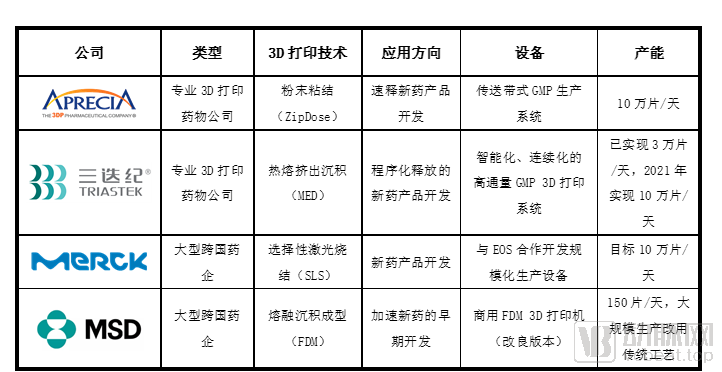
Table 2 Companies with Commercial Development Directions for 3D-Printed Pharmaceutical Products
(1)Aprecia
As one of the pioneers in the field of 3D-printed pharmaceuticals, Aprecia established its goal from its inception in 2003 to apply advanced 3D printing technology to drug product development and achieve commercial-scale production. In 2007, Aprecia developed the prototype of its ZipDose pharmaceutical technology based on the powder bed binder jetting 3D printing technology (PB) from the Massachusetts Institute of Technology (MIT). Over the following four to five years, the company refined this technology and developed a drug manufacturing system capable of meeting Good Manufacturing Practice (GMP) requirements at scale, achieving a production capacity of 100,000 tablets per day. Although the launch of Spritam (levetiracetam), the first anti-epileptic drug product approved in 2015, sparked a surge of research interest in 3D-printed drugs, its market response was mediocre due to the abundance of commercial competitors for the active pharmaceutical ingredient, levetiracetam. Subsequently, leveraging its technological strengths, Aprecia transformed into a pharmaceutical formulation technology platform company. Its business model now focuses on collaborative development and manufacturing of new drug products, engaging in global commercial partnerships with large multinational pharmaceutical companies and biotechnology firms.
Technologically, Aprecia is pursuing further breakthroughs by developing the next generation of ZipDose 3D printing technology with In-Cavity Printing capabilities. This advancement enhances flexibility in product design and manufacturing, while the “pre-processing” coating of drug-containing powder particles prior to printing creates new possibilities for the development and production of sustained- and controlled-release medications. In terms of equipment, Aprecia has developed a series of GMP-compliant 3D printers with varying production capacities based on the ZipDose principle, suitable for early-stage drug development and on-demand manufacturing of orphan drugs. In late 2020, Aprecia entered into a long-term strategic collaboration with Oak Ridge National Laboratory in the United States, aiming to upgrade ZipDose 3D printing production equipment through this partnership and further expand the application of ZipDose technology in the field of pharmaceutical 3D printing.
(2) Triastek
Nanjing Triastek Pharmaceutical Technology Co., Ltd. (hereinafter referred to as “Triastek”) was founded in Nanjing, China, in July 2015. It was co-established by Dr. Senping Cheng, an entrepreneur with startup experience in both China and the United States, and Dr. Xiaoling Li, an expert and educator in the field of pharmaceutical formulations in the U.S. Triastek is dedicated to building a novel 3D printing drug technology platform. As a global pioneer, it has developed the MED 3D printing drug technology, creating a proprietary 3D printing technology platform that covers the entire chain from dosage form design and digital product development to intelligent pharmaceutical manufacturing. This emerging technology disrupts traditional methods of developing and producing solid dosage forms, as well as conventional drug delivery mechanisms. Through unique three-dimensional structural design within the drug formulation, MED enables precise programmed control over the timing, location, and rate of drug release. It also allows for flexible combinations of drug release profiles, addressing challenges that existing formulation technologies cannot resolve and providing diverse product design options to meet various clinical needs. The pioneering digital formulation development approach, “Formulation by Design (3DFbD),” transforms the traditional trial-and-error method of formulation development, significantly improving the efficiency and success rate of new drug product development while reducing development time and costs. Triastek’s continuous and intelligent MED 3D printing drug production line achieves single-step formulation manufacturing. By employing Process Analytical Technology (PAT) for real-time quality control, it offers significant advantages over traditional formulations in terms of product quality and production costs. This digitalized production process is set to revolutionize production management models in pharmaceutical companies and regulatory oversight approaches.
In April 2020, MED 3D printing technology was accepted as a project by the Emerging Technology Team (ETT) of the U.S. FDA. The ETT regarded it as a novel manufacturing approach for solid dosage forms with controlled release and highly recognized this process innovation featuring fully automated integrated Process Analytical Technology (PAT) and feedback control. In January 2021, T19, the first drug product developed by Triastek using MED 3D printing technology, received Investigational New Drug (IND) approval from the U.S. FDA. This product is the second 3D-printed drug product worldwide to submit an IND application to the U.S. FDA and the first 3D-printed drug product in China to enter the regulatory registration phase. This represents a significant breakthrough for 3D printing technology in the global field of pharmaceutical formulation.
Triastec has reshaped the landscape in which the foundational technologies and patents for 3D printing were predominantly concentrated in Europe and the United States. After five years of technological development, Triastec has become the organization with the most comprehensive patent portfolio and the highest number of patent applications in the global field of 3D-printed pharmaceuticals. Its patent applications cover three major categories—design of 3D-structured drug dosage forms, proprietary equipment for 3D-printed drugs, and digital drug development methods for 3D printing—comprising 19 patent families and 111 patent applications. Core patents have been strategically filed in major pharmaceutical markets, including China, the United States, Europe, and Japan.
In addition to Aprecia and Triastek, Merck KGaA and MSD have also begun to strategize and experiment with using 3D printing technology to develop commercially viable pharmaceutical products. Currently, both companies are in the stage of leveraging 3D printing technology to accelerate the early-stage development of drug products.
(3) Merck KGaA (Merck Germany)
In February 2020, Merck KGaA announced its plan to utilize powder bed fusion 3D printing technology to develop and manufacture pharmaceuticals for clinical trials. The company entered into a collaboration agreement with AMCM, a subsidiary of EOS, the world’s largest manufacturer of selective laser sintering (SLS) 3D printing equipment, to develop scalable 3D printing systems for commercial pharmaceutical production, with an estimated future capacity of 100,000 tablets per day. Compared with traditional pharmaceutical manufacturing technologies, Merck believes that 3D printing offers a rapid and flexible approach to producing drug formulations with varying compositions, dosages, or release profiles. This streamlined production process can make tablet manufacturing faster and more cost-effective, not only accelerating the development of new drug products but also significantly reducing the consumption of expensive active pharmaceutical ingredients (APIs) during the formulation development stage.
On the other hand, Merck KGaA’s pharmaceutical excipients division has also employed FDM 3D printing to investigate the excipients used in filament fabrication and the drug release behavior of drug-loaded filaments. Furthermore, it has developed Melt Droplet Deposition (MDD) technology based on Arburg Plastic Freeforming (APF); however, these efforts remain in the early exploratory stage.
(4) MSD (Merck & Co., Inc.)
MSD (Merck & Co., Inc.) has adopted fused deposition modeling (FDM) as a tool to accelerate the early-stage development of new drug products with specific drug-release requirements. By combining FDM with perfusion printing, they rapidly fabricate small batches of dosage forms featuring diverse drug-release profiles, enabling the selection of prototype formulations with ideal pharmacokinetic curves during early-phase clinical trials. However, for mid-to-late stage clinical development and commercial manufacturing, MSD continues to rely on conventional pharmaceutical production technologies.
3.2 3D-Printed Personalized Pharmaceuticals
Beyond its applications in drug product development and large-scale manufacturing, the flexibility of 3D printing technology in adjusting drug dosage, drug combinations, and production methods makes it highly suitable for personalized medicine. It enables customized drug production tailored to individual patient needs, genetic profiles, disease states, sex, and age. Patients can customize the drug dosage within tablets according to their actual requirements, thereby reducing individual side effects caused by excessive intake. Multiple medications required by a patient can also be integrated into a single tablet through 3D printing, which helps prevent missed or incorrect doses and improves medication adherence. Furthermore, 3D printing technology allows for personalization of appearance, taste, and other attributes. This is particularly beneficial in pediatric medicine, where printing tablets with personalized shapes, colors, and flavors can enhance medication compliance among children.
In the field of 3D-printed personalized pharmaceuticals, the key players include the multinational pharmaceutical giant AstraZeneca, the independent research organization TNO, and three specialized 3D-printed drug companies: FabRx, Multiply Labs, and DiHeSys. The primary commercial application scenario involves the on-demand printing of personalized tablets for hospital pharmacies and outpatient clinics, offering a rapid and automated solution for individualized therapeutic dosing.
(1)FabRx
FabRx was founded in 2014 by Professors Abdul Basit and Simon Gaisford from University College London (UCL) in the United Kingdom, and it is one of the most active companies in the field of 3D-printed pharmaceuticals. Since its establishment, the company has explored and researched various 3D printing technologies for drugs, including Fused Deposition Modeling (FDM), Stereolithography (SLA), Selective Laser Sintering (SLS), and Semi-Solid Extrusion (SSE). They have published more than 40 academic articles related to 3D-printed pharmaceuticals and authored a professional book titled “3D Printing of Pharmaceuticals.”
For personalized dosing, FabRx developed the desktop 3D printer M3DIMAKER and the software M3DISEEN. In September 2019, a pediatric clinical trial was conducted at a hospital in Santiago de Compostela, Spain, to prepare personalized dosage forms for children with maple syrup urine disease (MSUD), a rare metabolic disorder. FabRx’s newly developed Direct Powder Extrusion (DPE) technology enables rapid and flexible fabrication of various drug dosage forms, making it better suited for personalized pharmaceutical applications and potentially accelerating early-stage drug product development in the future.
(2) AstraZeneca (AstraZeneca, UK)
In 2019, AstraZeneca announced a collaboration with Xaar, a UK-based global leader in industrial inkjet technology, and Added Scientific, a 3D printing equipment company, to explore the feasibility of industrial-scale production of personalized clinical medications using inkjet 3D printing technology.
(3)TNO
The Netherlands Organization for Applied Scientific Research (TNO) is an independent research institute established by the Dutch government in 1932, with substantial technical expertise in multi-material composite printing and high-speed printing. In recent years, TNO has expanded into the field of 3D-printed food and pharmaceuticals, conducting extensive research and exploration using mainstream 3D printing technologies such as Fused Deposition Modeling (FDM), Selective Laser Sintering (SLS), and Powder Bed (PB) fusion. TNO regards 3D printing as a more advanced technology for drug formulation development and manufacturing, enabling the flexible and customizable production of medications with varying dosages, drug distributions, tablet structures, and shapes, including combination drugs.
Similar to FabRx, TNO’s research in 3D-printed pharmaceuticals primarily focuses on personalized medicine and leveraging 3D printing to accelerate the early-stage development of drug products. They have developed 3D printers based on Fused Deposition Modeling (FDM), Selective Laser Sintering (SLS), and Powder Bed (PB) principles specifically for pharmaceutical applications. Additionally, they have developed a prototype of a continuous hot-melt extrusion 3D printer to explore ways to enhance drug production capacity, and have filed relevant patents. Furthermore, they have integrated 3D printing technology with the InTESTine testing platform, which simulates the functions of different parts of the human digestive system in vitro, to investigate how 3D printing can improve the oral bioavailability of drugs.
Multiply Labs and DiHeSys are primarily dedicated to developing production equipment for personalized pharmaceuticals using FDM technology, thereby realizing the end-use application of 3D printing technology in the preparation of personalized medicines.
(4) Multiply Labs (United States)
Multiply Labs is a startup based in South San Francisco, USA, co-founded in 2016 by engineers from the Massachusetts Institute of Technology (MIT) and pharmaceutical scientists from the University of Milan. Multiply Labs specializes in personalized custom medications and nutritional supplements, employing a two-step process to prepare personalized dosage forms. In the first step, fused deposition modeling (FDM) printing is used to create capsule shells with varying thicknesses; the material and thickness of these shells are adjusted to control the timing and location of drug release. In the second step, an automated filling production line is utilized to fill the capsule shells with drugs or nutritional supplements. Different medications can be placed in separate compartments within the same capsule to achieve combination therapy, thereby improving patient compliance.
(5) DiHeSys (Germany)
The startup DiHeSys Digital Health Systems was founded in Germany in 2018. The company’s core business is personalized pharmaceutical manufacturing for hospital pharmacies and outpatient clinics, primarily producing multi-layer tablets containing multiple drugs using Fused Deposition Modeling (FDM) technology. The company planned to initiate clinical trials of personalized drug delivery in European hospitals in the first quarter of 2021. DiHeSys also develops and manufactures 2D/3D printers, components, and related software for commercial sale. In a patent publicly disclosed in December 2020, DiHeSys presented a concept for preparing splicable drug units via inkjet printing to achieve sustained and controlled release, indicating that the company will further explore inkjet printing for pharmaceutical applications.
Compared with the development and production of commercialized 3D-printed drug products, integrating 3D printing technology into personalized medicine scenarios faces greater challenges and a longer implementation timeline. However, the high flexibility and on-demand manufacturing capabilities of 3D printing endow it with significant potential in personalized pharmaceuticals, making it one of the future directions for the pharmaceutical industry. In addition to requiring substantial breakthroughs in regulations and oversight, the safe delivery of 3D-printed personalized medicines necessitates standardization across multiple stages, including pharmaceutical materials, manufacturing processes, and drug distribution.
3.3 Early Conceptual Research on 3D Printing of Pharmaceuticals
Currently, most institutions in the global field of 3D-printed pharmaceuticals are in the early stage of conceptual research. Large multinational pharmaceutical companies, such as Bayer, GlaxoSmithKline (GSK), and Pfizer, primarily conduct global intelligence surveys by establishing cross-departmental virtual 3D printing teams. They employ commercial 3D printers for preliminary internal research and collaborate with external scientific research institutions on specific projects and publication of papers. Academic research institutions include the Roberts CJ research group at the University of Nottingham (UK), the Alhnan MA research group at the University of Central Lancashire (UK), and the Repka MA research group at the University of Mississippi (USA). Their research topics are basically concentrated in one to two areas of 3D printing technology, and all are currently in the conceptual phase. The University of Nottingham hosts the UK National Centre for Additive Manufacturing. The Roberts CJ research group focuses mainly on developing sustained- and controlled-release 3D-printed drug dosage forms using semi-solid extrusion (SSE) and drop-on-demand (DOD) inkjet printing, and has jointly published relevant research findings with GSK. The Alhnan MA research group at the University of Central Lancashire and the Repka MA research group at the University of Mississippi focus primarily on preparing 3D-printed drugs using fused deposition modeling (FDM) combined with hot-melt extrusion (HME).
1. 3D printing of drugs will become a hot topic in the pharmaceutical industry due to its rapid, flexible, and precise control over drug release.
After years of technological accumulation, leading companies in the field of 3D-printed pharmaceuticals have emerged. Compared with traditional pharmaceutical manufacturing processes, 3D printing technology for drugs demonstrates significant technical advantages in clinical product design, accelerating drug development, and advanced manufacturing. By navigating regulatory registration pathways through their products, these innovative companies will attract many traditional pharmaceutical enterprises to adopt such emerging technologies for drug development and production. Through technical collaborations with traditional pharmaceutical companies, 3D-printed drug firms are jointly exploring broader scenarios in research and development, manufacturing, and commercial applications, thereby accelerating the refinement and widespread adoption of this new technology.
2. 3D printing of pharmaceuticals demonstrates broad application prospects in both large-scale production and personalized medication, with significant commercial potential.
Given that personalized medicine faces greater regulatory hurdles and requires transforming the pharmaceutical distribution system, it is predictable that scaled 3D printing of drugs will achieve commercial success first. Regulatory authorities in Europe and the United States are collaborating with pharmaceutical companies to actively explore guidelines for personalized medicine, supporting new technologies in addressing diverse clinical needs arising from individual patient differences. China and the United States hold a first-mover advantage in the scaled production of 3D-printed drugs, while Europe is more active in research and applications related to personalized 3D-printed medications. It can be anticipated that the commercial implementation of 3D-printed drugs will occur in these major pharmaceutical markets.
3. 3D printing of pharmaceuticals will become a key advanced technology for the future development and manufacturing of solid dosage forms, as well as for product updates and iterations.
The manufacturing process for solid dosage forms has a history spanning over 100 years, with a global market size reaching hundreds of billions of US dollars. Compared to other industries such as semiconductors and automobiles, the pharmaceutical industry exhibits a relatively slower pace of self-innovation and technological iteration due to stringent regulatory oversight and the high complexity of technology development. Three-dimensional (3D) printing of pharmaceuticals is widely regarded as the most promising technology capable of transforming drug manufacturing. In 2017, the U.S. Food and Drug Administration (FDA) issued an industry guidance to promote the adoption of emerging technologies in pharmaceutical manufacturing, identifying 3D printing and continuous manufacturing as key strategic directions.
4. 3D printing of pharmaceuticals is a core technology of intelligent pharmaceutical manufacturing, which will propel the pharmaceutical industry into a new era of smart drug production.
3D-printed drugs are based on digital production technology using computer models, forming the foundation of digital pharmaceutical manufacturing. By designing 3D printing equipment and production lines for pharmaceuticals, other advanced information technologies—such as big data, artificial intelligence (AI), the Internet of Things (IoT), and precise online physical and chemical detection techniques—can be integrated into drug production processes and quality management. Many production and testing steps are automated through robotics, enabling unmanned manufacturing. Meanwhile, a data-driven central control system can monitor, provide feedback, and manage unmanned production lines globally. The large volume of process and testing data generated during the research, development, and production of 3D-printed drugs, combined with models and algorithms established during technological development, enables the application of big data analytics and AI in the development and manufacturing of 3D-printed medications. This facilitates continuous feedback and optimization of the entire workflow, ultimately achieving intelligent pharmaceutical manufacturing.