

Evolve BioSystems Files for IPO Following $55M Series D Funding Backed by Li Ka Shing and Gates Foundation

Evolve BioSystems
Microbiome Product Developer
Recently,A Microbiome Technology Company Focused on Researching How to Improve the Health of the Neonatal Gut MicrobiotaEvolve BioSystems (hereinafter referred to as “Evolve”) announced the completion of its $55 million (approximately RMB 350 million) Series D financing round.
This round of financing was led by Cargill and Manna Tree, with participation from Horizons Ventures (under the Li Ka Shing Foundation), J&J Innovation, Spruce Capital Partners, Acre Venture Partners, and Bow Capital. The new funding will be used to help Evolve BioSystems develop next-generation probiotic products for treating infant gut microbiome deficiencies.

Overview of Evolve BioSystems' Historical Financing
As shown in the table above, over the past seven years from 2014 to the present, Evolve has secured more than RMB 800 million in funding. With support from the Bill & Melinda Gates Foundation and additional investment from Li Ka-shing, what kind of company is Evolve BioSystems, the rising star in microbiome therapeutics focused on neonatal gut health?
In 2011, Evolve BioSystems was spun out of the Foods for Health Institute (FFHI) at the University of California, Davis. It was built upon more than a decade of research conducted by the institute into the unique interplay between the infant gut microbiome and human milk components. The founding scientific team of Evolve BioSystems includes Drs. Bruce German, David Mills, Carlito Lebrilla, Daniela Barile, and Samara Freeman.
The founding of Evolve BioSystems was driven by the intense curiosity of several pioneering scientists: breast milk contains a component known as human milk oligosaccharides (HMOs), which cannot be directly absorbed or broken down by infants. Yet, after passing through the intestinal tract, these HMOs mysteriously “disappear.” Who, then, is consuming the human milk oligosaccharides?
Research has revealed that newborns harbor a probiotic known as *Bifidobacterium infantis* (*B. infantis*). This bacterium inhibits the growth of harmful microorganisms in the gut, facilitates the digestion of human milk oligosaccharides in breast milk, reduces intestinal permeability, and enhances intestinal barrier function and defense mechanisms, thereby reducing the incidence of intestinal inflammation.
As infants grow, the levels of this probiotic gradually decline; however, if it is absent in early life, other bacteria—particularly pathogenic strains—may colonize the resulting ecological niche, thereby increasing the infant’s susceptibility to related diseases.
With this focus, Evolve aims to develop a series of products dedicated to addressing gut microbiota dysbiosis in infants (including animals).
Since its inception, Evolve has received support from the Bill & Melinda Gates Foundation. Over the past decade, progressing from conceptual research to product development, Evolve has completed a series of clinical trials in both humans and animals, and has sequentially launched two probiotic products, namelyEvivo for the Treatment of Gut Microbiota Dysbiosis in Neonates®and GlycoGuard, used to treat gut microbiota dysbiosis in neonatal foals®。
Evivo®It can effectively help colonize Bifidobacterium infantis (B. infantis) in the infant gut, thereby establishing a healthy gut microbiota environment. This product is also the first and earliest clinically validated probiotic specifically formulated for infants.
In fact, had Evolve BioSystems launched its products a century ago, there might have been little market demand. Yet today, 100 years later, market demand is growing stronger than ever. What has driven this change?
Scientific studies have shown that the gut microbiota of infants born in contemporary society differs from that of infants born a century ago:Compared to a century ago, there has been a significant generational loss of *Bifidobacterium infantis* (*B. infantis*) in the guts of modern infants.
A scientific study published in March 2018 indicated that,Over the past 90 years, the pH of infant feces has risen from 5.0 in 1926 to above 6.0 today,The primary driver of this change is likely the loss of *B. infantis* in the infant gut, coupled with the impact of an increase in potentially harmful microbiota. However, this phenomenon has long been overlooked.
To help newborns establish a healthy gut microbiome, efforts should begin at the very moment of birth. Evolve BioSystems has taken on the mission of restoring health to the imbalanced gut environments prevalent in the general population.
Research has found that the loss of B. infantis in the infant gut is largely due to the application of modern medicine and dietary habits adopted by people in industrialized countries. In summary, this can be attributed mainly to three factors:
1. More pregnant women are choosing cesarean sections.
Bifidobacterium infantis is transferred from mother to infant via the fecal-oral route during vaginal delivery, whereas infants born via cesarean section fail to acquire adequate levels of Bifidobacterium infantis.
Taking the United States as an example, the proportion of Americans choosing cesarean section has risen from 1/20 to 1/3 since 1970; even in China, which is among developing countries, the proportion of cesarean sections is quite alarming. Between October 2007 and May 2008, China's cesarean section rate reached as high as 46%, exceeding the World Health Organization's warning threshold for cesarean sections by three times, making it "the country with the highest cesarean section rate in the world."
2. More mothers are choosing to feed their infants with formula milk.
Influenced by various subjective and objective factors, many mothers choose to replace breastfeeding with formula feeding. However, human milk oligosaccharides (HMOs) present in breast milk serve as an essential nutrient for Bifidobacterium infantis in the infant gut, playing a critical role in the survival of this species.
When human milk oligosaccharides (HMOs) enter the infant’s gut, *Bifidobacterium infantis* can convert them into short-chain fatty acids, thereby effectively lowering the pH of infant feces. Thus, *B. infantis* and HMOs exhibit a symbiotic relationship. The substitution with formula milk leads to a deficiency in HMOs, depriving *B. infantis* of its survival advantage and causing a significant decline in its abundance within the gut microbiota. Consequently, other harmful bacterial taxa proliferate, posing a threat to the infant’s health.
3. High-frequency use of antibiotics.
Even with vaginal delivery and breastfeeding, many infants may still experience low or even absent levels of Bifidobacterium infantis. This may be because their mothers have undergone multiple courses of antibiotic treatment. Antibiotic use can eliminate Bifidobacterium infantis in the mother’s body, resulting in no Bifidobacterium infantis being available for transmission to the infant during delivery.
A deficiency in *Bifidobacterium infantis* may also lead to a range of additional health issues, increasing the incidence of conditions from common allergies and eczema to severe type 1 diabetes and obesity. Children with low levels of *Bifidobacterium infantis* are more susceptible to allergies and autoimmune diseases, as well as failure to achieve appropriate weight gain. Dysbiosis of the gut microbiota during infancy can adversely affect children’s subsequent growth and development.
According to the latest breakthrough from Evolve BioSystems—the U.S. Microbiome Survey—this study indicates that nearly 90% of infants in the United States lack Bifidobacterium infantis, which increases risks to early infant health and development. The study was recently published in Scientific Reports.
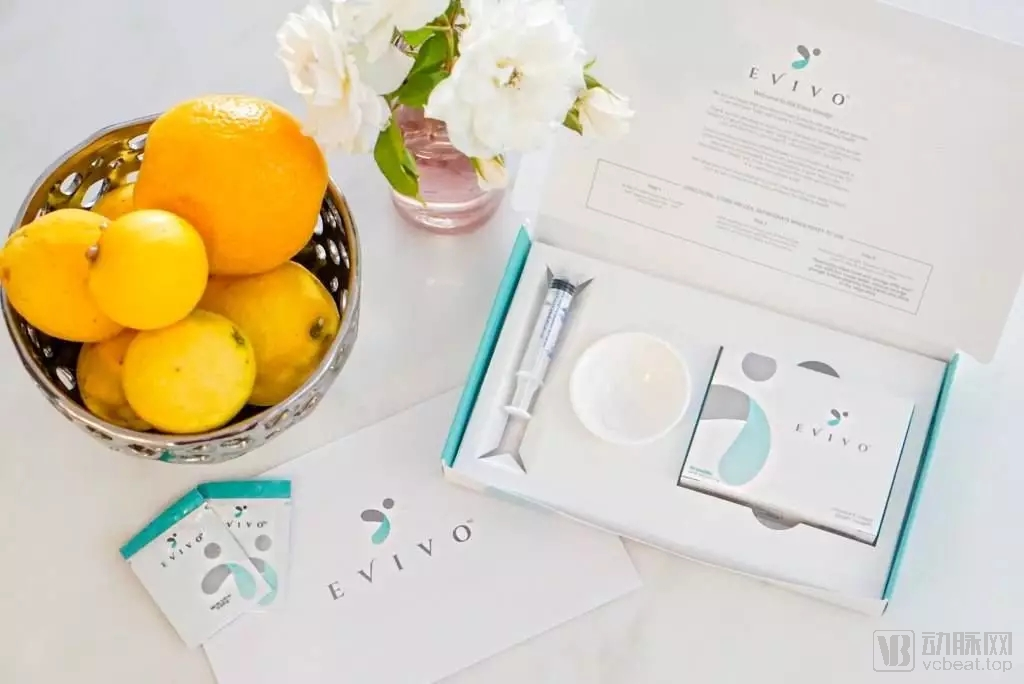
Evivo®Product Image (Source: Evolve BioSystems Official Website)
Evivo®Composed of activated Bifidobacterium infantis EVC001.Studies have shown that this product can restore missing Bifidobacterium infantis to the infant gut microbiome, reduce potentially pathogenic bacteria (such as Escherichia coli and Clostridium species) by nearly 80%, and significantly reduce intestinal inflammation. The production of endotoxins associated with type 1 diabetes, allergies, atopic dermatitis, and hereditary allergic dermatitis has also been significantly reduced.
Since 2017, Evivo has been sold on the official Evivo website, Jet.com, and Amazon, receiving consistent acclaim from customers.
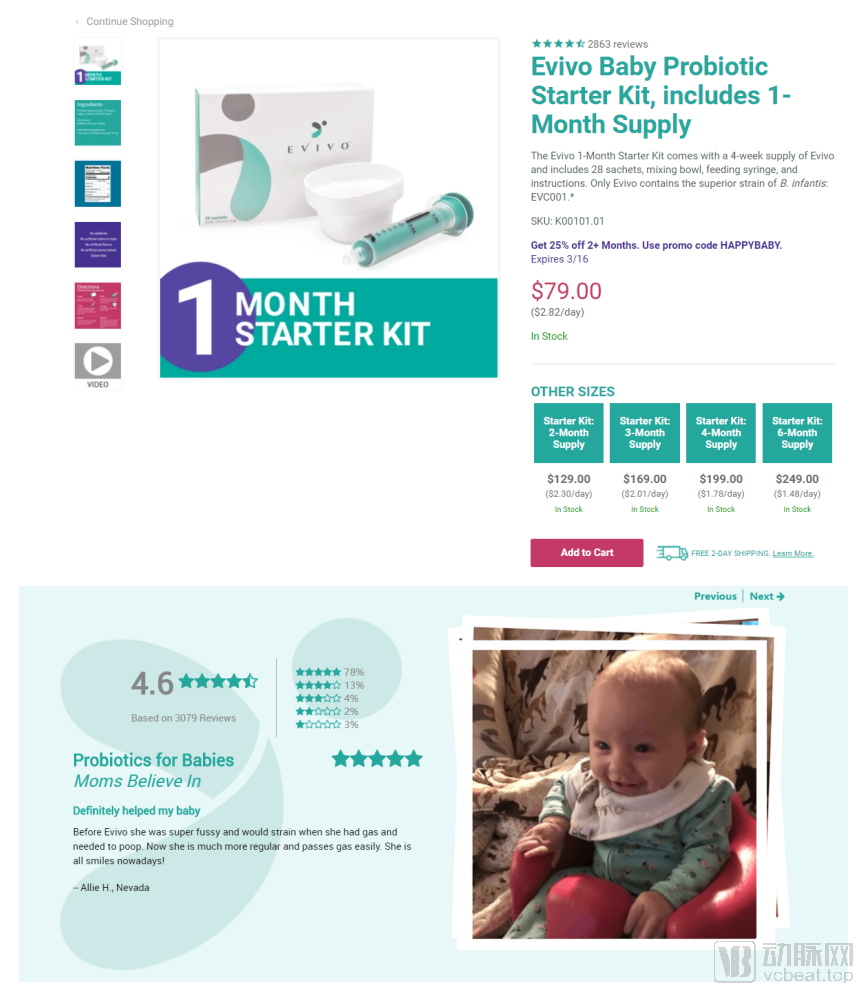
(Image source: Evolve BioSystems official website)
Many mothers believe that Evivo®Helping one’s own child gain multiple direct benefits, such as reducing the incidence of infant colic and eczema, maintaining good sleep, and promoting the formation of less frequent but higher-quality stools.
Evolve targets mothers on social media, while also aiming to reach healthcare professionals, such as neonatologists and pediatricians, with Evivo.®BackBacked by scientific clinical trial results, truly trust Evivo®effects, so as to better disseminate the importance of Bifidobacterium infantis for infants and young children.
Currently, Evolve has announced a strategic partnership with Mead Johnson. Furthermore, through its collaboration with the Gates Foundation, Evolve has launched Evivo in Bangladesh.®Clinical Trials for the Treatment of Severe Acute Malnutrition in Infants.

GlycoGuard®Product Image (Source: Evolve BioSystems Official Website)
GlycoGuard®is Evolve’s first microbiome-based animal health product, an oral active microbial gel for newborn foals.This product combines two active probiotic strains: Bifidobacterium infantis and Lactobacillus plantarum.
This combination of two probiotic strains effectively breaks down the complex carbohydrates in mare's milk, producing essential short-chain fatty acids that promote foal gut health and lower intestinal pH. Colonization by other types of bacteria in the gut leads to inefficient breakdown and incomplete utilization of these carbohydrates.
Studies have shown that administering GlycoGuard immediately after foal birth®, and administer GlycoGuard twice daily for the first four days of life®This will facilitate the colonization of probiotics, thereby improving gut health during their vulnerable early life stage.
As an investor in Evolve, the Li Ka Shing Foundation not only actively supports Evolve’s development but also proactively introduces this technology to China.
Several years ago, the Li Ka Shing Foundation began funding a joint study conducted by Evolve BioSystems and Zhejiang University,This study will evaluate whether Evolve’s product, GlycoGuard, can be applied to pigs to significantly reduce the incidence of disease and increase body weight in piglets while reducing antibiotic use.

Left: Timothy B. Brown, CEO of Evolve; Right: David Kyle, Chairman and Chief Scientific Officer
Timothy B.Brownis the Chief Executive Officer of Evolve BioSystems, with over 25 years of experience in the global healthcare, consumer goods, and pediatric nutrition industries.
After earning his MBA from Cornell University, Tim joined Procter & Gamble’s marketing department, where he spent 17 years and ultimately served as General Manager of the North American Personal Health Care business. In this role, he led well-known international consumer health brands such as Prilosec OTC, NyQuil and DayQuil, Pepto-Bismol, Metamucil, and ThermaCare, and spearheaded the launch of the adult probiotic Align. Tim later transitioned to Mead Johnson Nutrition, serving as Senior Vice President and General Manager of its North America division. After relocating to Singapore, he assumed similar leadership responsibilities for the Southeast Asia business unit and the Asia regional office.
David KyleDr. Kyle is the Chairman and Chief Scientific Officer of Evolve BioSystems, Inc., and formerly served as its Chief Executive Officer from 2013 to 2016. With 35 years of experience in the biotechnology industry, Dr. Kyle is a seasoned veteran who combines a strong scientific background with keen business acumen.
He co-founded Martek Biosciences, whose DHA and ARA products are now used in nearly all infant formula worldwide, and led its R&D and commercialization efforts for over 15 years. The company went public in 1993 through multiple private financing rounds and an IPO, and was acquired in 2011 for $1.1 billion.
In 2000, Dr. Kyle co-founded the U.S. chapter of the Mother and Child Foundation, a charitable organization headquartered in London, UK, dedicated to safeguarding the health of pregnant women and their children through improved nutrition.
In the realm of scientific research, Dr. Kyle has published more than 70 scientific articles, edited two books, and is the named inventor on over 350 patents, more than 100 of which have been granted worldwide. In recognition of his contributions to science and industry, Dr. Kyle was inducted into the U.S. National Inventors Hall of Fame in 2009.