

Youwei Bio Announces Filing of IPO Prospectus: Pioneering Low-Temperature Rapid-Forming Dissolvable Microneedle Technology with Fully Automated Flexible Production
“From multiple perspectives, including policy, capital, technology, and market participants, the industrialization and market of soluble microneedle transdermal drug delivery in China are still in the early stages of development. As a pioneer in the industry, we have the responsibility to set an example by leveraging technological innovation and product strength to realize novel transdermal drug delivery methods, thereby contributing to the medical cause of enhancing human well-being,” said Leng Gang, founder of Youwei (Zhuhai) Biotechnology Co., Ltd.
In an interview with VCBeat, Leng Gang shared the original motivation behind his entrepreneurial journey with his team of overseas-returnee PhDs, offered insights into the current state of development in the field of microneedle drug delivery, and expressed confidence in its future application prospects.
It is understood that transdermal drug delivery has become one of the mainstream dosage forms in developed countries such as the United States and Japan. Compared with traditional oral and injectable administration routes, transdermal drug delivery offers advantages including the absence of peak-trough fluctuations in plasma drug concentration, avoidance of first-pass metabolism and gastrointestinal inactivation, reduced toxic side effects, and improved patient compliance.
Transdermal drug delivery poses significant technical challenges, primarily due to the difficulty of safely and effectively enabling drugs—particularly large-molecule therapeutics—to penetrate the stratum corneum of the human skin and achieve efficient absorption. In response, soluble microneedle technology has emerged.
As a novel transdermal drug delivery method, painless transdermal drug delivery technology using dissolving microneedles combines the advantages of subcutaneous injection and traditional transdermal drug delivery. It overcomes the limitation of traditional transdermal patches, which can only deliver small-molecule drugs, and has become a research hotspot in the field of new transdermal drug delivery technologies, garnering widespread attention and recognition worldwide.
Since returning to China in 2017 to found Youwei Biotechnology, Leng Gang and his team have devoted themselves entirely to the innovative process development and industrialization of dissolving microneedle transdermal drug delivery systems (DMN-TDDS), focusing on addressing multiple pain points in the commercialization of this technology, while maintaining a low public profile.
After four years of dedicated development, Youwei Microbiology has stepped into the spotlight with multiple globally pioneering research achievements, including its independently developed low-temperature one-step rapid molding process, free-forming technology for microcrystal microstructures, segmented precise quantitative drug loading technology, and highly efficient and stable fully automated industrialization capabilities.
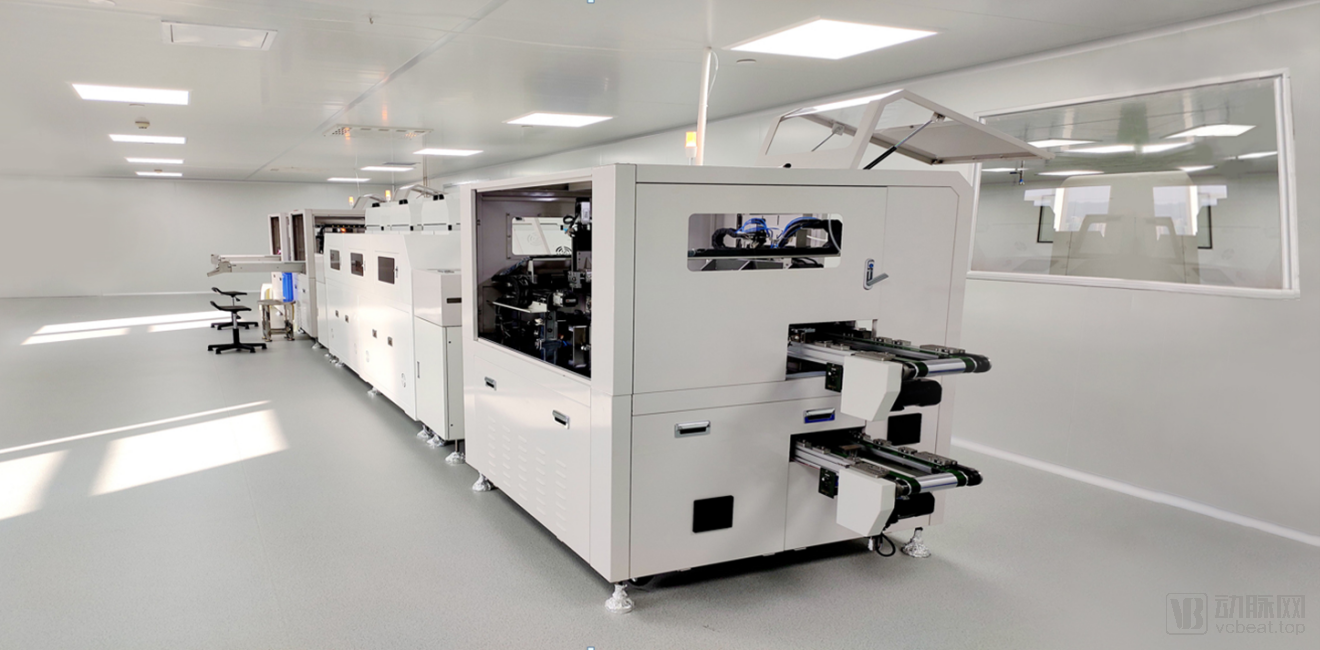
Leng Gang stated that Youwei Biotechnology has now established a comprehensive translational platform for soluble microneedle transdermal drug delivery technology, as well as a fully automated production line for painless soluble microneedle transdermal patches capable of meeting customized demands. The company can provide clients with CRO services for novel transdermal dosage forms and transdermal drug delivery solutions, along with technical support, development, upgrading, and industrial-scale production for innovative products in the general health and beauty sectors.
The success of Youwei Biotechnology is underpinned by the extensive practical experience accumulated over more than a decade by three PhDs in areas such as controlling the activity and stability of macromolecular drugs during transdermal absorption, and the industrial-scale manufacturing of microneedle-based transdermal drug delivery technologies.
During his master’s and doctoral studies at Yonsei University in South Korea, Leng Gang met fellow Chinese international students Li Chengguo and Ma Yonghao at the College of Life Science and Biotechnology. The three shared common interests and engaged in extensive discussions on soluble microneedles.
Leng Gang introduced that around 2017, the three founders, based on their research and understanding of soluble microneedle technology and the industry, observed that multiple new drug candidates utilizing microneedle formulations had already entered clinical stages abroad. Meanwhile, several manufacturing facilities with industrial-scale production capabilities for soluble microneedle patches had emerged in Japan and South Korea. Due to high technical barriers and the limited availability of transdermal formulations in China, transdermal drug delivery had not been widely adopted domestically, leaving the commercialization of soluble microneedle technology largely untapped.
To avoid future dependence on foreign entities in the field of transdermal drug delivery, it is imperative for China to vigorously develop transdermal drug delivery technologies at this stage. As an emerging technology within this field, dissolving microneedles have become a focal point of international research and development. Therefore, advancing the industrialization of dissolving microneedle technology in China not only holds significant market prospects but also facilitates the rapid development of domestic transdermal drug delivery technologies, particularly high-end novel transdermal formulations.
According to an analysis by the New Thinking Industry Research Center, microneedle drug delivery holds significant development prospects in fields such as oncology, ophthalmology, anesthesia, and dentistry. It is also expected to bring new breakthroughs in healthcare, wellness, and biology. The market size of China’s microneedle drug delivery systems is projected to reach RMB 1.7 billion by 2024.
It is worth noting that in November 2020, microneedle drug delivery technology topped the list of the “Top 10 Emerging Technologies That Could Change the World in 2020,” as selected by Scientific American, a prestigious U.S. science popularization magazine. Microneedle drug patches, merely the size of a coin, can deliver medication easily, painlessly, and effectively. Microneedle transdermal drug delivery technology is moving from the sidelines to the center stage.
At a time when China’s entrepreneurial landscape was shifting from business-model-driven to technology-innovation-driven growth, the three founders made the remarkably unanimous decision to return home and start a venture. Thus, guided by the philosophy of “Technology Changes Lives; Youwei Connects Us All,” Youwei Biotechnology was born.
In February 2018, Youwei Biotechnology successfully validated its independently developed next-generation soluble microneedle shaping process. Leveraging the project’s unique innovativeness and the founding team’s outstanding performance, Youwei Biotechnology secured first place in the Guangdong Provincial Finals of the Startup Category (Biopharmaceutical Industry) at the 7th China Innovation and Entrepreneurship Competition (Guangdong Division). In the same year, Youwei Biotechnology was selected for Zhuhai City’s inaugural cohort of enterprises in the Unicorn Enterprise Incubation Pool.
In 2019, Youwei Biotechnology experienced accelerated growth. Its GMP-compliant cleanroom facility, spanning nearly 2,000 square meters, was put into operation, and the company completed the establishment of a R&D platform for soluble microneedle transdermal drug delivery technology, making steady progress toward addressing the challenges of industrializing soluble microneedles. By the end of 2019, Youwei Biotechnology commissioned a fully automated production line based on its independently developed soluble microneedle manufacturing process, successfully transitioning its proprietary soluble microneedle transdermal drug delivery technology from laboratory-scale to industrial mass production. The founding team’s long-held aspiration was finally realized.
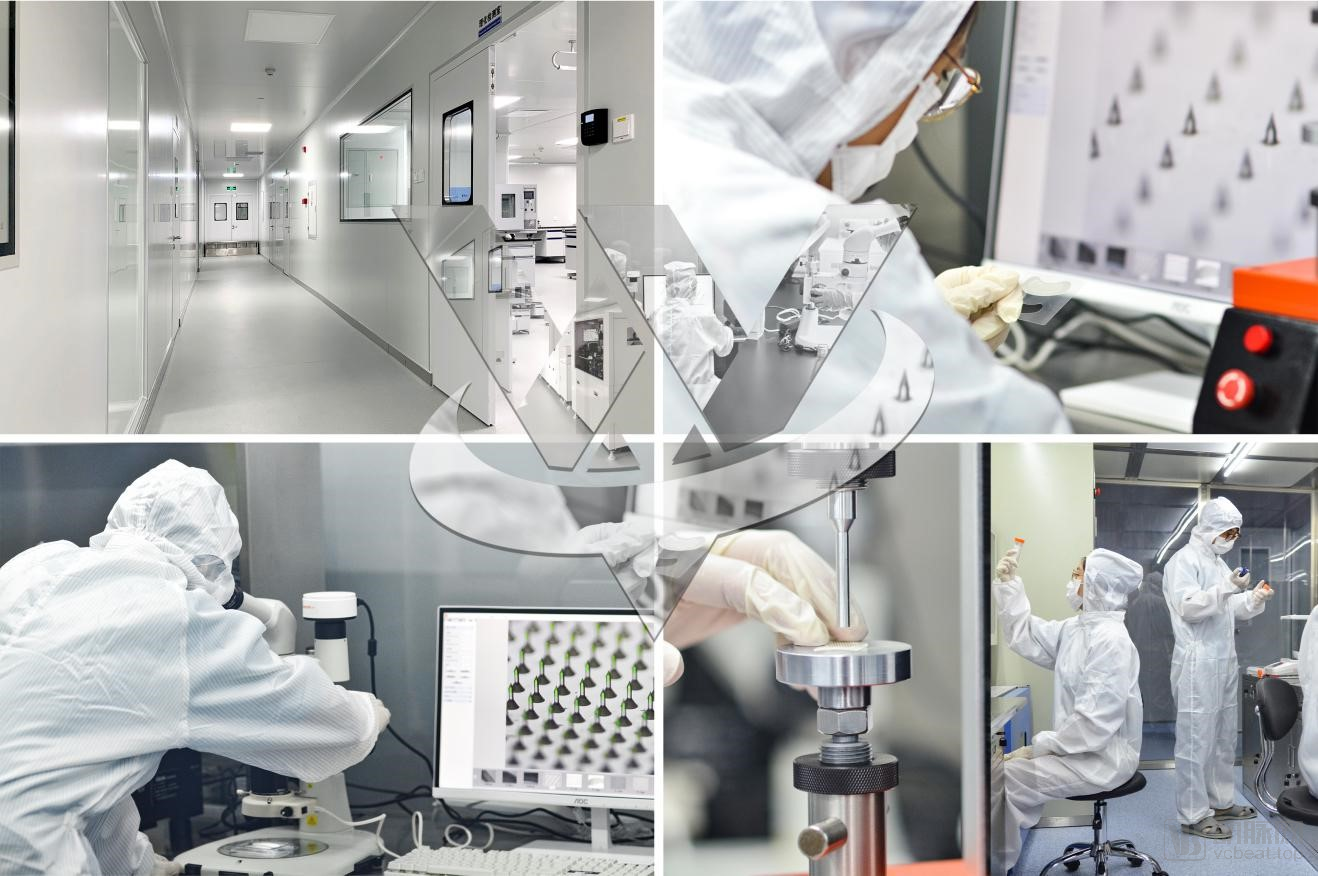
Leng Gang candidly acknowledged that the industrialization of soluble microneedle technology has long been a major challenge for the industry, and Youwei Biotechnology encountered numerous difficulties in its efforts to achieve large-scale production. Issues such as batch-to-batch consistency in microneedle manufacturing, maintaining the activity of loaded drugs, and achieving high yield rates for the needle bodies demand rigorous control over technical details, meticulous optimization of process parameters, and substantial accumulation of industrialization experience. Every adjustment to these parameters requires extensive iterative experimentation and testing. The team’s cohesion and perseverance have been key factors driving the rapid industrialization of Youwei Biotechnology’s soluble microneedle technology.
Currently, a single automated production line of Youwei Microbiology can achieve an annual output of tens of millions of microneedle drug delivery patches. Positioned as a platform enterprise specializing in soluble microneedle technology, Youwei Microbiology has begun providing CRO, CDMO, and ODM services to clients in the pharmaceutical, general health, and beauty and skincare sectors both domestically and internationally.
The low-temperature, one-step molding process for soluble microneedles is the core technology of Youwei Micro. This technique has been improved upon the internationally common "mold shaping method" and "stretch shaping method," further optimizing production processes and process control, successfully achieving effective and stable loading of various active pharmaceutical ingredients.
Leng Gang introduced that mold shaping and stretch shaping are currently the main processes for manufacturing dissolvable microneedle patches.
The mold shaping method features a simple process principle, but certain issues arise during the filling and curing stages. These include incomplete filling leading to air bubbles, incomplete needle formation, or needle breakage. Additionally, the curing process typically involves high-temperature curing, which can adversely affect the stability of drug activity to varying degrees during production. In contrast, the stretch shaping method enables needle curing at room temperature, thereby better preserving drug activity. However, this approach also presents challenges, including significant difficulty in formulation development, inability to customize needle geometry, and higher production costs.
Youwei Microbiology’s low-temperature, one-step molding process builds upon mold shaping and stretch forming techniques to leverage their advantages while mitigating their drawbacks. This approach enables rapid needle formation at ambient or low temperatures, which not only further preserves drug activity but also yields significant improvements across multiple dimensions, including manufacturing process stability, formulation compatibility, precise drug loading, and customizable design of needle morphology and length.
It is understood that Youwei Biotechnology, leveraging core technologies such as the low-temperature one-step molding process for soluble microneedles, has achieved industrialization of both quantitative and non-quantitative manufacturing processes, thereby meeting the diverse customization needs of different customers.
Leng Gang stated that Youwei will continue to consolidate its position in the field of DMN-TDDS, developing novel high-end transdermal drug delivery formulations with fewer side effects, superior efficacy, and better patient compliance in the pharmaceutical sector, while also creating innovative products for assisted drug delivery and transdermal absorption of multiple active factors in the medical device and general health sectors.