

Huami Launches Clinical Study on Smart Health Monitoring Devices for Heart Failure Patient Follow-Up Management
Heart failure is becoming one of the most significant public health issues. According to epidemiological statistics, the number of deaths caused by heart failure has increased sixfold over the past 40 years, and the prevalence of heart failure among adults in China has reached 1.3%. Relevant studies have shown that close monitoring and disease management can significantly improve patients' quality of life. In this context, a clinical observational study titled "Clinical Observational Study on the Application of Intelligent Health Monitoring Devices in the Follow-up Management of Heart Failure Patients," initiated by the Heart Failure Group of the Chinese Society of Cardiology and supported by the China International Medical Exchange Foundation, was officially launched recently.
This project will primarily investigate the value of intelligent health monitoring devices in improving the quality of out-of-hospital management for patients with chronic heart failure and reducing heart failure readmission rates. The study will be led by Peking Union Medical College Hospital, with joint support from dozens of hospitals—including Fuwai Hospital of the Chinese Academy of Medical Sciences, Zhongshan Hospital Fudan University, Beijing Anzhen Hospital Capital Medical University, Chinese PLA General Hospital, West China Hospital Sichuan University, and Beijing Hospital—as well as companies such as Huami Technology (NYSE: ZEPP), AstraZeneca (AZ), Omron, and Medivicon.
The study will also employ a case-control observational design to assess the impact of intelligent health monitoring devices on symptom improvement, medication adherence, and total treatment costs in patients with chronic heart failure. Meanwhile, researchers aim to accumulate data for out-of-hospital management of chronic heart failure patients by establishing a patient monitoring platform, thereby monitoring the efficacy and safety of therapeutic regimens.
A survey of inpatient medical records from more than 50 hospitals across China revealed that although heart failure (HF) admissions accounted for only 20% of total cardiovascular disease hospitalizations during the same period, they contributed to 40% of mortality. The one-year survival rate for HF patients with New York Heart Association (NYHA) functional class IV was merely 50%. Furthermore, a systematic review incorporating 29 clinical studies demonstrated that systematic management of patients with chronic heart failure (CHF) led to reductions in mortality, HF-specific hospitalization rates, and all-cause hospitalization rates by 25%, 27%, and 19%, respectively. Therefore, out-of-hospital management and rehabilitation for chronic heart failure are of paramount importance.
Currently, the out-of-hospital management and rehabilitation of heart failure face the following common issues: first, patients often neglect their own symptoms, signs, and dietary requirements; second, healthcare providers, burdened by heavy workloads, frequently fail to provide adequate health education to outpatients and inpatients with chronic heart failure (CHF). Therefore, exploring the integration of intelligent health monitoring devices into the out-of-hospital management of heart failure patients may enable physicians to monitor disease progression more rapidly and specifically, providing a basis for adjusting medication dosages. This approach would significantly improve the accessibility of out-of-hospital care, enhance survival rates and quality of life for heart failure patients, and reduce hospital readmissions due to acute exacerbations.
The study will adopt a comparative effectiveness research (CER) methodology, conducting a 12-month observation through an open-label randomized controlled trial involving 800 participants (divided into two groups of 400 each). The control group will receive optimized conventional heart failure treatment and follow-up management protocols. The intervention group will receive the same care as the control group, supplemented with health monitoring devices (including smartwatches and body composition scales) and a health management platform provided by Huami Technology.
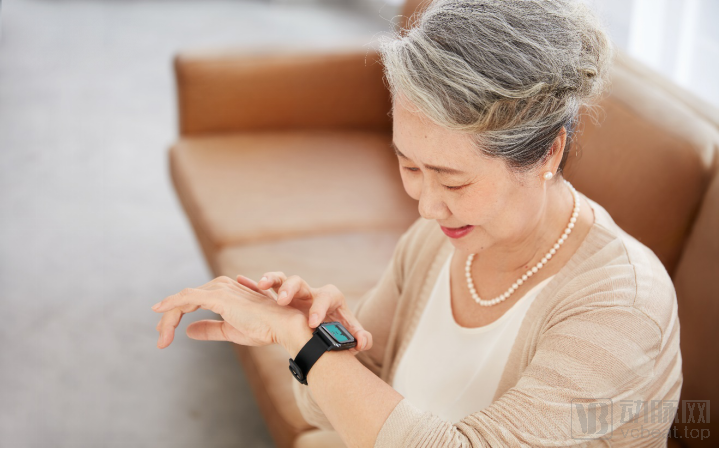
It is understood that Huami Technology is a cloud-based health service provider with globally leading intelligent wearable technology. Guided by its mission of “Connecting Health through Technology,” the company leverages powerful artificial intelligence algorithms and big data analytics capabilities to provide users with 24/7 health monitoring services.
Currently, the project has launched volunteer recruitment, with a plan to enroll 800 eligible heart failure patients aged 18–75 across China. The project team will also provide enrolled participants with a range of supportive services, including regular follow-ups by specialist physicians and nurses, evaluation of medication appropriateness, guidance on exercise-based cardiac rehabilitation, and priority access to outpatient registration.