

"Small" Microneedles, "Big" Future: A New Era of Transdermal Drug Delivery Ignites a High-Growth Market
CASMN
Polymer Microneedle Technology and Transdermal Technology R&D, Manufacturer
Getting an injection has never been a pleasant experience, yet it is something we have had to endure since birth.
Many children are particularly afraid of injections due to fear of pain.
Due to the frequent administration of insulin injections, many patients with diabetes have numerous injection site marks on their bodies.
So, is there a painless and non-invasive method for injectable drug delivery?
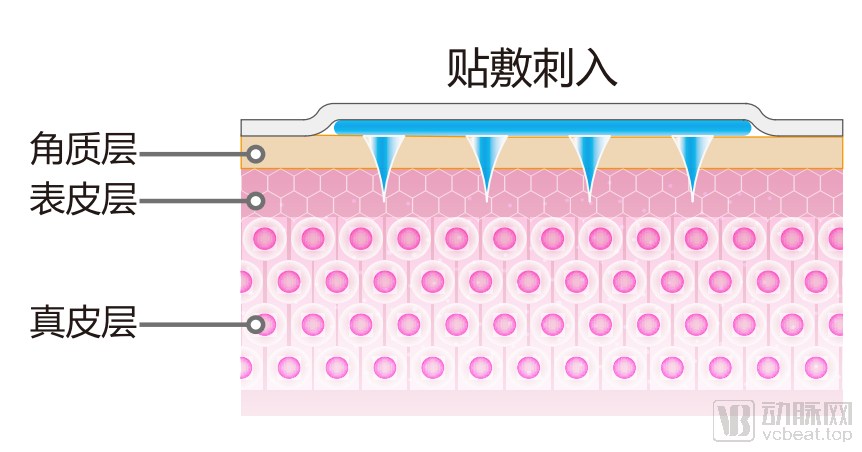
Microneedles are typically defined as needles with a height of 10–2,000 μm and a width of 10–50 μm. The device of significance for drug delivery is the microneedle array, in which numerous microneedles are arranged in an array pattern on a drug delivery carrier.Microneedles range in length from hundreds of micrometers to several millimeters. They can precisely penetrate the stratum corneum without reaching pain-sensing nerves, creating drug delivery channels on the skin surface. This allows drugs to reach specified depths within the skin and enter the subcutaneous capillary network for absorption, thereby enhancing drug permeation without causing pain or skin damage. Consequently, microneedles help improve drug delivery efficiency and patient compliance.
"CCTV conducted three interviews and reports on this breakthrough achievement."
1. Reported by CCTV-1’s “Xinwen Lianbo” in 2010;
2. 2011 CCTV-10 "Science and Education Channel" Special Report;
3. 2013 CCTV-13 “News Channel” Report: “Nanomicroneedle Injection: Say Goodbye to Injection Pain”
In November 2020, microneedle drug delivery technology topped the list of ten emerging technologies expected to change the world in 2020, as selected by Scientific American, a prestigious U.S. science popularization magazine. According to an analysis by NewSight Industry Research Center,The future development prospects of microneedle drug delivery in fields such as oncology, ophthalmology, anesthesia, and dentistry are highly promising, and it is expected to bring new breakthroughs in healthcare, wellness, and biology. The market size of China’s microneedle drug delivery systems is projected to reach RMB 1.7 billion by 2024.
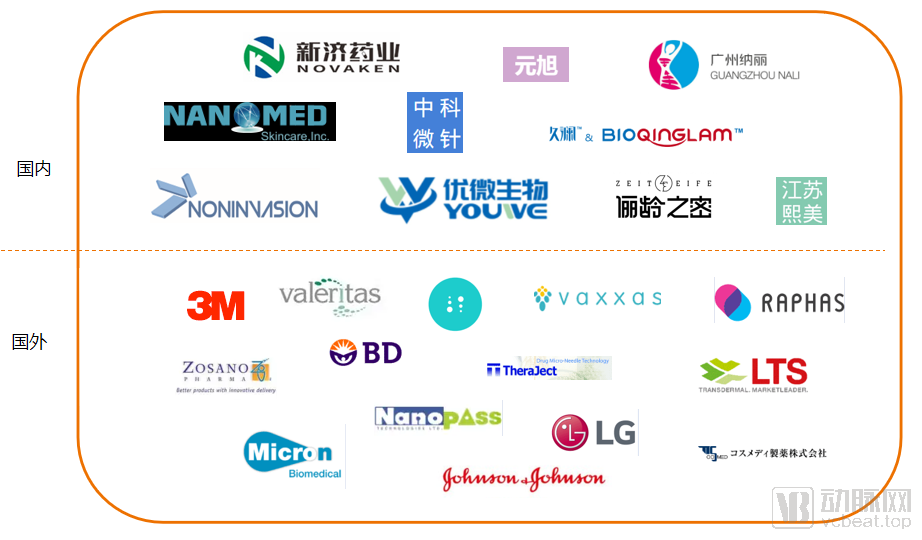
Overview of Microneedle Companies in China and Abroad
VCBeat, through a systematic review of the development of the microneedle market both domestically and internationally, has found that:
1. As a novel transdermal drug delivery technology, microneedles are painless and minimally invasive, offering convenience, safety, and broad application scenarios.
2. European and American countries and regions tend to apply microneedle technology in biopharmaceuticals and medical devices; microneedle companies in Japan and South Korea mainly focus on the medical aesthetics sector; China's microneedle market started later, with a development trajectory similar to that of the Japanese and South Korean markets
3. Currently, public awareness of microneedle technology in China is still in its early stages, and microneedle products will require time for market education.
4. There is a basic lack of review policies in China regarding drugs/devices related to microneedle technology, leading to uncertainty
5. Microneedle products have broad development prospects; however, issues related to industrialization, dosage delivery, and quality standards for production processes currently need to be addressed.
Microneedle drug delivery enables sustained and controlled release, facilitating transdermal delivery of small molecules, biologics, vaccines, and intracellular DNA/RNA. Currently, the primary research directions for microneedles focus on vaccines, diabetes, dermatological diseases, and medical aesthetics.
As a novel transdermal drug delivery method, microneedle-based administration combines the advantages of subcutaneous injection and transdermal delivery. It is not only painless, minimally invasive, and highly safe, but also offers high drug absorption efficiency.
A Brief Overview: The Most Significant Advantage of Microneedle Drug Delivery Systems Lies in:
① Enables macromolecules to penetrate the stratum corneum
② Microneedle drug delivery is virtually non-invasive, painless, and offers high patient compliance.
③ Easy to use, with stable dosage and high controllability
④ High bioavailability and low cost, equivalent to subcutaneous injection
⑤ Patients can self-administer the medication, offering convenience and safety.
Given the numerous advantages of microneedle technology, why is it not widely seen in the market?
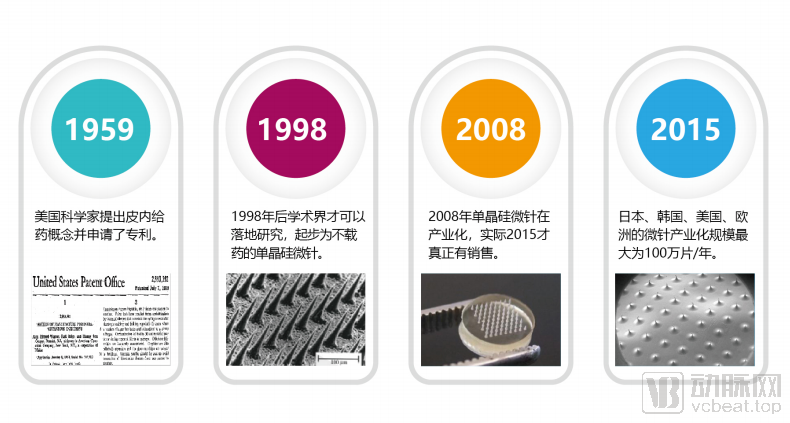
It turns out that although the principle of microneedle drug delivery technology was proposed and patented by American scientist Alan Richard Wagner as early as 1959, it consistently failed to meet the manufacturing requirements due to limitations in production processes at the time. Even by 1979, when the patent for microneedle drug delivery had expired, only a handful of researchers were engaged in related studies.
(Image source: Qinglan Biotech BP)
Microneedle drug delivery is a systematic engineering endeavor that requires comprehensive innovation across pharmaceutical materials, manufacturing processes, equipment, and formulations to ultimately reap the “fruits” of success.It was not until the 1990s, with the unprecedented development of microelectromechanical systems (MEMS) technology, the emergence of high-precision semiconductor and microelectronic devices, and the rapid advancement in the manufacturing of micro- and nanoscale components, that microneedles, as microstructured devices, became a reality.
Microneedles (MN) can be primarily classified based on two major dimensions: materials and drug delivery methods.
From the perspective of manufacturing materials, they can be classified into silicon, glass, ceramics, metals, hydrogels, polymers, and sugars.It is important to emphasize that many so-called “microneedles” available on the market and online are not true microneedles. The roller needles and needles used in other infusion devices commonly seen in beauty clinics and online stores (made of metal, with needle heights ranging from 0.8 to 1.2 mm) are not painless or minimally invasive. They have relatively low technical content and can cause certain damage to the skin, so they are not within the scope of our discussion today.
From the perspective of administration routes, it can be mainly divided intoSolid microneedles, coated microneedles, dissolving microneedles, and hollow microneedles.
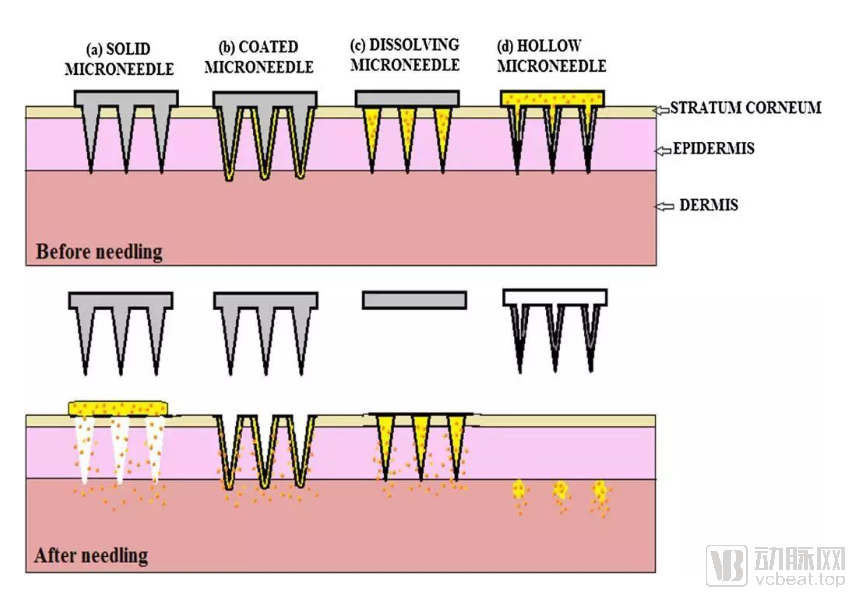
Figure: Different types of microneedles delivering drugs into the epidermis through various mechanisms.
(a) Solid MN; (b) Coated MN;
(c) Dissolving Microneedles (Dissolving MN); (d) Hollow Microneedles (Hollow MN)
(Image source: public information)
Solid Microneedle
Solid microneedles first create micro-channels in the skin; after the microneedles are removed, a drug-coated patch is applied over the micro-channels to facilitate drug diffusion into the skin.This method is relatively simple to operate and does not require the assembly of an external drive device, but the drug dosage is difficult to control.
Major international representative companies include 3M; domestic representative companies include Natong Biotech, Yuanxu Biotech, and others.
a. Natong Bio
Natong Bio is a pioneer in China’s microneedle industry, founded in 2007 by eight senior scientists. The company specializes in the research and development, manufacturing, sales, and service of non-invasive nano-delivery devices and products. Its product portfolio spans basic healthcare, medical aesthetics, lifestyle beauty, and daily chemical product lines. Its core product, the nanochip, is crafted from high-purity monocrystalline silicon using nanotechnology, with needle tips measuring less than 80 nm in diameter—approximately one-thousandth the thickness of a human hair. Leveraging this technology, Natong Bio has established itself as the world’s first brand to introduce nanochip technology into the fields of skin management, care, and even treatment.Nacris®。
Natong Biotech has established partnerships with over 100,000 professional aesthetic institutions, more than 300 specialized manufacturers, and several world-class skincare brands. Its products are exported to over 20 countries and regions, including the United Kingdom, France, the United States, South Korea, Japan, and Southeast Asia. With annual sales revenue exceeding RMB 100 million, the company is estimated to be on the verge of an initial public offering (IPO).
b. Yuanxu Biotech
Yuanxu Biotech, founded in 2016 in Shandong Province, brings together PhDs and elites from prestigious universities both in China and abroad, including Tsinghua University. Leveraging multiple national patents and its proprietary micro-nano fabrication technology, the company has developed a range of cosmetic and skincare products, including 99.999% high-purity silicon microneedles and nanopolymer microneedles.AVINORIt is a high-tech skincare brand produced by the company, with the Aivena Nano Penetration Enhancer as its flagship product.
Coated Microneedles
Coated microneedles involve coating the drug onto the microneedle shaft first; the drug then enters the skin along with the microneedles and subsequently diffuses into the bloodstream.The main overseas companies producing coated microneedles are Zosano Pharma and Vaxxas Nanopatch.
Zosano Pharma uses a handheld applicator to apply the adhesive to the designated site with precise dosage control. As the handheld applicator applies the adhesive, the microneedle formulation penetrates the skin, allowing the drug to rapidly dissolve and be absorbed through the capillaries.
Vaxxas’s flagship product is a zolmitriptan-coated microneedle patch for the treatment of migraine. Additionally, the company has collaborated with Eli Lilly to launch ZP-PTH, a new parathyroid hormone product for the treatment of osteoporosis.
Dissolvable Microneedles
Dissolvable microneedles, fabricated from biodegradable polymeric materials loaded with active pharmaceutical ingredients, penetrate the stratum corneum. As the microneedles dissolve, the functional drug components embedded within the needle matrix are co-released, enabling the drug molecules to physically traverse the stratum corneum barrier and thereby facilitating permeation and absorption into the subcutaneous tissue and systemic circulation.Unlike other microneedles that require removal of the needle body after insertion for drug delivery, this administration method only necessitates removing the patch after delivery. Dissolving microneedles are non-invasive, safe, and highly efficient, offering good patient compliance.
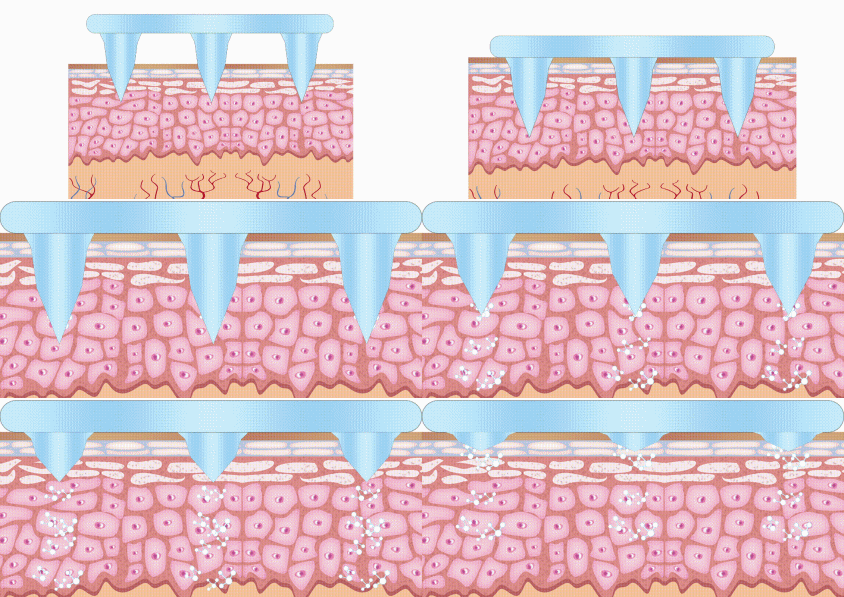
(Image source: Provided by Youwei Microbiology)
Furthermore, dissolvable microneedle products eliminate the risk of reuse, thereby reducing the potential for cross-infection; they leave no sharps behind after use, facilitating easier disposal of medical waste; and by modifying excipients and needle geometry according to therapeutic requirements, soluble microneedles with varying degradation rates can be fabricated.
Due to the numerous advantages of dissolving microneedles, the development of microneedle technology in this area is most extensive both domestically and internationally.
Internationally, key players include Corium with its investigational human parathyroid hormone (hPTH), Micron Biomedical with its influenza vaccine microneedle patch, Prometheon Pharma with its insulin microneedle patch, and LG, Raphas, and COSMED with their anti-wrinkle and skin-whitening microneedle patches. In China, major companies involved in this field include CASMN, Youwei Biotechnology, Qinglan Biotechnology, Guangzhou Xinji, Nali Biotechnology, and Liling Zhimi.
a. CASMN
CASMN was established in 2018, originating from the technology commercialization team of Researcher Gao Yunhua at the Technical Institute of Physics and Chemistry, Chinese Academy of Sciences. The company’s independently developed next-generation polymer microneedle drug delivery technology platform has officially entered the market, primarily serving the medical aesthetics and pharmaceutical industries.CASMN has currently achieved fully automated production with an annual output of tens of millions of patches,Established the world’s largest manufacturing facility for microneedle drug delivery systems, with applications spanning vaccines that enhance immune response and vaccination coverage, immunotherapies requiring improved targeting, biologics necessitating repeated injections, pediatric medications, and dermatological treatments. In 2018, CASMN established a wholly-owned subsidiary in Chongqing, investing RMB 40 million to build four production lines, with the aim of creating a microneedle drug delivery production base in Chongqing with an annual capacity of 200 million patches.
b. Youwei Microbiology
Youwei (Zhuhai) Biotechnology Co., Ltd. was established in 2017 and co-founded by three returnee Ph.D. holders with over a decade of extensive experience in the field of transdermal drug delivery.The company has established a comprehensive technology transfer platform for soluble microneedle transdermal drug delivery based on independently developed processes, as well as a fully automated production line for painless soluble microneedle transdermal drug delivery patches that can meet customized requirements.We provide CRO services for innovative transdermal drug delivery formulations and solutions for macromolecular drug transdermal delivery, as well as development, technical support, and manufacturing of innovative products in the general health and beauty sectors. Currently, Youwei Biotechnology’s single fully automated production line has an annual capacity of tens of millions of patches, enabling us to deliver comprehensive services to pharmaceutical companies and beauty product brands.
In a recent interview with VCBeat, Dr. Leng Gang, founder of Youwei Biotechnology, stated that the company will continue to focus on innovating manufacturing processes and industrializing soluble microneedles. It will also research and explore the feasibility of applying soluble microneedle transdermal drug delivery technology in fields such as biopharmaceuticals, general health, and medical devices. The goal is to ensure that microneedle technology not only benefits consumers in the medical aesthetics and general health sectors but also genuinely addresses clinical needs, thereby maximizing its clinical value.
c. Qinglan Biotech
Qinglan Biotech was founded in 2020 and has now established three fully automated production lines in Shenzhen,Single-line production capacity reaches 4 million patches per month, with an annual output of nearly 150 million microneedle drug delivery patches, and the capability to rapidly expand production and product lines in response to market demand.
Qinglan Biotech’s product portfolio primarily includes dissolvable microneedle patches for spot removal and wrinkle reduction. The company has also achieved large-scale mass production of its dissolvable microneedle patches for weight loss and hair regrowth, with these products widely distributed through cosmetic sales channels such as beauty salons. By the end of 2020, consumers in certain provinces and regions were able to purchase the company’s microneedle products at local hospitals. According to Dr. Jiang Lin, the company’s founder, Qinglan Biotech is currently in discussions with several biopharmaceutical companies to expand its research into the application of microneedles in the vaccine field.
d. Guangzhou Xinji
Guangzhou Xinji Pharmaceutical, founded in 2007, specializes in R&D services for pharmaceutical formulations, as well as the development and technology transfer of high-end pharmaceutical formulations. The company’s core R&D team consists of PhDs and Master’s degree holders with backgrounds in medicine, pharmacy, and chemistry; over 35% of the team holds advanced degrees, and 80% of its R&D personnel come from large domestic and international pharmaceutical companies. Soluble microneedle industrialization formulation technology is one of the company’s six core formulation technologies. However, no products have yet been launched on the market.
e. Nali Bio
Guangzhou Nali Biotechnology was established in 2017, specializing in the development of ultra-fine microcrystals and related aesthetic devices. Jinglilang® is the company’s consumer-facing brand. Nali Biotechnology has developed and manufactured a wide variety of microneedles, includingMonocrystalline silicon microneedles, solid alloy microneedles, hollow alloy microneedles, dissolvable microneedlesand other microneedle products. Notably, the biodegradable microcrystals developed by Nali Biotech feature a frustoconical tip design, reportedly inspired by the manufacturing mechanism of China’s new-generation armor-piercing projectiles. This design offers superior needle body toughness, enhanced comfort, easy penetration with reduced risk of breakage, and improved safety.
f. The Secret of Ageless Beauty
Li Ling Zhi Mi (Wuhan Tianshiwei Biotechnology Co., Ltd.) was established in Wuhan, Hubei Province, in 2018. It is a high-tech biotechnology enterprise with professional R&D and service backgrounds from Grade A tertiary hospitals and renowned domestic and international academic institutions. The company has jointly established the “Joint R&D Center for Polymeric Materials in Tissue Repair and Care” with Huazhong University of Science and Technology in Wuhan. Its launched“Soluble Microneedle Eye Patches”Launched in 2019, it achieved significant breakthroughs in the consumer market, with endorsements from multiple celebrities. Its products are available through online channels such as its flagship stores on Tmall and JD.com.
Hollow Microneedles
Hollow microneedles resemble micron-scale injection needles and possess the dual characteristics of injectable and transdermal drug delivery. This administration method typically relies on external pressure to drive the drug solution through the channels of the hollow microneedles, thereby reaching designated locations within the skin to achieve the intended therapeutic effect. One advantage of this approach is thatWhen using an external drug solution driving device, the administration rate can be controlled, enabling quantitative and precise drug delivery.
As a novel transdermal drug delivery technology, hollow microneedles have demonstrated significant potential in recent years for the delivery of biologic macromolecule drugs, such as vaccines and insulin.However, the fabrication of hollow microneedles presents relatively significant challenges, and the internal through-holes substantially compromise their structural integrity, representing one of the key bottlenecks restricting their development. In recent years, with the emergence of microfabrication technologies and the further development and promotion of hollow microneedle-based drug delivery techniques, it is anticipated that hollow microneedles will become a commonly used drug delivery system in clinical practice, playing an increasingly broader role in disease prevention and treatment.
International companies such as 3M, ALZA (a subsidiary of Johnson & Johnson), and BD Medical have made significant strategic investments in hollow microneedle technology. Key application scenarios include blood and tissue sampling, anesthesia, and vaccine preparation. In China, representative enterprises include Shanghai Lanwei Medical Devices Co., Ltd. and Nali Biotechnology.
a. Lanwei Medical
Shanghai Lanwei Medical Devices Co., Ltd. was established in Shanghai in 2016 as a platform-based company specializing in microneedle transdermal drug delivery, with business layouts in hollow microneedles, silicon microneedles, and dissolving microneedles.Its MEMS (Nano/Microsystem Technology) platform for silicon and non-silicon microneedle array molds features high-precision microfabrication capabilities, enabling the arrangement of over 10,000 microneedles per cm², which significantly increases drug loading capacity and the number of injection channels.
Lanwei Medical has established a Class 10,000 cleanroom facility for the production of cells and derivative products. With support from the Zhanggong District Government in Ganzhou City, Jiangxi Province, it has set up a subsidiary specializing in soluble microneedles for medical aesthetics. Additionally, in collaboration with leading experts in metabolic diseases—Professor Qiang Li from Columbia University and Professor Liu Yun from Fudan University—Lanwei Medical co-founded Aponia Medical Technology Co., Ltd. Leveraging its proprietary patented drugs in the metabolic field, Aponia is engaged in the research and development of metabolic microneedle-based therapeutics for weight loss and adjunctive treatment of diabetes. Currently, a vaccine candidate developed by the company in partnership with Shanghai Jiao Tong University and other institutions has completed preliminary evaluations, demonstrating immune efficacy equivalent to that of traditional vaccine injection methods in comparative trials.
According to Dr. Yang Hao, co-founder of Shanghai Lanwei Medical Devices Co., Ltd., the company will initially focus on bringing cosmetic-grade products and medical device products to market, and is currently actively engaging with leading application companies in the industry. In the long term, it will use vaccine microneedles and short-acting protein drug microneedles as entry points to accelerate the launch of true drug-loaded microneedle products.
From the above, it is evident that European and American countries tend to apply microneedle technology primarily in biopharmaceuticals and medical devices; microneedle companies in Japan and South Korea focus mainly on the medical aesthetics sector; China’s microneedle market started later and has followed a development trajectory similar to those of Japan and South Korea.
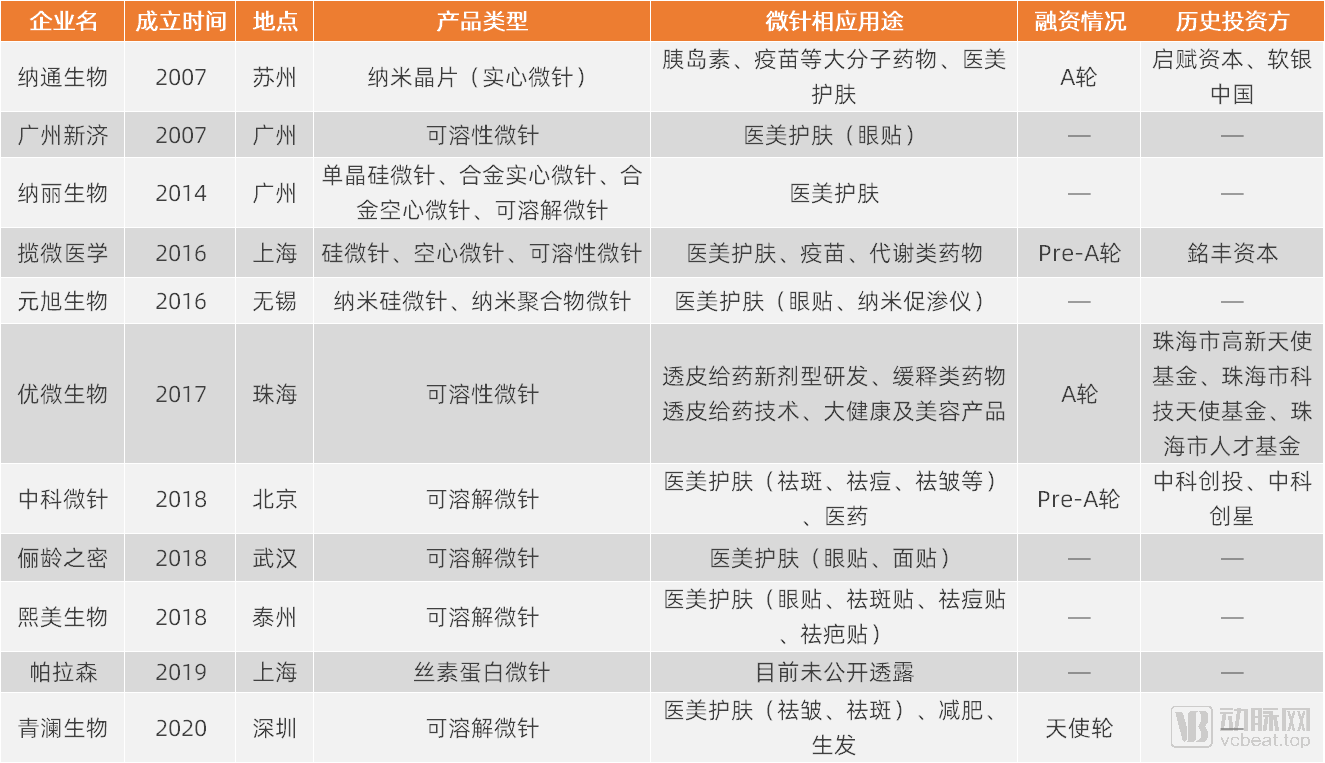
Overview of Major Microneedle Companies in China
Several factors are worth considering in explaining the current development trajectory of China’s microneedle market.
1. For microneedle companies, entering the medical aesthetics market can more easily generate cash flow
Compared to the lengthy review and approval cycles and substantial investments required for pharmaceuticals, national regulations for cosmetic-grade products are relatively more lenient, presenting lower barriers to market entry than those in the pharmaceutical sector. Most microneedle-based medical aesthetic skincare products manufactured using microneedle technology contain verified active ingredients with skin-whitening and hydrating efficacy, such as hyaluronic acid, arbutin, vitamin C, and niacinamide.
Consumers seeking beauty benefits generally have a solid understanding of these active ingredients, making them more willing to purchase. This enables companies to generate cash flow relatively quickly, thereby facilitating smoother operational sustainability. Japan’s CosMED Pharmaceutical serves as a prime precedent.
Initially, CosMED sought to leverage microneedle technology to research and develop products based on Transdermal Therapeutic Systems (TTS), aiming to identify alternative delivery methods for macromolecular drugs such as influenza vaccines and insulin. Serendipitously, the company discovered that microneedle technology also yielded ideal results in the medical aesthetics sector, leading to the establishment of Quanis, a renowned high-end cosmetics brand, in 2008. The strong market performance of dissolvable microneedles in the medical aesthetics industry has provided CosMED with a steady stream of cash flow, enabling the company to continue its research into microneedle-based pharmaceuticals. Currently, microneedle products under the Quanis brand are distributed and sold in China by Baiyang Group.
2. Microneedle technology, as a novel transdermal drug delivery dosage form, currently lacks specific policy and regulatory frameworks.
Microneedle technology is in its early stages of development in China, with corresponding policies and regulations remaining relatively undeveloped. Companies face insufficient policy incentives, and the review and approval process for microneedle-based drugs is shrouded in uncertainty. Consequently, some large pharmaceutical companies have adopted a relatively conservative stance toward collaboration in this area.
3. Domestic capital has insufficient understanding of microneedle technology, and companies lack the corresponding financial support to develop in the direction of pharmaceutical devices
Drug development is characterized by long cycles and substantial investment, with the majority of costs incurred during the clinical trial phase. Without adequate financial support, many companies struggle to advance their products into clinical trials. Currently, domestic capital’s understanding of microneedle technology remains in its early stages, with most investors adopting a conservative, wait-and-see approach, resulting in insufficient support for microneedle enterprises.
Startups often face financial constraints and staffing shortages. When a company is financially stretched, achieving rapid, leapfrog technological advancements inevitably encounters significant obstacles. The reason microneedle technology saw limited research interest and slow development during its first 40 years was due to the limitations of the fabrication processes and environmental conditions available at that time.
These three factors may well explain why the majority of domestic microneedle companies have independently converged on medical aesthetics cosmetics as their strategic breakthrough point.Before microneedle vaccines or drugs are officially launched, cosmetic-grade microneedle products or medical device microneedle products will likely dominate the market.
In the long run, the aforementioned issues are merely temporary. While early market entry certainly carries risks, the advantages of being a first mover should not be underestimated.Currently, the remarkable advantages of microneedle technology in the delivery of biologic macromolecule drugs have prompted numerous foreign companies to make in-depth strategic deployments and accelerate development. Leading international microneedle companies, such as 3M, are actively positioning themselves to apply microneedle technology to blood and tissue extraction, anesthesia, and vaccine preparation.
As COVID-19 vaccines were launched overseas, companies such as 3M promptly responded by exploring the feasibility of microneedles for COVID-19 vaccination. According to VCBeat, some domestic microneedle companies are currently engaging with relevant biopharmaceutical firms to explore the feasibility of microneedle technology in mRNA/DNA vaccines and other applications.
This epidemic presents a rare opportunity for the development of microneedles: if microneedle technology can achieve remarkable breakthroughs during this globally scrutinized pandemic, its developmental trajectory will undoubtedly reach a new milestone. The state is also bound to embrace this technology with open arms.
At this point, let us turn our attention back to the domestic microneedle market. It is evident that the current development trajectory of Chinese microneedle companies simply reflects their proactive adaptation to market conditions. As Xu Bai, CEO of Natong Bio, emphasized in a previous interview with VCBeat,“Although we started with medical aesthetics, our ultimate goal is definitely to address medical issues.”
This also represents the business model canvas for most domestic microneedle technology companies, namelyBegin by generating cash flow from the two mature markets of lifestyle beauty and professional salon-based aesthetics, then create value in medical devices and pharmaceuticals to enter the primary healthcare sector.
The development trajectory has been established, yet it is essential to objectively acknowledge the challenges that still persist in the current microneedle industry.
1. Industrialization of microneedle products.
Although the mechanism of action of microneedles was elucidated over 40 years ago, it was not until 2015 that the annual production scale of microneedles in Japan, South Korea, Europe, and the United States reached no more than 1 million units.Clinical-grade applications necessitate sufficient production capacity. Whether manufacturing processes can overcome the bottlenecks of mass production is the first step for microneedle companies to commercialize their products, and it is also the core factor in enhancing their price competitiveness.
Encouragingly, some Chinese microneedle companies have overcome certain technical challenges and are taking the lead in the industrialization of microneedles. It is reported that the largest annual production capacity for microneedles in the United States, Europe, and South Korea stands at 1 million patches. In Japan, the maximum mass-production capacity per single production line can reach 8 million patches per year. Qinglan Bio currently has a single-line capacity of 4 million patches per month, with an annual capacity across its three production lines nearing 150 million patches. The single-line annual production capacities of CASMN and Youwei Biotechnology also amount to tens of millions of patches. It is believed that as these companies further expand their production lines, even greater production capacities will be achieved.
Second, the dosage of microneedle drug delivery.
Drug loading capacity is a key factor that has prevented many companies from entering the field of biologic drug delivery, leading them to pivot toward medical aesthetics products. The challenge in delivering large-molecule biologics lies in administering high doses while maintaining their biological activity.Compared with small-molecule drugs, large-molecule drugs, particularly antibodies, often require the delivery of higher doses (in the microgram to milligram range) to achieve the desired therapeutic effect.Due to the instability of the vast majority of biological macromolecule drugs both in vivo and in vitro, it is difficult to load high-concentration or high-dose drugs onto conventional polymeric microneedles. Therefore, drug loading capacity serves as a key benchmark for evaluating microneedle manufacturers.
Microneedle density, as a critical factor closely related to drug loading capacity, lies at the core of microneedle manufacturing technology. Currently, in ChinaShanghai Lanwei Medical Devices Co., Ltd.’s MEMS (Micro/Nano-Electro-Mechanical Systems) technology platform for microneedle array silicon and non-silicon molds features high-precision microfabrication capabilities, enabling the arrangement of over 10,000 microneedles per square centimeter.Significantly increased the drug-loading capacity and the number of drug-delivery channels of microneedles.
Currently, 3D additive manufacturing technology is also beginning to emerge in the design and fabrication of microneedles. Although the current production costs are high, breakthroughs are expected to be achieved first in the application of low-density hollow microneedles.
In terms of dosage considerations, another key factor is “precision.” Achieving precise control over the administered dose is another challenge that microneedle companies need to address, and it may be necessary to develop a feedback system for microneedle drug delivery.
Third, the challenge of quality standards for microneedle production processes.
Whether the manufacturing process of microneedle products can meet the national Good Manufacturing Practice (GMP) quality standards for pharmaceuticals is the key determinant of whether microneedle-based drugs and vaccines can be marketed in the future.
Most biologic macromolecule drugs exhibit poor stability and require mild manufacturing processes, even when stabilizers are added. Taking dissolving microneedles as an example, certain production processes involve high-temperature curing steps, which are highly likely to compromise the biological activity of these macromolecules. For some pharmaceutical companies, a critical challenge lies in developing viable dissolving microneedle products incorporating various active ingredients—ensuring adequate skin penetration and efficient drug release into the body—to avoid bottlenecks in diversified product development.
Although there are still some issues to be addressed in the current microneedle drug delivery system, it is believed that with the continuous development of microneedle technology, it will be able to occupy a place in the macromolecular drug delivery system.
Microneedles, though small, offer us boundless possibilities for imagination.
Special Thanks to: (in no particular order)
Yang Hao, Co-founder of Lanwei Medical
Leng Gang, Co-founder of Youwei Biotechnology
Jiang Lin, Founder of Qinglan Bio
Wang Zhen, Partner at Mingfeng Capital
Li Zhenyu, Baiyang Group