Nature Cover Story: iPSC Milestone Achieved by Liu Xiaodong et al. with First Complete Human Embryo Model via Somatic Cell Reprogramming
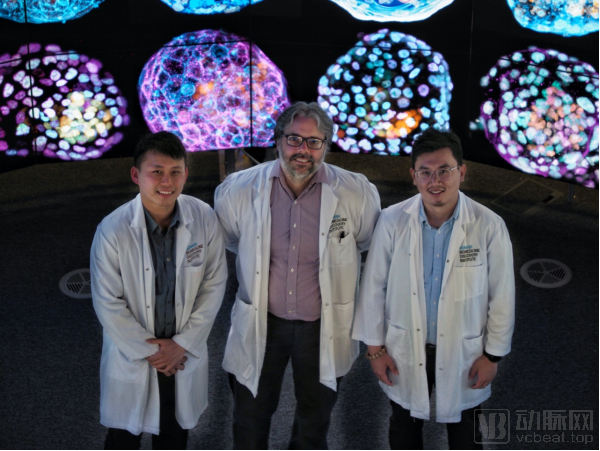
On March 17, 2021, Nature published a cover article titled “Modelling human blastocysts by reprogramming fibroblasts into iBlastoids” by Dr. Liu Xiaodong and doctoral candidate Chen Jiabin from Monash University in Australia. The team constructed the world’s first human embryo-like structures using somatic cell reprogramming technology, simulating the overall architecture and developmental process of human embryos. This marks another major breakthrough for Dr. Liu Xiaodong in the field of induced pluripotent stem cell (iPSC) research, following his September 2020 Nature paper, “Reprogramming roadmap reveals route to human induced trophoblast stem cells.”
During his research into the mechanisms of somatic cell reprogramming, Dr. Liu Xiaodong discovered that mature somatic cells can be reprogrammed into induced human blastoid-like structures (iBlastoids). These iBlastoids recapitulate the overall genetic and structural features of human blastocysts, including an inner cell mass–like structure composed of epiblast-like cells, surrounded by an outer layer of trophectoderm-like cells and a blastocoel-like cavity. This model partially mimics the overall architecture and developmental processes of human embryos.
Since iBlastoids are generated using iPSC-related technologies and do not involve the ethical concerns associated with human embryonic stem cells, they represent a more readily acceptable human embryo-like structure. iBlastoids hold broad application prospects in research on human embryonic development, investigation of pathological mechanisms underlying developmental disorders or miscarriage, improvement of assisted reproductive technology efficiency, as well as in gene editing, large-scale drug screening, and toxicology testing.
iPSCs derived from iBlastoids will also demonstrate significant advantages and potential in clinical applications, including disease research, drug screening, and cell therapies (such as cellular immunotherapy, Parkinson’s disease, and diabetes).
Dr. Liu Xiaodong cordially invites motivated individuals with backgrounds in embryonic development, iPSC reprogramming and the clinical application of iPSC-derived cells, epigenetics, single-cell multi-omics, spatial omics, or bioinformatics analysis to join his team. Interested candidates are requested to send their resumes to Dr. Liu Xiaodong’s email address: xiaodong.ethan.liu@monash.edu.