

From Series A to IPO in Just One Year: How This AI Medical Imaging Company Made It
Keya Medical
International AI Medical Technology Service Provider
On March 16, Beijing Keya Ark Medical Technology Co., Ltd. (hereinafter referred to as “Keya Medical”), an AI-driven healthcare company, filed its prospectus with the Hong Kong Stock Exchange, seeking a listing on the Main Board. CICC served as its sole sponsor.
Keya Medical, established in November 2016, was among the first batch of artificial intelligence companies to enter the medical imaging sector. Unlike most AI-in-imaging enterprises that started with R&D on lung nodules or fundus AI leveraging abundant public datasets, Keya Medical bypassed these areas and directly delved into the cardiovascular and cerebrovascular fields, which hold substantial clinical significance. This bold strategy has not hindered its growth; on the contrary, it has enabled the company to build high barriers to entry ahead of its competitors.
In January 2020, Keya Medical’s non-invasive CT-FFR AI product, “DeepVessel FFR,” broke the stalemate in the medical imaging AI sector where products existed without viable commercialization, securing China’s first Class III medical device certificate for an AI-based medical product. Its recent initial public offering (IPO) journey in Hong Kong also pioneered financing for domestic medical imaging AI companies, making Keya Medical the first medical imaging AI enterprise to enter the IPO stage.
Looking back at the brief history of Keya Medical, the domestic “first approval” it received in January 2020 marked a significant turning point in its growth. Prior to this, Keya Medical had been deeply focused on research and development and regulatory approvals, successively obtaining product certifications such as the EU CE mark and US FDA clearance, and becoming the first company in China to enter the National Medical Products Administration’s (NMPA) Green Channel for innovative medical devices. After seamlessly securing the first Class III medical device certificate for AI-based medical devices approved by the NMPA, the company rapidly expanded its strategy from a single product line to multiple AI imaging product lines. With additional financing rounds, Keya Medical quickly increased its sales and marketing team, propelling the entire enterprise onto a fast-growth trajectory.
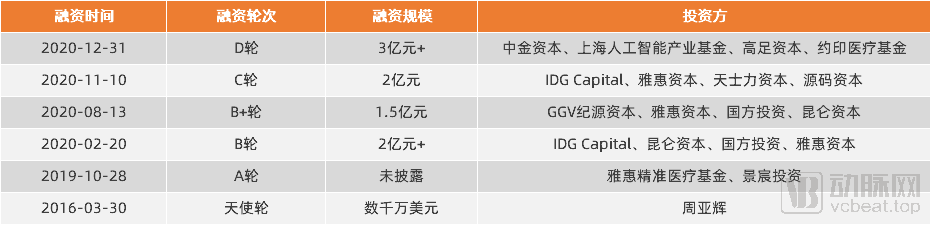
Keya Medical's Financing Path
Despite the favorable development landscape, Keya Medical’s financial data for the past two years, as disclosed in its prospectus, appears less than optimistic. But is this truly the case?
The sales revenue of medical AI companies has always been an enigma. Now that Keya Medical has filed its prospectus, we can catch a glimpse of the tip of the iceberg regarding AI product sales revenue.
Annual report data shows that Keya Medical’s revenue in 2019 and 2020 was RMB 1.2 million and RMB 700,000, respectively, while other income and gains amounted to RMB 4.317 million and RMB 5.733 million, respectively. Over these two years, Keya Medical incurred net losses of RMB 53.9 million and RMB 487.4 million, respectively.
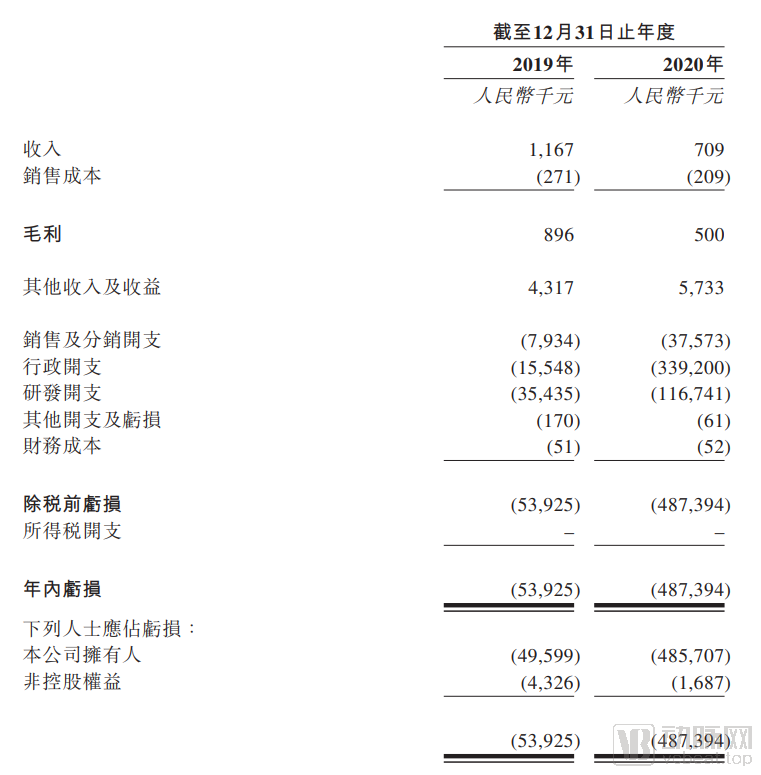
Keya Medical's data appears problematic on the surface, but is actually reasonable upon closer examination.
First, unlike other AI devices that assist physicians in making diagnoses and saving time, Keya Medical’s “DeepVessel FFR” provides hospitals with a novel diagnostic approach unavailable even to experienced clinicians. It helps patients avoid unnecessary invasive coronary angiography (ICA) tests and percutaneous coronary intervention (PCI) procedures, significantly reducing medical costs (approximately RMB 7,000 per patient, according to Frost & Sullivan). This solution delivers substantial economic and social value. As a newly added medical service item, obtaining regulatory approval is merely the basic threshold; securing pricing reimbursement is the true key to achieving commercialization.
According to the prospectus, since obtaining regulatory approval, Keya Medical successfully completed applications for the pricing of new medical service items in four provinces and municipalities in 2020, despite the adverse conditions brought by the pandemic. Given the current team’s execution and expansion efficiency, Keya Medical is expected to accelerate its progress in securing price approvals across additional provinces.
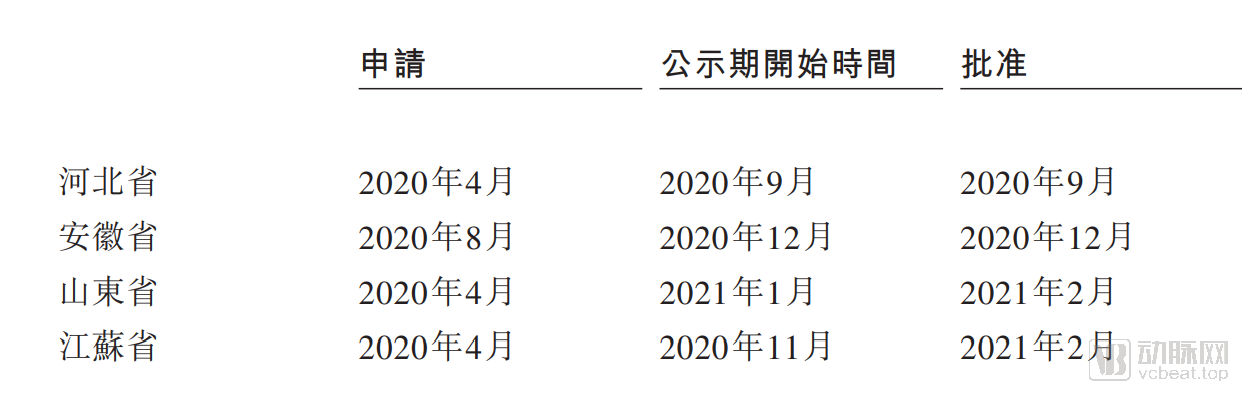
Approval Dates for the Four Approved Provinces
Establishing pricing approvals—from initial application to final inclusion, and from single-city pilots to nationwide rollout—requires considerable time. This explains why Keya Medical struggled to generate substantial sales revenue from hospitals and imaging centers during this phase.
In this scenario, Keya Medical shifted its development focus to the research, development, and sales of multiple products. Within one year, its workforce doubled, growing from 150 to 300 employees. Of this increase, 65% came from the sales team, while 35% came from the R&D team. This strategy led to a sharp rise in company costs.
The administrative expenses section in the prospectus clearly illustrates Keya Medical’s investment in human resources. As shown in the table below, the company allocates a substantial portion of its funds to employee salaries, benefits, and equity-based compensation, with these expenditures accounting for nearly three-quarters of Keya Medical’s annual net loss. In terms of talent acquisition and retention, Keya Medical has spared no effort.
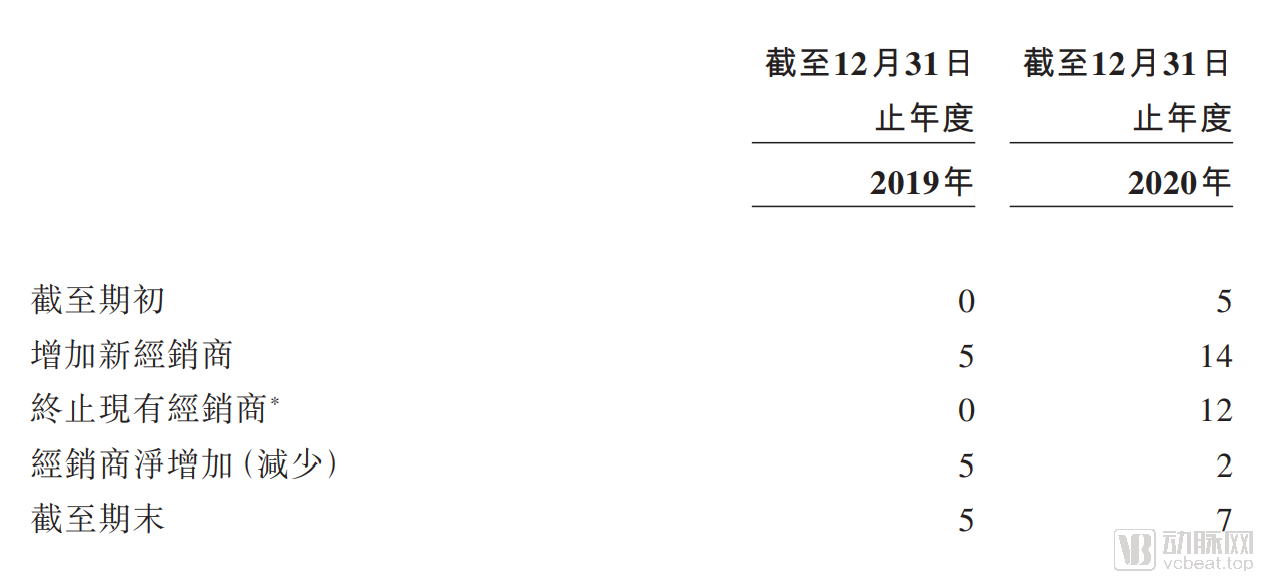
Numerous initiatives aimed at securing a dominant market position require substantial financial support. In 2020, Keya Medical completed four rounds of financing, raising a total of over RMB 1 billion. That year, RMB 117 million was allocated to product research and development, while RMB 339 million was directed toward sales, employee benefits, and other related expenditures.
In return, although there was no actual revenue, Keya Medical expanded from nearly 120 partner hospitals and over 70 co-built centers in early 2020 to its current scale of product implementation across 728 partner hospitals, covering 55% of China’s Grade A tertiary hospitals, thereby achieving preliminary nationwide coverage.
Based on the balance sheet data, Keya Medical’s operations remain within a safe range. At the end of 2020, its total assets amounted to RMB 856 million, with total liabilities of RMB 82 million, resulting in an asset-liability ratio of only 10.49%, which is sufficient to sustain its financial capacity for approximately 25 months. The annual report indicates that Keya Medical expects its next round of financing to occur no earlier than 2023.
How has a company yet to achieve revenue at scale managed to attract investment from prominent firms such as IDG Capital, GGV Capital, and Source Code Capital, and secure RMB 1 billion in funding within just one year? This naturally serves as an affirmation of Keya Medical’s future development prospects.
According to the prospectus, Keya Medical has currently established four industrial lines comprising 17 products. Its flagship products are DeepVessel FFR (CT-FFR), which has received approval from the FDA, CE, and NMPA, and the DeepVessel Stroke AI Imaging Analysis System, which obtained FDA clearance in April 2020. Other products, covering coronary arteries, brain, lung CT, cervical cancer, slide scanning, digital pathology, and surgical planning, have either entered or are about to enter clinical trials, with NMPA approval expected around 2022.
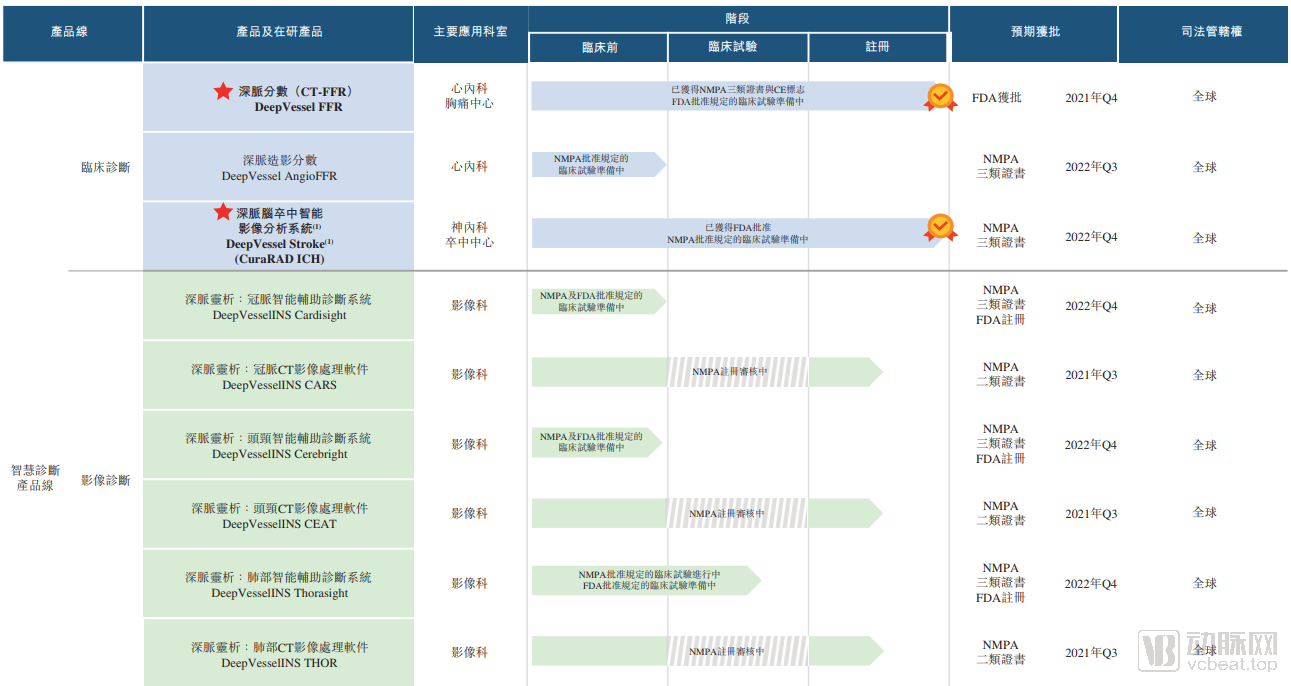
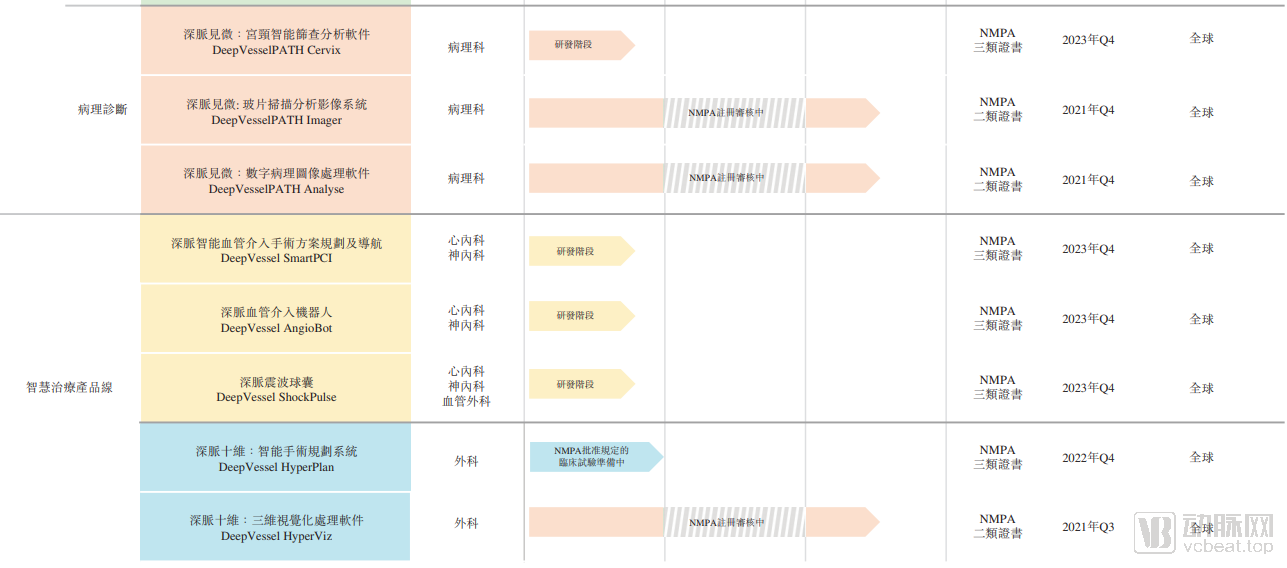
In terms of products, Keya Medical has independently developed DeepVessel FFR, a solution based on deep neural networks that integrates patients’ individual imaging, anatomical, and physiological features. It enables non-invasive assessment of coronary artery physiological function based on CTA images and calculates FFR values. Leveraging AI, this product reduces the computation time required by HeartFlow from several hours to under 10 minutes.
Meanwhile, the algorithmic model not only fully accounts for the structure of the vascular tree and performs global optimization, but also learns from training on complex lesions. It can calculate fractional flow reserve (FFR) values at various points along the vascular tree, enabling precise FFR assessment and demonstrating good consistency with pressure wire–measured FFR.
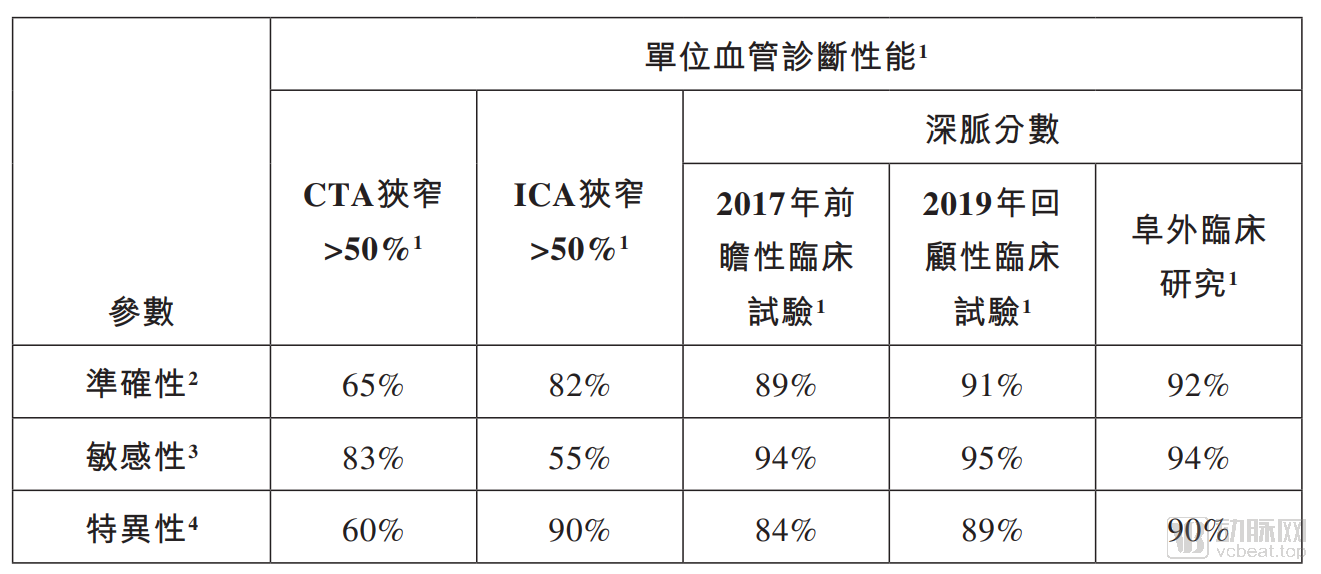
At the Fuwai Clinical Research Center, all metrics of the DeepVessel Fraction exceeded 90%.
Currently, Keya Medical has completed 19 clinical trials in collaboration with Beijing Anzhen Hospital, Fuwai Hospital of the Chinese Academy of Medical Sciences, West China Hospital, and the Chinese PLA General Hospital, enrolling a total of 14,170 participants. Additionally, nine clinical trials are currently underway, with a total of 10,633 participants enrolled.
In the United States, FFR has been incorporated into clinical practice guidelines for the diagnosis and treatment of coronary heart disease. Data from a study published in 2014 in the Journal of the American College of Cardiology indicated that CT-FFR had a higher diagnostic accuracy (86%) than coronary angiography (65%), and its specificity was significantly improved compared with coronary CTA (60%). When the FFR value is ≤0.8, percutaneous coronary intervention (PCI) is indicated; when the FFR value is >0.8, medical therapy may be used. Therefore, physicians can scientifically plan treatment strategies for coronary heart disease based on FFR values.
According to the "2020 China Health Statistics Yearbook," the number of deaths from coronary artery disease in China reached 1.75 million in 2019.
Driven by factors such as population aging, obesity, and unhealthy lifestyles, the number of patients with coronary artery disease in China increased from 13.0 million in 2015 to 17.0 million in 2020, representing a compound annual growth rate (CAGR) of 5.5%. This figure is projected to further rise to 28.8 million by 2030, with an expected CAGR of 5.4% from 2020 to 2030.
In 2020, the field of cardiovascular functional assessment showed robust growth. Invasive fractional flow reserve (FFR) wire measurement has been recognized by expert consensus as the most accurate gold standard for diagnosing stable coronary artery disease, carrying the highest recommendation class in clinical guidelines (Class I, Level A). FFR computation technology based on invasive coronary angiography has been approved by the Beijing Municipal Health Commission for inclusion in the medical service fee schedule (charged at RMB 3,800 per case), and larger-scale clinical studies and validations are currently underway following regulatory approval.
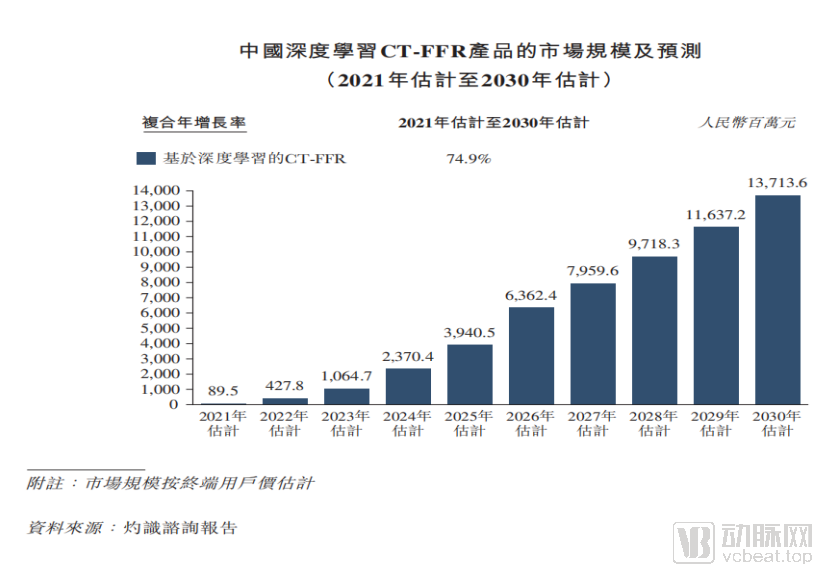
How large is this market? According to data from Frost & Sullivan, driven by factors such as the increasing acceptance of deep learning-based medical devices in the market, unmet medical demand for non-invasive diagnostic tools for coronary artery disease in China, continuously improving data availability, and favorable government policies, the market for deep learning-based CT-FFR products in China is expected to experience exponential growth in the coming years. By 2030, the total addressable market size for deep learning-based CT-FFR products in China is projected to reach 66.7 million cases.
Nowadays, non-invasive FFR, led by CT-FFR, is gradually replacing invasive FFR measured with pressure wires in PCI procedures, capturing a larger market share. Professor Jiangtao Hou from the Faculty of Medicine at The Chinese University of Hong Kong has stated that imaging-based FFR requires neither vasodilator drugs nor pressure wires and associated equipment. More importantly, it can be performed non-invasively or minimally invasively, significantly reducing patients’ pain during the procedure and effectively alleviating their anxiety.
Meanwhile, image-based FFR can guide PCI treatment, reduce the number of unnecessary diagnostic coronary angiographies and stent implantations, and effectively avoid complications such as coronary artery spasm and perforation caused by invasive FFR. Furthermore, image-based FFR can be applied in the treatment of multivessel disease, providing a basis for target lesion selection and assessing the benefits of revascularization.
Therefore, according to Frost & Sullivan, Keya Medical’s flagship product, DeepVessel FFR, is the first Class III AI-enabled medical device approved by the National Medical Products Administration (NMPA) for commercialization in China. The approval specifically highlighted that DeepVessel FFR’s “performance metrics are at an internationally leading level” and that it “delivers significant economic and social benefits.”
In a recent study conducted by the School of Public Health at Capital Medical University, the authors noted that deep learning-based CT-FFR products (such as DeepVessel FFR) offer the most cost-effective diagnostic solution and hold significant potential for widespread adoption, compared with all other currently available mainstream diagnostic methods for coronary artery disease (CAD).
The authors also estimate that if deep learning-based CT-FFR products were widely adopted in China, at least RMB 6 billion could be saved, with potential savings in China’s public healthcare expenditure reaching as high as RMB 100 billion in 2019 alone.
According to Frost & Sullivan, the market size of deep learning-based CT-FFR products in China is expected to grow from RMB 89.5 million in 2021 to RMB 13.7 billion in 2030, with a compound annual growth rate (CAGR) of 74.9%.
In summary, although Keya Medical has not yet achieved significant revenue, it is currently positioned at the forefront of a major industry trend. Holding the first Class III AI medical device approval in China and securing substantial market share, the company’s two approved products attest to its robust product quality. This provides investors with the confidence to assume associated risks.
The financial report itself may not be sufficient to clarify the strengths and weaknesses of Keya Medical, but judging from Keya Medical’s actions in 2020, the company has pinned its hopes on first-mover advantage.
Fourteen months have passed since the first Class III medical device registration certificate for CT-FFR was approved, and no second certificate of the same type has been issued to date. Furthermore, inclusion in the pricing catalog requires an additional 5–10 months. This means that Keya Medical holds a lead of at least one year in commercialization. From this perspective, it is easy to understand why Keya Medical secured RMB 1 billion in funding, jumping directly from Series A to Series D, despite having negligible revenue in 2020.
After all, with the advantage of this one-year head start, the current priority is to enter as many hospitals as possible and establish contractual relationships once collaborations are secured. FFR is a strong product; if its implementation is executed well and commercialization barriers are broken down, only pricing remains as an issue. Keya Medical’s AI commercialization journey is nearly at this final step.
From this perspective, Keya Medical’s journey toward an IPO bears a striking resemblance to that of Ascletis Pharma, which went public two years ago with zero revenue. The difference is that Keya Medical now enjoys favorable timing and conditions, needing only one final push. It has the opportunity to become the first AI healthcare quasi-unicorn to list on the capital markets.
Of course, Keya Medical has not put all its eggs in one basket. The rapid expansion of its product lines in 2020 served both as a risk-diversification strategy and as the next growth driver for its business. Following the logic of healthcare informatization development, once hospitals become familiar with Keya through its CT-FFR solution, they will also recognize its other products—the key lies in taking that crucial first step successfully.
In addition to Keya Medical, other companies such as Infervision and Airdoc, which have recently announced their IPO plans, are following a similar path. The core products of these companies do not directly compete with one another; the key lies in rapidly capturing market share after obtaining Class III medical device certification, thereby seizing the first wave of dividends from the medical AI boom.