

Zhongguancun Science City Life Science and Technology Innovation Forum (Frontier Trends Session) – A Key Event of the 2021 Zhongguancun Forum
On March 18, the first event of the 2021 Zhongguancun Forum—the Zhongguancun Science City Life Science and Technology Innovation Forum—was successfully held at the Conference Center of the Exhibition Center for the Zhongguancun National Independent Innovation Demonstration Zone.
Xu Qiang, Party Secretary of the Beijing Municipal Science & Technology Commission and the Zhongguancun Administrative Committee, and Director of the Beijing Municipal Science & Technology Commission; Yu Jun, Secretary of the Haidian District Committee of the Communist Party of China; Hou Yun, Member of the Party Leadership Group, Deputy Director, and First-Level Inspector of the Beijing Municipal Science & Technology Commission; and other officials attended the event. The forum was hosted by the Office of the Organizing Committee of the Zhongguancun Forum, undertaken by the Administrative Committee of Zhongguancun Science City, and co-organized by Beijing Zhongguancun Science City Innovation Development Co., Ltd. and the Beijing Haidian District Biohealth Industry Association.
The forum focused on “Entering the Era of First-in-Class Innovation in New Drugs,” centering on the pursuit of first-in-class novel therapeutics. It addressed hot topics such as the innovation ecosystem and regulatory landscape of the pharmaceutical industry, basic research and translational application of new drugs, comparative analysis of domestic and international development pathways for new drugs, and financing for pharmaceutical enterprises. Nearly 20 scientists, entrepreneurs, and investors from China and abroad in the life sciences and technology sector—including Huang Niu, Huang Yuanyu, Li Zhengqing, Li Jing, and Shan Bei—were invited to deliver presentations on multiple themes, ranging from “AI-Driven New Drug R&D,” “Nucleic Acid Therapies,” and “Synthetic Biology” to “Review and Future Outlook of Biopharmaceutical Investment and Financing.”
The forum will be conducted in two sections: Frontier Trends and Industry Practices. This section covers Frontier Trends, with key viewpoints excerpted below:
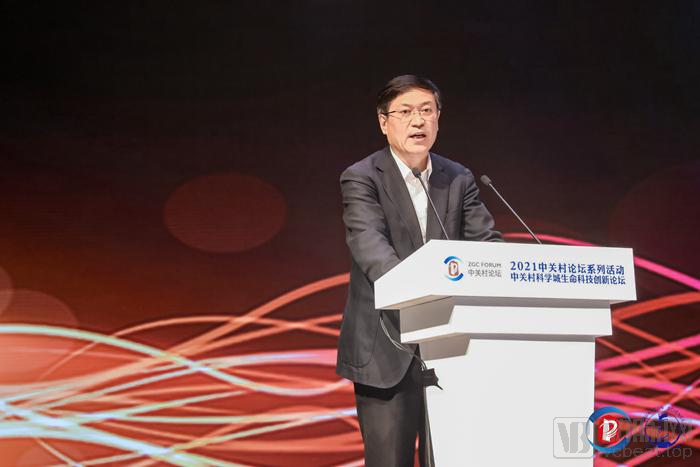
Xu Qiang, Party Secretary of the Beijing Municipal Science & Technology Commission and Zhongguancun Administrative Committee; Director of the Beijing Municipal Science & Technology Commission
Xu Qiang stated that, looking to the future, Beijing will further leverage its advantages in science, education, talent, and government services; intensify efforts to foster innovation; remove bottlenecks hindering the translation of original innovations into industrial applications; continuously expand international cooperation channels for Beijing’s pharmaceutical and health industry; strive to establish Beijing as a key source of innovative development in the pharmaceutical and health sector; and work with all parties to contribute to the building of a Healthy China.
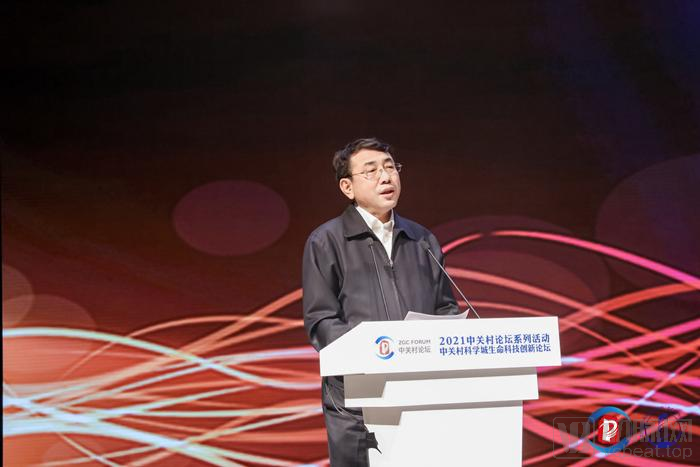
Yu Jun, Secretary of the Haidian District Committee
Yu Jun stated that Zhongguancun Science City hosts a diverse array of innovation entities and has gathered a large pool of top-tier talent, including academicians from the Chinese Academy of Sciences and the Chinese Academy of Engineering, as well as scientists. The innovative “rainforest” ecosystem of Zhongguancun Science City provides them with an environment conducive to both living and working. Haidian District sincerely invites friends from all sectors to come here to pioneer and forge ahead, working together to build the core zone of an international scientific and technological innovation center with global influence.
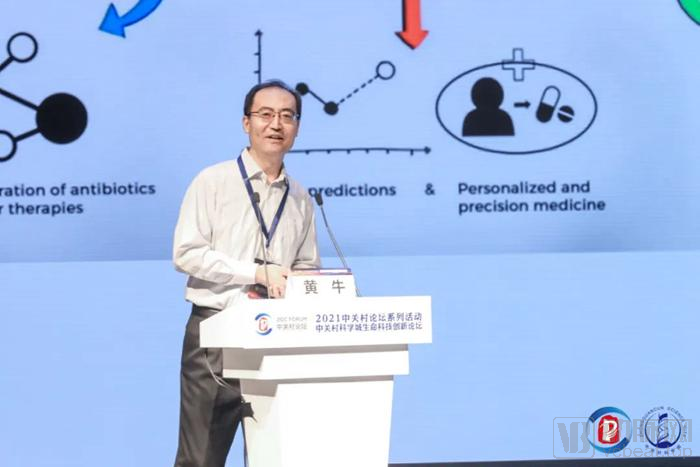
Huang Niu, Senior Investigator at the National Institute of Biological Sciences, Beijing / Institute for Biomedical Interdisciplinary Research, Tsinghua University
Artificial intelligence is most widely applied and excels in areas such as data analysis, model induction, and feature extraction. With neural networks and related methodologies as representative approaches, what specific benefits can AI bring to our new drug development, or what breakthroughs might it achieve? The following are some perspectives from Professor Huang:
Ultimately, the applicability of artificial intelligence hinges entirely on the availability of data for model building. In new drug development, whether for small-molecule or large-molecule drugs, the compound structure or protein three-dimensional structure can be viewed simply as a graph representation.
The success of AlphaFold, a representative example of artificial intelligence, lies in its use of tens of thousands of experimental structural data sets and hundreds of millions of sequence entries to identify reliable targets, determine their structures, and thereby facilitate structure-based drug design.
Once structural data is available, we can design artificial intelligence-based functions to help identify small-molecule binding targets. By employing graph convolutional neural networks to learn or abstract structural information, we build models that correlate this information with biological activity and physicochemical properties. These models are then used to predict protein–small molecule interactions, which is critically relevant to new drug development, particularly in the discovery of lead compounds.
However, the crux of the issue is that while the chemical space of compounds is well known, it is the corresponding physicochemical properties and bioactivity data that constitute the true focus of our research. These are the very factors that constrain the effective application of artificial intelligence in new drug development. We leverage AI to build various models, but these models must be validated through experimental assays to be truly usable and meaningful.
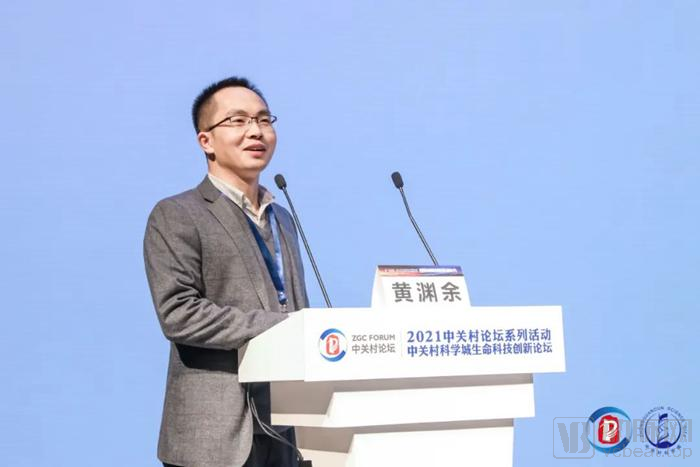
Huang Yuanyu, Doctoral Supervisor and Research Fellow, Beijing Institute of Technology
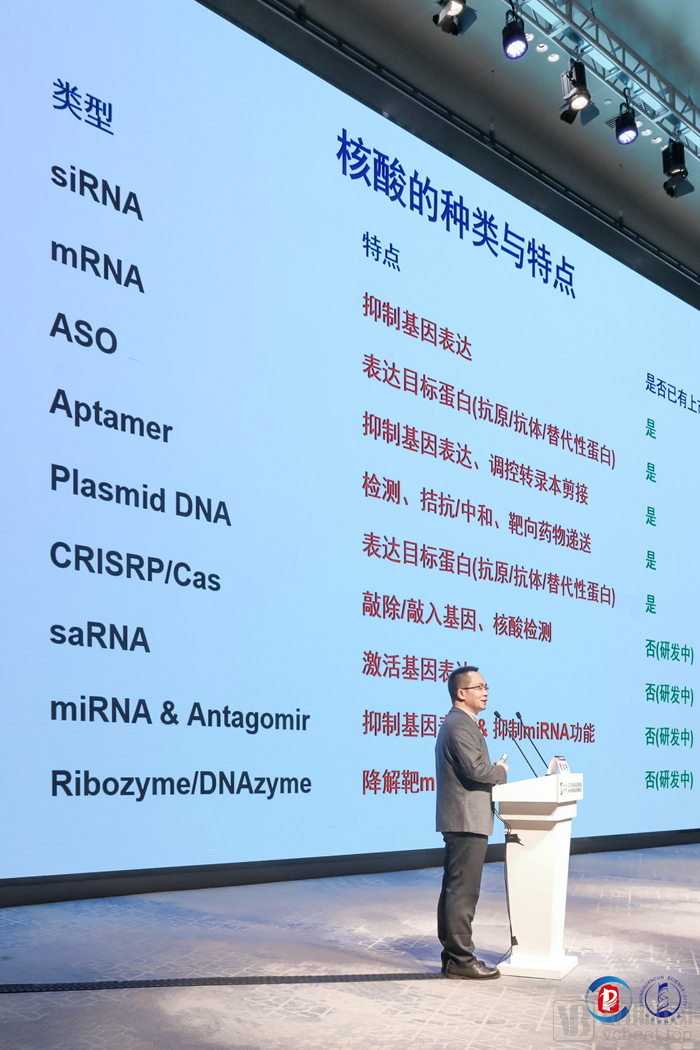
Types and Characteristics of Nucleic Acids
The outbreak of COVID-19 has made the term “nucleic acid” widely familiar to the public. mRNA technology has entered everyday households, and people around us frequently discuss the efficacy and safety of mRNA vaccines.
However, nucleic acids are not limited to mRNA vaccines. In fact, in addition to these two types, there are various other nucleic acid modalities. Currently, five types of nucleic acid therapeutics are commercially available: siRNA, mRNA, ASO, aptamers, and plasmid DNA. Today’s discussion will primarily focus on the first two.
The first section introduces siRNA, a technology actually based on RNA interference (RNAi), which was awarded the Nobel Prize in 2006. In China, nucleic acid development has been incorporated into national planning frameworks—including key medium- and long-term strategic directions—in 2013, 2016, and 2019. To date, four siRNA drugs have been approved for market: Onpattro, Givlaari, Oxlumo, and Leqvio.
The fundamental principle of siRNA involves delivering nucleic acid molecules into the cytoplasm, where they leverage endogenous cellular components, such as specific proteins, to recognize messenger RNA (mRNA). Through complementary base pairing, siRNA identifies and cleaves target mRNA, thereby inhibiting protein expression and achieving therapeutic effects.
Based on fundamental principles, it is evident that siRNA is an RNA interference therapeutic. In terms of target location, target accessibility, drug design, and administration routes, siRNA exhibits similar effects or offers advantages compared to small-molecule antibodies.
In terms of target scope, siRNAs have a broader range of targets than small molecules and antibodies. Regarding target accessibility, siRNA drugs can inhibit non-coding RNAs, which are targets that were previously undruggable by small-molecule or antibody therapies. In drug design, siRNA development is sequence-based, featuring digital or informatics-driven characteristics that enable faster design cycles. As for routes of administration, siRNAs are currently primarily delivered via subcutaneous, intravenous, or intrathecal injection, while oral formulations are under development.
The second part introduces mRNA. If the mRNA encodes an antigen, it functions as a vaccine. If it encodes proteins whose misfolding or mutations cause disease, it serves as a replacement therapy. The primary application areas of mRNA therapeutics include mRNA vaccines, therapeutic antibody vaccines, and certain therapeutic regimens involving intratumoral injection for tumors.
mRNA Therapeutics: Realizing a Therapy from an IdeaWe know that a specific protein can be used to treat a particular disease or developed into a vaccine. Starting from the amino acid sequence, we can derive the corresponding messenger RNA (mRNA) sequence. The mRNA sequence is first optimized and then reverse-transcribed into DNA templates. These templates are subsequently used for in vitro transcription to produce the desired mRNA, which is finally formulated into a therapeutic product, thereby realizing the therapy.
A more critical issue in the technical direction is drug delivery, which can be administered via subcutaneous, intramuscular, or intratumoral injection, as well as intravenous infusion. Domestic enterprises, whether state-owned or private, face the greatest challenge of lacking a safe and efficient delivery system with independent intellectual property rights.
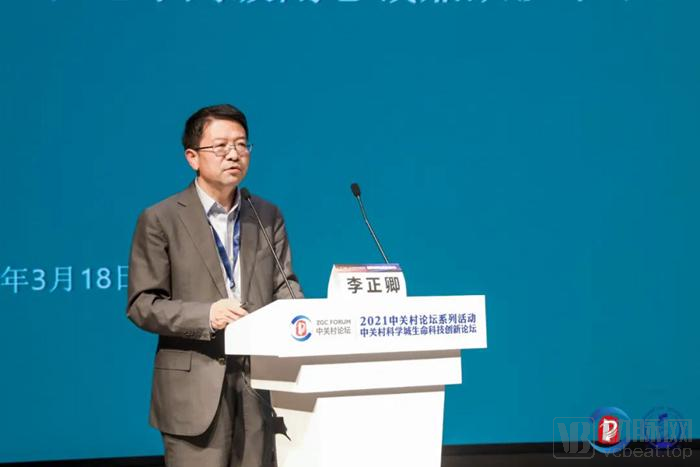
Li Zhengqing, Senior Vice President, Merck & Co., Inc.; President, MSD China R&D Center
The Past Decade: An Era of Innovation in Drug Development
On the one hand, driven by the global trend of new drug innovation and coupled with China’s reforms, a wave of emerging biotechnology companies has arisen in China, with many related startups going public in recent years.
On the other hand, it has had a profound impact on traditional pharmaceutical companies. Traditionally, most pharmaceutical companies have focused on generic drugs. Against this backdrop, transitioning from generics to innovative drugs presents a significant challenge for these enterprises.
What challenges do multinational corporations face against this backdrop? For multinational companies, prior to the regulatory reforms, it was extremely difficult to gain approval for a clinical trial protocol. Even if a pharmaceutical company made no errors whatsoever, its product’s market launch in China would still lag behind that in the United States by three to four years.
For multinational corporations, innovation means delivering the world’s most innovative products to patients in China in the shortest possible time and achieving synchronized R&D.
In China, MSD employs nearly 5,000 staff members, with over 1,000 engaged in research and development-related work. One well-known fact about MSD is that in the late 1980s, it conducted a survey on hepatitis B virus carrier rates in China. The carrier rate among children under five years of age was approximately 10%, which declined to less than 1% by 2006.
Merck’s fundamental rationale for conducting this R&D and research is the existence of substantial unmet medical needs in China. For instance, cancer mortality rates in China rank highest globally; additionally, with over 100 million individuals affected by diabetes, there is also a significant demand for diabetes care.
Taking the HPV vaccine as an example, it was approved in the United States in 2006 and in China in 2017, with clinical trials for the quadrivalent vaccine conducted in China for 11 years. Under the reform of the Drug Administration Law, the ultimate goal is to accelerate the reduction of the gap in market approval timelines and achieve synchronized approvals.
Overall, innovation means different things to different companies, as each enterprise engages in distinct business activities. For multinational corporations, innovation is about delivering products to patients more rapidly. In China, regulatory reforms and innovation-driven policies have accelerated the research and development of innovative products. Leveraging these policy advantages, and adhering to the principle that pharmaceuticals are produced for humanity rather than solely for profit, financial returns will inevitably follow.
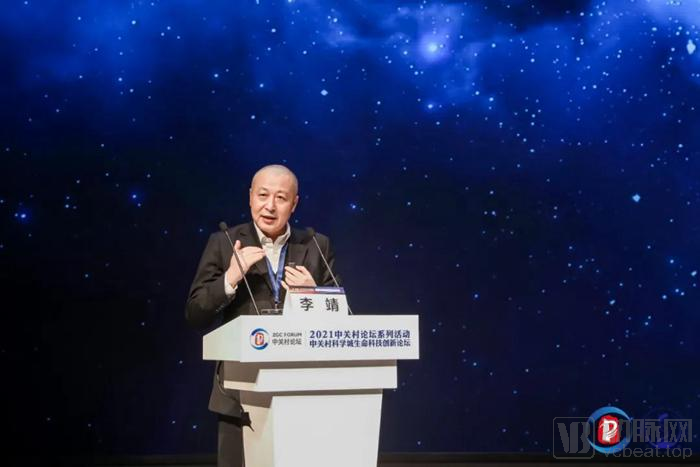
Li Jing, Chairman and Founder of Pharmadlens Information Technology (Beijing) Co., Ltd.
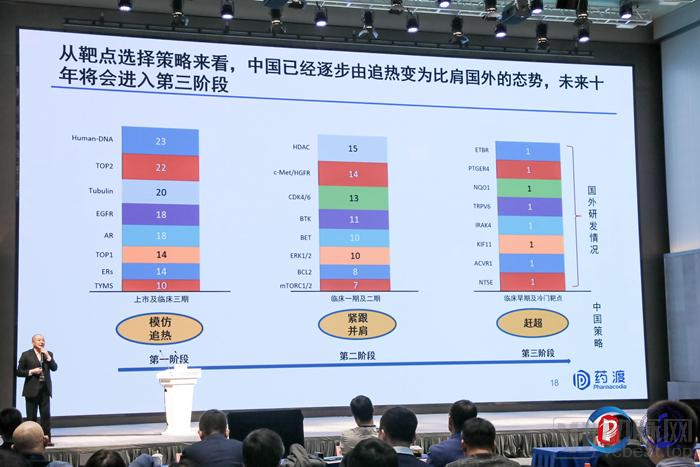
Development Stages of Targets in China
For the past two decades, and even earlier, China has consistently pursued a single goal in drug development: to take the lead, to surpass others, and to create indigenous innovations. Below are excerpts of perspectives on global biopharmaceutical R&D trends and the restructuring of China’s R&D landscape:
First, in terms of target selection strategy, China initially followed foreign approaches, with the vast majority of targets previously originating from the West. Over time, it has progressed to keeping pace and standing side by side, possessing innovative targets discovered independently.
Over the next decade, our priority will be to catch up and surpass competitors by fostering indigenous innovation, increasing investment, and closely aligning product development with market trends. R&D efforts across enterprises will no longer converge on similar targets but will instead pursue highly diverse research directions, as such differentiation is essential for pharmaceutical innovation in the new era.
In terms of supply chain maturity, China’s new drug sector has also developed the capacity for efficient incubation. Preclinical investments in developed markets amount to approximately $200–400 million, while clinical development expenditures range from $800 million to $1 billion. With ongoing reforms in China’s pharmaceutical policies, investment in early-stage development is increasing, and China is gradually advancing toward a mature, industrialized pharmaceutical ecosystem.