

Demetrix Files IPO Prospectus: Scaling Rare Cannabinoid Production via Synthetic Biology and Fermentation

Demetrix
Cannabinoid Producer
With the changing times, more environmentally friendly and efficient new energy sources and new materials have become the trend of our development and pursuit. In recent years, the discipline of synthetic biology has emerged to lead the development of the third biotechnology revolution.
Synthetic biology refers to the design and creation of new parts, devices, and systems based on established principles and existing knowledge, as well as the redesign of natural biological systems to serve specific human purposes.
Synthetic biology encompasses a wide range of research directions, primarily categorized into the following areas: gene editing, genome engineering, protein design, non-natural systems, genetic circuit design, directed evolution, cell factories and therapies, and biological data. Among these, cell factories engineered to construct metabolic pathways for the synthesis of specific products have the most extensive industrial applications.
Demetrix is such a “fermentation company.” It was founded on January 1, 2015, and is headquartered in Berkeley, California.Demetrix is dedicated to industrializing rare ingredients found in nature,thereby leading to a healthier and happier life. The company integrates the metabolic pathways of the cannabis plant and other species into yeast, leveraging fermentation technology to accelerate cannabinoid production.
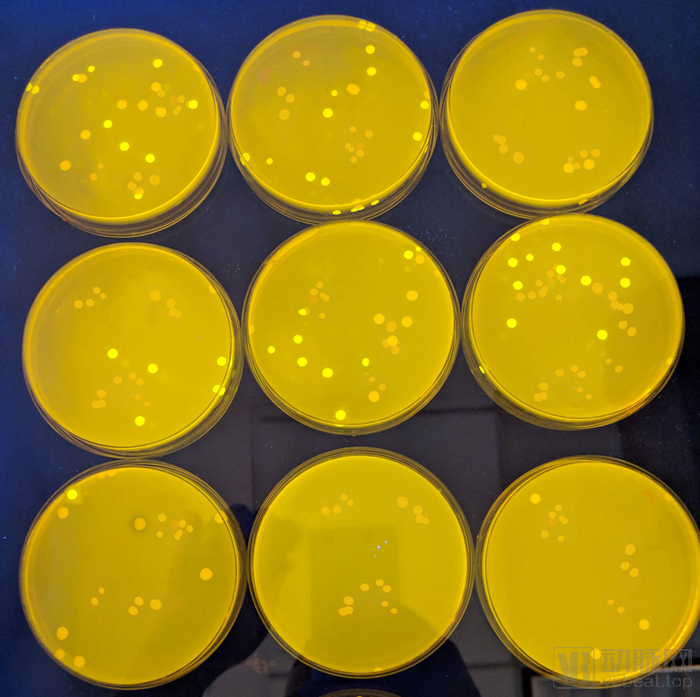
Image source: Demetrix official website
Demetrix, Inc. combines biotechnology with one of humanity’s oldest and most reliable production processes: fermentation. By leveraging technologies in computation, automation, and gene editing (synthetic biology-related techniques), the company inserts genes into yeast to enable the fermentation-based production of rare cannabinoids.Through controlled fermentation technology, the product offers advantages such as high purity, reduced raw material usage, shorter production time, and strong product consistency.
Global Market Value of Cannabinoids Expected to Reach $100 Billion by 2029
The two most commonly mentioned cannabinoids are THC, which is psychoactive, and CBD, which is non-psychoactive.
THC occurs naturally in the resin secreted by the pistils of female flowers of Cannabis, a plant belonging to the Moraceae family, and can also be produced through chemical synthesis. It possesses medicinal properties, including anticancer, antibacterial, antiemetic, and diuretic effects. THC can be used to treat conditions such as post-traumatic stress disorder (PTSD), neuropathic and chronic pain, insomnia, arthritis, migraine, Crohn’s disease, fibromyalgia, Alzheimer’s disease, glaucoma, attention-deficit/hyperactivity disorder (ADHD), and sleep apnea.
CBD also possesses diverse medicinal values: CBD exerts analgesic and anti-inflammatory effects through pharmacological mechanisms involving CB1 and CB2 receptors; it has a calming effect on GABA neurotransmitters in the human brain, inhibiting central nervous system excitability to achieve antiepileptic efficacy; regarding anxiolytic properties, CBD helps maintain endogenous cannabinoids at optimal levels, thereby reducing anxiety in patients with depression without causing addiction; furthermore, CBD can block the adverse effects of certain polyphenols on the human nervous system and exhibits a range of physiological activities, including inhibiting breast cancer metastasis, combating rheumatoid arthritis, and alleviating insomnia.
CBG (Cannabigerol) is the precursor for the synthesis of all other cannabinoids. CBG is present in trace amounts in most cannabis plants, typically accounting for less than 1% in common strains. With prices ranging from $16,000 to $20,000 per kilogram, it is hailed as the "Hermès of cannabinoids." Pharmacologically, CBG is a non-psychoactive cannabinoid that has garnered significant attention due to its broad-spectrum antibacterial, antimicrobial, and anti-inflammatory properties.
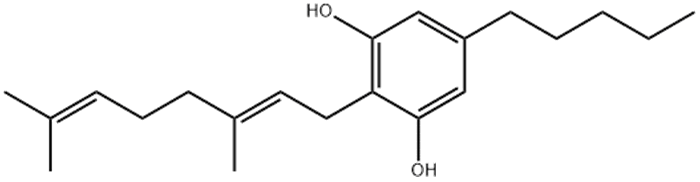
Image source: CAS database
From a scientific research perspective, numerous companies worldwide are conducting in-depth studies on CBG. Research into anti-tumor growth has found that CBG can inhibit the proliferation of cancer cells and stimulate appetite in chemotherapy patients. Studies on antibacterial activity have revealed that CBG exhibits the following characteristics: high antibacterial activity against Gram-positive bacteria (comparable to vancomycin); a broad spectrum of activity effective against multidrug-resistant bacteria; low propensity for inducing drug resistance; and, when combined with polymyxin B, effective activity against Gram-negative bacteria.
From a market perspective, the appeal of cannabinoids lies in their dual nature as both high-value and high-yield products. They are utilized not only in health-related applications such as pharmaceuticals but also in beauty products like skincare. The global market value of cannabinoids is projected to reach $100 billion by 2029.
Given the vast market prospects for cannabinoids, Demetrix has aimed to capture a share of this market from the outset and is actively pursuing the commercialization of more than 100 cannabinoid compounds. By integrating metabolic pathways into yeast, Demetrix enables the production of natural cannabinoids such as THC, CBD, CBG, CBDV, and THCV. Furthermore, the company can synthesize numerous non-natural cannabinoids, thereby accessing a broad market scope.
Demetrix has scaled its production capacity from zero to 15,000 liters in less than three years. The large-scale fermentation production of CBG at a 15,000-liter volume represents a milestone advancement in the commercialization of rare cannabinoids. This is also the first rare cannabinoid brought to market by Demetrix, which can subsequently be used in a range of safe, effective, and legal pharmaceutical and healthcare products, from medicines to skincare.
CEO Ubersax stated that the company’s rapid scaling was possible because Demetrix pursued its goals from the outset. The company’s engineers designed a production process for their ultimate target scale of 100,000 liters, then scaled it down by an order of magnitude to 1,000 liters. This approach enabled the creation of a nearly complete, miniaturized production environment suitable for demonstration and pilot-scale operations.
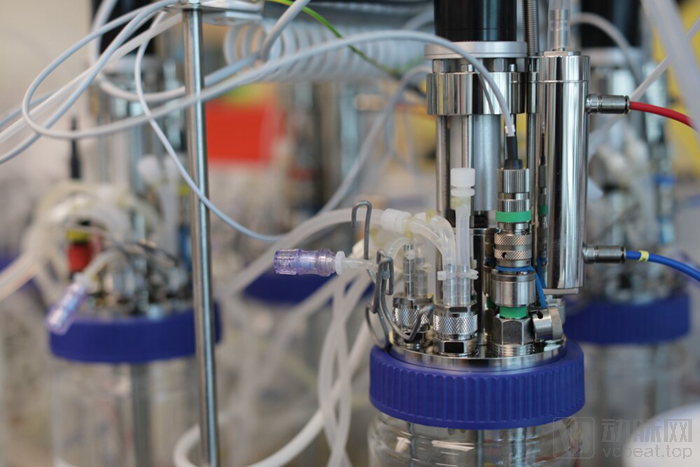
Image source: Demetrix official website
When considering the development of a diverse portfolio of cannabinoid products, Ubersax stated that they adhere to three criteria. First, the compounds must be safe, effective, and functionally distinct. Second, they evaluate the technical difficulty associated with product development. Third, they take regulatory considerations into account. Ubersax remarked, “It is crucial to maintain transparency and openness with regulatory agencies regarding our activities and to collaborate closely with them, as this can significantly accelerate the time-to-market for our products.”
In addition to the three factors mentioned above, the extensive synthetic biology expertise possessed by Demetrix’s founding team has also accelerated the company’s development.
CEO Ubersax is a postdoctoral scholar at Stanford University. Ubersax served as Vice President of R&D at Amyris, where he developed and led the company’s genome and strain engineering platform. Ubersax holds a Ph.D. in Biochemistry and Molecular Biology from the University of California, San Francisco, and a Bachelor of Science degree from the University of North Carolina at Chapel Hill.
President Darren Platt. In addition to his strategic role as President, Darren is also responsible for building the company’s automation, computing, and data platforms. Darren holds a Ph.D. in Computer Science from Monash University in Melbourne, Australia, and conducted postdoctoral research at the Wellcome Sanger Institute in Cambridge. He has previously served as Vice President of R&D at Amyris, Director of Research at 23andMe, Head of Bioinformatics at the Joint Genome Institute, and Director of Bioinformatics at Exelixis.
Demetrix’s rapid growth and its experienced founding team have naturally attracted investor interest.
On July 11, 2019, Demetrix completed a $50 million Series A financing round. The proceeds from this round were primarily used to scale up its business and provide more related products to pharmaceutical, health supplement, and consumer goods companies. This round was led by Tuatara Capital, with participation from existing investor Horizons Ventures.
Lead investor Tuatara Capital, founded in 2014, is a specialized alternative investment management firm dedicated to supporting the industrialization of legal cannabis. The company focuses on exploring a range of investment opportunities across the cannabis supply chain, including cannabis research, cultivation, technology, and industry services. Tuatara Capital currently manages over $330 million in cannabis-related assets.
Marc Riiska, a partner at Tuatara Capital, stated that Demetrix’s team has a strong track record in the large-scale commercialization of cannabinoids, possessing extensive expertise in both bioengineering and cannabinoid research and development. The continuous scaled production of high-purity, consistent cannabinoids represents a key development direction for this emerging industry.
Co-investor Horizons Ventures, established in 2002, is the investment fund under Mr. Li Ka-shing. Horizons Ventures is a leading investor in some of the world’s most innovative companies and disruptive technologies. Its investment portfolio primarily includes Facebook, Spotify, Siri, Zoom, Impossible Foods, Waze, Summly, DeepMind, and AirWallex.
Notably, this marks Horizons Ventures’ second consecutive investment in Demetrix, having previously led the company’s $11 million seed funding round.
The infusion of capital has accelerated and diversified Demetrix’s growth. On November 10, 2020, Demetrix launched its CBG sampling program, providing samples to skincare and consumer goods companies to initiate product formulation.

Image source: Demetrix official website
In the beauty and personal care sector, global sales of cannabis-derived products had already reached $21 billion in 2020.。In the cosmetics industry, hemp offers benefits such as anti-aging, moisturizing, and skin repair. In recent years, attention to cannabinoids has been steadily rising in both international and domestic cosmetic markets. Hemp-based skincare products are now ubiquitous, ranging from lip balms and facial masks to creams.
In China, skincare products containing cannabinoids have not yet been fully deregulated; only three ingredients—cannabis sativa fruit extract, cannabis sativa seed oil, and cannabis sativa leaf extract—are listed in the Inventory of Existing Cosmetic Ingredient Names (2015 Edition). Within the domestic skincare and beauty sector, cannabinoid-infused cosmetic products still face a long road ahead, accompanied by greater challenges.